

Shyamrai Satra
General information
-
Ideal Duration:
1-2 hours (For a spiritual visit and exploring the compound)Place Type:
Religious/Spiritual, Cultural, HeritageEntry Fees:
No Formal Entry Fee: As a functioning place of worship and a religious institution, the Shyamrai Satra does not charge any formal entry fee to visit the main complex or the Naamghar. The core principle of the Satra is universal access to religious and spiritual learning.No Formal Entry Fee: As a functioning place of worship and a religious institution, the Shyamrai Satra does not charge any formal entry fee to visit the main complex or the Naamghar. The core principle of the Satra is universal access to religious and spiritual learning.
Donations and Offerings: Visitors are welcome to offer voluntary donations for the maintenance and upkeep of the Satra, as well as the well-being of the resident Bhakats. Devotees often bring prasad (offerings) such as fruits, sweets, or cloth pieces for the deity/relic. It is customary to contribute a small amount in the donation boxes placed near the Manikut or the entrance as a sign of respect and piety.
Fees for Special Services: There might be a nominal charge for certain special services like guided tours, obtaining specific blessings, or accessing a private collection of artifacts (if available), but general tourist access is free of cost.
Timing:
Regular Satra Timings: The Satra is generally open from Sunrise (around 5:00 AM) to Sunset (around 6:00 PM). The main prayer hall may be closed during the mid-day hours (e. g. , 1:00 PM to 4:00 PM) but the outer premises are often accessible.
Id...Regular Satra Timings: The Satra is generally open from Sunrise (around 5:00 AM) to Sunset (around 6:00 PM). The main prayer hall may be closed during the mid-day hours (e. g. , 1:00 PM to 4:00 PM) but the outer premises are often accessible.
Ideal Visit Time (Early Morning/Evening): The absolute ideal visit time is during the early morning hours (5:30 AM to 8:00 AM) when the Bhakats conduct the main Naam-Kirtan. The atmosphere is at its most spiritual, peaceful, and vibrant with devotional music. The late evening hours (4:30 PM to 6:00 PM) are also excellent for the second round of prayers and enjoying the serene environment as the sun sets. Avoid the hot, quiet, and typically closed mid-day hours.
Special Events:
Sankar Jayanti (The Asthi Display): The most significant annual event is the celebration of Sankar Jayanti, the birthday of Srimanta Sankardeva. This festival, which usually falls in the Assamese month of Bhada (roughly September or October), draws thousands of devotees. T...Sankar Jayanti (The Asthi Display): The most significant annual event is the celebration of Sankar Jayanti, the birthday of Srimanta Sankardeva. This festival, which usually falls in the Assamese month of Bhada (roughly September or October), draws thousands of devotees. The Shyamrai Satra is famous for the solemn public display of the holy Asthi (relics) of the saint, which is its most revered possession. The display is accompanied by continuous chanting, religious discourses, cultural performances like Bhaona, and a large community feast (Prasad distribution). The entire town participates, making it a vibrant cultural and spiritual showcase.
The Raas Leela Festival: Like many Vaishnavite centers, the Satra also celebrates Raas Leela in the month of Kati (roughly November). This event involves the dramatic performance of the life of Lord Krishna and is a major platform for showcasing traditional Assamese mask-making and theatrical skills nurtured by the Satra.
Best Photo Spots:
The Main Kirtanghar Façade: The best spot is directly facing the main entrance of the Kirtanghar. The architectural design, often featuring a traditional tiered roof and sometimes intricate wooden carvings, provides a classic picture of Assamese temple architecture. The p...The Main Kirtanghar Façade: The best spot is directly facing the main entrance of the Kirtanghar. The architectural design, often featuring a traditional tiered roof and sometimes intricate wooden carvings, provides a classic picture of Assamese temple architecture. The perspective should capture the entire breadth of the prayer hall and its elevated structure.
The Hatis and Inner Courtyard: The long, symmetrical rows of the Hatis (monks' residences) flanking the central open courtyard offer fantastic leading lines and a sense of scale and order. Capture the quiet paths and the simple, uniform appearance of the living quarters, emphasizing the community structure of the Satra.
Ritual Moments (Outside Manikut):
Capture the devotional activities: devotees kneeling in prayer in the Naamghar (respecting photography rules), the Bhakats playing the Khol and Taal, or the colorful offerings being brought in. These candid shots capture the true spirit of the place. Ensure to ask for permission before taking close-up photos of individuals or rituals.
Photo Gallery
Things To Do
-
Participate in the Daily Prayer Rituals: Visitors can respectfully observe or participate in the Naam-Kirtan held in the Naamghar. This is the core religious activity and provides deep insight into the simple, congregational worship style of the Ekasarana Dharma. Observing the community spirit and the musical renditions of the Borgeets (devotional songs) is a must. It’s an immersive, peaceful experience, best done early in the morning or in the evening hours.
Explore the Manikut and Offer Pranam: The Manikut (the Jewel House) is the sanctum where the holy relic (Asthi) is preserved and the Bhagavata Purana is installed. Devotees can offer their prayers or Pranam here. The decorations and the continuous lamp (Akhanda Jyoti) symbolize the light of devotion and are a focal point for spiritual contemplation.
Read MoreParticipate in the Daily Prayer Rituals: Visitors can respectfully observe or participate in the Naam-Kirtan held in the Naamghar. This is the core religious activity and provides deep insight into the simple, congregational worship style of the Ekasarana Dharma. Observing the community spirit and the musical renditions of the Borgeets (devotional songs) is a must. It’s an immersive, peaceful experience, best done early in the morning or in the evening hours.
Explore the Manikut and Offer Pranam: The Manikut (the Jewel House) is the sanctum where the holy relic (Asthi) is preserved and the Bhagavata Purana is installed. Devotees can offer their prayers or Pranam here. The decorations and the continuous lamp (Akhanda Jyoti) symbolize the light of devotion and are a focal point for spiritual contemplation.
Interact with the Satradhikar and Bhakats: The Head of the Satra, the Satradhikar, and the resident monks (Bhakats) are the custodians of this tradition. A respectful interaction can yield invaluable insights into the philosophy, history, and practices of the Neo-Vaishnavite movement, offering a perspective beyond what guidebooks can provide.
Study the Architectural Elements: Take time to appreciate the indigenous architecture of the Naamghar and the surrounding Hatis. Look for the unique art forms, such as traditional Assamese carvings or wall paintings that often depict scenes from the Bhagavata or Ramayana, which are crucial for understanding the traditional arts nurtured within the Satra walls.
Attend the Festival Display of Asthi: If your visit coincides with Sankar Jayanti (the birth anniversary of Srimanta Sankardeva, typically in September or October), you must witness the grand public display of the holy Asthi (relics) and the massive cultural procession and events that accompany it. This is the Satra’s most significant annual event.
Photography of the Serene Campus: While photography inside the Manikut is usually restricted, the exterior compound, the architecture of the Naamghar, and the peaceful surroundings offer excellent opportunities for cultural and architectural photography. Capture the simplicity and sanctity of the place.
Information
-
Why Famous:
The Asthi of Srimanta Sankardeva: The primary fame of Shyamrai Satra stems from its preservation of the sacred Asthi (relics/bones) of Srimanta Sankardeva, the 15th-16th century saint-scholar who established the Ekasarana Dharma and the Satra institution in Assam. This sing...The Asthi of Srimanta Sankardeva: The primary fame of Shyamrai Satra stems from its preservation of the sacred Asthi (relics/bones) of Srimanta Sankardeva, the 15th-16th century saint-scholar who established the Ekasarana Dharma and the Satra institution in Assam. This single fact elevates the Satra to a pilgrimage site of paramount importance for Vaishnavites across the region.
Hub of Vaishnavite Culture: It is recognized as a vital center for the propagation of Assamese Neo-Vaishnavite culture. This includes the regular conduct of Naam-Kirtan (community chanting), the traditional dramatic performances known as Bhaona, and the preservation of Sattriya dance and music, which is recognized as a classical dance form of India. Its activities ensure that the cultural legacy of Sankardeva remains alive and accessible to the public, making it a unique cultural repository in Goalpara.
-
Architecture:
Traditional Assamese Satra Architecture:
The Kirtanghar/Naamghar (Prayer Hall): The architecture of Shyamrai Satra follows the traditional pattern of Assamese Satras, characterized by the central prayer hall known as the Naamghar or Kirtanghar...Traditional Assamese Satra Architecture:
The Kirtanghar/Naamghar (Prayer Hall): The architecture of Shyamrai Satra follows the traditional pattern of Assamese Satras, characterized by the central prayer hall known as the Naamghar or Kirtanghar. This structure is typically rectangular and built on a raised platform, often using wood, bamboo, and later, concrete, while retaining the unique Assamese design elements. The roof is usually tiered and sometimes curved, reflecting the local style designed to withstand heavy monsoon rainfall.
Dimensions and Layout: While exact historical dimensions vary due to rebuilding over time, the Naamghar is generally a spacious structure, perhaps around 50 feet long and 25 feet wide. It is oriented towards the Manikut (Jewel House), which is the sanctum sanctorum where the holy scripture, the Bhagavata Purana (or other sacred texts/relics like the Asthi in this case), is kept. The entrance, often adorned with traditional carvings or motifs, leads into the Jagamohan (ante-chamber) before the main hall. The pillars inside are typically simple yet sturdy. The compound also contains the Hatis (rows of living quarters for the monks/disciples) flanking the main axis, and the Karapat (the main gate). The entire layout emphasizes community, simplicity, and a focus on the central Manikut.
-
How To Reach:
From Place Name:
GoalparaBy Air: The nearest major airport is Lokpriya Gopinath Bordoloi International Airport (GAU) in Guwahati, which is approximately 120-130 KMS away from Goalpara. This airport is well-connected to all major Indian citie...From Place Name:
GoalparaBy Air: The nearest major airport is Lokpriya Gopinath Bordoloi International Airport (GAU) in Guwahati, which is approximately 120-130 KMS away from Goalpara. This airport is well-connected to all major Indian cities like Delhi, Kolkata, Mumbai, and Bangalore. From the airport, visitors can hire a direct private taxi (cab services like Uber/Ola are not always available for outstation trips; better to book a local rental) or take a pre-paid taxi to Goalpara. The drive takes about 3 to 4 hours, depending on traffic and road conditions. Regular bus services from Guwahati to Goalpara are also a very economical and frequent option.
By Train: The nearest and most convenient railway station is Goalpara Town Railway Station (GLPT), located only about 5 KMS from the Satra. This station falls under the Northeast Frontier Railway zone and is connected to major rail hubs like Guwahati, Kolkata, and even cities in Bihar and North India. After arriving at the station, the Satra is easily accessible via a short ride in an auto-rickshaw or a local taxi. The New Bongaigaon Railway Station is another major junction nearby, though Goalpara Town is preferred.
By Road (Bus/Car): Goalpara is well-connected by National Highway 17 (NH 17), which connects it to Guwahati and other parts of Assam and West Bengal. Regular and frequent state-run (ASTC) and private bus services run daily from Guwahati and surrounding district towns like Bongaigaon and Dhubri to the Goalpara Inter State Bus Terminal (ISBT). From the bus terminal, the Satra is a very short 5-10 minute auto-rickshaw ride, as it is located practically in the heart of the town.
By Local Transport: Since the Shyamrai Satra is centrally located in Goalpara town, the most common local transport options are auto-rickshaws and cycle rickshaws. These are readily available and can take you to the Satra from any part of the town, including the railway station or bus stand, quickly and affordably.
-
Weather and Best Time to Visit:
By Season (October to March): The Best Time to Visit is during the Winter months, from October to March. The weather is cool, dry, and pleasant, with average temperatures ranging from 10°C to 25°C. This weather is perfect for sightseeing, walking around the compound, and...By Season (October to March): The Best Time to Visit is during the Winter months, from October to March. The weather is cool, dry, and pleasant, with average temperatures ranging from 10°C to 25°C. This weather is perfect for sightseeing, walking around the compound, and enjoying local events without the discomfort of humidity or heavy rainfall. The Monsoon season (June to September) should be avoided due to extremely heavy rains, which can disrupt travel and sightseeing.
By Part of the Day (Early Morning): The ideal part of the day is the early morning, specifically between 5:30 AM and 8:00 AM. This is when the daily Naam-Kirtan is performed, offering the most authentic and peaceful cultural experience. The soft morning light is also excellent for photography and avoids the mid-day heat. A second great time is the late afternoon (4:00 PM to 6:00 PM) for the evening prayers.
-
Near Tourist Places:
Dadan Hill: Rs.10 KMS
Surya Pahar: Rs.12 KMS
Tukeswari Temple: Rs.15 KMS
Nandeswar Devalaya: Rs.21 KMS
Joybhum Kamakhya Temple: Rs.28 KMS
Buraburi Than: Rs.10 KMS
Kumri Beel Lake: Rs.25 KMS
Urpad Beel Lake: Rs.18 KMS
Pir Majhar: Rs.3 KMS
Paglartek Baba (at Barbhita): Rs.15 KMS
Tourism Tips
-
Health & Safety: Carry a first-aid kit with basic medicines, especially during the humid Summer months. Be mindful of mosquito-borne diseases during the Monsoon; use mosquito repellent. The area is generally safe, but keep valuables secure, especially in crowded festival ...Health & Safety: Carry a first-aid kit with basic medicines, especially during the humid Summer months. Be mindful of mosquito-borne diseases during the Monsoon; use mosquito repellent. The area is generally safe, but keep valuables secure, especially in crowded festival periods. Carry a small hand sanitizer as it's a religious site.
Packing Essentials: Pack light cotton clothes for Summer and layers of warm woolens for Winter. Dress modestly out of respect for the religious site—shoulders and knees should be covered. Remember to pack a pair of thick, comfortable socks as shoes must be removed before entering the Naamghar.
Accommodation: Goalpara has several budget and mid-range hotels available near the main town area. Since the Satra is centrally located, staying in the main town provides easy access. For better amenities, consider hotels in the nearby major city of Guwahati or Bongaigaon.
Cultural Etiquette & Photography: Always remove your footwear before entering the Naamghar or the compound. Maintain silence and a respectful demeanor during prayer times. Ask for permission before taking photographs of the monks (Bhakats) or any close-up shots of rituals or the sacred Manikut. The environment is one of peace and learning, so respect the local customs.
Reviews
FAQs
Goalpara Itineray And Cost:-
Information about New and Updated Locations() of Assam Has Been Added :-
Card subtitle
Note:-
Information provided here in good Faith and for reference only.
Near Places

Baijuri Waterfall
Some quick example text to build on the card title and make up the bulk of the card's content.
Go somewhere
Buraburi Than
Some quick example text to build on the card title and make up the bulk of the card's content.
Go somewhere
Dadan Hill
Some quick example text to build on the card title and make up the bulk of the card's content.
Go somewhere
Goalpara River View
Some quick example text to build on the card title and make up the bulk of the card's content.
Go somewhere
Hulukunda Pahar
Some quick example text to build on the card title and make up the bulk of the card's content.
Go somewhere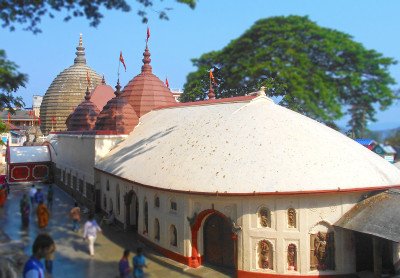
Joybhum Kamakhya Temple
Some quick example text to build on the card title and make up the bulk of the card's content.
Go somewhere
Kumri Beel Lake
Some quick example text to build on the card title and make up the bulk of the card's content.
Go somewhere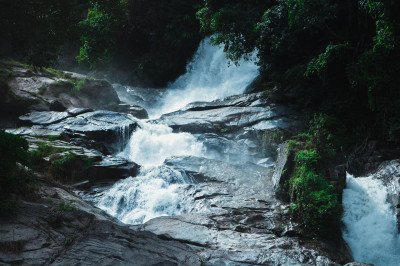
Nalonga Waterfalls
Some quick example text to build on the card title and make up the bulk of the card's content.
Go somewhere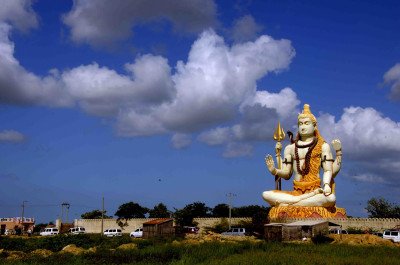
Nandeswar Devalaya
Some quick example text to build on the card title and make up the bulk of the card's content.
Go somewhere
Pir Majhar
Some quick example text to build on the card title and make up the bulk of the card's content.
Go somewhere
Shyamrai Satra
Some quick example text to build on the card title and make up the bulk of the card's content.
Go somewhere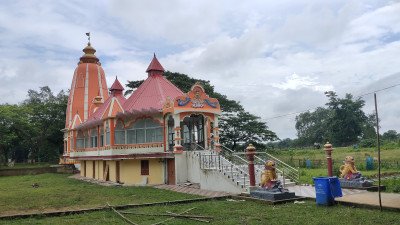
Sri Surya Pahar
Some quick example text to build on the card title and make up the bulk of the card's content.
Go somewhere
Tukeswari Temple
Some quick example text to build on the card title and make up the bulk of the card's content.
Go somewhere
Urpad Beel
Some quick example text to build on the card title and make up the bulk of the card's content.
Go somewherein Other Cities