

Solan
General information
-
Ideal Duration:
1 to 2 DaysPlace Type:
Pilgrimage / NatureEntry Fees:
Temple Visits: Entry to both Jatoli Shiv Temple and Shoolini Mata Temple is free for all visitors. Devotees may choose to make voluntary donations for the maintenance of these beautiful religious structures and community kitchens.
Heritage Park...Temple Visits: Entry to both Jatoli Shiv Temple and Shoolini Mata Temple is free for all visitors. Devotees may choose to make voluntary donations for the maintenance of these beautiful religious structures and community kitchens.
Heritage Park: Mohan Shakti Heritage Park usually charges a nominal entry fee of around INR 20 to INR 50 for maintenance. The fee is well worth the experience of seeing the vast collection of sculptures and the well-kept botanical gardens.Timing:
Standard Hours: Most temples and parks in Solan are open from 7:00 AM to 7:00 PM throughout the week. The Mall Road markets usually start by 10:30 AM and remain active until 8:30 PM, providing ample time for shopping.
Ideal Visit Timing: Fo...Standard Hours: Most temples and parks in Solan are open from 7:00 AM to 7:00 PM throughout the week. The Mall Road markets usually start by 10:30 AM and remain active until 8:30 PM, providing ample time for shopping.
Ideal Visit Timing: For trekking and outdoor activities, the hours between 8:00 AM and 11:00 AM are most comfortable before the sun gets strong. Evenings after 5:00 PM are perfect for temple visits and enjoying the pleasant mountain breeze.Special Events:
Shoolini Mela: This is the biggest event in the city, held in June every year to honor the goddess Shoolini Mata. The three-day fair features colorful processions, local wrestling matches, and cultural performances that attract people from all neighboring districts.Shoolini Mela: This is the biggest event in the city, held in June every year to honor the goddess Shoolini Mata. The three-day fair features colorful processions, local wrestling matches, and cultural performances that attract people from all neighboring districts.
Mushroom Festival: Organized by the DMR, this event showcases different varieties of mushrooms and educates farmers on modern cultivation techniques. It is a unique event that celebrates the city's agricultural identity and attracts researchers and culinary experts.Best Photo Spots:
Jatoli Temple Entrance: The grand entrance and the soaring spire of the temple against the blue sky provide a majestic frame for architectural photography. The intricate stone carvings on the temple walls are best captured during the soft light of the early morning.Jatoli Temple Entrance: The grand entrance and the soaring spire of the temple against the blue sky provide a majestic frame for architectural photography. The intricate stone carvings on the temple walls are best captured during the soft light of the early morning.
Mohan Shakti Heritage Park: The life-sized white marble statues and the lush green background of the hills offer a divine setting for photographs. The symmetrical gardens and the grand archways of the park are favorites among Instagram influencers and professional photographers.
Barog Station: This heritage railway station with its colonial-style building and the surrounding pine trees looks like a scene from a vintage movie. It is an ideal spot for capturing the Toy Train as it emerges from the historic tunnel.Photo Gallery
Things To Do
 @@ Educational Hub: Dr. Y.S. Parmar University of Horticulture and Forestry, located in Nauni, is the first university of its kind in Asia. Established on December 1, 1985, it was named after the first Chief Minister of Himachal Pradesh, Dr. Yashwant Singh Parmar. The university was founded to promote research and education in the fields of horticulture and forestry, which are vital to the state's economy. It covers a vast area of over 1,300 acres and is situated at an elevation of 1,300 meters. The campus is a lush green landscape filled with experimental orchards, greenhouses, and diverse flora. It serves as a primary center for agricultural innovation in the Himalayan region. @@ Campus Beauty: For tourists, the university campus is a sprawling garden of knowledge and nature. It features beautifully maintained landscapes and specialized research departments like the Apple School. The library, named after Satya Nand Stokes, is a massive structure that houses a wealth of information on mountain farming. Visitors can explore the various research farms and witness modern agricultural techniques like drip irrigation and polyhouse farming. The university contributes significantly to the livelihoods of local farmers by providing them with high-quality seeds and technical expertise. The serene environment of the campus, with the background of the Himalayas, makes it a peaceful place for a long walk. It is not just an educational institute but a landmark that showcases the green revolution of Himachal Pradesh. The university remains a pride of the Solan district and a must-visit for those interested in botany and sustainable development.
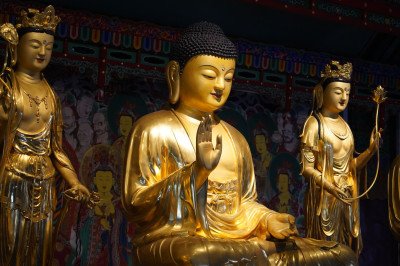 @@History and Tradition: The Menri Monastery is the spiritual headquarters of the Yungdrung Bon tradition, Tibet's oldest indigenous faith, re-established in Dolanji in 1967 after its original foundation in Tibet in 1405 was lost; it serves as a living archive preserving the pre-Buddhist rituals, texts, and teachings of the ancient Himalayan spirituality, founded by Tonpa Shenrab Miwoche; it is a full monastic center with a Geshe training program, making its abbot, the Menri Trizin, the spiritual head of Bon worldwide; the peaceful atmosphere and the dedication of over 200 monks make it a unique cultural and religious site in the foothills of the Himalayas, fostering a deep sense of tranquility and historical continuity for visitors from around the world.
@@History and Scenic Beauty: Barog is a small, quiet hill station on the Kalka-Shimla Railway route, named after Colonel Barog, a British railway engineer who failed to construct the tunnel here and committed suicide. The station is famous for the longest tunnel on the route (Tunnel No. 33) and offers breathtaking views of the Solan Valley. It is a perfect serene retreat away from the hustle of cities. The air is crisp, surrounded by lush pine and deodar forests, providing a strong sense of colonial history blended with Himalayan natural beauty. It serves as a major halt on the famous Toy Train route. The nearby Barog Grave and the new, corrected tunnel are key historical points of interest. It is a historical and natural hub for travelers.
@@History and Tradition: The Menri Monastery is the spiritual headquarters of the Yungdrung Bon tradition, Tibet's oldest indigenous faith, re-established in Dolanji in 1967 after its original foundation in Tibet in 1405 was lost; it serves as a living archive preserving the pre-Buddhist rituals, texts, and teachings of the ancient Himalayan spirituality, founded by Tonpa Shenrab Miwoche; it is a full monastic center with a Geshe training program, making its abbot, the Menri Trizin, the spiritual head of Bon worldwide; the peaceful atmosphere and the dedication of over 200 monks make it a unique cultural and religious site in the foothills of the Himalayas, fostering a deep sense of tranquility and historical continuity for visitors from around the world.
@@History and Scenic Beauty: Barog is a small, quiet hill station on the Kalka-Shimla Railway route, named after Colonel Barog, a British railway engineer who failed to construct the tunnel here and committed suicide. The station is famous for the longest tunnel on the route (Tunnel No. 33) and offers breathtaking views of the Solan Valley. It is a perfect serene retreat away from the hustle of cities. The air is crisp, surrounded by lush pine and deodar forests, providing a strong sense of colonial history blended with Himalayan natural beauty. It serves as a major halt on the famous Toy Train route. The nearby Barog Grave and the new, corrected tunnel are key historical points of interest. It is a historical and natural hub for travelers.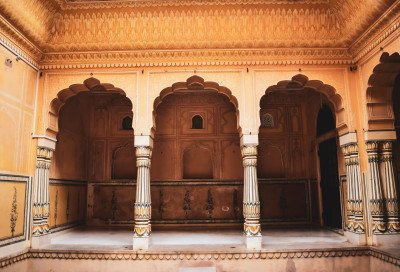 Kuthar Fort, also known as Kishangarh Fort, is a magnificent structure that dates back over 800 years, making it one of the oldest in the region. Unlike many other forts that lie in ruins, Kuthar Fort has been meticulously preserved and partially converted into a heritage resort by the royal family. The fort is spread over a vast area of 52.8 square kilometers, including lush gardens, freshwater springs, and ancient temples. It was originally built by the Gurkha Kings and later served as the residence of the Rana of Kuthar. The fort's location at an altitude of 1,300 meters offers a spectacular view of the Shimla hills and the Subathu fort in the distance. The interiors are a treasure trove of art, featuring intricate frescoes and wood carvings that reflect the pinnacle of Rajputana craftsmanship. The fort complex contains several courtyards and "Chowks" that provide a sense of the royal lifestyle of the past. The presence of natural springs within the fort walls is a rare and refreshing feature. Today, it serves as a perfect destination for those who want to experience the grandeur of Himachal's princely past while enjoying modern comforts. It is a place where history, luxury, and nature converge seamlessly, providing a tranquil escape from the bustling city life of the plains.
@@Conservation History and Biodiversity: The Shilli Wildlife Sanctuary is one of the smallest and oldest sanctuaries in the Solan district, established in 1963 and later re-notified and expanded in 1974 to its current size of 2.14 square kilometers; its primary initial purpose was the conservation of the endangered Himalayan Black Bear; the sanctuary is characterized by dense forests of Deodar and Fir at higher elevations, mixed with Ban Oak and deciduous species in the lower areas; it provides a vital habitat for various Himalayan fauna, including Leopard, Musk Deer, Barking Deer, Flying Squirrel, and numerous bird species like the Peacock, Pheasant, and Hornbill; a section is dedicated to studying medicinal plants, underscoring its dual role in wildlife conservation and botanical research, making it a peaceful and biologically rich ecosystem close to the city.
Kuthar Fort, also known as Kishangarh Fort, is a magnificent structure that dates back over 800 years, making it one of the oldest in the region. Unlike many other forts that lie in ruins, Kuthar Fort has been meticulously preserved and partially converted into a heritage resort by the royal family. The fort is spread over a vast area of 52.8 square kilometers, including lush gardens, freshwater springs, and ancient temples. It was originally built by the Gurkha Kings and later served as the residence of the Rana of Kuthar. The fort's location at an altitude of 1,300 meters offers a spectacular view of the Shimla hills and the Subathu fort in the distance. The interiors are a treasure trove of art, featuring intricate frescoes and wood carvings that reflect the pinnacle of Rajputana craftsmanship. The fort complex contains several courtyards and "Chowks" that provide a sense of the royal lifestyle of the past. The presence of natural springs within the fort walls is a rare and refreshing feature. Today, it serves as a perfect destination for those who want to experience the grandeur of Himachal's princely past while enjoying modern comforts. It is a place where history, luxury, and nature converge seamlessly, providing a tranquil escape from the bustling city life of the plains.
@@Conservation History and Biodiversity: The Shilli Wildlife Sanctuary is one of the smallest and oldest sanctuaries in the Solan district, established in 1963 and later re-notified and expanded in 1974 to its current size of 2.14 square kilometers; its primary initial purpose was the conservation of the endangered Himalayan Black Bear; the sanctuary is characterized by dense forests of Deodar and Fir at higher elevations, mixed with Ban Oak and deciduous species in the lower areas; it provides a vital habitat for various Himalayan fauna, including Leopard, Musk Deer, Barking Deer, Flying Squirrel, and numerous bird species like the Peacock, Pheasant, and Hornbill; a section is dedicated to studying medicinal plants, underscoring its dual role in wildlife conservation and botanical research, making it a peaceful and biologically rich ecosystem close to the city. @@Spiritual Grandeur: Jatoli Shiv Temple is a monumental pilgrimage site dedicated to Lord Shiva, renowned for being the tallest Shiv Temple in Asia. Its construction began in 1974 under the guidance of Swami Krishnanand Paramhans Ji and took nearly 39 years to complete. The temple's grand scale, impressive architecture, and profound spiritual energy attract thousands of devotees and tourists. The temple complex is built on a serene hilltop, offering stunning views and a tranquil atmosphere for meditation and prayer. It is also famous for a unique water tank (Kund) within the premises, believed to possess holy water.
Subathu Cantonment, famously known for its Gurkha Fort, is a place of immense historical and military pride. Situated at an altitude of 1265 meters, this town was one of the first British cantonments in the Himalayas. The fort was originally built by the Gurkha Army Chief Amar Singh Thapa in the early 19th century to consolidate their hold over the hill states. After the Anglo-Nepalese War in 1814, the British captured the fort and established a permanent military base here. Today, it serves as the regimental center for the 1st and 4th Gurkha Rifles of the Indian Army. The town is steeped in colonial history, with many buildings dating back to the 1820s, including the famous Kennedy House. Subathu was a major stopover on the old road to Shimla before the new highway was built. The fort still houses ancient cannons that are over 180 years old, serving as silent witnesses to the fierce battles fought here. The museum in the cantonment is a treasure trove of military memorabilia, showcasing the bravery and heritage of the Gurkha soldiers. The atmosphere in Subathu is peaceful and disciplined, characteristic of a military town. The views from the fort are spectacular, looking down into the valleys and across the plains of Punjab. It is also known for its historical association with Samuel Evans Stokes, who lived here before moving to Kotgarh. The cemetery in Subathu is the final resting place of many British officers and their families, including the daughter of Sir Henry Lawrence. A visit here provides a deep insight into the military history of India and the enduring spirit of the Gurkhas.Show All
@@ Cantonment History: Dagshai is one of the oldest cantonment towns in India, established in 1847 by the East India Company. It was founded by securing land from the Maharaja of Patiala in exchange for other territories. The town is situated at an elevation of 6,087 feet and is known for its peaceful, uncommercialized environment. Unlike other hill stations, Dagshai has maintained its quiet military charm and colonial-era cleanliness. It was primarily built to house British troops and served as a strategic military base in the hills. The name Dagshai is derived from 'Daag-e-Shahi', referring to the royal mark once branded on the foreheads of criminals sent here. @@ Modern Appeal: Today, Dagshai is famous for its prestigious schools, including the Army Public School and Dagshai Public School. The town features narrow winding roads lined with pine and deodar trees, offering spectacular views of the Chandigarh plains at night. It is a paradise for walkers and those seeking solitude amidst nature. The colonial architecture of the bungalows and the military barracks adds a vintage feel to the entire area. Tourists visit Dagshai to experience the serenity that is hard to find in more popular destinations like Kasauli. The town remains under the administration of the Cantonment Board, ensuring its heritage and environment are well-preserved. It is a perfect spot for a quiet weekend getaway where one can enjoy the crisp mountain air.
@@Spiritual Grandeur: Jatoli Shiv Temple is a monumental pilgrimage site dedicated to Lord Shiva, renowned for being the tallest Shiv Temple in Asia. Its construction began in 1974 under the guidance of Swami Krishnanand Paramhans Ji and took nearly 39 years to complete. The temple's grand scale, impressive architecture, and profound spiritual energy attract thousands of devotees and tourists. The temple complex is built on a serene hilltop, offering stunning views and a tranquil atmosphere for meditation and prayer. It is also famous for a unique water tank (Kund) within the premises, believed to possess holy water.
Subathu Cantonment, famously known for its Gurkha Fort, is a place of immense historical and military pride. Situated at an altitude of 1265 meters, this town was one of the first British cantonments in the Himalayas. The fort was originally built by the Gurkha Army Chief Amar Singh Thapa in the early 19th century to consolidate their hold over the hill states. After the Anglo-Nepalese War in 1814, the British captured the fort and established a permanent military base here. Today, it serves as the regimental center for the 1st and 4th Gurkha Rifles of the Indian Army. The town is steeped in colonial history, with many buildings dating back to the 1820s, including the famous Kennedy House. Subathu was a major stopover on the old road to Shimla before the new highway was built. The fort still houses ancient cannons that are over 180 years old, serving as silent witnesses to the fierce battles fought here. The museum in the cantonment is a treasure trove of military memorabilia, showcasing the bravery and heritage of the Gurkha soldiers. The atmosphere in Subathu is peaceful and disciplined, characteristic of a military town. The views from the fort are spectacular, looking down into the valleys and across the plains of Punjab. It is also known for its historical association with Samuel Evans Stokes, who lived here before moving to Kotgarh. The cemetery in Subathu is the final resting place of many British officers and their families, including the daughter of Sir Henry Lawrence. A visit here provides a deep insight into the military history of India and the enduring spirit of the Gurkhas.Show All
@@ Cantonment History: Dagshai is one of the oldest cantonment towns in India, established in 1847 by the East India Company. It was founded by securing land from the Maharaja of Patiala in exchange for other territories. The town is situated at an elevation of 6,087 feet and is known for its peaceful, uncommercialized environment. Unlike other hill stations, Dagshai has maintained its quiet military charm and colonial-era cleanliness. It was primarily built to house British troops and served as a strategic military base in the hills. The name Dagshai is derived from 'Daag-e-Shahi', referring to the royal mark once branded on the foreheads of criminals sent here. @@ Modern Appeal: Today, Dagshai is famous for its prestigious schools, including the Army Public School and Dagshai Public School. The town features narrow winding roads lined with pine and deodar trees, offering spectacular views of the Chandigarh plains at night. It is a paradise for walkers and those seeking solitude amidst nature. The colonial architecture of the bungalows and the military barracks adds a vintage feel to the entire area. Tourists visit Dagshai to experience the serenity that is hard to find in more popular destinations like Kasauli. The town remains under the administration of the Cantonment Board, ensuring its heritage and environment are well-preserved. It is a perfect spot for a quiet weekend getaway where one can enjoy the crisp mountain air.Information
-
Why Famous:
Asia's Tallest Temple: Solan is famous for the Jatoli Shiv Temple, which is considered the tallest Shiva temple in Asia. The temple's majestic height and beautiful architecture make it a must-visit for both devotees and photography enthusiasts.
...Asia's Tallest Temple: Solan is famous for the Jatoli Shiv Temple, which is considered the tallest Shiva temple in Asia. The temple's majestic height and beautiful architecture make it a must-visit for both devotees and photography enthusiasts.
Brewery Heritage: The city is also famous for the Mohan Meakin Brewery, which is one of the oldest in the country and produced the legendary Old Monk rum. It stands as a testament to the industrial history introduced by the British in the mid-19th century. -
Architecture:
Jatoli Temple Style: The Jatoli Shiv Temple is a masterpiece of South-Indian and Indo-Aryan architectural styles, featuring a soaring 111-foot high dome. It took over 35 years to complete the construction, showcasing intricate carvings on the walls and a massive gold-plated...Jatoli Temple Style: The Jatoli Shiv Temple is a masterpiece of South-Indian and Indo-Aryan architectural styles, featuring a soaring 111-foot high dome. It took over 35 years to complete the construction, showcasing intricate carvings on the walls and a massive gold-plated pinnacle. The structure is built with local stones and features a series of steps leading to the main sanctum, symbolizing the spiritual ascent of the devotee.
Colonial Influence: The Solan Brewery and the Barog Railway Station reflect the classic British Colonial architecture with their gabled roofs and stone masonry. The Kuthar Fort, located nearby, displays a mix of Rajput and Mughal styles, featuring beautiful frescoes and sprawling courtyards. These structures are built to withstand the mountain weather, using thick stone walls and timber frames that have stood the test of time for centuries. -
How To Reach:
By Air: The nearest airport is Shimla Airport at Jubarhatti, which is about 45 KMS away and takes roughly 1. 5 hours by road. Alternatively, Chandigarh International Airport (70 KMS) offers much better connectivity with daily flights from all major Indian cities.By Air: The nearest airport is Shimla Airport at Jubarhatti, which is about 45 KMS away and takes roughly 1. 5 hours by road. Alternatively, Chandigarh International Airport (70 KMS) offers much better connectivity with daily flights from all major Indian cities.
By Train: Solan is a major stop on the Kalka-Shimla Railway line, with several toy trains passing through daily. For regular rail travel, Kalka (40 KMS) is the nearest major station that connects to Delhi, Mumbai, and Kolkata through express trains.
By Road: The city is located on the NH5, making it extremely accessible by car or bus from Chandigarh (68 KMS) and Delhi (295 KMS). Regular luxury and ordinary buses operated by HRTC and private players run frequently on this well-maintained highway.
By Local Transport: Within the town, auto-rickshaws and local buses are the most common modes of transport for getting around. Many of the city's attractions like Mall Road and Shoolini Temple are within walking distance for those staying in the city center. -
Weather and Best Time to Visit:
Seasons: Spring (March to May) is the best time to visit when the orchards are in bloom and the weather is perfect for trekking. Monsoon (July to September) makes the hills emerald green, though travelers should be cautious of potential landslides on the highway.Seasons: Spring (March to May) is the best time to visit when the orchards are in bloom and the weather is perfect for trekking. Monsoon (July to September) makes the hills emerald green, though travelers should be cautious of potential landslides on the highway.
Parts of Day: Mornings are ideal for exploring the heritage park and temples when the atmosphere is serene and quiet. Late Afternoons are best for shopping and exploring the local food stalls on the Mall Road as the city comes alive with evening crowds. -
Near Tourist Places:
1. Kasauli (26 KMS), 2. Chail (38 KMS), 3. Barog (7 KMS), 4. Dagshai (11 KMS), 5. Subathu (20 KMS), 6. Shimla (46 KMS), 7. Kandaghat (16 KMS), 8. Arki (50 KMS), 9. Parwanoo (35 KMS), 10. Nalagarh (75 KMS).
Tourism Tips
-
Health & Safety: Stay hydrated while trekking to Karol Tibba and always carry a reusable water bottle to reduce plastic waste. The weather can change quickly in the hills, so keep a close watch on local weather forecasts before planning any long outdoor excursions.
...Health & Safety: Stay hydrated while trekking to Karol Tibba and always carry a reusable water bottle to reduce plastic waste. The weather can change quickly in the hills, so keep a close watch on local weather forecasts before planning any long outdoor excursions.
Packing Essentials: Pack comfortable walking shoes with good grip for the hilly terrain and light layers of clothing for the changing temperatures. If visiting in winter, don't forget to bring a warm sweater or jacket as the nights can get surprisingly chilly even in Solan.
Accommodation: There are several good resorts and hotels located on the Solan-Shimla Highway that offer great views and modern amenities. Budget travelers can find many affordable guesthouses and hotels near the Railway Station and the main Bus Stand area.
Cultural Etiquette: When visiting the Bon Monastery, remember to walk clockwise around the stupas and maintain silence in the prayer halls. It is polite to ask for permission before taking photographs of the monks or the internal sanctum of the religious sites.
Reviews
FAQs
Solan Itineray And Cost:-
Information about New and Updated Locations() of Himachal Pradesh Has Been Added :-
Card subtitle
Note:-
Information provided here in good Faith and for reference only.
All information and pictures will be updated soon, please keep visiting.
Near Places

Anandpur Sahib
Some quick example text to build on the card title and make up the bulk of the card's content.
Go somewhere
Bhuntar
Some quick example text to build on the card title and make up the bulk of the card's content.
Go somewhere
Bir Billing
Some quick example text to build on the card title and make up the bulk of the card's content.
Go somewhere
Chail
Some quick example text to build on the card title and make up the bulk of the card's content.
Go somewhere
Chamba
Some quick example text to build on the card title and make up the bulk of the card's content.
Go somewhere
Dalhousie
Some quick example text to build on the card title and make up the bulk of the card's content.
Go somewhere
Dharamshala
Some quick example text to build on the card title and make up the bulk of the card's content.
Go somewhere
Fagu
Some quick example text to build on the card title and make up the bulk of the card's content.
Go somewhere
Hamirpur
Some quick example text to build on the card title and make up the bulk of the card's content.
Go somewhere
Joginder Nagar
Some quick example text to build on the card title and make up the bulk of the card's content.
Go somewherein Other Cities