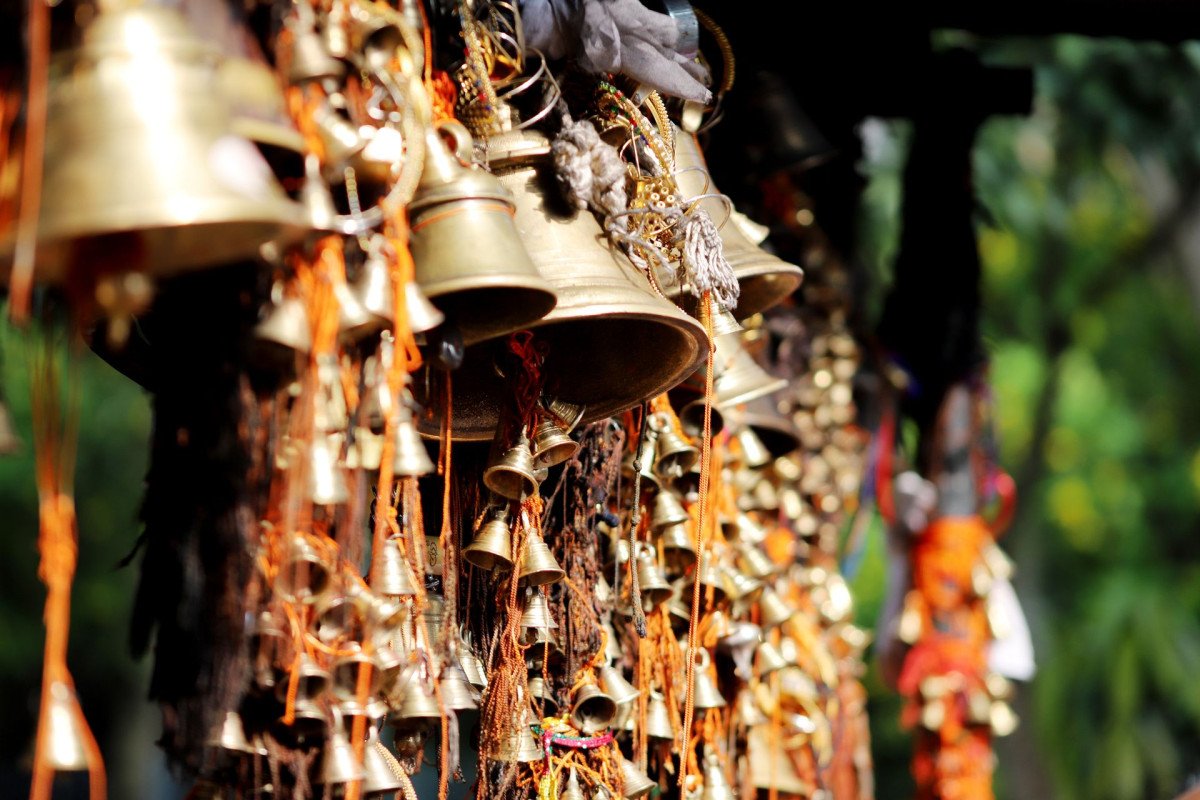
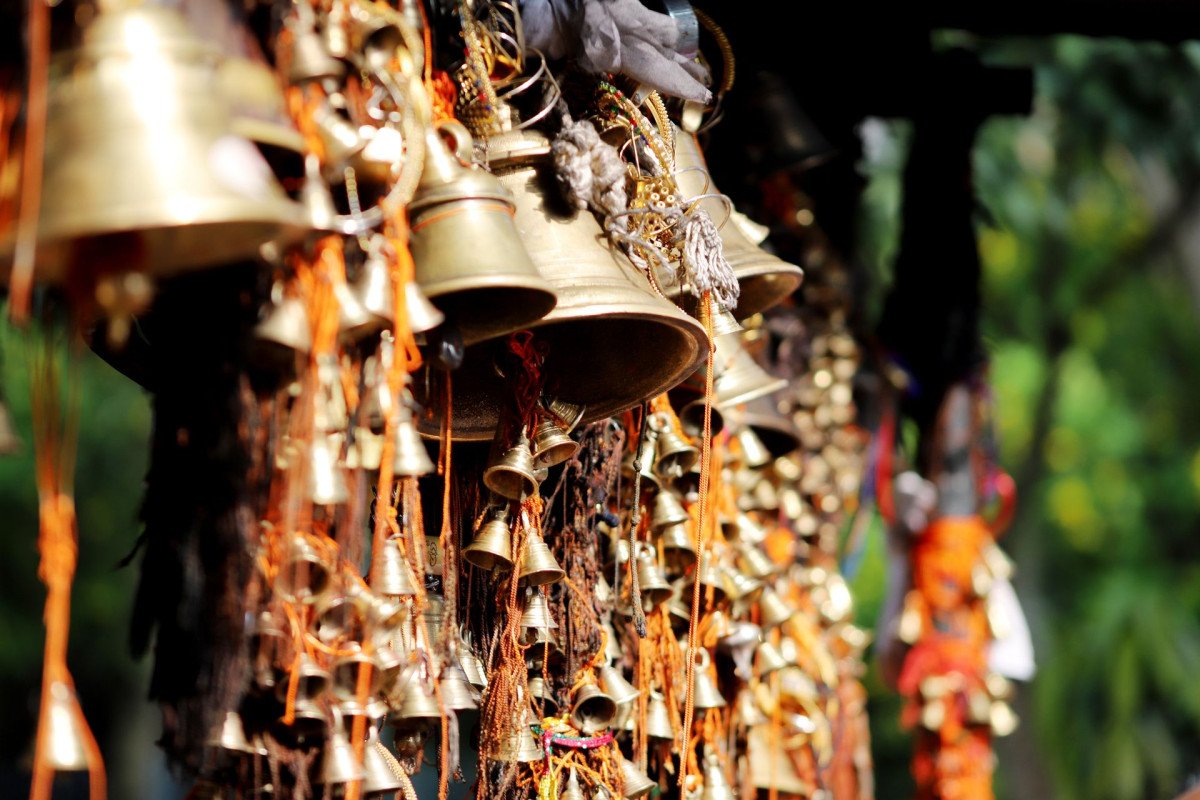
Sri Anjaneya Swamy Temple
General information
-
Ideal Duration:
1 to 2 hoursPlace Type:
Religious Site, Historical Temple, PilgrimageEntry Fees:
General Darshan:
Free Entry (No Mandatory Fee): Visiting the temple for regular worship (Darshan) is free of charge, ensuring that the spiritual experience is accessible to everyone, regardless of their financial status.
Read MoreGeneral Darshan:
Free Entry (No Mandatory Fee): Visiting the temple for regular worship (Darshan) is free of charge, ensuring that the spiritual experience is accessible to everyone, regardless of their financial status.
Special Puja Tickets (Optional): For performing specific rituals like Abhishekam (ritualistic bath of the deity) or Archana (offering flowers with chanting of names), there is typically a small, nominal fee that contributes to the temple's maintenance and the priest's livelihood, these charges are usually listed on a small board.
Donation Box (Hundi): The temple maintains a donation box (Hundi) for voluntary contributions, devotees are encouraged to contribute any amount they wish to support the temple's upkeep, charitable activities (Annadanam), and social services, this is purely voluntary and not a condition of entry.
VIP or Quick Darshan (Rarely): Unlike very large, crowded temples, this local shrine is less likely to have paid VIP or quick darshan lines, but during major festivals like Hanuman Jayanti, there may be a token fee for a slightly closer or privileged viewing access, which is not a regular feature.Timing:
Regular Temple Timings: The temple is typically open from 6:00 AM to 12:30 PM in the morning and reopens from 4:30 PM to 8:30 PM in the evening, the temple closes during the afternoon for the deity's rest and cleaning, with the hours slightly extending during major festival ...Regular Temple Timings: The temple is typically open from 6:00 AM to 12:30 PM in the morning and reopens from 4:30 PM to 8:30 PM in the evening, the temple closes during the afternoon for the deity's rest and cleaning, with the hours slightly extending during major festival periods.
Ideal Visit Time: The Early Morning (6:00 AM to 8:00 AM) is the Best Time to Visit for a peaceful and serene experience, allowing one to participate in the first set of prayers, the Evening (5:30 PM to 7:30 PM) is also a good time, especially on Saturdays, to witness the evening Aarti and the vibrant atmosphere created by the local devotees, the afternoon heat should be avoided.
Special Ritual Timing: If you are interested in a specific ritual, such as Abhishekam, it usually takes place early in the morning around 6:30 AM to 7:30 AM, it is advisable to call the temple office or ask a local devotee to confirm the exact schedule for the day.
Festival Timings: During Hanuman Jayanti, the temple remains open for extended hours, sometimes until late midnight, and the main ceremonies usually take place throughout the day and into the evening, check the local calendar for the specific festival dates and timings.Special Events:
Hanuman Jayanti (Birth Anniversary): The most significant annual event, celebrated with immense fervor, special Puja ceremonies, large processions, and the chanting of the Hanuman Chalisa in congregation, usually occurring in the month of Chaitra (March/April) or Vaishakha (...Hanuman Jayanti (Birth Anniversary): The most significant annual event, celebrated with immense fervor, special Puja ceremonies, large processions, and the chanting of the Hanuman Chalisa in congregation, usually occurring in the month of Chaitra (March/April) or Vaishakha (April/May) as per the calendar, drawing thousands of devotees.
Saturdays and Tuesdays Special Pujas: Weekly special ceremonies are held on Saturdays and Tuesdays, which are traditionally dedicated to Lord Hanuman, these days involve more elaborate decorations, special offerings, and a higher footfall of devotees seeking the Lord's blessings.
Rama Navami: The festival celebrating the birth of Lord Rama is also significant, as Hanuman is Lord Rama's greatest devotee, and the temple participates in the broader celebration, often with special discourses and cultural programs.Best Photo Spots:
The Gopuram or Main Entrance Tower: The most visually stunning element of the temple's exterior, with its colorful, multi-tiered structure and an array of plastered deity sculptures, is an excellent spot for wide-angle photography, capturing the architectural grandeur.
<...The Gopuram or Main Entrance Tower: The most visually stunning element of the temple's exterior, with its colorful, multi-tiered structure and an array of plastered deity sculptures, is an excellent spot for wide-angle photography, capturing the architectural grandeur.
The Uniquely Posed Main Deity (Darshan Hall): While photography of the main idol (Vigraha) may be restricted, the view of the deity from the entrance of the sanctum, especially during Aarti with the dramatic lighting, offers a powerful, spiritual photo opportunity (ensure you have permission to photograph inside the hall).
Carved Pillars in the Mandapam: The intricately carved stone pillars in the main hall, depicting various mythological scenes and figures, are perfect for detailed, close-up architectural and artistic photography, showcasing the craftsmanship of the era.
The Temple Tank or Sacred Tree View: If the temple has a nearby sacred tree or a small water tank/well, the reflective view or the scene of devotees tying sacred threads to the tree offers a calming, traditional, and visually rich composition, especially in the golden hours of the morning or evening light.Photo Gallery
Things To Do
-
Perform Morning or Evening Darshan: Visit the temple during the main prayer times for a spiritual experience and to seek the blessings of Lord Anjaneya, participating in the ritualistic viewing of the deity (Darshan) is the primary activity (Spiritual Fulfillment).
Participate in Puja and Aarti: Engage in the temple's daily rituals, such as the waving of lighted lamps (Aarti), chanting of hymns, and offering flowers, fruits, and Prasad (Devotional Activity).
Circumambulation (Pradakshina): Walk clockwise around the main shrine or the outer courtyard of the temple complex, a traditional act of respect and devotion, completing a specific number of rounds (e. g. , 3, 5, 7, 11) (Ritualistic Walk).
Chanting the Hanuman Chalisa: Sit in the main hall and quietly recite ...Perform Morning or Evening Darshan: Visit the temple during the main prayer times for a spiritual experience and to seek the blessings of Lord Anjaneya, participating in the ritualistic viewing of the deity (Darshan) is the primary activity (Spiritual Fulfillment).
Participate in Puja and Aarti: Engage in the temple's daily rituals, such as the waving of lighted lamps (Aarti), chanting of hymns, and offering flowers, fruits, and Prasad (Devotional Activity).
Circumambulation (Pradakshina): Walk clockwise around the main shrine or the outer courtyard of the temple complex, a traditional act of respect and devotion, completing a specific number of rounds (e. g. , 3, 5, 7, 11) (Ritualistic Walk).
Chanting the Hanuman Chalisa: Sit in the main hall and quietly recite the Hanuman Chalisa or other sacred chants, which are believed to invoke the Lord's protection and strength (Meditation and Prayer).
Observe the Architecture and Carvings: Take time to appreciate the detailed carvings on the pillars, walls, and the Gopuram, observing the stories and mythological figures depicted in the stone and plasterwork (Art Appreciation).
Seek Blessings from the Priest: Interact with the temple priest to understand the temple's history, the significance of the unique Anjali Mudra posture of the deity, and to receive the sacred ash (Vibhuti) or water (Teertham) (Spiritual Guidance).
Attend Special Saturday Puja: Saturdays are considered the most auspicious day for Lord Hanuman, visiting on this day will allow you to witness more elaborate rituals and a more crowded, festive atmosphere (Special Day Visit).
Enjoy the Prasad: Taste the blessed food (Prasad) distributed to devotees, which is often a simple but delicious local sweet or preparation (Culinary Offering).
Donate for Annadanam or Temple Maintenance: Contribute voluntarily to the temple's charitable activities, like the communal feeding of devotees (Annadanam) or the upkeep of the ancient structure (Charitable Act).
Family Blessing Rituals: If traveling with family, perform a small family ritual or a collective prayer for the well-being and prosperity of the members, utilizing the sacred space (Family Bonding).
Photography of the Gopuram (Exterior): Capture the beautiful architecture of the exterior tower, often vibrant with colors and intricate deity sculptures (Architectural Photography).
Silent Contemplation: Sit in a quiet corner of the courtyard or hall for simple reflection and soaking in the temple's serene and sacred atmosphere, away from the urban noise (Peace and Tranquility).
Information
-
Why Famous:
A Unique Bhakta Pose: The primary fame of this temple, as with many dedicated to Anjaneya (Hanuman), stems from the belief in Lord Hanuman's power to grant strength, remove fear, and alleviate suffering, specifically, its fame is often tied to the unique form of the idol—A...A Unique Bhakta Pose: The primary fame of this temple, as with many dedicated to Anjaneya (Hanuman), stems from the belief in Lord Hanuman's power to grant strength, remove fear, and alleviate suffering, specifically, its fame is often tied to the unique form of the idol—Anjaneya standing with folded hands (Anjali Mudra)—a powerful symbol of humility and unwavering devotion, which is a rare and revered sight for devotees, attracting pilgrims who seek blessings from this particular manifestation of the Lord.
Center for Hanuman Jayanti: The temple is the focal point for the celebration of Hanuman Jayanti, the birth anniversary of Lord Hanuman, drawing massive crowds for special prayers, processions, and devotional activities, the grand scale of the festival in this particular temple contributes significantly to its fame and stature as a major religious institution in the region.
Historical and Spiritual Significance: Being an ancient structure, it carries the weight of history, having been a continuous place of worship for many generations, which has cemented its place as a spiritual anchor for the town of Suryapet, its location on a historically significant road further adds to its prominence as a divine sentinel for travelers and locals alike. -
Architecture:
Dravidian Style with Regional Influence: The temple's architecture is generally an amalgamation of the traditional Dravidian style, characterized by intricately carved pillars and vibrant plasterwork, and local Telangana regional influences, many such temples feature a main ...Dravidian Style with Regional Influence: The temple's architecture is generally an amalgamation of the traditional Dravidian style, characterized by intricately carved pillars and vibrant plasterwork, and local Telangana regional influences, many such temples feature a main tower (Gopuram) over the entrance, adorned with sculptures of deities and mythological scenes, though the size may be modest compared to grand temples in South India.
Intricate Carvings and Deity Pose: The walls and pillars within the main hall (Mandapam) and the sanctum (Garbhagriha) often display fine craftsmanship with detailed carvings depicting stories from the Ramayana and the life of Lord Hanuman, the unique standing pose of the main deity, Lord Anjaneya with hands folded in prayer, is the primary architectural/sculptural focus, representing ultimate devotion and humility, which is a key element of the shrine's visual identity.
Dimension and Layout:
The temple complex is usually a structured layout: a main gate with a Gopuram, an outer prakaram (courtyard), the main hall (Mandapam) supported by carved pillars, and the central sanctum, the Garbhagriha, the overall complex area might be an estimated 30 meters by 50 meters, providing ample space for devotees to perform circumambulation (Pradakshina) around the main shrine, the courtyard is often paved with stone. -
How To Reach:
By Air: The closest major international airport is Rajiv Gandhi International Airport (HYD) in Hyderabad (Approx. 155 KMS), from the airport, the most convenient way to reach Suryapet is by a pre-booked taxi or a comfortable luxury bus service, from the Suryapet bus stop, t...By Air: The closest major international airport is Rajiv Gandhi International Airport (HYD) in Hyderabad (Approx. 155 KMS), from the airport, the most convenient way to reach Suryapet is by a pre-booked taxi or a comfortable luxury bus service, from the Suryapet bus stop, the temple is a quick 1. 5 KMS ride by auto or a pleasant 20-minute walk.
By Train: The nearest major railway hub is Kazipet (KZJ), and the local station is Suryapet Railway Station (SPET), from the local station, the temple's central location in Barlapenta Bazaar makes it easily accessible by a short auto-rickshaw ride (less than 2 KMS) or a walk, depending on the luggage and comfort level. By Road (National Highway 65): Suryapet is strategically located on NH 65, connecting Hyderabad and Vijayawada, TSRTC buses and private bus operators provide excellent connectivity to the Suryapet Bus Station from all major cities, from the bus station, the temple is located in a very accessible part of the town's market area, reachable by foot or a short local transport ride, making road travel the most common method.
By Local Transport: Given its location in the central market area of Barlapenta Bazaar, the temple is exceptionally well-connected by local transport, auto-rickshaws, cycle rickshaws, and shared autos are available right up to the temple's street, one can also combine a visit here with the Shankar Vilas Centre or the Yedla Gopaiah Statue, which are very close by. -
Weather and Best Time to Visit:
Different Types of Seasons: The Best Time to Visit is during Winter (October to February), which offers cool and pleasant weather, making the travel and the temple visit comfortable, the temperatures are moderate, ideal for enjoying the spiritual ambiance, Summer (March to J...Different Types of Seasons: The Best Time to Visit is during Winter (October to February), which offers cool and pleasant weather, making the travel and the temple visit comfortable, the temperatures are moderate, ideal for enjoying the spiritual ambiance, Summer (March to June) is extremely hot, and it is strongly recommended to limit the visit to the early morning or late evening to avoid the scorching heat. Monsoon (July to September) brings a fresh, lush environment to the area, but the occasional heavy rains can slightly disrupt the travel plans, though the cool, cloudy weather is quite nice for a temple visit. Different Parts of the Day Early Mornings (6:00 AM to 8:00 AM) are most highly recommended for a truly spiritual and crowd-free experience, allowing for quiet reflection, the Evening Time (5:30 PM to 7:30 PM), especially during the Aarti, is vibrant and beautiful with the temple lights, but will have more crowds, avoid the hot and closed afternoon hours. -
Near Tourist Places:
1. Shankar Vilas Centre (Commercial Hub, Approx. 1. 0 KMS) 2. Yedla Gopaiah Statue (Landmark, Approx. 1. 5 KMS) 3. Mini Tank Bund at Chowdary Cheruvu (Park/Relaxation, Approx. 2. 0 KMS) 4. Jammigadda Park (Park, Approx. 3. 5 KMS) 5. Pillalamarri Chennakesava Temple (Ancient Temple, Approx. 11 KMS) 6. Undrugonda Laxmi Narasimha Swamy Devasthanam (Hill Temple, Approx. 14 KMS) 7. Sammakka Saralamma Gudi (Gajulamalkapuram) (Local Shrine, Approx. 32 KMS) 8. Peddagattu Jathara Site (Religious Fair Ground, Approx. 6 KMS) 9. Jan Pahad Dargah (Interfaith Shrine, Approx. 62 KMS) 10. Phanigiri Buddhist Site (Historical, Approx. 67 KMS)
Tourism Tips
-
Health & Safety: Carry your necessary medication, be cautious on the steps and around the main deity area (especially during crowded times), and always drink clean, filtered, or bottled water, a slight elevation in the market area requires careful walking, especially for the...Health & Safety: Carry your necessary medication, be cautious on the steps and around the main deity area (especially during crowded times), and always drink clean, filtered, or bottled water, a slight elevation in the market area requires careful walking, especially for the elderly, and be generally aware of your surroundings, ensuring personal security.
Packing: Dress Modestly (covering knees and shoulders) as a sign of respect for the place of worship, light cotton clothes are comfortable for the local climate, carry a small scarf or shawl, and a water bottle, you will need to remove your shoes, so easy-to-remove footwear is ideal.
Accommodation: Many budget-friendly and mid-range hotels are located within a 2-3 KMS radius of the temple in the main Suryapet town, making the temple easily accessible, it is advisable to book accommodation near the bus stand or the main market area for convenience, and reservations are highly recommended during festivals.
Respect Customs: Observe the temple's rules regarding silence, photography (often restricted near the main deity), and rituals, always approach the priest and the deity with reverence, and respect the local devotees' traditions, ensuring a positive and respectful visit.
Parking Advice: Due to its location in a busy market area, finding convenient parking for cars can be challenging, it is often better to use an auto-rickshaw or taxi to get dropped off directly near the temple, avoiding the parking hassle and heavy market traffic.
Reviews
FAQs
Suryapet Itineray And Cost:-
Sri Anjaneya Swamy Temple Tourism:-
Other Places In Suryapet :-
Other States In India :-
Information about New and Updated Locations() of Telangana Has Been Added :-
Card subtitle
Note:-
Information provided here in good Faith and for reference only.
Near Places
Arvapally Dargah
Some quick example text to build on the card title and make up the bulk of the card's content.
Go somewhere
Chennakesavaswami Temple
Some quick example text to build on the card title and make up the bulk of the card's content.
Go somewhere
Chivvemla Cheruvu
Some quick example text to build on the card title and make up the bulk of the card's content.
Go somewhere
Imampeta Hanuman Temple
Some quick example text to build on the card title and make up the bulk of the card's content.
Go somewhere
Jajireddygudem Lake
Some quick example text to build on the card title and make up the bulk of the card's content.
Go somewhere
Jan Pahad Dargah
Some quick example text to build on the card title and make up the bulk of the card's content.
Go somewhere
Kanaka Durga Temple
Some quick example text to build on the card title and make up the bulk of the card's content.
Go somewhere
Kodad Check Post
Some quick example text to build on the card title and make up the bulk of the card's content.
Go somewhere
Mandava Brothers Land
Some quick example text to build on the card title and make up the bulk of the card's content.
Go somewhere
Musi River Bridge
Some quick example text to build on the card title and make up the bulk of the card's content.
Go somewhere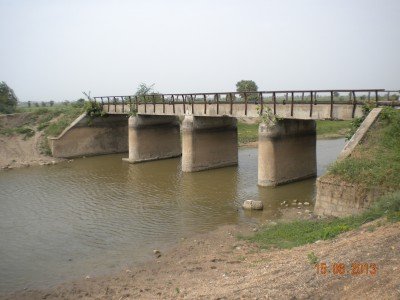
Nagarjuna Sagar Left Canal
Some quick example text to build on the card title and make up the bulk of the card's content.
Go somewhere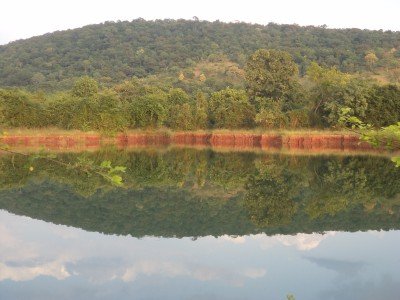
Nallamala Forest View
Some quick example text to build on the card title and make up the bulk of the card's content.
Go somewhere
Nereducharla Town Centre
Some quick example text to build on the card title and make up the bulk of the card's content.
Go somewhere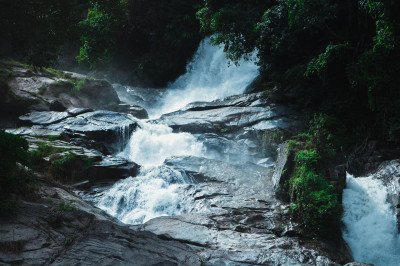
Nuthankal Waterfalls
Some quick example text to build on the card title and make up the bulk of the card's content.
Go somewhere
Palakeedu Village Tank
Some quick example text to build on the card title and make up the bulk of the card's content.
Go somewhere
Peddagattu Jathara Site
Some quick example text to build on the card title and make up the bulk of the card's content.
Go somewherein Other Cities