Tapkeshwari Temple
General information
-
Ideal Duration:
1 to 1. 5 HoursPlace Type:
Religious Cave Temple / Nature RetreatEntry Fees:
Temple Entry and Donations: Entry to the Tapkeshwari Temple itself is completely free of cost for all visitors. This is common for older, smaller, and naturally occurring temples. There is no official ticket counter.
Pooja Charges: Devotee...Temple Entry and Donations: Entry to the Tapkeshwari Temple itself is completely free of cost for all visitors. This is common for older, smaller, and naturally occurring temples. There is no official ticket counter.
Pooja Charges: Devotees can purchase materials (coconuts, flowers, incense) for offerings from vendors at the base or top of the hill, which are not included in the 'entry' fee. There are no mandatory fees for Darshan or for performing simple worship.
Voluntary Contributions: As a community-maintained temple, there are small, voluntary donation boxes near the shrine to help with the temple's upkeep, electricity, and the daily rituals performed by the priests. Contributions are based entirely on the visitor's wish and devotion.
Parking and Access: Parking may be informal near the base of the hill and is often free. Given its secluded location, there are no special fees for photography or video recording, allowing visitors to capture the unique cave setting freely. :Timing:
Regular Timings: The Tapkeshwari Temple, being a natural cave shrine, is generally open from 6:00 AM to 8:00 PM daily. There are no strict closing times as it is primarily a place of local devotion, but the priests' presence and lighting may be limited after dark.
<...Regular Timings: The Tapkeshwari Temple, being a natural cave shrine, is generally open from 6:00 AM to 8:00 PM daily. There are no strict closing times as it is primarily a place of local devotion, but the priests' presence and lighting may be limited after dark.
Ideal Visit Time: The absolute ideal time is the early morning (6:00 AM to 8:00 AM). This allows visitors to perform a quiet Darshan, enjoy the unique sound of the 'tapka' (dripping water) in complete silence, and experience the temple's serene, spiritual atmosphere before the day's heat and any crowds arrive.
Afternoon Avoidance: During the summer and midday hours, the exposed hillside path can be very hot, making the climb difficult. The late afternoon (4:00 PM to 6:00 PM) is also a beautiful time to visit, especially for watching the sunset from the hill, offering great photography opportunities.
Seasonal Best: The monsoon and post-monsoon months are particularly special, as the surrounding vegetation is greener, and the 'tapka' phenomenon is at its most noticeable. :Special Events:
Navratri Festival: The most significant special event is the celebration of the nine nights of Navratri (September or October month), which is dedicated to the Mother Goddess (Devi), a form of whom Tapkeshwari is revered as. During this time, the temple is brightly decorate...Navratri Festival: The most significant special event is the celebration of the nine nights of Navratri (September or October month), which is dedicated to the Mother Goddess (Devi), a form of whom Tapkeshwari is revered as. During this time, the temple is brightly decorated, special pujas and Aarti are performed throughout the day, and the hill attracts a large number of devotees, filling the tranquil space with festive energy.
Maha Shivratri: As a site featuring a Shiva Lingam, the festival of Maha Shivratri (February or March month) is celebrated with great reverence. Devotees undertake fasts and offer special prayers and milk to the Shiva Lingam, turning the cave into a hub of deep, traditional devotion.
Local Purnima Fairs: Smaller religious gatherings and local fairs (Mela) often take place on the hill during auspicious full moon (Purnima) days, drawing local villagers and providing a traditional, non-commercial spiritual experience. :Best Photo Spots:
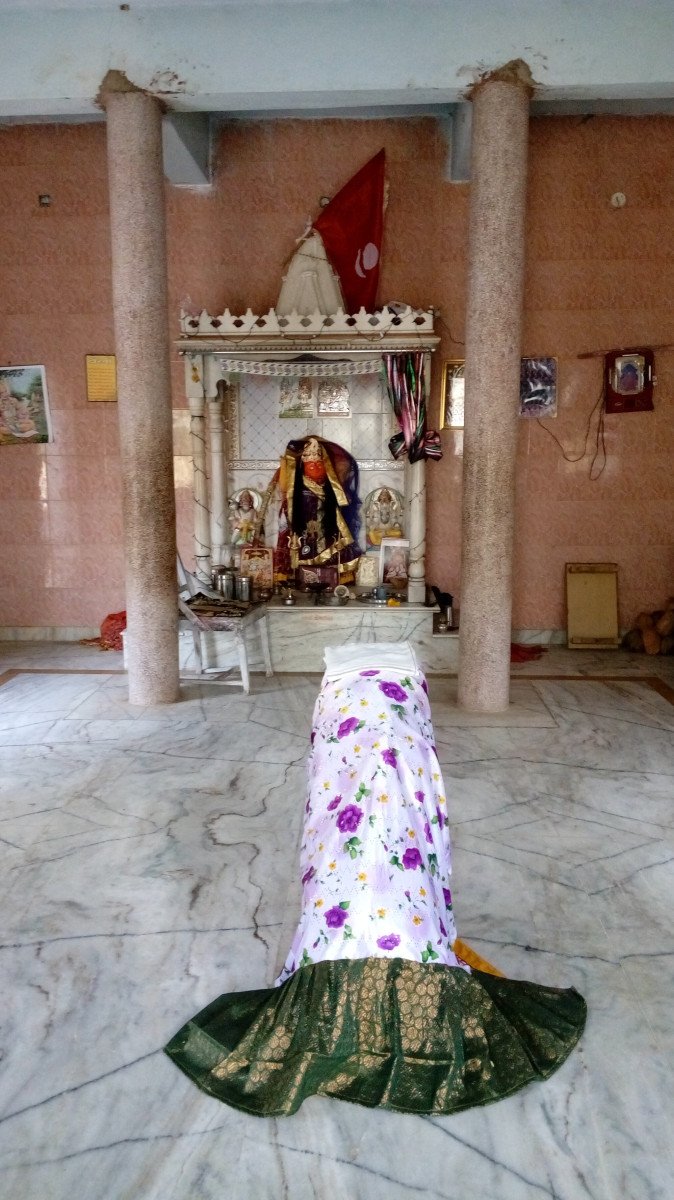
The Cave Mouth Frame: The best photo spot is from a short distance away, framing the entire natural cave mouth and the simple temple entrance within the rocky hillside. This shot captures the unique, secluded setting of the shrine.
The Dripping...The Cave Mouth Frame: The best photo spot is from a short distance away, framing the entire natural cave mouth and the simple temple entrance within the rocky hillside. This shot captures the unique, secluded setting of the shrine.
The Dripping Water: Inside the cave, if lighting permits (use a tripod and long exposure), attempt to capture the moment of the sacred 'tapka' (dripping water) hitting the Shiva Lingam or the idol of Goddess Tapkeshwari, illustrating the natural phenomenon that gives the temple its fame.
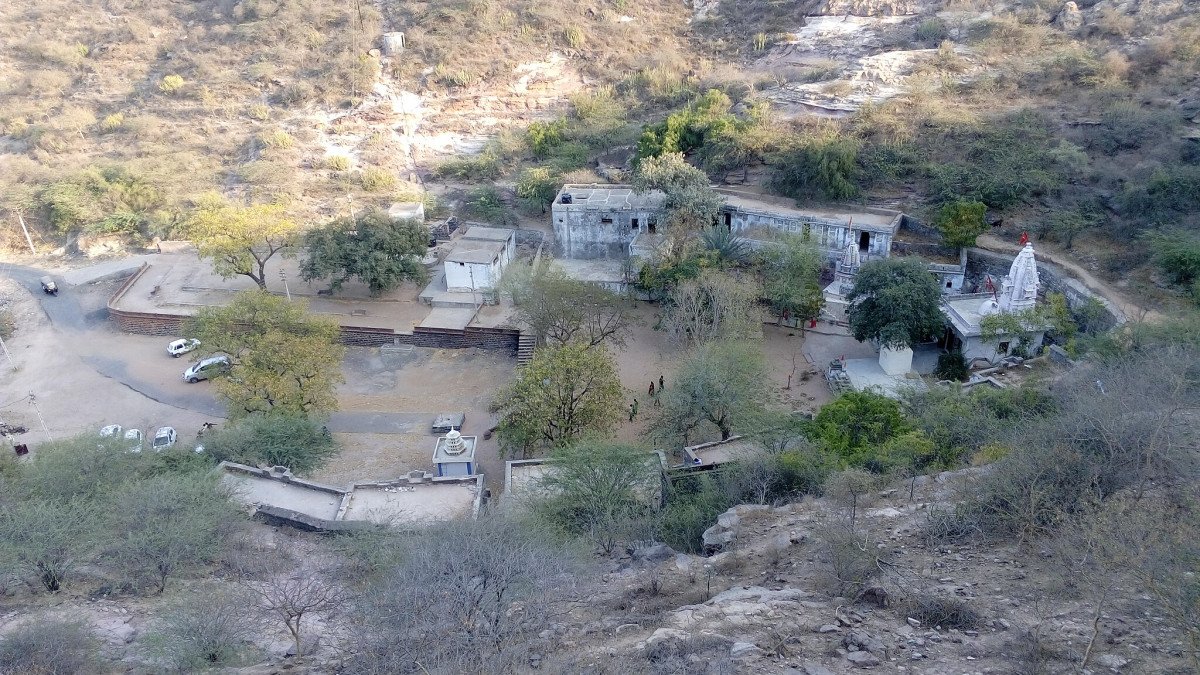
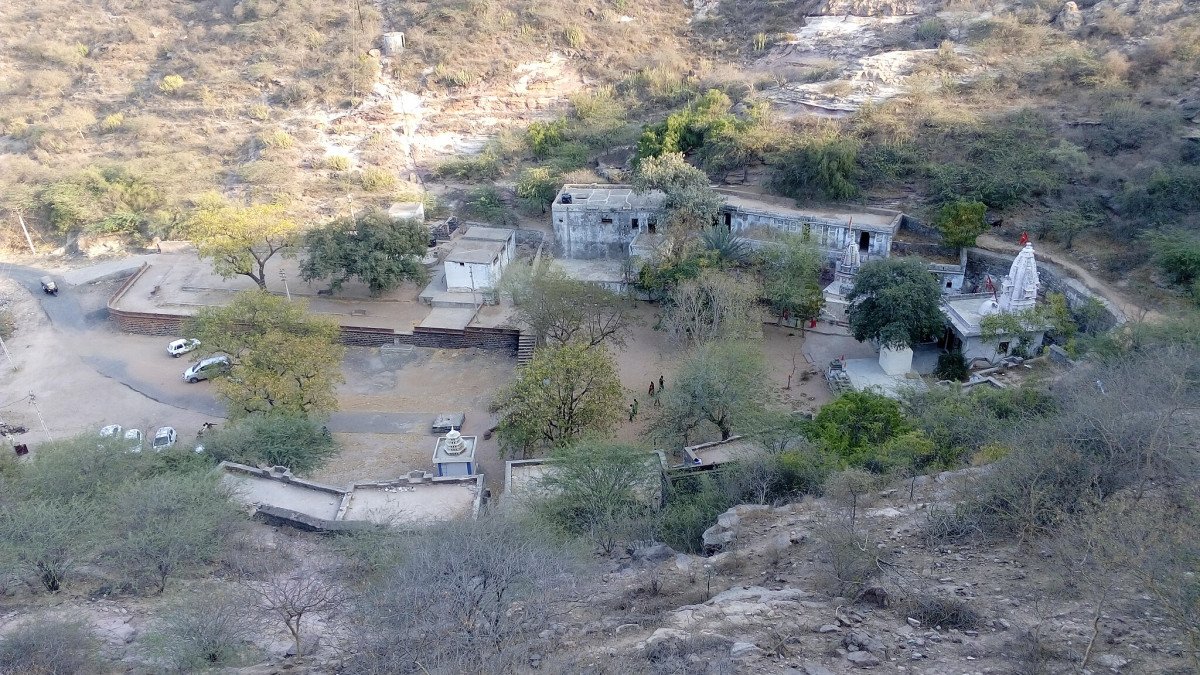
The Hillside View: Photograph the picturesque, arid landscape of the Tapkeshwari Hill Range from the temple's vantage point, especially beautiful during the sunset, to capture the natural, tranquil environment.
Devotees and Ritual: Capture the atmosphere of devotion by photographing the simple rituals, the offerings, or the quiet meditation of the devotees within the naturally lit cave interiors (with respect for their privacy).
The Ascent Path: The steps or path leading up the hill to the temple offer a great line and path for a leading-line photograph, drawing the viewer's eye up to the sacred site. :Photo Gallery
Things To Do
-
Ascend to the Caves: The main activity is the climb up the hill to the series of limestone caves. The path is often simple but provides a nature walk and an opportunity to appreciate the rocky landscape of the Tapkeshwari hill range and the local flora.
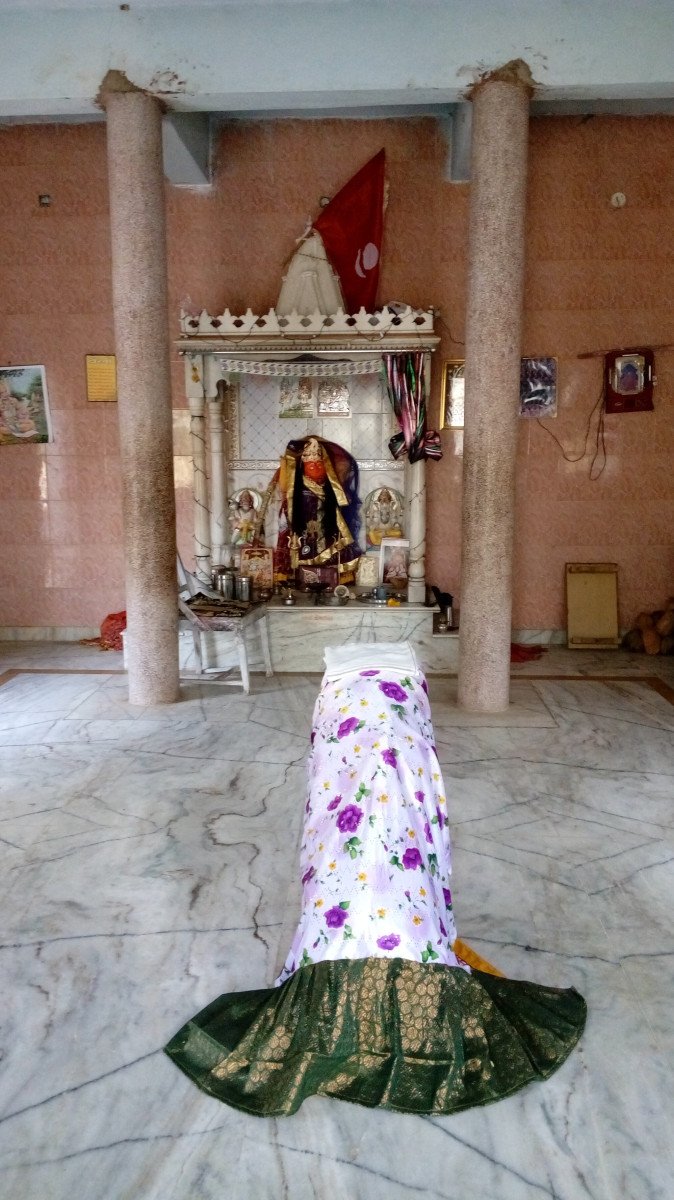
Perform Darshan: Visit the main shrine within the cave to perform Darshan of Goddess Tapkeshwari and the Shiva Lingam. Sit quietly for a period to absorb the powerful, sacred atmosphere created by the continuous, natural dripping of water (tapka) onto the idol. This is a highly meditative and spiritual experience.
Explore the Surrounding Caves: Explore the other, smaller caves and rock shelters around the main temple. These are historically significant as sites of meditation for sadhus (holy men). Be respectful and mindful of any ongoing reli...
Information
-
Why Famous:
Natural Abhisheka: The temple is famous for its unique and highly sacred phenomenon: the continuous natural dripping of water (tapka) from the cave roof onto the enshrined idol of Goddess Tapkeshwari, making the spot divinely blessed in the eyes of devotees.Natural Abhisheka: The temple is famous for its unique and highly sacred phenomenon: the continuous natural dripping of water (tapka) from the cave roof onto the enshrined idol of Goddess Tapkeshwari, making the spot divinely blessed in the eyes of devotees.
Cave Location: The shrine's setting within natural limestone caves on a hill provides a dramatic and serene backdrop, distinguishing it from conventional, built temples. The seclusion of the caves is a major draw for pilgrims and seekers of solitude.
Spiritual History: It is historically famous as a site for intense meditation and ascetic practice, believed to have been used by sages for centuries. The panoramic views of the semi-arid landscape from the hill add to its picturesque fame, especially during the monsoon when the surrounding area turns green. : -
Architecture:
Natural Cave Structure: The Tapkeshwari Temple is an example of architecture highly integrated with nature, using existing limestone caves as its primary shrine.
Dimensions: The temple is not a single, grand structure but a series of small, ...Natural Cave Structure: The Tapkeshwari Temple is an example of architecture highly integrated with nature, using existing limestone caves as its primary shrine.
Dimensions: The temple is not a single, grand structure but a series of small, low-ceilinged chambers within the rock. The dimensions of the main sanctum are naturally constrained by the cave's size, creating an intimate, humble space, possibly only a few meters wide and deep.
Temple Adaptation: Traditional temple elements are minimal, consisting primarily of the stone altar, the idol, and some later additions like a simple exterior mandapa (porch) and steps leading up the hill. The most significant architectural 'feature' is the roof itself—the natural cave ceiling—from which water perpetually 'drips' (tapka) onto the deity. This natural process is the sacred, defining element of the shrine's design and name, making the temple a testament to ascetic devotion in natural seclusion. : -
How To Reach:
By Air: Bhuj Airport (BHJ) is approximately 10 to 12 KMS from the base of the Tapkeshwari Temple hill. You will need to hire a taxi or auto-rickshaw for the journey, which takes about 30 to 40 minutes. The temple is located on the outskirts towards the south of the city, s... -
Near Tourist Places:
1. Smritivan Memorial (Approx.
9 KMS): Earthquake memorial and museum. 2. Bhujia Hill/Fort (Approx. 8.
5 KMS): Historic fort. 3. Hira Laxmi Memorial (Approx.
7 KMS): Museum dedicated to crafts. 4. Hamirsar Lake (Approx.
7 KMS): Central lake. 5. Prag Mahal (Approx. 7.
5 KMS): Gothic palace. 6. Aina Mahal (Approx. 7.
5 KMS): Palace of Mirrors. 7. Kutch Museum (Approx. 7.
5 KMS): Historical museum. 8. Ramkund Stepwell (Approx.
8 KMS): Ancient stepwell. 9. Chhatedi Bhuj (Approx. 8.
5 KMS): Royal cenotaphs. 10. Sharad Baug Palace (Approx.
9 KMS): Royal garden and museum. 11. Vande Mataram Memorial (Approx.
12 KMS): Patriotic memorial.
Tourism Tips
-
Health & safety:
The Climb: The path up the hill is a combination of natural trail and steps; wear sturdy, non-slip footwear.
Cave Safety: The cave interiors can be dimly lit and damp; watch your footing an...
Reviews
Tapkeshwari Temple Tourism:-
Information about New and Updated Locations(862+) of Gujarat Has Been Added :-
Card subtitle
Note:-
Information provided here in good Faith and for reference only.
All information and pictures will be updated soon, please keep visiting.
Near Places
Aina Mahal
Some quick example text to build on the card title and make up the bulk of the card's content.
Go somewhere
Bhartiya Sanskruti Darshan Museum
Some quick example text to build on the card title and make up the bulk of the card's content.
Go somewhere
Bhujia Fort
Some quick example text to build on the card title and make up the bulk of the card's content.
Go somewhere
Bhujia Hill & Fort
Some quick example text to build on the card title and make up the bulk of the card's content.
Go somewhere
Bhujodi Handicraft Village
Some quick example text to build on the card title and make up the bulk of the card's content.
Go somewhere
Chhatardi
Some quick example text to build on the card title and make up the bulk of the card's content.
Go somewhere
Chhatedi
Some quick example text to build on the card title and make up the bulk of the card's content.
Go somewhere
Darbar Gadh
Some quick example text to build on the card title and make up the bulk of the card's content.
Go somewhere
Great Rann of Kutch
Some quick example text to build on the card title and make up the bulk of the card's content.
Go somewhere
Hamirsar Lake
Some quick example text to build on the card title and make up the bulk of the card's content.
Go somewherein Other Cities