

Tashi View Point
General information
-
Ideal Duration:
1 to 1. 5 hours (Best visited at sunrise)Place Type:
Mountain Viewpoint, Sunrise Spot, Landscape PhotogEntry Fees:
Zero Formal Entry Fee: There is generally no entry fee charged to visitors at the main Tashi View Point observation deck itself, as it is a public viewing structure maintained by the Sikkim Government; the access to the viewing area and the panoramic scenery is free for all...Zero Formal Entry Fee: There is generally no entry fee charged to visitors at the main Tashi View Point observation deck itself, as it is a public viewing structure maintained by the Sikkim Government; the access to the viewing area and the panoramic scenery is free for all tourists, making it a highly democratic scenic spot;
Telescope Viewing Charges: A small, nominal fee (typically INR 10 to 20) is charged for using the coin-operated or privately maintained telescopes installed at the viewpoint, allowing tourists to get a magnified, detailed view of the distant Khangchendzonga and other peaks, which is an optional expenditure for visitors;
Parking and Road Charges: Since the viewpoint is easily accessible by road, the primary cost is the vehicle hiring cost for the day trip, and small, local taxes or road maintenance fees may be collected at a check-post along the North Sikkim Highway or a nominal parking fee (around INR 20 to 30) may be charged by local vendors for parking on their adjoining land;
Hot Beverage/Snack Costs: The cost of purchasing the essential early morning hot tea, coffee, or snacks from the numerous vendors at the site is an important part of the viewing experience and a necessary cost, especially in the cold climate, effectively supporting the local vendors who make the early morning view possible;
Commercial Photography Fees: While casual tourist photography is free, any professional setup, large-scale filming, or commercial drone usage for magazines or documentaries requires explicit permission from the Sikkim Tourism Department and will incur significant commercial usage fees to ensure the view remains unobstructed and commercially regulated.Timing:
Strict Sunrise Timing: Tashi View Point is a destination defined by its timing; the ideal time to visit is strictly for sunrise, which requires arriving approximately 30 to 45 minutes before the official sunrise time, often between 4:30 AM and 5:30 AM, depending on the mont...Strict Sunrise Timing: Tashi View Point is a destination defined by its timing; the ideal time to visit is strictly for sunrise, which requires arriving approximately 30 to 45 minutes before the official sunrise time, often between 4:30 AM and 5:30 AM, depending on the month (earlier in summer, later in winter) to secure a good viewing spot;
Avoid Mid-Day: The viewpoint is generally not visited in the late morning or midday, as the rising sun is high, creating haze and washing out the view of the Khangchendzonga peaks, making the panoramic view indistinct and dull, thus wasting the viewing opportunity;
Sunset Alternative: An excellent alternative time is the late afternoon, between 4:30 PM and 5:30 PM, especially in the autumn months, to catch the sunset; the evening light casts a soft, deep-orange hue on the mountains, and the crowds are significantly smaller than the sunrise rush, offering a more serene and peaceful experience;
Best Viewing Window: The golden window for viewing the peaks clearly is the hour immediately following sunrise (up to 7:00 AM) or the hour just before sunset (after 5:00 PM), as these times offer the best directional light and minimal atmospheric haze for peak visibility;
Quick Visit Duration: The actual time spent at the viewpoint is relatively short, often less than an hour, as the primary activity is the brief but spectacular viewing experience, and travelers should plan accordingly for the quick in-and-out visit.Special Events:
The Khangchendzonga Peak Lighting: The special, non-annual event, which occurs naturally every clear morning, is the magnificent sight of the sun's first rays hitting the peak, causing it to glow; this 'lighting up' is the main special event, celebrated daily by the hundred...The Khangchendzonga Peak Lighting: The special, non-annual event, which occurs naturally every clear morning, is the magnificent sight of the sun's first rays hitting the peak, causing it to glow; this 'lighting up' is the main special event, celebrated daily by the hundreds of tourists who gather there, and it is a consistent natural phenomenon that elevates the viewing experience to a spectacle;
New Year's Day Sunrise Gathering: On January 1st, the viewpoint sees an exceptionally large gathering of locals and tourists who brave the intense winter cold to watch the first sunrise of the new year over the majestic peaks; this symbolic event is treated as a special, celebratory occasion, often accompanied by special hot beverages and a festive mood;
Local Cultural Days: Occasionally, the local community or tourism department organizes small cultural events or folk dance performances at the base of the viewpoint, especially during the main tourist seasons (April-June and September-November), to entertain the crowds waiting for the sunrise or sunset, offering a brief, cheerful interlude;
Photography Workshops: Due to its fame as a sunrise spot, specialized photography tours and workshops often organize their morning sessions at Tashi View Point, turning the location into a temporary learning center for landscape and mountain photography, which is a common, though not officially designated, special event at this location.Best Photo Spots:
The Upper Platform at Sunrise: The prime photo spot is the top level of the observation platform at the moment the sun touches the peak of Khangchendzonga; this spot is essential for capturing the iconic "Golden Peak" shot, using a fast shutter speed to capture the fleeting...The Upper Platform at Sunrise: The prime photo spot is the top level of the observation platform at the moment the sun touches the peak of Khangchendzonga; this spot is essential for capturing the iconic "Golden Peak" shot, using a fast shutter speed to capture the fleeting moment of brilliant light, and is the reason most tourists flock here;
The Framed View Through the Trees: A slightly hidden gem is capturing the peaks framed by the silhouettes of the pine or cypress trees just below the main platform; this technique adds depth, texture, and a natural border to the landscape shot, offering a more artistic and less-clichéd perspective;
The City Overlook: The edge of the viewpoint, looking down toward the valley, is the best spot for an aerial-like photo of the sprawling Gangtok city; this unique perspective of the urban center nestled among the mountains is excellent for documenting the geographical context of the capital, especially at dusk when the lights begin to twinkle;
The Silhouette Shot: Position a person or a small group on the viewing platform during the minute just before sunrise, capturing their silhouette against the brightly illuminated sky and the dark backdrop of the distant peaks; this creates a dramatic, high-contrast, and emotionally powerful image that symbolizes the awe of the moment;
The Signage and Altitude Photo: The informational sign detailing the names of the peaks visible and the viewpoint's own sign provides a great spot for commemorative photos, offering proof of the visit and adding educational value to the snapshot, making it perfect for tourist record-keeping;
The Morning Mist Capture: On slightly cloudy or misty mornings, the way the fog rolls over the peaks and through the valley can be captured with slow shutter speeds to create a soft, ethereal, and dramatic landscape photograph, offering a different, moodier perspective from the typical clear sunrise shots. (Approx. )Photo Gallery
Things To Do
-
Witnessing the Sunrise Spectacle: The essential activity is waking up early (often before 5:00 AM) and positioning oneself on the viewing platform to witness the spectacular sunrise over the Khangchendzonga range; the main objective is to see the mountain peaks dramatically change color as the first rays of the sun strike them, transforming them from deep black and purple to glowing gold and fiery orange;
Panoramic Landscape Photography: Engage in serious landscape photography, focusing on the vast, snow-covered Himalayan panorama; the elevated position makes it perfect for wide-angle shots of the peaks and telephoto captures of the distant snow ridges, ensuring the camera settings are ready for the low light conditions of early morning;
Identifying the Peaks: Use the informational boards or lo...Witnessing the Sunrise Spectacle: The essential activity is waking up early (often before 5:00 AM) and positioning oneself on the viewing platform to witness the spectacular sunrise over the Khangchendzonga range; the main objective is to see the mountain peaks dramatically change color as the first rays of the sun strike them, transforming them from deep black and purple to glowing gold and fiery orange;
Panoramic Landscape Photography: Engage in serious landscape photography, focusing on the vast, snow-covered Himalayan panorama; the elevated position makes it perfect for wide-angle shots of the peaks and telephoto captures of the distant snow ridges, ensuring the camera settings are ready for the low light conditions of early morning;
Identifying the Peaks: Use the informational boards or local guides to actively identify the various peaks visible from the viewpoint, such as Mount Siniolchu, Mount Pandim, and of course, Mount Khangchendzonga, adding an educational and geographic dimension to the visual experience;
Viewing Gangtok City: Look down and appreciate the unique, bird's-eye view of the entire Gangtok city sprawling below, nestled in the valley; this offers a wonderful contrast between the towering natural landscape and the urban development of the capital, especially as the city lights begin to dim just before dawn;
Enjoying Local Hot Beverages: Have a cup of piping hot tea or coffee from the small, local stalls that open early to cater to sunrise watchers; the warmth is essential in the cold mountain air, and the simple act of sipping hot beverages while watching the sunrise is part of the traditional Sikkimese viewing experience;
Using Telescopes (Paid Activity): Avail the coin-operated or small, locally maintained telescopes available at the viewpoint for a closer, magnified view of the distant peaks and the surrounding terrain, often a fun and engaging activity for children and those interested in detailed observation;
Morning Meditation and Reflection: Use the quiet, serene atmosphere just before and after sunrise for a moment of peaceful meditation and appreciation of nature's majesty, using the towering mountains as a backdrop for introspection;
Shopping for Small Souvenirs: Quickly browse the small stalls selling binoculars, local handicrafts, and woolen accessories, picking up small tokens to commemorate the early morning visit to this iconic vantage point;
Visiting Nearby Monasteries: Since Tashi View Point is located on the North Sikkim Highway, a related activity is to combine the visit with a trip to the nearby significant Phodong or Labrang Monasteries later in the day, turning the early morning view into the start of a cultural sightseeing tour;
Sunset Viewing (Alternative): Though famous for sunrise, visit the point in the late afternoon to catch the sunset, which is a less crowded activity and offers a different, but equally beautiful, light and color show on the peaks, with a good chance to see the city lights starting to twinkle below; this offers a great photographic alternative to the busy sunrise period.
Information
-
Why Famous:
Unrivaled Khangchendzonga View: Tashi View Point is famous almost exclusively for providing the most spectacular, clear, and panoramic view of the Khangchendzonga range, especially during the crucial hours of sunrise; the way the sunlight dramatically changes the color of t...Unrivaled Khangchendzonga View: Tashi View Point is famous almost exclusively for providing the most spectacular, clear, and panoramic view of the Khangchendzonga range, especially during the crucial hours of sunrise; the way the sunlight dramatically changes the color of the peaks from purple to gold is a world-renowned sight;
Sunrise Photography Mecca: It is known internationally as a premier spot for landscape photographers who seek to capture the iconic Himalayan sunrise, making it a highly reviewed and frequently published location in travel guides and magazines;
Accessibility: Its easy accessibility, being only 8 km from Gangtok, contributes significantly to its fame, as it allows all tourists, regardless of age or physical ability, to witness a world-class Himalayan view without a difficult trek;
King's Legacy: The fact that it was built and named by the late King Tashi Namgyal adds a royal and historical element to its fame, rooting the site within the narrative of the Sikkimese monarchy and its connection to the landscape;
View of Gangtok City: It offers a unique and famous bird's-eye perspective of the entire Gangtok city, allowing visitors to appreciate the urban layout amidst the mountainous terrain, often used as a reference point for the city's geography;
View of Labrang and Phodong Monasteries: On exceptionally clear days, the view extends far enough to include distant glimpses of the significant Labrang and Phodong Monasteries, adding cultural depth to the purely scenic experience, thus being famous for combining natural and cultural vistas; its focused function as a viewpoint means that its entire existence is dedicated to this singular, magnificent visual experience. -
Architecture:
Functional Viewing Structure: The architecture of Tashi View Point is simple, primarily focused on providing an elevated, stable platform for tourists to enjoy the scenic view;
Observation Tower: The central structure is a two-tiered, circul...Functional Viewing Structure: The architecture of Tashi View Point is simple, primarily focused on providing an elevated, stable platform for tourists to enjoy the scenic view;
Observation Tower: The central structure is a two-tiered, circular observation deck, roughly 30 feet in diameter and 15 feet high, constructed mainly from concrete and painted in bright colors, designed to accommodate a large number of visitors, especially during peak sunrise hours; a spiral staircase or ramp provides easy access to the upper level for a clearer, unobstructed view of the Khangchendzonga peaks;
Shelter and Amenities: Small, functional stalls and shops, typically simple, single-story structures of about 10x10 feet, are clustered around the base, selling snacks, beverages, and souvenirs, and they are built to blend semi-discreetly into the background; there is a small covered shelter for protection from rain or harsh sun, often decorated with local Sikkimese motifs;
Naming Inscription: A prominent stone slab or plaque is often present, bearing the name of the viewpoint in English and local languages, sometimes accompanied by a brief history, often built into a low, sturdy stone wall surrounding the area, which acts as a safety barrier; the overall design is utilitarian, maximizing the view while providing basic comfort and safety, with dimensions optimized for tourist capacity and easy road access, reflecting its role as a key public viewing infrastructure. -
How To Reach:
By Air: The nearest airport is Bagdogra International Airport (IXB) in West Bengal, approximately 130 km away; the drive from Bagdogra to Gangtok takes about 4-5 hours by private or shared taxi; Paktyong Airport (PYG) is closer, around 35 km away; Tashi View Point is only...By Air: The nearest airport is Bagdogra International Airport (IXB) in West Bengal, approximately 130 km away; the drive from Bagdogra to Gangtok takes about 4-5 hours by private or shared taxi; Paktyong Airport (PYG) is closer, around 35 km away; Tashi View Point is only 8 km from Gangtok and easily accessible via local transport from the city;
By Train: The major railway junction is New Jalpaiguri (NJP) in Siliguri, West Bengal, roughly 125 km from Gangtok; the road journey from NJP to Gangtok takes 4-5 hours by taxi; once in Gangtok, the final leg to the viewpoint is via local taxi;
By Road: Tashi View Point is located just 8 km from Gangtok City Center on the North Sikkim Highway; the road is well-maintained and the drive is very quick, taking only about 20 to 30 minutes; the ease of access by road is a key factor in its popularity for the early morning sunrise viewing; the road is accessible even in light rain, but extreme caution is required for the early morning drive;
By Local Transport: Being very close to the city, Tashi View Point is most easily reached by local taxi; since visitors must arrive very early for the sunrise, hiring a dedicated, pre-booked local taxi is the recommended method (costing around INR 500 to 1,000 for the early morning return trip); shared taxi options are generally not available that early in the morning; the viewpoint is the very first stop on the standard local Gangtok half-day sightseeing tour itinerary, which is a convenient way to visit if one is not dedicated to the sunrise experience and prefers a daytime view; local taxi stands in Gangtok can easily arrange the transport at any time, but booking in advance for the sunrise is highly advisable to avoid delays and ensure availability of a driver willing to start before dawn. -
Weather and Best Time to Visit:
Best Seasons: The best seasons for visiting Tashi View Point are the Autumn Months (September to November) and the Spring/Early Summer Months (March to May); Autumn is considered the absolute best due to the post-monsoon clarity, offering the highest likelihood of a crystal...Best Seasons: The best seasons for visiting Tashi View Point are the Autumn Months (September to November) and the Spring/Early Summer Months (March to May); Autumn is considered the absolute best due to the post-monsoon clarity, offering the highest likelihood of a crystal-clear, unobstructed view of the Khangchendzonga range at sunrise; Spring also provides good visibility, though early-morning haze can sometimes be a factor; the Monsoon Season (July and August) is the worst time, as the mountain peaks are almost invariably hidden by thick clouds and rain, making the trip pointless; the Winter Months (December to February) are challenging due to intense cold and wind, but if the sky is clear, the snow-covered peaks offer a dramatic, stunning view, though one must be very well-prepared for the extreme temperatures;
Best Time of Day: The best time of day is strictly at sunrise, requiring arrival well before dawn (e. g. , 4:30 AM to 5:30 AM) to secure a spot and witness the peaks changing color from the first ray of light; the entire purpose of the visit is timed around this fleeting 30-minute spectacle;
Alternative Time: The late afternoon/sunset is the secondary best time, offering a softer, more reflective light and significantly fewer crowds, which is ideal for a peaceful viewing experience and capturing the city lights starting to twinkle below Gangtok;
Worst Time of Day: The midday period (9:00 AM to 4:00 PM) is the worst time, as the high sun creates atmospheric haze, washing out the details of the distant peaks, rendering the view hazy and indistinct, and making the entire viewpoint significantly less rewarding, thus tourists should commit to either the sunrise or sunset window for the most impactful experience. -
Near Tourist Places:
Hanuman Tok: 3 km (a highly revered temple and viewpoint nearby) Ganesh Tok: 5 km (another temple and viewpoint) Himalayan Zoological Park: 1 km (very close, often visited next) Bhakthang Waterfalls: 5 km (a beautiful waterfall on the highway) Enchey Monastery: 7 km (a key monastery in the city) M. G.
Marg (Gangtok):
8 km (the main pedestrian hub) Do Drul Chorten: 9 km (a major stupa in the city) Namgyal Institute of Tibetology:
9 km (a cultural institute) Saramsa Garden: 18 km (requires driving through the city) Ban Jhakri Falls Park: 15 km (a popular recreational park)
Tourism Tips
-
Health & Safety: The most crucial safety tip is to be extremely careful when driving to the viewpoint in the dark before sunrise, as the winding roads are challenging; ensure your driver is experienced and the vehicle is in good condition, and wear reflective clothing if wa...Health & Safety: The most crucial safety tip is to be extremely careful when driving to the viewpoint in the dark before sunrise, as the winding roads are challenging; ensure your driver is experienced and the vehicle is in good condition, and wear reflective clothing if walking near the road; once at the platform, be mindful of the edges and any stairs, which can be slippery with dew or frost;
Packing Essentials: Warm clothing is non-negotiable, even in summer, as the pre-dawn temperatures are near freezing; layer up with thermal wear, a warm jacket, hat, and gloves; a hot flask of tea or coffee is highly recommended for personal warmth while waiting for the sunrise; binoculars are useful for a better view, and a sturdy tripod is essential for steady, sharp sunrise photography in low light conditions;
Accommodation: Stay in Gangtok City, as the viewpoint is a simple, quick trip (20-30 minutes) from the center; book a hotel that is located on the North Sikkim Highway side of Gangtok to minimize the early morning driving time through the city traffic;
Timing Tip: Set multiple alarms and leave your hotel with plenty of time, aiming to arrive 30 to 45 minutes before the scheduled sunrise; the best viewing spots on the platform are taken quickly, and the main spectacle is very brief, so punctuality is key to a successful visit;
Alternative View Strategy: If the sunrise is obscured by clouds (a frequent occurrence in the mountains), a great tip is to quickly have a hot beverage and head back, returning later in the day for the sunset or checking the weather forecast to avoid a repeat early start; don't wait for hours for the clouds to clear, as the mountain weather is highly unpredictable;
Transport Booking: Pre-book your dedicated taxi the night before and confirm the extremely early pick-up time, as finding a taxi on the street before 5:00 AM is nearly impossible, making the confirmed booking a vital step for a successful sunrise visit.
Reviews
FAQs
Gangtok Itineray And Cost:-
Tashi View Point Tourism:-
Other Places In Gangtok :-
Other States In India :-
Information about New and Updated Locations() of Sikkim Has Been Added :-
Card subtitle
Note:-
Information provided here in good Faith and for reference only.
Near Places

Baba Harbhajan Singh Temple
Some quick example text to build on the card title and make up the bulk of the card's content.
Go somewhere
Bakthang Waterfall
Some quick example text to build on the card title and make up the bulk of the card's content.
Go somewhere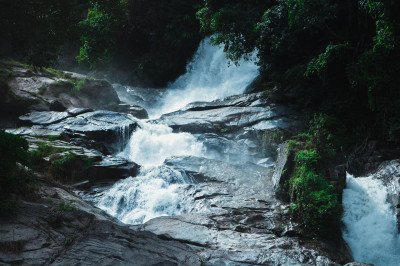
Banjhakri Water Falls
Some quick example text to build on the card title and make up the bulk of the card's content.
Go somewhere
Do Drul Chorten
Some quick example text to build on the card title and make up the bulk of the card's content.
Go somewhere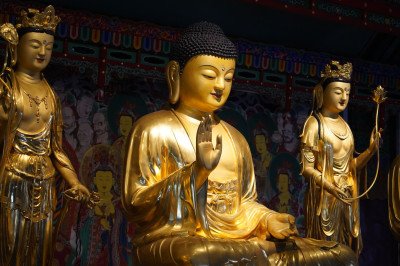
Enchey Monastery
Some quick example text to build on the card title and make up the bulk of the card's content.
Go somewhere
Fambong Lho Wildlife Sanctuary
Some quick example text to build on the card title and make up the bulk of the card's content.
Go somewhere
Flower Exhibition Centre
Some quick example text to build on the card title and make up the bulk of the card's content.
Go somewhere
Ganesh Tok
Some quick example text to build on the card title and make up the bulk of the card's content.
Go somewhere
Gangtok Ropeway
Some quick example text to build on the card title and make up the bulk of the card's content.
Go somewhere
Hanuman Tok
Some quick example text to build on the card title and make up the bulk of the card's content.
Go somewhere
Himalayan Zoological Park
Some quick example text to build on the card title and make up the bulk of the card's content.
Go somewhere
Kyongnosla Alpine Sanctuary
Some quick example text to build on the card title and make up the bulk of the card's content.
Go somewhere
Lhasa Falls
Some quick example text to build on the card title and make up the bulk of the card's content.
Go somewhere
MG Marg
Some quick example text to build on the card title and make up the bulk of the card's content.
Go somewhere
Namgyal Institute of Tibetology
Some quick example text to build on the card title and make up the bulk of the card's content.
Go somewhere
Nathu La Pass
Some quick example text to build on the card title and make up the bulk of the card's content.
Go somewherein Other Cities