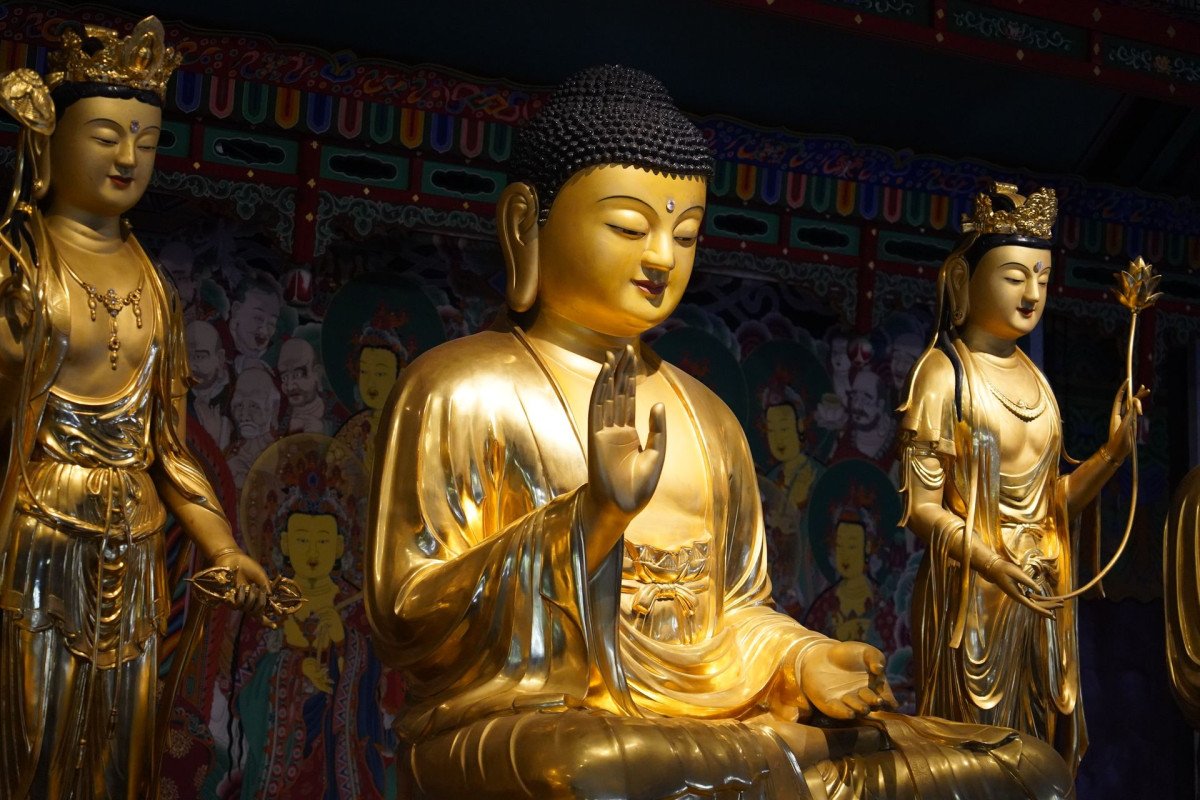
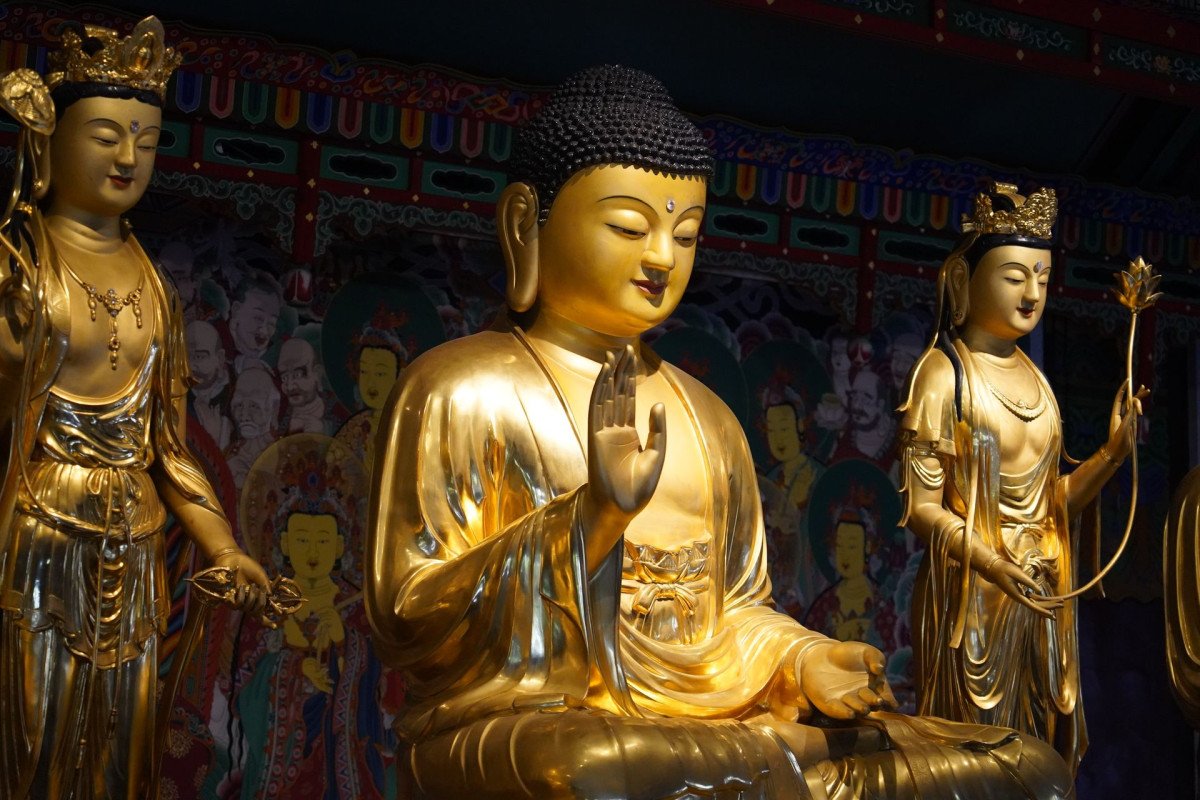
Tashiding Monastery
General information
-
Ideal Duration:
2 to 3 HoursPlace Type:
Religious / Pilgrimage / SpiritualEntry Fees:
Standard Entry: The entry fee is approximately INR 50 per person for Indian nationals. Foreign tourists may be charged around INR 100 depending on the current government regulations.
Festival Season: During the Bhumchu festival, entry is us...Standard Entry: The entry fee is approximately INR 50 per person for Indian nationals. Foreign tourists may be charged around INR 100 depending on the current government regulations.
Festival Season: During the Bhumchu festival, entry is usually free for devotees. However, a voluntary donation to the monastery fund is highly encouraged by the lamas.
Camera Charges: A small fee of INR 20 for still cameras and INR 100 for video cameras might be applicable inside the temple.Timing:
Regular Timings: The monastery is open from 9:00 AM to 5:00 PM. The main prayer hall may close briefly during the monks' lunch hour from 12:00 PM to 1:00 PM.
Ideal Visit Time: Arrive at 10:00 AM to witness the morning rituals. The lighting...Regular Timings: The monastery is open from 9:00 AM to 5:00 PM. The main prayer hall may close briefly during the monks' lunch hour from 12:00 PM to 1:00 PM.
Ideal Visit Time: Arrive at 10:00 AM to witness the morning rituals. The lighting is also perfect for photography at this time.
Bhumchu Timing: During the festival, the monastery remains open 24 hours for devotees.Special Events:
Bhumchu Festival: This is the most significant event, held on the 14th and 15th day of the first lunar month. It draws thousands of pilgrims for the distribution of holy water.
Guru Rinpoche's Birthday: Celebrated with special mask dances a...Bhumchu Festival: This is the most significant event, held on the 14th and 15th day of the first lunar month. It draws thousands of pilgrims for the distribution of holy water.
Guru Rinpoche's Birthday: Celebrated with special mask dances and prayers. The monastery becomes a vibrant hub of religious activity during this time in June.Best Photo Spots:
The Main Shrine Entrance: The colorful wooden carvings and the red door make for a classic Sikkimese photo. The afternoon light brings out the vibrancy of the paint.
Thongwa-rang-dol Chorten: Photographing this holy stupa against the white ...The Main Shrine Entrance: The colorful wooden carvings and the red door make for a classic Sikkimese photo. The afternoon light brings out the vibrancy of the paint.
Thongwa-rang-dol Chorten: Photographing this holy stupa against the white peaks of Kanchenjunga is a must. It is the most iconic shot of the monastery.
The Mani Stone Walls: A close-up of the hand-carved stone tablets creates a beautiful texture shot. It represents the artistic and spiritual dedication of the local people.Photo Gallery
Things To Do
-
Attend the Bhumchu Ceremony: If you visit in February, participating in this festival is a once-in-a-lifetime experience. Witnessing the opening of the holy vase is a deeply spiritual event.
Circumambulate the Chortens: Follow the tradition of walking clockwise around the 41 chortens. This practice is believed to bring good merit and peace to the devotee.
Observe Traditional Rituals: Watch the monks perform their daily prayers and play traditional instruments. The sound of the long horns and drums echoing through the hills is mesmerizing.
Study the Stone Carvings: Take a close look at the intricate "Mani" stones. The craftsmanship involved in carving these sacred texts by hand is truly impressive.
Landscape Photography: The m...Attend the Bhumchu Ceremony: If you visit in February, participating in this festival is a once-in-a-lifetime experience. Witnessing the opening of the holy vase is a deeply spiritual event.
Circumambulate the Chortens: Follow the tradition of walking clockwise around the 41 chortens. This practice is believed to bring good merit and peace to the devotee.
Observe Traditional Rituals: Watch the monks perform their daily prayers and play traditional instruments. The sound of the long horns and drums echoing through the hills is mesmerizing.
Study the Stone Carvings: Take a close look at the intricate "Mani" stones. The craftsmanship involved in carving these sacred texts by hand is truly impressive.
Landscape Photography: The monastery offers a dramatic backdrop of Mount Kanchenjunga. It is one of the best places in Sikkim to photograph the holy peak alongside religious architecture.
Interact with the Monks: Engage in a respectful conversation with the resident lamas. They often share stories about the monastery's history and the meaning behind the various rituals.
Hiking the Sacred Path: The climb from the road to the monastery is a spiritual journey. The path is lined with prayer wheels that you can spin as you make your ascent.
Information
-
Why Famous:
The Bhumchu Festival: It is globally famous for this sacred water ceremony. The level of water in the holy vase is said to predict the future of Sikkim.
Spiritual Cleansing: The monastery is famous for the belief that visiting it washes awa...The Bhumchu Festival: It is globally famous for this sacred water ceremony. The level of water in the holy vase is said to predict the future of Sikkim.
Spiritual Cleansing: The monastery is famous for the belief that visiting it washes away sins. It is a key site for those seeking spiritual purification and inner peace.
Ancient Relics: It houses the Thongwa-rang-dol chorten, a relic of immense religious value to the Nyingma sect. -
Architecture:
Architecture of Tashiding: The main temple is a two-storied structure built in the Sino-Tibetan style with a base area of about 2500 square feet. It features a slanting roof made of galvanized iron painted in bright red and gold.
The Chortens:<...Architecture of Tashiding: The main temple is a two-storied structure built in the Sino-Tibetan style with a base area of about 2500 square feet. It features a slanting roof made of galvanized iron painted in bright red and gold.
The Chortens: The complex contains 41 chortens, including the famous Thongwa-rang-dol, which is about 15 feet tall. The stone walls around the monastery are embedded with "Mani" stones—hand-carved tablets featuring the mantra "Om Mani Padme Hum.
" Interior Art: The walls are decorated with frescos depicting the life of Buddha and various Boddhisatvas. -
How To Reach:
By Air: Fly to Bagdogra Airport (IXB) and take a taxi to Yuksom or Pelling. The monastery is about a 2-hour drive from Yuksom.
By Train: Reach NJP Station and hire a taxi. The journey takes about 6 hours through the scenic mountain roads o...By Air: Fly to Bagdogra Airport (IXB) and take a taxi to Yuksom or Pelling. The monastery is about a 2-hour drive from Yuksom.
By Train: Reach NJP Station and hire a taxi. The journey takes about 6 hours through the scenic mountain roads of South and West Sikkim.
By Road: It is located on the way from Legship to Yuksom. You can take a shared jeep from Geyzing or Jorethang that passes through Tashiding village.
Local Transport: From Tashiding village, the monastery is a steep 15-minute walk up a stone-paved path. Taxis can drop you at the base of this path. -
Weather and Best Time to Visit:
Winter Season: February is the best time for those wishing to attend the Bhumchu festival. Be prepared for cold temperatures around 5°C.
Spring Season: April and May are perfect for sightseeing. The surrounding hills are covered in greene...Winter Season: February is the best time for those wishing to attend the Bhumchu festival. Be prepared for cold temperatures around 5°C.
Spring Season: April and May are perfect for sightseeing. The surrounding hills are covered in greenery and flowers.
Morning Hours: Early morning is best for participating in prayers.
Monsoon Caution: Avoid July and August as heavy rains can make the mountain roads to the monastery quite dangerous. -
Near Tourist Places:
1. Sinoon Monastery (10 KM) 2. Legship (15 KM) 3. Kirateshwar Mahadev Temple (16 KM) 4. Reshi Hot Springs (18 KM) 5. Yuksom (19 KM) 6. Pelling (40 KM) 7. Pemayangtse Monastery (38 KM) 8. Rabdentse Ruins (39 KM) 9. Sangachoeling Monastery (42 KM) 10. Ravangla (35 KM)
Tourism Tips
-
Health & Safety: The climb to the monastery is steep; take frequent breaks if you are not used to high altitudes. Drink plenty of water to stay hydrated.
Packing: Dress modestly; cover your shoulders and knees. Remove your shoes before e...Health & Safety: The climb to the monastery is steep; take frequent breaks if you are not used to high altitudes. Drink plenty of water to stay hydrated.
Packing: Dress modestly; cover your shoulders and knees. Remove your shoes before entering the main prayer hall.
Cash & Connectivity: Carry enough cash for donations and local purchases. Digital payments are rarely accepted here. Mobile network is available but patchy.
Accommodation: There are limited guesthouses in Tashiding village. Most people visit as a day trip from Yuksom or Pelling.
Cultural Etiquette: Always walk around the monastery and chortens in a clockwise direction. Do not take photos inside the shrine where it is prohibited.
Reviews
FAQs
Yuksom Itineray And Cost:-
Tashiding Monastery Tourism:-
Information about New and Updated Locations() of Sikkim Has Been Added :-
Card subtitle
Note:-
Information provided here in good Faith and for reference only.
All information and pictures will be updated soon, please keep visiting.
Near Places
Bakkhim Village
Some quick example text to build on the card title and make up the bulk of the card's content.
Go somewhere
Coronation Throne of Norbugang Park
Some quick example text to build on the card title and make up the bulk of the card's content.
Go somewhere
Coronation Throne of Norbugang
Some quick example text to build on the card title and make up the bulk of the card's content.
Go somewhere
Dubdi Monastery
Some quick example text to build on the card title and make up the bulk of the card's content.
Go somewhere
Goechala Trek Start Point
Some quick example text to build on the card title and make up the bulk of the card's content.
Go somewhere
Guheswari Temple
Some quick example text to build on the card title and make up the bulk of the card's content.
Go somewhere
Kartok Lake
Some quick example text to build on the card title and make up the bulk of the card's content.
Go somewhere
Kartok Monastery
Some quick example text to build on the card title and make up the bulk of the card's content.
Go somewhere
Kathok Lake
Some quick example text to build on the card title and make up the bulk of the card's content.
Go somewhere
Kathok Wodsalin Gompa
Some quick example text to build on the card title and make up the bulk of the card's content.
Go somewherein Other Cities