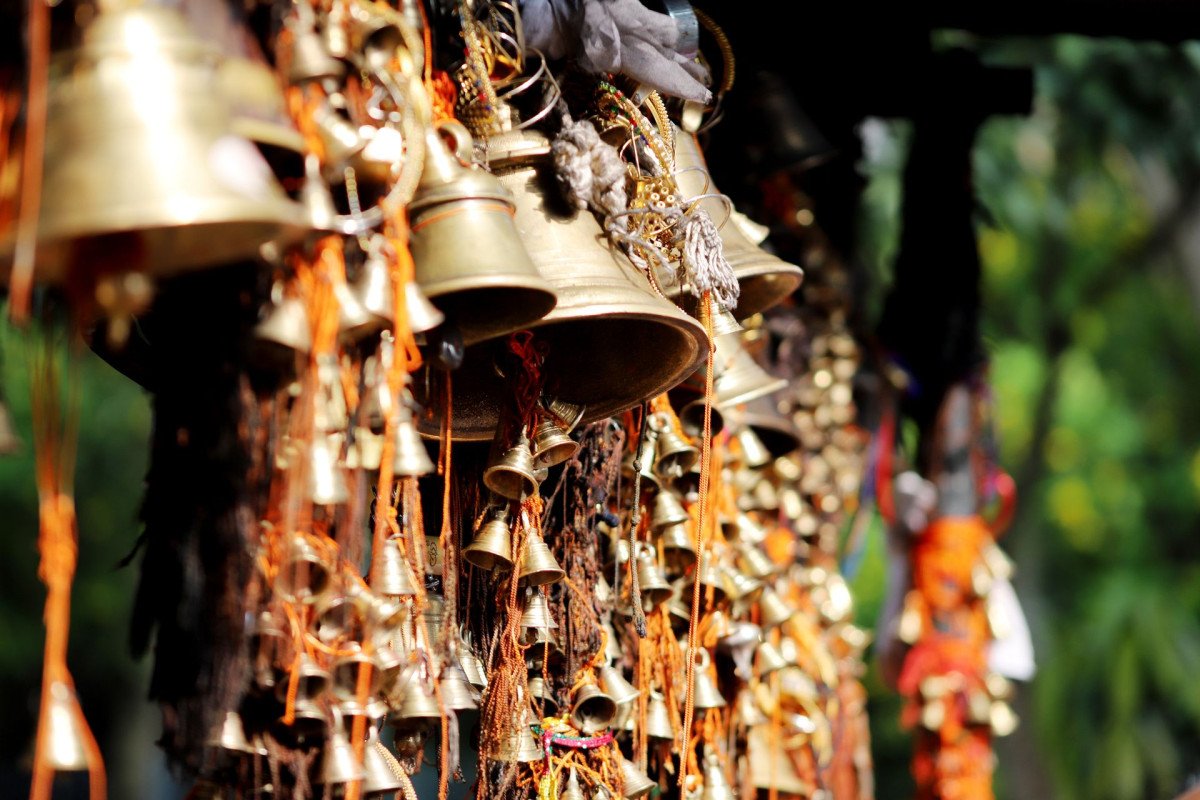
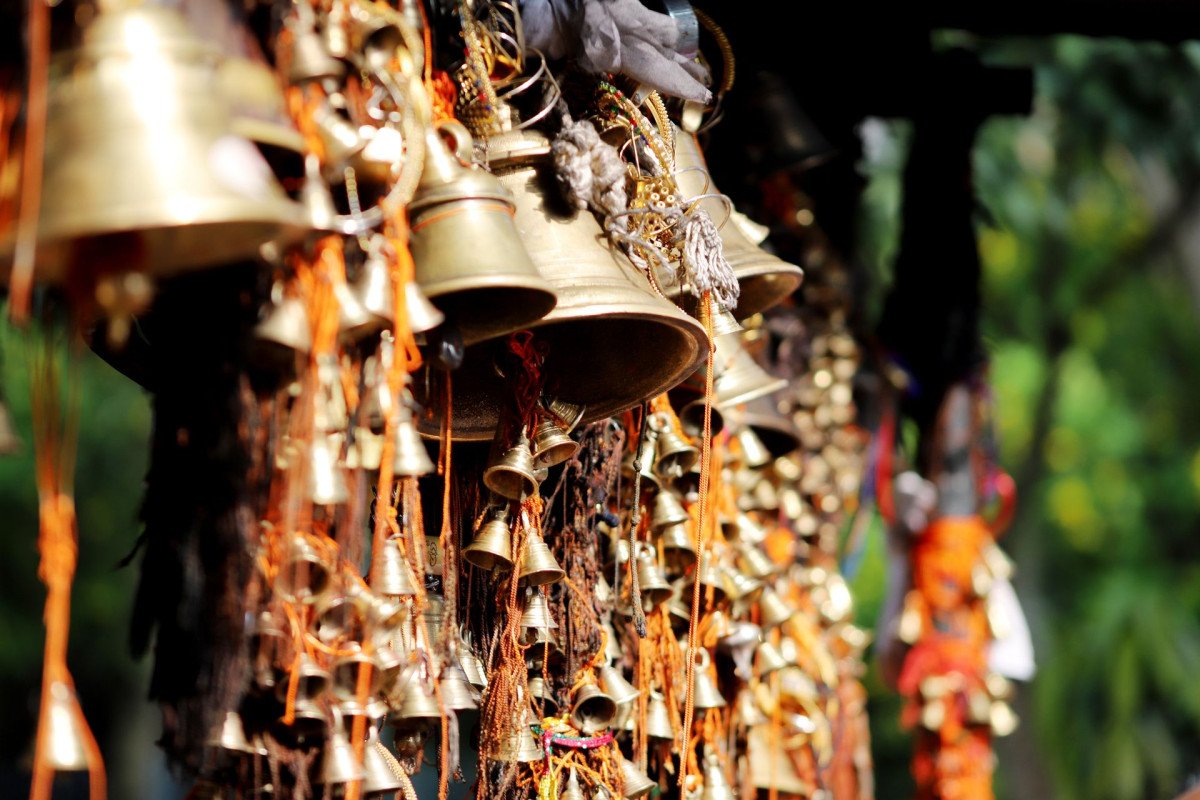
Guheswari Temple
General information
-
Ideal Duration:
30 Minutes - 1 HourPlace Type:
Religious, Cultural, Local WorshipEntry Fees:
General Entry Fees: Entry to the Guheswari Temple is universally Free for all visitors, as it is an active place of worship serving the community:
Photography/Filming Fees: There are no dedicated photography fees for handheld devices: However...General Entry Fees: Entry to the Guheswari Temple is universally Free for all visitors, as it is an active place of worship serving the community:
Photography/Filming Fees: There are no dedicated photography fees for handheld devices: However, as with all places of worship, strict respect should be maintained:
Donations/Offerings: Visitors are welcome to leave a small monetary or material Offering (like flowers, fruits, or incense) at the shrine, which is a common practice in Hindu temples and contributes to the daily upkeep and rituals: The amount is voluntary and at the discretion of the devotee: There are typically no mandatory ticketing counters.Timing:
Regular Timings: The temple is generally accessible from 6:00 AM to 7:00 PM daily, corresponding to the morning and evening prayer times: The shrine might be momentarily closed during the midday lull or for cleaning:
It is best to visit when the ...Regular Timings: The temple is generally accessible from 6:00 AM to 7:00 PM daily, corresponding to the morning and evening prayer times: The shrine might be momentarily closed during the midday lull or for cleaning:
It is best to visit when the priest is present:
Ideal Visit Time: The Ideal Visit Time is either the Early Morning (around 7:00 AM to 9:00 AM) to witness the start of the day's rituals and enjoy the quiet, or the Late Evening (around 6:00 PM to 7:
00 PM) to observe the beautiful Aarti ceremony:
Seasonal Consideration: The temple is open and active all year round, but the visit is most vibrant during the Navaratri and Durga Puja period in Autumn: A brief 30 minutes to 1 hour is sufficient for a respectful visit and a moment of reflection.Special Events:
Navaratri and Durga Puja: As a shrine to Goddess Shakti (Guheswari), the most significant festival is the annual nine-day Navaratri (especially during the Autumn month of September/October) and the subsequent Durga Puja: These celebrations involve special extended prayers, c...Navaratri and Durga Puja: As a shrine to Goddess Shakti (Guheswari), the most significant festival is the annual nine-day Navaratri (especially during the Autumn month of September/October) and the subsequent Durga Puja: These celebrations involve special extended prayers, community feasts, traditional music, and gathering of Hindu devotees from the surrounding villages:
Shivaratri: The temple also observes Maha Shivaratri with fervor, though perhaps on a smaller scale than the Shakti festivals, with all-night prayers and fasting:
Local Jatras (Processions): Occasionally, the temple may be the starting or ending point for small, local religious processions (Jatras or Yatras) within the village, especially during auspicious Hindu calendar days: These events offer a lively, colorful display of local culture and devotion.Best Photo Spots:
Exterior Temple Shot: A photograph capturing the entire, colorful structure of the temple, often against the backdrop of the forested hills, provides a good record of the local architectural style:
Details of the Shrine: Close-up shots of the...Exterior Temple Shot: A photograph capturing the entire, colorful structure of the temple, often against the backdrop of the forested hills, provides a good record of the local architectural style:
Details of the Shrine: Close-up shots of the traditional Hindu ornamentation around the entrance, the temple bell, and any decorative art or floral arrangements at the shrine: This captures the artistic details of local devotion:
Devotional Scene: A respectful photo of the scene of devotion (e. g. , incense smoke rising, lamps glowing, or devotees praying) from a distance, focusing on the atmosphere rather than individual faces:
Always ask permission first:
Syncretic View: Capture the temple with a line of colorful Buddhist prayer flags (Lung Ta) or a distant chorten in the background, subtly showcasing the unique religious harmony of Yuksom in a single frame.Photo Gallery
Things To Do
-
Observe Daily Worship: Visit during the morning or evening to quietly observe the daily worship (Pooja) and rituals performed by the local priest and devotees: This provides a direct experience of local Hindu traditions:
Seek Blessings: Offer prayers to Goddess Guheswari for well-being, prosperity, and a safe journey: Respectfully light incense or a lamp as an offering:
Engage with the Community: If appropriate, engage in a brief, respectful conversation with the local priest or older villagers about the temple's history and its role in the Yuksom community:
Photography of the Exterior: Capture the temple's simple structure and its colorful decorations, especially if it is adorned with flowers or prayer flags for a special occasion: Always ask permission before phot...Observe Daily Worship: Visit during the morning or evening to quietly observe the daily worship (Pooja) and rituals performed by the local priest and devotees: This provides a direct experience of local Hindu traditions:
Seek Blessings: Offer prayers to Goddess Guheswari for well-being, prosperity, and a safe journey: Respectfully light incense or a lamp as an offering:
Engage with the Community: If appropriate, engage in a brief, respectful conversation with the local priest or older villagers about the temple's history and its role in the Yuksom community:
Photography of the Exterior: Capture the temple's simple structure and its colorful decorations, especially if it is adorned with flowers or prayer flags for a special occasion: Always ask permission before photographing people or taking close-ups of the deity:
Meditation: Utilize the quiet, sacred atmosphere for a few minutes of personal meditation and inner reflection: The peaceful environment is conducive to calm thought:
Explore the Village Center: Since the temple is located very close to the market, combine the visit with a walk through the main part of Yuksom to observe the local shops and daily life, purchasing local snacks or goods.
Information
-
Why Famous:
Syncretic Worship Center: It is famous as one of the few prominent Hindu places of worship in the historically Buddhist capital of Yuksom, highlighting the religious diversity and harmony of Sikkim: It is the center of faith for the local Nepali and Hindu communities:Syncretic Worship Center: It is famous as one of the few prominent Hindu places of worship in the historically Buddhist capital of Yuksom, highlighting the religious diversity and harmony of Sikkim: It is the center of faith for the local Nepali and Hindu communities:
Daily Devotion: The temple's fame rests on its role as a focal point for Daily Local Devotion, where community members perform morning and evening Aarti (prayers) and rituals: It offers visitors a glimpse into the everyday religious life of the non-Buddhist residents of Yuksom:
Goddess Shakti: The dedication to Goddess Guheswari (Shakti) means the temple embodies the powerful female divine energy, which is widely revered in both Himalayan Hindu and Buddhist traditions, making it a sacred spot for a powerful natural energy:
Community Hub: It serves as a social and cultural hub for the local community, especially during major Hindu festivals, where traditions and customs are openly celebrated: This makes it an important cultural landmark in the small village. -
Architecture:
Local Architecture Style: Unlike the pagoda-style architecture of the famed Kathmandu temple, the Guheswari Temple in Yuksom is likely built in a much Simpler, Local Style, utilizing materials common to the region, such as wood, corrugated iron sheet roofing, and painted con...Local Architecture Style: Unlike the pagoda-style architecture of the famed Kathmandu temple, the Guheswari Temple in Yuksom is likely built in a much Simpler, Local Style, utilizing materials common to the region, such as wood, corrugated iron sheet roofing, and painted concrete/stucco: The architecture is functional and modest, focusing on the sanctity of the interior shrine (Garbhagriha) where the main deity idol is housed:
Entrance and Design: The entrance may be adorned with traditional Hindu symbolism, possibly featuring a small bell or a Trishula (trident): The overall dimension is small, fitting the scale of a local village shrine, rather than a large pilgrimage complex: The structure often features bright colors associated with Hindu temples:
Setting: It is typically a standalone, single-story structure, possibly surrounded by a small courtyard or fence for devotees to gather: The simplicity of its architecture contrasts with the more elaborate Tibetan-Buddhist monasteries nearby, reflecting the different local traditions: Its value is purely spiritual, not architectural spectacle: Visitors should expect a humble, well-maintained village temple. -
How To Reach:
By Air/Train/Road: The travel to Yuksom is the same as described for Norbugang Park:
Nearest Airport:
Bagdogra Airport (IXB) (150 KMS):
Nearest Rail:
Read MoreBy Air/Train/Road: The travel to Yuksom is the same as described for Norbugang Park:
Nearest Airport:
Bagdogra Airport (IXB) (150 KMS):
Nearest Rail:
New Jalpaiguri Railway Station (NJP) (150 KMS): A hired taxi or shared jeep is required to reach Yuksom village from IXB/NJP (6-8 hours drive):
By Local Transport: The Guheswari Temple is located very centrally within the main settlement area of Yuksom, close to the market and most accommodations: It is easily reached by a 5-10 minute Walk from anywhere in the village center:
No local taxi is needed for this short distance: Ask locals for directions to the main "Mandir" (temple).Weather and Best Time to Visit:
Season - Autumn (September to November):
Best Time: The weather is pleasant for walking in the village, and the most important Hindu festivals, like Durga Puja and Navaratri, fall during this period, making the temple most active and vibrant:...Season - Autumn (September to November):
Best Time: The weather is pleasant for walking in the village, and the most important Hindu festivals, like Durga Puja and Navaratri, fall during this period, making the temple most active and vibrant:
Season - Monsoon (June to August):
Less Ideal: While open, heavy rains can make the brief walk difficult, and the temple may be less frequented:
Part of Day - Evening: Ideal to visit in the Evening to witness the daily Aarti ceremony, which is the most active and spiritually resonant time of the day.Near Tourist Places:
Yuksom Market (0. 1 KMS), Kathok Wodsalin Gompa (0. 2 KMS), Coronation Throne of Norbugang Park (0. 5 KMS), Kartok Lake (0. 2 KMS), Dubdi Monastery (2. 5 KMS Trek start), Khangchendzonga National Park Gateway (1 KMS), Tashi Tenka Royal Complex (1. 5 KMS Walk), Phamrong Waterfall (9 KMS Drive), Khecheopalri Lake (26 KMS Drive), Pemayangtse Monastery (38 KMS Drive), Rabdentse Ruins (40 KMS Drive).Tourism Tips
-
Health & Safety:
The temple is located in the safe village center: The only caution is to be mindful of traffic while walking on the main road: Be sure to carry a mask during religious gatherings:
Packing:
...Health & Safety:
The temple is located in the safe village center: The only caution is to be mindful of traffic while walking on the main road: Be sure to carry a mask during religious gatherings:
Packing:
Dress modestly when visiting the temple:
Remove footwear before entering the shrine area: Carrying a small handkerchief or scarf to cover the head is a sign of respect, especially for women:
Accommodation: It is close to all major homestays and hotels in Yuksom, making it very convenient to visit from any accommodation:
Local Etiquette: Treat the temple with utmost respect and quiet reverence: Do not take photographs of the main deity's idol or inside the sanctum (Garbhagriha) without explicit permission from the priest:
Avoid pointing feet towards the idol: Do not touch any sacred objects.
Reviews
FAQs
Yuksom Itineray And Cost:-
Guheswari Temple Tourism:-
Other Places In Yuksom :-
Other States In India :-
Information about New and Updated Locations() of Sikkim Has Been Added :-
Card subtitle
Note:-
Information provided here in good Faith and for reference only.
Near Places
Bakkhim Village
Some quick example text to build on the card title and make up the bulk of the card's content.
Go somewhere
Coronation Throne of Norbugang Park
Some quick example text to build on the card title and make up the bulk of the card's content.
Go somewhere
Coronation Throne of Norbugang
Some quick example text to build on the card title and make up the bulk of the card's content.
Go somewhere
Dubdi Monastery
Some quick example text to build on the card title and make up the bulk of the card's content.
Go somewhere
Goechala Trek Start Point
Some quick example text to build on the card title and make up the bulk of the card's content.
Go somewhere
Guheswari Temple
Some quick example text to build on the card title and make up the bulk of the card's content.
Go somewhere
Kartok Lake
Some quick example text to build on the card title and make up the bulk of the card's content.
Go somewhere
Kartok Monastery
Some quick example text to build on the card title and make up the bulk of the card's content.
Go somewhere
Kathok Lake
Some quick example text to build on the card title and make up the bulk of the card's content.
Go somewhere
Kathok Wodsalin Gompa
Some quick example text to build on the card title and make up the bulk of the card's content.
Go somewhere
Khangchendzonga National Park
Some quick example text to build on the card title and make up the bulk of the card's content.
Go somewhere
Khecheopalri Lake
Some quick example text to build on the card title and make up the bulk of the card's content.
Go somewhere
Kirateshwar Mahadev Temple
Some quick example text to build on the card title and make up the bulk of the card's content.
Go somewhere
Legship River Bridge
Some quick example text to build on the card title and make up the bulk of the card's content.
Go somewhere
Ngadak Chorling Monastery
Some quick example text to build on the card title and make up the bulk of the card's content.
Go somewhere
Phamrong Falls
Some quick example text to build on the card title and make up the bulk of the card's content.
Go somewherein Other Cities