Dubdi Monastery
General information
-
Ideal Duration:
2 Hours - 3 Hours (Including Trek)Place Type:
Religious, Trekking, Historical, SpiritualEntry Fees:
General Entry Fees: Entry to the Dubdi Monastery complex is generally Free for all visitors, including Indian Nationals and Foreign Tourists, as it is a place of worship:
Upkeep/Donation: It is customary and highly encouraged to leave a small...General Entry Fees: Entry to the Dubdi Monastery complex is generally Free for all visitors, including Indian Nationals and Foreign Tourists, as it is a place of worship:
Upkeep/Donation: It is customary and highly encouraged to leave a small monetary Donation in the offering box (Lhakhang) inside the monastery, as these funds contribute directly to the upkeep of the ancient structure, the maintenance of the trekking trail, and the support of the resident monks:
The donation amount is entirely voluntary:
Trekking Fees: Since the monastery is not within the core zone of the Khangchendzonga National Park (KNP), a dedicated KNP permit is Not required just for the monastery visit: However, a small environmental/trekking fee for the use of the maintained trail is occasionally collected by the local village committee (Yuksom-Dubdi Committee), which is usually nominal (e. g.
, Rs.20 to Rs.50) for non-residents: Foreigners do not need special permits for this short hike.Timing:
Regular Timings: The monastery is typically open daily from around 9:00 AM to 5:00 PM for visitors, though the resident monks' rituals begin much earlier, sometimes from 6:
00 AM: Visitors must plan their 1-hour uphill trek to arrive well befo...Regular Timings: The monastery is typically open daily from around 9:00 AM to 5:00 PM for visitors, though the resident monks' rituals begin much earlier, sometimes from 6:
00 AM: Visitors must plan their 1-hour uphill trek to arrive well before the closing time, considering the trek back down:
Ideal Visit Time: The Ideal Visit Time is in the Morning, between 9:30 AM and 11:
30 AM: The early morning light is excellent, and the atmosphere is quieter, often allowing visitors to witness the monks' morning chants and rituals, which are deeply moving:
The weather is also cooler for the uphill climb:
Seasonal Consideration: The best time is during the clear weather of Autumn (September to November) or the pleasant weather of Spring (March to May):
Monsoon makes the trail slippery and dangerous: Allow 2 to 3 hours for the complete experience, including the ascent, time at the monastery, and the descent.Special Events:
Founding Anniversary: Special prayers and large congregations are held annually to commemorate the founding of the monastery by Lhatsun Namkha Jigme in 1701: These celebrations often feature traditional monastic masked dances (Cham Dance) and large communal feasts for the lo...Founding Anniversary: Special prayers and large congregations are held annually to commemorate the founding of the monastery by Lhatsun Namkha Jigme in 1701: These celebrations often feature traditional monastic masked dances (Cham Dance) and large communal feasts for the local community and pilgrims:
Buddhist Festivals: Key Buddhist festivals like Losar (Tibetan New Year), Saga Dawa (celebrating the Buddha's birth, enlightenment, and parinirvana), and Lhabab Duechen (the descent of the Buddha from heaven) are celebrated with heightened spiritual activity, involving extended prayer sessions, chanting, and butter lamp offerings:
Monk Ordinations: Occasionally, the monastery hosts ceremonies for the ordination or consecration of new monks or Rinpoches, which are profound and colorful spiritual events that attract devotees from afar: These ceremonies are conducted with strict traditional protocol, offering a deep insight into monastic life: Visitors should check with local sources for dates.Best Photo Spots:
Forest Trail Aesthetics: Photographing the Trekking Trail itself is recommended: Capture the mystical path winding through the thick forest, with sun rays filtering through the oak and chestnut leaves and moss-covered rocks: This captures the sense of adventure and isolation...Forest Trail Aesthetics: Photographing the Trekking Trail itself is recommended: Capture the mystical path winding through the thick forest, with sun rays filtering through the oak and chestnut leaves and moss-covered rocks: This captures the sense of adventure and isolation:
Monastery Exterior: The small, two-storied monastery building, particularly its richly painted wooden facade, framed against the clear blue sky or the dark green forest, is a classic shot: The building looks particularly dramatic from the approach path as it appears on the hilltop:
Prayer Flags and Vistas: Capture the monastery's roof and the surrounding areas where long lines of colorful prayer flags are strung: These flags, with the panoramic backdrop of the Himalayan peaks (like Mount Kabru) and the Yuksom valley, make for stunning, evocative landscape photos:
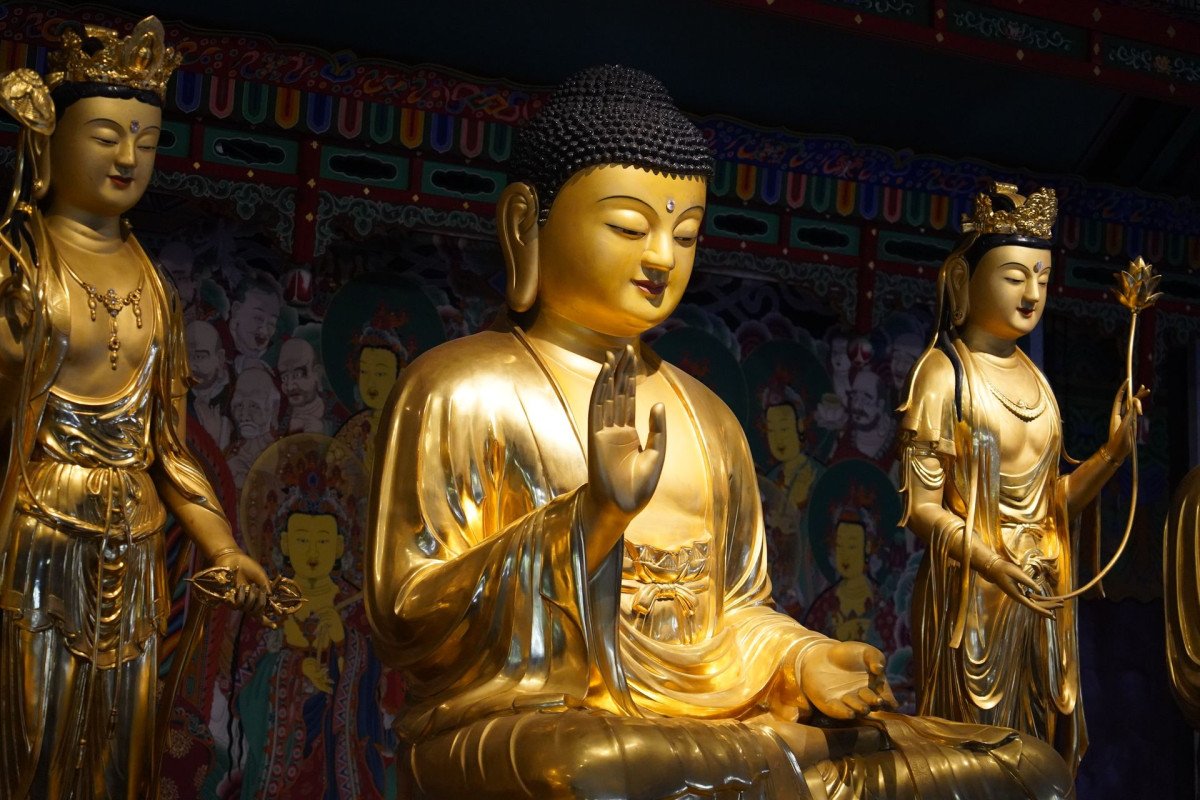
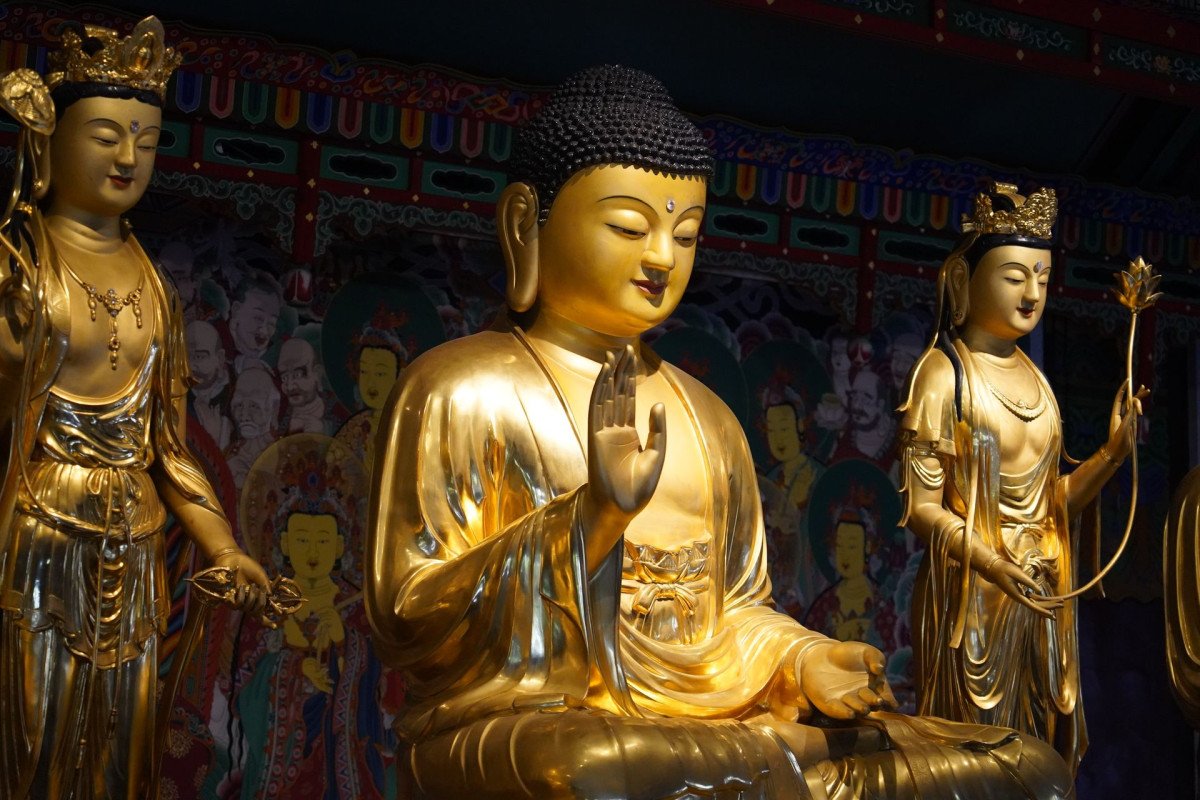
Statues of the Founding Lamas: If allowed, a respectful photograph of the statues of the three founding Lamas inside the main hall is historically significant: If interior photography is restricted, focus on the intricate details of the exterior murals and the ancient cypress trees:
Early Morning Light: Visit early to capture the monastery bathed in the soft, warm glow of the morning sun, which highlights the paintwork and gives the hilltop a golden aura.Photo Gallery
Things To Do
-
Undertake the Spiritual Trek: Begin the 1-hour, 2.
5 KMS uphill trek early in the morning: The hike through the dense forest is moderate to difficult, so wear sturdy trekking shoes and carry water: Consider the ascent as a spiritual cleansing before reaching the sacred site:
Admire the Ancient Architecture: Study the simple yet strong traditional two-story stone architecture: Pay attention to the intricate carvings and vibrant paintings on the wooden facade and the small, golden Gyaltshen (victory banner/dome) on the roof:
Engage in Silent Prayer/Meditation: Spend time sitting quietly inside the main prayer hall (Lhakhang), absorbing the spiritual atmosphere: Observe the statues of the three Lamas and the historical manuscripts: Photography inside may be restricted,...Undertake the Spiritual Trek: Begin the 1-hour, 2.
5 KMS uphill trek early in the morning: The hike through the dense forest is moderate to difficult, so wear sturdy trekking shoes and carry water: Consider the ascent as a spiritual cleansing before reaching the sacred site:
Admire the Ancient Architecture: Study the simple yet strong traditional two-story stone architecture: Pay attention to the intricate carvings and vibrant paintings on the wooden facade and the small, golden Gyaltshen (victory banner/dome) on the roof:
Engage in Silent Prayer/Meditation: Spend time sitting quietly inside the main prayer hall (Lhakhang), absorbing the spiritual atmosphere: Observe the statues of the three Lamas and the historical manuscripts: Photography inside may be restricted, so focus on quiet reverence:
Perform Monastic Etiquette: Upon entering the prayer hall, remove your shoes and circumvent the monastery structure and any chortens in a Clockwise direction: Maintain silence and respect the monks and their rituals:
Leave a small offering as a mark of respect:
Enjoy Panoramic Vistas: Utilize the hilltop location to view the surrounding valleys, the Yuksom village below, and the distant snow-capped peaks, particularly Mount Kabru: This is an excellent spot for long-range nature photography:
Birdwatching: The secluded, dense forest surrounding the monastery is a prime location for birdwatching: Bring binoculars and identify the local Himalayan bird species along the trekking trail:
Explore the Nearby Chortens: There are often smaller chortens or shrines along the path leading up to or surrounding the main monastery: Respectfully view these ancillary structures, which add to the site's sanctity.
Information
-
Why Famous:
Oldest in Sikkim: It is famous for being the Oldest Monastery in Sikkim, established in 1701 after the consecration of the first Chogyal in 1642, making it the foundational religious seat of the kingdom:
Spiritual Trek: Its isolation, requiri...Oldest in Sikkim: It is famous for being the Oldest Monastery in Sikkim, established in 1701 after the consecration of the first Chogyal in 1642, making it the foundational religious seat of the kingdom:
Spiritual Trek: Its isolation, requiring a beautiful, invigorating 1-hour uphill forest trek (2.
5 KMS) from Yuksom, adds to its fame: The journey is considered a walking meditation, providing solitude and panoramic views, especially of Mount Kabru:
Founding Fathers: The monastery holds special significance as it was founded by Lhatsun Namkha Jigme and contains the statues of the three Lamas who played a pivotal role in the Coronation of Norbugang, cementing its link to the historical birth of Sikkim: The site is a key checkpoint on the Buddhist pilgrimage circuit, reflecting the early spread of the Nyingma school:
Panoramic Vistas: The hilltop location offers breathtaking, uncluttered panoramic views of the surrounding valleys and the snow-rugged mountain ranges, including the distant peaks of the Khangchendzonga massif. -
Architecture:
Monastic Style and Material: The monastery is a small, two-storied, traditional Buddhist structure built primarily of Stone and wood: The design follows the classic Sikkimese style, with a solid, rectangular base and a richly carved and painted wooden facade on the upper sto...Monastic Style and Material: The monastery is a small, two-storied, traditional Buddhist structure built primarily of Stone and wood: The design follows the classic Sikkimese style, with a solid, rectangular base and a richly carved and painted wooden facade on the upper story: The roof is low-pitched, typical of mountain architecture:
Interior Features: The interior prayer hall (Lhakhang) houses revered religious texts and murals depicting Buddhist deities and symbols: The most notable features are the statues of the three founding Lamas—Lhatsun Chempo, Rinzing Chempo, and Kartok Chempo—who consecrated the first Chogyal:
Dimension and Setting: It is a compact monastery, not monumental in scale, reflecting its name, Hermit's Cell: Its dimension is intimate, with the total complex area including the surrounding gardens and chortens: The key architectural element is its dramatic location—perched atop an isolated hill and surrounded by thick, protected forest, which contrasts the simple architecture with a grand natural setting: The approach path is lined with chortens and prayer flags, transitioning the visitor from the secular to the sacred space: The monastery complex is also known for a species of cypress (Cupressus Funebris) believed to have been brought from Tibet by Latshen Chem Po. -
How To Reach:
By Air/Train: The travel to Yuksom (the base) is the same as described for Norbugang Park:
Nearest Airport:
Bagdogra Airport (IXB) (150 KMS):
Nearest Rail:
Read MoreBy Air/Train: The travel to Yuksom (the base) is the same as described for Norbugang Park:
Nearest Airport:
Bagdogra Airport (IXB) (150 KMS):
Nearest Rail:
New Jalpaiguri Railway Station (NJP) (150 KMS): A hired taxi or shared jeep is required to reach Yuksom village from IXB/NJP (6-8 hours drive):
By Road to Yuksom: Yuksom is connected by road to Pelling (40 KMS), Jorethang, and Gangtok: Shared taxis or private vehicles will drop you off at the main Yuksom town center:
By Local Transport/Trek:
The monastery is Not accessible by car: From the main road/Primary Health Center in Yuksom (Dubdi Monastery Trailhead), the journey is a mandatory 2. 5 KMS uphill hike/trek, which takes about 1 hour to ascend and slightly less to descend:
The trail is designated and well-marked: Sturdy footwear is essential for the rocky and sometimes muddy forest path.Weather and Best Time to Visit:
Season - Autumn (September to November):
Best Time: The air is crystal clear, offering sharp, panoramic views of the Himalayan range, including Kabru, from the hilltop:
The trekking trail is dry and firm:
<...Season - Autumn (September to November):
Best Time: The air is crystal clear, offering sharp, panoramic views of the Himalayan range, including Kabru, from the hilltop:
The trekking trail is dry and firm:
Season - Spring (March to May):
Excellent Time: The weather is very pleasant, the forest trail is often adorned with blooming rhododendrons, and visibility is generally good, though occasional pre-monsoon clouds can obscure distant peaks:
Season - Monsoon (June to August):
Avoid: The trail becomes extremely muddy and slippery, and the constant cloud cover will obscure all mountain views, negating one of the monastery's key attractions:
Part of Day - Early Morning: Ideal for the trek before the sun is too strong, and for experiencing the quiet, spiritual ambiance and potentially observing the morning rituals of the resident monks: The lighting for the monastery's exterior is also optimal.Near Tourist Places:
Coronation Throne of Norbugang Park (<0. 5 KMS from Trailhead), Kathok Wodsalin Gompa (0. 5 KMS from Trailhead), Kartok Lake (0. 5 KMS from Trailhead), Tashi Tenka Royal Complex (2 KMS Walk), Khangchendzonga National Park Gateway (2 KMS), Phamrong Waterfall (9 KMS Drive), Khecheopalri Lake (26 KMS Drive), Pemayangtse Monastery (38 KMS Drive), Sanga Choeling Monastery (35 KMS Drive), Tashiding Monastery (22 KMS Drive).Tourism Tips
-
Health & Safety:
The 1-hour uphill trek is moderately strenuous: Individuals with mobility issues should reconsider:
Carry plenty of Water and a high-energy snack: The forest is dense, so wear long pants and c...Health & Safety:
The 1-hour uphill trek is moderately strenuous: Individuals with mobility issues should reconsider:
Carry plenty of Water and a high-energy snack: The forest is dense, so wear long pants and carry insect repellent, especially during the wetter months, to guard against insects and leeches:
Packing:
Wear Sturdy Trekking Shoes with good grip:
The path is rocky and can be slippery: Carry a light rain jacket even outside the main monsoon season: Bring binoculars for birdwatching and enjoying the distant mountain views:
Accommodation: Stay in a homestay in Yuksom village, which is the base for the trek:
This allows for an early morning start:
Inform your host of your plans:
Local Etiquette: Follow all rules mentioned on the signposts, including the No Smoking/Drinking and No Littering rules in the sacred forest: Always take permission from the monks before attempting to take photographs inside the prayer hall: Walk softly and maintain a respectful, quiet demeanor throughout your visit.
Reviews
FAQs
Yuksom Itineray And Cost:-
Other Places In Yuksom :-
Other States In India :-
Information about New and Updated Locations() of Sikkim Has Been Added :-
Card subtitle
Note:-
Information provided here in good Faith and for reference only.
Near Places
Bakkhim Village
Some quick example text to build on the card title and make up the bulk of the card's content.
Go somewhere
Coronation Throne of Norbugang Park
Some quick example text to build on the card title and make up the bulk of the card's content.
Go somewhere
Coronation Throne of Norbugang
Some quick example text to build on the card title and make up the bulk of the card's content.
Go somewhere
Dubdi Monastery
Some quick example text to build on the card title and make up the bulk of the card's content.
Go somewhere
Goechala Trek Start Point
Some quick example text to build on the card title and make up the bulk of the card's content.
Go somewhere
Guheswari Temple
Some quick example text to build on the card title and make up the bulk of the card's content.
Go somewhere
Kartok Lake
Some quick example text to build on the card title and make up the bulk of the card's content.
Go somewhere
Kartok Monastery
Some quick example text to build on the card title and make up the bulk of the card's content.
Go somewhere
Kathok Lake
Some quick example text to build on the card title and make up the bulk of the card's content.
Go somewhere
Kathok Wodsalin Gompa
Some quick example text to build on the card title and make up the bulk of the card's content.
Go somewhere
Khangchendzonga National Park
Some quick example text to build on the card title and make up the bulk of the card's content.
Go somewhere
Khecheopalri Lake
Some quick example text to build on the card title and make up the bulk of the card's content.
Go somewhere
Kirateshwar Mahadev Temple
Some quick example text to build on the card title and make up the bulk of the card's content.
Go somewhere
Legship River Bridge
Some quick example text to build on the card title and make up the bulk of the card's content.
Go somewhere
Ngadak Chorling Monastery
Some quick example text to build on the card title and make up the bulk of the card's content.
Go somewhere
Phamrong Falls
Some quick example text to build on the card title and make up the bulk of the card's content.
Go somewherein Other Cities