Thiksey Monastery
General information
-
Ideal Duration:
2 to 3 Hours (Plus attending the morning prayer):Place Type:
Monastery / Religious Site / Cultural HeritageEntry Fees:
Standard Entry Fee for Tourists: A small entry fee, typically around Rs.50 to Rs.100 per person, is charged to enter the main monastery complex. This fee is used for the maintenance of the complex and the support of the monastic community. The payment counter is usually locate...Standard Entry Fee for Tourists: A small entry fee, typically around Rs.50 to Rs.100 per person, is charged to enter the main monastery complex. This fee is used for the maintenance of the complex and the support of the monastic community. The payment counter is usually located near the entrance gate at the base of the hill.
Guided Tour Fees: While self-guided exploration is possible, official or authorized local guides who provide in-depth historical and religious context may charge an additional fee, usually negotiable, but often around Rs.500 to Rs.1000 for a small group.
Photography/Camera Charges: Unlike some other monasteries, Thiksey generally does not have a separate fee for general photography, but visitors are reminded that flash photography is strictly prohibited inside the temples and the main halls, especially in the presence of fragile artifacts.
Donations for Monastic Support: Visitors are encouraged to make voluntary donations to the monastery, which contribute directly to the upkeep of the temples, the preservation of ancient texts, and the education and welfare of the monks and nuns. Donation boxes are clearly marked in the assembly halls. :Timing:
Regular Timings: Thiksey Monastery is typically open to visitors from 7:00 AM to 6:00 PM every day. However, access to certain inner temples may be closed during the midday rest period or specific prayer times outside the main morning assembly.
...Regular Timings: Thiksey Monastery is typically open to visitors from 7:00 AM to 6:00 PM every day. However, access to certain inner temples may be closed during the midday rest period or specific prayer times outside the main morning assembly.
Ideal Visit Time: The absolute best time to visit is for the Morning Prayer Ceremony, which starts between 6:00 AM and 6:30 AM. Arriving by 6:00 AM is highly recommended to fully experience the spiritual atmosphere. After the ceremony, the best time for peaceful exploration is the late morning, around 9:00 AM to 11:00 AM.
Winter Timings: During the intense winter months (November to March), the overall timing might be reduced, closing as early as 5:00 PM due to the early sunset and extreme cold. Morning Prayer is still held, often in even colder conditions, making it a test of devotion for visitors.
Midday Break: Be aware that some halls may close temporarily between 1:00 PM and 2:00 PM for the monks' break and lunch. :Special Events:
Thiksey Gustor Festival: The most important annual event is the Thiksey Gustor festival, usually held in the late autumn (October or November), marking the victory of good over evil. This two-day festival features sacred masked dances (Cham Dance) performed by the lamas in ...Thiksey Gustor Festival: The most important annual event is the Thiksey Gustor festival, usually held in the late autumn (October or November), marking the victory of good over evil. This two-day festival features sacred masked dances (Cham Dance) performed by the lamas in the courtyard. The festival culminates in the ceremonial dismemberment of a ritual cake (torma), which symbolizes the destruction of evil.
Monk Ordinations and Religious Teachings: Throughout the year, but particularly during the auspicious months, the monastery hosts special ordinations for young monks and major teachings by high-ranking lamas or visiting Rinpoches. These events are deeply spiritual and offer pilgrims and visitors a chance to witness profound religious continuity and practice. :Best Photo Spots:
The Road View from Afar: The most iconic and best-known photo spot is from a distance on the Leh-Manali Highway or the approach road. This angle captures the entire monastery complex cascading down the hill, perfectly showcasing its 'Mini Potala' silhouette against the star...The Road View from Afar: The most iconic and best-known photo spot is from a distance on the Leh-Manali Highway or the approach road. This angle captures the entire monastery complex cascading down the hill, perfectly showcasing its 'Mini Potala' silhouette against the stark mountain backdrop. This shot is best taken at sunrise or sunset.
The Upper Courtyard: The main courtyard at the top offers a panoramic vista of the entire Indus Valley and the surrounding mountain ranges, making it an ideal spot for wide-angle landscape photography. The view extends all the way to Shey Palace and beyond.
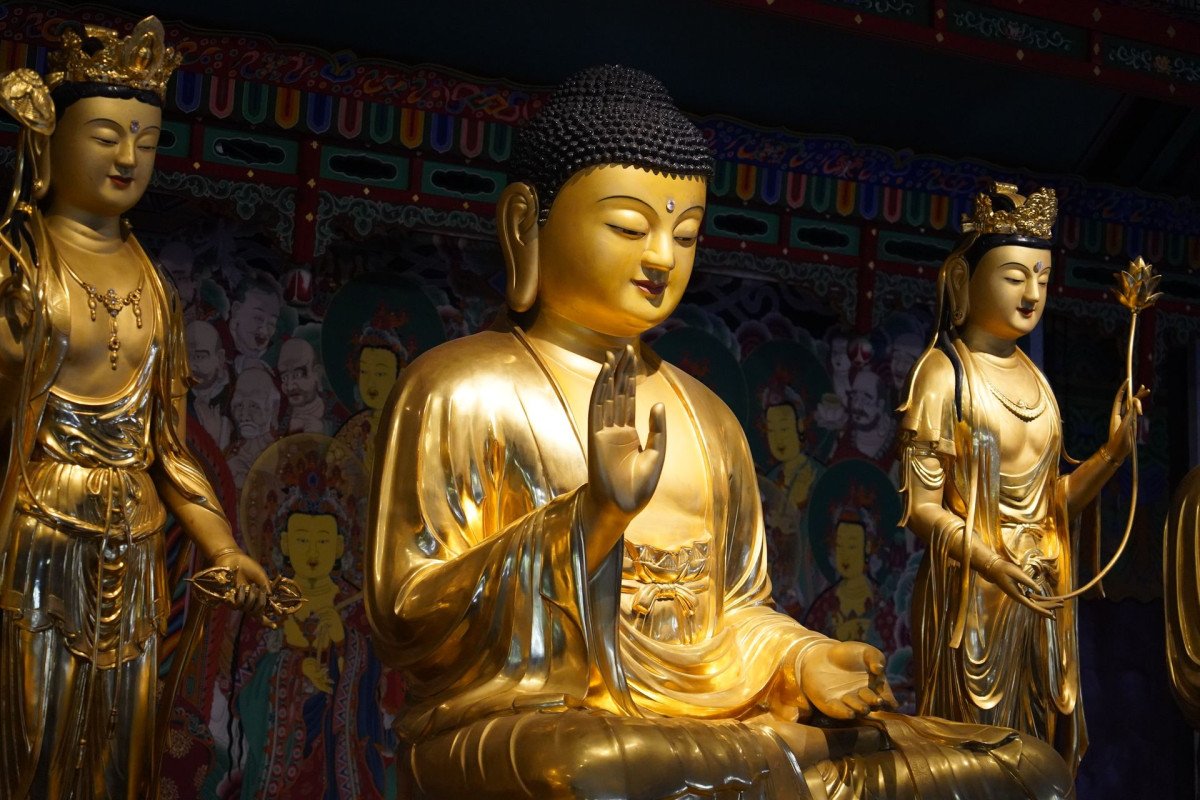
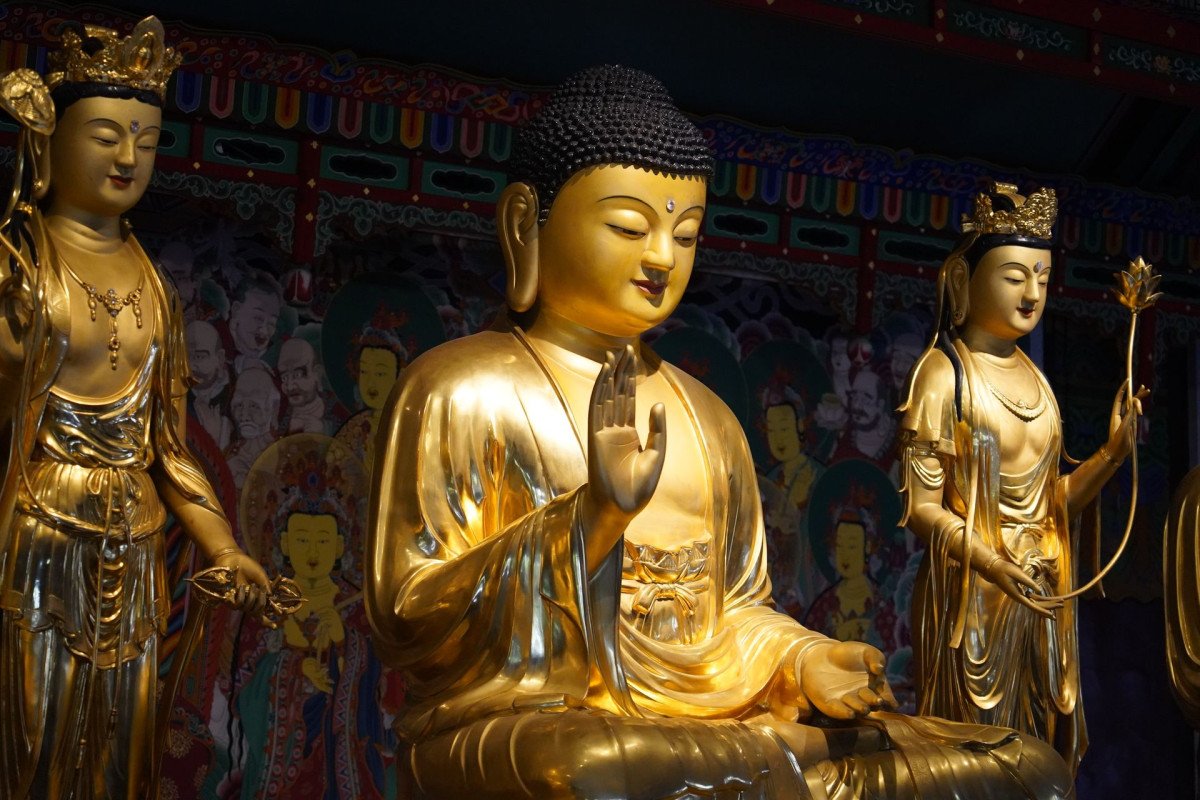
The Colossal Maitreya Buddha Portrait: While flash is usually restricted, capturing the scale and detailed gold work of the 15-meter Buddha statue inside the temple is a photographic priority. Use the natural light and the dramatic shadows to highlight the statue's grandeur.
The Murals and Frescoes: The intricate, colorful murals and frescoes on the walls of the assembly hall and circumambulation paths, especially the Wheel of Life, provide excellent subjects for detailed cultural photography. Use a high-quality camera to capture the fine lines and vibrant pigment of the art. :Photo Gallery
Things To Do
-
Witness the Morning Prayer Ceremony: Arrive early, ideally before 6:00 AM to 6:30 AM, to secure a good spot for the mesmerizing Morning Prayer Ceremony. Sit quietly in the assembly hall, observing the monks chanting and performing rituals. This is a profound spiritual experience that lasts approximately 1 hour.
Meditate and Contemplate in the Courtyard: Spend time meditating or simply sitting in silence in the main courtyard, which offers stunning, peaceful views of the Indus Valley. The courtyard provides a perfect, tranquil setting for introspection and absorbing the monastery's serene atmosphere, especially after the morning rush.
Climb to the Summit and View the Maitreya Temple: Ascend the multi-tiered complex to reach the Maitreya Temple. Spend ample time marveling at the colossal 15-met...Witness the Morning Prayer Ceremony: Arrive early, ideally before 6:00 AM to 6:30 AM, to secure a good spot for the mesmerizing Morning Prayer Ceremony. Sit quietly in the assembly hall, observing the monks chanting and performing rituals. This is a profound spiritual experience that lasts approximately 1 hour.
Meditate and Contemplate in the Courtyard: Spend time meditating or simply sitting in silence in the main courtyard, which offers stunning, peaceful views of the Indus Valley. The courtyard provides a perfect, tranquil setting for introspection and absorbing the monastery's serene atmosphere, especially after the morning rush.
Climb to the Summit and View the Maitreya Temple: Ascend the multi-tiered complex to reach the Maitreya Temple. Spend ample time marveling at the colossal 15-meter Buddha statue, noting the exquisite details of its craftsmanship. The temple's sheer scale is an architectural wonder.
Explore the Tara Temple and Murals: Seek out the smaller temples, such as the Tara Temple, which houses the 21 images of Goddess Tara. Also, meticulously examine the vivid murals, including the Wheel of Life at the assembly hall entrance, which serve as visual teachings of Buddhist philosophy.
Interact with the Monks and Seek Blessings: Engage respectfully with the resident monks. They are often welcoming and can share insights into their daily life, the monastery's history, and Buddhist teachings. A small donation is appropriate when seeking a blessing or guidance.
Visit the Nunnery (Chomos): Take the time to visit the separate nunnery to understand the role of female practitioners in Ladakhi Buddhism. This offers a different, quieter perspective on monastic life and supports the local community.
Photography from the Viewpoints: The exterior of Thiksey Monastery itself is the main subject. Capture its resemblance to the Potala Palace from the road below, and take panoramic shots of the Indus Valley from the upper levels of the monastery.
Local Shopping and Tea Break: After your visit, stop at a local stall near the base of the monastery for a cup of traditional Butter Tea (Gur Gur Cha) and purchase authentic souvenirs, such as prayer wheels or incense, from the local vendors. :
Information
-
Why Famous:
The Colossal Maitreya Buddha Statue: The monastery's main fame rests on its towering 15-meter statue of the Maitreya Buddha, which is one of the largest and most artistically significant Buddha statues in all of Ladakh. Its sheer scale and the intricate craftsmanship draw t...The Colossal Maitreya Buddha Statue: The monastery's main fame rests on its towering 15-meter statue of the Maitreya Buddha, which is one of the largest and most artistically significant Buddha statues in all of Ladakh. Its sheer scale and the intricate craftsmanship draw thousands of pilgrims and tourists.
The Morning Prayer Ceremony: Thiksey is extremely famous for its early morning prayer ritual (Pooja), where monks of all ages gather in the main assembly hall. Tourists flock to witness this serene and spiritually uplifting ceremony, which involves the rhythmic chanting of mantras, the blowing of long horns, and the beating of drums. It offers a rare, authentic glimpse into monastic life.
Architectural Marvel and Scenic Location: Its dramatic location atop a hill, overlooking the lush green Indus Valley, and its powerful resemblance to the Potala Palace give it a unique photographic and architectural fame, making it an instantly recognizable landmark of the region. This is why it is nicknamed the 'Mini Potala'. : -
Architecture:
The Hierarchical Design and Potala-Inspired Structure: Thiksey Monastery is a stellar example of classical Tibetan monastic architecture, constructed in a distinct hierarchical order on a hill slope. The monastery’s buildings are tiered, with the most sacred structures (the assembly hall and the ...The Hierarchical Design and Potala-Inspired Structure: Thiksey Monastery is a stellar example of classical Tibetan monastic architecture, constructed in a distinct hierarchical order on a hill slope. The monastery’s buildings are tiered, with the most sacred structures (the assembly hall and the Maitreya Temple) located at the summit, mimicking the layout of the Potala Palace. The main building is a massive, whitewashed structure, approximately 12 stories high. The dimensions of the entire complex cover a significant portion of the hill, giving it an imposing, fort-like appearance from a distance.
The Maitreya Temple: The temple housing the Maitreya Buddha is architecturally remarkable, designed to accommodate the colossal 15-meter statue. The statue itself is made of copper and clay, painted in gold, and is seated in the lotus position. The size of the temple is directly proportional to the statue, with a ceiling height of approximately 17 meters. The Tara Temple is another feature, housing 21 images of Goddess Tara in intricate wooden shelves. The walls of the main assembly hall feature the detailed Bhavacakra (Wheel of Life) painting at the entrance, a standard architectural and didactic element in Tibetan monasteries, serving as a visual reminder of Buddhist philosophy. : -
How To Reach:
By Air: The nearest airport is Kushok Bakula Rimpochee Airport (IXL) in Leh, located approximately 17 KMS away. The journey from the airport to the monastery takes about 30 minutes by hired taxi. Upon arrival in Leh, a mandatory rest period for acclimatization is essential...By Air: The nearest airport is Kushok Bakula Rimpochee Airport (IXL) in Leh, located approximately 17 KMS away. The journey from the airport to the monastery takes about 30 minutes by hired taxi. Upon arrival in Leh, a mandatory rest period for acclimatization is essential before proceeding to the monastery, which is located at a high altitude.
By Train: Leh does not have a railway station. The nearest functional major railhead is Jammu Tawi Railway Station (JAT), which is several hundred kilometers away. The recommended travel is by air or road.
By Road (Hired/Shared Taxi): Thiksey is located conveniently on the Leh-Manali Highway, about 19 KMS from Leh. The easiest way to reach it is by hiring a private taxi from Leh (the typical cost is around Rs.1000-Rs.1500 for a round trip including nearby sites like Shey Palace). Shared taxis (Sumo/Maxx) also ply the route regularly from the Leh bus stand, offering a more budget-friendly option.
By Local Transport (Bus/Bike): Regular local buses run from the Leh bus stand to Thiksey Village throughout the day, which is the most economical choice but with fixed and less frequent schedules. Renting a motorcycle or scooter in Leh is a very popular option for independent travelers, as the road is excellent and scenic. : -
Weather and Best Time to Visit:
Best Season - Summer (May to October): The prime season for a visit. The weather is warm, dry, and sunny, making the high-altitude conditions comfortable. All roads are fully open, and the valley is at its most beautiful.
Shoulder Season - Apr...Best Season - Summer (May to October): The prime season for a visit. The weather is warm, dry, and sunny, making the high-altitude conditions comfortable. All roads are fully open, and the valley is at its most beautiful.
Shoulder Season - April and Late October: A good time to avoid the peak season rush. The temperature is cool, with clear skies, and the morning prayers are often less crowded, offering a more intimate spiritual setting.
Winter Season - November to March: The monastery remains open, but the extreme cold makes it a difficult trip. However, the views of the snow-covered mountains are spectacular and the atmosphere is profoundly peaceful and monastic, without the tourist crowds.
Best Part of the Day - Sunrise: The best time is during the early morning hours for the prayer ceremony and for capturing the iconic photograph of the monastery bathed in the first light of the sunrise. The light catches the whitewashed walls dramatically, and the silence before the tourists arrive is priceless. : -
Near Tourist Places:
Shey Palace (5 KMS), Stok Palace (10 KMS), Hemis Monastery (35 KMS), Stakna Monastery (12 KMS), Matho Monastery (15 KMS), Leh Palace (19 KMS), Shanti Stupa (21 KMS), Indus River (3 KMS), Saboo Village (10 KMS), Chumathang Hot Springs (100 KMS):
Tourism Tips
-
Health & Safety (Altitude and Cold): Despite the short distance from Leh, remember you are at a high altitude. Drink plenty of water (non-alcoholic) and move slowly, especially when climbing the monastery's many stairs. In the colder months, dress in extreme layers, as the...Health & Safety (Altitude and Cold): Despite the short distance from Leh, remember you are at a high altitude. Drink plenty of water (non-alcoholic) and move slowly, especially when climbing the monastery's many stairs. In the colder months, dress in extreme layers, as the stone walls offer little warmth.
Packing (Respectful Attire): When visiting a functioning monastery, modest and respectful attire is essential. Avoid short skirts and shorts. Shoulders and knees should be covered. Carry a shawl or scarf. Bring a power bank as charging options are limited.
Accommodation (Village Stay): While there is no staying option at the monastery itself, homestays and guest houses are readily available in Thiksey Village below the hill. Staying here allows for easy access to the morning prayer ritual. Book a stay that offers a view of the monastery, which is breathtaking at night.
Other Tips (Silence and Respect): Maintain silence inside the temples and prayer halls. Do not point your feet toward the statues or monks. Always walk clockwise around stupas and mani walls. Ask for permission before taking close-up photographs of monks or artifacts. Carry small denominations of cash for offerings and the entry fee. :
Reviews
FAQs
Leh Itineray And Cost:-
Thiksey Monastery Tourism:-
Other Places In Leh :-
Other States In India :-
Information about New and Updated Locations() of Ladakh Has Been Added :-
Card subtitle
Note:-
Information provided here in good Faith and for reference only.
Near Places

Gurdwara Pathar Sahib
Some quick example text to build on the card title and make up the bulk of the card's content.
Go somewhere
Hall of Fame
Some quick example text to build on the card title and make up the bulk of the card's content.
Go somewhere
Hemis Monastery
Some quick example text to build on the card title and make up the bulk of the card's content.
Go somewhere
Hemis National Park
Some quick example text to build on the card title and make up the bulk of the card's content.
Go somewhere
Khardungla Pass
Some quick example text to build on the card title and make up the bulk of the card's content.
Go somewhere
Lamayuru Monastery
Some quick example text to build on the card title and make up the bulk of the card's content.
Go somewhere
Leh Palace
Some quick example text to build on the card title and make up the bulk of the card's content.
Go somewhere
Likir Monastery
Some quick example text to build on the card title and make up the bulk of the card's content.
Go somewhere
Magnetic Hill
Some quick example text to build on the card title and make up the bulk of the card's content.
Go somewhere
Nubra Valley
Some quick example text to build on the card title and make up the bulk of the card's content.
Go somewhere
Pangong Tso Lake
Some quick example text to build on the card title and make up the bulk of the card's content.
Go somewhere
Phyang Monastery
Some quick example text to build on the card title and make up the bulk of the card's content.
Go somewhere
Samstanling Monastery
Some quick example text to build on the card title and make up the bulk of the card's content.
Go somewhere
Sankar Monastery
Some quick example text to build on the card title and make up the bulk of the card's content.
Go somewhere
Shanti Stupa
Some quick example text to build on the card title and make up the bulk of the card's content.
Go somewhere
Shey Palace & Monastery
Some quick example text to build on the card title and make up the bulk of the card's content.
Go somewherein Other Cities