Lamayuru Monastery
General information
-
Ideal Duration:
2 to 4 HoursPlace Type:
Monastery, Religious Site, Geological Landmark, HiEntry Fees:
Entry Fee: Approximately INR 50-100 per person for entry to the monastery complex (Fees are subject to change).
Camera Fee: A small fee (around INR 50) is sometimes charged for still cameras. Flash photography is strictly prohibited inside ...Entry Fee: Approximately INR 50-100 per person for entry to the monastery complex (Fees are subject to change).
Camera Fee: A small fee (around INR 50) is sometimes charged for still cameras. Flash photography is strictly prohibited inside the ancient temples. The fees are essential for the maintenance of the ancient structure and its artifacts.
Donations: Donations are welcomed for the monastery's upkeep and the education/welfare of the many young monks (novices) who reside there.Timing:
Regular Timings: Open daily from 8:00 AM to 1:00 PM and 2:00 PM to 6:00 PM. The monastery closes for lunch.
Ideal Visit Time: Late Afternoon (4:00 PM onwards) is the best time to visit. The light on the Moonland is softer and more colourfu...Regular Timings: Open daily from 8:00 AM to 1:00 PM and 2:00 PM to 6:00 PM. The monastery closes for lunch.
Ideal Visit Time: Late Afternoon (4:00 PM onwards) is the best time to visit. The light on the Moonland is softer and more colourful, creating ideal photographic conditions. Ideal Visit Time is during the shoulder season (May or October) for fewer crowds while the road remains open.Special Events:
Yuru Kabgyat Festival: The main special event is this two-day masked dance festival, typically held in the Summer (around July). The festival features the sacred Cham dances performed by the monks, which narrate stories from Buddhist mythology and draw huge crowds. This ev...Yuru Kabgyat Festival: The main special event is this two-day masked dance festival, typically held in the Summer (around July). The festival features the sacred Cham dances performed by the monks, which narrate stories from Buddhist mythology and draw huge crowds. This event is vital for local culture and a spectacular display of colour and tradition, providing a very different atmosphere from the usual serene calm.
Annual Monastic Gatherings: Other small, internal religious gatherings and prayer ceremonies are held throughout the year, especially around Losar (Tibetan New Year), offering a more intimate experience of the monastic life.Best Photo Spots:
Moonland Viewpoint: The designated roadside viewpoint is the most famous spot, offering the quintessential panoramic photo of the monastery nestled in the lunar landscape. Best at sunrise/sunset.
The Monastery on the Cliff: Shots taken from...Moonland Viewpoint: The designated roadside viewpoint is the most famous spot, offering the quintessential panoramic photo of the monastery nestled in the lunar landscape. Best at sunrise/sunset.
The Monastery on the Cliff: Shots taken from the valley floor looking up at the monastery complex clinging to the cliff face, highlighting its dramatic vertical architecture.
The Prayer Wheel Gallery: Close-ups of the endless rows of prayer wheels and flags, especially with a monk walking past, to capture the religious atmosphere.
The Ruins: Atmospheric, moody shots of the ancient, damaged walls and stupas, focusing on the texture and history of the place.Photo Gallery
Things To Do
-
Photography: Capture the breathtaking, surreal Moonland landscape, especially from the viewpoint near the main road.
Explore the Temples: Visit the Dukhang (main hall) and Gonkhang to admire the ancient murals, statues, and ritual art.
Meditate: Find a quiet spot in the courtyard or near the ruins to meditate and soak in the powerful, ancient spiritual energy of the Tharpa Ling (Place of Freedom).
Observe Monks' Life: Watch the daily rituals, the chanting, and the general life of the resident Drikung Kagyu monks.
Shopping for Thangkas: Visit the small shop to purchase authentic Buddhist art, prayer flags, or small souvenirs.
Trekking: The monastery is a good starting point for short treks to near...Photography: Capture the breathtaking, surreal Moonland landscape, especially from the viewpoint near the main road.
Explore the Temples: Visit the Dukhang (main hall) and Gonkhang to admire the ancient murals, statues, and ritual art.
Meditate: Find a quiet spot in the courtyard or near the ruins to meditate and soak in the powerful, ancient spiritual energy of the Tharpa Ling (Place of Freedom).
Observe Monks' Life: Watch the daily rituals, the chanting, and the general life of the resident Drikung Kagyu monks.
Shopping for Thangkas: Visit the small shop to purchase authentic Buddhist art, prayer flags, or small souvenirs.
Trekking: The monastery is a good starting point for short treks to nearby valleys, offering more secluded views of the Moonland formations.
Walk the Kora: Circumambulate the monastery complex and the stupas in a clockwise direction.
Information
-
Why Famous:
The Moonland Landscape: It is overwhelmingly famous for its spectacular geological setting—the peculiar, cratered, moon-like rock formations surrounding it, which has earned it the moniker 'Moonland of Ladakh. ' This unique backdrop is a major draw for tourism and photogra...The Moonland Landscape: It is overwhelmingly famous for its spectacular geological setting—the peculiar, cratered, moon-like rock formations surrounding it, which has earned it the moniker 'Moonland of Ladakh. ' This unique backdrop is a major draw for tourism and photography.
Oldest Monastery: It is one of the oldest continually inhabited monasteries in Ladakh, dating back to the 11th century, establishing its deep historical and spiritual roots.
Tharpa Ling ('Place of Freedom'): Its unique historical designation as a sanctuary for all, even criminals, gives it a unique and compassionate claim to fame, underscoring its spiritual authority.
Yuru Kabgyat Festival: It hosts the significant two-day masked dance festival, Yuru Kabgyat, in the Summer, featuring the iconic Cham dances, which is a major cultural event for the Drikung Kagyu lineage and draws thousands of visitors.
Acharya Naropa's Cave: The monastery is famous as the site where the founder, the great Indian scholar Naropa, meditated. -
Architecture:
Tibetan-Kashmiri Fusion Style: The architecture follows the traditional Tibetan Buddhist style: whitewashed walls, flat roofs, and prayer wheels. However, it is its construction on the very edge of a cliff, precariously built into the rock face of the Moonland, that defines...Tibetan-Kashmiri Fusion Style: The architecture follows the traditional Tibetan Buddhist style: whitewashed walls, flat roofs, and prayer wheels. However, it is its construction on the very edge of a cliff, precariously built into the rock face of the Moonland, that defines its architecture.
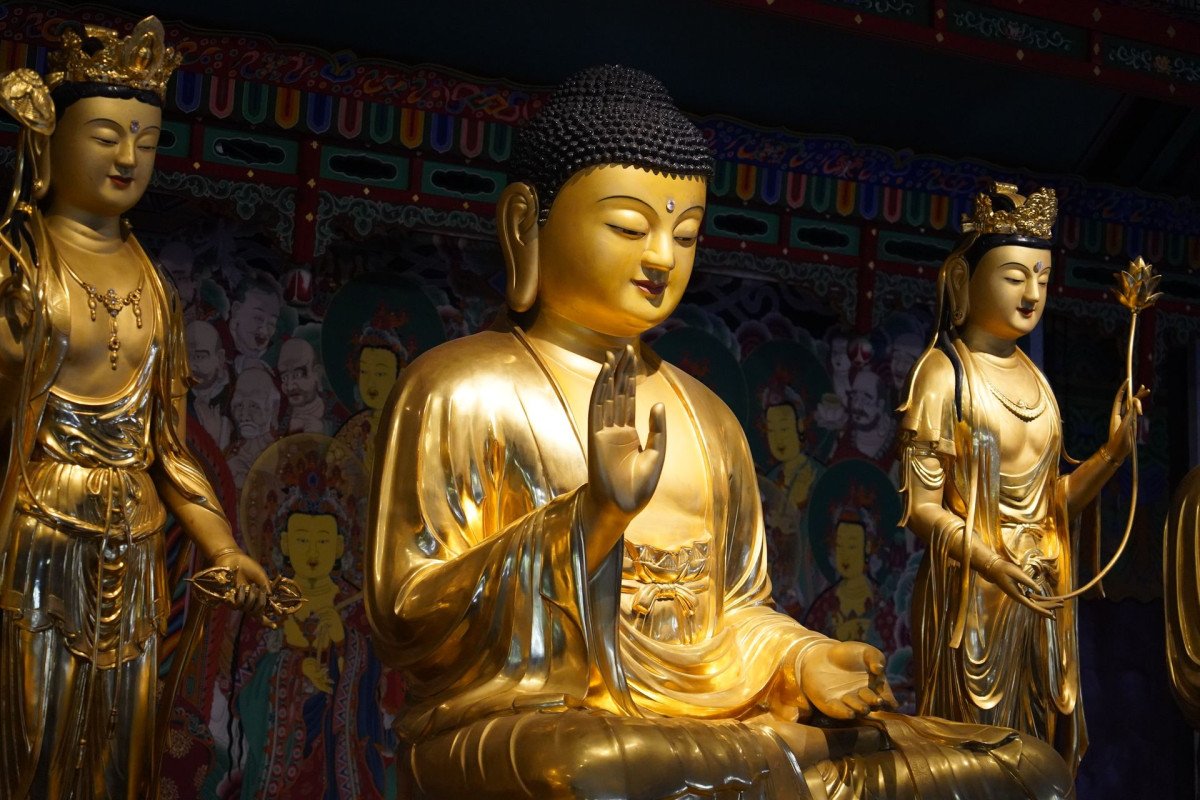
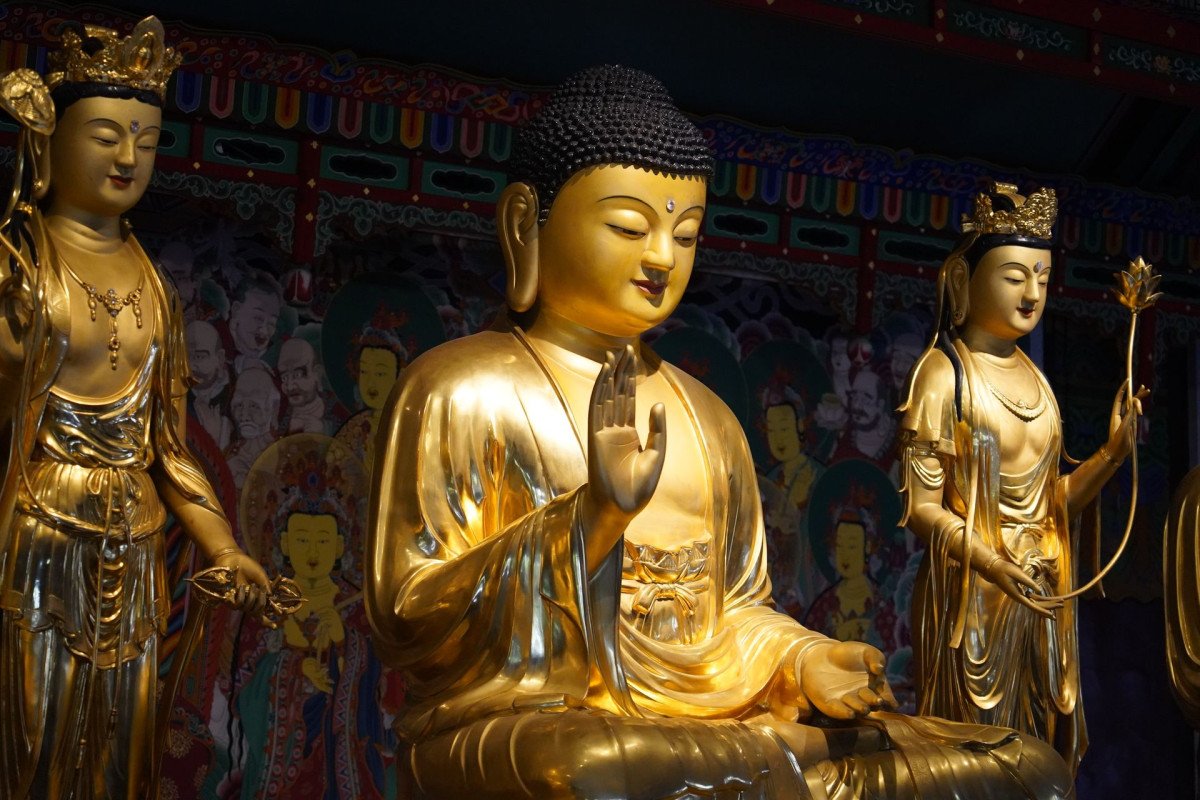
Dimension and Features: The complex has been subject to reconstruction over centuries. It comprises several temples, including the main prayer hall (Dukhang) and the protective deity temple (Gonkhang). The Dukhang is the focal point, adorned with statues of Buddha and other deities, and is noted for its beautiful murals. The complex also includes residential quarters for the monks and various stupas (chortens). A very ancient, small, meditation cave of Acharya Naropa is one of the oldest features, carved into the hillside. The dramatic tiered arrangement of the buildings, clinging to the rugged cliff face, is its most visually striking architectural element. -
How To Reach:
By Air: The nearest airport is Leh (IXL), approximately 125 KMS away. The journey takes about 3 hours by road.
By Train: Not a viable option. The nearest railhead is Jammu Tawi (JAT).
By Road: Located dire...By Air: The nearest airport is Leh (IXL), approximately 125 KMS away. The journey takes about 3 hours by road.
By Train: Not a viable option. The nearest railhead is Jammu Tawi (JAT).
By Road: Located directly on the Srinagar-Leh National Highway (NH-1). It is a long day trip by a hired private taxi or shared cab from Leh. The journey is scenic and passes other key sites like Magnetic Hill and Sangam.
By Local Transport: Shared taxis are available but require an early morning start and often follow a fixed route. A private taxi is recommended for flexibility. Many tourists stay overnight in the village. -
Weather and Best Time to Visit:
Summer (May - October): Best Time to visit. Roads are open, and the famous Yuru Kabgyat Festival is held during this period. The weather is dry and sunny.
Winter (November - April): Road access on the Srinagar-Leh Highway is often closed d...Summer (May - October): Best Time to visit. Roads are open, and the famous Yuru Kabgyat Festival is held during this period. The weather is dry and sunny.
Winter (November - April): Road access on the Srinagar-Leh Highway is often closed due to heavy snow. The weather is intensely cold. Ideal Visit Time is late afternoon in August/September for the best light on the Moonland and the most stable weather. -
Near Tourist Places:
Moonland (Immediate surroundings), Alchi Monastery (60 KMS), Likir Monastery (95 KMS), Rizong Monastery (70 KMS), Fotu La Pass (15 KMS), Magnetic Hill (85 KMS), Indus-Zanskar Confluence (Sangam) (95 KMS), Basgo Gompa (75 KMS), Tingmosgang (80 KMS), Dah-Hanu (Brokpa villages) (100 KMS+).
Tourism Tips
-
Health & Safety: Spend at least a day in Leh for acclimatisation before the long journey. The altitude of the monastery itself is manageable, but the drive is long and tiring. Carry motion sickness medicine for the winding road.
Packing: C...Health & Safety: Spend at least a day in Leh for acclimatisation before the long journey. The altitude of the monastery itself is manageable, but the drive is long and tiring. Carry motion sickness medicine for the winding road.
Packing: Comfortable layers for the long car journey. A wide-angle lens is a must for capturing the vast Moonland landscape.
Accommodation: Homestays and a few simple guesthouses are available in Lamayuru Village for those wishing to stay overnight to catch the sunrise/sunset colours.
Other Topics (Drive): Start the trip from Leh very early (6:00 AM) to make it a comfortable day trip or combine it with an overnight stay in Alchi or Lamayuru.
Reviews
FAQs
Leh Itineray And Cost:-
Lamayuru Monastery Tourism:-
Information about New and Updated Locations() of Ladakh Has Been Added :-
Card subtitle
Note:-
Information provided here in good Faith and for reference only.
All information and pictures will be updated soon, please keep visiting.
Near Places

Gurdwara Pathar Sahib
Some quick example text to build on the card title and make up the bulk of the card's content.
Go somewhere
Hall of Fame
Some quick example text to build on the card title and make up the bulk of the card's content.
Go somewhere
Hemis Monastery
Some quick example text to build on the card title and make up the bulk of the card's content.
Go somewhere
Hemis National Park
Some quick example text to build on the card title and make up the bulk of the card's content.
Go somewhere
Khardungla Pass
Some quick example text to build on the card title and make up the bulk of the card's content.
Go somewhere
Lamayuru Monastery
Some quick example text to build on the card title and make up the bulk of the card's content.
Go somewhere
Leh Palace
Some quick example text to build on the card title and make up the bulk of the card's content.
Go somewhere
Likir Monastery
Some quick example text to build on the card title and make up the bulk of the card's content.
Go somewhere
Magnetic Hill
Some quick example text to build on the card title and make up the bulk of the card's content.
Go somewhere
Nubra Valley
Some quick example text to build on the card title and make up the bulk of the card's content.
Go somewherein Other Cities