Hemis Monastery
General information
-
Ideal Duration:
2 to 3 HoursPlace Type:
Monastery, Religious Site, Cultural, ArchitecturalEntry Fees:
Entry Fee: Approximately INR 100 per person for entry to the monastery complex and museum (Fees are subject to change).
Photography/Videography Fee: Photography is generally allowed in the courtyard, but an additional fee (approx. INR 50-10...Entry Fee: Approximately INR 100 per person for entry to the monastery complex and museum (Fees are subject to change).
Photography/Videography Fee: Photography is generally allowed in the courtyard, but an additional fee (approx. INR 50-100) may be charged for cameras, and flash photography is almost always banned inside the temples and museum. The fees support the maintenance of the religious site and the preservation of its artifacts.
Donations: Voluntary donations are expected/welcomed for the monastery's upkeep and the welfare of the monks.Timing:
Regular Timings: Open daily from 8:00 AM to 1:00 PM and 2:00 PM to 6:00 PM. The monastery closes for a midday break.
Ideal Visit Time: Early morning (8:00 AM to 10:00 AM) to witness the morning prayers or late afternoon (4:00 PM to 6:00 PM)...Regular Timings: Open daily from 8:00 AM to 1:00 PM and 2:00 PM to 6:00 PM. The monastery closes for a midday break.
Ideal Visit Time: Early morning (8:00 AM to 10:00 AM) to witness the morning prayers or late afternoon (4:00 PM to 6:00 PM) to catch the sunlight on the mountains and enjoy the quiet after the main tourist rush has passed. Ideal Visit Time is during the Hemis Festival in June/July for the cultural experience, though it will be very crowded.Special Events:
Hemis Teschu (Hemis Festival): The most famous and significant event is the annual two-day religious festival held in June/July (10th day of the 5th month of the Tibetan calendar). The main attraction is the dramatic and colourful Cham (sacred mask dance), performed by the ...Hemis Teschu (Hemis Festival): The most famous and significant event is the annual two-day religious festival held in June/July (10th day of the 5th month of the Tibetan calendar). The main attraction is the dramatic and colourful Cham (sacred mask dance), performed by the monks in the central courtyard, accompanied by traditional music. The festival honours Guru Padmasambhava's birth and the victory of good over evil.
Naropa Festival: An even rarer and more significant festival, often called the 'Kumbh of the Himalayas', which takes place once every 12 years (the next one is expected in the Monkey year). It involves the ceremonial display of the monastery's largest Thangka and draws hundreds of thousands of pilgrims.Best Photo Spots:
The Hillside View: The classic long-shot of the entire whitewashed monastery complex set against the arid, brown mountains, often best captured from the main road approaching the complex.
The Main Courtyard: Shots capturing the vibrant colou...The Hillside View: The classic long-shot of the entire whitewashed monastery complex set against the arid, brown mountains, often best captured from the main road approaching the complex.
The Main Courtyard: Shots capturing the vibrant colours of the prayer flags and the two main temple facades (especially during the festival when the poles are decorated).
Intricate Doorways and Woodwork: Close-up photos of the beautifully carved and painted wooden verandahs and Kashmiri-style doorways, highlighting the architectural details.
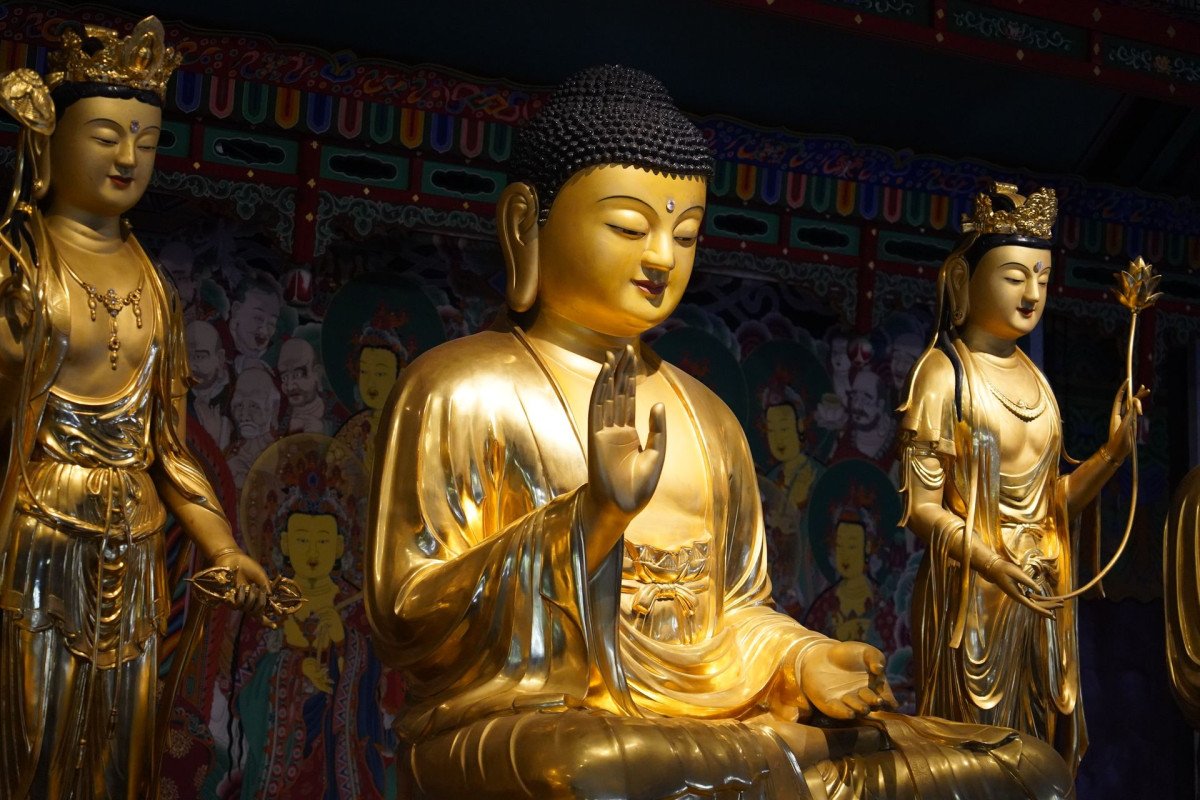
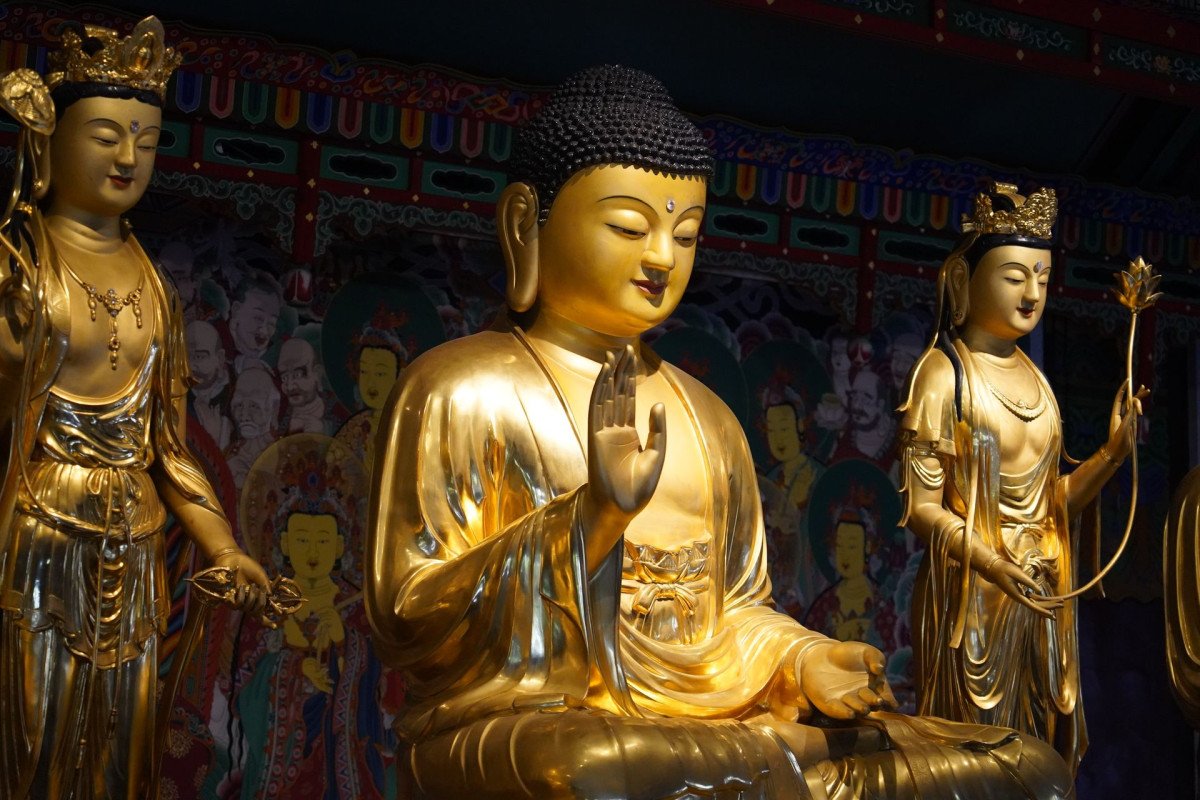
The Golden Statue: Respectful shots of the large golden Sakyamuni Buddha statue and the colourful murals inside the Tshogs-khang (without flash or only where permitted).Photo Gallery
Things To Do
-
Attending Morning Prayer: Witness the early morning prayers (Pujas) in the Dukhang hall for an authentic, immersive spiritual experience.
Exploring the Courtyard: Spend time in the main courtyard, imagining the energy of the Cham dance during the festival.
Visit the Museum: Explore the extensive museum collection of thangkas, statues, and ritual objects for a deep dive into Tibetan Buddhist art and history.
Trekking to Gotsang Gompa: Undertake the short, high-altitude trek to the secluded hermitage for quiet meditation and stunning panoramic views of the entire complex.
Studying the Murals: Take time to observe the intricate and richly coloured murals and frescoes that adorn the walls of the main prayer halls.
Read MoreAttending Morning Prayer: Witness the early morning prayers (Pujas) in the Dukhang hall for an authentic, immersive spiritual experience.
Exploring the Courtyard: Spend time in the main courtyard, imagining the energy of the Cham dance during the festival.
Visit the Museum: Explore the extensive museum collection of thangkas, statues, and ritual objects for a deep dive into Tibetan Buddhist art and history.
Trekking to Gotsang Gompa: Undertake the short, high-altitude trek to the secluded hermitage for quiet meditation and stunning panoramic views of the entire complex.
Studying the Murals: Take time to observe the intricate and richly coloured murals and frescoes that adorn the walls of the main prayer halls.
Photography: Capture the classic shot of the monastery complex perched dramatically on the hillside, especially in the late afternoon sun.
Interacting with Monks: Engage politely with the monks (Lamas) to learn about their daily life, the Drukpa lineage, or the history of the monastery.
Information
-
Why Famous:
Hemis Festival (Hemis Teschu): It is globally famous for hosting the annual Hemis Festival, a two-day event in June/July honouring Guru Padmasambhava. The highlight is the vibrant Cham (mask dance) performed by the monks in the main courtyard, which attracts thousands of to...Hemis Festival (Hemis Teschu): It is globally famous for hosting the annual Hemis Festival, a two-day event in June/July honouring Guru Padmasambhava. The highlight is the vibrant Cham (mask dance) performed by the monks in the main courtyard, which attracts thousands of tourists and pilgrims.
The Largest Monastery: Historically and physically, it is one of the largest and widely considered the wealthiest monastery in Ladakh, owning a significant amount of land and artifacts.
The Naropa Connection: Its association with the great Indian scholar-saint Naropa and its role as the principal seat of the Drukpa lineage lends it profound spiritual prestige.
The 12-Year Display: The rare display of the largest Thangka (nearly 12 meters long) once every 12 years (the year of the Monkey in the Tibetan calendar) is a major pilgrimage magnet, sometimes referred to as the 'Kumbh of the Himalayas'.
Museum: The well-maintained and extensive museum showcasing the monastery's vast collection of historical and religious artifacts is a key attraction that solidifies its cultural fame. -
Architecture:
Tibetan Buddhist Style: The architecture is a prime example of traditional Tibetan Buddhist style, characterised by whitewashed stone walls, flat roofs, and intricate wooden balconies. It is a large, sprawling complex covering an entire hillside.
Read MoreTibetan Buddhist Style: The architecture is a prime example of traditional Tibetan Buddhist style, characterised by whitewashed stone walls, flat roofs, and intricate wooden balconies. It is a large, sprawling complex covering an entire hillside.
Dimension and Layout: The central feature is the spacious, 60-meter long and 18-meter wide rectangular courtyard where the famous Cham dances of the Hemis Festival are performed. The main structures flanking the courtyard are the two temples, the Tshogs-khang and the Dukhang. The Dukhang contains the throne of the Rimpoche and seating for the lamas. The walls are richly decorated with murals of Sakyamuni and Tantric deities. The complex also includes monks' quarters, a museum, and stupas (chortens). The entire complex's arrangement is designed to facilitate communal worship, ceremonies, and the daily life of the hundreds of monks associated with it. The monastery's imposing position on the hillside, making it visible from afar, is an architectural and spiritual statement.How To Reach:
By Air: The nearest airport is Leh (IXL), approximately 45 KMS away. Hire a private or shared taxi from the airport or Leh City. The journey takes about 1. 5 hours.
By Train: Not a viable option. The nearest major railhead is Jammu Tawi (...By Air: The nearest airport is Leh (IXL), approximately 45 KMS away. Hire a private or shared taxi from the airport or Leh City. The journey takes about 1. 5 hours.
By Train: Not a viable option. The nearest major railhead is Jammu Tawi (JAT).
By Road: Located on the Leh-Manali Highway towards Karu. From Karu, a dedicated road leads across the Indus River to Hemis. It is easily reached by hired taxi or private vehicle from Leh. Road conditions are generally good during the summer.
By Local Transport: Shared taxis and local buses from Leh to Karu and then to Hemis are available but infrequent and can be time-consuming. Private taxi is the most convenient option.Weather and Best Time to Visit:
Summer (May - September): Best Time to visit. The monastery is fully accessible, the weather is pleasant, and this period includes the popular Hemis Festival. The Manali-Leh road is open, making the journey easier.
Shoulder Season (April & Oct...Summer (May - September): Best Time to visit. The monastery is fully accessible, the weather is pleasant, and this period includes the popular Hemis Festival. The Manali-Leh road is open, making the journey easier.
Shoulder Season (April & October): Good for fewer crowds and clear skies, but it gets significantly colder, and early/late snowfall can affect road access. Ideal Visit Time is the early morning on a clear summer day to witness prayers in peace.Near Tourist Places:
Thiksey Monastery (20 KMS), Shey Palace and Monastery (25 KMS), Stok Palace (30 KMS), Sindhu Ghat (30 KMS), Karu Village (10 KMS), Gotsang Gompa (3 KMS), Hemis National Park (Monastery acts as the gateway), Rancho School (25 KMS), Indus River Viewpoints, Leh City (45 KMS).Tourism Tips
-
Health & Safety: Spend at least two days for acclimatisation in Leh before this trip. Carry warm clothes for the mountain gorge location, as it can be windy and cold.
Packing: Carry water, snacks, and a decent camera. Modest dressing is ma...Health & Safety: Spend at least two days for acclimatisation in Leh before this trip. Carry warm clothes for the mountain gorge location, as it can be windy and cold.
Packing: Carry water, snacks, and a decent camera. Modest dressing is mandatory (shoulders and knees covered) out of respect for the religious site.
Accommodation: Homestays and guesthouses are available in Hemis Village and nearby villages like Karu if you wish to stay longer. Otherwise, return to Leh.
Other Topics (Customs): Circumambulate the prayer wheels and stupas in a clockwise direction. Seek permission before photographing monks and always maintain quiet inside the prayer halls.
Reviews
FAQs
Leh Itineray And Cost:-
Other Places In Leh :-
Other States In India :-
Information about New and Updated Locations() of Ladakh Has Been Added :-
Card subtitle
Note:-
Information provided here in good Faith and for reference only.
Near Places

Gurdwara Pathar Sahib
Some quick example text to build on the card title and make up the bulk of the card's content.
Go somewhere
Hall of Fame
Some quick example text to build on the card title and make up the bulk of the card's content.
Go somewhere
Hemis Monastery
Some quick example text to build on the card title and make up the bulk of the card's content.
Go somewhere
Hemis National Park
Some quick example text to build on the card title and make up the bulk of the card's content.
Go somewhere
Khardungla Pass
Some quick example text to build on the card title and make up the bulk of the card's content.
Go somewhere
Lamayuru Monastery
Some quick example text to build on the card title and make up the bulk of the card's content.
Go somewhere
Leh Palace
Some quick example text to build on the card title and make up the bulk of the card's content.
Go somewhere
Likir Monastery
Some quick example text to build on the card title and make up the bulk of the card's content.
Go somewhere
Magnetic Hill
Some quick example text to build on the card title and make up the bulk of the card's content.
Go somewhere
Nubra Valley
Some quick example text to build on the card title and make up the bulk of the card's content.
Go somewhere
Pangong Tso Lake
Some quick example text to build on the card title and make up the bulk of the card's content.
Go somewhere
Phyang Monastery
Some quick example text to build on the card title and make up the bulk of the card's content.
Go somewhere
Samstanling Monastery
Some quick example text to build on the card title and make up the bulk of the card's content.
Go somewhere
Sankar Monastery
Some quick example text to build on the card title and make up the bulk of the card's content.
Go somewhere
Shanti Stupa
Some quick example text to build on the card title and make up the bulk of the card's content.
Go somewhere
Shey Palace & Monastery
Some quick example text to build on the card title and make up the bulk of the card's content.
Go somewherein Other Cities