
Tiruvannamalai
General information
-
Ideal Duration:
1-2 DaysPlace Type:
Spirituality & PeaceEntry Fees:
Temple Entry: Entry is free; however, special darshan tickets for Rs.50 are available for faster access during crowded festival days.
Ashram Entry: Entry to Ramana Ashram is completely free, and they often provide free simple meals to visitor...Temple Entry: Entry is free; however, special darshan tickets for Rs.50 are available for faster access during crowded festival days.
Ashram Entry: Entry to Ramana Ashram is completely free, and they often provide free simple meals to visitors and residents.
Parking: Large designated parking lots are available outside the town limits during big festivals, with local shuttles provided by the government.Timing:
Regular Timings: The temple is open from 5:00 AM to 1:00 PM and 3:30 PM to 9:30 PM for darshan and rituals.
Girivalam Timing: Most people prefer to start the walk at 4:00 AM or after 6:00 PM to avoid the heat of the sun on the paved roads. <...Regular Timings: The temple is open from 5:00 AM to 1:00 PM and 3:30 PM to 9:30 PM for darshan and rituals.
Girivalam Timing: Most people prefer to start the walk at 4:00 AM or after 6:00 PM to avoid the heat of the sun on the paved roads.
Best Season: November to February is the most comfortable period for walking the long 14 km path around the sacred mountain.Special Events:
Karthigai Deepam: Held in Nov-Dec, this is the main festival where a giant lamp is lit on the hill, attended by millions of people.
Maha Shivaratri: A night of intense prayer and celebrations, with the temple remaining open all night for spe...Karthigai Deepam: Held in Nov-Dec, this is the main festival where a giant lamp is lit on the hill, attended by millions of people.
Maha Shivaratri: A night of intense prayer and celebrations, with the temple remaining open all night for special four-kala poojas.
Full Moon (Pournami): Every month, the town transforms as lakhs of people arrive to perform the sacred Girivalam walk around the hill.Best Photo Spots:
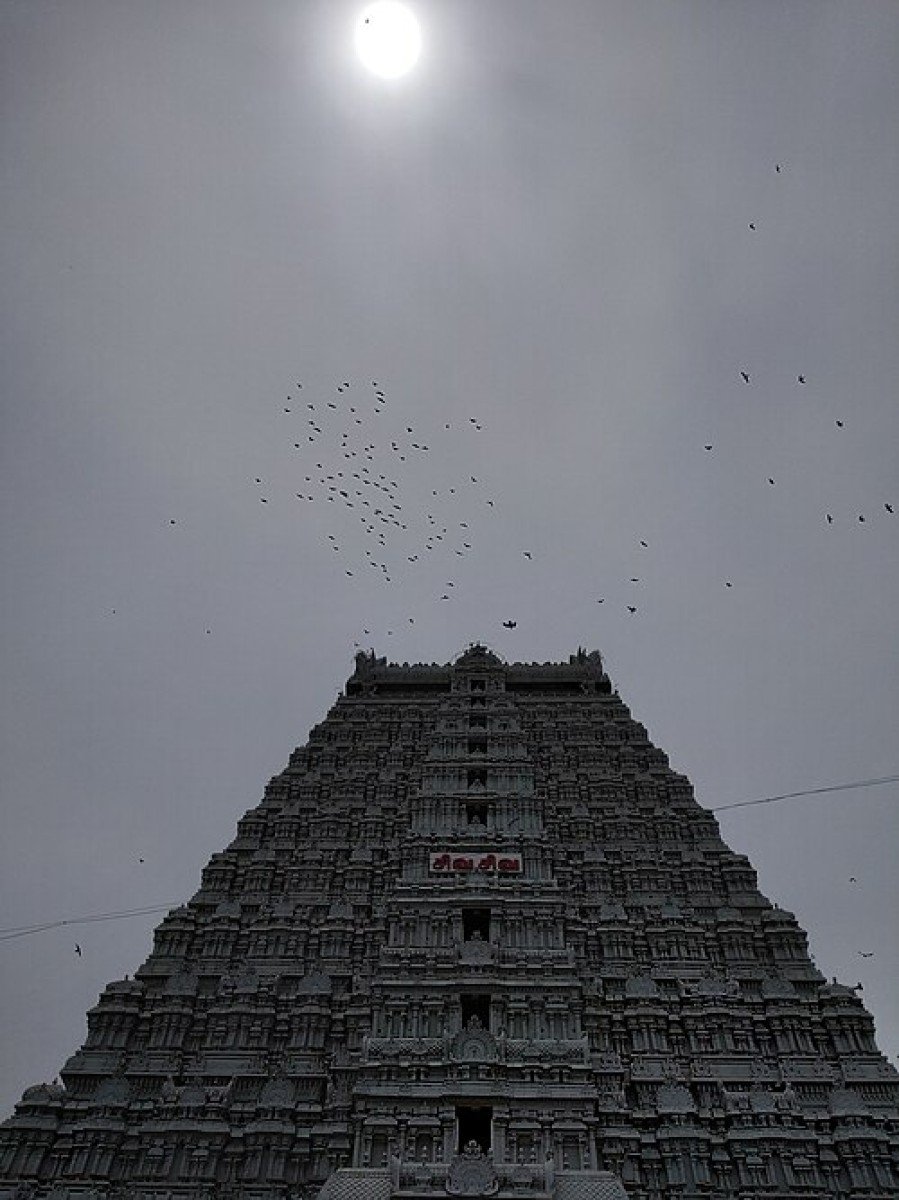
Temple Towers: The four massive Gopurams reflecting the morning sunlight provide a stunning subject for wide-angle landscape photography.
Hill View: From the roof of local buildings or the slopes of the hill, you can capture the entire geome...Temple Towers: The four massive Gopurams reflecting the morning sunlight provide a stunning subject for wide-angle landscape photography.
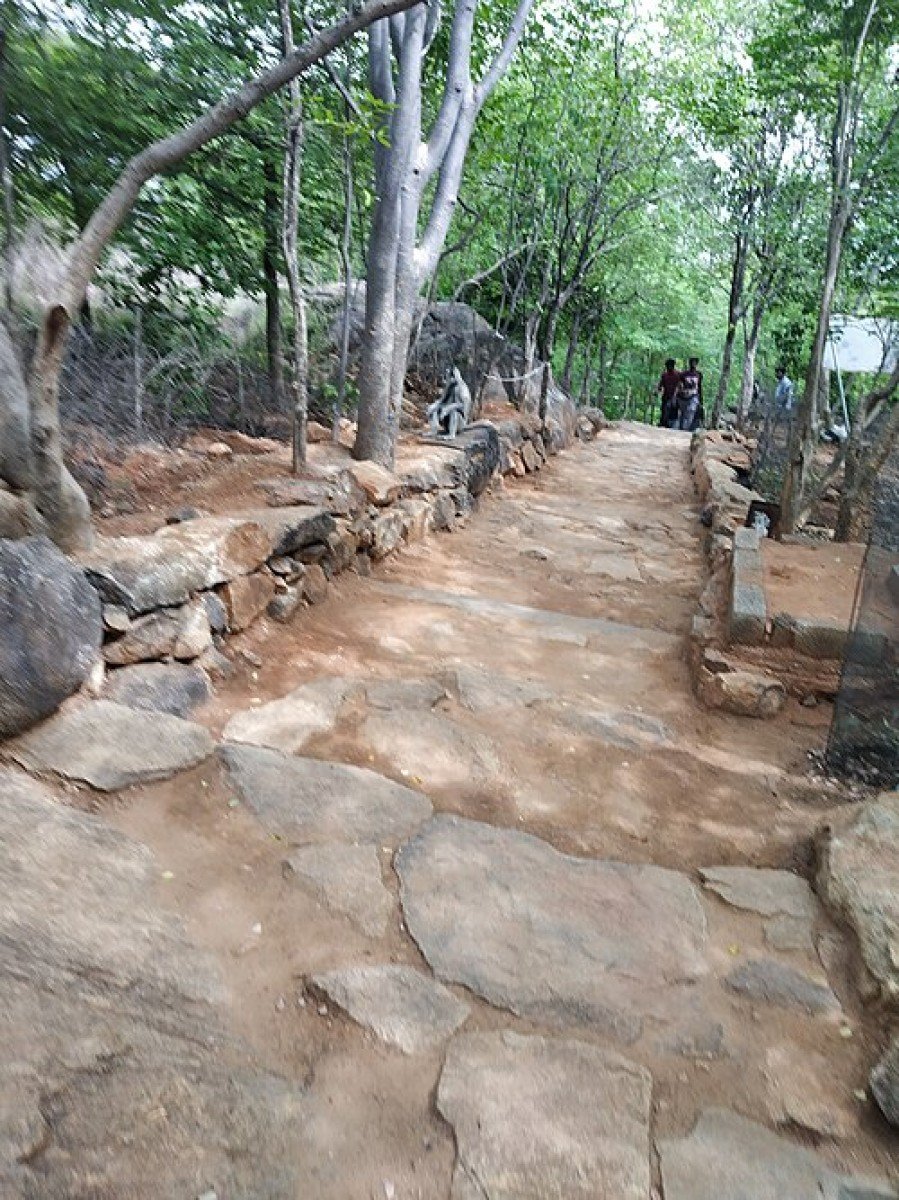
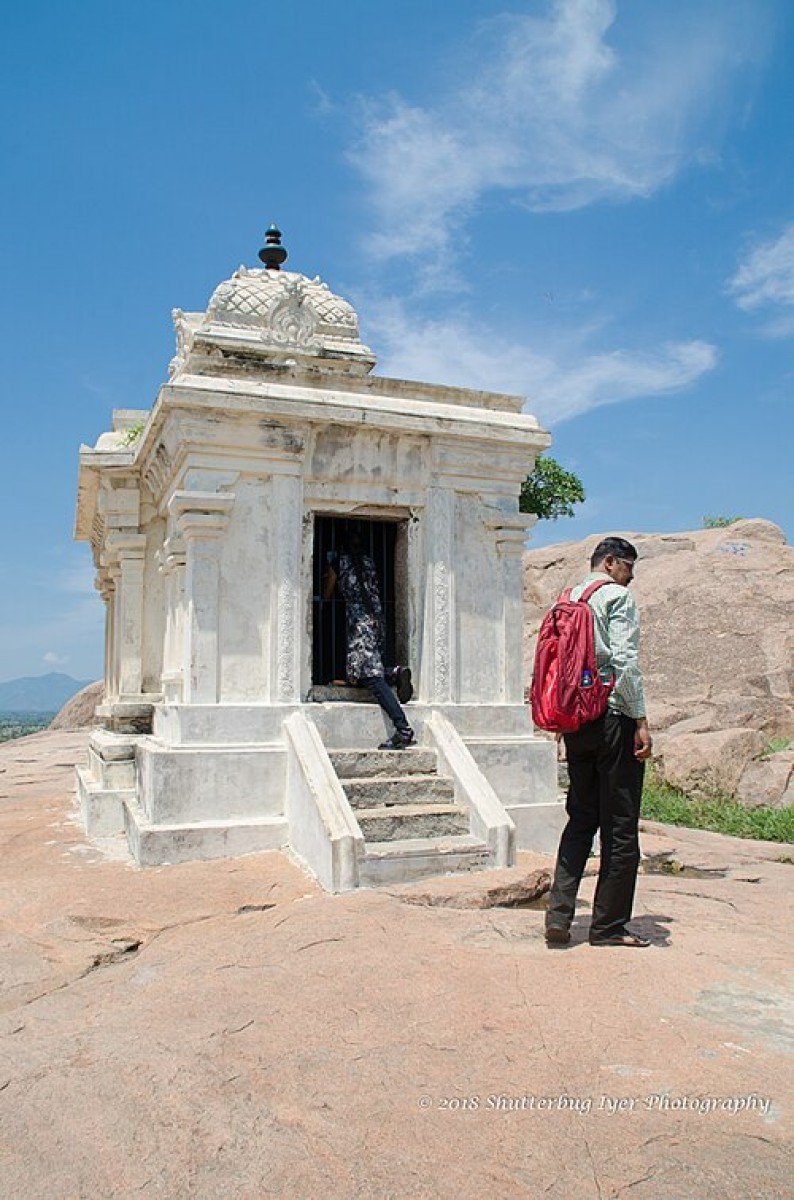
Hill View: From the roof of local buildings or the slopes of the hill, you can capture the entire geometry of the temple complex.
Evening Glow: The temple lit up with thousands of lamps during festivals offers a magical atmosphere for long-exposure night photography.Photo Gallery

Things To Do
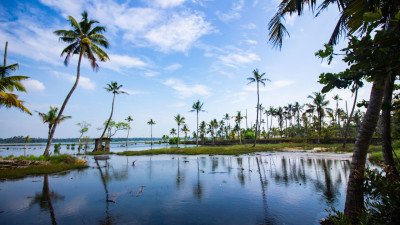 @@Natural Beauty and Spiritual Significance: This is a prominent water body situated near the Adi Annamalai Temple on the famous Girivalam path, the 14-kilometer circumambulation route around Annamalai Hill. The village of Adi Annamalai itself holds historical and spiritual importance as it is believed to be the starting point of the ancient path. The lake serves as a picturesque, tranquil spot for pilgrims to pause and reflect during their long walk, offering a view of the hill and its serene surroundings. The water body plays a crucial role in maintaining the local ecosystem and offers a contrast of calm nature against the backdrop of the sacred hill, making it a peaceful stop for both locals and tourists seeking a moment of respite and natural beauty. It is often rejuvenated during the Monsoon season.
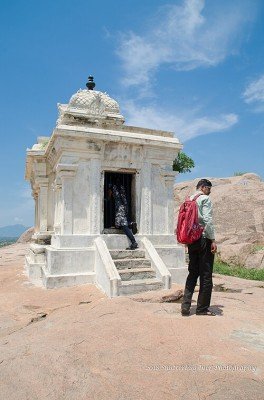 @@Historical Significance and Location:** Tirumalai, literally meaning 'Holy Mountain', is an ancient Jain center dating back to at least the 9th century CE, historically known as Vaigai-malai or Arhasugiri. It is believed to be the site where 8,000 Jain monks attained nirvana. The complex sits atop and at the base of a small hill and includes multiple Jain caves and temples. The site contains a large cavern, initially built in the 9th century and later divided into 30 chambers, and inscriptions from the Chola period. It was a significant center during the Pallava and Chola dynasties. The most notable structure is the Kunthavai Jinalaya temple, a 10th-century temple commissioned by Chola Princess Kunthavai. The Jain legacy includes footprints of four great saints and surviving vibrant paintings dating back to the 15th-17th centuries. The remoteness adds to its peaceful, sacred atmosphere.
 @@History of Sri Renugambal Temple: Padaveedu, or Padaiveedu, translates to "army encampment," a name that originated because Goddess Renugai (an incarnation of Goddess Parvathi) camped here with her retinue while searching for a husband. Historically, the region gained immense importance as the capital of the powerful Sambuvarayar chieftains during the 13th and 14th centuries, who initially ruled under the patronage of the Pandyas and Vijayanagara kings before becoming independent. The temple, built by the Sambuvaraya dynasty, is one of the most significant Sakthi Sthalas (or Shakti Peethas) in the Thondainadu region. The main deity, Arulmigu Renugambal Amman, is revered as a Swayambumurthy (self-manifested idol) whose form is believed to be only the head. The temple is deeply connected to the puranic legend of Renuka Devi, the wife of Sage Jamadagni and mother of Parasurama. The legend recounts that Parasurama beheaded his mother on his father's command, but later restored her head to life, which is why the main idol is only the head. The temple's importance is further enhanced by the belief that the three Lords—Brahma, Vishnu, and Shiva—are formlessly present in the sanctum, making worship of the Goddess equivalent to worshipping all celestial beings. The area was historically known as the 'land of a thousand temples' due to the presence of 1008 Shiva and 108 Vishnu temples.
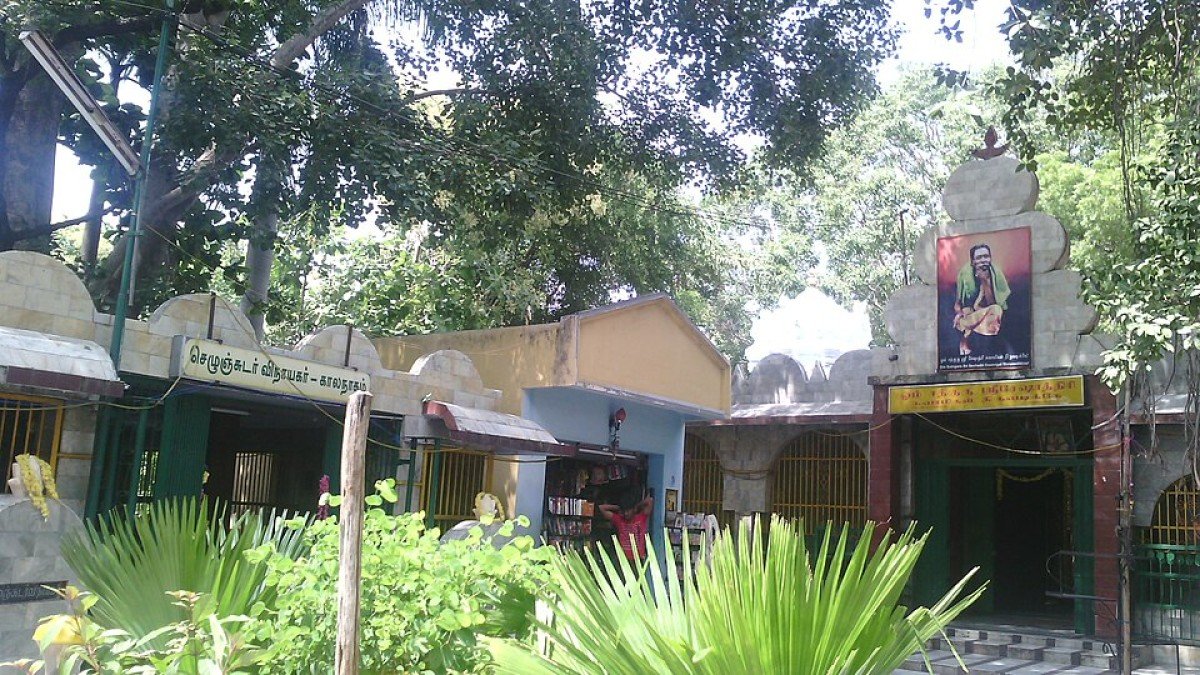
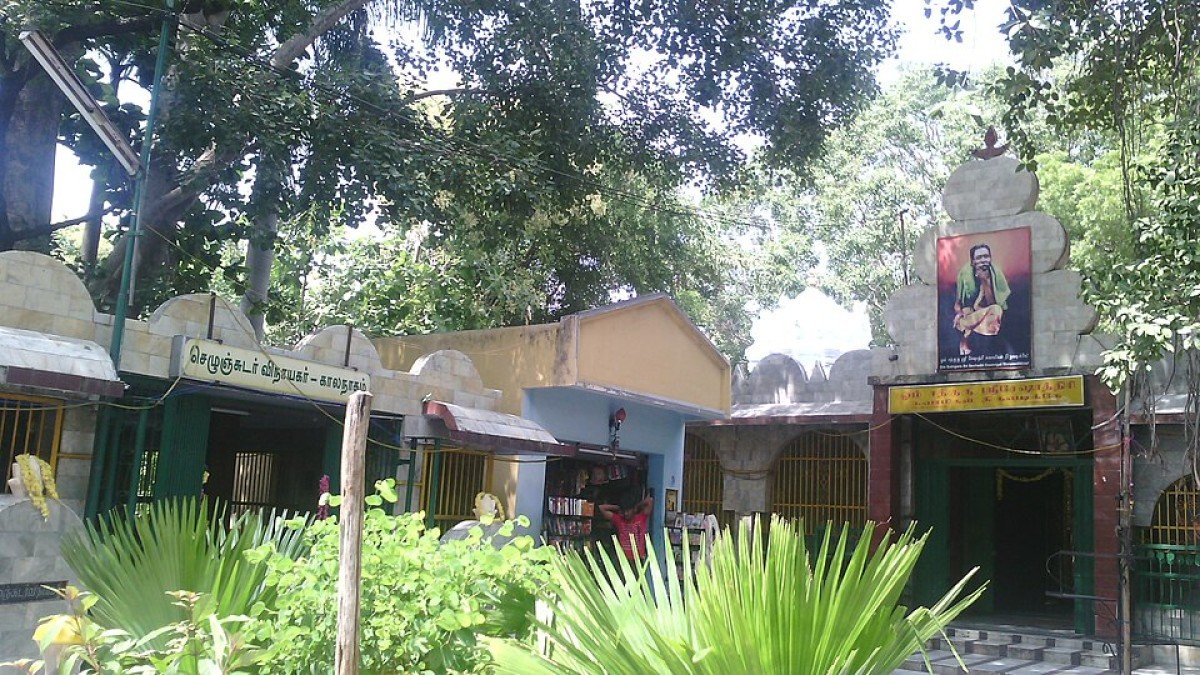
@@The Godchild's Legacy:** This ashram is the central spiritual institution dedicated to the life and teachings of Bhagavan Yogi Ram Surathkumar (1918-2001), an Avadhuta saint affectionately known as 'Visiri Samiyar' (the saint with the hand fan) or simply 'Godchild'. He was initiated into the mantra "Om Sri Ram Jai Ram Jai Jai Ram" by his Guru, Swami Ramdas. He lived a life of austerity and was often seen wandering Tiruvannamalai before the ashram was established in the 1990s to accommodate the thousands of devotees who sought his darshan. The main complex houses his Samadhi Shrine and a large meditation hall. His teachings centered on the power of the Divine Name (Nama Japa) and the realization of unity: "This beggar is not limited to this body... Myself in all these forms." The ashram is a place of continuous Nama Japa (chanting of the Lord's name) and devotion (Bhakti).
@@History of Sri Renugambal Temple: Padaveedu, or Padaiveedu, translates to "army encampment," a name that originated because Goddess Renugai (an incarnation of Goddess Parvathi) camped here with her retinue while searching for a husband. Historically, the region gained immense importance as the capital of the powerful Sambuvarayar chieftains during the 13th and 14th centuries, who initially ruled under the patronage of the Pandyas and Vijayanagara kings before becoming independent. The temple, built by the Sambuvaraya dynasty, is one of the most significant Sakthi Sthalas (or Shakti Peethas) in the Thondainadu region. The main deity, Arulmigu Renugambal Amman, is revered as a Swayambumurthy (self-manifested idol) whose form is believed to be only the head. The temple is deeply connected to the puranic legend of Renuka Devi, the wife of Sage Jamadagni and mother of Parasurama. The legend recounts that Parasurama beheaded his mother on his father's command, but later restored her head to life, which is why the main idol is only the head. The temple's importance is further enhanced by the belief that the three Lords—Brahma, Vishnu, and Shiva—are formlessly present in the sanctum, making worship of the Goddess equivalent to worshipping all celestial beings. The area was historically known as the 'land of a thousand temples' due to the presence of 1008 Shiva and 108 Vishnu temples.
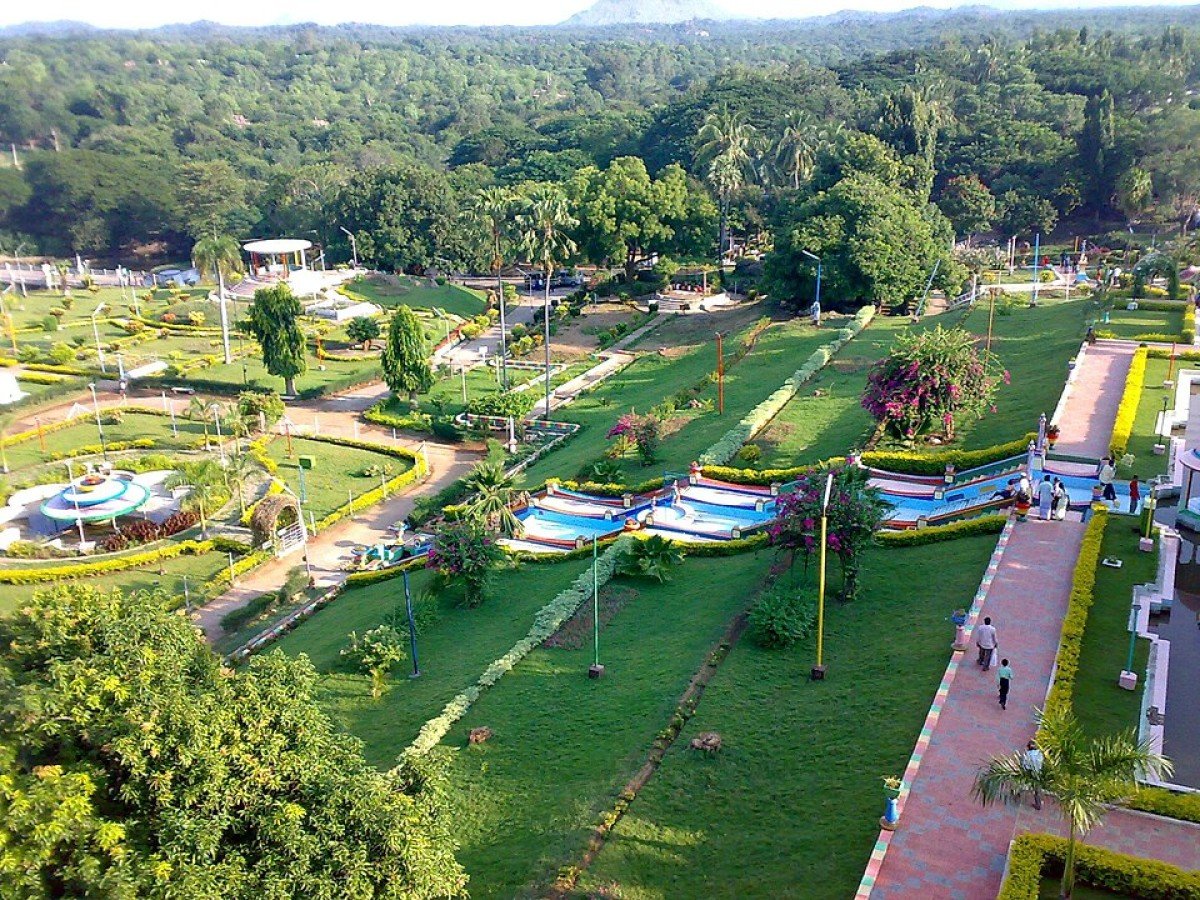
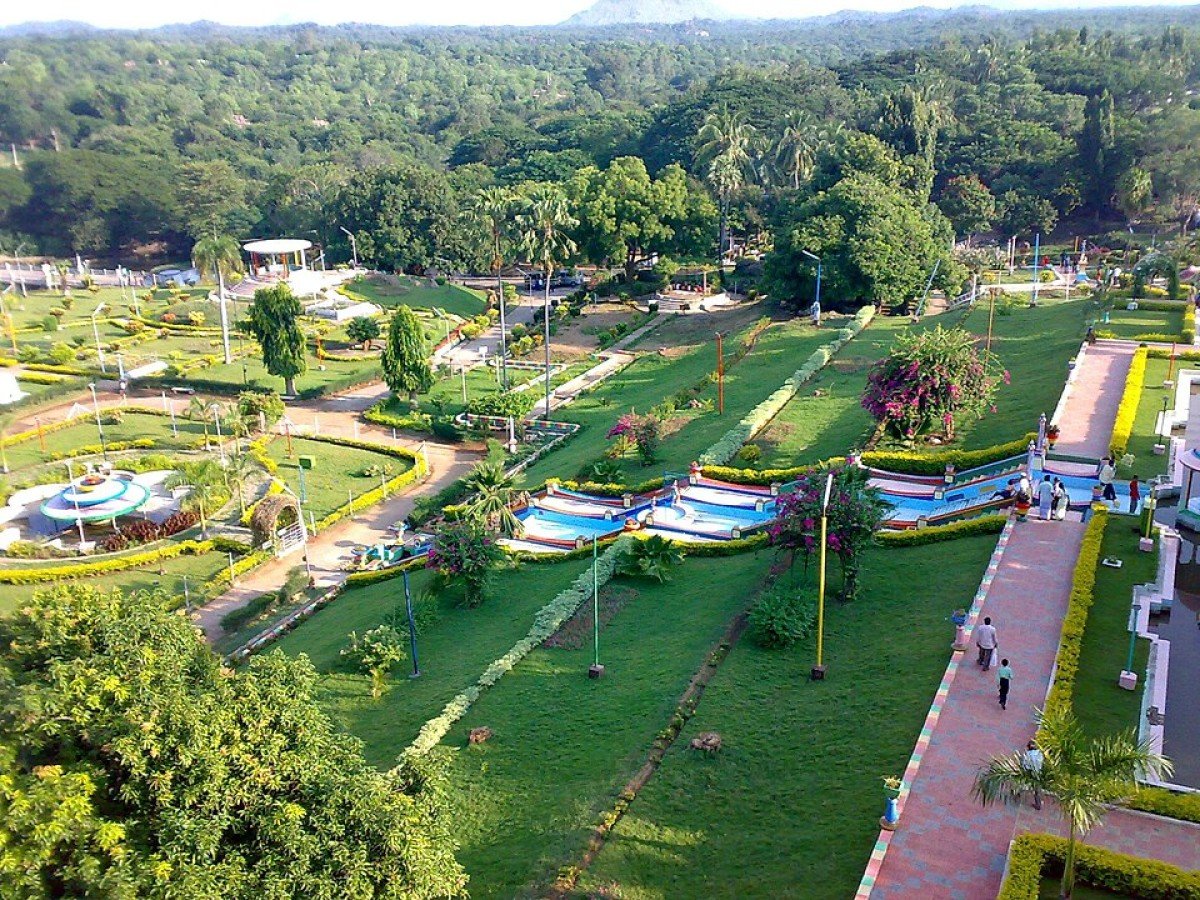
@@The Godchild's Legacy:** This ashram is the central spiritual institution dedicated to the life and teachings of Bhagavan Yogi Ram Surathkumar (1918-2001), an Avadhuta saint affectionately known as 'Visiri Samiyar' (the saint with the hand fan) or simply 'Godchild'. He was initiated into the mantra "Om Sri Ram Jai Ram Jai Jai Ram" by his Guru, Swami Ramdas. He lived a life of austerity and was often seen wandering Tiruvannamalai before the ashram was established in the 1990s to accommodate the thousands of devotees who sought his darshan. The main complex houses his Samadhi Shrine and a large meditation hall. His teachings centered on the power of the Divine Name (Nama Japa) and the realization of unity: "This beggar is not limited to this body... Myself in all these forms." The ashram is a place of continuous Nama Japa (chanting of the Lord's name) and devotion (Bhakti).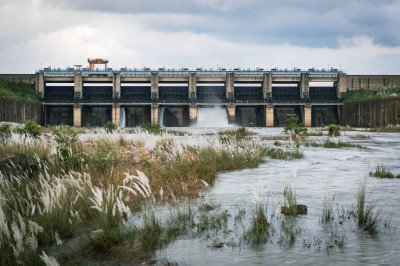 @@Details of Pick Up Dam (Sathanur): The Pick Up Dam near Sathanur is a smaller, lesser-known, yet functionally important water structure on the Thenpennai River (or Pennaiyar River), located a short distance downstream from the main Sathanur Dam and Reservoir. Its official name or function might be a Regulator or an Anicut (check dam), but it is popularly called the Pick Up Dam because its main purpose is to "pick up" or divert the controlled water released from the main Sathanur Dam into the main irrigation canal systems (Left Bank Canal and Right Bank Canal). It ensures that the water flow is regulated and channeled efficiently for agricultural irrigation across the plains of Tiruvannamalai and adjacent areas. This structure is a critical component of the overall Sathanur Dam project's irrigation network. Unlike the main dam, which is a massive water storage facility with large tourist amenities, the Pick Up Dam is a functional engineering site. It often features a series of sluice gates and regulators that control the flow rate into the canals. The area around the Pick Up Dam is typically less crowded than the main dam and offers a clearer view of the river's immediate flow, making it a favorite spot for local fishermen and those seeking a quieter experience. It provides a practical and visual understanding of how a large-scale irrigation system operates and sustains agriculture in the region.
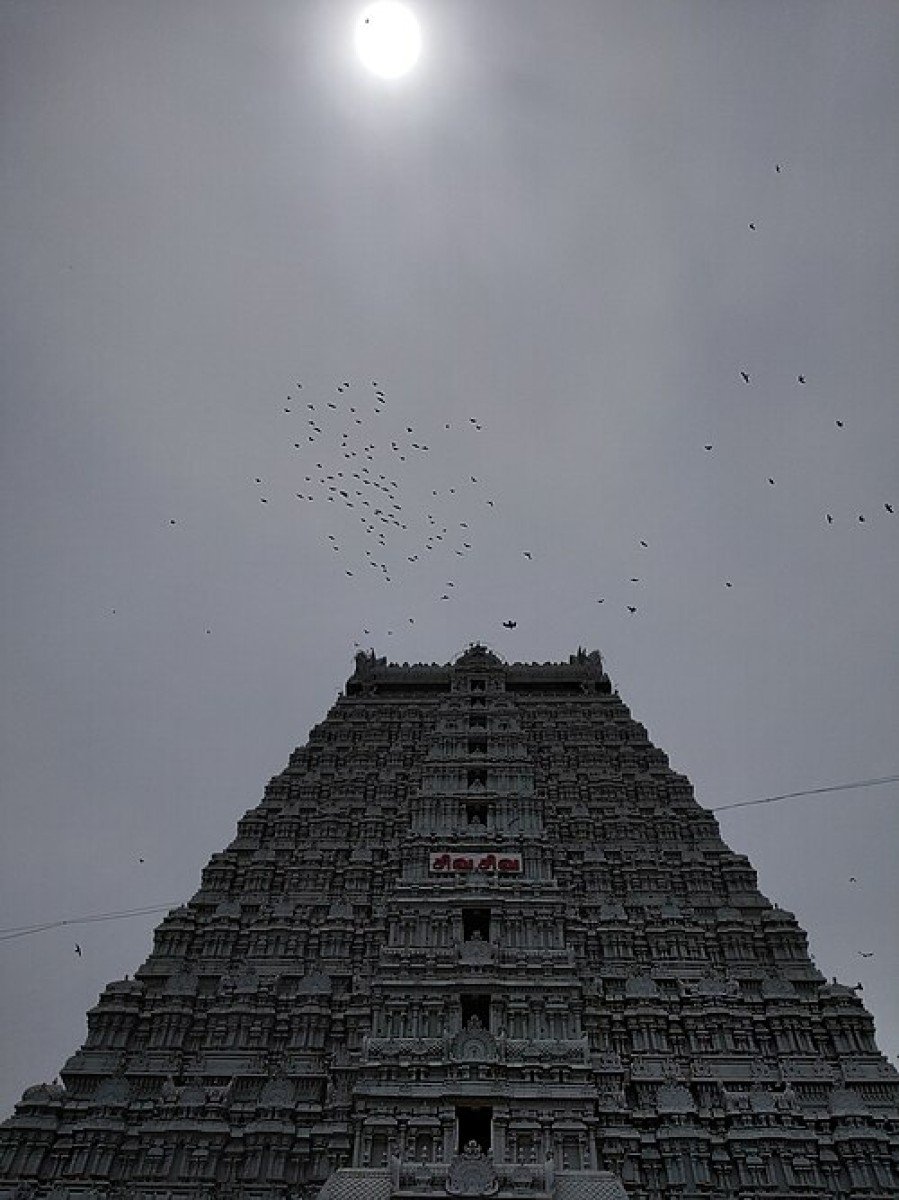
 @@The Shrine of Lord Shiva as Fire: The Arunachaleswarar Temple, also known as Annamalaiyar Temple, is one of the most sacred and magnificent Shiva temples in South India. It is the elemental shrine (Pancha Bhoota Stalam) associated with the element of Agni (Fire). According to legend, Lord Shiva manifested as a massive column of fire (Jyotirlingam) to settle a dispute between Lord Brahma and Lord Vishnu. The main deity, Arunachaleswarar (Lord of the Arunachala Hill), is worshipped in the form of a Lingam that represents this divine pillar of light. The temple's 25-acre complex, towering gopurams, and rich history spanning over a thousand years make it a profound spiritual and architectural marvel. The town itself revolves around this temple and the sacred Annamalai Hill, attracting millions of pilgrims annually, especially for the Karthigai Deepam Festival when a massive lamp is lit atop the hill.
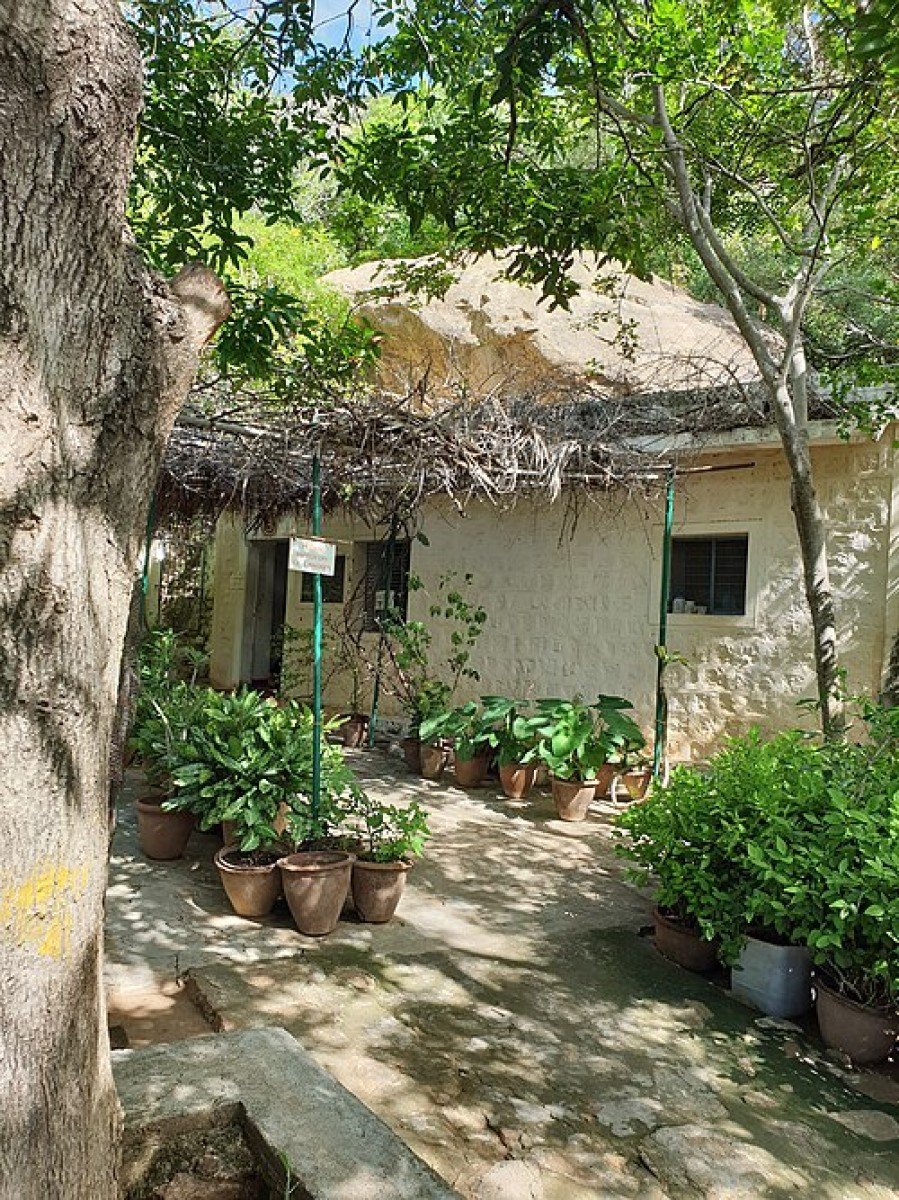
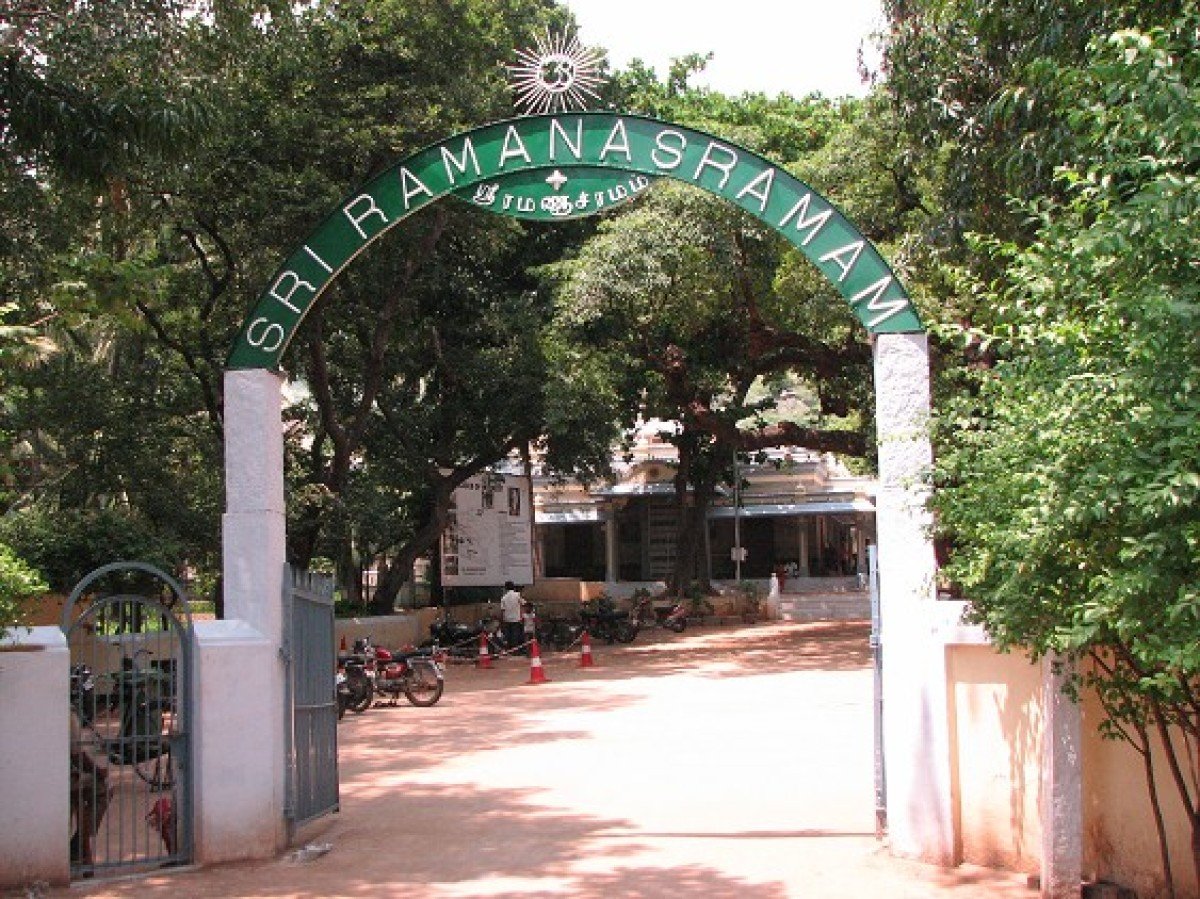
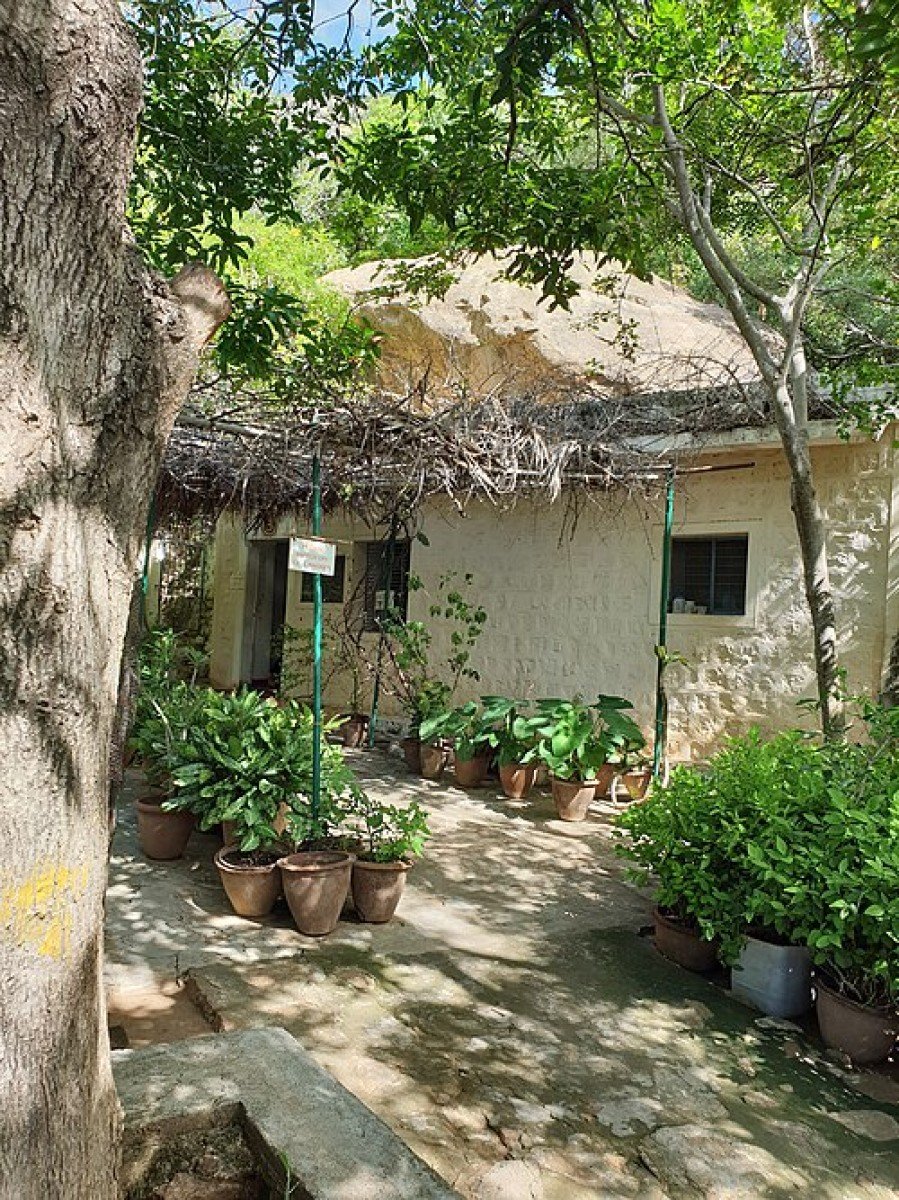
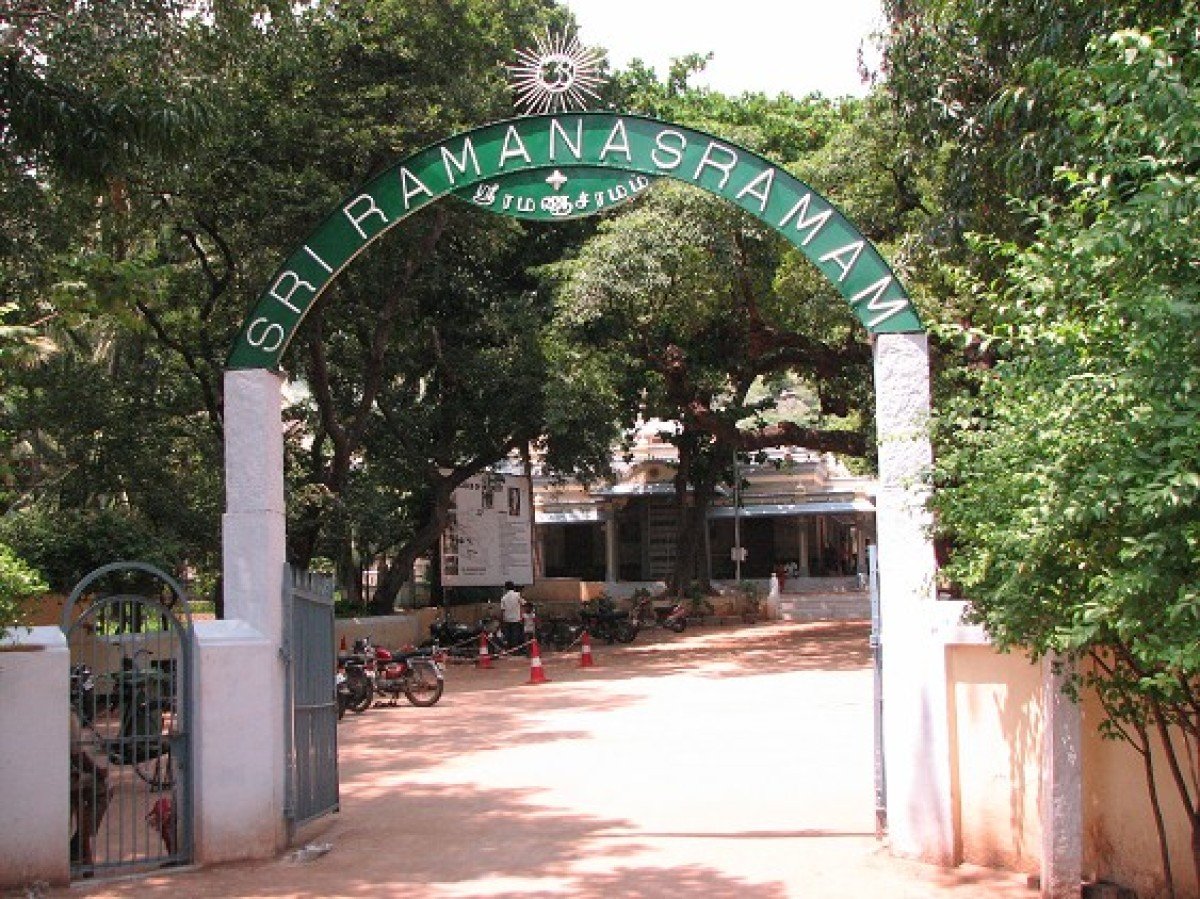
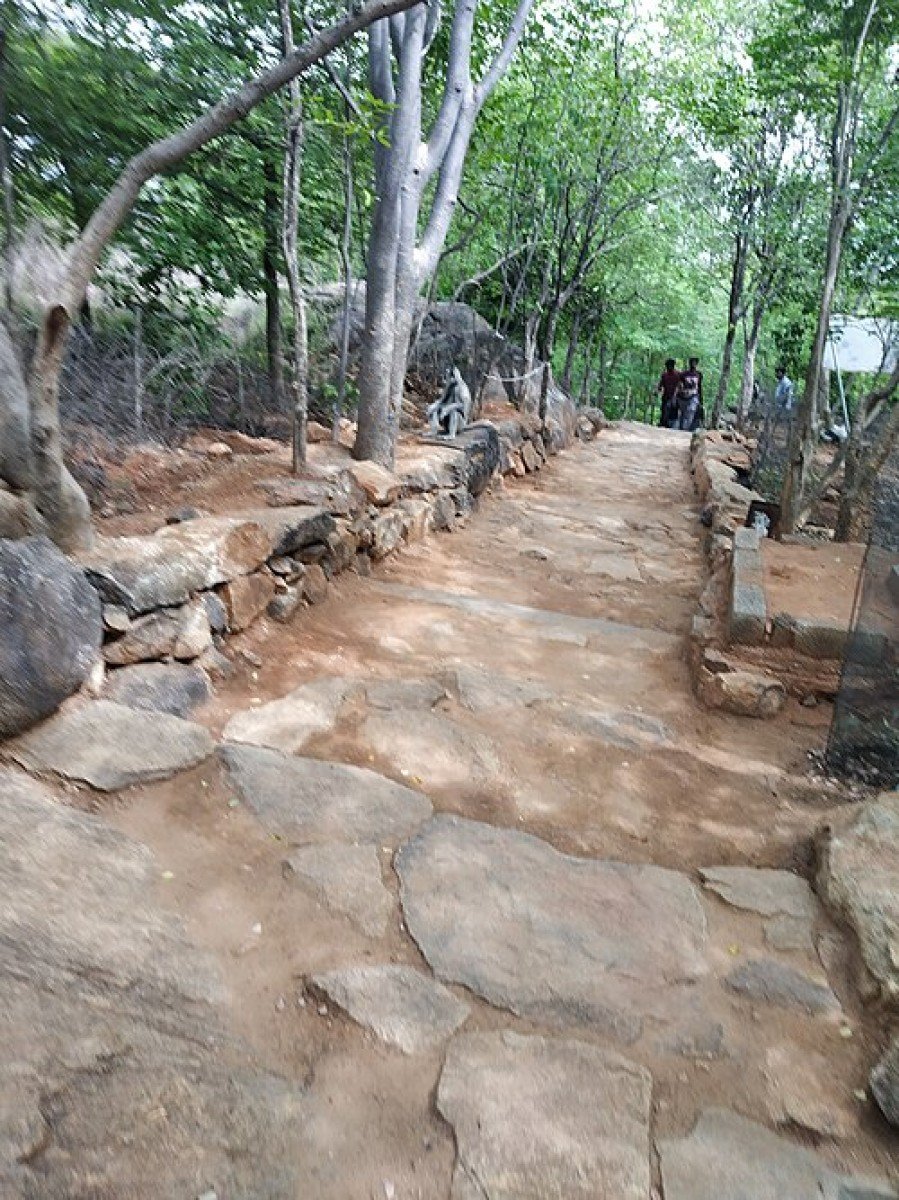
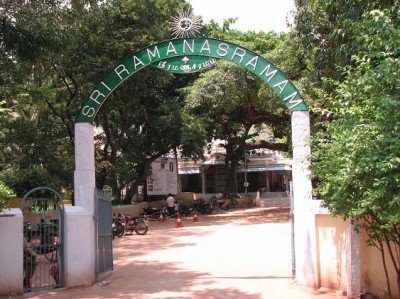 @@History of the Ashram and Bhagavan Sri Ramana Maharshi:** Founded in 1922 around the Samadhi of Ramana Maharshi's mother, Alagammal, this ashram became the final residence and spiritual center of the revered Advaita sage until his Mahasamadhi in 1950. The ashram embodies his core teaching of 'Self-Inquiry' (Atma Vichara), focusing on the question "Who am I?". The atmosphere is profoundly tranquil, drawing thousands of devotees and seekers from around the globe who come to sit in silence and absorb the spiritual energy that permeates the premises. Notable visitors like Paul Brunton introduced the Maharshi and his teachings to the West, cementing its global significance. It is a place of austere simplicity, reflecting the sage's life. The main shrine contains the samadhi (resting place) of Ramana Maharshi, where devotees engage in deep meditation. The ashram manages the upkeep of associated holy sites like the nearby Virupaksha Cave and Skandashram, where the Maharshi previously resided on the Arunachala Hill. The community maintains a strict daily schedule of prayers, chanting, and meditation sessions, providing a structured environment for spiritual practice. The serene environment, set against the backdrop of the holy Arunachala mountain, is central to the ashram's spiritual draw, representing Lord Shiva as the column of fire. The ashram also includes a library and bookstall disseminating the sage's teachings.Show All
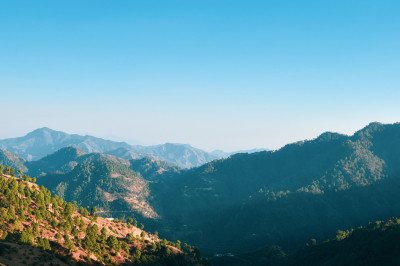 @@Natural Paradise and Tribal Heartland: The Javadu Hills (Jawadhu Hills) are a major range in the Eastern Ghats, straddling the borders of Tiruvannamalai and Vellore districts. It is a stunning natural retreat, covering an area of about 80 KMs wide and 32 KMs long, with peaks averaging 3,600-3,800 feet. The hills are characterized by lush greenery, dense forests, deep valleys, and blue-grey granite rock formations. The area is sparsely populated, predominantly inhabited by the Malayali tribal community. The hills are a significant eco-tourism spot, offering a chance to see waterfalls (Beemanmadavu Falls), visit the Vainu Bappu Observatory (VBO), and engage in nature trekking. It serves as a stark, refreshing contrast to the spiritual intensity of Tiruvannamalai town, providing a haven for nature lovers and trekkers. The local ecosystem is rich in medicinal plants and unique flora.
Information
-
Why Famous:
Karthigai Deepam: A massive beacon is lit atop the Arunachala Hill once a year, visible for miles and symbolizing the infinite light of God.
Girivalam: A 14 km circumambulation path around the holy hill that devotees walk barefoot, especiall...Karthigai Deepam: A massive beacon is lit atop the Arunachala Hill once a year, visible for miles and symbolizing the infinite light of God.
Girivalam: A 14 km circumambulation path around the holy hill that devotees walk barefoot, especially during the full moon nights.
Saintly Presence: The town is forever associated with Ramana Maharshi and Yogi Ramsuratkumar, giving it a deep atmosphere of "Gnana" or wisdom. -
Architecture:
Rajagopuram: The eastern entrance tower is 66m tall with 11 stories, making it one of the most imposing structures in South India.
Thousand Pillar Hall: Built during the Vijayanagara period, this massive hall features intricate carvings on e...Rajagopuram: The eastern entrance tower is 66m tall with 11 stories, making it one of the most imposing structures in South India.
Thousand Pillar Hall: Built during the Vijayanagara period, this massive hall features intricate carvings on every single stone pillar.
Prakarams: The temple has five concentric enclosures, each with its own significance and ancient shrines dating back to the 9th century.
Pathala Lingam: An underground chamber where Saint Ramana Maharshi performed intense meditation while being bitten by insects, unaware of his body. -
How To Reach:
By Air: The nearest major airport is Chennai (MAA), about 180 km away, from where you can take a bus or a private taxi.
By Train: Tiruvannamalai has its own railway station connected to Villupuram, Katpadi, and Madurai via passenger and expr...By Air: The nearest major airport is Chennai (MAA), about 180 km away, from where you can take a bus or a private taxi.
By Train: Tiruvannamalai has its own railway station connected to Villupuram, Katpadi, and Madurai via passenger and express trains.
By Road: Excellent bus connectivity from Chennai, Bangalore, Pondicherry, and Vellore via the well-maintained state highways.
Local Transport: Auto-rickshaws are the most common way to get around; for Girivalam, electric buggies are sometimes available for the elderly. -
Weather and Best Time to Visit:
Cool Months: December and January are the peak months with cool weather, though it gets very crowded due to the Deepam festival.
Summer Months: April to June are very hot; walking barefoot on the roads is impossible during the day, so plan ...Cool Months: December and January are the peak months with cool weather, though it gets very crowded due to the Deepam festival.
Summer Months: April to June are very hot; walking barefoot on the roads is impossible during the day, so plan activities for the night.
Monsoon Months: August to October bring pleasant rains that turn the Arunachala Hill lush green, making it a beautiful time for trekking. -
Near Tourist Places:
Gingee Fort (37 km), Sathanur Dam (30 km), Vellore (85 km), Pondicherry (105 km), Melmaruvathur (90 km), Kanchi (115 km), Bangalore (200 km), Chennai (185 km), Yelagiri (100 km), Hogenakkal (150 km).
Tourism Tips
-
Footwear: If performing Girivalam, wear comfortable shoes if your feet are not used to barefoot walking; the path is fully paved.
Hydration: Many free water stations are available along the Girivalam path, but it's always safer to carry you...Footwear: If performing Girivalam, wear comfortable shoes if your feet are not used to barefoot walking; the path is fully paved.
Hydration: Many free water stations are available along the Girivalam path, but it's always safer to carry your own sealed water bottle.
Respect: Maintain silence inside the ashrams and the temple sanctum; photography is strictly prohibited inside the inner prayer halls.
Scams: Be wary of "fake sadhus" asking for money; donate only to official temple or ashram counters to ensure your money is used well.
Reviews
FAQs
Tiruvannamalai Itineray And Cost:-
Other Places In Tamil Nadu :-
Other States In India :-
Information about New and Updated Locations() of Tamil Nadu Has Been Added :-
Card subtitle
Note:-
Information provided here in good Faith and for reference only.
Near Places

Chennai
Some quick example text to build on the card title and make up the bulk of the card's content.
Go somewhere
Chidambaram
Some quick example text to build on the card title and make up the bulk of the card's content.
Go somewhere
Coimbatore
Some quick example text to build on the card title and make up the bulk of the card's content.
Go somewhere
Courtallam
Some quick example text to build on the card title and make up the bulk of the card's content.
Go somewhere
Dindigul
Some quick example text to build on the card title and make up the bulk of the card's content.
Go somewhere
Kanchipuram
Some quick example text to build on the card title and make up the bulk of the card's content.
Go somewhere
Kanyakumari
Some quick example text to build on the card title and make up the bulk of the card's content.
Go somewhere
Karaikal
Some quick example text to build on the card title and make up the bulk of the card's content.
Go somewhere
Karaikudi
Some quick example text to build on the card title and make up the bulk of the card's content.
Go somewhere
Kodaikanal
Some quick example text to build on the card title and make up the bulk of the card's content.
Go somewhere
Kovalam
Some quick example text to build on the card title and make up the bulk of the card's content.
Go somewhere
Kumbakonam
Some quick example text to build on the card title and make up the bulk of the card's content.
Go somewhere
Madurai
Some quick example text to build on the card title and make up the bulk of the card's content.
Go somewhere
Mahabalipuram
Some quick example text to build on the card title and make up the bulk of the card's content.
Go somewhere
Masinagudi
Some quick example text to build on the card title and make up the bulk of the card's content.
Go somewhere
Nagapattinam
Some quick example text to build on the card title and make up the bulk of the card's content.
Go somewherein Other Cities