
...

Baijuri Waterfall

Goalpara, Assam, India
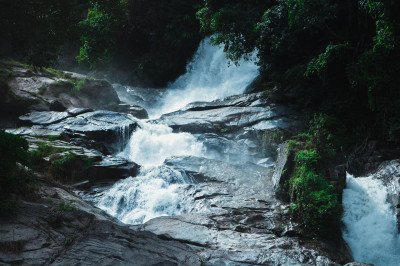
The Baijuri Waterfall is a beautiful natural attraction nestled in the lush green hills surrounding the Goalpara district of Assam, India. It is not as commercially developed or well-known as some other waterfalls in the region, which adds to its pristine and tranquil charm. The waterfall cascades d own a rocky cliff face, surrounded by dense forest cover, making it a perfect spot for nature lovers and those seeking a peaceful retreat away from the city's noise. The sound of the water hitting the rocks and the cool, fresh air create a mesmerizing and calming atmosphere. The journey to the waterfall itself often involves passing through scenic rural landscapes and thick vegetation, adding an element of adventure to the visit. It’s an ideal location for a picnic, a short trek, and enjoying the unspoiled beauty of North East India. Due to its relatively 'hidden' nature, the waterfall often experiences less tourist traffic, especially on weekdays, allowing visitors to enjoy a personal and calm communion with nature. The surrounding area is rich in local flora and fauna, and visitors might spot various species of birds and plants unique to the region. The waterfall is a testament to the natural splendor of Goalpara and the raw, untamed beauty of the Assam landscape. The flow of water is usually at its peak after the monsoon season, offering the most spectacular views. Local communities often consider such natural spots sacred, and visitors are expected to respect the environment and local traditions. This place is a breath of fresh air and a wonderful escape.

General information

  • ...

    Ideal Duration:

    2 to 4 hours (Ideal for a picnic and leisurely viewing)
  • ...

    Place Type:

    Nature / Waterfall / Picnic Spot
  • ...

    Entry Fees:

    Generally Free Access: As of the latest available information, Baijuri Waterfall is typically an open, natural site and does not have an official government-imposed entry fee or ticket counter. This is a common characteristic of many remote natural attractions in the region...
    Generally Free Access: As of the latest available information, Baijuri Waterfall is typically an open, natural site and does not have an official government-imposed entry fee or ticket counter. This is a common characteristic of many remote natural attractions in the region, which are often maintained informally by local communities or are simply part of the public forest land. The absence of a fee makes it a highly accessible and affordable destination for all travelers.

    Potential for Nominal Local Fees: In some cases, local youth clubs or community organizations near the access point might collect a very small, nominal fee (e. g. , Rs.10 or Rs.20 per person or vehicle) for parking or for the maintenance of the basic approach path/cleaning of the area. This is a voluntary or semi-formal arrangement, not an official government charge. Visitors should be prepared for this possibility but should not expect a major entry cost.

    Cost of Guided Services: The only true 'fee' a visitor might incur is the cost of hiring a local guide, which is highly recommended due to the remoteness and sometimes confusing trails. Guide fees are negotiated directly and vary widely, but they are an investment in safety and a richer experience. The free entry nature of the main site is a significant financial benefit for travelers, especially large groups, keeping the overall trip budget low.
  • ...

    Timing:

    Regular Timings: The waterfall is essentially a natural landmark open to the public from Sunrise to Sunset. There are no gates or official closure times. However, for safety reasons, it is strongly recommended to visit between 8:00 AM and 5:00 PM. Avoid visiting after sun...
    Regular Timings: The waterfall is essentially a natural landmark open to the public from Sunrise to Sunset. There are no gates or official closure times. However, for safety reasons, it is strongly recommended to visit between 8:00 AM and 5:00 PM. Avoid visiting after sunset as the forest area lacks lighting and can be dangerous due to wild animals or slippery paths.

    Ideal Visit Time: The ideal visit time is the early morning (9:00 AM to 11:00 AM) or the late afternoon (3:00 PM to 4:00 PM).

    Morning Visit: Offers the clearest light for photography, the coolest temperatures, and the best chance to spot wildlife. The early morning mist rising from the falls adds a magical element.

    Afternoon Picnic: The late afternoon is perfect for a leisurely picnic, watching the sun begin its descent, and enjoying the cool breeze before making your way back before dusk.
  • ...

    Special Events:

    Local Festivals and Occasional Gatherings: While there are no major, internationally publicized special events held at the waterfall itself, the place might be utilized for smaller, more intimate local ceremonies or community gatherings, especially during local festivals lik...
    Local Festivals and Occasional Gatherings: While there are no major, internationally publicized special events held at the waterfall itself, the place might be utilized for smaller, more intimate local ceremonies or community gatherings, especially during local festivals like Bihu or other harvest festivals. These are typically organized by nearby villagers to celebrate nature or offer prayers. Visitors might witness local tribal dances or traditional music performances if their visit coincides with such an event. However, these are unpredictable and not part of a fixed tourist calendar.

    Picnic Season Rush: The main special event is the informal rush of local picnickers, particularly on New Year's Day, Christmas, or during the pleasant winter months (November to February). During these times, the area buzzes with families and friends enjoying the holiday spirit.

    Monsoon Waterfall Peak: The monsoon season, usually from July to September, is a natural "event" when the waterfall is at its magnificent peak flow. While trekking can be difficult, the sheer volume and power of the water during this time are a sight to behold, attracting adventure enthusiasts and nature photographers.
  • ...

    Best Photo Spots:

    The Base Pool Viewpoint: The area immediately surrounding the natural pool at the waterfall's base is the quintessential photo spot. This vantage point allows you to capture the entire cascade, the rocky cliff, and the pool in one frame, especially good for wide-angle lands...
    The Base Pool Viewpoint: The area immediately surrounding the natural pool at the waterfall's base is the quintessential photo spot. This vantage point allows you to capture the entire cascade, the rocky cliff, and the pool in one frame, especially good for wide-angle landscape shots and capturing the water spray/mist.

    The Rock Ledge/Vantage Point: Often, there are smooth, accessible rock ledges a short distance from the falling water. These spots are perfect for portrait photography, offering the lush green backdrop and the dynamic water as an element. The trick is to find a spot that is safe and not too slippery.

    Forest Trail Frames: The trails leading to the waterfall offer wonderful opportunities for 'framed' shots, where the waterfall is seen partially through the dense foliage and branches of the forest. This adds depth and a sense of discovery to the photograph.

    Stream and Flora Macro Shots: The small streams and rocky beds near the waterfall are excellent for close-up (macro) photography. Focus on the delicate moss, unique ferns, wet rocks, or the small insects and flowers that thrive in the perpetually moist environment.

Photo Gallery

...
Darjeeling
Queen of Hills • Tea Gardens

Things To Do

  • ...
    Picnicking and Group Fun: The grassy areas near the base of the waterfall provide an excellent setting for a picnic. Bring a blanket, some local snacks, and non-alcoholic drinks to enjoy a meal amidst the spectacular natural backdrop. The serene ambiance makes it a perfect gathering spot for friends and family.

    Trekking and Nature Walk: The path to the waterfall and the surrounding trails offer enjoyable, moderate trekking opportunities. These nature walks allow you to explore the dense forest, discover hidden vantage points, and appreciate the bio-diversity of the region. Remember to wear comfortable shoes and carry a water bottle.

    Photography: Capture the beauty of the cascading water, the misty atmosphere, and the lush greenery. Experiment with long exposure shots to get a silky-smooth wa...
    Picnicking and Group Fun: The grassy areas near the base of the waterfall provide an excellent setting for a picnic. Bring a blanket, some local snacks, and non-alcoholic drinks to enjoy a meal amidst the spectacular natural backdrop. The serene ambiance makes it a perfect gathering spot for friends and family.

    Trekking and Nature Walk: The path to the waterfall and the surrounding trails offer enjoyable, moderate trekking opportunities. These nature walks allow you to explore the dense forest, discover hidden vantage points, and appreciate the bio-diversity of the region. Remember to wear comfortable shoes and carry a water bottle.

    Photography: Capture the beauty of the cascading water, the misty atmosphere, and the lush greenery. Experiment with long exposure shots to get a silky-smooth water effect. The lighting changes throughout the day, offering various moods and opportunities for creative shots.

    Relaxation and Meditation: The soothing sound of the falling water is a natural soundscape for relaxation. Find a quiet spot on the rocks or a clear patch of ground and spend time meditating, reading a book, or simply observing the natural surroundings to de-stress and rejuvenate.

    Bird Watching: The dense foliage around the waterfall attracts various bird species. Carry a pair of binoculars and a bird identification guide. The early morning hours are particularly rewarding for spotting local and migratory birds.

    Nature Study and Exploration: Spend time identifying different types of trees, plants, and insects. The forest is a rich learning environment for anyone interested in botany or entomology.

    Wading in the Pool (with caution): Depending on the season and water flow, the pool at the base of the waterfall might be suitable for a quick, refreshing wade or dip. Always check the depth and current before entering and prioritize safety.

    Local Interaction: If you encounter local residents or vendors (though rare), take the opportunity to learn about the waterfall's significance, local traditions, and the best hidden paths.

Resturants

Show All

Information

  • ...

    Why Famous:

    Untouched Natural Beauty and Tranquility: The Baijuri Waterfall is most famous among locals and a small circle of enthusiastic travelers for its unspoiled, raw natural beauty. Unlike overcrowded tourist sites, Baijuri offers a sense of peace and solitude. The cascade of wa...
    Untouched Natural Beauty and Tranquility: The Baijuri Waterfall is most famous among locals and a small circle of enthusiastic travelers for its unspoiled, raw natural beauty. Unlike overcrowded tourist sites, Baijuri offers a sense of peace and solitude. The cascade of water, surrounded by dense, vibrant green foliage, is visually stunning and audibly soothing. It’s a place where one can truly hear the sounds of the forest and the water, a rare experience in today’s fast-paced world. This tranquility is a major draw for those looking to de-stress and reconnect with nature.

    Photographer's Delight: The area provides numerous picturesque views. The combination of the rocky terrain, the mist-filled air, the clear water, and the lush green background makes it a perfect setting for photography. The quality of light filtering through the tree canopy creates dramatic and beautiful effects, especially during the early morning or late afternoon. It is an excellent spot for capturing landscape, nature, and macro photography, focusing on the unique flora and the textures of the rock and water. Its obscurity from the main tourist circuit means you can capture unique and personal shots without the disturbance of crowds.
  • ...

    Architecture:

    Natural Rock Formation and Water Dynamics: The "architecture" of Baijuri Waterfall is entirely natural, sculpted over centuries by the relentless flow of water over the underlying geology of the hill. The waterfall typically flows over a series of ancient, hard rock formati...
    Natural Rock Formation and Water Dynamics: The "architecture" of Baijuri Waterfall is entirely natural, sculpted over centuries by the relentless flow of water over the underlying geology of the hill. The waterfall typically flows over a series of ancient, hard rock formations. The rock type is likely granite or a similar resilient metamorphic rock, common in the North-Eastern hills. The vertical drop, though its exact dimension is not officially recorded, appears to be moderate to significant, perhaps plunging from a height of around 50 to 100 feet in multiple tiers or a single sheer drop, creating a beautiful spray and mist at the base. The sheer face of the rock has been weathered and smoothened, showcasing varied textures and hues. The water collects into a natural pool at the bottom, the size and dimension of which fluctuate with the water volume, often offering a safe space for wading or swimming (with caution). The surrounding forest acts as a natural canopy, framing the waterfall beautifully.

    The Natural Amphitheater: The topography around the waterfall often forms a natural amphitheater, where the sloping terrain allows visitors a clear and impressive view of the cascading water. The absence of man-made structures (like concrete viewing platforms or railings) preserves the raw, wild character of the place. The approach path, if any, is usually a simple dirt track or trail carved out by repeated use, maintaining a low-impact presence on the natural environment. The entire area is a stunning example of fluvial erosion and geological beauty, where the water and rock interact to create a dynamic and ever-changing natural sculpture.
  • ...

    How To Reach:

    To Goalpara Town:

    By Air: The nearest airport is Lokpriya Gopinath Bordoloi International Airport (GAU) in Guwahati, which is approximately 130-140 KMS from Goalpara town. This airport is well-connected to major Indian cities like New Delhi,...
    To Goalpara Town:

    By Air: The nearest airport is Lokpriya Gopinath Bordoloi International Airport (GAU) in Guwahati, which is approximately 130-140 KMS from Goalpara town. This airport is well-connected to major Indian cities like New Delhi, Mumbai, Kolkata, and Bengaluru. From Guwahati airport, you can hire a pre-paid taxi, a private cab, or take an airport shuttle to the Guwahati city bus or railway station to continue your journey to Goalpara by road or train. The road journey from the airport to Goalpara takes around 3 to 4 hours.

    By Train: The nearest major railway station is the Goalpara Town Railway Station (GLPT), which is well-connected to major cities in Assam and the rest of India. Regular trains run from Guwahati, New Jalpaiguri, and Kolkata. From the railway station, you can easily hire a taxi or a local auto-rickshaw to reach Goalpara city center. The station is only about 3-5 KMS from the main town.

    By Road: Goalpara is well-connected by National Highway (NH-17, previously part of NH-37) to Guwahati and other major towns in Assam and neighboring states. State-run ASTC buses and private buses operate frequently between Guwahati and Goalpara. The bus journey is scenic and takes approximately 3 to 4 hours. You can also hire a private car or taxi for a more comfortable and direct journey.

    From Goalpara Town to Baijuri Waterfall:

    By Local Transport: The waterfall is located outside the main town area. The final 20-30 KMS will require hiring a private vehicle, such as a local taxi (cab) or a rented car, from Goalpara town. Public buses or shared auto-rickshaws generally do not operate directly to the waterfall's remote location. It's best to negotiate a round-trip fare with the taxi driver, including waiting time, as finding transport back from the waterfall can be difficult. The last part of the journey might involve a drive on a rough or unpaved road, followed by a short trek (10-30 minutes) through the forest to reach the cascade itself. It is advisable to hire a local person as a guide for the final trekking part, as signage might be minimal.
  • ...

    Weather and Best Time to Visit:

    By Season:

    Winter Season (October to February): This is the best time to visit. The weather is cool, pleasant, and dry, with temperatures ranging from a comfortable 10Rs.C to 25Rs.C. The sky is generally clear, offering excellent conditions for...
    By Season:

    Winter Season (October to February): This is the best time to visit. The weather is cool, pleasant, and dry, with temperatures ranging from a comfortable 10Rs.C to 25Rs.C. The sky is generally clear, offering excellent conditions for trekking, photography, and picnicking. The water flow in the waterfall is usually steady and beautiful after the monsoon months.

    Summer Season (March to June): This period is generally warm and humid. Temperatures can rise up to 30Rs.C to 35Rs.C. While manageable, the heat can make the trek and outdoor activities less comfortable. However, the waterfall still has a decent flow.

    Monsoon Season (July to September): It is generally best to avoid or be extremely cautious during this time. Goalpara receives heavy rainfall. The waterfall's flow is at its peak and looks majestic, but the approach roads become slippery, muddy, and dangerous. Trekking trails are treacherous, and there's a risk of flash floods or landslides.

    By Different Parts of the Day: Early Morning (9:00 AM - 11:00 AM) The ideal time for trekking and photography. The light is soft, the air is cool, and there is a higher chance of solitude. Mid-Day (11:00 AM - 2:00 PM) The warmest part of the day, but a good time for a long picnic near the water's cool spray. Late Afternoon (2:00 PM - 4:00 PM) Excellent for relaxing and capturing the soft, golden light before beginning the journey back.
  • ...

    Near Tourist Places:

    1.

    Surya Pahar: (Archaeological site, Hindu, Buddhist, Jain confluence) - 12 KMS from Goalpara City Center. 2.

    Tukeswari Temple: (Religious site) - 15 KMS from Goalpara City Center. 3.

    Dadan Hills: (Hilltop with Shiva Temple and view) - 10 KMS from Goalpara City Center. 4.

    Buraburi Than: (Religious and historical site) - 10 KMS from Goalpara City Center. 5.

    Shyamrai Satra: (Vaishnavite cultural hub) - 1 KMS from Goalpara City Center. 6.

    Nandeswar Devalaya: (Ancient Shiva temple) - 21 KMS from Goalpara City Center. 7.

    Urpad Beel: (Wetland, bird-watching spot) - 15 KMS from Goalpara City Center. 8.

    Hulukanda Hill: (Viewpoint and trekking spot) - Approx. 5-7 KMS from Goalpara City Center. 9.

    Goalpara River View: (View of the Brahmaputra) - Within Goalpara Town, near Pahartoli. 10.

    Joybhum Kamakhya Temple: (Shakti Sthal) - Approx. 50 KMS from Goalpara Town.

Tourism Tips

  • ...
    Health & Safety: Carry sufficient drinking water and some energy snacks, as there are no shops near the waterfall. Wear sturdy, comfortable trekking shoes with good grip, especially during or post-monsoon, as the rocks and paths can be slippery. Avoid venturing too close t...
    Health & Safety: Carry sufficient drinking water and some energy snacks, as there are no shops near the waterfall. Wear sturdy, comfortable trekking shoes with good grip, especially during or post-monsoon, as the rocks and paths can be slippery. Avoid venturing too close to the cliff edge or the slippery rocks around the main cascade. Do not attempt to swim in the pool unless you are a strong swimmer and are absolutely certain of the water depth and currents, and even then, exercise extreme caution. Be aware of the presence of wild insects or snakes in the forested area. It is advisable to carry a basic first-aid kit with antiseptic cream and bandages.

    Packing Essentials: Rain Gear/Umbrella is advisable, even outside the monsoon season, as weather in the North-East can be unpredictable. Sunscreen, sunglasses, and a hat are essential for sun protection. Insect repellent is a must, especially in the humid, forested environment. Camera gear with extra batteries/power banks to capture the stunning views.

    Accommodation: Goalpara town has basic to mid-range lodging options, including guesthouses and small hotels. For more comfortable or luxury stay, you might need to look in Guwahati. Booking accommodation in advance is recommended, especially during peak tourist season (October to February).

    Other Different Topics:

    Local Guide: Hiring a local guide for the final stretch of the trek to the waterfall is highly recommended for safety and easy navigation. They can also share local insights.

    Respect Nature: Do not litter; carry back all plastic and waste. Do not disturb the local flora and fauna. Maintain the pristine condition of the site.

    Connectivity: Mobile network coverage might be sporadic or weak near the waterfall's remote location. Inform someone of your plans before you head out.

    Transportation: As public transport is scarce, pre-arranging a return taxi from Goalpara town is the most practical way to visit.

Reviews

FAQs

Goalpara Itineray And Cost:-

Information about New and Updated Locations() of Assam Has Been Added :-
Card subtitle

Note:-

Information provided here in good Faith and for reference only.

All information and pictures will be updated soon, please keep visiting.

Near Places
...
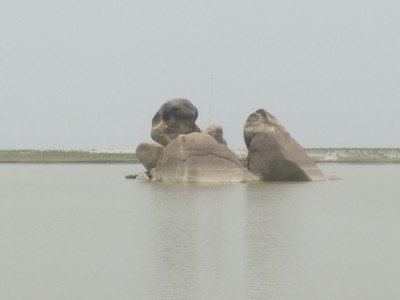
Baijuri Waterfall

Some quick example text to build on the card title and make up the bulk of the card's content.

Go somewhere
...
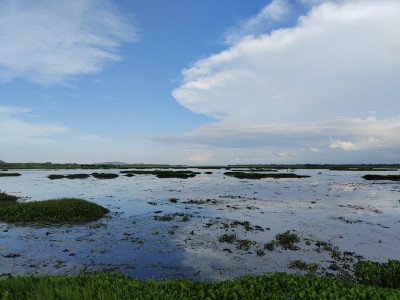
Buraburi Than

Some quick example text to build on the card title and make up the bulk of the card's content.

Go somewhere
...
Dadan Hill

Some quick example text to build on the card title and make up the bulk of the card's content.

Go somewhere

...
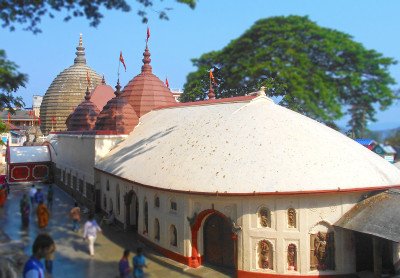
Goalpara River View

Some quick example text to build on the card title and make up the bulk of the card's content.

Go somewhere
...
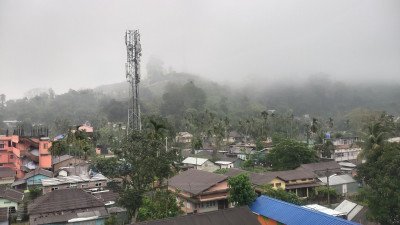
Hulukunda Pahar

Some quick example text to build on the card title and make up the bulk of the card's content.

Go somewhere
...
Joybhum Kamakhya Temple

Some quick example text to build on the card title and make up the bulk of the card's content.

Go somewhere
...
Kumri Beel Lake

Some quick example text to build on the card title and make up the bulk of the card's content.

Go somewhere
...
Nalonga Waterfalls

Some quick example text to build on the card title and make up the bulk of the card's content.

Go somewhere
...
Nandeswar Devalaya

Some quick example text to build on the card title and make up the bulk of the card's content.

Go somewhere

...
Pir Majhar

Some quick example text to build on the card title and make up the bulk of the card's content.

Go somewhere
in Other Cities