
...

Bhairabi Temple

Tezpur, Assam, India
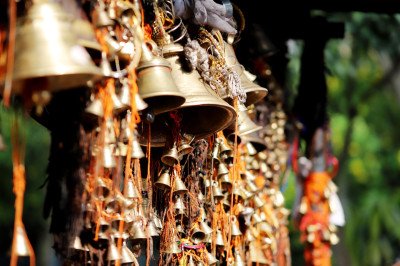
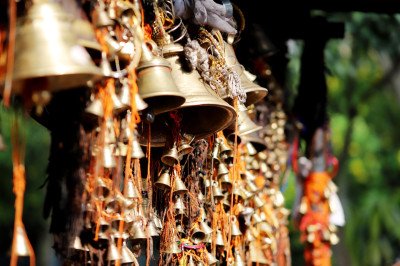
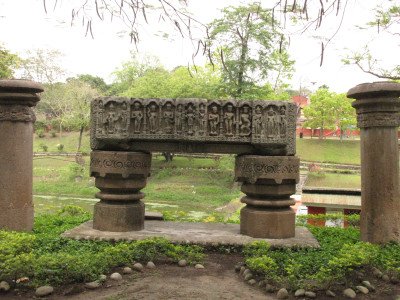
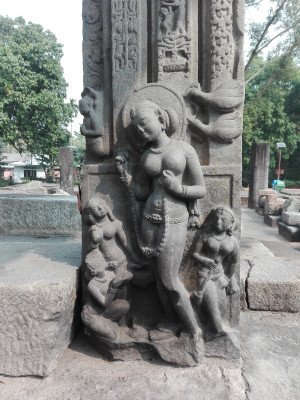
The Bhairabi Temple, also known as Bhairabi Devalaya or Sri Sri Maa Bhairabi Mandir, is a revered Hindu temple situated on a small hillock on the eastern outskirts of Tezpur, Assam. It is dedicated to Goddess Bhairabi, a powerful and fierce incarnation of Goddess Durga (one of the Mahavidyas). This temple is considered one of the significant Shakti Peedams of Goddess Durga in Assam, holding immense spiritual and religious importance for the local community and pilgrims from across the region. The temple's origins are deeply rooted in Hindu mythology, particularly associated with the legendary love story of Usha and Aniruddha. It is believed that Princess Usha, the daughter of the demon King Banasura who ruled the ancient kingdom of Sonitpur (present-day Tezpur), regularly worshipped Goddess Bhairabi at this sacred site. This mythological connection hints at the temple's antiquity, possibly dating back to the age of the Puranas (Dwapara Yuga). While the original structure is believed to be ancient, possibly built by the Koch dynasty rulers around the 8th or 9th century AD and later damaged by natural calamities, the current temple is a relatively modern construction, with a history of renovations. Some sources suggest the current structure is approximately 400 years old. Despite the renovations, remnants of its rich history, such as stone carvings and old bricks, are scattered around the complex, with a captivating stone carving believed to belong to the 9th Century AD. The temple's location offers a tranquil and picturesque setting, with a beautiful view of the majestic Kolia Bhomora Setu (a bridge over the Brahmaputra River) and the confluence of the Brahmaputra and Bharali rivers. The serene environment, combined with its profound religious significance, makes the Bhairabi Temple a perfect spot for spiritual seeking, reflection, and appreciation of Assam's cultural heritage.

General information

  • ...

    Ideal Duration:

    1 to 2 hours
  • ...

    Place Type:

    Religious Site / Hindu Temple / Spiritual Destinat
  • ...

    Entry Fees:

    General Entry and Darshan: There is no mandatory entry fee for visiting the Bhairabi Temple and performing general Darshan (viewing the deity). The temple operates on the principle of free access for all devotees and tourists, upholding the inclusive nature of Hindu temples...
    General Entry and Darshan: There is no mandatory entry fee for visiting the Bhairabi Temple and performing general Darshan (viewing the deity). The temple operates on the principle of free access for all devotees and tourists, upholding the inclusive nature of Hindu temples in India. Visitors can enter the temple premises and offer prayers without any ticket purchase. This makes it an extremely accessible spiritual destination for people of all economic backgrounds.

    Pooja and Offering Costs: While entry is free, visitors often incur costs for purchasing items to offer to the Goddess. These offerings typically include flowers, fruits, coconuts, sweets (prasad), and incense sticks. The cost for these items is variable, ranging from a few rupees to a few hundred rupees, depending on the devotee's preference and the type of puja being performed. Small stalls and vendors outside the temple sell these necessary items.

    Donations and Temple Maintenance: The temple is managed through a combination of local government oversight (District Deputy Commissioner's office) and community donations. Visitors are welcome to make voluntary donations to contribute towards the temple's maintenance, renovation, and the organization of festivals. These donations are not compulsory and are purely based on the visitor's devotion and generosity. Collection boxes are usually placed near the main shrine for this purpose.

    Special Access and Ritual Fees: In some cases, during major festivals or for performing specific, elaborate Pujas (like a special homa or a priest-led ritual), there might be a nominal fee charged by the temple administration to cover the costs of the ritual materials and the priest's service. This is not a general entry fee but a service charge for specific, requested religious services. Information about such fees can be obtained from the temple's main office or the resident priests.
  • ...

    Timing:

    Regular Temple Timings: The Bhairabi Temple is generally open to devotees and visitors from 6:00 AM (in the morning) to 6:00 PM (in the evening), though some sources suggest it may stay open until 8:00 PM. It is advisable to confirm the closing time locally, especially outs...
    Regular Temple Timings: The Bhairabi Temple is generally open to devotees and visitors from 6:00 AM (in the morning) to 6:00 PM (in the evening), though some sources suggest it may stay open until 8:00 PM. It is advisable to confirm the closing time locally, especially outside of peak festival seasons. The temple remains open seven days a week. The early morning hours are dedicated to the first Pujas and rituals, while the evening hours typically conclude with the Aarti.

    Ideal Visit Time for Spirituality and Peace: The best time for those seeking a peaceful, spiritual experience, meditation, and reflection is during the early morning hours (between 6:00 AM and 8:00 AM) on a weekday. The air is fresh, the crowd is minimal, and the temple is steeped in quiet devotion, offering the best conditions for uninterrupted prayer and contemplation. Ideal Visit Time for Scenic Vistas and Photography: For capturing the best photographs and enjoying the scenic view of the Brahmaputra and the Kolia Bhomora Setu, the late afternoon or evening (between 4:00 PM and 6:00 PM) is ideal. The setting sun casts a beautiful, warm glow (golden hour) over the river and the landscape, creating spectacular photo opportunities.

    Ideal Visit Time for Cultural Experience: To fully immerse in the cultural and festive atmosphere, the ideal time is during major festivals like Durga Puja, Kali Puja, or Navratri (September to October). Visiting during these times will mean larger crowds but will provide an unparalleled experience of the vibrant, collective devotion of the Assamese people.
  • ...

    Special Events:

    Navratri and Durga Puja Celebrations: The most significant and vibrant events at the Bhairabi Temple are the celebrations during Navratri and Durga Puja (especially September to October). As the temple is dedicated to Goddess Bhairabi, a form of Durga, these festivals are c...
    Navratri and Durga Puja Celebrations: The most significant and vibrant events at the Bhairabi Temple are the celebrations during Navratri and Durga Puja (especially September to October). As the temple is dedicated to Goddess Bhairabi, a form of Durga, these festivals are celebrated with exceptional zeal, drawing a massive influx of devotees. Special rituals, Pujas, and community feasts are organized. The atmosphere during this time is intensely spiritual and culturally rich, with traditional Assamese music and dance performances often being a part of the festivities. The temple premises are beautifully decorated with lights and flowers, creating a spectacular visual and devotional experience.

    Bihu Festival: The temple also observes the Bihu festival, particularly Rongali Bihu (Assamese New Year), which typically falls in April. While Bihu is a non-religious, cultural festival, the temple marks the occasion with special prayers and traditional rituals to usher in the new year. The surrounding areas buzz with the festive spirit of Bihu, and visitors can witness the cultural practices and enthusiasm of the local Assamese people as they celebrate the spring and harvest season. This is a special time to experience the blending of spiritual devotion with regional cultural identity.

    Daily and Weekly Rituals: Apart from the major annual festivals, the temple conducts daily Pujas and the evening Aarti (worship with lamps). These regular rituals, especially on Tuesdays and Saturdays (days traditionally considered significant for Goddess Durga), attract a large number of local devotees. These are special events for those who prefer a less crowded, intimate spiritual experience, providing an authentic glimpse into the daily religious life of the local community.
  • ...

    Best Photo Spots:

    View of Kolia Bhomora Setu and Brahmaputra River: The most iconic and sought-after photo spot is the vantage point on the hillock that overlooks the majestic Kolia Bhomora Setu (bridge) spanning the Brahmaputra River. This location offers a breathtaking panoramic view where...
    View of Kolia Bhomora Setu and Brahmaputra River: The most iconic and sought-after photo spot is the vantage point on the hillock that overlooks the majestic Kolia Bhomora Setu (bridge) spanning the Brahmaputra River. This location offers a breathtaking panoramic view where the man-made marvel of the bridge contrasts beautifully with the vast, natural expanse of the river. The best time for this shot is during the early morning or late afternoon golden hours, when the soft light illuminates the river and the bridge. Capture wide-angle shots to include the scale of the landscape and telephoto shots to focus on the bridge's intricate structure.

    Architectural Details and Temple Facade: The main temple building itself offers excellent photographic opportunities. Focus on the entrance and the sanctum sanctorum, capturing the temple's unique blend of red brick and white marble architecture. Look for close-up shots of the traditional Assamese ornamentation and the intricate carvings on the pillars or walls, especially the ancient stone carving remnants scattered around the premises. These relics provide a strong sense of history and texture to your photographs.

    The Devotional Atmosphere and Rituals: Photographing the religious activities and the devotees can yield powerful and emotionally resonant images. Capture the moments of prayer, the offerings of flowers, the lighting of incense, and the overall spiritual fervor. During festivals like Durga Puja, the colorful decorations, the traditional attire of the devotees, and the elaborate rituals offer a rich tapestry of cultural photography. Always seek permission and be respectful when photographing people engaged in worship.

    Steps Leading to the Temple: The pathway or staircase leading up to the temple is another excellent spot. The climb itself, often lined with small shops or greenery, provides a great lead-in line for compositions, symbolizing the pilgrim's journey. Capture the devotees making their ascent or the view looking back down the steps for a sense of elevation and distance.

Photo Gallery

...
Darjeeling
Queen of Hills • Tea Gardens

Things To Do

  • ...
    Offer Prayers and Seek Blessings (Pooja and Darshan): The primary activity at the Bhairabi Temple is engaging in the spiritual ritual of Darshan (viewing the deity) and offering prayers (Pooja) to Goddess Bhairabi. Devotees participate in traditional rituals, which often involve offering flowers, fruits, and lighting incense sticks. It's customary for visitors to sit and meditate briefly in the serene atmosphere, finding peace and seeking the Goddess's blessings for prosperity and protection. Attending the daily aarti (a ritual of light) is highly recommended for a deep spiritual experience.

    Witness the Practice of Animal Sacrifice: Historically, the Bhairabi Temple has been a site where animal sacrifice is still practiced on certain days, especially during festivals. For those interested in observing unique, albeit intense, religious traditions, wit...
    Offer Prayers and Seek Blessings (Pooja and Darshan): The primary activity at the Bhairabi Temple is engaging in the spiritual ritual of Darshan (viewing the deity) and offering prayers (Pooja) to Goddess Bhairabi. Devotees participate in traditional rituals, which often involve offering flowers, fruits, and lighting incense sticks. It's customary for visitors to sit and meditate briefly in the serene atmosphere, finding peace and seeking the Goddess's blessings for prosperity and protection. Attending the daily aarti (a ritual of light) is highly recommended for a deep spiritual experience.

    Witness the Practice of Animal Sacrifice: Historically, the Bhairabi Temple has been a site where animal sacrifice is still practiced on certain days, especially during festivals. For those interested in observing unique, albeit intense, religious traditions, witnessing this ritual can be a powerful cultural experience, demonstrating the local community's deep-rooted devotion to the fierce form of Durga. Visitors should approach this with respect and cultural sensitivity.

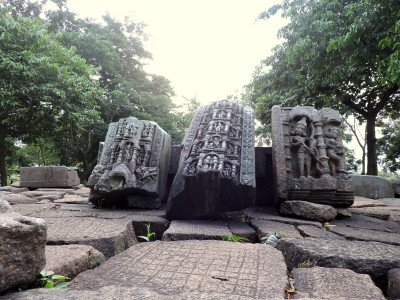
    Explore the Architecture and Relics: Take time to observe the temple's architectural blend of Assamese and Hindu styles. Beyond the main structure, one of the most rewarding activities is to carefully search for and examine the ancient stone carvings and archaeological remnants scattered in the temple premises. These fragments, some dating back to the 9th century, provide a tactile connection to the region's ancient past and are invaluable for history enthusiasts and scholars.

    Enjoy the Panoramic River View: The temple's location on the hillock provides a fantastic vantage point. A must-do activity is to spend time viewing the majestic Brahmaputra River and the Kolia Bhomora Setu. The confluence of the Brahmaputra and Bharali rivers, visible from this site, is particularly picturesque. This activity is best during the cooler hours of the day—early morning or late afternoon—for photography and quiet reflection.

    Photography and Scenic Capture: The temple, set against the backdrop of the vast river and the bridge, is an excellent spot for photography. Capture the temple's unique architecture, the vibrant colors of the rituals, and the stunning natural landscape. The sweeping river view and the architectural details of the ancient stone remnants offer diverse photographic subjects.

    Attend Festivals and Special Events: Planning a visit to coincide with major Hindu festivals, such as Durga Puja, Kali Puja, and Navratri, is a highly enriching experience. During these periods, the temple comes alive with immense festive fervor, cultural programs, and special rituals that draw huge crowds and offer a unique insight into the vibrant spiritual and cultural traditions of Assam.

    Combine the Visit with Nearby Attractions: The Bhairabi Temple is often visited as part of a larger tour of Tezpur's historical sites. Since the temple visit typically takes only 1-2 hours, combine it with visits to nearby landmarks like the historical Agnigarh Hill (2 KMS away), the ancient ruins of Bamuni Hills (very close by), and the modern marvel of the Kolia Bhomora Setu.

Resturants

Show All

Information

  • ...

    Why Famous:

    Historical and Mythological Significance: The temple's primary fame stems from its deep connection to the mythological history of Tezpur (ancient Sonitpur). It is renowned as the place where Princess Usha, the daughter of King Banasura, worshipped Goddess Bhairabi. This as...
    Historical and Mythological Significance: The temple's primary fame stems from its deep connection to the mythological history of Tezpur (ancient Sonitpur). It is renowned as the place where Princess Usha, the daughter of King Banasura, worshipped Goddess Bhairabi. This association places the temple's roots in the age of the Puranas, making it one of the most historically and spiritually resonant sites in Assam. The enduring legend of Usha and Aniruddha's love story, often linked to this temple, draws both pilgrims and history enthusiasts.

    Status as a Shakti Peetha: The Bhairabi Temple is regarded as one of the prominent Shakti Peedams in Assam, dedicated to Goddess Bhairabi, a powerful manifestation of Goddess Durga. This designation is central to its fame, attracting thousands of Hindu devotees, particularly those who follow the Shaktism tradition, to seek the Goddess's blessings for strength, prosperity, and protection. The temple is a vital center for the worship of the feminine divine energy (Shakti).

    Scenic Location and Vistas: Another significant reason for its fame is its picturesque location. Situated on a small hillock, the temple offers breathtaking panoramic views. Visitors are drawn not just by the spiritual atmosphere but also by the stunning natural beauty, especially the vantage point overlooking the majestic Brahmaputra River and the impressive engineering marvel, the Kolia Bhomora Setu. The confluence of the Brahmaputra and Bharali rivers visible from here adds to its scenic appeal.
  • ...

    Architecture:

    Architectural Style and Materials: The current Bhairabi Temple exhibits a blend of traditional Assamese and Hindu architectural styles. The primary construction materials include red bricks and white marble, which give the temple a distinct and appealing appearance. The st...
    Architectural Style and Materials: The current Bhairabi Temple exhibits a blend of traditional Assamese and Hindu architectural styles. The primary construction materials include red bricks and white marble, which give the temple a distinct and appealing appearance. The structure is built on a hillock, and devotees must climb a path or staircase to reach the main shrine, a typical feature of temples designed to evoke a sense of spiritual ascent. The design is simple yet spiritually evocative, focusing on the sanctity of the main shrine.

    The Sanctum Sanctorum (Garbhagriha): The main sanctum is the focal point, housing the idol of Goddess Bhairabi. The Goddess is typically adorned with traditional Assamese ornaments and clothing, representing the local cultural reverence for the deity. The internal layout of the temple complex is traditional, with the main temple, a Nat Mandir (hall for religious performances), and smaller shrines dedicated to other Hindu deities.

    Dimensions and Layout: Specific dimensions of the main temple building are not widely documented, as the focus is on the spiritual significance rather than large-scale monumental size. However, the temple complex includes the main shrine, which is not excessively large, along with a surrounding area that accommodates the smaller shrines, a small garden, and a pond. The presence of stone relics and broken stone pillars around the complex suggests that the original ancient structure was likely a stone-sculpted temple of significant size and detail, similar to other archaeological findings in the region dating back to the Salasthambha Dynasty (8th-10th century A. D. ).
  • ...

    How To Reach:

    By Air: The nearest airport to Tezpur is the Tezpur Airport (Salonibari Airport, IATA: TEZ). This airport connects Tezpur with major cities like Guwahati and Kolkata with limited flight services. The Bhairabi Temple is located approximately 17 to 20 KMS from Tezpur Airport...
    By Air: The nearest airport to Tezpur is the Tezpur Airport (Salonibari Airport, IATA: TEZ). This airport connects Tezpur with major cities like Guwahati and Kolkata with limited flight services. The Bhairabi Temple is located approximately 17 to 20 KMS from Tezpur Airport. Upon arrival, visitors can hire pre-paid taxis, private cabs, or use app-based taxi services to reach the temple. Alternatively, the nearest major international airport is Lokpriya Gopinath Bordoloi International Airport (GAU) in Guwahati, which is about 170 KMS away. From Guwahati, one can take a direct cab, bus, or train to Tezpur.

    By Train: The nearest major railway station is Dekargaon Railway Station (DKGN), which is the terminal for Tezpur and is located around 8 to 10 KMS from the temple. It has limited connectivity. A more well-connected and major railway station is Rangapara North Junction (RPAN), about 20 KMS away, or Guwahati Railway Station (GHY), about 180 KMS away. From Dekargaon or Rangapara North, tourists can easily hire an auto-rickshaw or a local cab to reach the Bhairabi Temple. From Guwahati, one can opt for a train to a closer station or travel to Tezpur by bus or taxi.

    By Road (Bus/Car): Tezpur is well-connected by road through National Highway 15 (NH 15) and other state highways. State-run and private bus services, including sleeper and non-sleeper buses, operate regularly between Tezpur and major cities within Assam like Guwahati, Jorhat, Dibrugarh, and Nagaon. Visitors can take a bus to the Tezpur Inter-State Bus Terminus (ISBT). From there, the temple is easily accessible by local transport. Driving to Tezpur in a private or hired car is also a comfortable option, offering flexibility.

    By Local Transport: Once in Tezpur city, reaching the Bhairabi Temple is easy due to its prominence.

    Local transport options include:

    Auto-rickshaws: These are readily available from all parts of the city and are the most common and cost-effective way to reach the temple. Negotiate the fare beforehand or ensure the driver uses the meter.

    E-Rickshaws (Toto): These battery-operated vehicles are popular for short distances within the city and are an eco-friendlier option.

    Taxis/Cabs: Private taxis or app-based services (if available) can be hired for a more comfortable and direct journey. The temple is located on the eastern outskirts, and the journey from the city center is generally brief.
  • ...

    Weather and Best Time to Visit:

    The Pleasant Winter Season (October to March): The best and most popular time to visit the Bhairabi Temple is during the winter season, which runs from October to March. During these months, the weather in Tezpur is cool, pleasant, and highly conducive for sightseeing and o...
    The Pleasant Winter Season (October to March): The best and most popular time to visit the Bhairabi Temple is during the winter season, which runs from October to March. During these months, the weather in Tezpur is cool, pleasant, and highly conducive for sightseeing and outdoor activities. Temperatures generally range from a cool 10°C to a moderate 25°C. This season avoids the intense heat and humidity of summer and the heavy rainfall of the monsoon. It also coincides with major festivals like Durga Puja and Navratri (September to October), which offer a vibrant cultural and spiritual experience.

    The Hot Summer Season (April to May): The summer season can be quite hot and humid, with temperatures often soaring, making daytime visits less comfortable. While the temple remains open, it is advisable to visit only during the early morning or late afternoon to avoid the peak heat. Bihu festival in April is a special time, culturally, despite the warming weather.

    The Heavy Monsoon Season (June to September): The monsoon brings heavy and frequent rainfall to Assam, which can lead to travel disruptions, water logging, and difficulty in climbing the hillock steps to the temple. The humidity is also high. Visitors should generally avoid this period, or if they must travel, they should be prepared with appropriate gear and flexible travel plans.

    Best Part of the Day (Early Morning): For a tranquil and deeply spiritual experience, the early morning (6:00 AM to 8:00 AM) is the most ideal part of the day to visit. The air is calm, the natural light is soft, and the atmosphere is perfect for quiet prayer and meditation before the main rush begins.

    Best Part of the Day (Late Afternoon/Evening): For photography and enjoying the scenic vistas, the late afternoon (4:00 PM to 6:00 PM) is the best time, as the sunlight is ideal, and the view over the Brahmaputra River and the Kolia Bhomora Setu is spectacular.
  • ...

    Near Tourist Places:

    1.

    Agnigarh Hill: Historical landmark with panoramic views (~2 KMS)2.

    Bamuni Hills: Archaeological and historical ruins (~1 KM)3.

    Kolia Bhomora Setu: Bridge over the Brahmaputra River (Visible from the temple, close proximity)4.

    Mahabhairab Temple: Famous Shiva temple in Tezpur (~5 KMS)5.

    Chitralekha Udyan (Cole Park): Public park with historical relics (~6 KMS)6.

    Hazara Pukhuri: Large historical tank (~7 KMS)7.

    Padum Pukhuri: Lotus Pond and recreational park (~8 KMS)8.

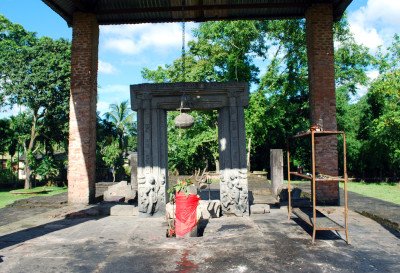
    Da-Parbatia Ruins: Remains of an ancient temple with a carved stone doorframe (~10 KMS)9.

    Nameri National Park: Wildlife sanctuary (~35 KMS)10.

    Kaziranga National Park: World-renowned for the One-Horned Rhinoceros (~60 KMS)

Tourism Tips

  • ...
    Health & Safety Considerations: Always carry a basic first-aid kit, especially if traveling with children or the elderly, including medications for common ailments. The temple is situated on a hillock, requiring a climb via a staircase; wear comfortable, non-slip footwear ...
    Health & Safety Considerations: Always carry a basic first-aid kit, especially if traveling with children or the elderly, including medications for common ailments. The temple is situated on a hillock, requiring a climb via a staircase; wear comfortable, non-slip footwear for stability. During the summer and shoulder seasons, apply a good quality insect repellent and stay hydrated by drinking plenty of water. Be cautious of monkeys within the complex, especially if carrying food. Ensure you carry your personal identification and an emergency contact number.

    Packing Essentials: Since the temple requires modest dressing, pack traditional or simple, conservative clothing (e. g. , Salwar Kameez, Saree for women; Dhoti, plain shirt and pants for men). Avoid short skirts, shorts, and revealing tops out of respect. Carry a light shawl or scarf for coverage. Pack your camera (for the scenic views) and a pair of easy-to-remove footwear (sandals or slip-ons), as shoes must be removed before entering the shrine. A raincoat or umbrella is essential if visiting during the shoulder seasons or monsoon.

    Accommodation Options: Tezpur offers a range of accommodations to suit different budgets. Visitors can find luxury and mid-range hotels near the city center, which is approximately 5-7 KMS from the temple. Budget hotels and guesthouses are also available, especially near the main road and bus stand. For a unique experience, consider staying at a nearby tea estate resort. It is highly recommended to book your accommodation in advance, especially if traveling during the peak tourist season (October to March) or during major festivals like Durga Puja.

    Cultural Sensitivity and Conduct: As a sacred site, always maintain a reverent and quiet demeanor inside the temple premises. Do not photograph the main deity or inside the sanctum sanctorum unless explicitly permitted. Be respectful of local customs, especially during Pujas and rituals. If you wish to photograph devotees, always ask for permission first. Only offer donations through the official collection boxes.

    Local Transport Advice: When hiring local transport like auto-rickshaws, negotiate the fare before starting the journey to avoid being overcharged. It is always wise to take down the driver's details and vehicle number for safety.

    Other General Tips: Carry enough cash as small vendors and local transport may not accept digital payments. Learn a few basic phrases in Assamese or Hindi; this can greatly enhance your interaction with the local people. Plan your visit to include a meal at a local restaurant to sample authentic Assamese cuisine.

Reviews

FAQs

Tezpur Itineray And Cost:-

Information about New and Updated Locations() of Assam Has Been Added :-
Card subtitle

Note:-

Information provided here in good Faith and for reference only.

All information and pictures will be updated soon, please keep visiting.

Near Places
...
Agnigarh Hill

Some quick example text to build on the card title and make up the bulk of the card's content.

Go somewhere
...
Agnigarh View Point

Some quick example text to build on the card title and make up the bulk of the card's content.

Go somewhere
...
Bamuni Hills

Some quick example text to build on the card title and make up the bulk of the card's content.

Go somewhere
...
Bhairabi Temple

Some quick example text to build on the card title and make up the bulk of the card's content.

Go somewhere
...
Bharali New Bridge Tezpur Side

Some quick example text to build on the card title and make up the bulk of the card's content.

Go somewhere
...
Bhomoraguri Historical Stone

Some quick example text to build on the card title and make up the bulk of the card's content.

Go somewhere
...
Bura Chapori Wildlife Sanctuary

Some quick example text to build on the card title and make up the bulk of the card's content.

Go somewhere
...
Chitralekha Udyan

Some quick example text to build on the card title and make up the bulk of the card's content.

Go somewhere
...
Da-Parbatia Gate

Some quick example text to build on the card title and make up the bulk of the card's content.

Go somewhere
...
Da Parbatia

Some quick example text to build on the card title and make up the bulk of the card's content.

Go somewhere
in Other Cities
