Ganesh Ghat Temple
General information
-
Ideal Duration:
1 to 2 hoursPlace Type:
Religious/Historical Site and River GhatEntry Fees:
General Entry: There is no entry fee for visiting the Ganesh Ghat Temple or accessing the Ganesh Ghat area. It is a place of public worship and a public riverbank access point, thus entry is free for all visitors and devotees at any time.
Donat...General Entry: There is no entry fee for visiting the Ganesh Ghat Temple or accessing the Ganesh Ghat area. It is a place of public worship and a public riverbank access point, thus entry is free for all visitors and devotees at any time.
Donations and Offerings: While entry is free, visitors may choose to make voluntary donations for the temple's maintenance or to purchase prasad (offerings) from the small shops outside. These donations are entirely optional and vary according to the visitor's wish, usually ranging from Rs. 10 to Rs. 100 or more.
Fees for Rituals: If a visitor wishes to perform a specific, elaborate Hindu ritual, such as a special puja or a ceremony for ancestors (shradh), they might have to pay a fee to the officiating priest (pandit). These fees are not fixed by the temple authority but are a traditional payment for the priest's service, ranging from Rs. 200 to Rs. 1000 or higher, depending on the complexity of the ritual.
Photography and Videography Fees: Generally, there are no official fees for casual photography. However, if a professional shoot or commercial videography is planned, it is highly recommended to seek prior permission from the local authorities or the temple committee, and a nominal fee might be applicable in such cases.Timing:
Regular Temple Timings: The Ganesh Ghat Temple generally remains open to devotees and visitors from sunrise to sunset, approximately from 5:00 AM to 7:00 PM. However, the ghat area itself, being an open riverbank, is accessible 24 hours a day. The main sanctum and the idol...Regular Temple Timings: The Ganesh Ghat Temple generally remains open to devotees and visitors from sunrise to sunset, approximately from 5:00 AM to 7:00 PM. However, the ghat area itself, being an open riverbank, is accessible 24 hours a day. The main sanctum and the idol are typically open during the main prayer times.
Ideal Visit Time for Spirituality: The most ideal time for a spiritual visit is during the early morning, around 5:30 AM to 7:00 AM. This is when the air is calm, the morning aarti is performed, and you can witness the sun rising over the Brahmaputra, offering a deeply peaceful experience before the day’s heat and activity begin.
Ideal Visit Time for Photography/Scenery: For the best photographic light and stunning scenic views, the late afternoon to sunset time, around 4:00 PM to 6:00 PM, is highly recommended. The soft, golden light is perfect for capturing the river, the boats, and the ghat in its most picturesque state.
Mid-Day Timings: While the temple is generally open, the mid-day hours (from 11:00 AM to 3:00 PM) can be very hot, especially from April to September, and are less ideal for a visit unless you prefer less crowd. (Approx. )Special Events:
Ganesh Chaturthi Celebration: The most significant special event is the annual festival of Ganesh Chaturthi, usually celebrated in the August or September month. As the temple is dedicated to Lord Ganesha, this festival is marked by spectacular celebrations, extended pujas,...Ganesh Chaturthi Celebration: The most significant special event is the annual festival of Ganesh Chaturthi, usually celebrated in the August or September month. As the temple is dedicated to Lord Ganesha, this festival is marked by spectacular celebrations, extended pujas, community feasting (bhog), and the immersion of temporary clay idols in the Brahmaputra River at the ghat. The atmosphere during this time is highly festive and spiritually charged.
Magh Bihu Snan: The ghat becomes a center of ritual activity during the Magh Bihu festival in the month of January. Devotees, especially in the early morning, take a holy dip (snan) in the Brahmaputra River, believing it to cleanse their sins and bring good fortune. This event highlights the cultural and religious importance of the river.
Local River-Based Festivals: The Ganesh Ghat is also the venue for smaller, localized events connected to the Brahmaputra River's life cycle and traditional calendar. These events often involve boat racing ceremonies, offering prayers to the river deity, and collective aarti sessions, which offer a distinct flavor of Assamese riverside culture.Best Photo Spots:
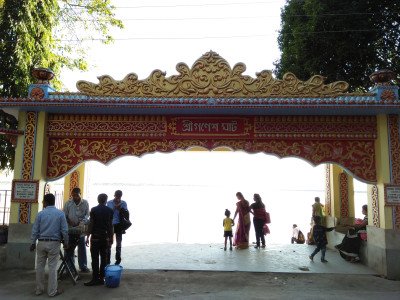
The Panoramic River View from the Ghat Steps: The long, broad flight of steps descending to the Brahmaputra River provides an iconic frame. The best photo is taken from the top of the steps, looking down and across the vast river, especially during the golden hours of sunri...The Panoramic River View from the Ghat Steps: The long, broad flight of steps descending to the Brahmaputra River provides an iconic frame. The best photo is taken from the top of the steps, looking down and across the vast river, especially during the golden hours of sunrise or sunset. This shot captures the scale of the river and the historical importance of the ghat.
The Ancient Ganesha Idol Interior: With due respect and permission (if required), a close-up photo of the ancient 3-foot stone Ganesha idol is essential. Capturing the intricate details of the carving, often adorned with fresh flowers and sindoor (vermilion), highlights the temple's historical and religious essence. Ensure to use natural light to bring out the texture of the stone.
Silhouette of Boats at Sunset: As the sun dips below the horizon, the fishing and country boats moving across the Brahmaputra River create a stunning silhouette. Position yourself to capture the sun setting behind the boats, with the river's water reflecting the fiery colors of the sky. This is a quintessential Ganesh Ghat photograph.
Architectural Details of the Ghat: Focus on the textures of the stone or concrete used in the ghat's construction, perhaps contrasting it with the flowing water or the bright clothes of the devotees. Shots focusing on the patterns of the steps or the decorative elements of the modern temple structure add visual interest. (Approx. )Photo Gallery
Things To Do
-
Participate in Morning and Evening Prayers: This is a primary activity. Visitors can join the local devotees during the regular morning aarti (ritual of light) and evening sandhya (twilight) prayers. The rhythmic chanting and the sound of bells create a profoundly spiritual atmosphere, offering an authentic glimpse into Assamese religious life.
Meditate by the Brahmaputra River: The vast, quiet expanse of the river from the ghat is an ideal spot for quiet contemplation or meditation. Finding a spot on the steps or a quiet corner in the temple complex and spending time in silence is highly recommended for inner peace.
Explore the Ancient Ganesha Idol: Take time to closely observe and appreciate the ancient 3-foot stone idol of Lord Ganesha. Study the carving style and contemplate its historica...Participate in Morning and Evening Prayers: This is a primary activity. Visitors can join the local devotees during the regular morning aarti (ritual of light) and evening sandhya (twilight) prayers. The rhythmic chanting and the sound of bells create a profoundly spiritual atmosphere, offering an authentic glimpse into Assamese religious life.
Meditate by the Brahmaputra River: The vast, quiet expanse of the river from the ghat is an ideal spot for quiet contemplation or meditation. Finding a spot on the steps or a quiet corner in the temple complex and spending time in silence is highly recommended for inner peace.
Explore the Ancient Ganesha Idol: Take time to closely observe and appreciate the ancient 3-foot stone idol of Lord Ganesha. Study the carving style and contemplate its historical journey from the 9th or 10th century, making sure to show reverence to the deity.
Photography of the Riverside Scenery: The ghat provides exceptional photography opportunities. Focus on capturing the wide panoramic views of the Brahmaputra, the silhouetted boats, the vibrant colors of the sunrise or sunset, and the architectural details of the steps leading to the river.
Attend a Ritual or Ceremony: If a religious ceremony, such as a pind daan (post-death ritual) or a boat puja, is happening, observe it respectfully from a distance. These events are crucial aspects of the Hindu faith and offer great cultural insight.
Enjoy a Riverside Walk: Take a leisurely walk along the riverbank area near the ghat. The fresh air and the open space are perfect for a refreshing stroll. It is an excellent way to absorb the local atmosphere and watch the river traffic.
Interact with Local Vendors and People: Near the ghat, you might find small vendors selling flowers, prasad (offerings), and other items. A brief, respectful conversation with them or the local people can provide insights into their daily life and the spiritual significance of the ghat.
Visit the Nearby DC Office Area: The District Commissioner's Office area is nearby, and the vicinity often has other small parks or viewpoints. Combining the temple visit with a short exploration of the nearby administrative heart of Tezpur can offer a broader view of the city. (Approx. )
Information
-
Why Famous:
Ancient Idol of Lord Ganesh: The temple's primary fame rests on its ancient, meticulously carved stone idol of Lord Ganesha. This idol, dating back to the 9th–10th century, is a significant archaeological find and a rare piece of Assamese history and sculpture. It provid...Ancient Idol of Lord Ganesh: The temple's primary fame rests on its ancient, meticulously carved stone idol of Lord Ganesha. This idol, dating back to the 9th–10th century, is a significant archaeological find and a rare piece of Assamese history and sculpture. It provides a tangible link to the region's early medieval past, attracting history buffs and archaeologists.
Proximity to the Brahmaputra River: The location on the banks of the majestic Brahmaputra River is a major draw. The combination of a deeply spiritual site with the immense natural beauty of the river creates a serene and powerful atmosphere. The ghat is one of the best spots in Tezpur to witness the grandeur of the river, especially during sunrise and sunset.
Spiritual and Ritual Significance: As a sacred ghat, it is a vital center for Hindu religious rites and rituals in Tezpur. Devotees use the steps of the ghat for offering prayers to the river, performing post-death rituals, and offering Arghya (water offerings). This continuous religious activity makes it a pulsating center of local spiritual life. The daily prayers and the peaceful ambiance of the temple dedicated to Lord Ganesha are cornerstones of its popularity. (Approx. ) -
Architecture:
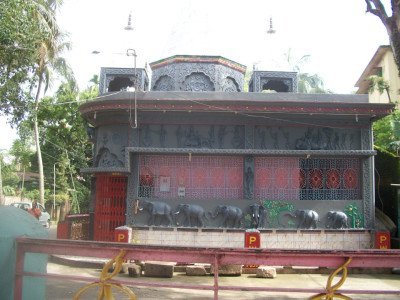
Architectural Style and Materials: The existing structure of the Ganesh Ghat Temple is predominantly a modern temple construction, diverging from the ancient styles often seen in other historical temples of the region. It is typically built using contemporary materials like...Architectural Style and Materials: The existing structure of the Ganesh Ghat Temple is predominantly a modern temple construction, diverging from the ancient styles often seen in other historical temples of the region. It is typically built using contemporary materials like concrete, reinforced cement, and painted finishes. While the temple houses a very old, historical stone idol, the surrounding shrine is relatively recent, designed to provide a durable and spacious area for worship. The architecture is simple and functional, designed to cater to the needs of a modern congregation while maintaining a traditional temple aesthetic.
Historical Idol and Dimension: The true architectural and historical marvel of the site is the ancient, carved stone image of Lord Ganesha. This idol is estimated to be approximately 3 feet tall and is a testament to the sculptural art prevalent in Assam between the 9th and 10th centuries. This relic is believed to have survived various historical upheavals, making it an invaluable piece of heritage. Its carving style likely reflects the post-Gupta or early medieval art period of Assam, characterized by detailed work and an expressive form. The idol is housed within the modern temple, where it remains the primary object of veneration. The original artistic dimension and historical context of this 3-foot stone idol are more significant than the dimensions of the modern temple structure.
Layout and Riverside Integration: The temple complex is integrated with the Ganesh Ghat itself, which is the flight of steps leading down to the Brahmaputra River. This integration of the religious structure with the riverbank is characteristic of many Hindu places of worship built near major water bodies. The layout is designed to facilitate easy access for devotees to perform puja (worship) and snan (ritual bathing) in the holy river. The open space around the ghat provides a communal area, and the temple, though modern, serves as a peaceful sanctum overlooking the vast river. The overall design prioritizes accessibility and a spiritual connection to the river. (Approx. ) -
How To Reach:
By Air: The nearest airport to Tezpur is Tezpur Airport (TEZ) in Saloni, located about 10 to 15 KMS from the city center. This airport has limited connectivity, primarily to Kolkata. Another major airport is Guwahati's Lokpriya Gopinath Bordoloi International Airport (GAU)...By Air: The nearest airport to Tezpur is Tezpur Airport (TEZ) in Saloni, located about 10 to 15 KMS from the city center. This airport has limited connectivity, primarily to Kolkata. Another major airport is Guwahati's Lokpriya Gopinath Bordoloi International Airport (GAU), which is about 180 KMS away. From Tezpur Airport, you can hire a prepaid taxi or a local auto-rickshaw to reach Ganesh Ghat Temple directly. The journey takes about 30 minutes. From Guwahati Airport, one would typically take a taxi or bus to Tezpur and then local transport.
By Train: The nearest railway station is Tezpur (TZTB) or, more practically, the major junction at Rangapara North (RPN), which is about 35 KMS away and better connected with other parts of India. Another significant station is Dekargaon (DKGN), a few kilometers away. From any of these stations, one can easily hire a shared auto-rickshaw or a private taxi/cab to reach the Ganesh Ghat Temple in the main Tezpur town.
By Road: Tezpur is very well-connected by road via National Highway 15 (NH-15) and others. Regular, affordable bus services (both government and private) ply from major cities like Guwahati, Jorhat, and Tinsukia. The bus stand is centrally located in Tezpur. From the bus stand, the temple is only a short, 5 to 10 minute ride away. If driving, the temple is easy to locate in the Mahabhairab area, near the District Commissioner's Office.
By Local Transport: Within Tezpur city, reaching Ganesh Ghat Temple is simple and inexpensive. Cycle-rickshaws and auto-rickshaws are the most common and easily available forms of local transport. Simply tell the driver "Ganesh Ghat" or "Ganesh Mandir" near the DC Office. As the temple is very close to the city center, a ride from most parts of the main city will be quick, typically costing between Rs. 30 to Rs. 100. -
Weather and Best Time to Visit:
The Winter Season (October to March): This is undoubtedly the best time to visit Ganesh Ghat Temple. The weather is pleasantly cool, with temperatures ranging from 10Rs.C to 25Rs.C. The mild climate is perfect for sightseeing, enjoying the riverside views without discomfort, a...The Winter Season (October to March): This is undoubtedly the best time to visit Ganesh Ghat Temple. The weather is pleasantly cool, with temperatures ranging from 10Rs.C to 25Rs.C. The mild climate is perfect for sightseeing, enjoying the riverside views without discomfort, and participating in outdoor aartis and walks. The air is often clearer, providing the best views of the Brahmaputra River.
The Summer Season (April to June): This period is characterized by hot and humid weather, with temperatures often soaring above 30Rs.C. Visits during this time should be restricted to the very early morning or late evening to avoid the intense heat. The environment can be less comfortable for extended stays at the ghat.
The Monsoon Season (July to September): The monsoon brings heavy rainfall, which, while making the surrounding greenery lush, can also disrupt travel and sightseeing. The Brahmaputra River swells and may obscure parts of the ghat. If visiting, carry umbrellas and waterproof gear, and be prepared for potential transportation delays.
Different Parts of the Day:
Golden Hours: The most rewarding times for a visit are the early morning (sunrise) or late afternoon (sunset). These "golden hours" offer the best lighting for photography and a truly peaceful ambiance for a spiritual experience. Mid-day is best avoided due to the heat. -
Near Tourist Places:
Agnigarh Hill:
(2 KMS): A hillock with a fortress history and panoramic city/river views.
Mahabhairab Temple: (2.
5 KMS): An ancient Shiva temple with a constantly growing Shivalinga.
Chitralekha Udyan (Cole Park): (1.
5 KMS): A picturesque park with boating facilities.
Padum Pukhuri:
(1 KMS): A lake with a central island park accessible by a bridge.
Bhairabi Temple (Bhairabi Mandir):
(
5 KMS): Another important Hindu temple on a hilltop offering river views.
Da Parbatia Temple Ruins:
(10 KMS): Famous for its ancient stone door frame dating back to the 6th century.
Kolia Bhomora Setu:
(8 KMS): A long concrete bridge over the Brahmaputra River.
Ketakeshwar Dewal:
(3 KMS): A unique Shiva temple known for its large fallen Shivalinga.
Bamuni Hills Ruins:
(1
5 KMS): Archaeological site with ancient sculptural ruins.
Nameri National Park:
(3
5 KMS): For wildlife lovers and river rafting (requires a longer visit).
Tourism Tips
-
Health & Safety:
Respect the River: The Brahmaputra River is powerful and deep. Visitors should never attempt to swim in the main river flow near the ghat, especially during the monsoon. Be mindful of the steps, which can be slippery when w...Health & Safety:
Respect the River: The Brahmaputra River is powerful and deep. Visitors should never attempt to swim in the main river flow near the ghat, especially during the monsoon. Be mindful of the steps, which can be slippery when wet.
Local Water Quality: Only drink bottled water. Carry an insect repellent, especially for evening visits near the water body.
Packing:
Appropriate Attire: Since it is a place of worship, it is advisable to wear modest clothing that covers the shoulders and knees. Light cotton clothes are best for the summer and rainy seasons, while a light jacket or shawl is needed for the pleasant winter months.
Essentials: Carry sunglasses, a hat, and sunscreen if visiting during the day. A good camera is a must for capturing the scenic river views.
Accommodation:
Proximity to the Ghat: Tezpur offers a range of accommodation from budget hotels to mid-range options, many of which are located within 1 to 3 KMS of the Ganesh Ghat Temple in the Mahabhairab or main city areas (e. g. , Hotel KRC Annexe, Hotel Centre Point). Book accommodation in advance, particularly if traveling during major festivals like Ganesh Chaturthi or the peak tourist season (November to February).
Other Topics:
Respectful Behavior: Maintain silence and decorum inside the temple and on the ghat steps, especially during prayer times. Ask for permission before taking close-up photos of devotees or priests performing rituals.
Local Cuisine: Try the local Assamese cuisine at nearby eateries. Dishes featuring fresh river fish are a specialty in this region.
Currency and Language: Local transport and small vendors prefer cash (Indian Rupees). Assamese and Hindi are widely spoken, but English is understood by hotel staff and many educated locals. (Approx. )
Reviews
FAQs
Tezpur Itineray And Cost:-
Ganesh Ghat Temple Tourism:-
Information about New and Updated Locations() of Assam Has Been Added :-
Card subtitle
Note:-
Information provided here in good Faith and for reference only.
All information and pictures will be updated soon, please keep visiting.
Near Places
Agnigarh Hill
Some quick example text to build on the card title and make up the bulk of the card's content.
Go somewhere
Agnigarh View Point
Some quick example text to build on the card title and make up the bulk of the card's content.
Go somewhere
Bamuni Hills
Some quick example text to build on the card title and make up the bulk of the card's content.
Go somewhere
Bhairabi Temple
Some quick example text to build on the card title and make up the bulk of the card's content.
Go somewhere
Bharali New Bridge Tezpur Side
Some quick example text to build on the card title and make up the bulk of the card's content.
Go somewhere
Bhomoraguri Historical Stone
Some quick example text to build on the card title and make up the bulk of the card's content.
Go somewhere
Bura Chapori Wildlife Sanctuary
Some quick example text to build on the card title and make up the bulk of the card's content.
Go somewhereChitralekha Udyan
Some quick example text to build on the card title and make up the bulk of the card's content.
Go somewhere
Da-Parbatia Gate
Some quick example text to build on the card title and make up the bulk of the card's content.
Go somewhere
Da Parbatia
Some quick example text to build on the card title and make up the bulk of the card's content.
Go somewherein Other Cities
