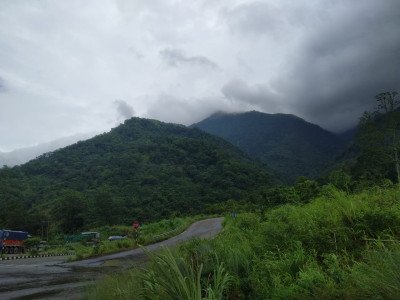
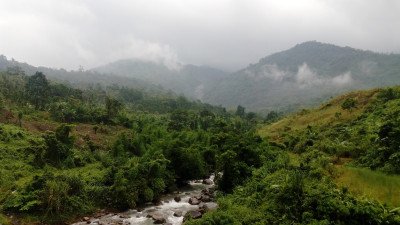
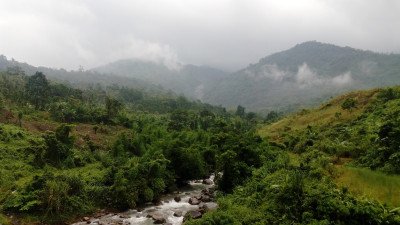
Haflong Hill
General information
-
Ideal Duration:
2-3 Hours (For enjoying the view, photography, and a short trek/walk around the summit area).Place Type:
Hill Station Viewpoint & Nature RetreatEntry Fees:
The Haflong Hill area, being an open hill and natural viewpoint managed by the district administration, generally does not have a mandatory entry fee for simply accessing the main viewpoint area.
Current Fee Structure (General Access): There is no ticket counter for...The Haflong Hill area, being an open hill and natural viewpoint managed by the district administration, generally does not have a mandatory entry fee for simply accessing the main viewpoint area.
Current Fee Structure (General Access): There is no ticket counter for general entry to the natural landscape of the hill. Tourists can freely access the main scenic spots and viewpoints throughout the regular operating hours. This welcoming approach encourages more visitors to enjoy the natural beauty.
Parking Fees (Variable): If you drive up to the designated parking areas near the summit or viewpoint, there may be a nominal parking fee collected by local management or the Dima Hasao Tourism Department. This fee is typically very small, ranging from Rs.20 to Rs.50 per vehicle, depending on the type (two-wheeler or car).
Activity-Based Fees: Specific organized activities on the hill will incur charges. For instance, Paragliding requires a paid package (usually several thousands of rupees). Similarly, hiring a certified local trekking guide is highly recommended and is a service for which a fee will be charged, varying based on the duration and complexity of the trek.
Photography/Filming Fees: While casual photography is free, commercial photography, drone usage, or large-scale filming projects may require prior permission from the district administration and involve a substantial fee. No fee for the general pedestrian visitor.Timing:
Regular Timings (Open Access): The main viewpoint area on Haflong Hill is generally open from sunrise to sunset, approximately 6:00 AM to 6:00 PM daily. Since it's a natural landmark and not a closed park, access for walking on the road and trails is technically possible 24...Regular Timings (Open Access): The main viewpoint area on Haflong Hill is generally open from sunrise to sunset, approximately 6:00 AM to 6:00 PM daily. Since it's a natural landmark and not a closed park, access for walking on the road and trails is technically possible 24/7, but it is highly recommended to visit only during daylight hours for safety and for the best views.
Ideal Visit Time (Golden Hours): The absolute best time for a visit is during the 'Golden Hours': Sunrise (around 5:30 AM to 7:00 AM) for witnessing the mist and first light, and Sunset (around 4:30 PM to 6:00 PM) for the spectacular colors over the valley. Visiting mid-day (10:00 AM to 3:00 PM) offers the clearest panoramic view, but the light can be harsh for photography.
Winter Season Priority: During the Winter months (October to February), the air is clearer, and the sky is often cloudless, providing the most spectacular long-distance views. A visit during these months is considered the most ideal, despite the colder temperatures in the early morning.
Monsoon Caution: During the Monsoon (May to September), visibility is often poor due to cloud cover and heavy rain, and access may be restricted due to road conditions, making this the least ideal time for viewing.Special Events:
Judima Festival (December/January): While not held on the hill itself, the Judima Festival (celebrating the traditional rice wine of the Dimasa tribe) is the most significant annual event in Haflong. The hill serves as the primary vantage point and backdrop for visitors com...Judima Festival (December/January): While not held on the hill itself, the Judima Festival (celebrating the traditional rice wine of the Dimasa tribe) is the most significant annual event in Haflong. The hill serves as the primary vantage point and backdrop for visitors coming to the town for the festival, offering a spectacular overall experience. Local Harvest Festivals (e. g.
, Bushu Dima): The Dimasa tribe celebrates various harvest and post-harvest festivals, such as Bushu Dima (usually around January/February). These cultural events showcase traditional music, dance, and attire, attracting a large number of visitors to the region, indirectly increasing the footfall and vibrant atmosphere on and around Haflong Hill.
New Year's Eve/Day: Due to its spectacular view, the hill becomes a popular spot for locals and tourists to gather (with necessary permissions) to watch the final sunset of the year and greet the New Year's Day sunrise. This informal event creates a joyous, festive atmosphere unique to the destination.Best Photo Spots:
Sunrise Viewpoint Deck (The Golden Hour): The main viewing deck is strategically positioned to capture the dramatic sunrise. The best shots are taken as the sun emerges, bathing the misty valley and the distant Barail Range in a golden-orange glow. Capture wide-angle shots...Sunrise Viewpoint Deck (The Golden Hour): The main viewing deck is strategically positioned to capture the dramatic sunrise. The best shots are taken as the sun emerges, bathing the misty valley and the distant Barail Range in a golden-orange glow. Capture wide-angle shots showcasing the layers of mist below.
Pathways with Pine Trees: The winding paths and forest trails leading up to the summit are lined with tall pine and other native trees. These areas offer excellent opportunities for atmospheric, framed shots, especially during the mistier parts of the day, creating a sense of scale and depth.
The 'Cloud Sea' Perspective (Winter Mornings): During the peak Winter months, the hill is famous for the phenomenon where the valley is completely covered by a thick blanket of clouds. The hill's summit, rising above this 'cloud sea', offers incredibly dramatic and unique photo opportunities, making it a professional photographer's dream spot.
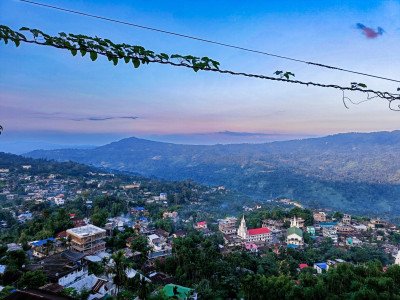
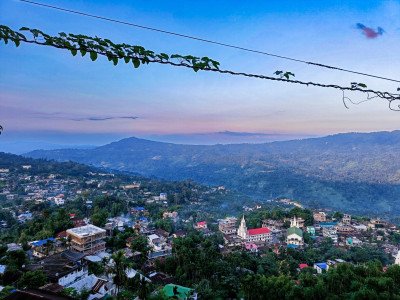
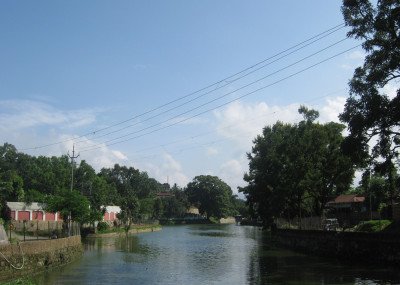
The Haflong Town Backdrop: From the higher vantage points, you can capture the entire town of Haflong and the distinct blue horseshoe shape of Haflong Lake nestled in the valley. This is the classic, defining shot of the hill station.
Local Flora and Fauna: The hill slopes are abundant in exotic flowers, especially the famous orchids. Close-up shots of these unique flowers and the vibrant indigenous birdlife can add a beautiful, focused detail to your collection, contrasting with the vast landscapes.Photo Gallery
Things To Do
-
Trekking and Hiking Adventures: Embark on a trek along the winding paths of the hill. You can choose a simple, scenic walk around the immediate summit area or take on a more rigorous half-day hike that explores the lower ridges and surrounding forest patches. Hiring a local guide is highly recommended to discover the best trails and ensure safety. This activity is best enjoyed in the crisp, clear weather of the Winter and Post-Monsoon seasons.
Paragliding for Adrenaline Junkies: For the adventurous, the high slopes offer suitable launch sites for paragliding. Soaring high above the valley provides a truly spectacular, bird's-eye view of the entire Dima Hasao landscape, including the lake and the distant Barail Mountains. This activity is subject to weather conditions and is usually available only through organized tour opera...Trekking and Hiking Adventures: Embark on a trek along the winding paths of the hill. You can choose a simple, scenic walk around the immediate summit area or take on a more rigorous half-day hike that explores the lower ridges and surrounding forest patches. Hiring a local guide is highly recommended to discover the best trails and ensure safety. This activity is best enjoyed in the crisp, clear weather of the Winter and Post-Monsoon seasons.
Paragliding for Adrenaline Junkies: For the adventurous, the high slopes offer suitable launch sites for paragliding. Soaring high above the valley provides a truly spectacular, bird's-eye view of the entire Dima Hasao landscape, including the lake and the distant Barail Mountains. This activity is subject to weather conditions and is usually available only through organized tour operators.
Photography Sessions at Sunrise and Sunset: The hill is the definitive location for landscape photography. Arrive before dawn to capture the golden rays of the sunrise piercing the valley mists, or in the late afternoon for the dramatic hues of a sunset over the hills. The panoramic view allows for wide-angle shots that capture the scale of the landscape and the tiny town below.
Bird Watching and Nature Walks: The forested slopes are a haven for various Himalayan and local bird species. Carry binoculars and spend time quietly observing the avian life. The surrounding area is also rich in unique flora, making a slow nature walk an educational and relaxing experience. Look out for the famous Blue Vanda Orchids in the right season.
Picnicking with a View: Pack a basket and enjoy a peaceful picnic at one of the designated spots near the main viewpoint. The refreshing air and stunning scenery create a perfect backdrop for a relaxing family or couples' meal.
Cultural Interaction: The areas surrounding the hill are home to the Dimasa tribe. Engaging with the local people, perhaps by visiting a small nearby village or a local market, can provide a deeper understanding of the local culture, customs, and simple way of life in the hills.
Exploring the Local Town: While the hill is the main attraction, a visit to the small town of Haflong at the base of the hill is a must. Stroll around the main market, visit the beautiful Haflong Lake, and try the local cuisine, including the traditional Judima rice wine. The town provides a vibrant contrast to the serene isolation of the hill.
Star Gazing at Night: Due to its elevation and minimal light pollution, the hill offers a magnificent spot for star gazing on clear nights, especially during the Winter months. The constellations appear vividly, making it a spectacular experience for astronomy enthusiasts.
Information
-
Why Famous:
The Only Hill Station in Assam: Haflong Hill is renowned as the sole hill station in the state of Assam, earning it the moniker 'Switzerland of the Northeast'. This uniqueness draws tourists seeking an escape to a cool, misty climate and lush green landscape, which is a sta...The Only Hill Station in Assam: Haflong Hill is renowned as the sole hill station in the state of Assam, earning it the moniker 'Switzerland of the Northeast'. This uniqueness draws tourists seeking an escape to a cool, misty climate and lush green landscape, which is a stark contrast to the plains of Assam. The hill offers uninterrupted, sweeping views of the town and the Haflong Lake, making it a prime photographic and scenic destination.
Gateway to Adventure Tourism: The hill and its surrounding ranges are particularly famous for being the hub of adventure activities in the region. The varied terrain is ideal for trekking and hiking, with trails ranging from easy walks to more challenging routes through dense forests. It's also known for providing excellent launch points for paragliding during the dry season, attracting adrenaline junkies from across the country.
Home to Indigenous Culture: The area's fame is also tied to its role as the administrative headquarters of the Dima Hasao district, which is home to the Dimasa and other indigenous tribes. The hill acts as a cultural landmark, symbolizing the region's rich tribal heritage and history. Visitors come not just for the view but also to experience the unique cultural mosaic of the local people. -
Architecture:
Architectural Elements of the Hilltop Viewpoint The "architecture" of Haflong Hill is primarily natural, dominated by the geological structure of the Barail Range. However, man-made structures exist to facilitate tourism, mainly focusing on observation decks and rest areas.
Read MoreArchitectural Elements of the Hilltop Viewpoint The "architecture" of Haflong Hill is primarily natural, dominated by the geological structure of the Barail Range. However, man-made structures exist to facilitate tourism, mainly focusing on observation decks and rest areas.
The Main Viewpoint Deck (Dimension & Material): The central viewing platform is typically a modest, multi-tiered structure, generally constructed from RCC (Reinforced Cement Concrete) and surfaced with stone or mosaic tiles to withstand the heavy monsoon. An average viewing deck might have a footprint of approximately 20 meters x 10 meters. It usually features a protective, low-height parapet wall or a simple metal railing (about 1. 2 meters high) painted in earthy colors like green or brown to blend with the environment. The design prioritizes an unobstructed 270-degree to 360-degree view.
Rest Shelters and Kiosks (Style & Scale): Scattered near the summit are small rest shelters and kiosks for local vendors. These structures often adopt the traditional North-Eastern architectural style, featuring sloped roofs (often corrugated metal or thatched, though modern ones use tiles) to manage heavy rainfall. They are typically open-sided or semi-enclosed, using local materials like bamboo and rough-hewn timber in their framing. The average dimensions for a small kiosk are around 3 meters x 4 meters with a roof height of about 3 meters.
Connectivity and Pathways (Construction): The main pathways and trails leading to the viewpoint are often simple, winding tracks. In the main tourist areas, these are sometimes paved with locally sourced river pebbles or concrete slabs. The aesthetic is generally rustic and minimalist, ensuring that the man-made elements do not detract from the hill’s natural grandeur, but rather enhance the visitor's ability to safely enjoy the sweeping vistas. The focus is on eco-friendly integration rather than elaborate structural design.How To Reach:
By Air (Fastest Route): The nearest airport is Kumbhirgram Airport (IXS) near Silchar, which is approximately 100 KMS away from Haflong. Direct flights connect Silchar to major Indian cities like Guwahati and Kolkata. From the airport, you must hire a pre-paid taxi or a pr...By Air (Fastest Route): The nearest airport is Kumbhirgram Airport (IXS) near Silchar, which is approximately 100 KMS away from Haflong. Direct flights connect Silchar to major Indian cities like Guwahati and Kolkata. From the airport, you must hire a pre-paid taxi or a private car. The drive takes about 3-4 hours through scenic mountain roads (NH-27). This is the fastest but often the most expensive option.
By Train (Most Scenic Route):
The town has its own railway station:
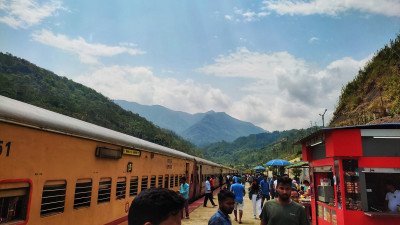
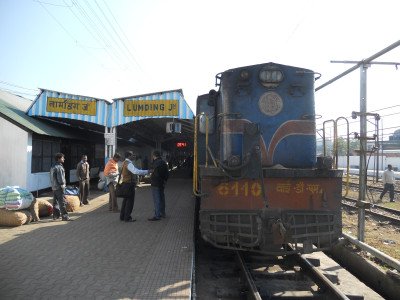
Haflong Hill Railway Station (station code: HFG). This station is on the Lumding-Silchar route. You can take a train from Guwahati to Haflong Hill. The journey is famously scenic, passing through tunnels and forests. The Vistadome tourist train from Guwahati offers a particularly memorable journey. From the station, the main town and the viewpoint are easily accessible by local taxi or auto. The journey from Guwahati takes approximately 6 to 8 hours.
By Road (Direct but Long): Haflong is well-connected by road, primarily via National Highway 27 (NH-27). Buses and private taxis are available from major cities in Assam like Guwahati (approx. 345 KMS) and Silchar (approx. 100 KMS). The journey from Guwahati can take upwards of 8-10 hours due to the winding mountain roads. Self-driving is an option for experienced mountain drivers.
By Local Transport (Within Haflong): From Haflong town center, you can hire a local auto-rickshaw or a taxi to reach the main viewpoint, which is only about 3-5 KMS away. The winding road is motorable. Many visitors also choose to walk a part of the way up for a leisurely experience.Weather and Best Time to Visit:
Winter Season (October to February): This is the Best Time to Visit. The weather is cool, crisp, and extremely pleasant, with temperatures ranging from 10°C to 23°C. The skies are generally clear, offering the most expansive and stunning panoramic views, perfect for phot...Winter Season (October to February): This is the Best Time to Visit. The weather is cool, crisp, and extremely pleasant, with temperatures ranging from 10°C to 23°C. The skies are generally clear, offering the most expansive and stunning panoramic views, perfect for photography and adventure sports like trekking and paragliding. The phenomenon of the 'cloud sea' is often visible in the early mornings during this period.
Summer Season (March to May): This is a Good Time to Visit. The temperature is mild, between 18°C to 28°C. It offers a welcome escape from the heat of the plains. The hills are vibrant, but afternoon visibility can sometimes be hazy. This period is great for long hikes and enjoying the town.
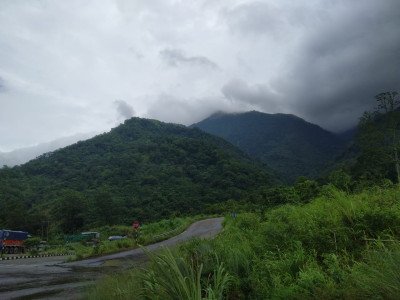
Monsoon Season (June to September): This is the Least Recommended Time. Heavy rainfall is frequent, leading to high humidity and a risk of landslides, which can disrupt travel and sightseeing. While the landscape is lushest green, visibility is often severely compromised by clouds and fog.
Ideal Part of the Day (Mornings):
The absolute best time is early morning (Sunrise: 5:30 AM - 7:00 AM) to capture the legendary view of the sun rising over the distant hills and the valley filled with mist.
Late afternoon (Sunset: 4:30 PM - 6:00 PM) is also highly recommended for the dramatic colors.Near Tourist Places:
Haflong Lake: 3-5 KMS (City Center).
Jatinga Bird Watching Centre: 9 KMS.
Panimoor Waterfalls (Kopili River): ~120 KMS (Best as a day trip).
Maibong (Ancient Dimasa Capital Ruins): 45 KMS.
Umrangso (Garampani Hot Springs): 112 KMS.
Orchid Garden Haflong: 5-7 KMS (Approx).
Barail Range Forest Trails: Surrounding Area.
Zemabawk Village: 25-30 KMS (Approx, known for its serenity).
Silchar (Nearest Major City/Airport): ~100 KMS.
Lumding (Major Railway Junction): ~60 KMS.Tourism Tips
-
Health & Safety (Mountain Awareness): Always carry essential first-aid supplies, including medication for motion sickness, pain relievers, and antiseptic cream, as medical facilities can be basic in remote areas. Be aware of the risks of mountain roads (winding, narrow, pro...Health & Safety (Mountain Awareness): Always carry essential first-aid supplies, including medication for motion sickness, pain relievers, and antiseptic cream, as medical facilities can be basic in remote areas. Be aware of the risks of mountain roads (winding, narrow, prone to landslides during monsoon) and drive or ride safely. When trekking, stick to marked trails and consider hiring a local guide to avoid getting lost. Respect the local wildlife and do not feed animals.
Packing (Be Prepared): The weather is unpredictable. Pack layers of clothing—light cotton for day and warm woolens or jackets for mornings/evenings, especially in Winter (October-February). Include rain gear (poncho/umbrella) even outside the monsoon. Carry a good pair of walking or trekking shoes, sunglasses, a hat, sunscreen, and a high-powered flashlight.
Accommodation (Booking Ahead): Options range from the official Circuit House and a few private hotels to more modest guesthouses and homestays. During peak season (October to February) and festival times, book your accommodation well in advance, as options are limited. Homestays offer a great way to experience local Dimasa culture and cuisine.
Other Important Tips (Cash and Culture): Carry enough cash (INR), as ATM availability can be limited, especially outside the main Haflong town. Respect the culture of the local tribal communities; ask for permission before taking close-up photos of individuals. Plastic use is often discouraged; carry a reusable water bottle. Remember to carry necessary ID proof (Aadhaar, Voter ID, etc. ) for check-ins and possible checks by authorities.
Reviews
FAQs
Haflong Itineray And Cost:-
Information about New and Updated Locations() of Assam Has Been Added :-
Card subtitle
Note:-
Information provided here in good Faith and for reference only.
All information and pictures will be updated soon, please keep visiting.
Near Places
Barail Range Forest
Some quick example text to build on the card title and make up the bulk of the card's content.
Go somewhere
Bendao Baglai Waterfalls
Some quick example text to build on the card title and make up the bulk of the card's content.
Go somewhere
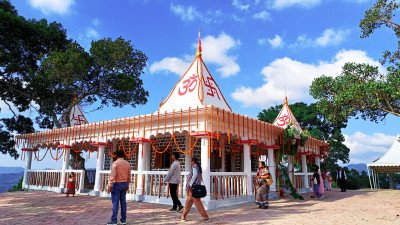
Devi Mandir View Point
Some quick example text to build on the card title and make up the bulk of the card's content.
Go somewhere
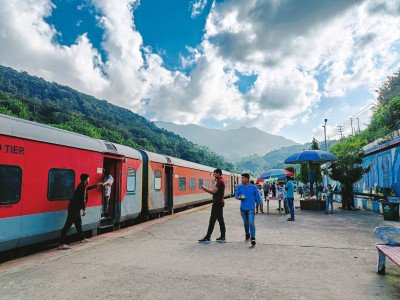
Dima Hasao Town
Some quick example text to build on the card title and make up the bulk of the card's content.
Go somewhere
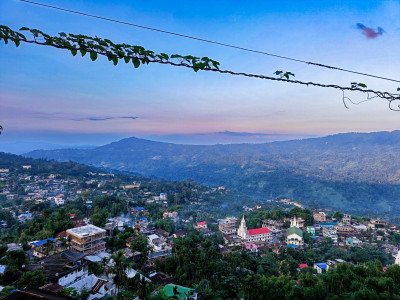
Dima Hasao View Point
Some quick example text to build on the card title and make up the bulk of the card's content.
Go somewhere
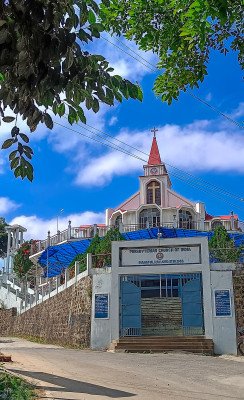
Fiangpui Presbyterian Church
Some quick example text to build on the card title and make up the bulk of the card's content.
Go somewhere
Full Town View
Some quick example text to build on the card title and make up the bulk of the card's content.
Go somewhere
Haflong Hill
Some quick example text to build on the card title and make up the bulk of the card's content.
Go somewhere
Haflong Hill View Point
Some quick example text to build on the card title and make up the bulk of the card's content.
Go somewhere
Haflong Lake
Some quick example text to build on the card title and make up the bulk of the card's content.
Go somewherein Other Cities