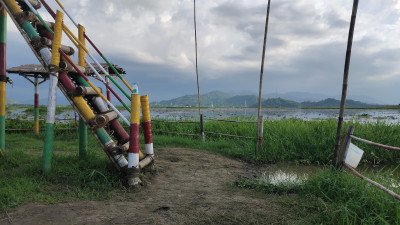
Pir Majhar
General information
-
Ideal Duration:
1 to 2 Hours (For peaceful visit and prayer)Place Type:
Religious Site / Sufi Shrine (Dargah)Entry Fees:
Free of Cost for All VisitorsThere is no official entry fee to visit Pir Majhar. As a place of worship and pilgrimage, the shrine is open to all visitors, devotees, and tourists, regardless of religion, social standing, or nationality, without any mandatory ticket purchase. However, visitors are we...Free of Cost for All VisitorsThere is no official entry fee to visit Pir Majhar. As a place of worship and pilgrimage, the shrine is open to all visitors, devotees, and tourists, regardless of religion, social standing, or nationality, without any mandatory ticket purchase. However, visitors are welcome to make voluntary donations for the maintenance of the shrine, for the communal kitchen (Langar), or as a personal offering (Nazar) to seek blessings. There might be designated donation boxes. The act of offering is completely voluntary and should be done according to one's own will and capacity, and it is not a requirement for entry.Timing:
Regular Timings: Open from Morning to EveningThe shrine is generally open to devotees and visitors from early morning (around 8:00 AM) to late evening (around 6:00 PM or slightly later, depending on prayer times). It is open seven days a week, including all public holidays,...Regular Timings: Open from Morning to EveningThe shrine is generally open to devotees and visitors from early morning (around 8:00 AM) to late evening (around 6:00 PM or slightly later, depending on prayer times). It is open seven days a week, including all public holidays, as a continuous place of worship.
Ideal Visit Time: The Peaceful Morning HourThe absolute best time to visit is during the early morning hours (between 8:30 AM and 10:00 AM). During this time, the number of visitors is usually lower, allowing for a more serene and reflective experience. The light is also good for photography. Visiting during the Urs-Mubarak festival is ideal for a cultural experience, but it will be very crowded.Special Events:
The Annual Uros-Mubarak (Urs)The single most important event is the annual Urs or Uros-Mubarak, the death anniversary of Hazrat Sayed Abul Kasem Kharasani. This grand celebration is marked by an intense period of spiritual activity. The date is fixed according to the lunar calendar, specifically t...The Annual Uros-Mubarak (Urs)The single most important event is the annual Urs or Uros-Mubarak, the death anniversary of Hazrat Sayed Abul Kasem Kharasani. This grand celebration is marked by an intense period of spiritual activity. The date is fixed according to the lunar calendar, specifically the 21st day of a chosen Islamic month (the corresponding Gregorian calendar date changes every year). The event involves continuous recital of the Holy Quran, special prayers (Fatiha), spiritual poetry and music sessions called Qawwali, and a large communal kitchen (Langar) that feeds thousands of people irrespective of their social or religious background. It's a powerful display of community faith, drawing massive crowds from all over Assam and neighboring states, truly showcasing the shrine's influence.Best Photo Spots:
The Main Entrance and ArchwayThe main archway or entrance gate, often decorated with simple, traditional motifs and colors, makes for a great framing shot. You can capture the structure itself and the peaceful flow of devotees entering the shrine. Candle and Incense Offerings AreaThe section where ...The Main Entrance and ArchwayThe main archway or entrance gate, often decorated with simple, traditional motifs and colors, makes for a great framing shot. You can capture the structure itself and the peaceful flow of devotees entering the shrine. Candle and Incense Offerings AreaThe section where devotees light candles and incense sticks offers a visually rich and spiritual photo opportunity. The smoke, the soft light of the flames, and the focused faces of the people create a beautiful, evocative ambiance. Use a respectful distance and a telephoto lens if possible. The Courtyard During DaytimeThe open courtyard, especially when filled with sunlight, provides a good contrast with the simple structure of the main tomb. This area is best for capturing the overall sense of peace and the quiet interaction of the visitors.Photo Gallery
Things To Do
-
Offer Prayers and Seek BlessingsThe most important activity is participating in the main ritual of offering prayers. Visitors can light candles and incense sticks, place floral tributes on the tomb, and offer Chadar (a piece of cloth) as a mark of respect. Seeking the Pir's blessings for good health, prosperity, and fulfillment of wishes is the central act of devotion. Observe the Architecture and ArtTake time to appreciate the simple yet moving architecture. Look for local artistic interpretations or traditional motifs that might be present in the dome, arches, or within the prayer hall. Engage in Spiritual ReflectionThe peaceful environment is perfect for meditation or simply sitting in silence. Many visitors spend extended time absorbing the spiritual energy of the place, making it an ideal spot for a moment of quiet contemplation. Participate in the Urs FestivalIf your visit alig...Offer Prayers and Seek BlessingsThe most important activity is participating in the main ritual of offering prayers. Visitors can light candles and incense sticks, place floral tributes on the tomb, and offer Chadar (a piece of cloth) as a mark of respect. Seeking the Pir's blessings for good health, prosperity, and fulfillment of wishes is the central act of devotion. Observe the Architecture and ArtTake time to appreciate the simple yet moving architecture. Look for local artistic interpretations or traditional motifs that might be present in the dome, arches, or within the prayer hall. Engage in Spiritual ReflectionThe peaceful environment is perfect for meditation or simply sitting in silence. Many visitors spend extended time absorbing the spiritual energy of the place, making it an ideal spot for a moment of quiet contemplation. Participate in the Urs FestivalIf your visit aligns with the annual Uros-Mubarak festival (check the Islamic calendar for the 21st of the specific month), you must attend. Experiencing the Qawwali performances and the communal fervor is a memorable cultural experience. Explore Local Community IntegrationWatch how devotees of different faiths interact, pray, and share the space. It’s a real-life lesson in coexistence and a great opportunity to understand the unique syncretic culture of Assam. Photography of the Peaceful AmbianceCapture the serene faces of the devotees, the sight of candles glowing around the tomb, and the modest beauty of the shrine. Remember to always be respectful and seek permission before taking close-up photos of people or the sanctum. Interact with Local DevoteesA simple conversation with an elderly local can offer deep insights into the saint's life and the shrine's importance to the Goalpara community.
Information
-
Why Famous:
Symbol of Communal HarmonyThe primary fame of Pir Majhar is its remarkable status as a symbol of unity in diversity. It is one of the few places where people from both the Hindu and Muslim communities visit together with equal devotion. The shared reverence for Hazrat Sayed Abul Kasem Kharasani sh...Symbol of Communal HarmonyThe primary fame of Pir Majhar is its remarkable status as a symbol of unity in diversity. It is one of the few places where people from both the Hindu and Muslim communities visit together with equal devotion. The shared reverence for Hazrat Sayed Abul Kasem Kharasani shows a strong bond between the local communities that transcends religious boundaries. The Annual Uros-Mubarak FestivalThe shrine is most famous for its annual Urs-Mubarak (death anniversary celebration) of the Pir Saheb. This event, which takes place on the 21st day of the lunar calendar month (the specific Gregorian date varies each year), draws a massive crowd. Thousands of devotees and tourists attend the special prayers, Qawwali (Sufi devotional music) sessions, and communal meals (Langar), making it a major spiritual and cultural event in Goalpara district. -
Architecture:
A Simple Yet Symbolic StructureThe architecture of Pir Majhar is relatively simple, reflecting its primary function as a sacred tomb and place of worship, rather than a grand monument. It falls under the category of traditional Islamic-style mausoleums, though with local influences that contribute ...A Simple Yet Symbolic StructureThe architecture of Pir Majhar is relatively simple, reflecting its primary function as a sacred tomb and place of worship, rather than a grand monument. It falls under the category of traditional Islamic-style mausoleums, though with local influences that contribute to its unique character.
The Sanctum (Dargah): The central structure houses the tomb (Majhar) of Hazrat Sayed Abul Kasem Kharasani. It is typically a modest rectangular structure, often topped with a small dome or minaret-like finials. The focus is on the sanctity of the interior space where the tomb is located. The building materials are commonly brick and cement, painted in colors that are often light green or white, symbolizing peace and purity. The use of simple arches and minimal decorative stonework or tile work is common.
Dimension and Layout:Since it is an active religious site and not a historical monument with recorded blueprints, exact official dimensions are not widely published. However, the complex usually consists of a main chamber (the tomb) of modest size, perhaps 15 feet by 15 feet, surrounded by a boundary wall or courtyard. The prayer area and surrounding grounds are generally spacious enough to accommodate the large number of devotees who visit, especially during the annual festival. The overall complex area might span a few hundred square yards. The architectural design intentionally promotes a sense of tranquility and accessibility for all visitors, regardless of their faith. The structure is built to be functional for communal prayers and offerings. -
How To Reach:
From Place Name:
GoalparaBy Air:The nearest major airport is Lokpriya Gopinath Bordoloi International Airport (GAU) in Guwahati, which is about 130 KMs away from Goalpara town. Guwahati is well-connected to major Indian cities like Delhi, Mu...From Place Name:
GoalparaBy Air:The nearest major airport is Lokpriya Gopinath Bordoloi International Airport (GAU) in Guwahati, which is about 130 KMs away from Goalpara town. Guwahati is well-connected to major Indian cities like Delhi, Mumbai, Kolkata, and Bangalore. From the airport, you can hire a direct pre-paid taxi or cab service to Goalpara town. The journey by road takes approximately 3 to 4 hours.
By Train:The nearest railway station is Goalpara Town Railway Station (GLPT), which is located only about 2-3 KMs from the shrine. The station is connected by trains from major cities like Guwahati, Kolkata, and New Jalpaiguri. From the railway station, you can easily take an auto-rickshaw or a cycle-rickshaw, which will take only about 10 to 15 minutes to reach Pir Majhar as it is in the town center.
By Road:Goalpara is well-connected by National Highways like NH-17 and NH-37. Regular bus services are available from major cities in Assam like Guwahati, Dhubri, and Bongaigaon to the Goalpara Bus Stand. From the bus stand, the shrine is easily reachable by local transport.
By Local Transport:Since Pir Majhar is located in the heart of Goalpara town, it is very easy to reach. You can use auto-rickshaws, cycle-rickshaws, or local shared taxis (Trekker or Winger vehicles) for a very short trip from any part of the town. For people staying in the town center, it is easily reachable by a short walk. -
Weather and Best Time to Visit:
During Winter Season: October to FebruaryThe months from October to February are considered the best time to visit Goalpara and Pir Majhar. The weather is cool, dry, and pleasant, with temperatures ranging from 10Rs.C to 25Rs.C. This weather is perfect for exploring the town a...During Winter Season: October to FebruaryThe months from October to February are considered the best time to visit Goalpara and Pir Majhar. The weather is cool, dry, and pleasant, with temperatures ranging from 10Rs.C to 25Rs.C. This weather is perfect for exploring the town and standing outside the shrine comfortably. The air is crisp and the surroundings are beautiful.
During Spring Months: March and AprilThese months are also good, as the weather is still quite mild before the heavy monsoon rains begin. It is a good time if you prefer slightly warmer days than the deep winter.
Different Parts of the Day: Early MorningAs mentioned in the timings, the early morning is the most peaceful and least crowded part of the day, offering the best spiritual experience. The late afternoon is also a good time, just before closing, for a quieter visit as the crowds thin out. The mid-day hours are generally warmer and busier. -
Near Tourist Places:
1.
Sri Surya Pahar (Archaeological Site): Approx. 12 KMs2.
Dadan Hill (Shiva Temple & Archaeological Site): Approx. 20 KMs3.
Kumri Beel Lake (Natural Lake & Birdwatching): Approx. 11 KMs4.
Urpad Beel (Natural Lake & Birdwatching): Approx. 9 KMs5.
Sri Sri Joybhum Kamakhya Temple (Shakti Peetha): Approx. 50 KMs6. Buraburi Than (Religious Site on Brahmaputra Bank): Approx. 15 KMs7.
Sri Sri Chaitnya Gaudiya Math (Cultural Hub): Approx. 3 KMs8.
Nandeswar Devalaya (Ancient Temple): Approx. 25 KMs9.
Hulukanda Hill (Viewpoint in Town): Approx. 1-2 KMs10.
Tukeswari Rock Temple (Religious Site): Approx. 25 KMs
Tourism Tips
-
Health & Safety: Respectful ConductDress modestly as it is a sacred religious site; this means covering shoulders and knees. Remove your footwear outside the shrine complex. Maintain silence and respect the atmosphere of devotion inside the prayer halls. Carry a small wa...Health & Safety: Respectful ConductDress modestly as it is a sacred religious site; this means covering shoulders and knees. Remove your footwear outside the shrine complex. Maintain silence and respect the atmosphere of devotion inside the prayer halls. Carry a small water bottle, especially during warmer months. Be mindful of your belongings in crowded areas, particularly during the Urs festival.
Packing: EssentialsPack light cotton clothes for summer and mild woolens for the winter months of November to February. Carry a small scarf or shawl for women to cover their head as a mark of respect within the shrine premises. A small towel or handkerchief is always useful.
Accommodation: Goalpara TownAccommodation is available in Goalpara town, ranging from basic guesthouses to small budget hotels. For better amenities, you may consider staying in Guwahati or Bongaigaon and taking a day trip to Goalpara.
Other Different Topics: Photography and Local EtiquetteWhile photography is generally allowed in the complex, always be respectful and avoid taking photos of people praying without their permission. If you plan to attend the Urs festival, check the exact date well in advance and prepare for large crowds. When leaving a donation, do so in the designated boxes. When interacting with locals, a simple 'As-salaam-alaikum' (for Muslims) or 'Namaskar' (for Hindus) is a polite greeting.
Reviews
FAQs
Goalpara Itineray And Cost:-
Information about New and Updated Locations() of Assam Has Been Added :-
Card subtitle
Note:-
Information provided here in good Faith and for reference only.
All information and pictures will be updated soon, please keep visiting.
Near Places
Baijuri Waterfall
Some quick example text to build on the card title and make up the bulk of the card's content.
Go somewhere
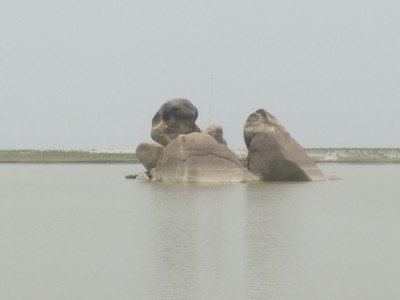
Buraburi Than
Some quick example text to build on the card title and make up the bulk of the card's content.
Go somewhere

Dadan Hill
Some quick example text to build on the card title and make up the bulk of the card's content.
Go somewhere
Goalpara River View
Some quick example text to build on the card title and make up the bulk of the card's content.
Go somewhere
Hulukunda Pahar
Some quick example text to build on the card title and make up the bulk of the card's content.
Go somewhere
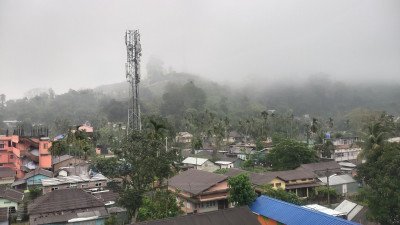
Joybhum Kamakhya Temple
Some quick example text to build on the card title and make up the bulk of the card's content.
Go somewhere
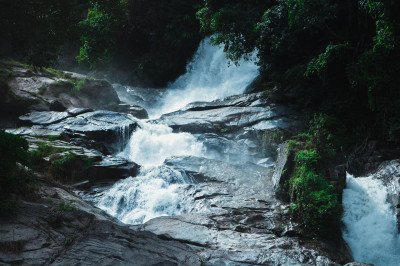
Kumri Beel Lake
Some quick example text to build on the card title and make up the bulk of the card's content.
Go somewhere
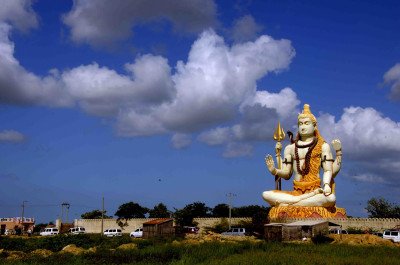
Nalonga Waterfalls
Some quick example text to build on the card title and make up the bulk of the card's content.
Go somewhereNandeswar Devalaya
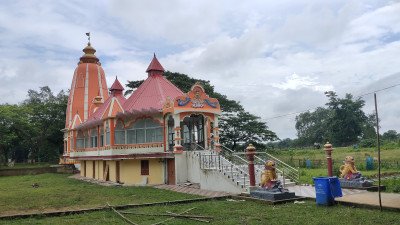
Some quick example text to build on the card title and make up the bulk of the card's content.
Go somewhere

Pir Majhar
Some quick example text to build on the card title and make up the bulk of the card's content.
Go somewherein Other Cities