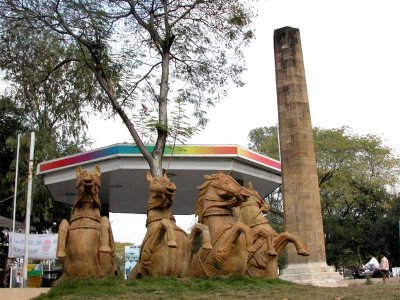
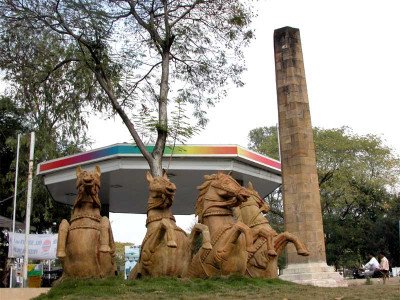
Travel Tips Of Zero Mile Stone
Tourism Tips
Packing: No special packing is required. Carry a camera or phone for photos and a small water bottle, especially if visiting during the day. Since it's a prominent, public place, carry all necessary ID and a small amount of cash.
Accommodation: The monument is in the upscale and central Civil Lines area, with many high-quality hotels nearby. Hotels in Sitabuldi and near the railway station are also just a quick taxi or metro ride away, offering convenient, central lodging.
Other Different Topics Heading: Plan for a very short visit of about 15-30 minutes, as the monument itself is small. Combine this with a visit to the nearby Sitabuldi Fort (if open) and the Raman Science Center for a historically and geographically rich city center tour.
Nagpur Itineray And Cost:-
Information about New and Updated Locations() of Maharashtra Has Been Added :-
Card subtitle
Note:-
Information provided here in good Faith and for reference only.
All information and pictures will be updated soon, please keep visiting.
Near Places
Ambazari Lake & Garden
Some quick example text to build on the card title and make up the bulk of the card's content.
Go somewhere
Deeksha Bhoomi
Some quick example text to build on the card title and make up the bulk of the card's content.
Go somewhere
Dragon Palace Buddhist Temple
Some quick example text to build on the card title and make up the bulk of the card's content.
Go somewhere
Futala Lake
Some quick example text to build on the card title and make up the bulk of the card's content.
Go somewhere
Gandhi Sagar Lake
Some quick example text to build on the card title and make up the bulk of the card's content.
Go somewhere
Japanese Rose Garden
Some quick example text to build on the card title and make up the bulk of the card's content.
Go somewhere
Khekranala Lake & Dam
Some quick example text to build on the card title and make up the bulk of the card's content.
Go somewhere
Khindsi Lake
Some quick example text to build on the card title and make up the bulk of the card's content.
Go somewhere
Koradi Temple
Some quick example text to build on the card title and make up the bulk of the card's content.
Go somewhere
Lata Mangeshkar Musical Garden
Some quick example text to build on the card title and make up the bulk of the card's content.
Go somewhere