Turtuk Village
General information
-
Ideal Duration:
Overnight Stay (Requires 2-3 days from Leh):Place Type:
Border Village / Cultural Heritage / Cold Desert OEntry Fees:
Inner Line Permit (Mandatory): A mandatory Inner Line Permit (ILP) or Protected Area Permit (for foreigners) is required for entry into the Nubra Valley and Turtuk. The fee, approximately Rs.400-Rs.600 total, must be paid in Leh before the journey and is checked at various mili...Inner Line Permit (Mandatory): A mandatory Inner Line Permit (ILP) or Protected Area Permit (for foreigners) is required for entry into the Nubra Valley and Turtuk. The fee, approximately Rs.400-Rs.600 total, must be paid in Leh before the journey and is checked at various military check posts, including the one before the village.
Homestay Accommodation Cost: There is no entry fee for the village. The main cost is accommodation. Homestays and guesthouses in Turtuk are very reasonably priced, often ranging from Rs.1,500 to Rs.3,000 per night, including traditional Balti meals.
Museum Donations: A small, voluntary fee or donation (e. g. , Rs.50 to Rs.100) is requested at the community-run Balti Heritage Museum and the Yabgo Royal House to support their upkeep and preservation efforts. :Timing:
Regular Timings: Turtuk Village is accessible during daylight hours, but due to the mandatory long drive, visitors must plan for an overnight stay from Leh. The village is generally open to tourist movement from 6:00 AM to 6:00 PM, though the local museums may have specific...Regular Timings: Turtuk Village is accessible during daylight hours, but due to the mandatory long drive, visitors must plan for an overnight stay from Leh. The village is generally open to tourist movement from 6:00 AM to 6:00 PM, though the local museums may have specific, limited hours.
Ideal Visit Time: The best time to visit the village is the early morning to witness the villagers starting their day (farmers, shepherds) and the late afternoon for a quiet stroll and soft photography light. The best time to be in the orchards is during the blooming season (May-June).
Check Post Restrictions: Be aware that movement is restricted after dark due to its proximity to the LOC. Tourists are expected to stay within the village settlement boundaries at night.
Museum and Royal House Timings: The small local museums typically open around 9:00 AM and close around 5:00 PM. :Special Events:
The Apricot Harvest Season Celebration: While not a formalized festival, the apricot harvest in July and August is a period of cultural celebration, communal activity, and open hospitality in Turtuk. Tourists can witness and sometimes participate in the process of picking, ...The Apricot Harvest Season Celebration: While not a formalized festival, the apricot harvest in July and August is a period of cultural celebration, communal activity, and open hospitality in Turtuk. Tourists can witness and sometimes participate in the process of picking, sorting, and sun-drying the famous fruit, which is a major cultural and economic event for the community.
Local Balti Cultural Programs: Homestays and local community centers occasionally organize small, impromptu cultural evenings for guests, featuring traditional Balti music and folk dances. These are not scheduled tourist events but are a profound way to experience the local cultural distinctiveness. :Best Photo Spots:
The Green Oasis in the Cold Desert: The classic shot is the entire village of Turtuk, with its green terraced fields and dense apricot trees, framed against the arid, towering, jagged peaks of the Karakoram Mountains. The contrast is stunning and is best captured from the v...The Green Oasis in the Cold Desert: The classic shot is the entire village of Turtuk, with its green terraced fields and dense apricot trees, framed against the arid, towering, jagged peaks of the Karakoram Mountains. The contrast is stunning and is best captured from the viewpoint near the small gompa.
The Intricately Carved Wooden Windows/Doors: Zoom in to capture the fine, delicate Balti wood carvings found on the doors and windows of the traditional stone houses and the local mosque. These details provide a powerful portrait of the village's unique Central Asian cultural heritage.
The Shyok River Valley View: The viewpoint above the village offers a dramatic landscape shot of the Shyok River carving its way through the valley, with the distant mountain line of the LOC in the background. Sunset light often gives the river a beautiful golden glow.
Portraits of the Balti People: The friendly villagers, especially the elderly, with their distinct features and traditional attire, are wonderful subjects for portrait photography. Always ask for explicit permission before taking their picture. :Photo Gallery
Things To Do
-
Explore the Balti Heritage Museum: Visit the small community-run Balti Heritage Museum (often housed inside a traditional home) and the Yabgo Dynasty Royal House to fully immerse yourself in the local culture, history, and artifacts of the Balti people. This is the first essential step to understanding the village.
Walk Across the Wooden Cantilever Bridges: Take a walk between the two sections of the village, Yul and Farol, crossing the traditional wooden cantilever bridges built over the glacial streams. This is a beautiful way to appreciate the local architecture and the flow of water through the fertile village.
Hike to the Turtuk Gompa Viewpoint: Hike up the hill to the small, newly renovated Turtuk Monastery (Gompa). Although the village is Muslim-majority, the site offers the best, most ...Explore the Balti Heritage Museum: Visit the small community-run Balti Heritage Museum (often housed inside a traditional home) and the Yabgo Dynasty Royal House to fully immerse yourself in the local culture, history, and artifacts of the Balti people. This is the first essential step to understanding the village.
Walk Across the Wooden Cantilever Bridges: Take a walk between the two sections of the village, Yul and Farol, crossing the traditional wooden cantilever bridges built over the glacial streams. This is a beautiful way to appreciate the local architecture and the flow of water through the fertile village.
Hike to the Turtuk Gompa Viewpoint: Hike up the hill to the small, newly renovated Turtuk Monastery (Gompa). Although the village is Muslim-majority, the site offers the best, most comprehensive aerial view of the entire green oasis of Turtuk, the meandering Shyok River, and the vast Karakoram range in the background.
Stroll through the Apricot Orchards: Spend time leisurely walking through the dense apricot and walnut orchards, especially during the blossom season (April-May) or the harvest season (July-August). Taste the local fresh and sun-dried fruits, and buy local jams or apricot oil directly from the villagers.
Cultural Interaction and Homestay Experience: Staying in a local Balti homestay is the best way to experience the culture. Engage with the warm and hospitable locals, try the unique Balti cuisine (a mix of Tibetan and Central Asian flavors), and learn a few words of the Balti language.
Visit the Turtuk Old Mosque: Visit the beautiful and historic local mosque, which is an architectural fusion of styles, particularly noted for its intricate wooden prayer area. Remember to dress modestly out of respect for the local Islamic culture.
Trek to the Turtuk Waterfall: A short, scenic trek or hike to the nearby waterfall offers a refreshing break and a chance to explore the higher, rocky terrain surrounding the green village, providing a different perspective on the landscape.
Photography of the Karakoram Range: The view of the massive Karakoram Mountains, which loom over the valley, is a spectacular photographic opportunity. Capture the scale of the mountains, especially near the Shyok River viewpoint. :
Information
-
Why Famous:
Proximity to the Line of Control (LOC): Turtuk's primary fame stems from its geopolitical location as one of the last few villages on the Indian side of the Line of Control, making it a historical and strategic landmark. Its history of changing citizenship after the 1971 wa...Proximity to the Line of Control (LOC): Turtuk's primary fame stems from its geopolitical location as one of the last few villages on the Indian side of the Line of Control, making it a historical and strategic landmark. Its history of changing citizenship after the 1971 war is a compelling story for visitors.
The Balti Culture and Language: It is famous as the only area in India where the unique Balti culture, language, and customs are prominently preserved. This distinct ethnic identity provides a rare cultural experience for tourists, different from the Buddhist and Ladakhi influences elsewhere in the region.
The Apricot Capital of Ladakh: Turtuk is widely known as the 'Apricot Capital' of Ladakh. The abundance of apricot orchards and the trade in delicious, sun-dried apricots and local jams are a key part of the village's identity and economy. : -
Architecture:
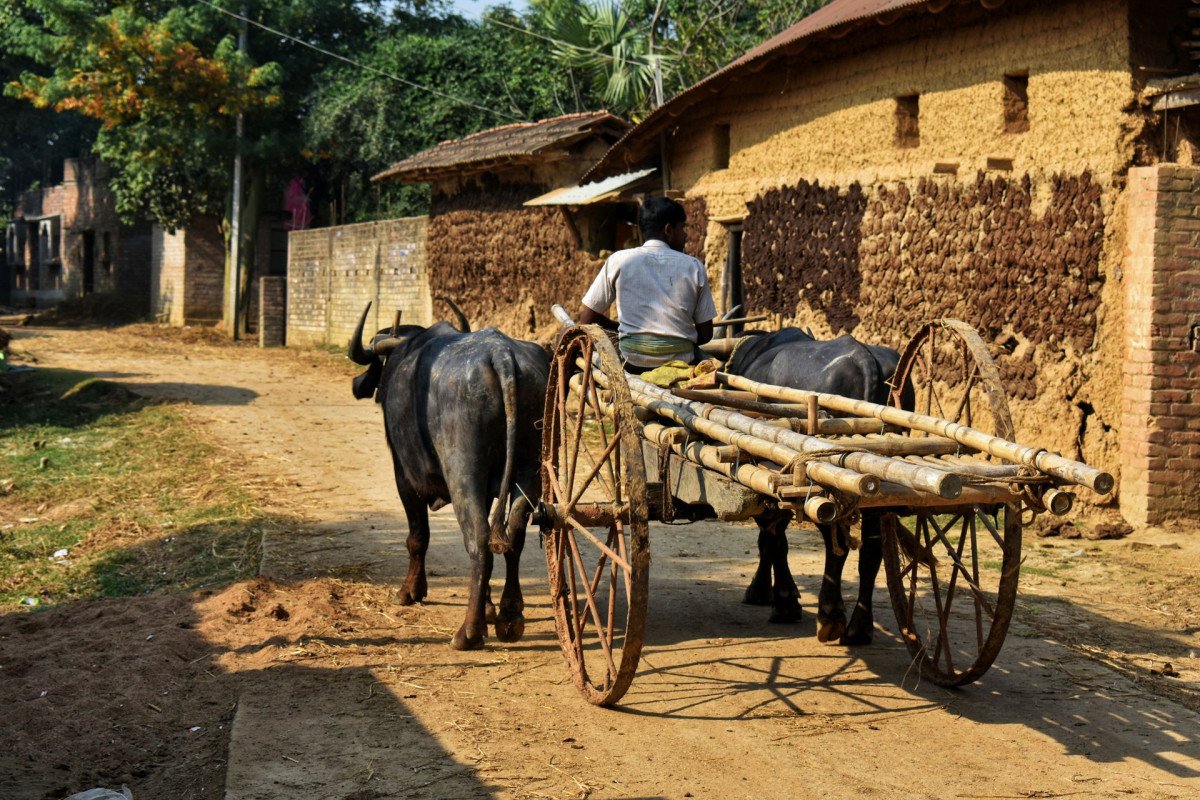
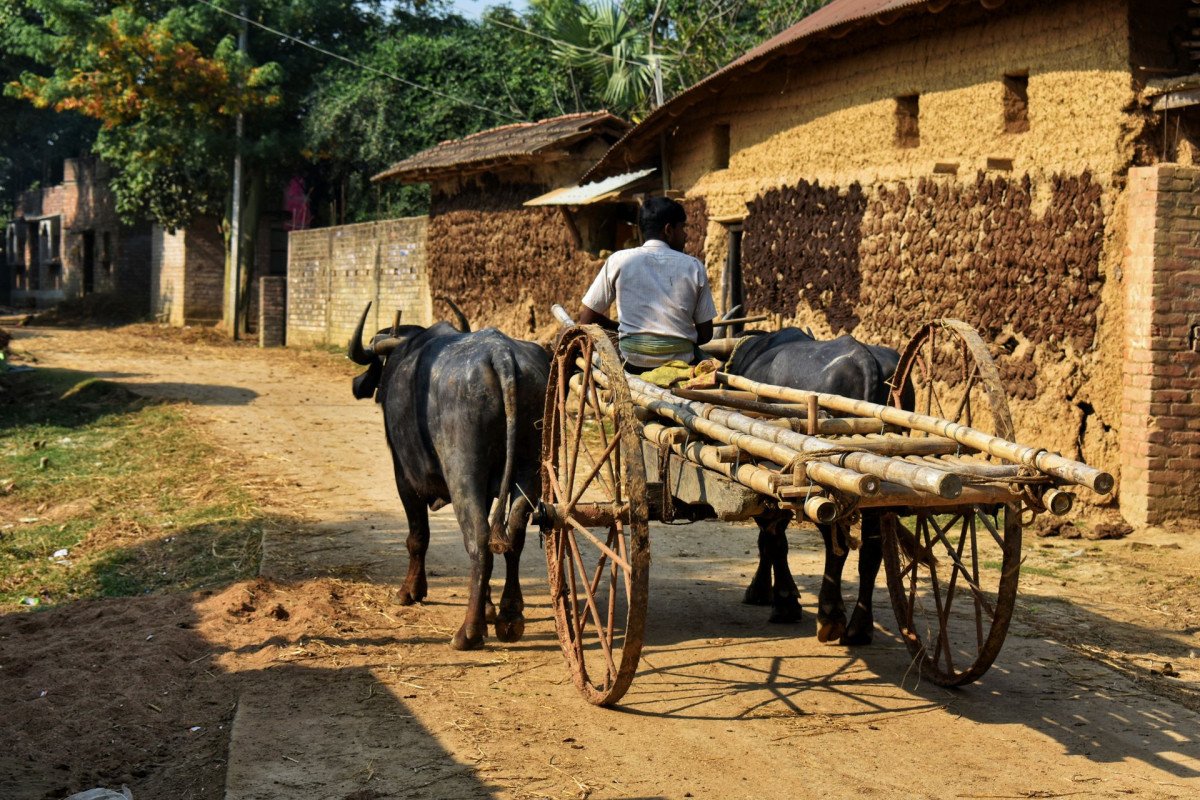
Balti Vernacular Architecture and Sustainable Design: The architecture of Turtuk is unique, reflecting its Balti heritage, which is influenced by Tibetan, Central Asian, and Persian styles. The houses are predominantly built using natural stone, sun-dried mud bricks, and intricately carved wood fro...Balti Vernacular Architecture and Sustainable Design: The architecture of Turtuk is unique, reflecting its Balti heritage, which is influenced by Tibetan, Central Asian, and Persian styles. The houses are predominantly built using natural stone, sun-dried mud bricks, and intricately carved wood from local willow and poplar trees. The wooden cantilever bridges over the glacial streams are a defining architectural feature, showcasing local engineering ingenuity.
Intricate Wood Carving and Village Planning: The village is split into two main sections, Yul (the old village) and Farol (the newer, higher part), connected by these bridges and narrow stone-paved lanes. The dimensions of the traditional houses are modest, designed to retain heat, with flat roofs used for drying fruits and vegetables. The doors and windows often feature exquisite, delicate wood carvings, a hallmark of Balti craftsmanship rarely seen elsewhere in Ladakh. The local mosque also showcases this unique blend of architectural styles, particularly the intricately carved wooden prayer area, demonstrating a seamless cultural fusion. : -
How To Reach:
By Air: Fly to Kushok Bakula Rimpochee Airport (IXL) in Leh. From Leh, Turtuk is approximately 205 KMS away, requiring a drive of 6 to 8 hours via the Khardung La Pass (one of the highest motorable roads). The travel will take up an entire day and necessitates an overnight...By Air: Fly to Kushok Bakula Rimpochee Airport (IXL) in Leh. From Leh, Turtuk is approximately 205 KMS away, requiring a drive of 6 to 8 hours via the Khardung La Pass (one of the highest motorable roads). The travel will take up an entire day and necessitates an overnight stay in Nubra Valley (Diskit/Hunder) before proceeding to Turtuk.
By Train: Not applicable. The nearest railhead is Jammu Tawi (JAT).
By Road (Hired Vehicle Mandatory): The journey from Leh to Turtuk is typically done as a multi-day trip through the Nubra Valley. One must hire a private taxi or join a shared taxi from Leh. The route goes over Khardung La and through Diskit and Hunder. The road condition is a mix of excellent tarmac and rough, difficult patches, especially near the passes and the river beds. The drive along the Shyok River is long but stunningly beautiful. An ILP is strictly required.
By Local Transport: Public transport to Turtuk is extremely infrequent (perhaps a bus once or twice a week). It is not a reliable method for tourists. A private or shared hired vehicle is the only practical option. : -
Weather and Best Time to Visit:
Best Season - Summer (May to October): The ideal time for a visit. The weather is warm and pleasant during the day, the roads are open, and the apricot orchards are at their peak (blooming in May-June, harvest in July-August). This allows for full exploration of the villag...Best Season - Summer (May to October): The ideal time for a visit. The weather is warm and pleasant during the day, the roads are open, and the apricot orchards are at their peak (blooming in May-June, harvest in July-August). This allows for full exploration of the village.
Shoulder Season - April and Late October: Cold, but beautiful, with spring blossoms starting or the colors of autumn. The roads can be tricky due to early or late season snowfall on Khardung La. Tourist facilities are limited.
Winter Season - November to March: The village is often cut off by snow and extremely cold. Most homestays are closed. A winter visit is highly challenging and only recommended for specialist travelers.
Best Part of the Day - Morning and Midday: Morning is best for seeing local life and the orchards. The bright midday sun is often best for capturing the dramatic contrast between the green village and the brown mountains. : -
Near Tourist Places:
Hunder (90 KMS), Diskit Monastery (80 KMS), Khardung La Pass (80 KMS), Panamik Hot Springs (130 KMS), Thang Village (10 KMS - restricted access), Yarab Tso Lake (110 KMS), Sumur (100 KMS), Leh Palace (205 KMS), Shyok River (0 KMS - adjacent), Warshi (120 KMS):
Tourism Tips
-
Health & Safety (Altitude and Cold): Acclimatize in Leh for 2-3 days before crossing Khardung La. Though Turtuk is lower than Leh, the journey involves extreme altitude. The village is near the LOC, so strictly follow all instructions from the Indian Army and local authori...Health & Safety (Altitude and Cold): Acclimatize in Leh for 2-3 days before crossing Khardung La. Though Turtuk is lower than Leh, the journey involves extreme altitude. The village is near the LOC, so strictly follow all instructions from the Indian Army and local authorities.
Packing (Permits and Cash): Carry multiple copies of your ILP and all valid ID proof. Pack layered clothing for all seasons, as temperatures drop suddenly. There is no ATM or petrol pump in Turtuk or for a long stretch, so carry enough cash and fuel.
Accommodation (Homestay Focus): Embrace the homestay culture for the most authentic experience. Be prepared for basic facilities, including limited or no running hot water and very simple bathroom arrangements. The experience of the Balti meal is the highlight.
Other Tips (Respect for Local Culture): Turtuk is a Muslim-majority area with a strong traditional culture. Dress modestly, especially when visiting the mosque or the older parts of the village. Do not interfere with military activity or stray from marked paths due to the proximity of the border. :
Reviews
FAQs
Leh Itineray And Cost:-
Other Places In Leh :-
Other States In India :-
Information about New and Updated Locations() of Ladakh Has Been Added :-
Card subtitle
Note:-
Information provided here in good Faith and for reference only.
Near Places

Gurdwara Pathar Sahib
Some quick example text to build on the card title and make up the bulk of the card's content.
Go somewhere
Hall of Fame
Some quick example text to build on the card title and make up the bulk of the card's content.
Go somewhere
Hemis Monastery
Some quick example text to build on the card title and make up the bulk of the card's content.
Go somewhere
Hemis National Park
Some quick example text to build on the card title and make up the bulk of the card's content.
Go somewhere
Khardungla Pass
Some quick example text to build on the card title and make up the bulk of the card's content.
Go somewhere
Lamayuru Monastery
Some quick example text to build on the card title and make up the bulk of the card's content.
Go somewhere
Leh Palace
Some quick example text to build on the card title and make up the bulk of the card's content.
Go somewhere
Likir Monastery
Some quick example text to build on the card title and make up the bulk of the card's content.
Go somewhere
Magnetic Hill
Some quick example text to build on the card title and make up the bulk of the card's content.
Go somewhere
Nubra Valley
Some quick example text to build on the card title and make up the bulk of the card's content.
Go somewhere
Pangong Tso Lake
Some quick example text to build on the card title and make up the bulk of the card's content.
Go somewhere
Phyang Monastery
Some quick example text to build on the card title and make up the bulk of the card's content.
Go somewhere
Samstanling Monastery
Some quick example text to build on the card title and make up the bulk of the card's content.
Go somewhere
Sankar Monastery
Some quick example text to build on the card title and make up the bulk of the card's content.
Go somewhere
Shanti Stupa
Some quick example text to build on the card title and make up the bulk of the card's content.
Go somewhere
Shey Palace & Monastery
Some quick example text to build on the card title and make up the bulk of the card's content.
Go somewherein Other Cities