Vachcharaj Bet Temple
General information
-
Ideal Duration:
30 Minutes - 1 Hour:Place Type:
Temple, Folk Shrine, Hero-Worship Site, Warrior MeEntry Fees:
Entry Fee Status: Like other local folk shrines, there are No Entry Fees for visiting the local Vachcharaj Bet Temple. Access is free and based on the tradition of Hindu public worship.
Donation for Gau Seva: Visitors are strongly encourage...Entry Fee Status: Like other local folk shrines, there are No Entry Fees for visiting the local Vachcharaj Bet Temple. Access is free and based on the tradition of Hindu public worship.
Donation for Gau Seva: Visitors are strongly encouraged to make a small, voluntary donation, which is usually directed towards Gau Seva (service to cows) or the maintenance of the shrine. This is a traditional custom rather than an obligatory fee.
Offerings Costs: The cost of any offerings, such as a coconut or a toy horse, is discretionary and purchased from local vendors outside the temple.
Parking: Parking is typically on the side of the road, with No Formal Parking Charges applied to visitors.Timing:
Regular Timings: The local shrine is generally open from 7:00 AM to 7:00 PM to accommodate local visitors and those passing by. The hours can be flexible based on the presence of the Pujari.
Ideal Visit Time: The Ideal Visit Time is the Lat...Regular Timings: The local shrine is generally open from 7:00 AM to 7:00 PM to accommodate local visitors and those passing by. The hours can be flexible based on the presence of the Pujari.
Ideal Visit Time: The Ideal Visit Time is the Late Afternoon (4:00 PM to 6:00 PM), as the sun is less intense, and it is the time when local cowherds and farmers often bring their day's work to a close and visit for a short prayer.
Avoid Late Night: As a rural, roadside shrine, it is Not Recommended to Visit after sunset due to poor lighting and security.Special Events:
Annual Padyatra (Foot Pilgrimage): The local community often organizes an annual Padyatra (foot pilgrimage) from the surrounding villages to the shrine on a specific auspicious day (often a Maha Sud Teras) in the Hindu month of Magha (January/February), making it a major, hi...Annual Padyatra (Foot Pilgrimage): The local community often organizes an annual Padyatra (foot pilgrimage) from the surrounding villages to the shrine on a specific auspicious day (often a Maha Sud Teras) in the Hindu month of Magha (January/February), making it a major, highly devotional special event.
New Vehicle Puja: The temple sees a constant stream of local transport owners who bring their new vehicles for a special Puja (worship) to seek the protection of the hero-deity before starting their journey, which is a modern special event.
Cow Worship Day: Any local festival dedicated to the worship of cows, such as Gopashtami, is celebrated with great fervor at the temple, involving the decoration and feeding of cows.Best Photo Spots:
The Warrior on the Horse Slab: The best photo spot is a frontal or slightly angled shot of the main relief-carving of Vachharadada on his horse, ensuring the iconic imagery of the sword and the cow is clearly visible.
The Local Offerings: A ...The Warrior on the Horse Slab: The best photo spot is a frontal or slightly angled shot of the main relief-carving of Vachharadada on his horse, ensuring the iconic imagery of the sword and the cow is clearly visible.
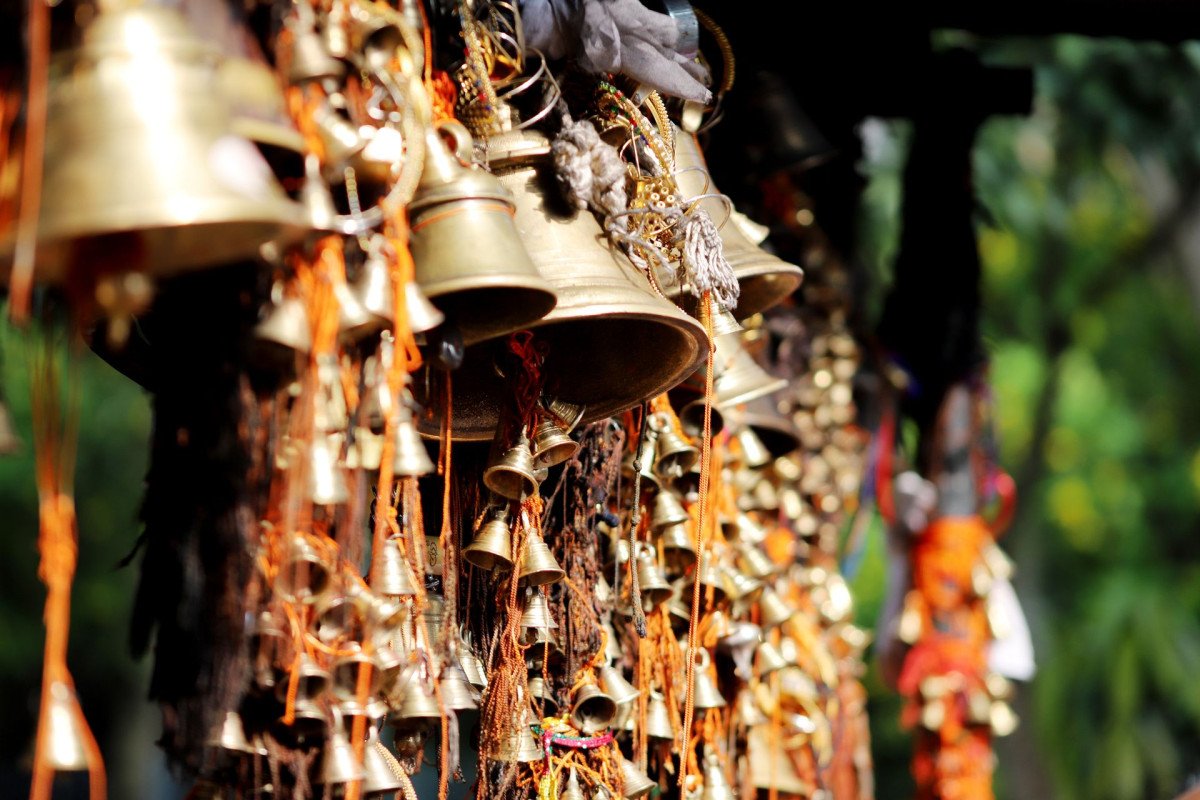
The Local Offerings: A cultural photograph capturing the various local offerings—small toy horses, garlands, and Dhwajas (flags)—at the foot of the shrine or the sacred tree, showcasing the simple reverence.
The Shrine and the Horizon: A wide-angle landscape shot that includes the small, simple temple in the foreground with the vast, open fields or the arid landscape of Saurashtra stretching into the background, emphasizing its remote location and its significance as a beacon of protection.Photo Gallery
Things To Do
-
Offer a Dhwaja (Flag): The most traditional activity is offering a triangular religious flag (Dhwaja) to the temple's pole or the nearest flagpole, signifying a promise fulfilled or a vow taken.
Pray for Livestock: If you are a farmer, cattle owner, or even a vehicle owner, offer a short prayer for the protection of your assets and for a safe journey, as he is the patron of travelers and cattle.
Observe the Iconography: Take time to closely study the folk-style stone relief carving of Vachharaj Dada on his horse, paying attention to the details of his warrior attire and the depiction of the cows.
Contribute to Gau Seva: Support the temple's mission by making a donation to the nearby Paanjrapole (cattle shelter) or purchasing fodder for local cattle, directly part...Offer a Dhwaja (Flag): The most traditional activity is offering a triangular religious flag (Dhwaja) to the temple's pole or the nearest flagpole, signifying a promise fulfilled or a vow taken.
Pray for Livestock: If you are a farmer, cattle owner, or even a vehicle owner, offer a short prayer for the protection of your assets and for a safe journey, as he is the patron of travelers and cattle.
Observe the Iconography: Take time to closely study the folk-style stone relief carving of Vachharaj Dada on his horse, paying attention to the details of his warrior attire and the depiction of the cows.
Contribute to Gau Seva: Support the temple's mission by making a donation to the nearby Paanjrapole (cattle shelter) or purchasing fodder for local cattle, directly participating in the principle Vachharadada died defending.
Connect with the Rajput Community: If possible, respectfully attend any local gathering or feast organized by the community to honor the warrior, offering a unique opportunity to witness local customs.
Enjoy the Simplicity: Simply sit in the quiet, humble surroundings and appreciate the simplicity of the devotion found in a local folk shrine, a contrast to the grand, commercialized temples.
Ask About Local Cures: Learn from the older locals about the traditional practices and folk remedies associated with taking a vow in the deity's name, which connects to the area's ancient traditions.
Information
-
Why Famous:
Heroic Sacrifice Legend: Its fame is entirely based on the inspiring local legend of Vachharaj Dada's ultimate sacrifice to protect the gau (cows). This narrative resonates deeply with the rural and agrarian society of Gujarat, making him a powerful symbol of courage and Dh...Heroic Sacrifice Legend: Its fame is entirely based on the inspiring local legend of Vachharaj Dada's ultimate sacrifice to protect the gau (cows). This narrative resonates deeply with the rural and agrarian society of Gujarat, making him a powerful symbol of courage and Dharma.
Protector of Cows: He is famous as the divine Protector of Cattle (Gau-Rakshak). Farmers and cowherds routinely offer prayers for the safety and health of their livestock, giving the temple a deep connection to the local economy and lifestyle.
Healing Power: Historically, devotees believed that taking a vow in the name of Vachharaj Dada could cure poisonous bites, such as those from snakes, adding an element of folk medicine and healing to his fame.
Rajput Heritage: As a Solanki Rajput hero, he is a figure of immense pride for the local Rajput community, attracting worshippers who connect with his martial and ethical legacy. -
Architecture:
Folk Shrine Architecture: The temple is typically very small and unassuming, reflecting its folk-deity status. It is often a simple cubic or rectangular structure made of cement and painted white or yellow. The structure is built close to the ground, symbolizing the hero's...Folk Shrine Architecture: The temple is typically very small and unassuming, reflecting its folk-deity status. It is often a simple cubic or rectangular structure made of cement and painted white or yellow. The structure is built close to the ground, symbolizing the hero's connection to the land.
Iconography and Idol: The most crucial architectural dimension is the main idol, which is an iconic relief carving on a stone slab. Vachharadada is always depicted sitting on a Horse, holding a sword, with the image of a cow or cows often incorporated into the design, symbolizing his sacrifice.
Sacred Space: The shrine frequently includes a small, open courtyard where a Trishul (trident) or a symbolic spear is planted, and a small area for keeping fodder for visiting animals. The dimension is minimal, usually no more than 5 meters by 5 meters for the main sanctum. -
How To Reach:
By Road: The most practical way to reach this shrine (approx. 10 KMS from Chotila) is by hiring a local auto-rickshaw or a private taxi from Chotila town. The specific location should be confirmed with the driver as "Vachcharaj Dada Mandir.
" P...By Road: The most practical way to reach this shrine (approx. 10 KMS from Chotila) is by hiring a local auto-rickshaw or a private taxi from Chotila town. The specific location should be confirmed with the driver as "Vachcharaj Dada Mandir.
" Private Vehicle: Driving your own vehicle is easy, as the temple is usually located just off a major local road. Navigation is best done by asking locals or using a reliable map app with the specific temple marked.
Local Bus: Local buses running between villages near Chotila may stop at the nearest junction. However, you would need to walk the remaining distance to the specific Bet.
No Direct Air/Train Access: As a minor shrine, there is no direct public transport connectivity from major hubs. -
Weather and Best Time to Visit:
Winter Season (October to March): The moderate and pleasant winter weather is the Best Time to Visit for a comfortable and enjoyable trip to this open-air, flat-land shrine.
Pre-Monsoon Season (April to June): This period is harsh due to int...Winter Season (October to March): The moderate and pleasant winter weather is the Best Time to Visit for a comfortable and enjoyable trip to this open-air, flat-land shrine.
Pre-Monsoon Season (April to June): This period is harsh due to intense heat and dry winds, making a visit during this time very uncomfortable, especially around noon.
Different Parts of the Day: Early Morning (7:00 AM - 9:00 AM) offers a tranquil and cool atmosphere for a spiritual visit before the heat sets in. Late Afternoon is also excellent for cultural observation. -
Near Tourist Places:
Chamunda Mataji Temple (10 KMS): Khodiyar Mata Temple (5 KMS - Neighboring Village):
Chotila Lake (8-12 KMS):
Jariya Mahadev Mandir (7 KMS):
Than Junction (Ancient temples - 21 KMS): Wadhwan City (Old capital with temples/stepwells - 60 KMS):
Ghelasomnath Temple (40 KMS):
Hingolgadh Nature Education Camp (40 KMS):
Rajkot City (60 KMS):
Surendranagar City (72 KMS):
Tourism Tips
-
Health & Safety:
Watch for Traffic: If the shrine is roadside, be extremely careful of the traffic while entering and exiting the premises.
Animal Safety: Be gentle and respectful if there are cows or other l...Health & Safety:
Watch for Traffic: If the shrine is roadside, be extremely careful of the traffic while entering and exiting the premises.
Animal Safety: Be gentle and respectful if there are cows or other livestock present near the temple.
Packing Essentials:
Dust Protection: Carry a scarf or mask, as the area can be dusty, especially when local transport passes by.
Water and Snacks: Carry your own, as shops near small shrines can be infrequent.
Local Etiquette:
Respect the Deity: While the worship is simple, the reverence for the hero-deity is immense; be respectful of the idol and the offerings.
Ask Before Touching: Do not touch the sacred objects like the Trishul or the horse statue without the priest's permission.
Accommodation: As with other local shrines, accommodations are minimal. This is best planned as a short, few-hour excursion from your main base in Chotila or Rajkot.
Reviews
FAQs
Chotila Itineray And Cost:-
Vachcharaj Bet Temple Tourism:-
Other Places In Chotila :-
Other States In India :-
Information about New and Updated Locations() of Gujarat Has Been Added :-
Card subtitle
Note:-
Information provided here in good Faith and for reference only.
Near Places
Chamunda Mataji Temple
Some quick example text to build on the card title and make up the bulk of the card's content.
Go somewhere
Chotila Fort
Some quick example text to build on the card title and make up the bulk of the card's content.
Go somewhere
Chotila Lake
Some quick example text to build on the card title and make up the bulk of the card's content.
Go somewhere
Dholidhaja Dam
Some quick example text to build on the card title and make up the bulk of the card's content.
Go somewhere
Ghela Somnath Mahadev Temple
Some quick example text to build on the card title and make up the bulk of the card's content.
Go somewhere
Hawamahal in Chotila
Some quick example text to build on the card title and make up the bulk of the card's content.
Go somewhere
Hingolgadh Wildlife Sanctuary
Some quick example text to build on the card title and make up the bulk of the card's content.
Go somewhere
Khambhalida Caves
Some quick example text to build on the card title and make up the bulk of the card's content.
Go somewhere
Khandipole Darwaja
Some quick example text to build on the card title and make up the bulk of the card's content.
Go somewhere
Khodiyar Mata Temple
Some quick example text to build on the card title and make up the bulk of the card's content.
Go somewhere
Vachcharaj Bet Temple
Some quick example text to build on the card title and make up the bulk of the card's content.
Go somewhere
Varnindra Dham Swaminarayan Temple
Some quick example text to build on the card title and make up the bulk of the card's content.
Go somewherein Other Cities