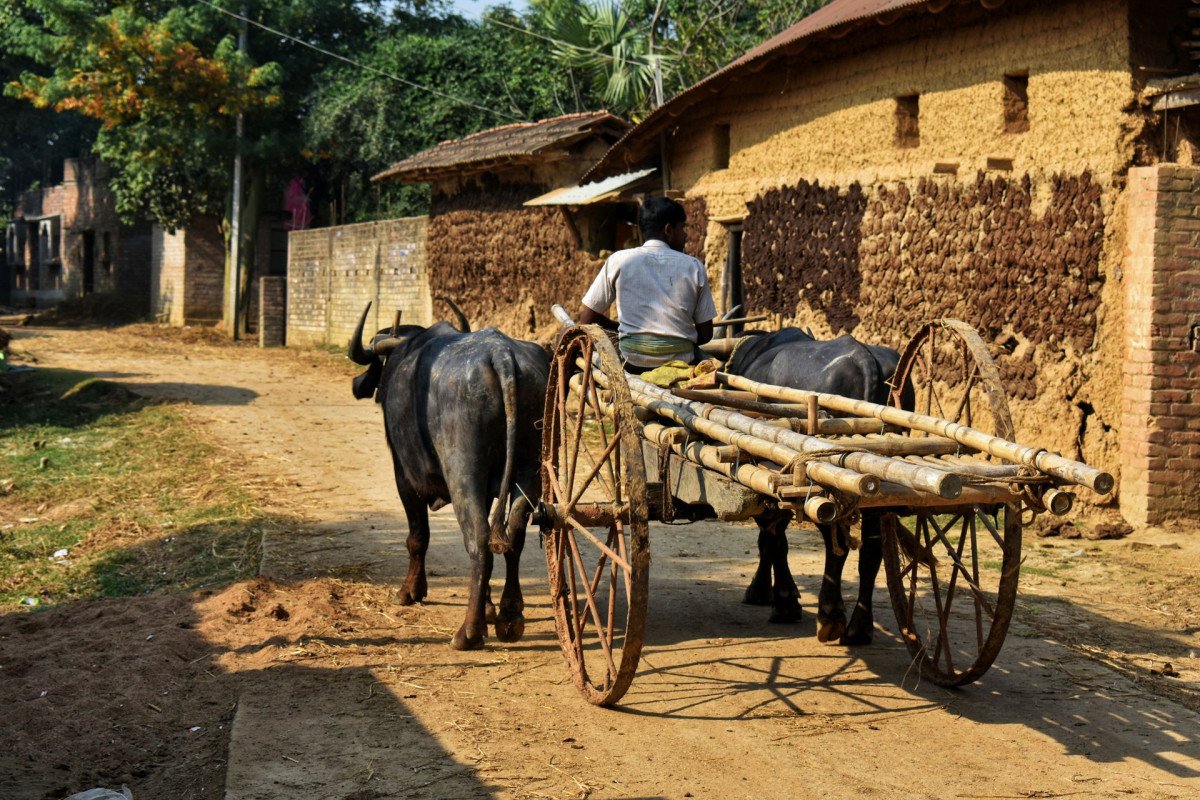
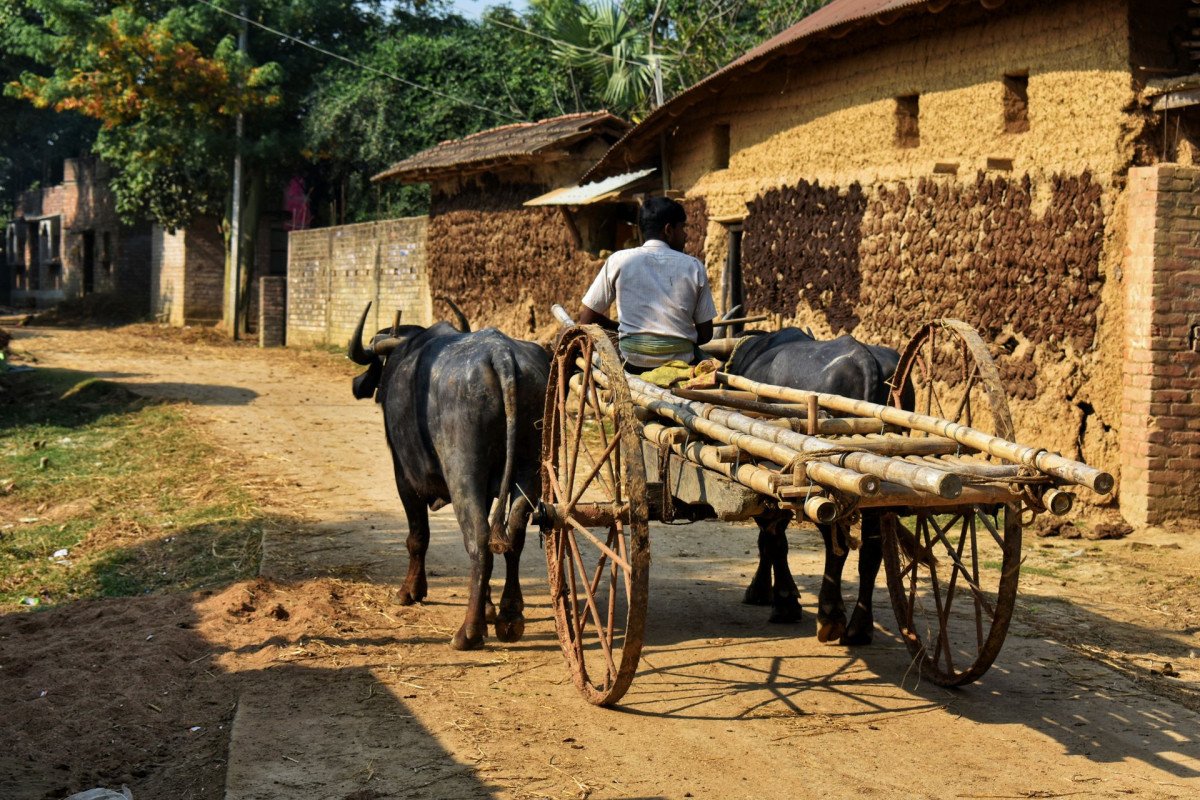
Achalgarh Village
General information
-
Ideal Duration:
2 to 3 hours (Includes exploring the fort ruins and temples)Place Type:
Historical Fort, Temple, Village, Pilgrimage SiteEntry Fees:
No Entry Fee for Fort and Temples: There is no official entry fee or ticket required to visit the Achalgarh Fort ruins or the Achaleshwar Mahadev Temple and the nearby Jain Temples. These sites are maintained as part of the public heritage and pilgrimage infrastructure.No Entry Fee for Fort and Temples: There is no official entry fee or ticket required to visit the Achalgarh Fort ruins or the Achaleshwar Mahadev Temple and the nearby Jain Temples. These sites are maintained as part of the public heritage and pilgrimage infrastructure.
Parking and Road Tax: A minor toll or entry fee may be collected on the road leading to the village as part of the local infrastructure tax, especially if driving a private vehicle.
Optional Donations: Visitors can offer voluntary donations at the temple donation boxes, but this is entirely optional and not a requirement for entry.
Other Costs: Costs are limited to purchasing local snacks, water, or any souvenirs from the vendors located in the village or near the temple complex. The commitment to maintaining public access ensures a low-cost visit for all.
(Total: 200 Words approx. )Timing:
Regular Timings:
Early Opening: The complex, including the temples and the fort ruins, is generally open from 5:00 AM to 7:00 PM daily. Temple rituals and aartis start early in the morning.
Ideal Visit Time:...Regular Timings:
Early Opening: The complex, including the temples and the fort ruins, is generally open from 5:00 AM to 7:00 PM daily. Temple rituals and aartis start early in the morning.
Ideal Visit Time:
Early Morning: The ideal time to visit is in the early morning (between 7:00 AM and 10:00 AM). The cooler temperature makes the walking/climbing around the fort ruins much more comfortable, and the light is perfect for photography.
Late Afternoon: A late afternoon visit (around 4:00 PM) is also good, offering pleasant temperatures and a lovely golden light on the stone structures before the official closing time.
Temple Rituals: If interested in religious rituals, check local schedules for the specific timings of the morning and evening aartis at the Achaleshwar Mahadev Temple.
(Total: 200 Words approx. )Special Events:
Maha Shivratri: Being a major Lord Shiva temple, Maha Shivratri (usually in February or March) is the most important festival. The temple is brightly decorated, and special night-long prayers (aartis), religious chanting, and local fairs are organized, attracting a huge num...Maha Shivratri: Being a major Lord Shiva temple, Maha Shivratri (usually in February or March) is the most important festival. The temple is brightly decorated, and special night-long prayers (aartis), religious chanting, and local fairs are organized, attracting a huge number of devotees.
Jain Festivals: The Jain Temples celebrate major Jain festivals like Mahavir Jayanti (usually in March or April) and Paryushan Parva (usually in August or September) with special rituals and large devotional gatherings.
Local Fairs: The small village often hosts local fairs (melas) tied to the lunar calendar, providing a vibrant glimpse into the traditional culture of the Aravalli hill region.
(Total: 200 Words approx. )Best Photo Spots:
The Panchdhatu Nandi: A detailed close-up or medium shot of the colossal five-metal Nandi statue is essential, capturing its size, detail, and shine, especially with the temple entrance as a backdrop.
The Fort Gates and Walls: The rugged gra...The Panchdhatu Nandi: A detailed close-up or medium shot of the colossal five-metal Nandi statue is essential, capturing its size, detail, and shine, especially with the temple entrance as a backdrop.
The Fort Gates and Walls: The rugged granite towers of the Hanumanpol and Champapol are excellent for historical and architectural photography, framing the ancient stone against the sky.
Jain Temple Carvings: Focus on the intricate, delicate carvings of the marble ceilings and pillars inside the Jain Temples (where photography is permitted), showcasing the mastery of the artisans.
Mandakini Lake with the Rock Carvings: Capture the calm water of the lake with the unique rock carvings in the foreground, framing the legend in a scenic shot.
(Total: 300 Words approx. )Photo Gallery
Things To Do
-
Visit the Achaleshwar Mahadev Temple: Spend time at the primary temple to witness the unique 'toe-print' worship, see the magnificent Panchdhatu Nandi statue, and experience the profound spiritual atmosphere of this ancient shrine.
Explore the Achalgarh Fort Ruins: Walk through the remaining fortifications, including the Hanumanpol and Champapol gates, to get a sense of the fort's strategic history and enjoy the scenic views from the ramparts.
Climb to the Jain Temples: Take the short, uphill path to the complex of Jain Temples. Spend time admiring the detailed, delicate marble sculptures and carvings, which are considered fine examples of Jain artistry.
Reflect by the Mandakini Lake: Visit the small, sacred lake and look for the rock carvings that illustrate th...
Information
-
Why Famous:
The Unique Achaleshwar Mahadev Temple: This temple is the main reason for its fame, known for two unique features: the worship of Lord Shiva's toe print instead of a traditional Linga, and the colossal four-ton Nandi statue made of five precious metals. This unique religi...The Unique Achaleshwar Mahadev Temple: This temple is the main reason for its fame, known for two unique features: the worship of Lord Shiva's toe print instead of a traditional Linga, and the colossal four-ton Nandi statue made of five precious metals. This unique religious aspect draws thousands of Hindu pilgrims.
Rana Kumbha's Historical Legacy: The fort's connection to Maharana Kumbha, one of the most celebrated rulers of Mewar, makes it a historically important site. His fortifications cemented its strategic significance in the 15th century.
Blend of Hindu and Jain Spirituality: The presence of both the ancient Achaleshwar Mahadev Temple and the intricately carved Jain Temples nearby highlights the site's importance as a shared spiritual center for both communities in the region.
Scenic and Elevated Location: Like many Rajput forts, Achalgarh is situated atop a hill, offering beautiful, panoramic views of the surrounding area, which appeals to general tourists and nature lovers.
(Total: 200 Words approx. ) -
Architecture:
Architectural Style: Rajput Hill Fort & Temple Complex The site exhibits a mix of 15th-century Rajput military architecture (the fort) and much older Hindu and Jain temple styles. Maharana Kumbha's reconstruction in 1452 CE introduced strong bastions and gates like the Hanu...Architectural Style: Rajput Hill Fort & Temple Complex The site exhibits a mix of 15th-century Rajput military architecture (the fort) and much older Hindu and Jain temple styles. Maharana Kumbha's reconstruction in 1452 CE introduced strong bastions and gates like the Hanumanpol and Champapol, built from massive granite blocks to serve as the fort's defense structure.
Achaleshwar Mahadev Temple: The temple dedicated to Lord Shiva features a simple, ancient stone structure. Its most famous feature is the large, four-ton statue of Nandi (Lord Shiva's vehicle) crafted from Panchdhatu (a mix of five metals: gold, silver, copper, brass, and zinc). The unique shrine is built around a natural pit, believed to be bottomless, further adding to its unique architectural and spiritual aura.
Jain Temple Complex: Situated higher up, the Jain Temples (like the Vimal Vasahi and Lun Vasahi styles, similar to Dilwara) are masterpieces of intricate marble carving. Although on a smaller scale than the Dilwara Temples, their detailed ornamentation and craftsmanship are significant, demonstrating the high level of artistry achieved in the 16th century. The use of locally sourced stone for the fort walls contrasts sharply with the delicate artistry of the temple marble, making the complex a fascinating study in regional architecture.
(Total: 200 Words approx. ) -
How To Reach:
By Air: The nearest airport is Udaipur (Dabok Airport, 180 KMS). From the airport, hire a pre-booked taxi or take a bus to Mount Abu town.
By Train: The nearest railway station is Abu Road (ABR, 28 KMS). From Abu Road, hire a taxi or take ... -
Near Tourist Places:
1. Guru Shikhar (Approx.
7 KMS): Highest peak of the Aravalli Range. 2. Peace Park (Brahma Kumaris) (Approx.
5 KMS): A tranquil garden and spiritual center. 3. Dilwara Jain Temples (Approx.
8 KMS): Famous for marble carvings. 4. Nakki Lake (Approx.
11 KMS): Main lake in town for boating. 5. Toad Rock Viewpoint (Approx.
14 KMS): Unique rock formation. 6.
Mount Abu Wildlife Sanctuary (Entry Points Vary): Surrounds the area. 7. Gaumukh Temple (Approx.
15 KMS): Sacred site with a spring. 8. Adhar Devi Temple (Approx.
16 KMS): Cave temple. 9. Raghunath Temple (Approx.
13 KMS): Dedicated to Lord Vishnu. 10. Sunset Point (Approx.
15 KMS): Popular sunset viewing spot.
Tourism Tips
-
Health & Safety:
Watch Your Step: The fort is mostly in ruins, and the paths can be uneven and rocky, especially on the climb to the Jain Temples. Wear good, sturdy walking shoes and watch your footing.
Sun Prot...
Reviews
Achalgarh Village Itineray And Cost:-
Achalgarh Village Tourism:-
Information about New and Updated Locations() of Rajasthan Has Been Added :-
Card subtitle
Note:-
Information provided here in good Faith and for reference only.
All information and pictures will be updated soon, please keep visiting.
Near Places

Abu View Point
Some quick example text to build on the card title and make up the bulk of the card's content.
Go somewhere
Achaleshwar Mahadev Temple
Some quick example text to build on the card title and make up the bulk of the card's content.
Go somewhere
Achalgarh Fort
Some quick example text to build on the card title and make up the bulk of the card's content.
Go somewhere
Achalgarh Jain Temples
Some quick example text to build on the card title and make up the bulk of the card's content.
Go somewhere
Achalgarh Village
Some quick example text to build on the card title and make up the bulk of the card's content.
Go somewhere
Adhar Devi Temple
Some quick example text to build on the card title and make up the bulk of the card's content.
Go somewhere
Arbuda Devi Cave
Some quick example text to build on the card title and make up the bulk of the card's content.
Go somewhere
Arbuda Devi Temple
Some quick example text to build on the card title and make up the bulk of the card's content.
Go somewhere
Bailey's Walk
Some quick example text to build on the card title and make up the bulk of the card's content.
Go somewhere
Brahma Kumaris Spiritual University & Museum
Some quick example text to build on the card title and make up the bulk of the card's content.
Go somewherein Other Cities