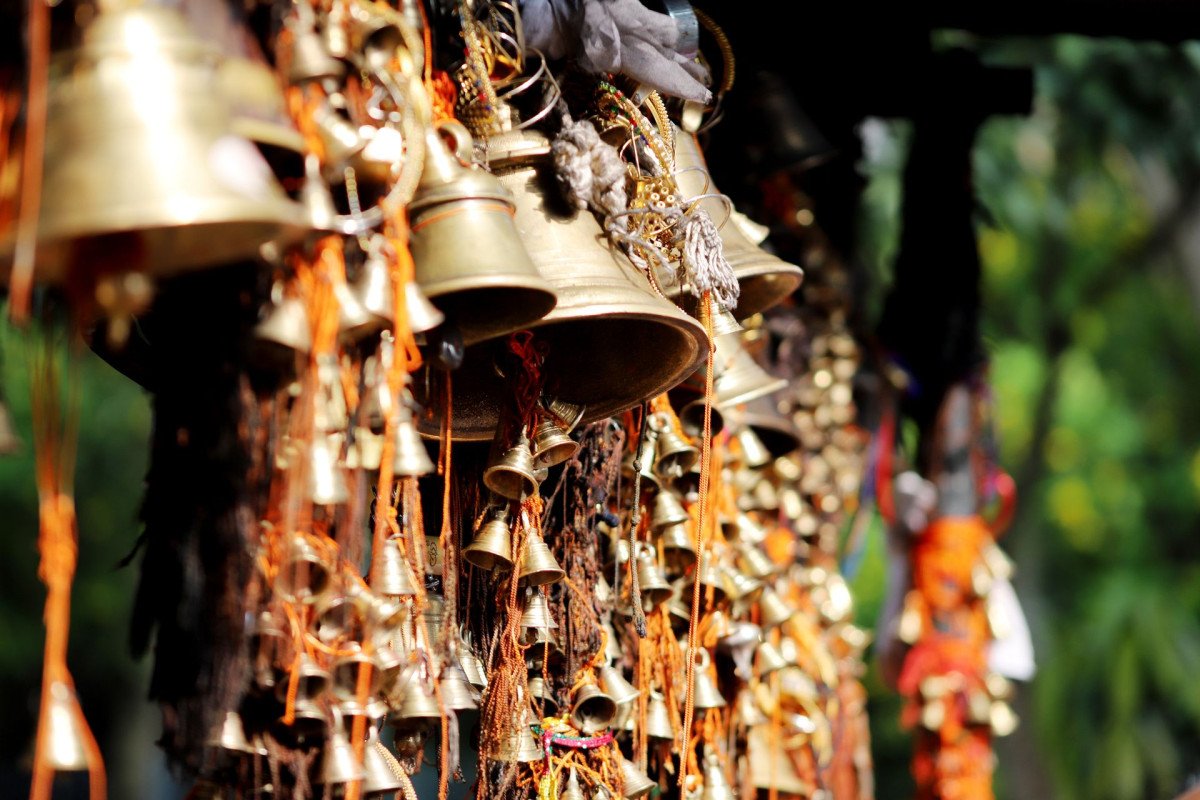
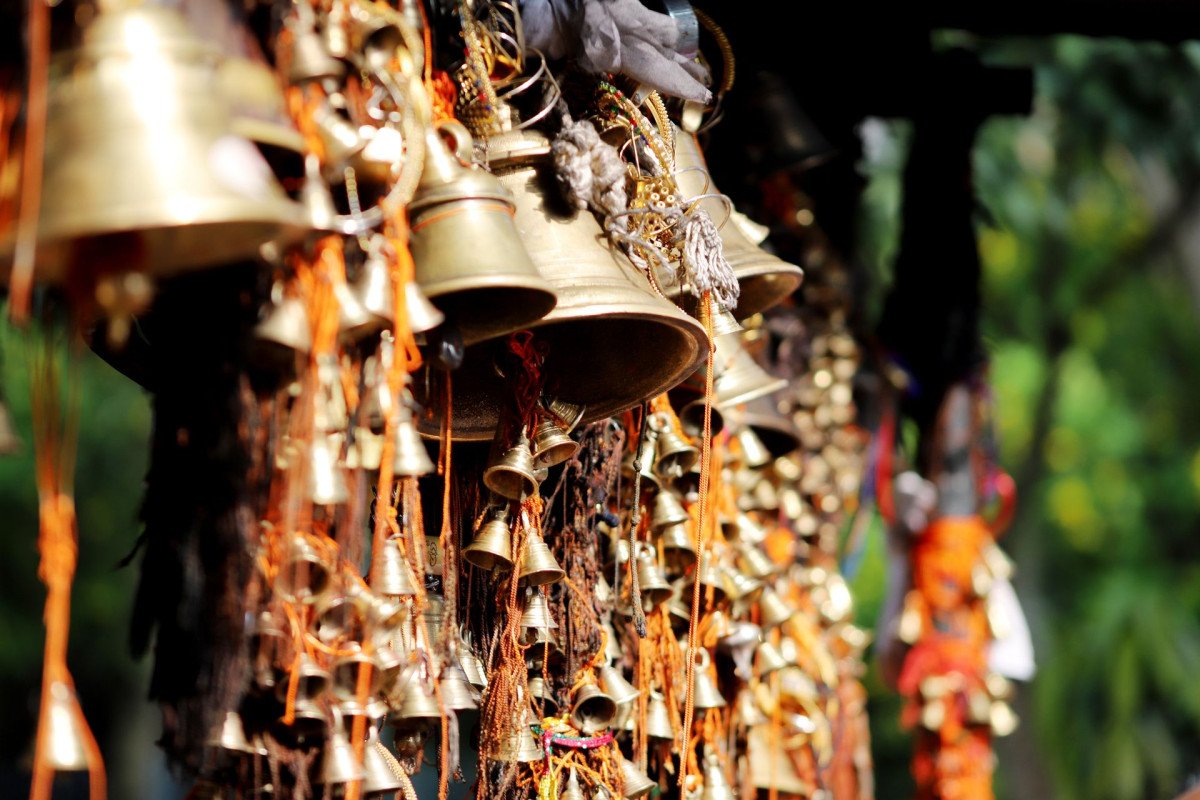
Achaleshwar Mahadev Temple
General information
-
Ideal Duration:
1 hour (Covers the temple visit, the Nandi enclosure, the Mandakini Kund, and the small surrounding shrines).Place Type:
Religious & Spiritual Site, Ancient Temple, PilgriEntry Fees:
Free Entry for All Devotees and Visitors: Consistent with its nature as an ancient, highly revered Hindu pilgrimage site, the Achaleshwar Mahadev Temple has no mandatory entry fee for visitors. The spiritual experience and the act of worship are kept free and accessible to ...Free Entry for All Devotees and Visitors: Consistent with its nature as an ancient, highly revered Hindu pilgrimage site, the Achaleshwar Mahadev Temple has no mandatory entry fee for visitors. The spiritual experience and the act of worship are kept free and accessible to all devotees, regardless of nationality or origin. This openness reinforces its status as a significant religious landmark where the focus is purely on faith and historical appreciation.
Optional and Minor Charges: While there is no ticket for entry, visitors should be aware of a few minor, common charges typical of such sites:
Temple Donation: There are usually donation boxes within the temple compound where visitors can voluntarily contribute funds for the temple's maintenance, daily rituals, and community work. This is a personal choice.
Parking Fee: A minimal parking fee is charged for all vehicles (taxis, private cars) at the general parking lot shared with Achalgarh Fort. This fee is not for temple entry but for the use of the parking facility.
Ritual Fees: If a devotee wishes to perform a special, personalized ritual (Puja or Abhishekam) presided over by a temple priest, there may be a fixed fee for the services, which should be confirmed with the priest directly.
Photography Restriction: Note that while the exterior is free to photograph, photography is strictly prohibited inside the main sanctum (Garbhagriha) where the toe-print is located, out of respect for the sanctity of the shrine.Timing:
Regular Timings: 5:00 AM to 7:00 PM The typical operating hours for the Achaleshwar Mahadev Temple are generally very broad, ranging from the early morning, often 5:00 AM, until the evening, around 7:00 PM. This extensive daily schedule is set to accommodate the temple's da...Regular Timings: 5:00 AM to 7:00 PM The typical operating hours for the Achaleshwar Mahadev Temple are generally very broad, ranging from the early morning, often 5:00 AM, until the evening, around 7:00 PM. This extensive daily schedule is set to accommodate the temple's daily morning rituals (Mangala Aarti), the continuous stream of devotees throughout the day, and the evening prayer ceremonies (Sandhya Aarti), ensuring maximum access for pilgrims and tourists alike.
Ideal Visit Time: Early Morning (For Spiritual Serenity) and Festivals The ideal time to visit the temple is dictated by the desire for peace, the quality of light, or the opportunity to witness a special event. Early Morning (5:00 AM to 8:00 AM) Highly recommended. This time is the most peaceful and spiritually resonant, allowing devotees to attend the morning Aarti (prayer) and perform a relaxed Darshan (viewing of the deity) before the major crowds arrive. The soft, gentle light is also perfect for photographing the metallic Nandi and the stone architecture. During Festivals (Maha Shivaratri, Shravana Mondays): This is the ideal time for those seeking an immersive cultural and religious experience. The temple comes alive with decorations, music, and thousands of devotees, offering a profound glimpse into local Hindu traditions, though be prepared for large crowds and a long waiting line. Late Afternoon (4:00 PM to 6:00 PM) A good time for a tranquil visit. The temperature begins to drop, and the light is warm and soft, ideal for photography. The temple may host its evening Aarti ceremony towards the closing hours, a beautiful ceremony to witness.Special Events:
Maha Shivaratri Festival:
The Night of Shiva: The annual celebration of Maha Shivaratri, typically held in February or March (Hindu month of Phalguna), is the biggest and most significant event.
Grand Scale:...Maha Shivaratri Festival:
The Night of Shiva: The annual celebration of Maha Shivaratri, typically held in February or March (Hindu month of Phalguna), is the biggest and most significant event.
Grand Scale: The temple becomes a magnet for thousands of pilgrims who believe a visit to the Shiva-toe shrine on this night grants immense merit. The temple is decorated with lights and flowers, and the atmosphere is one of intense devotion.
All-Night Vigil: Devotees engage in an all-night vigil (Jagran), offering prayers, singing devotional songs (bhajans), and continuously pouring water and milk over the Shiva Lingam and the toe-print. Special four-part aarti ceremonies are performed throughout the night, making it an immersive cultural and spiritual experience.
Shravana Month Festivities: The entire Hindu month of Shravana (usually falling in July and August, during the monsoon), is highly sacred to Lord Shiva.
Continuous Offerings: Throughout this month, the temple sees a daily increase in the number of devotees, who perform special rituals, called Abhishekam (ritual bathing of the deity). Special prayers are offered every Monday of the Shravana month, transforming the area into a continuous spiritual gathering and pilgrimage site for the whole monsoon period.
Religious Fairs and Local Gatherings: During other auspicious times, such as the full moon (Purnima) and new moon (Amavasya) days, the temple hosts smaller, local-level religious fairs. These events are characterized by local vendors selling religious goods, simple food, and the gathering of nearby villagers and local sadhus (holy men), offering a glimpse into the regional faith and communal life distinct from the main tourist season.Best Photo Spots:
The Panchdhatu Nandi in Golden Hour: The four-tonne brass and metal Nandi bull is the most iconic element for photography.
Metallic Majesty: Focus your camera on the colossal statue, capturing its intricate details and the solemn expression...The Panchdhatu Nandi in Golden Hour: The four-tonne brass and metal Nandi bull is the most iconic element for photography.
Metallic Majesty: Focus your camera on the colossal statue, capturing its intricate details and the solemn expression. The best time is during the early morning or late afternoon, when the slanting sunlight hits the metal, making the gold and brass components shine and creating a powerful, majestic image.
Framed by the Temple: Use the temple's entrance or the stone walls of the enclosure to frame the statue, adding depth and architectural context to the metallic subject.
The Mandakini Kund and Stone Buffaloes: The pond area offers a picturesque blend of nature, legend, and sculpture.
Mythological Reflection: Photograph the three stone buffaloes, using the water of the Mandakini Kund as a natural reflective surface. This composition is unique to the temple complex and tells the local legend visually.
Temple Backdrop: Position yourself to capture the ancient temple structure with the serene water and the buffaloes in the foreground. This wide-angle shot beautifully encapsulates the entire mythological and historical setting.
The Temple's Carved Torana/Pillars: Focus on the architectural details that represent the temple's history and artistry.
Intricate Details: Take close-up shots of the finely carved marble pillars, especially those that have been restored to reveal the intricate filigree and floral motifs. Use a light source (like the sun) to highlight the texture and depth of the stone carvings, which are indicative of the Solanki style.
The Champa Tree: The ancient Champa tree, often located near the temple, can provide a beautiful natural frame for a photo of the temple entrance or the surrounding courtyard, symbolizing life and spirituality alongside the ancient stone.Photo Gallery
Things To Do
-
Perform Darshan and Seek Blessings at the Sanctum: The primary activity is paying homage to Lord Shiva and seeking the blessings associated with this unique shrine.
Worship the Holy Toe: Enter the Garbhagriha (sanctum sanctorum) to view and offer prayers to the toe-print of Lord Shiva, the central deity. The impression is safeguarded under a glass panel, which devotees circumambulate as an act of reverence.
Parikrama: If possible, perform the traditional Hindu ritual of Parikrama (circumambulation) around the temple's main sanctum, a practice that is spiritually significant and connects you to the ancient traditions of the shrine.
Water Offerings: Observe or participate in the pouring of water into the Brahma Khai pit, the supposed gateway to the netherworld....
Information
-
Why Famous:
The Sole Worship of Lord Shiva's Toe-Print: The fundamental reason for the temple's global fame and immense religious significance is that it is believed to be the only place in the world where the left toe impression of Lord Shiva is worshipped. This toe is consid...
The Sole Worship of Lord Shiva's Toe-Print: The fundamental reason for the temple's global fame and immense religious significance is that it is believed to be the only place in the world where the left toe impression of Lord Shiva is worshipped. This toe is considered the divine anchor that prevented the Mount Abu mountain from sinking, a powerful and unique legend that makes the temple an unparalleled pilgrimage site for Shaivites and gives the region its spiritual weight. The toe-print represents the "Achal" (immovable) aspect of the God, making the temple a symbol of stability and divine protection.
The Colossal Panchdhatu Nandi: The temple is instantly recognizable and famous due to its stunning, massive statue of Nandi, the sacred bull of Shiva. Weighing approximately four tonnes and made from a precious five-metal alloy (Panchdhatu), the statue is an artistic and metallurgical marvel from the 15th century. Its fame is amplified by the captivating legend that attributes the temple's miraculous defense against Muslim invaders to the bull, which supposedly unleashed a swarm of bees to repel the attack, establishing it as a divine protector and a magnificent piece of Hindu iconography.
The Pit to the Netherworld (Brahma Khai): The presence of the mysterious, bottomless pit, the Brahma Khai, located right in front of the Shiva-toe shrine, adds a mystical and famous dimension to the site. Local lore maintains that the pit is a doorway to the netherworld (Naraka) and can never be filled with water, no matter how much is poured into it. This blending of deep religious devotion with a powerful, inexplicable natural phenomenon draws the curious as well as the faithful, cementing its fame as a temple of both historical fact and enduring legend. -
Architecture:
Solanki Style and Paramara Dynasty Influence: The Achaleshwar Mahadev Temple is an important example of Hindu temple architecture, with its origins dating back to the Paramara period (9th century AD) and subsequent embellishments during the Solanki and Mewar reigns. While p...Solanki Style and Paramara Dynasty Influence: The Achaleshwar Mahadev Temple is an important example of Hindu temple architecture, with its origins dating back to the Paramara period (9th century AD) and subsequent embellishments during the Solanki and Mewar reigns. While parts have undergone restoration, the structure showcases the classic traits of the Solanki style prevalent in Rajasthan and Gujarat, characterized by ornate craftsmanship even in rugged materials like granite and sandstone. The sanctum is modest and built from large blocks of marble, later revealed under a thick lime layer, which incidentally preserved its intricate details from external damage.
Dimension and Sanctum Layout: The temple is contained within an enclosure. The main structure consists of a Garbhagriha (sanctum sanctorum) and a Mandapa (pillared hall).
Garbhagriha Dimension: The inner sanctum is modestly sized, perhaps around 10-12 feet square, designed to focus devotion on the central object of worshipRs.the toe impression of Lord Shiva. The sanctity is enhanced by a circumambulatory path (Parikrama or Pradakshina Path) around the sanctum, revealed during the 20th-century restoration.
Nandi Enclosure: Of grand dimension is the separate enclosure housing the colossal Panchdhatu Nandi bull. This statue, weighing around 4 tonnes and nearly 5 feet high, is a magnificent piece of metallurgical art and sits facing the main deity, as per Shiva temple tradition. The sheer size of the statue in a relatively small enclosure makes it immediately striking.
Unique Features and Sculptural Art: The templeRs.s distinctiveness lies in its unique sculptural elements and natural formations.
The Shiva Toe-Print: The central architectural focus is the low-lying rock with the toe impression, which is covered with a metal rim and a glass panel, making it a truly unique object of veneration.
Pillars and Carvings: The temple features lathe-turned pillars and a ceiling that, upon restoration, revealed fine filigree work and detailed marble carvings, including concentric lotuses, a common motif symbolizing cosmic evolution.
The Mandakini Kund Statues: The stone buffalo statues near the adjacent pond, representing the vanquished demons, are a rare example of zoomorphic sculpture connected to local temple legend, providing a unique blend of folklore and stone art. -
How To Reach:
By Air (Nearest Airport): The nearest domestic airport is Maharana Pratap Airport (UDR) in Udaipur, located approximately 185 to 190 KMS away. From the airport, visitors must first travel to Mount Abu town.
Final Leg to the Temple: From Mo... -
Near Tourist Places:
1.
Achalgarh Fort: (The Fort Complex) - <0. 5 KMS - The historical fort gates and ramparts. 2.
Jain Temples (Inside Achalgarh): (Intricate Marble Carvings) - <0. 5 KMS - Beautiful Solanki-style temples. 3.
Guru Shikhar: (Highest Peak) - Approx. 4 KMS - Best panoramic view and Dattatreya Temple. 4.
Peace Park (Brahma Kumaris): (Spiritual Center) - Approx. 9 KMS - Serene gardens and a spiritual university campus. 5.
Nakki Lake: (Mount Abu Town Center) - Approx. 11. 5 KMS - The central, scenic lake and hub of town activity. 6.
Dilwara Jain Temples: (World Heritage Site) - Approx. 14 KMS - Mandatory visit for marble artistry. 7.
Toad Rock View Point: (Unique Rock Formation) - Approx. 13 KMS - A distinctive rock formation for viewing. 8.
Sunset Point: (Famous Viewpoint) - Approx. 15. 5 KMS - Alternative spot for sunset watching. 9.
Mount Abu Wildlife Sanctuary: (Covers the hills) - Approx. 5-10 KMS (Entry Points) - For nature walks and biodiversity. 10.
Gaumukh Temple: (Cow's Mouth Spring) - Approx. 18. 5 KMS - A sacred spring flowing through a marble cow's mouth.
Tourism Tips
-
Health & Safety: The temple is part of the fort complex, so minor safety concerns apply.
Footwear: Wear comfortable, slip-resistant footwear. Although the temple courtyard is level, the approach involves walking over rough stone paths shar...
Reviews
Achaleshwar Mahadev Temple Itineray And Cost:-
Achaleshwar Mahadev Temple Tourism:-
Information about New and Updated Locations() of Rajasthan Has Been Added :-
Card subtitle
Note:-
Information provided here in good Faith and for reference only.
All information and pictures will be updated soon, please keep visiting.
Near Places

Abu View Point
Some quick example text to build on the card title and make up the bulk of the card's content.
Go somewhere
Achaleshwar Mahadev Temple
Some quick example text to build on the card title and make up the bulk of the card's content.
Go somewhere
Achalgarh Fort
Some quick example text to build on the card title and make up the bulk of the card's content.
Go somewhere
Achalgarh Jain Temples
Some quick example text to build on the card title and make up the bulk of the card's content.
Go somewhere
Achalgarh Village
Some quick example text to build on the card title and make up the bulk of the card's content.
Go somewhere
Adhar Devi Temple
Some quick example text to build on the card title and make up the bulk of the card's content.
Go somewhere
Arbuda Devi Cave
Some quick example text to build on the card title and make up the bulk of the card's content.
Go somewhere
Arbuda Devi Temple
Some quick example text to build on the card title and make up the bulk of the card's content.
Go somewhere
Bailey's Walk
Some quick example text to build on the card title and make up the bulk of the card's content.
Go somewhere
Brahma Kumaris Spiritual University & Museum
Some quick example text to build on the card title and make up the bulk of the card's content.
Go somewherein Other Cities