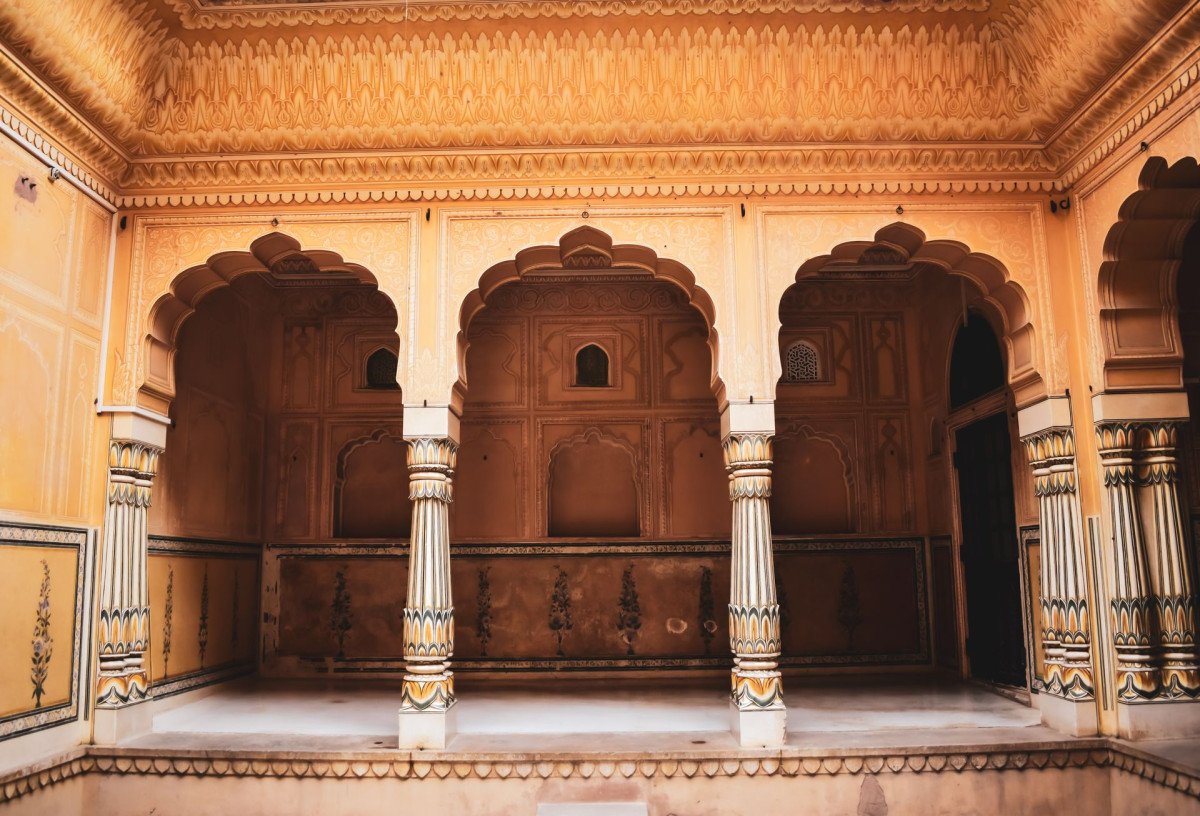
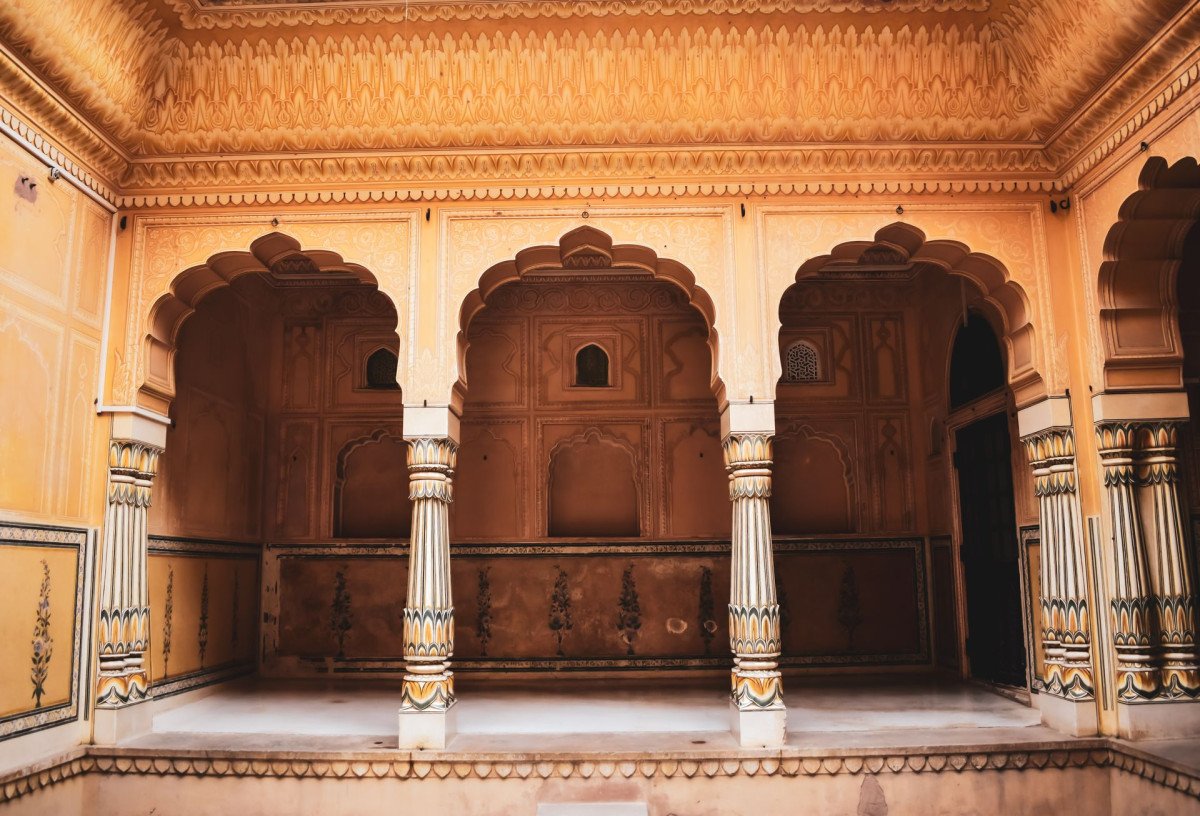
Achalgarh Fort
General information
-
Ideal Duration:
1. 5 to 2. 5 hours (Includes the walk from the parking area, visiting Achaleshwar Mahadev Temple, Mandakini Kund, exploring the ruined ramparts, and visiting the Jain temples).Place Type:
Fort/Historical Monument, Religious & Spiritual SiEntry Fees:
Absolutely No Entry Fee for the Fort and Temples: One of the most appealing aspects of visiting Achalgarh Fort is that there is no official entry fee or ticket required to enter the fort premises, to walk the ramparts, or to visit the two main temples (Achaleshwar Mahadev Te...Absolutely No Entry Fee for the Fort and Temples: One of the most appealing aspects of visiting Achalgarh Fort is that there is no official entry fee or ticket required to enter the fort premises, to walk the ramparts, or to visit the two main temples (Achaleshwar Mahadev Temple and the Jain Temples). This is common for many ancient forts and spiritual sites in India that are not ticketed by the Archaeological Survey of India (ASI) or managed by a private trust for commercial gain. Visitors can freely explore the historical ruins and the sacred shrines without any financial barrier.
Nominal Indirect Charges: While entry is free, visitors should be aware of a few minor, indirect, and optional charges:
Vehicle Parking: A small, nominal fee is typically charged for parking private vehicles (cars, two-wheelers) or taxis at the designated parking area near the fort complex. This fee is usually a fixed, minimal amount and helps maintain the parking facility.
Camera/Photography Charges: Some sources indicate a nominal charge (e. g. , INR 10) for still photography, though this is often not strictly enforced for general outdoor photography. However, it is important to note that photography is usually strictly prohibited inside the inner sanctums of both the Achaleshwar Mahadev Temple and the Jain Temples, even if a camera fee is paid.
Voluntary Donations: Devotees visiting the temples may choose to make a voluntary contribution ('bhent' or 'dakshina') for the maintenance of the shrine. This is entirely optional and should not be confused with a mandatory entry fee.Timing:
Regular Timings: 5:00 AM to 7:00 PM The general opening and closing times for the Achalgarh Fort complex and its temples are from the very early morning, typically 5:00 AM, until late evening, around 7:00 PM. This extensive timeframe is designed to accommodate both early-mo...Regular Timings: 5:00 AM to 7:00 PM The general opening and closing times for the Achalgarh Fort complex and its temples are from the very early morning, typically 5:00 AM, until late evening, around 7:00 PM. This extensive timeframe is designed to accommodate both early-morning devotees who wish to offer prayers at the Achaleshwar Mahadev Temple and tourists who want to catch the picturesque late-afternoon sunset views from the ramparts. The vast, open nature of the fort complex allows for this extended period.
Ideal Visit Time: Early Morning (To Avoid Heat) and Late Afternoon (Sunset) The best time of day to visit Achalgarh Fort balances comfortable weather with stunning photography opportunities. Early Morning (5:00 AM to 9:00 AM) Highly recommended. Visiting right at or just after opening time allows you to experience the fort and the temple complex in a peaceful, serene atmosphere before the crowds arrive. The early morning light is soft, the air is cool, and the golden rays hitting the ancient stone of the fort provide superb conditions for historical and nature photography. It also allows you to complete the exploration before the mid-day heat sets in. Late Afternoon/Sunset (4:00 PM to 6:30 PM) This is the second-best time, especially for tourists interested in the panoramic views and photography. The fort's western-facing ramparts offer a breathtaking vantage point for watching the sunset over the Aravalli hills. The soft, warm evening light, combined with the temple's evening aarti, makes for a memorable and atmospheric visit.Special Events:
Maha Shivaratri Festival: The most significant special event at the Achalgarh complex centers around the Achaleshwar Mahadev Temple during Maha Shivaratri. This major Hindu festival, typically falling in February or March (the Hindu month of Phalguna), celebrates the Great ...Maha Shivaratri Festival: The most significant special event at the Achalgarh complex centers around the Achaleshwar Mahadev Temple during Maha Shivaratri. This major Hindu festival, typically falling in February or March (the Hindu month of Phalguna), celebrates the Great Night of Shiva. Due to the unique worship of Lord Shiva's toe-print, the temple attracts thousands of pilgrims who observe an all-night vigil, fast, and offer special prayers and milk to the Shivalinga. The entire fort area comes alive with religious fervor, special aarti (prayer ceremonies), and a local fair, creating a vibrant, deeply spiritual atmosphere that is unlike any other time of the year.
Annual Fair and Pilgrimage Season: Besides Maha Shivaratri, the months between October and March see a continuous stream of pilgrims and tourists. Although not a single event, the high season for religious travel, especially during Hindu calendar months like Shravana (Monsoon, usually July/August) when special prayers are dedicated to Lord Shiva, sees a marked increase in local religious activities. Local vendors and temporary stalls set up around the complex to cater to the devotees, giving the area a lively, fair-like ambiance.
Jain Festivals: The Jain Temples within the fort complex, being significant places of worship, host special events during major Jain festivals, such as Paryushan Parva (usually August/September) or Mahavir Jayanti (usually March/April). These events are marked by quiet contemplation, special prayers (poojas), and processions, offering a glimpse into the local Jain religious practices that co-exist peacefully within the historical fort complex.Best Photo Spots:
The Achaleshwar Mahadev Temple Entrance and Nandi: This location is perfect for capturing the unique spiritual atmosphere and the contrast between the ancient stone and the metallic deity.
Iconic Frame: Frame the massive, four-tonne Panchdh...The Achaleshwar Mahadev Temple Entrance and Nandi: This location is perfect for capturing the unique spiritual atmosphere and the contrast between the ancient stone and the metallic deity.
Iconic Frame: Frame the massive, four-tonne Panchdhatu Nandi bull in the foreground with the temple's entrance and the fort's ancient walls visible in the background. The detailed craftsmanship of the bull provides a rich, textured subject, especially with the soft light of morning or evening.
Devotion in Action: Capture portraits or candid shots of pilgrims and devotees engaging in prayer, ringing the temple bell, or offering water, conveying the deep sense of faith and spiritual energy of the place.
The Mandakini Kund and Stone Buffaloes: The pond with its mythological statues provides a surreal and unique photo opportunity.
Mythological Scene: Capture the three stone buffaloes emerging from the pond, ideally with the ruined fort ramparts reflected in the water of the Mandakini Kund. Use a low angle to make the statues appear more colossal and dramatic, enhancing the legendary feel of the scene.
Golden Hour Backdrop: Visit at sunset, when the warm, golden light illuminates the ancient grey stone of the fort and reflects off the pondRs.s surface, creating a magical atmosphere and stunning landscape shots.
The Champapol Gateway and Rampart Views: The inner fort's gateway and the surrounding ruins offer the best high-altitude photography.
Ruins and Nature: Focus on the textured, crumbling stone of the Champapol gateway and the surrounding bastions. Capture the way the natural vegetation has overgrown the ruins, symbolizing the passage of time.
Panoramic Views: Climb to the highest accessible point on the ramparts for the widest panoramic view. This spot is ideal for sweeping landscape shots of the Aravalli hills and the distant Mount Abu town, especially on a clear day.Photo Gallery
Things To Do
-
Explore the Grand Historical Fort Gates: The visit begins with an exploration of the two primary fort gates, which are masterpieces of military engineering.
Hanumanpol: Take time to admire the massive structure of the first gate, Hanumanpol. This gate served as the initial line of defense. Notice the size of the granite blocks used in its construction, which speak volumes about the labor and robust security standards of the 15th century.
Champapol: Ascend to the second gate, Champapol. This gate marks the entry to the inner, upper fort. The strategic positioning of the gates on the winding path offers excellent vantage points for photography and for appreciating the defensive architecture designed to slow down invading armies.
Seek Blessings at the Achaleshwar...
Information
-
Why Famous:
Historical Legacy of Maharana Kumbha: Achalgarh Fort is primarily famous for its historical connection to Maharana Kumbha of Mewar. His reconstruction in 1452 CE turned the older Paramara fort into a formidable stronghold, making it one of the 32 forts he is famous...
Historical Legacy of Maharana Kumbha: Achalgarh Fort is primarily famous for its historical connection to Maharana Kumbha of Mewar. His reconstruction in 1452 CE turned the older Paramara fort into a formidable stronghold, making it one of the 32 forts he is famously credited with building or restoring. This association instantly elevates its status, as Maharana Kumbha is a figure of immense significance in Rajasthani history, known for his military prowess, art patronage, and strategic vision. The fort represents a crucial element of the Mewar KingdomRs.s defense system against invaders from the plains, cementing its fame as a symbol of Rajput resilience and architectural ambition.
The Sacred Achaleshwar Mahadev Temple: The religious significance of the fort complex, particularly the presence of the ancient Achaleshwar Mahadev Temple just outside the main gate, is a major draw. The temple is one of the most revered Shiva shrines in the region, unique for being the only place in the world where the toe-print of Lord Shiva is worshipped. This extraordinary feature, linked to the legend of Shiva stabilizing the Mount Abu mountain, brings thousands of Hindu devotees, making the entire complex famous as a spiritual nexus point where history and faith converge.
Mandakini Kund and the Stone Buffaloes: Another distinct element contributing to its fame is the Mandakini Kund (pond) and the peculiar group of three large stone buffaloes. The legend associated with these statuesRs.that they represent demons (Asuras) who were killed by King Adi Pal while disguising themselves to drink the ghee-filled water of the pondRs.is a powerful, unique folk tale. This unique mythological feature, which is easily visible right outside the temple, makes Achalgarh stand out among other forts, drawing curious tourists and reinforcing its deep roots in local folklore and divine legend. -
Architecture:
Rajput Military Architecture and Gateway Design: The architecture of Achalgarh Fort is a classic example of Rajput military hill construction, blending defensive strength with the aesthetic and spiritual requirements of the time. The fort is built predominantly with massive...Rajput Military Architecture and Gateway Design: The architecture of Achalgarh Fort is a classic example of Rajput military hill construction, blending defensive strength with the aesthetic and spiritual requirements of the time. The fort is built predominantly with massive blocks of local grey granite and sturdy stone, designed for impregnability. The most notable features are its imposing gateways: Hanumanpol (the lower gate) and Champapol (the inner gate).
Dimension of Gates: The gates feature colossal double towers (bastions) built from large, roughly hewn stone blocks, intended to withstand heavy assault. They are positioned strategically on the ascending path, creating a zigzag approach that slowed down enemy elephants and cavalry. The height of these bastions would easily exceed 30 feet, creating a formidable entry point. The gates utilize strong wooden or iron doors (though the originals are long gone), recessed within deep archways for added protection.
Maharana KumbhaRs.s Reconstruction: The structural and aesthetic character of the fort owes much to Maharana KumbhaRs.s renovation in the 15th century. His style is evident in the robust stone walls and the general layout of the inner fort. The fortRs.s walls follow the natural contours of the hill, a common feature in hill forts (Giri Durg) of Rajasthan, which maximized natural defense. Inside the fort complex, structures are a mix of military barracks (now in ruins) and the religious architecture of the temples.
Spiritual Architecture Within the Fort: Within the fort, the architecture shifts to a more refined, religious style. The Achaleshwar Mahadev Temple (just outside the inner fort gate) and the Jain temples (like the Adinath Temple) stand in stark contrast to the rugged fort walls. The Jain temples, specifically, are exemplary of the Solanki style, featuring exquisitely carved marble, detailed ceilings with intricate geometric and floral patterns, and ornate pillars, reminiscent of the nearby Dilwara Temples, though on a smaller scale. This juxtaposition of the utilitarian, rugged fort and the ornate, refined temples highlights the duality of medieval Rajput strongholds as both military bases and centers of culture and faith. -
How To Reach:
By Air (Nearest Airport): The nearest domestic airport is Maharana Pratap Airport (UDR) in Udaipur, approximately 185-190 KMS away. From the airport, one must hire a private taxi or take a bus to Mount Abu.
Connecting to the Fort: Once in ... -
Near Tourist Places:
1.
Achaleshwar Mahadev Temple: (Just outside the fort gate) - <0. 5 KMS - The sacred Shiva temple. 2.
Guru Shikhar: (Highest Peak in Aravalli) - Approx. 4 KMS - The ultimate panoramic viewpoint and Dattatreya Temple. 3.
Peace Park (Brahma Kumaris): (Spiritual Center) - Approx. 9 KMS - A tranquil garden and spiritual center. 4.
Nakki Lake: (Mount Abu Town Center) - Approx. 11 KMS - The central, scenic lake with boating facilities. 5.
Dilwara Jain Temples: (World Famous Marble Carvings) - Approx. 14 KMS - Essential visit for intricate temple architecture. 6.
Toad Rock View Point: (Unique Rock Formation) - Approx. 12 KMS - A popular, easy-access viewpoint. 7.
Sunset Point: (Famous for View) - Approx. 15 KMS - The second most famous sunset spot in town. 8.
Mount Abu Wildlife Sanctuary: (Covers the hills) - Approx. 5-10 KMS (Entry Points) - For nature lovers and birdwatching. 9.
Gaumukh Temple: (Cow's Mouth Spring) - Approx. 18 KMS - A significant pilgrimage site with a natural spring. 10.
Trevor's Tank: (Crocodile Breeding Spot) - Approx. 18 KMS - A quiet, natural reservoir.
Tourism Tips
-
Health & Safety: Given the age and nature of the fort, caution is necessary.
Footwear: Wear extremely comfortable, sturdy walking shoes with a good grip. The fort complex involves walking on uneven, worn-out stone paths, steps, and sometim...
Reviews
Achalgarh Fort Itineray And Cost:-
Information about New and Updated Locations() of Rajasthan Has Been Added :-
Card subtitle
Note:-
Information provided here in good Faith and for reference only.
All information and pictures will be updated soon, please keep visiting.
Near Places

Abu View Point
Some quick example text to build on the card title and make up the bulk of the card's content.
Go somewhere
Achaleshwar Mahadev Temple
Some quick example text to build on the card title and make up the bulk of the card's content.
Go somewhere
Achalgarh Fort
Some quick example text to build on the card title and make up the bulk of the card's content.
Go somewhere
Achalgarh Jain Temples
Some quick example text to build on the card title and make up the bulk of the card's content.
Go somewhere
Achalgarh Village
Some quick example text to build on the card title and make up the bulk of the card's content.
Go somewhere
Adhar Devi Temple
Some quick example text to build on the card title and make up the bulk of the card's content.
Go somewhere
Arbuda Devi Cave
Some quick example text to build on the card title and make up the bulk of the card's content.
Go somewhere
Arbuda Devi Temple
Some quick example text to build on the card title and make up the bulk of the card's content.
Go somewhere
Bailey's Walk
Some quick example text to build on the card title and make up the bulk of the card's content.
Go somewhere
Brahma Kumaris Spiritual University & Museum
Some quick example text to build on the card title and make up the bulk of the card's content.
Go somewherein Other Cities