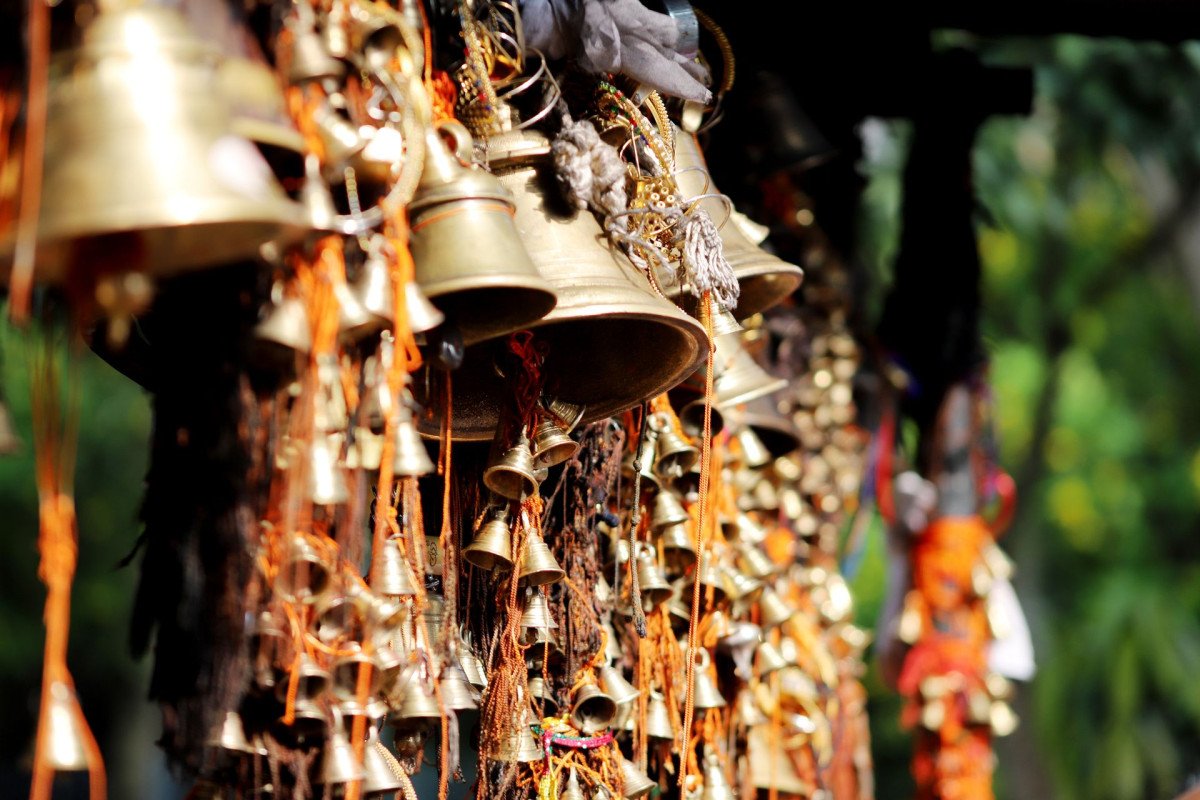
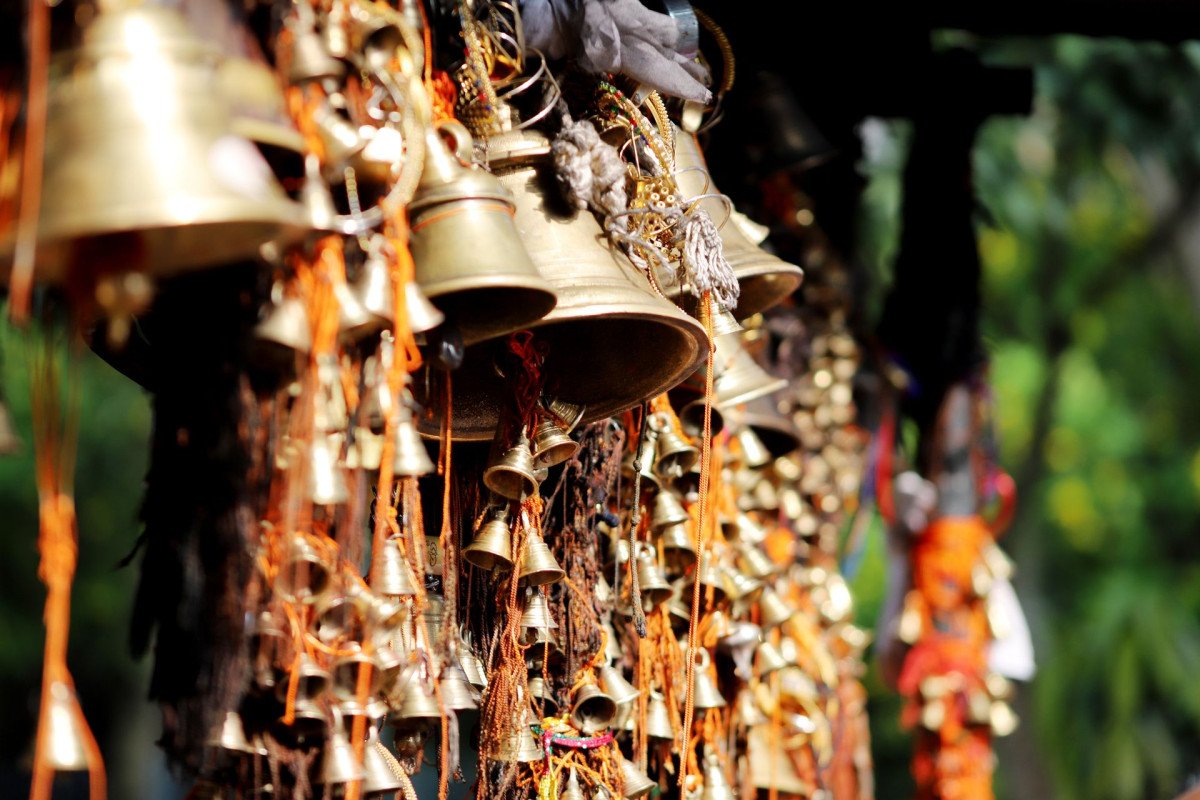
Adhar Devi Temple
General information
-
Ideal Duration:
1. 5 to 2.
5 hours (Includes the 365-step climb and darshan):Place Type:
Religious Site, Temple, Pilgrimage Site, AdventureEntry Fees:
Main Temple Entry Fee: There is No Entry Fee to visit the Adhar Devi Temple itself. As a revered place of worship, access is free for all devotees and tourists, which is a common practice for Hindu temples in India. This lack of a formal entry fee makes the temple accessib...Main Temple Entry Fee: There is No Entry Fee to visit the Adhar Devi Temple itself. As a revered place of worship, access is free for all devotees and tourists, which is a common practice for Hindu temples in India. This lack of a formal entry fee makes the temple accessible to all socio-economic groups. The temple primarily relies on voluntary donations (dakshina) from pilgrims for its maintenance and daily operations.
Parking and Road Tax Fees: While the temple entry is free, visitors who bring a private vehicle (car or two-wheeler) will incur parking charges at the designated lot near the base of the stairs (Adhar Devi Stop). Additionally, the Mount Abu Municipality charges a nominal environmental/road tax upon entry into the hill station itself, which is a general charge for all visitors, not specific to the temple. These are usually small fees but should be factored into the budget.
Optional Charges and Donations: Visitors may choose to spend money on optional items:
Offerings (Prasad): Purchasing religious offerings like flowers, coconuts, or sweets to present to the Goddess.
Donations (Dakshina): Giving voluntary donations to the temple trust or to the priests. There is often a designated hundi (collection box).
Local Services: Paying for a guide (though generally unnecessary) or purchasing water/snacks from the small stalls at the base of the hill.Timing:
Regular Temple Timings: The Adhar Devi Temple is generally open from 7:00 AM to 7:30 PM every day of the week. These hours are set to accommodate the challenging climb, ensuring pilgrims have sufficient daylight for safe ascent and descent. It is strongly advised not to st...Regular Temple Timings: The Adhar Devi Temple is generally open from 7:00 AM to 7:30 PM every day of the week. These hours are set to accommodate the challenging climb, ensuring pilgrims have sufficient daylight for safe ascent and descent. It is strongly advised not to start the climb too close to the closing time due to the dense forest and the difficulty of the steps in the dark.
Ideal Visit Time for a Spiritual Experience: The most ideal time for a spiritual and peaceful visit is early in the morning, between 7:00 AM and 9:00 AM. This period offers cooler temperatures, which is essential for comfortably climbing the 365 steps. The morning Aarti also takes place around this time, offering a beautiful and serene environment for darshan. This timing also helps avoid the mid-day rush and the harsh sunlight.
Ideal Visit Time for Photography/Views: For the best panoramic photographs and the most dramatic lighting, the "Golden Hour" either shortly after Sunrise (around 6:30 AM to 7:30 AM) or in the late afternoon before the temple closes (around 4:30 PM to 6:00 PM) is recommended. The early morning provides a clear, crisp view, while the late afternoon offers warm, rich colours.Special Events:
The Grandeur of Navratri Festival: The single most special event is the celebration of the nine-day Navratri festival, usually falling in September or October. During this period, the Adhar Devi Temple transforms into a massive pilgrimage hub. Devotees flock in thousands t...The Grandeur of Navratri Festival: The single most special event is the celebration of the nine-day Navratri festival, usually falling in September or October. During this period, the Adhar Devi Temple transforms into a massive pilgrimage hub. Devotees flock in thousands to pay homage to Goddess Durga. The atmosphere is electrifying, filled with the chanting of mantras, religious songs (bhajans), and special aartis performed several times a day. The temple premises are beautifully illuminated, and the rock-cut stairs are often decorated, making the climb an even more profound act of faith.
Deepmala/Diwali Illumination: During the festival of Deepmala (or Diwali), the Festival of Lights, the temple and its surrounding paths are lit up with countless oil lamps (diyas) and strings of modern lights. This illumination, spread across the rocky, uneven terrain, makes the temple visible from a great distance in the valley below. The view from the top on this night, with the entire Mount Abu town twinkling, is particularly magical and a rare photographic opportunity.
Daily Morning and Evening Aartis: Though not a 'special event' in the seasonal sense, the daily Aarti (worship ritual with lamps) held at sunrise and sunset is a deeply spiritual event that provides a concentrated experience of the temple's religious fervor. The morning Aarti is performed just as the sun rises, casting a beautiful glow on the shrine, while the evening Aarti provides a peaceful conclusion to the day's rituals. These daily events showcase the living traditions of the temple.Best Photo Spots:
The Panoramic Viewpoint at the Top: The large open platform near the temple entrance provides the quintessential Mount Abu postcard shot. From here, you can capture the sprawling town, the glimmering Nakki Lake (in the distance), and the endless stretch of the Aravalli hill...The Panoramic Viewpoint at the Top: The large open platform near the temple entrance provides the quintessential Mount Abu postcard shot. From here, you can capture the sprawling town, the glimmering Nakki Lake (in the distance), and the endless stretch of the Aravalli hills.
Ideal Photo Time: Just after sunrise or during the late afternoon (golden hour) for soft light and rich colours.
Focus: Wide-angle landscape shots emphasizing the scale and height.
Framing the Entrance Cave: A unique photo opportunity is capturing the temple's narrow entrance. A photograph of a person crawling into the rock-cut cave or a shot that frames the small opening itself conveys the temple's distinctive architecture and the devotion required to enter the sanctum.
Focus: Architectural detail, human element, and conveying a sense of adventure/mystery.
The 365 Rock-Cut Steps: Capture the sheer scale of the pilgrimage by focusing on the seemingly endless flight of stairs. Shoot from the bottom looking up, or from a mid-point looking down, to emphasize the geometric pattern and the physical challenge. Including a person ascending or descending provides a sense of scale.
Ideal Photo Time: Early morning for clear light and to avoid the glare of the midday sun.
Focus: Scale, geometry, and the effort of the pilgrimage.
Views of the Surrounding Nature: Don't limit photography to the temple structure. Capture the natural beauty of the Mount Abu Wildlife Sanctuary surrounding the temple. Look for unique rock formations, dense tree canopies, and the interplay of light and shadow on the hillsides.
Focus: Nature, abstract shapes, and texture. This is a great place to use a telephoto lens to isolate distant peaks.Photo Gallery
Things To Do
-
The Pilgrimage Climb of 365 Steps: The primary activity is the demanding but rewarding climb. Visitors should dedicate a significant portion of their visit to ascending and descending the 365 steep steps carved into the rock. This is more than just a physical activity; it is a ritualistic pilgrimage. As you climb, pause at regular intervals to catch your breath and reflect. Count the steps, contemplate the effort, and focus on the spiritual goal. The early morning is the ideal time for this, as the air is cool, and the golden sunlight bathes the surrounding hills. Wear comfortable, non-slip footwear as the steps can be worn and slippery.
Performing Darshan in the Rock-Cut Shrine: Once at the top, the main purpose is to have a darshan (sacred viewing) of Goddess Arbuda. Participate in the ritual of crawling through the na...
Information
-
Why Famous:
Shakti Peetha Significance: The Adhar Devi Temple is primarily famous for its profound mythological and religious importance as one of the ancient Shakti PeethasRs.sacred shrines of the Goddess Shakti. Legend holds that the adhar (lip or a part) of the Goddess Sati'...
Shakti Peetha Significance: The Adhar Devi Temple is primarily famous for its profound mythological and religious importance as one of the ancient Shakti PeethasRs.sacred shrines of the Goddess Shakti. Legend holds that the adhar (lip or a part) of the Goddess Sati's body fell at this spot when Lord Vishnu's Sudarshan Chakra dismembered her corpse. This association makes it an extremely holy site for Shaktism devotees, attracting pilgrims from all over India, especially during the auspicious period of Navratri.
Unique Location and Cave Shrine: Its fame is greatly enhanced by its spectacular and unique location. The temple is situated atop a hill, but the actual shrine is housed inside a natural cave. The arduous climb of 365 rock-cut steps is a distinctive feature that challenges and rewards the devotee with a sense of accomplishment and unparalleled panoramic views. The necessity of crawling to enter the main cave shrine is an unusual and memorable ritualistic experience, symbolizing humility before the Goddess.
Connection to Arbuda Mythology: The temple is intrinsically linked to the region's ancient name. It is dedicated to Arbuda Devi, who, according to local mythology, is responsible for protecting the mountain, from which the name Arbuda-achala (later corrupted to Abu) is derived. This makes the temple the mythological heart of the entire Mount Abu region, a site of creation and protection narratives. -
Architecture:
Natural Cave Architecture: The most distinctive feature of the Adhar Devi Temple is that it is not a constructed building but a shrine sculpted entirely onto and into a huge, solid rock, making it a prime example of ancient rock-cut architecture. The temple is situated insi...Natural Cave Architecture: The most distinctive feature of the Adhar Devi Temple is that it is not a constructed building but a shrine sculpted entirely onto and into a huge, solid rock, making it a prime example of ancient rock-cut architecture. The temple is situated inside a deep, natural cave, which adds a mystical and primal atmosphere to the worship. The cave's interior has been carved and smoothed to accommodate the main shrine.
Access and Stairs Dimension: Access to the temple requires navigating a flight of approximately 365 steps carved directly into the mountain face. While there is no specific external temple dimension, the length of the climb to the shrine is substantial. The steps are steep and uneven in places, following the natural contours of the hill.
Sanctum Sanctorum (Garbagriha) Feature: The inner sanctum, where the idol of Goddess Durga resides, is very compact. Devotees must literally crawl through a narrow opening in the rock to enter the small cave shrine. This tiny, restricted entrance and the low ceiling create an intensely intimate and powerful spiritual connection with the deity. The main idol of the Goddess is often described as being suspended (or resting on a barely visible support), lending credence to the name Adhar. The rock-cut style gives the temple an eternal, timeless quality, distinct from the marble architecture found in other Mount Abu temples. -
How To Reach:
By Air: The nearest major airport to Mount Abu is Maharana Pratap Airport (UDR) in Udaipur, which is approximately 177 KMS away. This airport is well-connected to major Indian cities like Delhi, Mumbai, and Jaipur. From Udaipur airport, visitors can hire a private taxi or ... -
Near Tourist Places:
Place Name:
Distance (in KMS):
Nakki Lake: 2. 5 - 3 KMS
Raghunath Temple: 3 KMS (Near Nakki Lake)
Toad Rock: 3. 5 KMS (Near Nakki Lake)
Dilwara Jain Temples: 5 - 6 KMS
Sunset Point: 6 KMS
Brahma Kumaris Peace Park: 5 KMS
Brahma Kumaris Spiritual University (Shantivan): 9 KMS (Towards Abu Road)
Achalgarh Fort: 12 KMS
Guru Shikhar: 17 KMS
Gaumukh Temple: 7 KMS
Tourism Tips
-
Health & Safety Precautions:
Stair Climb Caution: Be fully aware that the climb is challenging, involving 365 steep, uneven steps. Individuals with heart conditions, knee issues, or mobility problems should exercise extreme caution or consi...
Reviews
Adhar Devi Temple Itineray And Cost:-
Adhar Devi Temple Tourism:-
Information about New and Updated Locations() of Rajasthan Has Been Added :-
Card subtitle
Note:-
Information provided here in good Faith and for reference only.
All information and pictures will be updated soon, please keep visiting.
Near Places

Abu View Point
Some quick example text to build on the card title and make up the bulk of the card's content.
Go somewhere
Achaleshwar Mahadev Temple
Some quick example text to build on the card title and make up the bulk of the card's content.
Go somewhere
Achalgarh Fort
Some quick example text to build on the card title and make up the bulk of the card's content.
Go somewhere
Achalgarh Jain Temples
Some quick example text to build on the card title and make up the bulk of the card's content.
Go somewhere
Achalgarh Village
Some quick example text to build on the card title and make up the bulk of the card's content.
Go somewhere
Adhar Devi Temple
Some quick example text to build on the card title and make up the bulk of the card's content.
Go somewhere
Arbuda Devi Cave
Some quick example text to build on the card title and make up the bulk of the card's content.
Go somewhere
Arbuda Devi Temple
Some quick example text to build on the card title and make up the bulk of the card's content.
Go somewhere
Bailey's Walk
Some quick example text to build on the card title and make up the bulk of the card's content.
Go somewhere
Brahma Kumaris Spiritual University & Museum
Some quick example text to build on the card title and make up the bulk of the card's content.
Go somewherein Other Cities