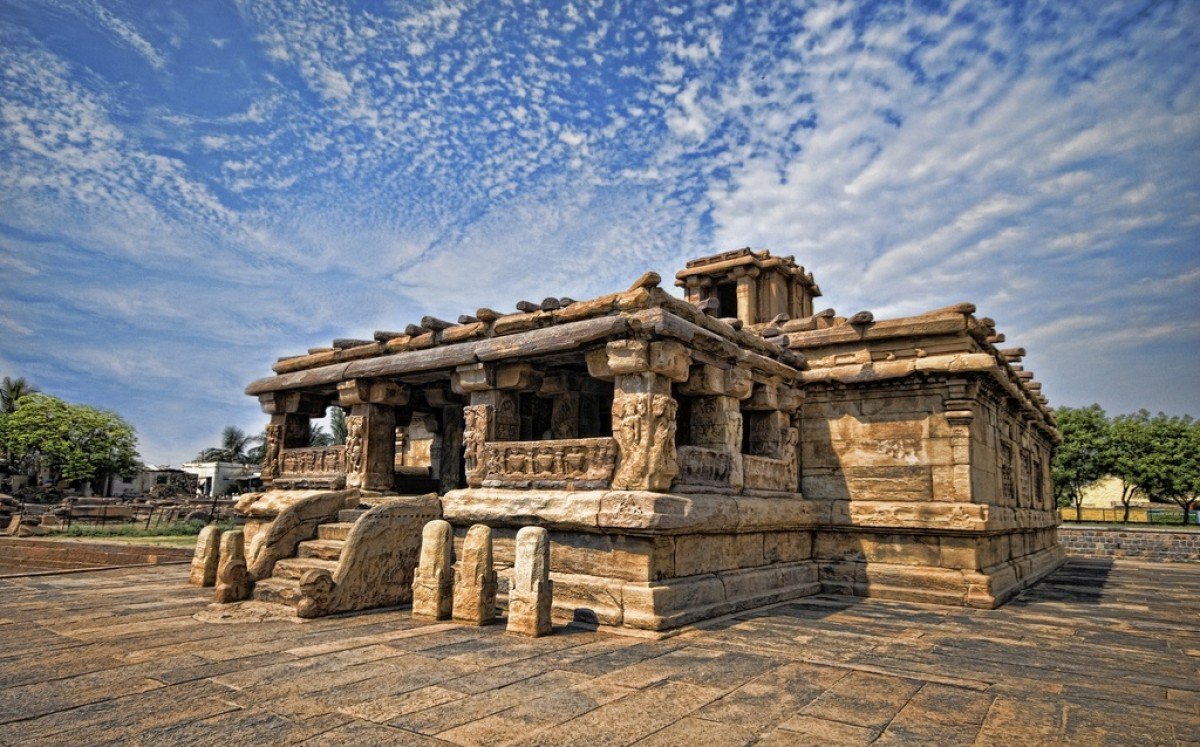

Badami
General information
-
Ideal Duration:
1 to 2 DaysPlace Type:
Heritage / PilgrimageEntry Fees:
Indian Citizens: The entry fee is 25 per head for adults. This covers the cave temples and the fort area under the ASI management.
Foreign Nationals: International tourists are charged 300 per person. It is advisable to carry a digital cop...Indian Citizens: The entry fee is 25 per head for adults. This covers the cave temples and the fort area under the ASI management.
Foreign Nationals: International tourists are charged 300 per person. It is advisable to carry a digital copy of your passport or ID.
Video Camera Fees: Carrying a professional video camera requires an additional payment of 25. Regular mobile photography is free for all visitors.Timing:
Regular Timings: The Cave Temples are open from 9:00 AM to 6:00 PM daily. It is best to arrive early to avoid the afternoon heat.
Ideal Visit Time: Visit during the early morning hours between 9:00 AM and 11:00 AM. Alternatively, late afte...Regular Timings: The Cave Temples are open from 9:00 AM to 6:00 PM daily. It is best to arrive early to avoid the afternoon heat.
Ideal Visit Time: Visit during the early morning hours between 9:00 AM and 11:00 AM. Alternatively, late afternoons from 4:30 PM to 6:00 PM provide the best lighting.
Holiday Notice: The monuments are open on most public holidays. However, the museum might be closed on Mondays or national holidays.Special Events:
Banashankari Jatre: Held annually in January or February, this is the biggest festival in the area. It features a massive chariot procession and rural fairs.
Mallikarjuna Festival: Celebrated at the Bhutanatha Temple complex with great ferv...Banashankari Jatre: Held annually in January or February, this is the biggest festival in the area. It features a massive chariot procession and rural fairs.
Mallikarjuna Festival: Celebrated at the Bhutanatha Temple complex with great fervor. Devotees gather for special prayers and cultural programs during the harvest season.
Chalukya Utsava: A government-sponsored cultural festival celebrating the Chalukya heritage. It involves dance performances and music by renowned artists across the state.Best Photo Spots:
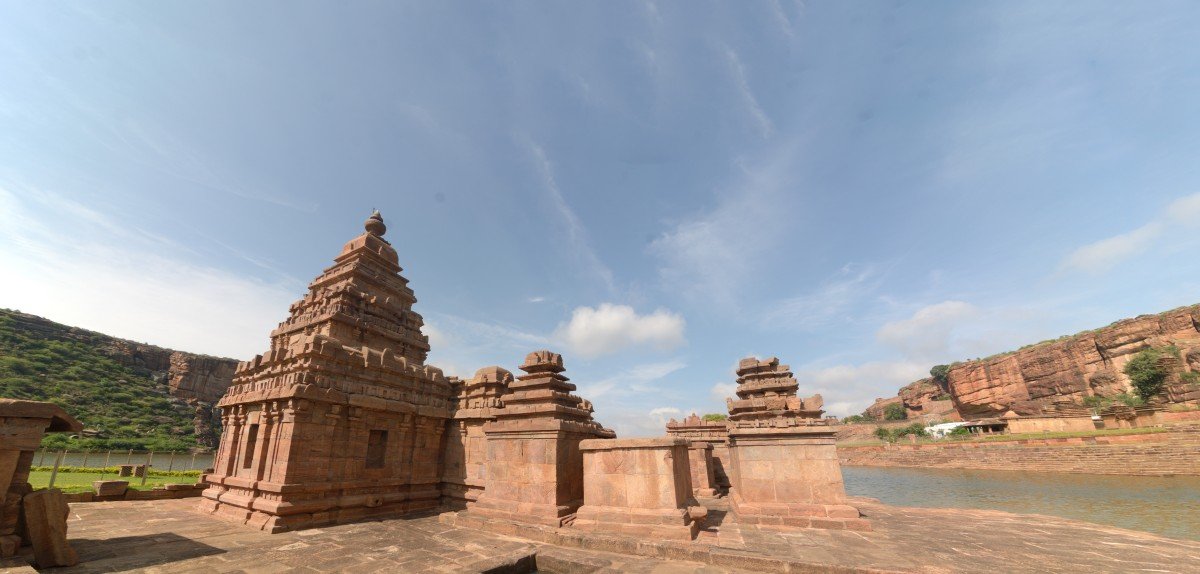
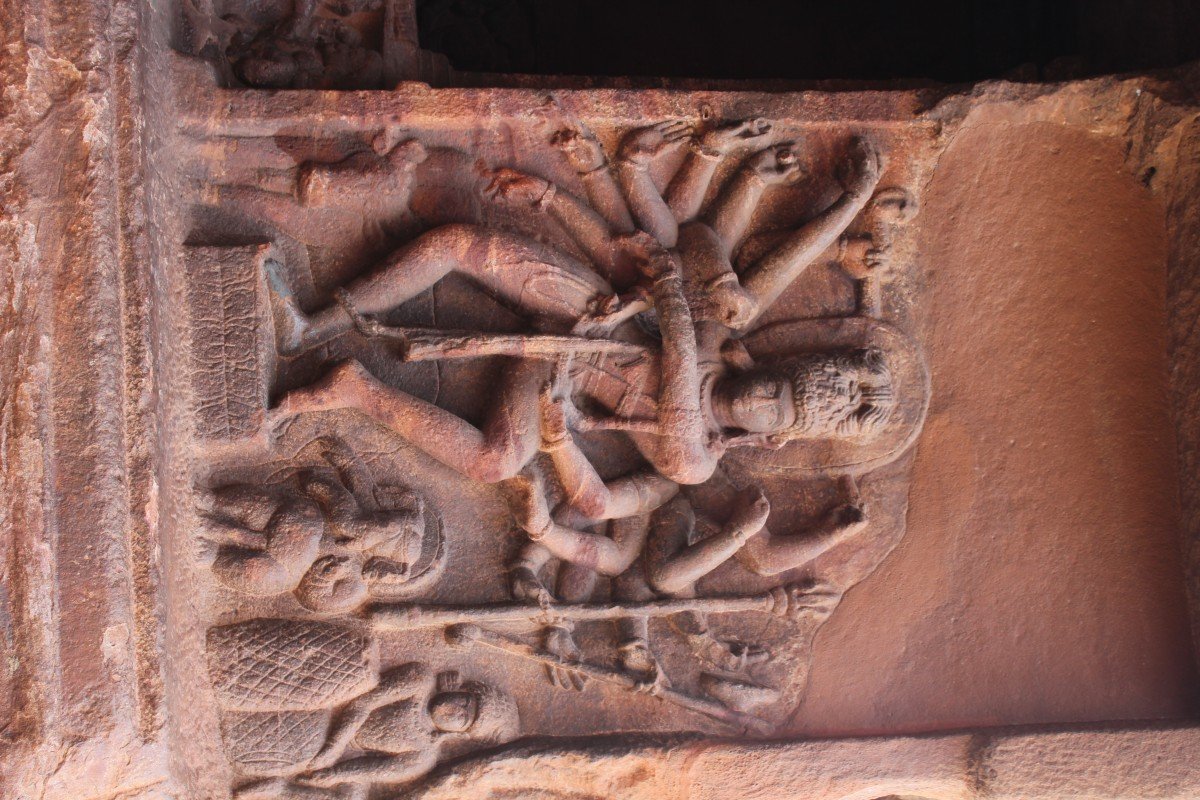
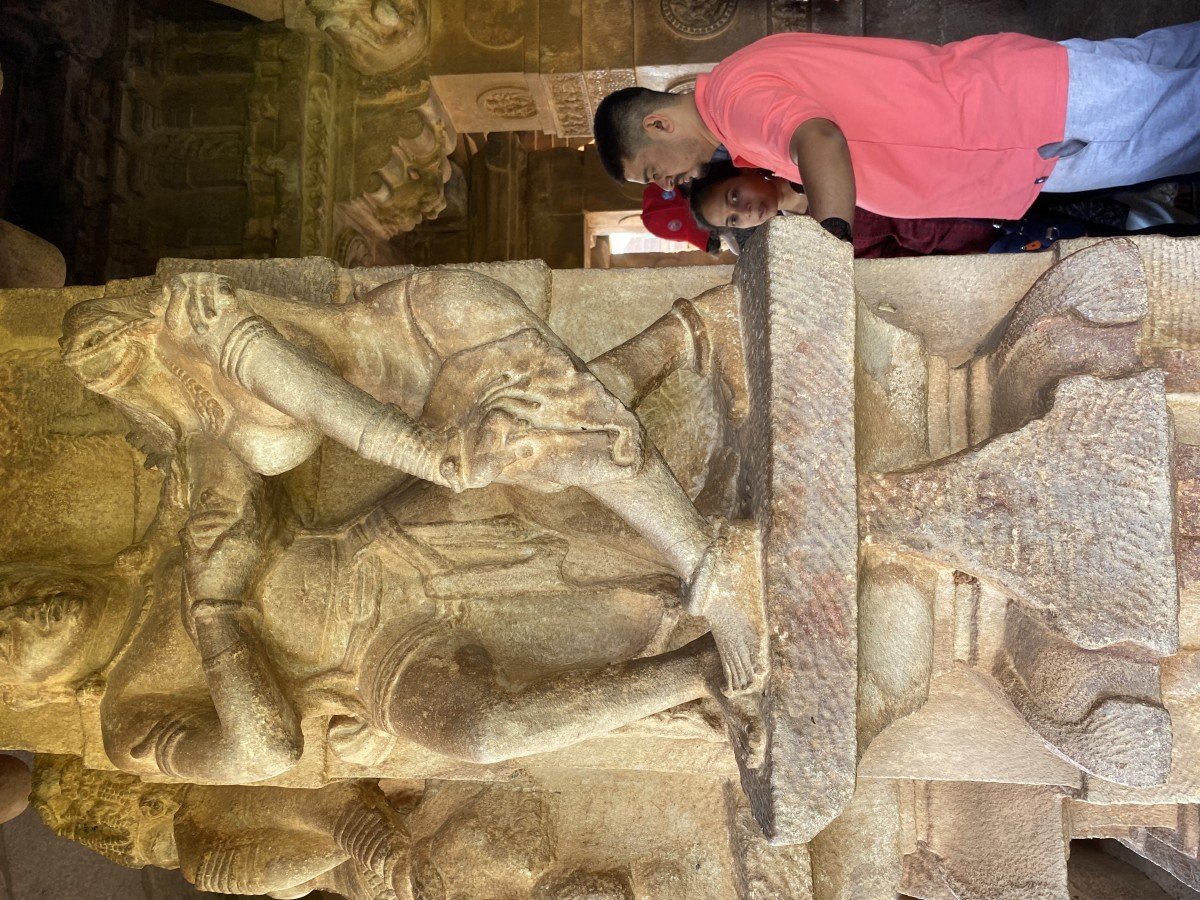
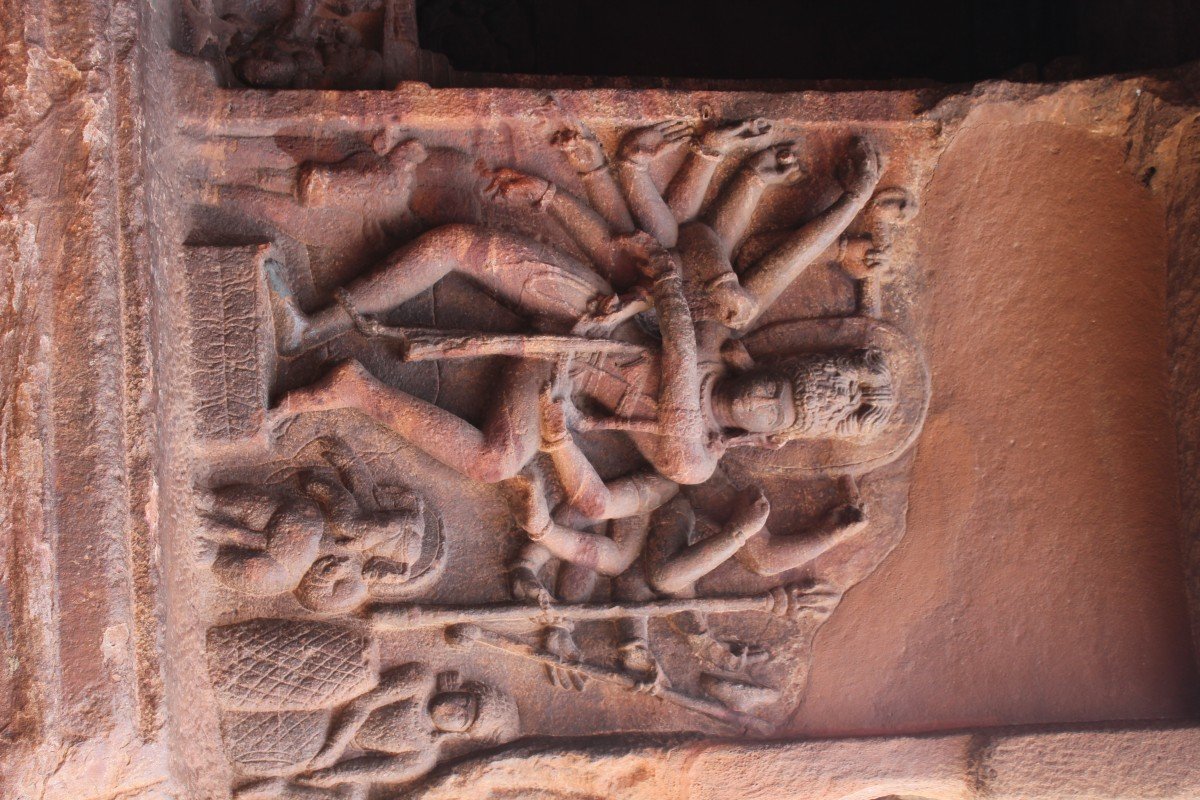
Bhutanatha Temple at Sunset: The temple reflection in Agastya Lake is the most popular shot. The orange glow of the sun on the sandstone is perfect. Nataraja Sculpture in Cave 1: The 18-armed Shiva is a masterpiece of symmetry and art. Use wide-angle lenses to capture the...Bhutanatha Temple at Sunset: The temple reflection in Agastya Lake is the most popular shot. The orange glow of the sun on the sandstone is perfect. Nataraja Sculpture in Cave 1: The 18-armed Shiva is a masterpiece of symmetry and art. Use wide-angle lenses to capture the entire hall's depth.
Panoramic View from the Fort: Capture the entire town with the lake in the middle. The contrast between the red rocks and green water is striking.Photo Gallery
Things To Do
 Agastya Lake is a magnificent artificial water body dating back to the 5th Century. It serves as the spiritual and geographical heart of the town. Surrounded by red sandstone cliffs and the iconic cave temples, the lake offers a mirror-like reflection of the surrounding heritage. According to local legends and the Puranas, the water here possesses miraculous healing properties that can cleanse one’s sins and cure physical ailments. The lake is named after Sage Agastya, a prominent figure in Hindu mythology. The water is used by locals for daily rituals and washing, adding a touch of living history to the site. Historically, it provided a strategic water source for the Badami Fort perched above. The lake is bounded by the Bhutanatha Temple on the eastern bank and the Cave Temples on the southwest. Walking along the stone embankments during sunrise provides a serene experience as the first light hits the sandstone structures. It is a vital part of the cultural landscape, connecting the various architectural wonders of the Chalukya dynasty. Visitors often find themselves mesmerized by the panoramic views that blend nature and ancient masonry seamlessly. The lake remains a focal point for researchers and tourists alike who wish to understand the hydraulic engineering of ancient India. It is truly the lifeblood of Badami's historical circuit.
 Built in the late 7th century, Cave 4 is the only cave in the complex dedicated to Jainism. It is situated higher than the Hindu caves and features beautiful carvings of Lord Mahavira and Parshvanatha. The cave is smaller than Cave 3 but is known for its intricate and delicate craftsmanship. In the sanctum, you will find a large seated image of Mahavira. The walls are covered with images of various Tirthankaras and decorative motifs like creeping vines and flowers. The peaceful atmosphere here contrasts with the grand scale of the previous caves. The view from the entrance of Cave 4 is arguably the best in Badami, overlooking the Agastya Lake and the Northern Hill fort. It reflects the religious diversity and harmony that existed during the Chalukya era. Many visitors skip this cave due to the climb, but it is a gem that offers a quiet space for meditation. The carvings of Parshvanatha with a multi-headed cobra are particularly striking. It is a perfect spot to end your cave tour and take in the panoramic beauty of the region in January or February.
 The Jain Temple of Badami, also known as Cave 4, is the newest and highest of the four main rock-cut caves. Carved into the southern hill in the late 7th to early 8th century, this cave is dedicated to the revered figures of Jainism. As you climb the stone steps past the first three Hindu caves, the view becomes increasingly panoramic, culminating at this sacred grotto. The cave consists of a rectangular verandah, a pillared hall, and a small sanctum. Inside, you will find magnificent carvings of Tirthankaras, including a large seated image of Lord Mahavira in the sanctum. On the walls, the towering figures of Bahubali (standing in meditation) and Parshvanatha (with the multi-headed snake canopy) are carved with incredible precision. The artistic style here is slightly more refined than the earlier caves, showing the maturity of the Badami Chalukya craftsmen. The serene expression on the faces of the Tirthankaras provides a stark contrast to the dynamic and energetic figures seen in the Shaiva and Vaishnava caves below. This site remains a place of pilgrimage for the Jain community and a point of immense interest for art historians. The elevation of the cave provides a cool breeze and a breathtaking view of the Agastya Lake and the Bhoothanatha temples below, making the steep climb well worth the effort.
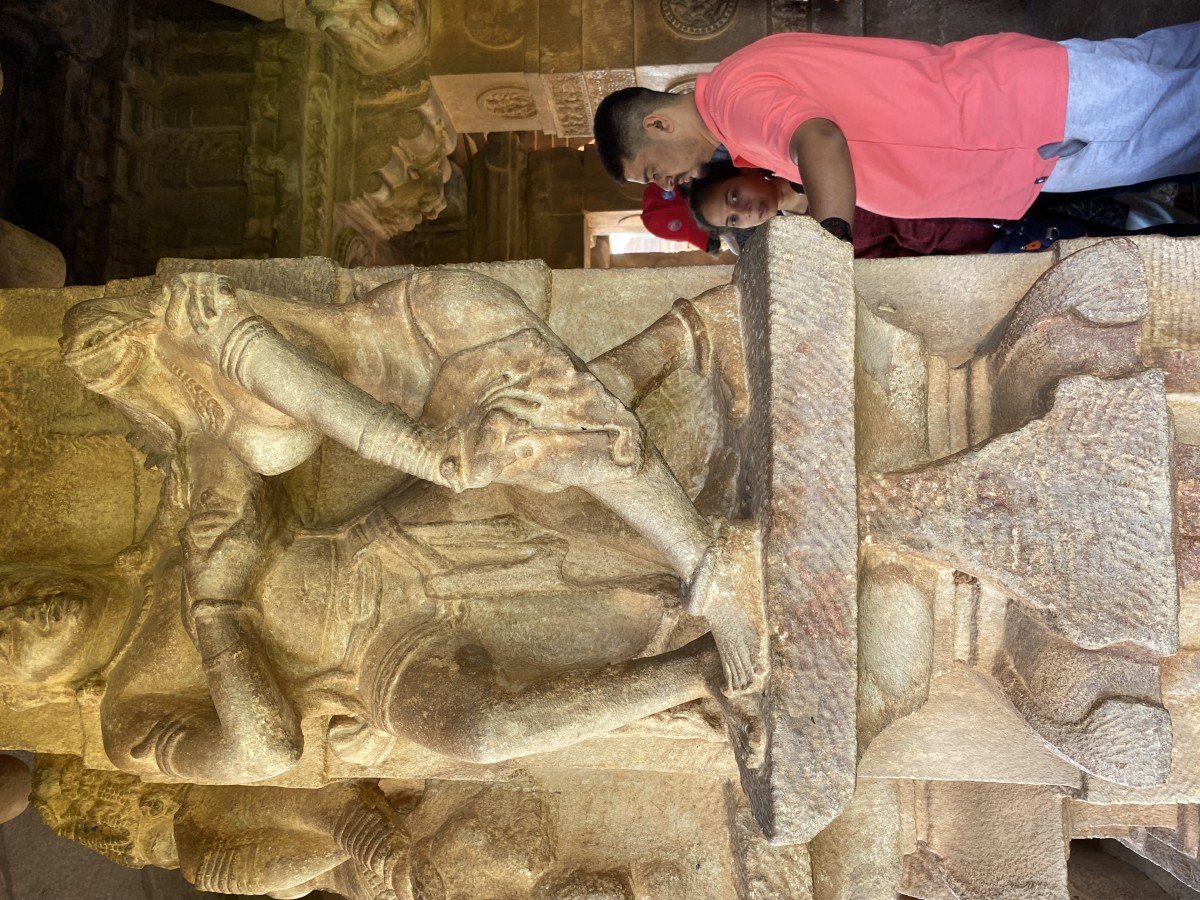
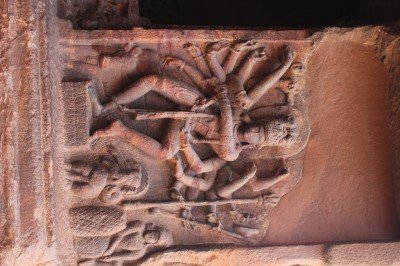
The Badami Cave Temples are a series of four Hindu, Jain, and possibly Buddhist cave temples carved out of the soft Badami sandstone cliffs. These caves date back to the 6th and 7th Centuries and represent the peak of Chalukyan rock-cut architecture. Cave 1 is dedicated to Lord Shiva and features the famous 18-armed Nataraja performing the Tandava dance. Cave 2 and Cave 3 are dedicated to Lord Vishnu, with Cave 3 being the largest and most intricately carved. It contains giant sculptures of Trivikrama, Narasimha, and Varaha. Cave 4 is the youngest and is dedicated to the Jain Tirthankaras, featuring a beautiful seated image of Lord Mahavira. Each cave is connected by a series of well-maintained stone steps that offer increasingly stunning views of the Agastya Lake and the town below. The caves are not just religious sites but also artistic masterpieces, showcasing the transition from Buddhist cave traditions to Hindu structural forms. The pillars, brackets, and ceilings are covered in carvings of celestial couples, floral motifs, and mythological scenes. This UNESCO-recognized site is a testament to the religious harmony and artistic brilliance of ancient India. It remains the most visited attraction in Badami and a symbol of Karnataka’s heritage.
Located in Cholachagudd, the Banashankari Temple is one of the most popular pilgrimage sites in North Karnataka. Dedicated to Goddess Banashankari (an incarnation of Parvati), the temple was originally built by the 7th-century Chalukyas. The name 'Banashankari' comes from 'Vana' (forest) and 'Shankari' (consort of Shiva), as the temple was originally located in a dense forest. The present structure reflects a mix of Vijayanagara and Maratha styles after being rebuilt in the 18th century. The temple is famous for its large water tank called Haridra Tirtha, which is surrounded by stone walkways. The idol of the Goddess is carved out of black stone and depicts her sitting on a lion, trampling a demon. The temple attracts thousands of devotees, especially during the annual fair (Jatre) in January. It is a living temple where rituals are performed daily with great devotion. Visiting this temple provides a look into the vibrant religious culture of the region, contrasting with the quiet ruins of the caves. The atmosphere is filled with the scent of incense and the sound of temple bells.
Malegitti Shivalaya is a stunning 7th-century temple perched on a rocky outcrop on the northern hill of Badami. Built during the early Chalukya period, it is dedicated to Lord Shiva, although many historians believe it might have originally been dedicated to the Sun God, Surya. The name "Malegitti" literally means "female garland maker," and local legends suggest it was built by or dedicated to a devotee of that profession. This temple is a masterpiece of the Dravidian style of architecture and is one of the oldest and best-preserved structural temples in the region. Unlike the cave temples which are carved into the rock, this is a structural temple built using massive sandstone blocks. Its location provides one of the most breathtaking views of the entire Badami town, the ancient Agastya Lake, and the southern hill caves. The temple consists of a sanctum, a closed hall (mandapa), and a small porch. The exterior walls are decorated with beautiful carvings of mythological figures, including figures of Shiva and Vishnu. The temple is relatively small but has a very solid and powerful appearance, standing firm against the elements for over a thousand years. Reaching the temple requires a short but steep climb up a flight of stone steps, which keeps it less crowded than the cave temples below. The peacefulness at the top, combined with the golden hue of the sandstone during sunset, makes it a favorite spot for those looking for a quiet moment. The site is managed by the Archaeological Survey of India (ASI) and is part of the larger Badami Fort complex. It serves as a great example of how the Chalukyas evolved from carving caves to building freestanding structures that could withstand the test of time.
The Jain Temple of Badami, also known as Cave 4, is the newest and highest of the four main rock-cut caves. Carved into the southern hill in the late 7th to early 8th century, this cave is dedicated to the revered figures of Jainism. As you climb the stone steps past the first three Hindu caves, the view becomes increasingly panoramic, culminating at this sacred grotto. The cave consists of a rectangular verandah, a pillared hall, and a small sanctum. Inside, you will find magnificent carvings of Tirthankaras, including a large seated image of Lord Mahavira in the sanctum. On the walls, the towering figures of Bahubali (standing in meditation) and Parshvanatha (with the multi-headed snake canopy) are carved with incredible precision. The artistic style here is slightly more refined than the earlier caves, showing the maturity of the Badami Chalukya craftsmen. The serene expression on the faces of the Tirthankaras provides a stark contrast to the dynamic and energetic figures seen in the Shaiva and Vaishnava caves below. This site remains a place of pilgrimage for the Jain community and a point of immense interest for art historians. The elevation of the cave provides a cool breeze and a breathtaking view of the Agastya Lake and the Bhoothanatha temples below, making the steep climb well worth the effort.
The Badami Cave Temples are a series of four Hindu, Jain, and possibly Buddhist cave temples carved out of the soft Badami sandstone cliffs. These caves date back to the 6th and 7th Centuries and represent the peak of Chalukyan rock-cut architecture. Cave 1 is dedicated to Lord Shiva and features the famous 18-armed Nataraja performing the Tandava dance. Cave 2 and Cave 3 are dedicated to Lord Vishnu, with Cave 3 being the largest and most intricately carved. It contains giant sculptures of Trivikrama, Narasimha, and Varaha. Cave 4 is the youngest and is dedicated to the Jain Tirthankaras, featuring a beautiful seated image of Lord Mahavira. Each cave is connected by a series of well-maintained stone steps that offer increasingly stunning views of the Agastya Lake and the town below. The caves are not just religious sites but also artistic masterpieces, showcasing the transition from Buddhist cave traditions to Hindu structural forms. The pillars, brackets, and ceilings are covered in carvings of celestial couples, floral motifs, and mythological scenes. This UNESCO-recognized site is a testament to the religious harmony and artistic brilliance of ancient India. It remains the most visited attraction in Badami and a symbol of Karnataka’s heritage.
Located in Cholachagudd, the Banashankari Temple is one of the most popular pilgrimage sites in North Karnataka. Dedicated to Goddess Banashankari (an incarnation of Parvati), the temple was originally built by the 7th-century Chalukyas. The name 'Banashankari' comes from 'Vana' (forest) and 'Shankari' (consort of Shiva), as the temple was originally located in a dense forest. The present structure reflects a mix of Vijayanagara and Maratha styles after being rebuilt in the 18th century. The temple is famous for its large water tank called Haridra Tirtha, which is surrounded by stone walkways. The idol of the Goddess is carved out of black stone and depicts her sitting on a lion, trampling a demon. The temple attracts thousands of devotees, especially during the annual fair (Jatre) in January. It is a living temple where rituals are performed daily with great devotion. Visiting this temple provides a look into the vibrant religious culture of the region, contrasting with the quiet ruins of the caves. The atmosphere is filled with the scent of incense and the sound of temple bells.
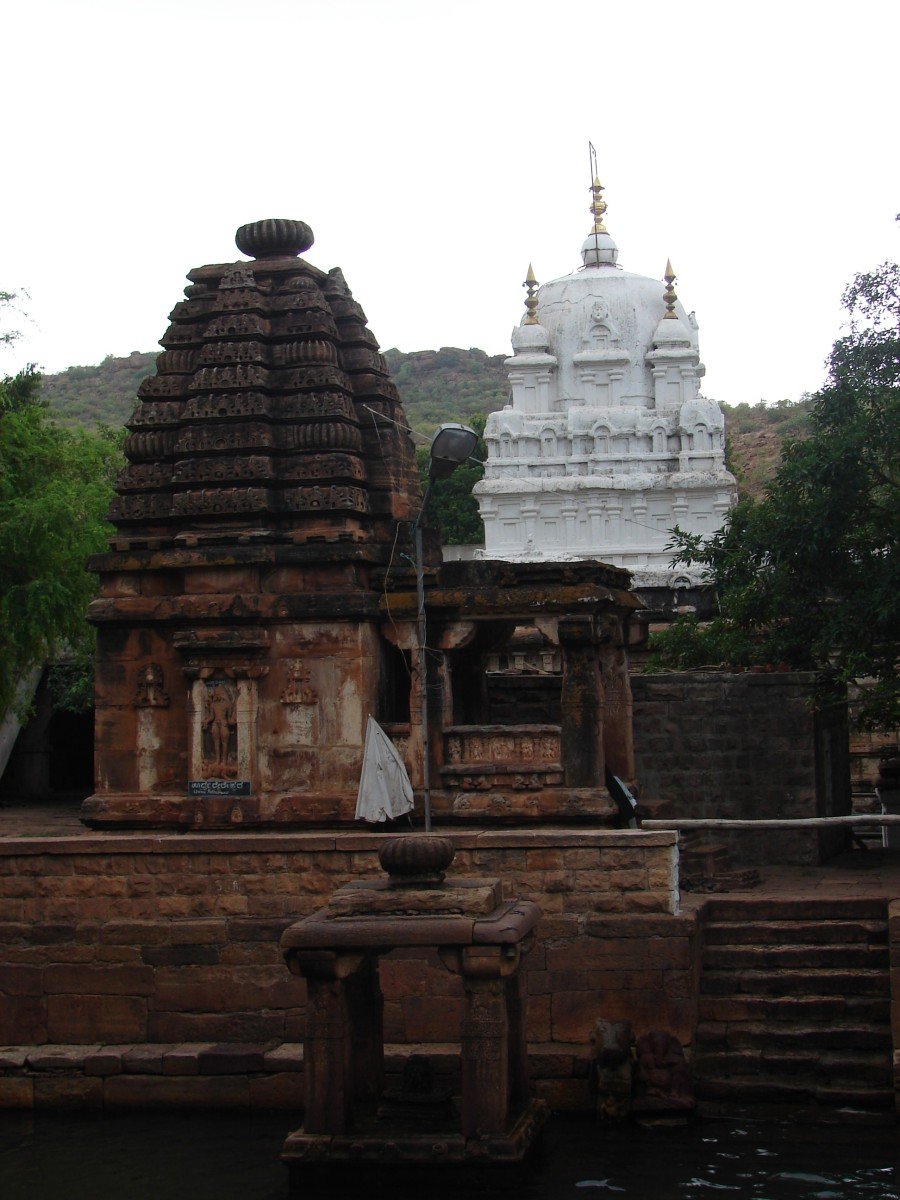
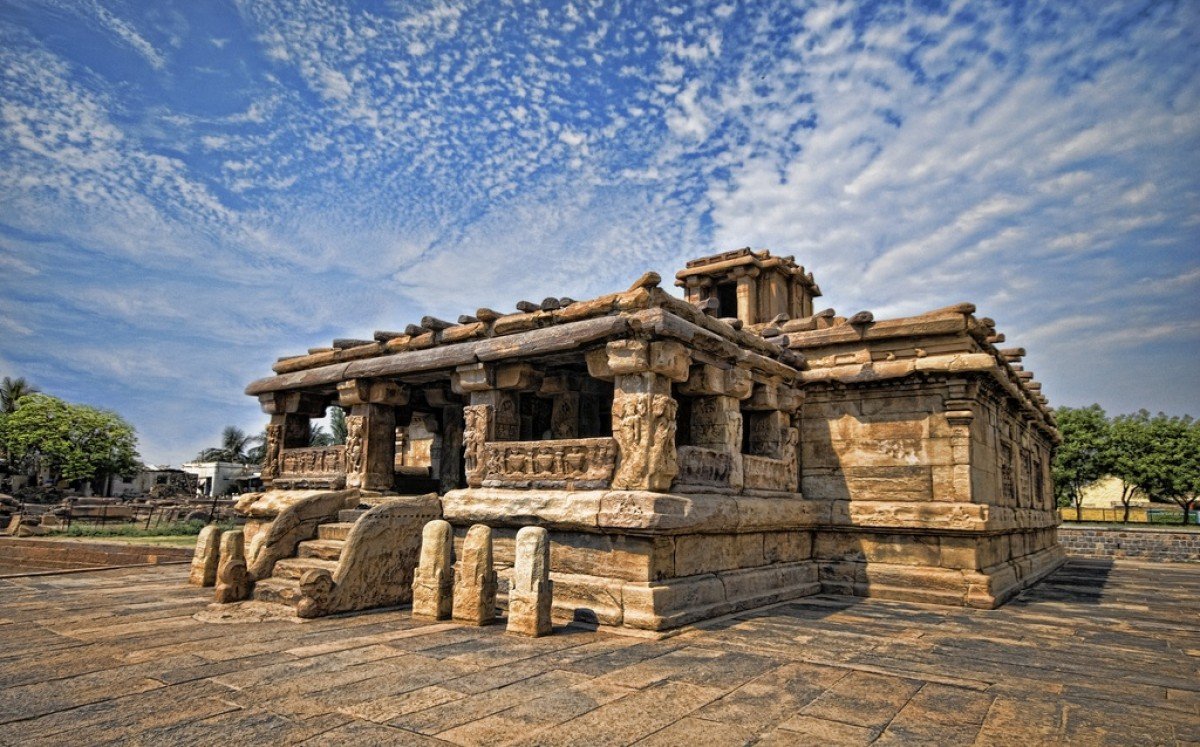
Malegitti Shivalaya is a stunning 7th-century temple perched on a rocky outcrop on the northern hill of Badami. Built during the early Chalukya period, it is dedicated to Lord Shiva, although many historians believe it might have originally been dedicated to the Sun God, Surya. The name "Malegitti" literally means "female garland maker," and local legends suggest it was built by or dedicated to a devotee of that profession. This temple is a masterpiece of the Dravidian style of architecture and is one of the oldest and best-preserved structural temples in the region. Unlike the cave temples which are carved into the rock, this is a structural temple built using massive sandstone blocks. Its location provides one of the most breathtaking views of the entire Badami town, the ancient Agastya Lake, and the southern hill caves. The temple consists of a sanctum, a closed hall (mandapa), and a small porch. The exterior walls are decorated with beautiful carvings of mythological figures, including figures of Shiva and Vishnu. The temple is relatively small but has a very solid and powerful appearance, standing firm against the elements for over a thousand years. Reaching the temple requires a short but steep climb up a flight of stone steps, which keeps it less crowded than the cave temples below. The peacefulness at the top, combined with the golden hue of the sandstone during sunset, makes it a favorite spot for those looking for a quiet moment. The site is managed by the Archaeological Survey of India (ASI) and is part of the larger Badami Fort complex. It serves as a great example of how the Chalukyas evolved from carving caves to building freestanding structures that could withstand the test of time.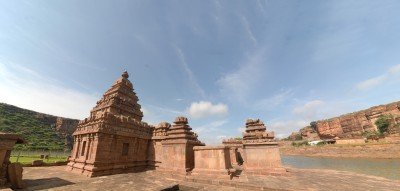 Often referred to as the North Bhutanatha or Mallikarjuna Group, this set of temples is located on the north-eastern curve of the Agastya Lake. Built primarily during the Kalyani Chalukya period (11th-12th Century), these structures showcase a different architectural evolution compared to the main group. The defining feature is the pyramidal, tiered roofs that represent the Phamsana style of Nagara architecture. Unlike the older Dravidian structures nearby, these temples have a more geometric and stepped appearance. The main shrine is dedicated to Lord Shiva and is surrounded by several smaller, ruined shrines that once housed various deities. The temple is built on an elevated platform, providing a panoramic view of the entire lake basin and the southern caves. Exploring this group allows visitors to see the transition in stone-cutting techniques, where the pillars become more polished and the designs more intricate. The site is generally quieter than the main Bhoothanatha temple, offering a sanctuary for meditation and peaceful observation. The play of light on the sandstone walls during the afternoon creates a golden glow that is unique to this part of the lake. It is a vital stop for history enthusiasts wanting to compare the Early and Late Chalukyan eras in one walk.Show All
Located a short climb above Cave 1, Cave 2 is primarily dedicated to Lord Vishnu. It was built in the late 6th century and is famous for its massive sculptures of Trivikrama and Varaha. As you enter, you see two armed guardians known as Dvarapalas who unusually hold flowers instead of weapons. The ceiling is decorated with a beautiful wheel featuring sixteen fish spokes. The cave is slightly smaller than Cave 1 but equally impressive in its detail. The walls depict various Avatars of Vishnu, including his form as Lord Krishna. The red sandstone glows beautifully during the December winter sun. The craftsmanship reflects the deep religious tolerance of the Chalukya kings, who patronized multiple faiths. Exploring this cave requires a bit of a climb, but the view of the valley below is worth every step. The pillars are square and heavy, showing the transition of architectural styles in early medieval India. It is a quiet place where one can admire the patience of ancient stone-cutters.
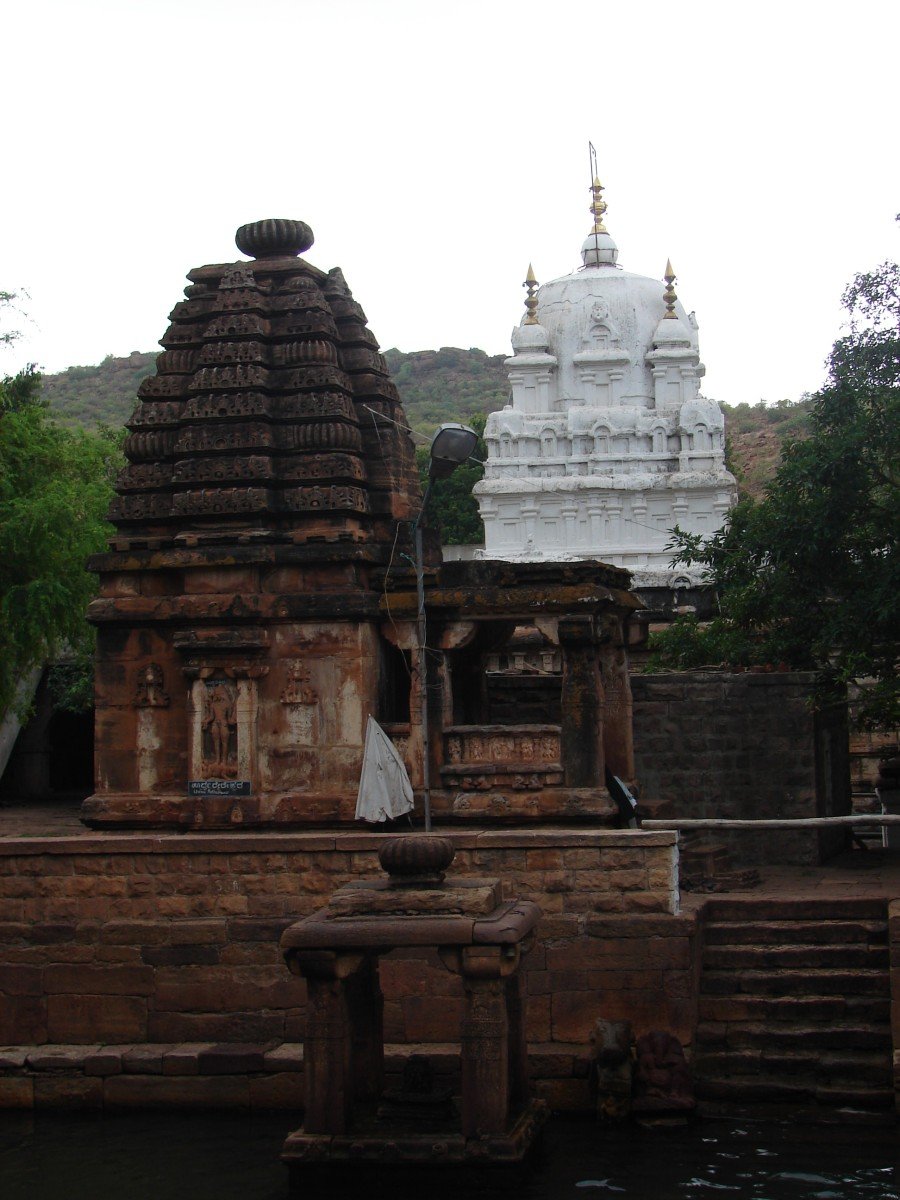
Often referred to as the North Bhutanatha or Mallikarjuna Group, this set of temples is located on the north-eastern curve of the Agastya Lake. Built primarily during the Kalyani Chalukya period (11th-12th Century), these structures showcase a different architectural evolution compared to the main group. The defining feature is the pyramidal, tiered roofs that represent the Phamsana style of Nagara architecture. Unlike the older Dravidian structures nearby, these temples have a more geometric and stepped appearance. The main shrine is dedicated to Lord Shiva and is surrounded by several smaller, ruined shrines that once housed various deities. The temple is built on an elevated platform, providing a panoramic view of the entire lake basin and the southern caves. Exploring this group allows visitors to see the transition in stone-cutting techniques, where the pillars become more polished and the designs more intricate. The site is generally quieter than the main Bhoothanatha temple, offering a sanctuary for meditation and peaceful observation. The play of light on the sandstone walls during the afternoon creates a golden glow that is unique to this part of the lake. It is a vital stop for history enthusiasts wanting to compare the Early and Late Chalukyan eras in one walk.Show All
Located a short climb above Cave 1, Cave 2 is primarily dedicated to Lord Vishnu. It was built in the late 6th century and is famous for its massive sculptures of Trivikrama and Varaha. As you enter, you see two armed guardians known as Dvarapalas who unusually hold flowers instead of weapons. The ceiling is decorated with a beautiful wheel featuring sixteen fish spokes. The cave is slightly smaller than Cave 1 but equally impressive in its detail. The walls depict various Avatars of Vishnu, including his form as Lord Krishna. The red sandstone glows beautifully during the December winter sun. The craftsmanship reflects the deep religious tolerance of the Chalukya kings, who patronized multiple faiths. Exploring this cave requires a bit of a climb, but the view of the valley below is worth every step. The pillars are square and heavy, showing the transition of architectural styles in early medieval India. It is a quiet place where one can admire the patience of ancient stone-cutters.Information
-
Why Famous:
Rock-cut Cave Temples: These are famous worldwide as the finest examples of early Indian rock-cut architecture. The four caves are meticulously carved with diverse religious themes.
Ancient Capital: Being the seat of the Chalukya kings, the...Rock-cut Cave Temples: These are famous worldwide as the finest examples of early Indian rock-cut architecture. The four caves are meticulously carved with diverse religious themes.
Ancient Capital: Being the seat of the Chalukya kings, the town holds immense historical weight. It was a center for trade and religious scholarship in ancient India.
Scenic Landscapes: The combination of red sandstone cliffs and the serene Agastya Lake is iconic. It provides a unique visual contrast that is rare in the Deccan region.
Birthplace of Architecture: Badami is often called the cradle of South Indian temple architecture. The experiments here led to the grand designs of Hampi and Pattadakal. -
Architecture:
Cave Temple Dimensions: The four rock-cut caves are carved into the face of a cliff. Cave 3 is the largest, measuring 70 feet wide with a ceiling height of 15 feet. It features intricate 18-armed Nataraja sculptures.
Dravidian Style: The a...Cave Temple Dimensions: The four rock-cut caves are carved into the face of a cliff. Cave 3 is the largest, measuring 70 feet wide with a ceiling height of 15 feet. It features intricate 18-armed Nataraja sculptures.
Dravidian Style: The architecture follows the early Chalukyan style, combining Dravidian and Nagara elements. The pillars are square-shaped with decorative brackets.
Rock-cut Engineering: These structures were chiseled out of solid sandstone blocks without any mortar. The precision of the 6th-century craftsmen is visible in the smooth finishes.
Ornate Pillars: The verandas are supported by massive pillars featuring carvings of celestial couples and mythological scenes. The ceilings are adorned with floral and geometric patterns. -
How To Reach:
By Air: The nearest airport is Hubballi Airport, located about 105 km away. From there, you can hire a taxi or take a bus to reach Badami.
By Train: Badami has its own railway station on the Hubli-Solapur line. Regular trains connect it to...By Air: The nearest airport is Hubballi Airport, located about 105 km away. From there, you can hire a taxi or take a bus to reach Badami.
By Train: Badami has its own railway station on the Hubli-Solapur line. Regular trains connect it to Bengaluru, Mumbai, and Hyderabad.
By Road: It is well-connected by KSRTC buses from major cities. The drive from Bengaluru takes about 8 to 10 hours via NH 48 and NH 50.
By Local Transport: Within the town, auto-rickshaws are the primary mode of travel. Most tourist spots are within walking distance if you stay near the lake. -
Weather and Best Time to Visit:
Winter Season: October to March is the best time when the weather is cool. Temperatures range from 15°C to 25°C, making trekking very comfortable.
Monsoon Season: July to September brings lush greenery and fills the lake. While it rains,...Winter Season: October to March is the best time when the weather is cool. Temperatures range from 15°C to 25°C, making trekking very comfortable.
Monsoon Season: July to September brings lush greenery and fills the lake. While it rains, the landscape looks refreshed and beautiful for nature lovers.
Different Parts of Day: Morning visits are best for the Caves to avoid crowds. Evenings are perfect for the Agastya Lake and Bhutanatha Temple views. -
Near Tourist Places:
Pattadakal (22 km), Aihole (35 km), Mahakuta (14 km), Banashankari (5 km), Gajendragad (55 km), Kudalasangama (70 km), Almatti Dam (65 km), Ilkal (40 km), Bagalkot (38 km), Hospet (130 km).
Tourism Tips
-
Health & Safety: Wear sturdy shoes as the terrain is rocky and steps are steep. Stay hydrated and carry a bottle of water during your treks.
Packing Tips: Carry a hat, sunglasses, and sunscreen to protect against the sun. Light cotton clot...Health & Safety: Wear sturdy shoes as the terrain is rocky and steps are steep. Stay hydrated and carry a bottle of water during your treks.
Packing Tips: Carry a hat, sunglasses, and sunscreen to protect against the sun. Light cotton clothes are ideal for the daytime heat.
Accommodation: Stay in local heritage hotels or guest houses near the City Center. Booking in advance is recommended during the peak winter season.
Guide Services: Hire a government-authorized guide for a detailed history of the carvings. They can point out subtle details that are easy to miss.
Reviews
FAQs
Badami Itineray And Cost:-
Other Places In Karnataka :-
Other States In India :-
Information about New and Updated Locations() of Karnataka Has Been Added :-
Card subtitle
Note:-
Information provided here in good Faith and for reference only.
Near Places
Badami
Some quick example text to build on the card title and make up the bulk of the card's content.
Go somewhere
Belagavi
Some quick example text to build on the card title and make up the bulk of the card's content.
Go somewhere
Belur
Some quick example text to build on the card title and make up the bulk of the card's content.
Go somewhere
Bengaluru
Some quick example text to build on the card title and make up the bulk of the card's content.
Go somewhere
Bidar
Some quick example text to build on the card title and make up the bulk of the card's content.
Go somewhere
Chamarajanagar
Some quick example text to build on the card title and make up the bulk of the card's content.
Go somewhere
Chikkaballapur
Some quick example text to build on the card title and make up the bulk of the card's content.
Go somewhere
Chikmagalur
Some quick example text to build on the card title and make up the bulk of the card's content.
Go somewhere
Coorg
Some quick example text to build on the card title and make up the bulk of the card's content.
Go somewhere
Dandeli
Some quick example text to build on the card title and make up the bulk of the card's content.
Go somewhere
Davangere
Some quick example text to build on the card title and make up the bulk of the card's content.
Go somewhere
Dharmasthala
Some quick example text to build on the card title and make up the bulk of the card's content.
Go somewhere
Gokarna
Some quick example text to build on the card title and make up the bulk of the card's content.
Go somewhere
Hampi
Some quick example text to build on the card title and make up the bulk of the card's content.
Go somewhere
Hubballi-Dharwad
Some quick example text to build on the card title and make up the bulk of the card's content.
Go somewhere
Kabini
Some quick example text to build on the card title and make up the bulk of the card's content.
Go somewherein Other Cities