


Belagavi
General information
-
Ideal Duration:
2 DaysPlace Type:
City / NatureEntry Fees:
Belagavi Fort: Entry is generally free for all visitors. However, small fees might apply for specific museums or exhibitions inside.
Gokak Falls: There is no entry fee to view the falls. Parking charges for vehicles may range from 20 to 50...Belagavi Fort: Entry is generally free for all visitors. However, small fees might apply for specific museums or exhibitions inside.
Gokak Falls: There is no entry fee to view the falls. Parking charges for vehicles may range from 20 to 50 depending on the vehicle type.
Local Parks: Places like Kote Kere might have a nominal entry fee of 10. Boating activities are charged separately per person or per boat.Timing:
Regular Timings: Most attractions like the Fort are open from 9:00 AM to 6:00 PM. Temples usually open early at 6:00 AM and close by 8:00 PM.
Ideal Visit Time: The best time to explore the city is during the morning hours. For waterfalls, ...Regular Timings: Most attractions like the Fort are open from 9:00 AM to 6:00 PM. Temples usually open early at 6:00 AM and close by 8:00 PM.
Ideal Visit Time: The best time to explore the city is during the morning hours. For waterfalls, visiting during or just after the monsoon is highly recommended.
Evening Leisure: Kote Kere and Khade Bazaar are best visited after 5:00 PM. The weather becomes pleasant and the markets come alive with energy.Special Events:
Kittur Utsav: Celebrated in October to honor Queen Chennamma. It features traditional dance, music, and sports competitions attracting people from across the state.
Belgaum Ganesh Chaturthi: The city is famous for its grand Ganpati celebrat...Kittur Utsav: Celebrated in October to honor Queen Chennamma. It features traditional dance, music, and sports competitions attracting people from across the state.
Belgaum Ganesh Chaturthi: The city is famous for its grand Ganpati celebrations. Massive idols and colorful processions make it a vibrant time to visit.
Mahashivratri at Kapileshwar: Thousands of devotees visit the temple for night-long prayers. The entire temple area is decorated and lit up beautifully.Best Photo Spots:
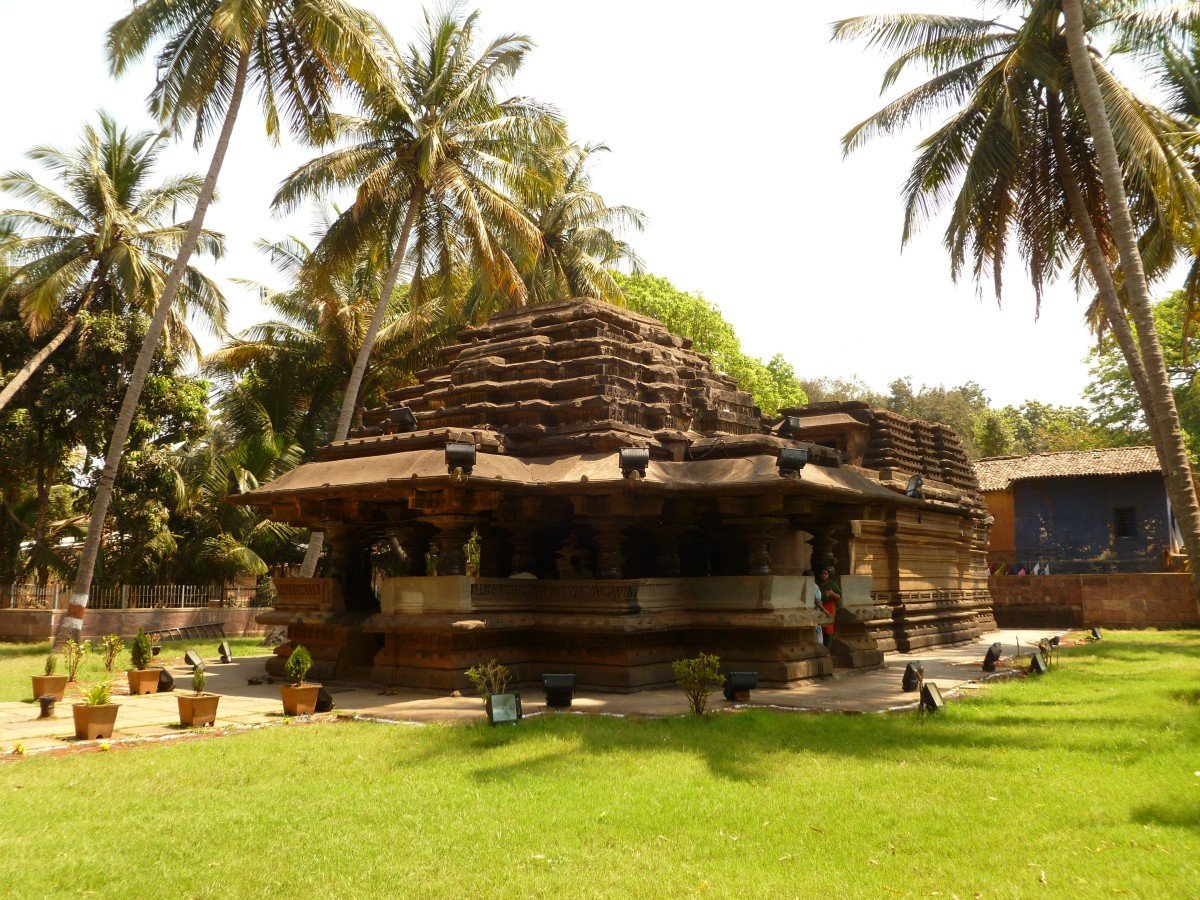
Kamal Basadi Ceiling: The intricate stone lotus is a photographer's delight. Use a tripod or high ISO to capture the details in the dim light.
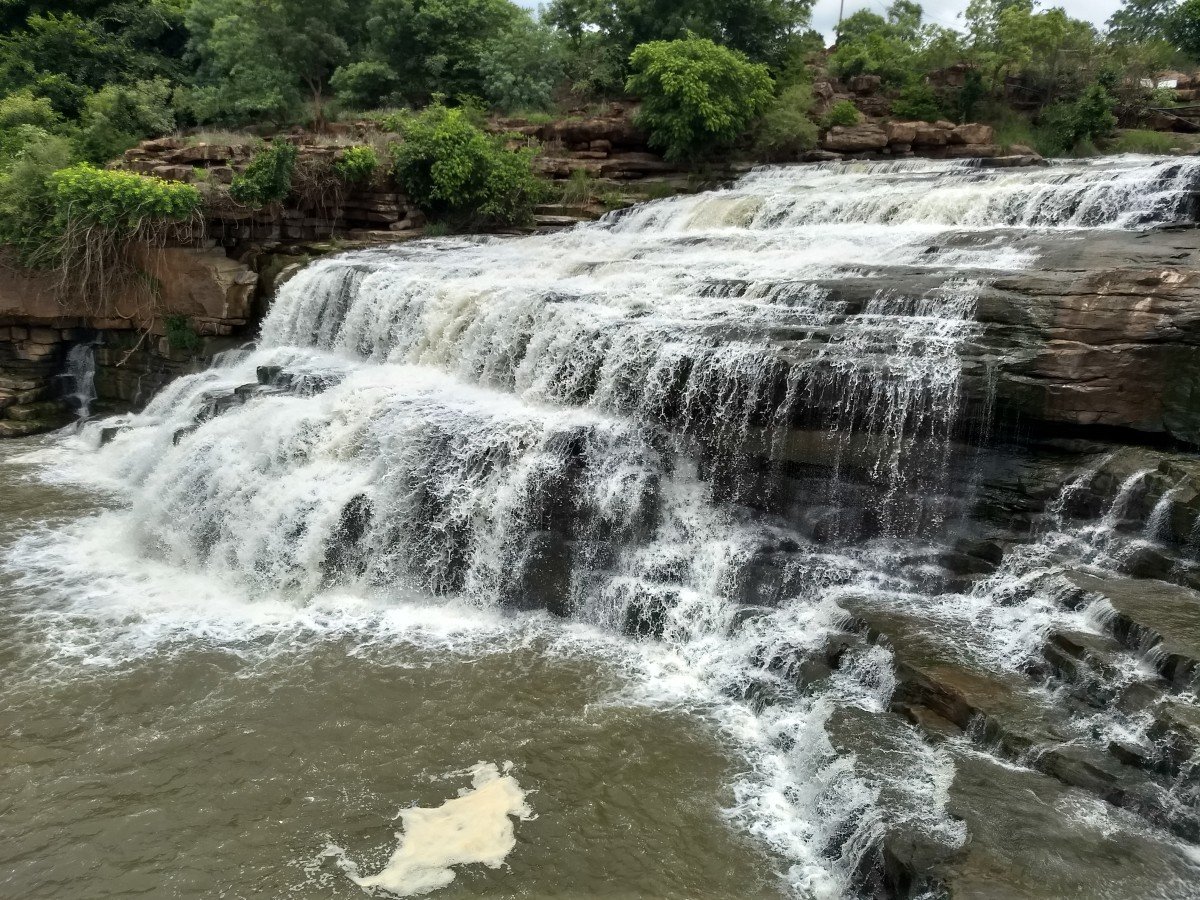
Gokak Falls Bridge: The view of the falls from the hanging bridge is breathtaking. Morning light...Kamal Basadi Ceiling: The intricate stone lotus is a photographer's delight. Use a tripod or high ISO to capture the details in the dim light.
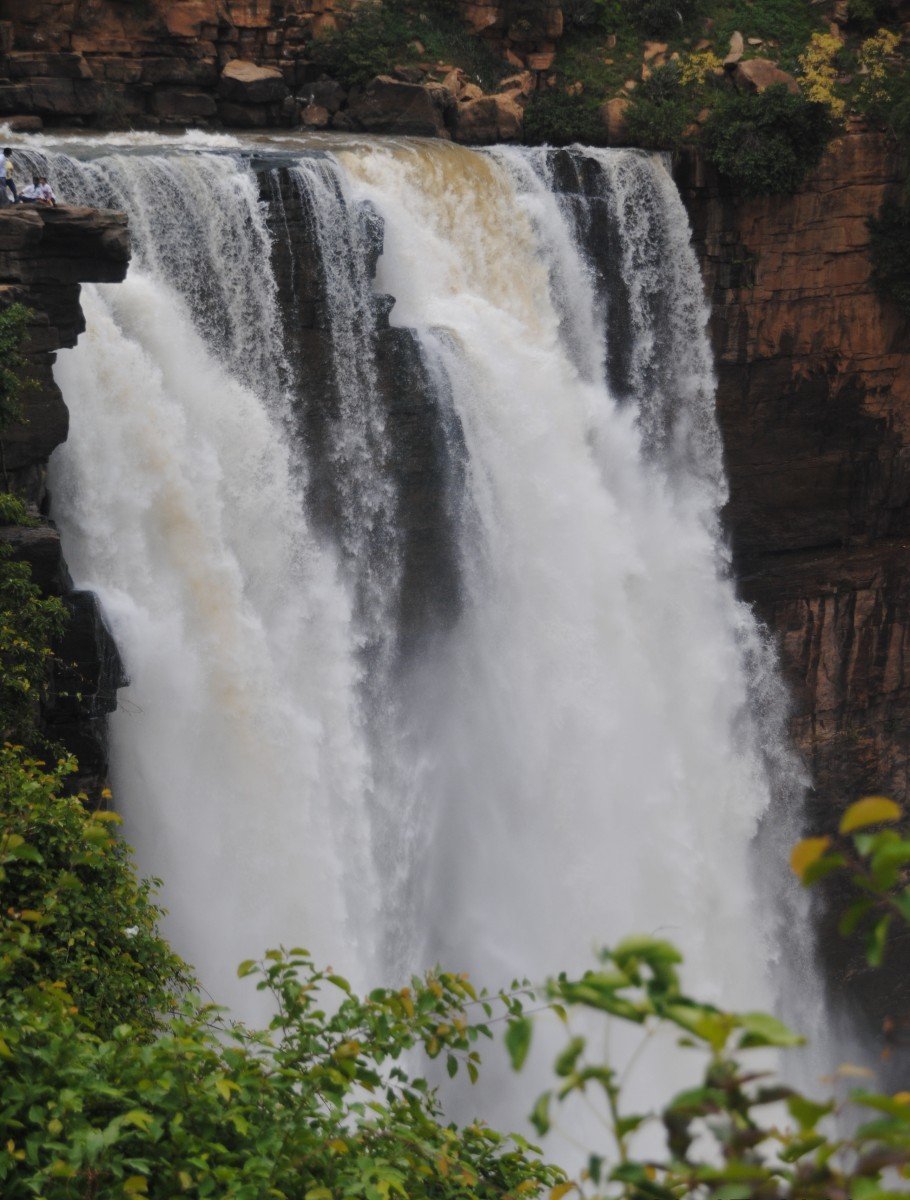
Gokak Falls Bridge: The view of the falls from the hanging bridge is breathtaking. Morning light provides the best clarity for landscape shots.
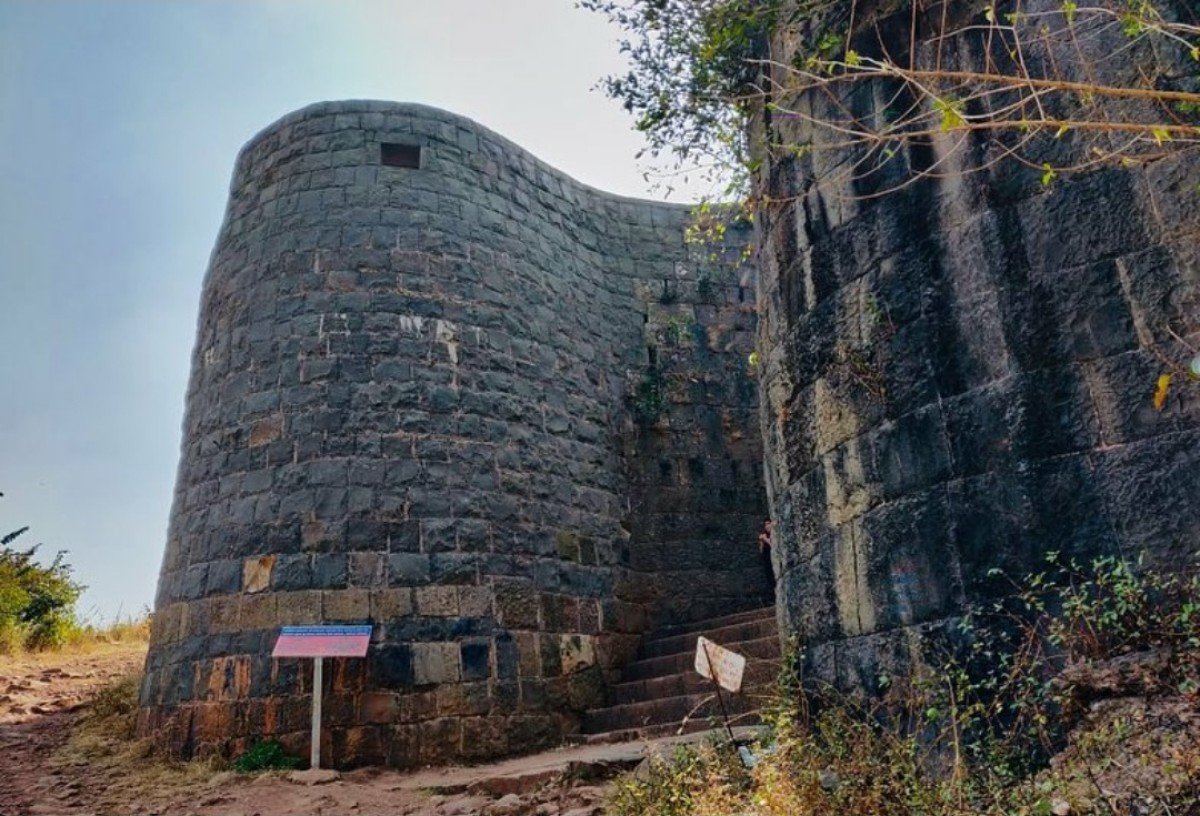
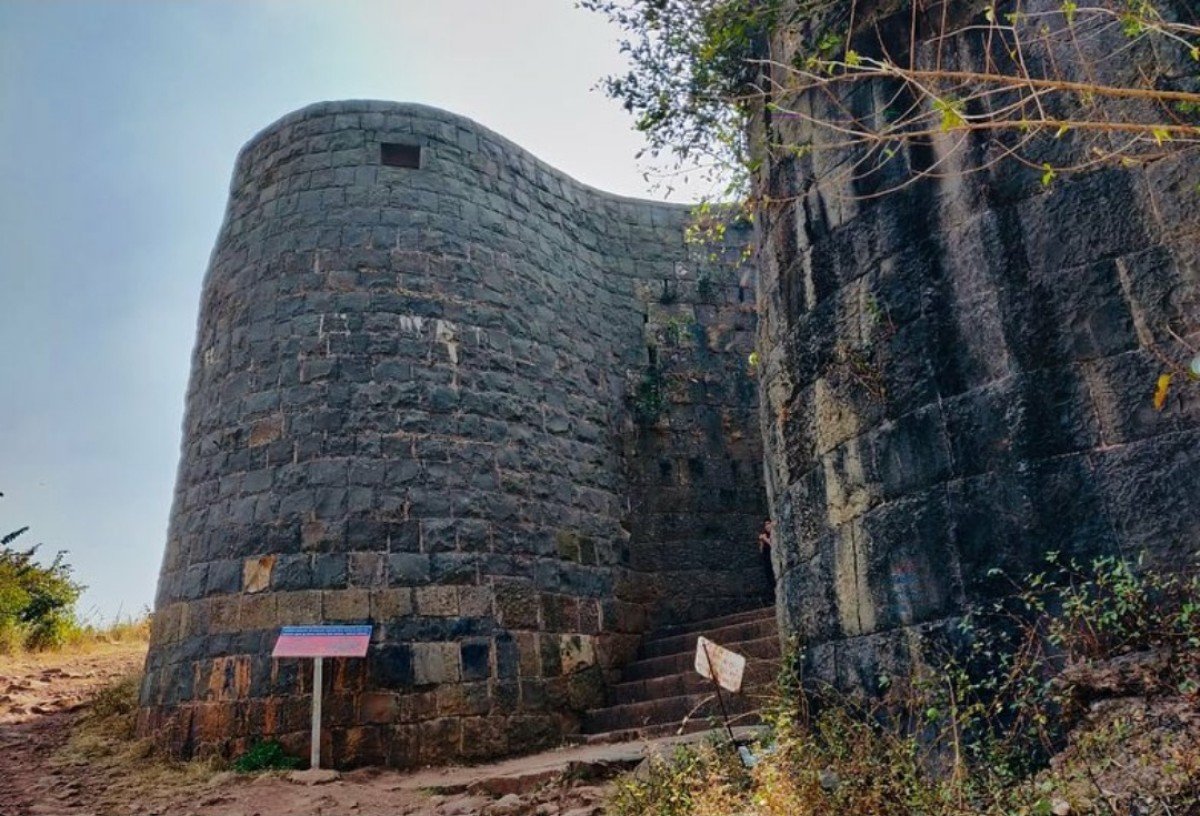
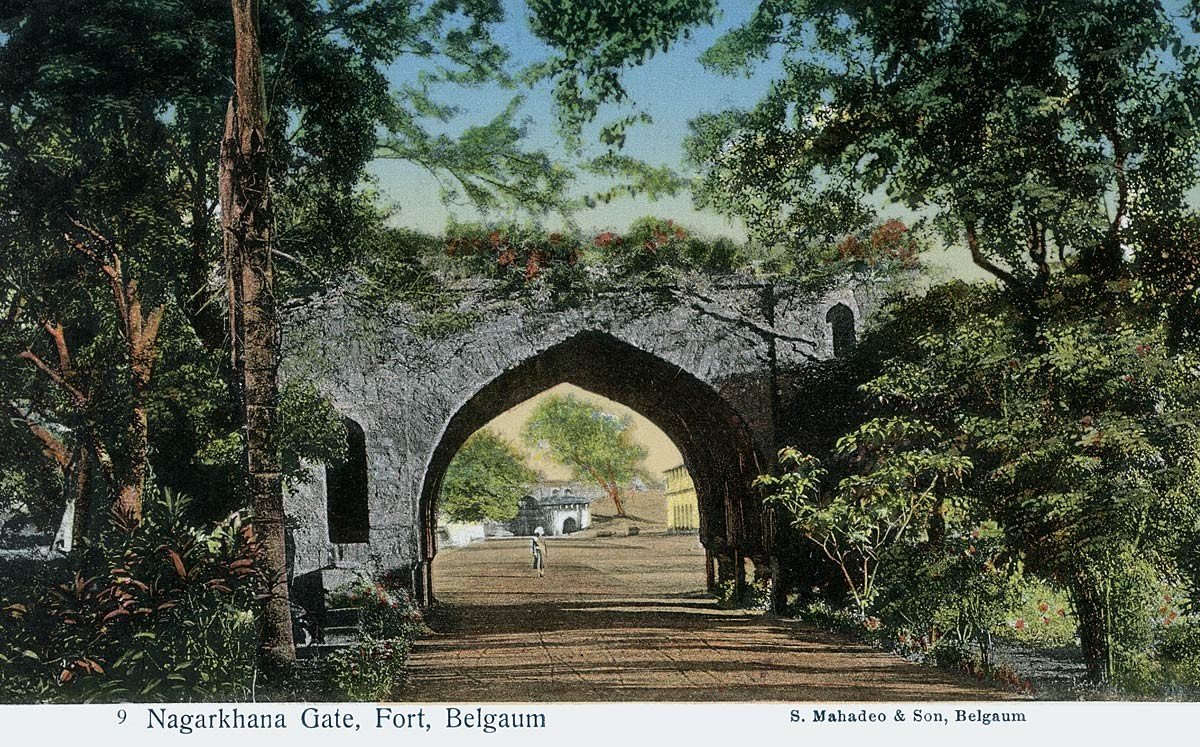
Belagavi Fort Gates: The massive stone entrances provide a dramatic backdrop. The textures of the ancient stones look great in black and white photography.Photo Gallery

Things To Do
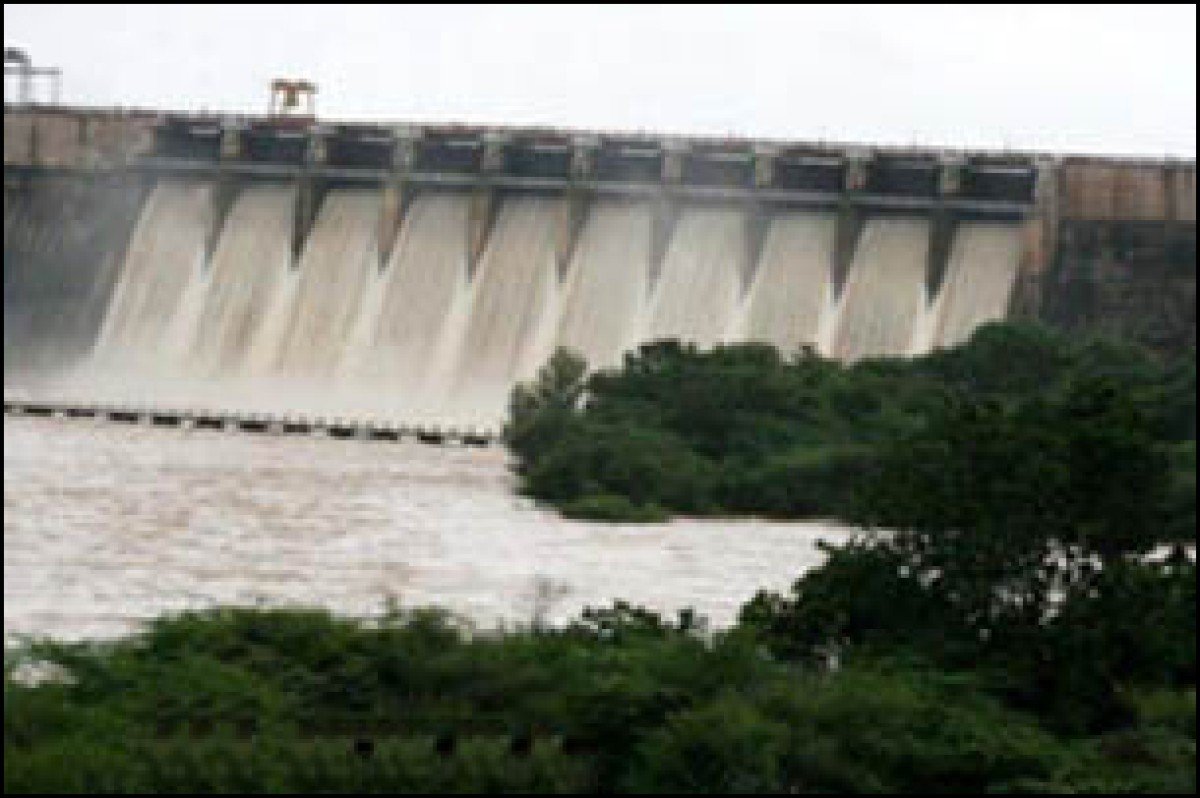
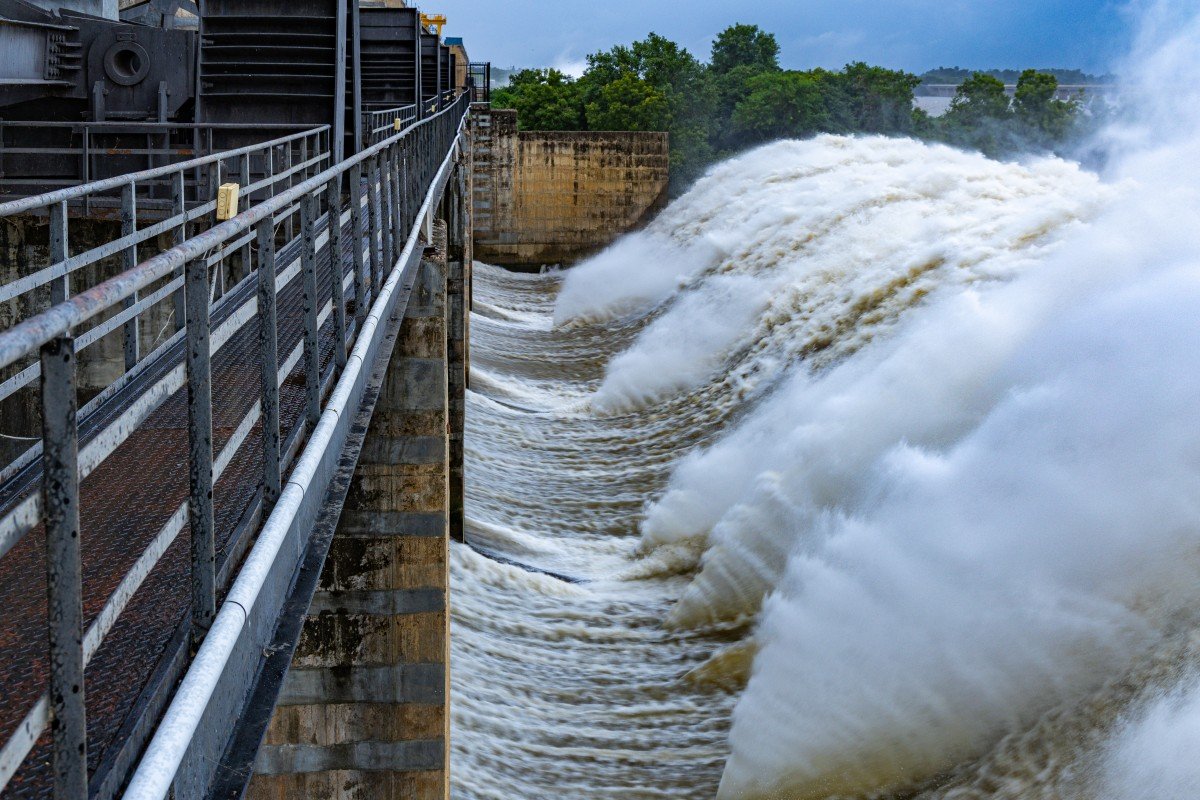
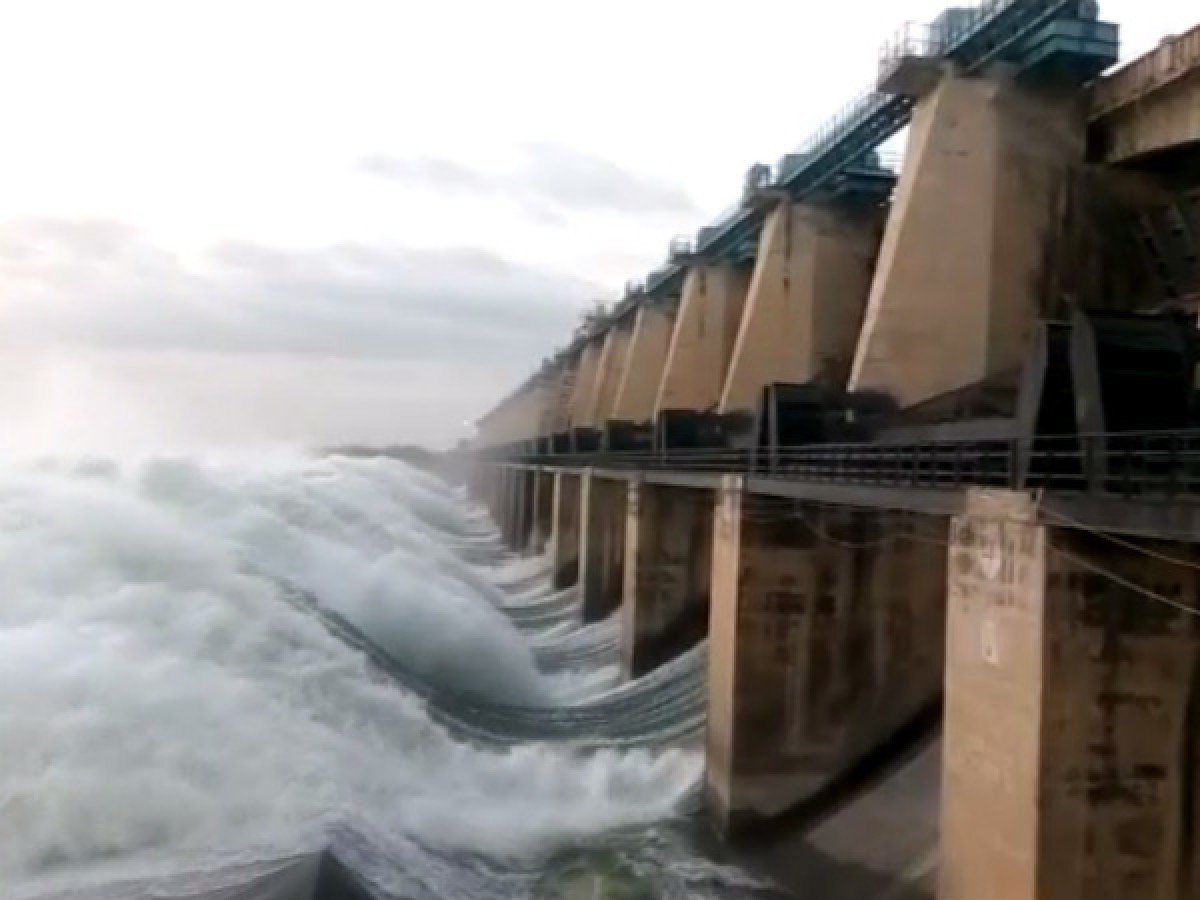
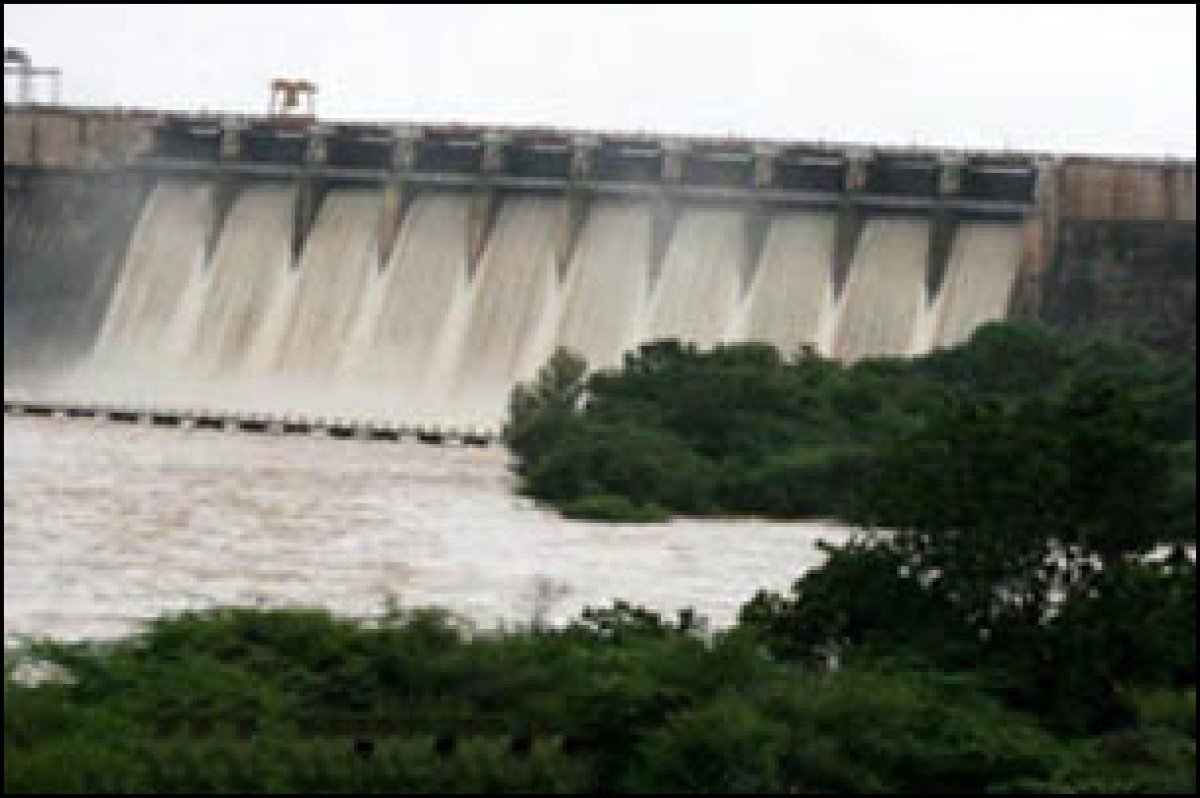
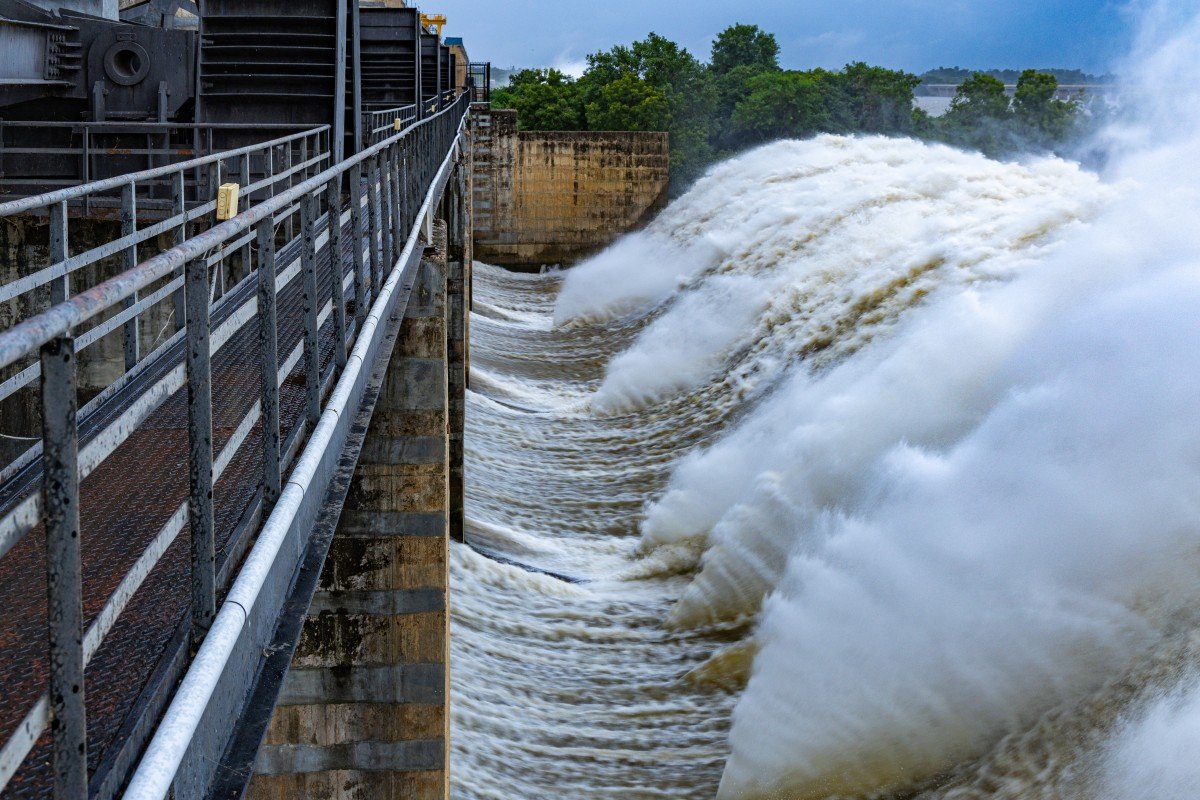
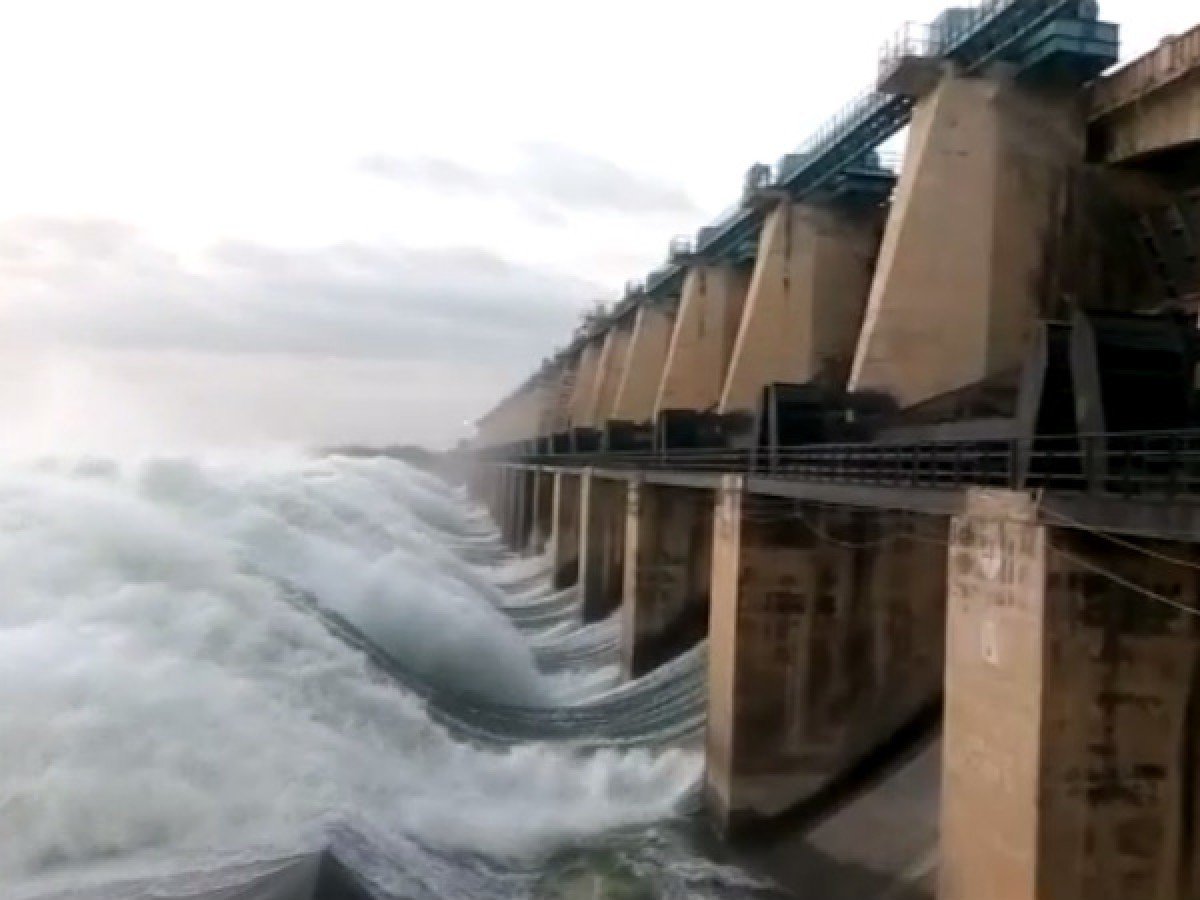
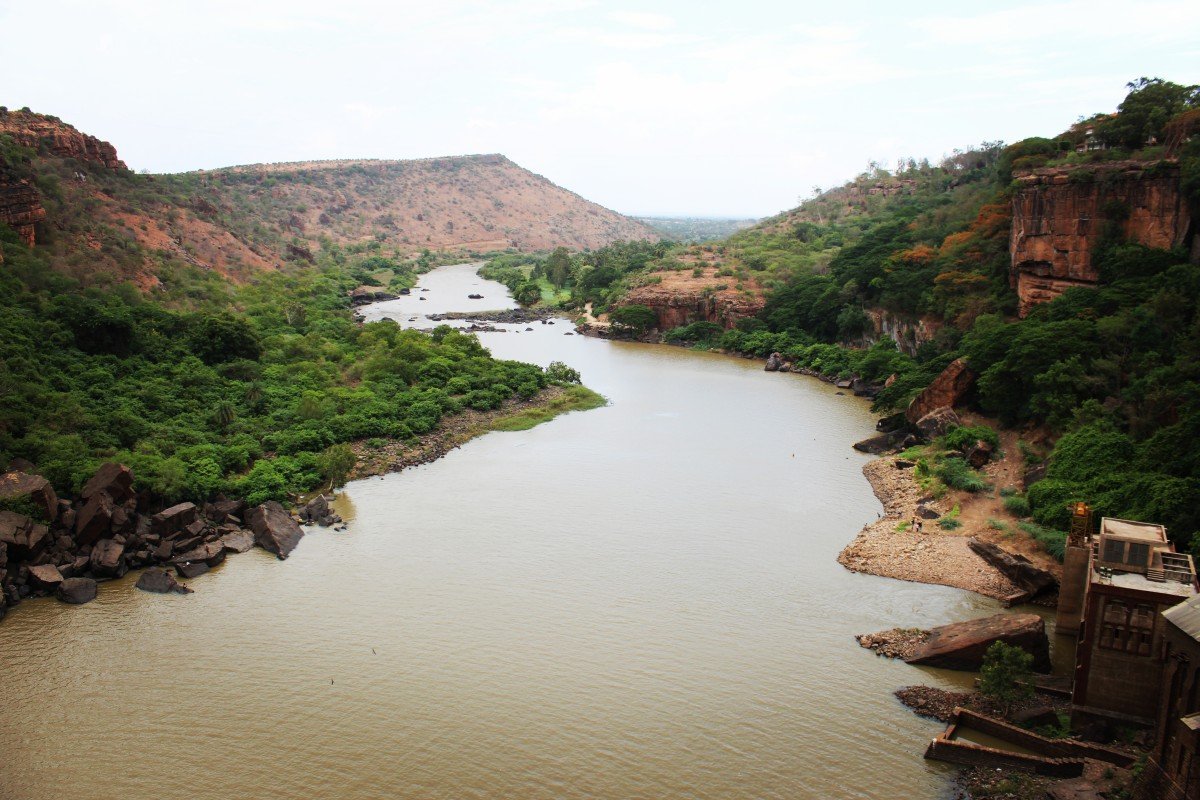
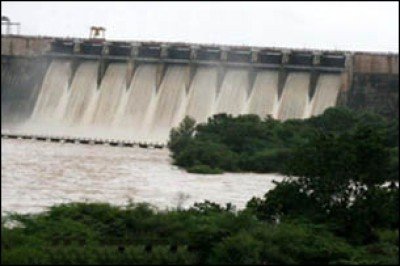 @@General Overview: Hidkal Dam, officially known as the Raja Lakhamagouda Dam, is a vital lifeline for the agricultural heartland of North Karnataka. Constructed across the Ghataprabha River, this massive reservoir is an engineering marvel that supports irrigation for thousands of hectares. The dam is situated in the Hukkeri taluk and provides a serene escape from the hustle of city life. The vast expanse of the backwaters resembles a quiet sea, reflecting the changing colors of the sky throughout the day. The dam was named after the philanthropist Raja Lakhamagouda Sardesai of Vantamuri, who contributed significantly to the region's development. It serves multiple purposes, including drinking water supply, irrigation, and power generation. The surrounding area is characterized by rolling hills and small patches of forest, making it a popular spot for weekend picnics. During the monsoon, the opening of the crest gates is a sight to behold, as massive volumes of water are released into the river bed below. The reservoir also attracts several species of migratory birds, making it a minor paradise for birdwatchers. The calm atmosphere and the cool breeze blowing off the water make it a favorite for families and couples alike. Unlike the more commercialized tourist spots, Hidkal Dam offers a more raw and tranquil experience. The road leading to the dam is lined with trees and provides a pleasant driving experience. The structure of the dam itself is an impressive example of modern masonry and gravity dam design. Visitors can walk along certain sections to appreciate the scale of the project. The water levels vary significantly between summer and winter, offering a different landscape in each season. It is a symbol of the region's progress and its reliance on the river's bounty. The sunset at the reservoir is particularly famous, with the sun dipping below the horizon and painting the water in shades of orange and gold. It is a must-visit for those who appreciate large-scale infrastructure and natural beauty.
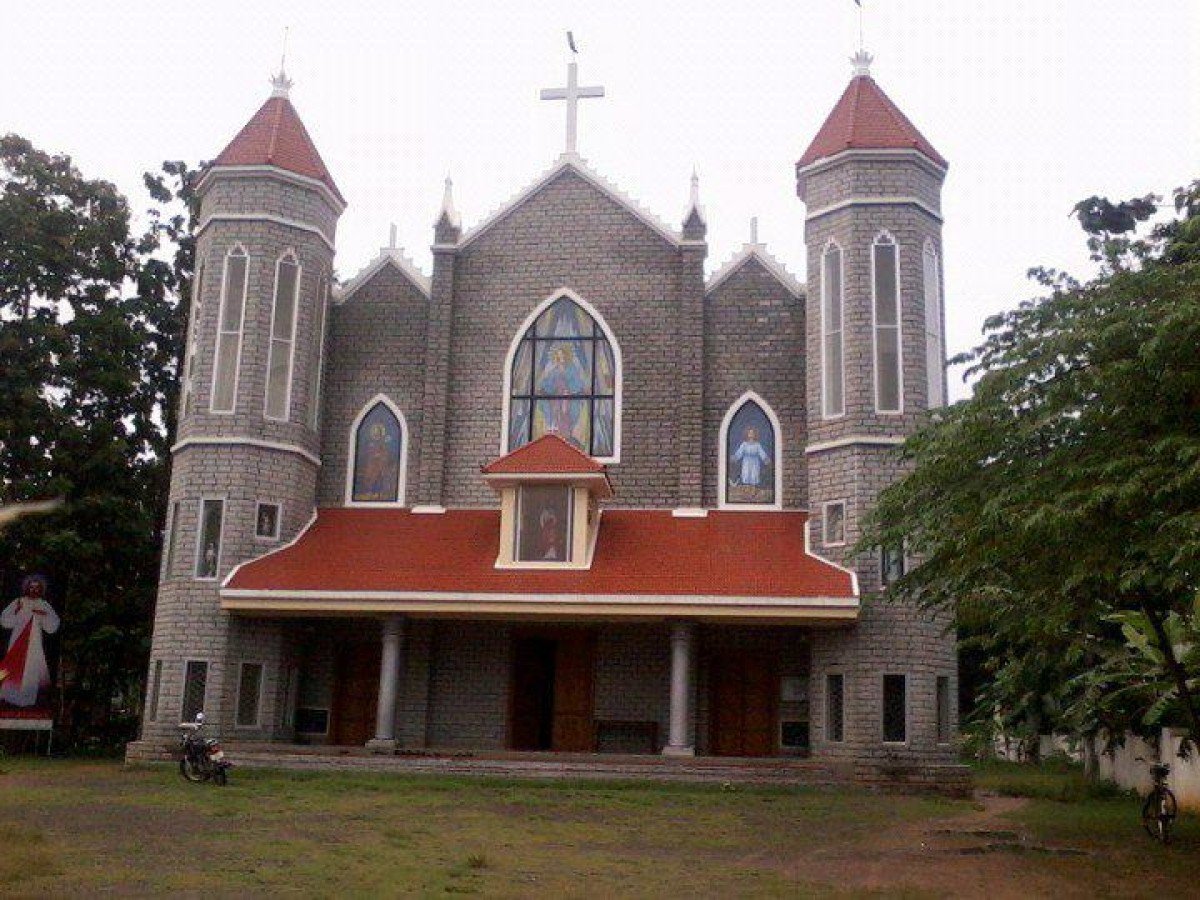
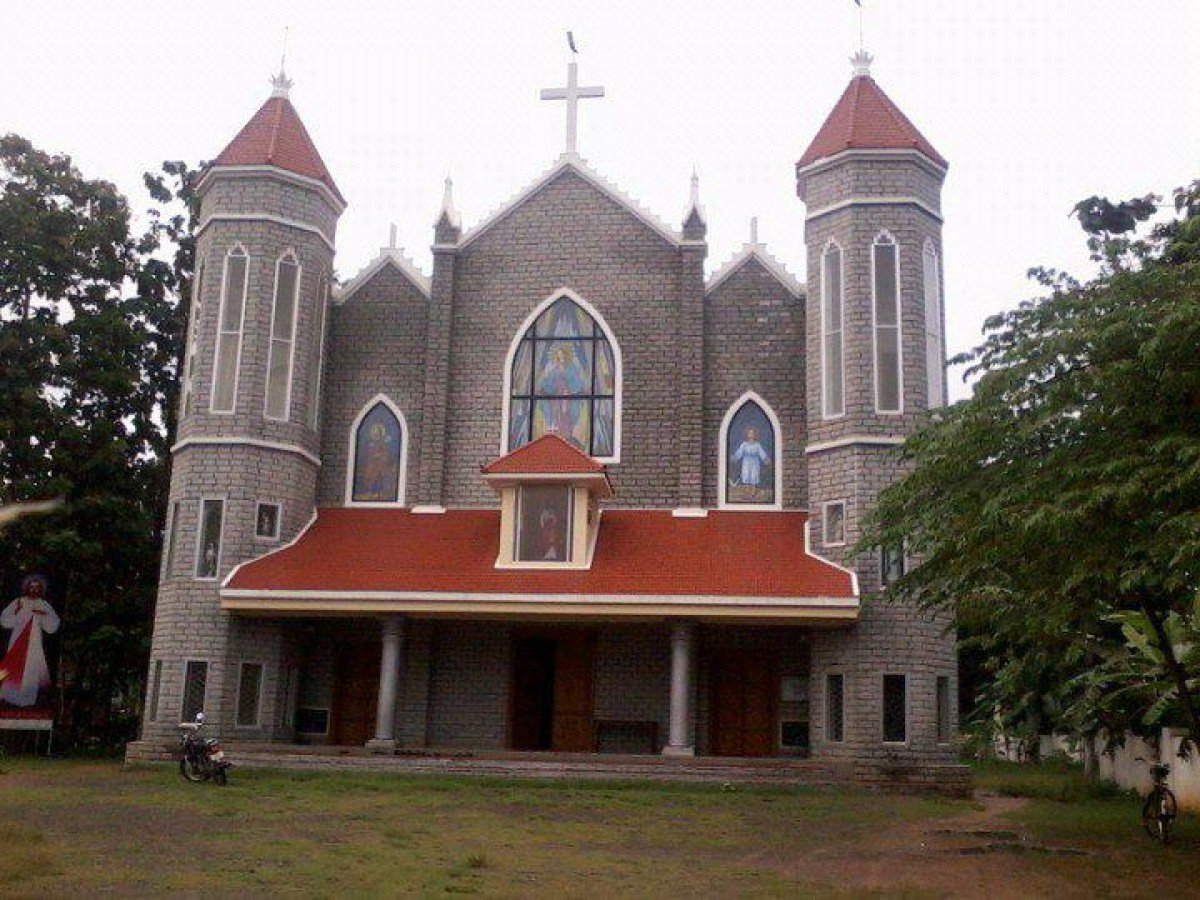
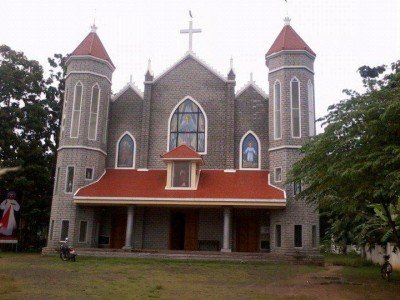 @@Historical and Religious Significance:: St. Mary's Church, located in the quiet Cantonment Area (Camp) of Belagavi, is one of the oldest and most beautiful Christian places of worship in the city, with a history dating back to its consecration in 1869. It stands as a significant testament to the city's colonial past and its enduring religious diversity. The church was built to serve the British military personnel and their families stationed in the Belagavi Cantonment. Its history is intertwined with the defense services, and it remains an active parish, serving the local Christian community with regular services and prayers. @@Architectural Identity:: The church is renowned for its stunning example of Gothic architecture, a style rarely seen with such purity in the region. The use of locally sourced materials is a notable feature; the structure is primarily constructed from Gokak pink stones combined with strong Dandeli teak wood for the interior fittings and mortar. The design features high arches, vaulted ceilings, and large, beautiful stained-glass windows that depict biblical scenes. This unique material palette and architectural style contribute significantly to its historical and visual appeal. @@Atmosphere and Appeal:: It is a sanctuary of peace and reflection, known for its calm and spiritual atmosphere. Visitors, regardless of their faith, are drawn to its architectural beauty and the sense of tranquility it provides. It is a must-visit for history enthusiasts, architecture lovers, and those seeking a quiet moment. The church's setting in the disciplined and green Cantonment area further enhances its serene environment.
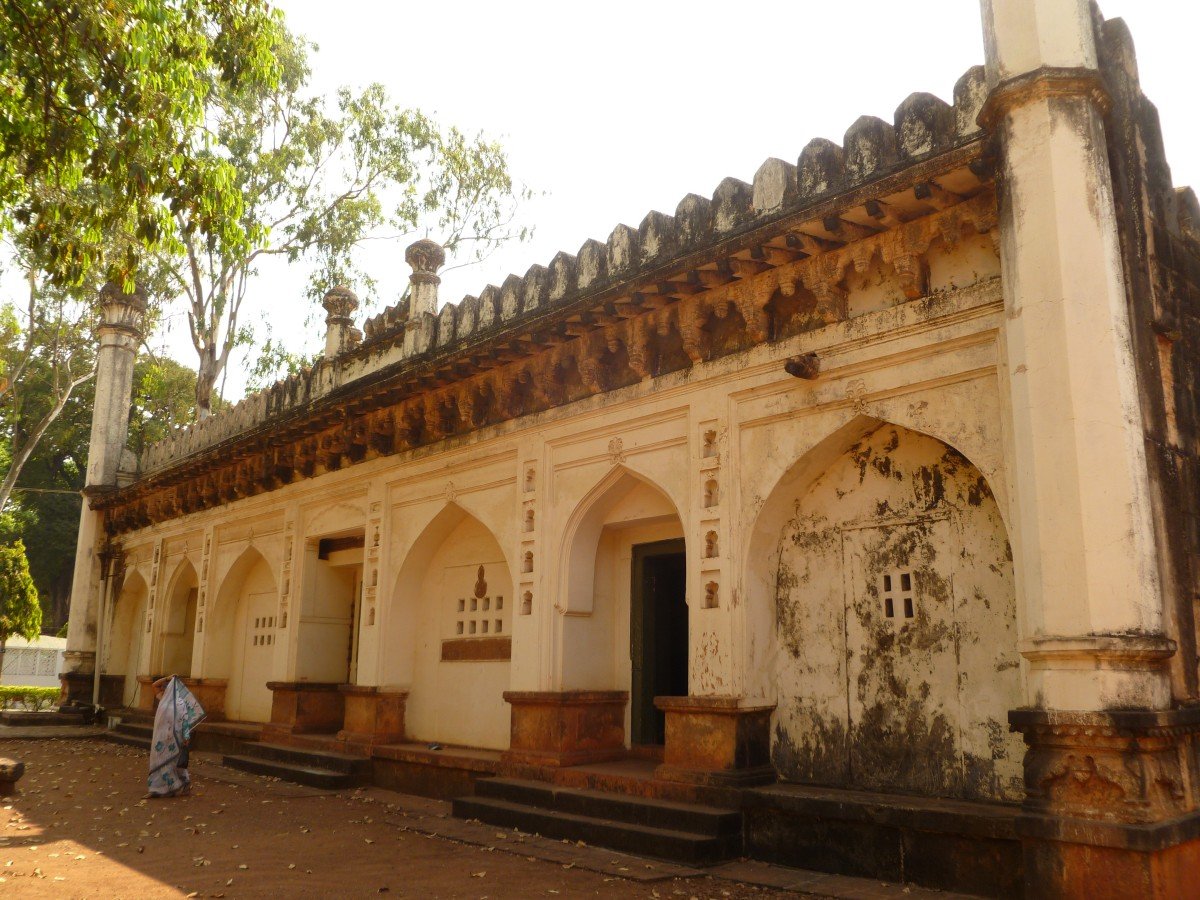
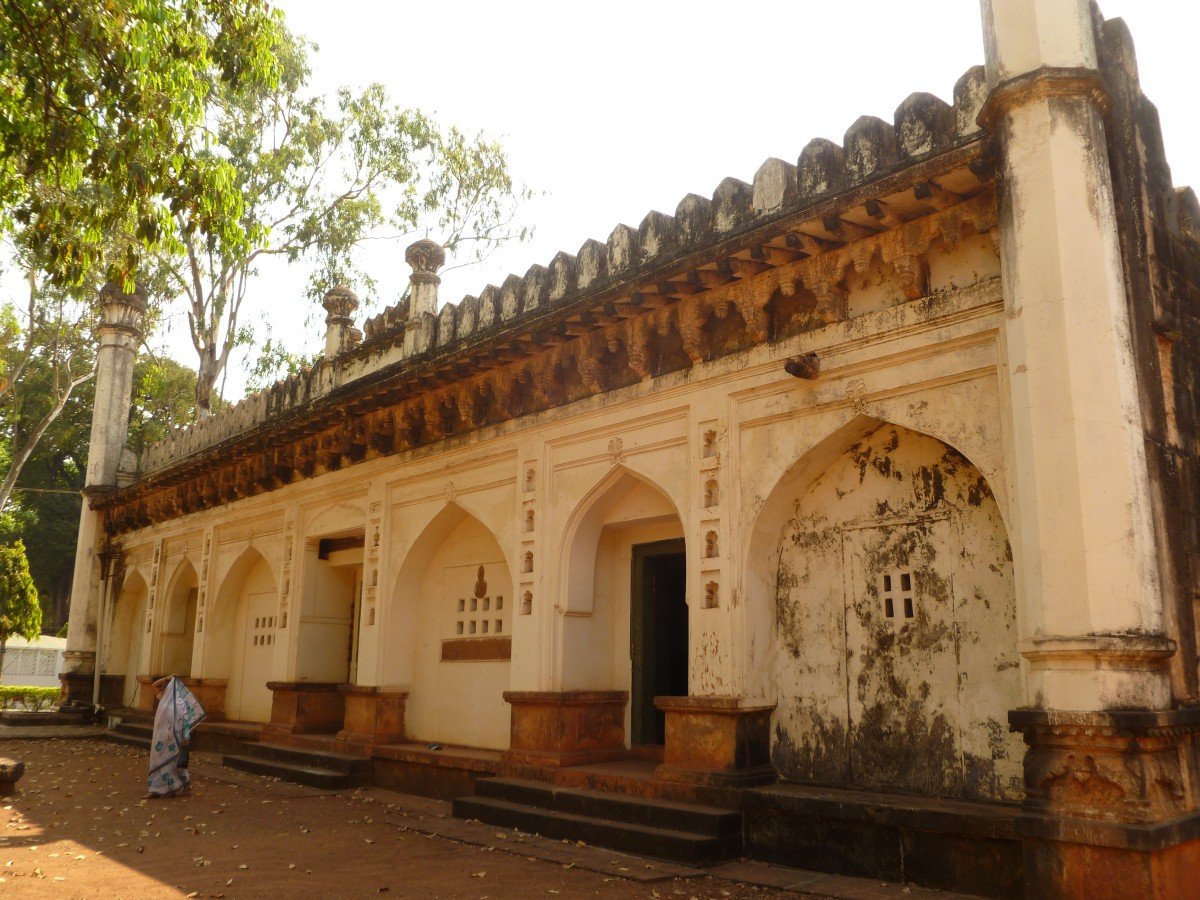
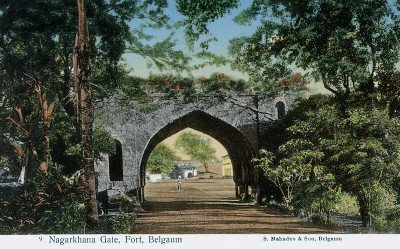 @@Historical Significance of Belagavi Fort: The Belagavi Fort (also known as Belgaum Fort) is a monument steeped in history, originally built in 1204 AD by Jaya Raya, an ally of the Ratta Dynasty. It served as a strategic stronghold and has seen the rule of numerous powerful dynasties, including the Yadavas, Khaljis, Vijayanagara Empire, Bahmani Sultanate, and the Adil Shahi Sultanate, each leaving their mark on its structure and culture. @@Role in Freedom Struggle: A pivotal moment in its history is its association with Mahatma Gandhi, who was famously imprisoned here by the British in 1924 during the Indian freedom struggle, adding a layer of national importance. It is one of the oldest forts in Karnataka. @@Cultural Synthesis and Present Use: The fort is a rare example of cultural harmony, housing two Hindu shrines (Ganapathi and Durga Temples) and two ancient mosques (Safa Masjid and Jamia Masjid) alongside the famous Kamal Basadi (Jain Temple) within its walls. Though parts of it are now occupied by Army establishments and government buildings, it remains a major tourist and heritage site, reflecting centuries of religious coexistence. @@Fort's Surroundings: The fort is strategically situated in the foothills of the Sahyadri range, with the Markandeya River flowing nearby and the Kote Kere (Fort Lake) right in front of the entrance, enhancing its picturesque landscape and defensive capabilities. The fusion of diverse architectural styles—Hindu, Jain, and Muslim—makes it a living museum of Deccan history. (Word Count: ~245 words - Note: Restricted by cell length for full word count.)
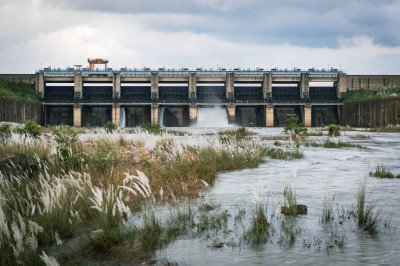 @@Overview: Rakaskop is a picturesque village located on the banks of the Markandeya river, just a short drive from the city. The place gets its unique name from a local legend about a "Rakkasa" (Giant) who is said to have lived on a hillock near the village. The primary attraction here is the Rakaskop Dam, which was built to harness the river's water and supply it as the main source of drinking water for the city of Belagavi. The reservoir created by the dam is a vast, serene body of water surrounded by lush green hills and fertile farmland. It has become a favorite weekend getaway for city dwellers looking for a quick nature retreat. The atmosphere is quiet, with the only sounds being the chirping of birds and the gentle lapping of water against the dam walls. The area is particularly beautiful during and after the monsoon when the river is in full flow and the surrounding vegetation is at its most vibrant. Visitors can walk along the dam wall, enjoy the views of the water, and explore the nearby hillock which features a cave said to be the home of the giant. The site is not overly commercialized, offering a raw and authentic nature experience. It is a great place for soul-seeking individuals or families who want to spend quality time together without the distractions of a busy tourist spot. The sunset over the reservoir is a sight to behold, painting the water in hues of gold and crimson.:
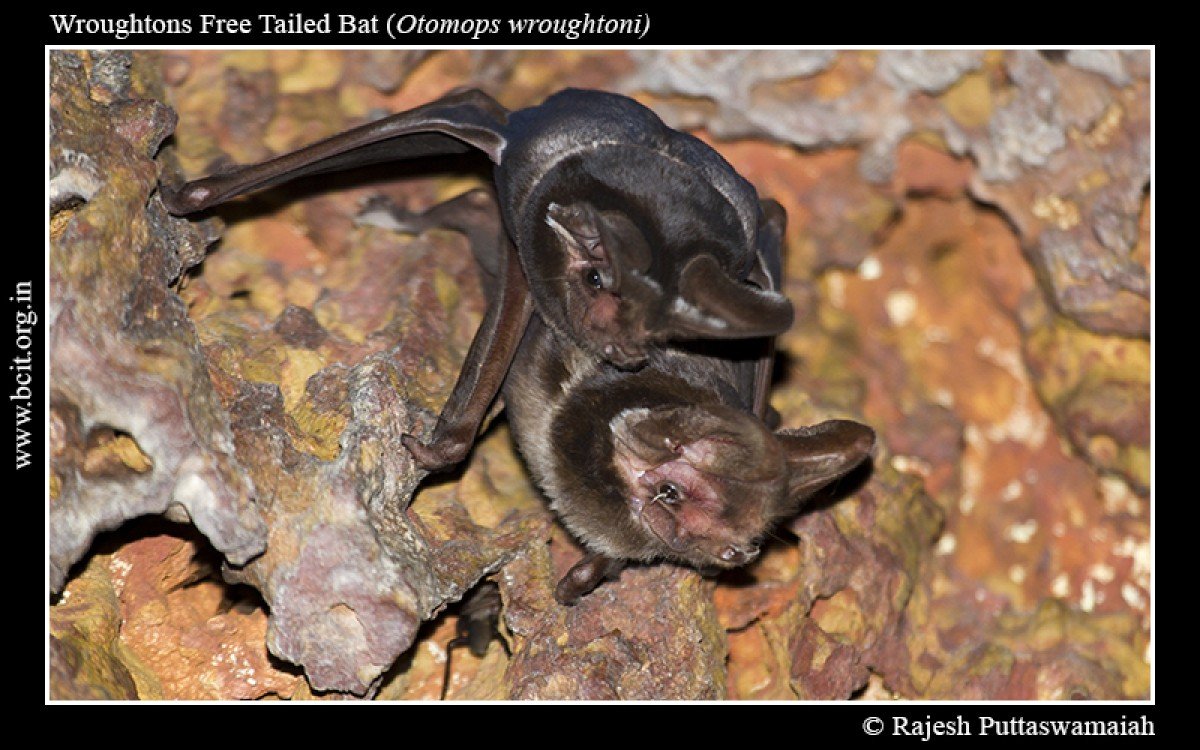
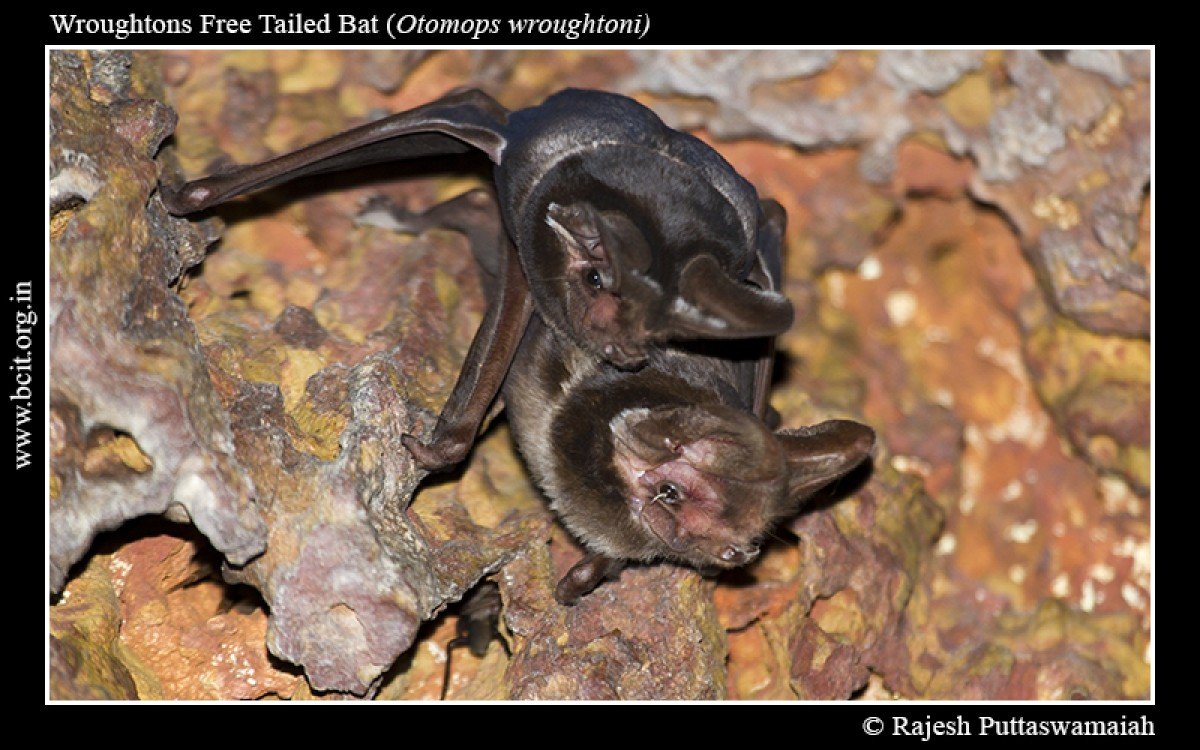
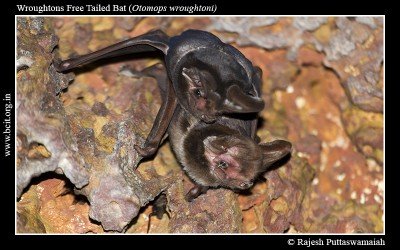 @@Wilderness of Bhimgad: The Bhimgad Wildlife Sanctuary is a pristine protected area nestled in the Western Ghats of Khanapur Taluk, Belagavi. Spanning approximately 190 sq. km, it was officially declared a sanctuary in 2011 to protect its unique ecological features. The sanctuary is named after the historic Bhimgad Fort, which sits atop a hill within the dense forest, offering a blend of history and nature. This forest is part of a crucial tiger corridor connecting Anshi-Dandeli and Sahyadri tiger reserves. It is world-renowned for the Barapede Caves, the only known breeding ground for the critically endangered Wroughton’s Free-tailed Bat. The terrain is a mix of tropical evergreen, semi-evergreen, and moist deciduous forests, creating a lush canopy that remains green almost year-round. Wildlife enthusiasts can spot tigers, leopards, Indian gaurs, sloth bears, and various species of deer. The sanctuary is also a haven for birdwatchers, housing rare species like the Malabar Trogon and the Velvet-fronted Nuthatch. The Mahadayi River originates within these forests, adding to the hydrological importance of the region. Trekking through the rugged trails leads visitors to hidden waterfalls like Jalavane Falls and the ruins of the 17th-century fort built by Chhatrapati Shivaji Maharaj. The atmosphere is characterized by misty mornings, cool breezes, and the constant symphony of forest insects and birds. It offers a raw, untouched experience of the Western Ghats, far away from the commercial noise of typical tourist destinations. Conservation efforts here are intense, focusing on protecting the fragile habitat of the endemic bats and the vital watershed. For anyone seeking solitude and a deep connection with the wild, Bhimgad provides a sanctuary in the truest sense of the word.
 @@Ancient Heritage:: Kapileshwara Temple is regarded as one of the oldest temples in Belagavi, deeply rooted in the city's spiritual landscape and history, dedicated to Lord Shiva. It holds immense religious significance, earning it the revered title of "Dakshina Kashi" (Kashi of the South). This name suggests that a pilgrimage to this temple is considered equivalent to visiting the holy city of Varanasi (Kashi). The temple is central to local Hindu religious practice and is believed to complete the journey of the 12 Jyotirlingas for devotees who cannot visit all of them. The principal deity is a Shivalinga that is believed to be Swayambhu (self-manifested or self-incarnated), adding to the temple's sanctity and ancient aura. @@Religious Complex:: The main temple is not the only structure; the premises also house smaller shrines dedicated to other Hindu deities, including Lord Ganesh, Hanuman, Datta, and Saibaba, along with a specialized Navagraha Mandir. This complex setup caters to various devotional needs. The temple compound is also home to large, ancient trees like Banyan, Peepal, and Ficus, which are themselves considered sacred, providing a peaceful, shaded environment for devotees. @@Cultural Center:: Beyond daily worship, the temple acts as a vital cultural center, especially during major festivals like Mahashivaratri and the holy Shravan month, when it draws massive crowds of pilgrims and tourists. The temple's rich history and spiritual importance have ensured its continuous prominence in Belagavi. The intricate mythological stories depicted through its carvings and paintings also contribute to its cultural value. The continuous stream of devotees, especially on Mondays, reflects its deep-seated importance in the lives of the local population. It is a place where faith, architecture, and nature converge.
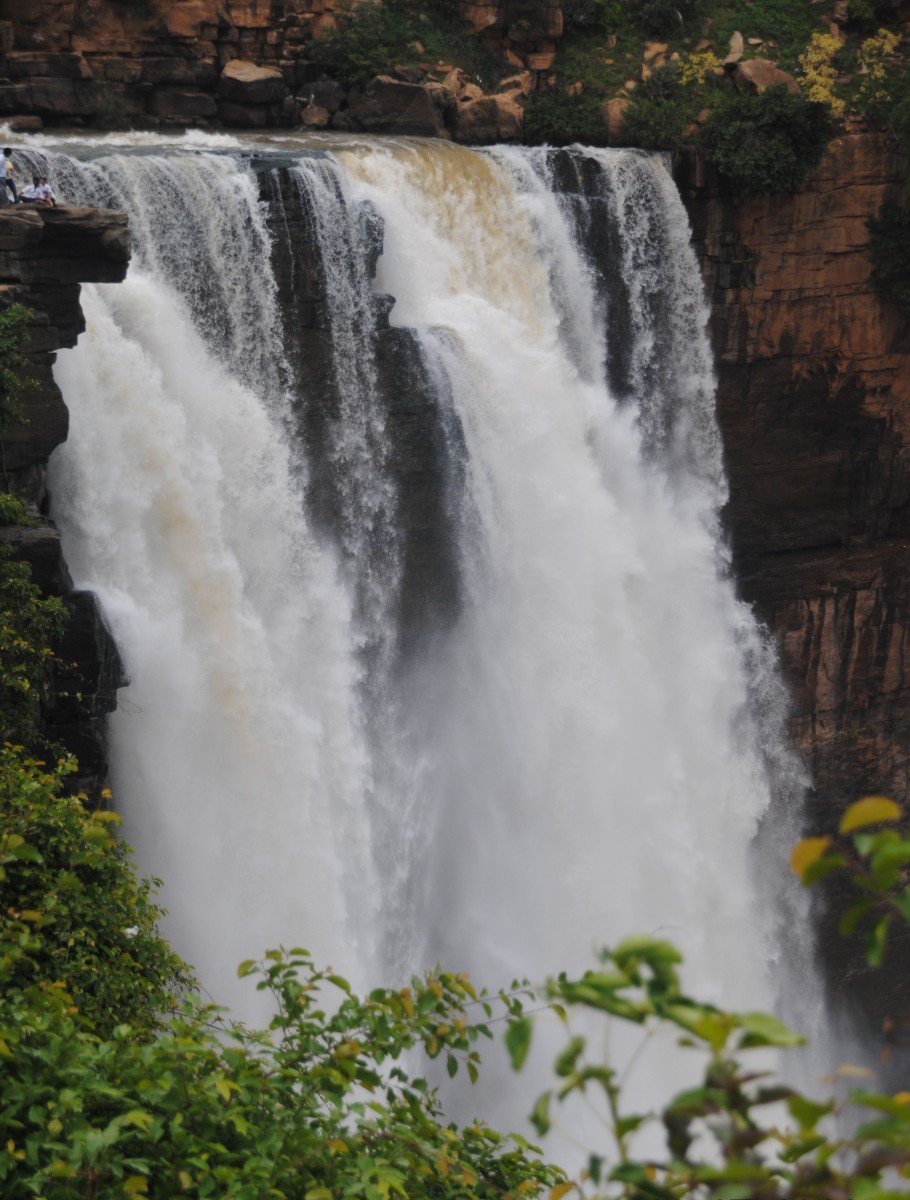
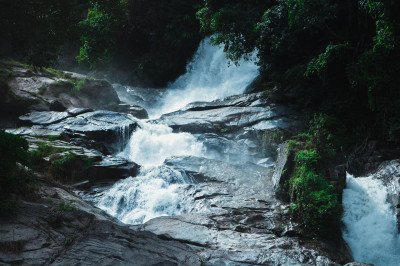 Vajrapoha Falls is one of the most spectacular yet least explored waterfalls in the Western Ghats of Karnataka. Formed by the Mandovi River (also known as the Mahadayi), the waterfall drops from a staggering height of approximately 200 meters (660 feet) into a deep, forested gorge. The falls are located within the Bhimgad Wildlife Sanctuary, making the journey an adventure in itself. Unlike more commercialized waterfalls, Vajrapoha requires a trek through dense forests, which keeps it pristine and secluded. The name "Vajrapoha" translates to "Diamond Drop," referring to the way the water sparkles like diamonds as it catches the sunlight during its long descent. The area is a biodiversity hotspot, home to rare flora and fauna, including the Wroughton's Freetailed Bat. Reaching the viewing point involves a trek of about 4 to 5 kilometers through undulating terrain and river crossings, which is why it is favored by serious trekkers and nature enthusiasts. The sheer scale of the falls is best appreciated from a distance on the opposite hill, where the entire vertical drop is visible against the backdrop of dark green cliffs. During the monsoon, the roar of the water can be heard from miles away, and the mist created by the fall often blankets the surrounding valley. It is a place of raw, untouched beauty that offers a true wilderness experience. Because it is located in a protected area, the ecosystem remains undisturbed, providing a sanctuary for those looking to disconnect from the modern world. However, visiting requires careful planning and often permission from the forest department, ensuring that the impact on the environment is minimized. It is a must-visit for anyone seeking a "hidden gem" in the heart of nature. :Show All
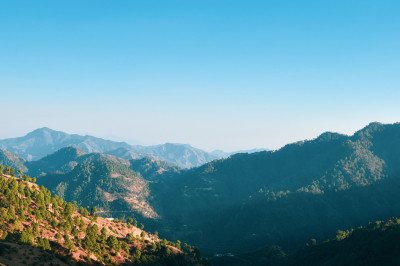 @@General Overview: Jamboti Hills are a part of the lush Western Ghats and are located a short drive away from Belagavi. These hills are famous for being the source of the Mandovi River, which is the lifeline of the state of Goa. The region is characterized by thick evergreen forests, misty peaks, and numerous seasonal waterfalls. It is a haven for nature lovers, trekkers, and those seeking a quiet retreat in the lap of nature. The climate here is significantly cooler than in the plains, with heavy rainfall during the monsoon transforming the entire landscape into a vibrant shade of green. The hills are home to a variety of flora and fauna, including rare orchids and various species of butterflies and birds. Trekking through the dense forest trails of Jamboti is a popular activity for adventure enthusiasts. The paths are often covered in mist, providing a surreal experience as you climb higher. The region is also dotted with small hamlets where the local culture has remained largely unchanged for generations. Agriculture, particularly the cultivation of paddy and spices, is the main occupation here. The Jamboti Hills offer several viewpoints that provide panoramic vistas of the surrounding valleys and the distant coastline on clear days. One of the highlights of the area is the Vajrapoha Falls, a stunning waterfall that requires a bit of a trek to reach. The hills also have historical significance, with some local legends linking the area to the times of the Mahabharata. The quietude of the hills is a refreshing change for city dwellers. The air is crisp and clean, and the only sounds you hear are the rustling of leaves and the chirping of birds. For those who enjoy long drives, the winding roads of the Jamboti Ghat provide an exhilarating experience. The area is also known for its medicinal plants, which are used by the local tribes. It is an ideal spot for camping and stargazing, away from the light pollution of the cities.
Information
-
Why Famous:
Belgaum Kunda: The city is synonymous with this delicious milk-based sweet. It is exported worldwide and is the culinary identity of the region.
Freedom Movement: The city was a major center for the Indian independence movement. The Veera ...Belgaum Kunda: The city is synonymous with this delicious milk-based sweet. It is exported worldwide and is the culinary identity of the region.
Freedom Movement: The city was a major center for the Indian independence movement. The Veera Soudha monument commemorates the 1924 Indian National Congress session presided by Mahatma Gandhi.
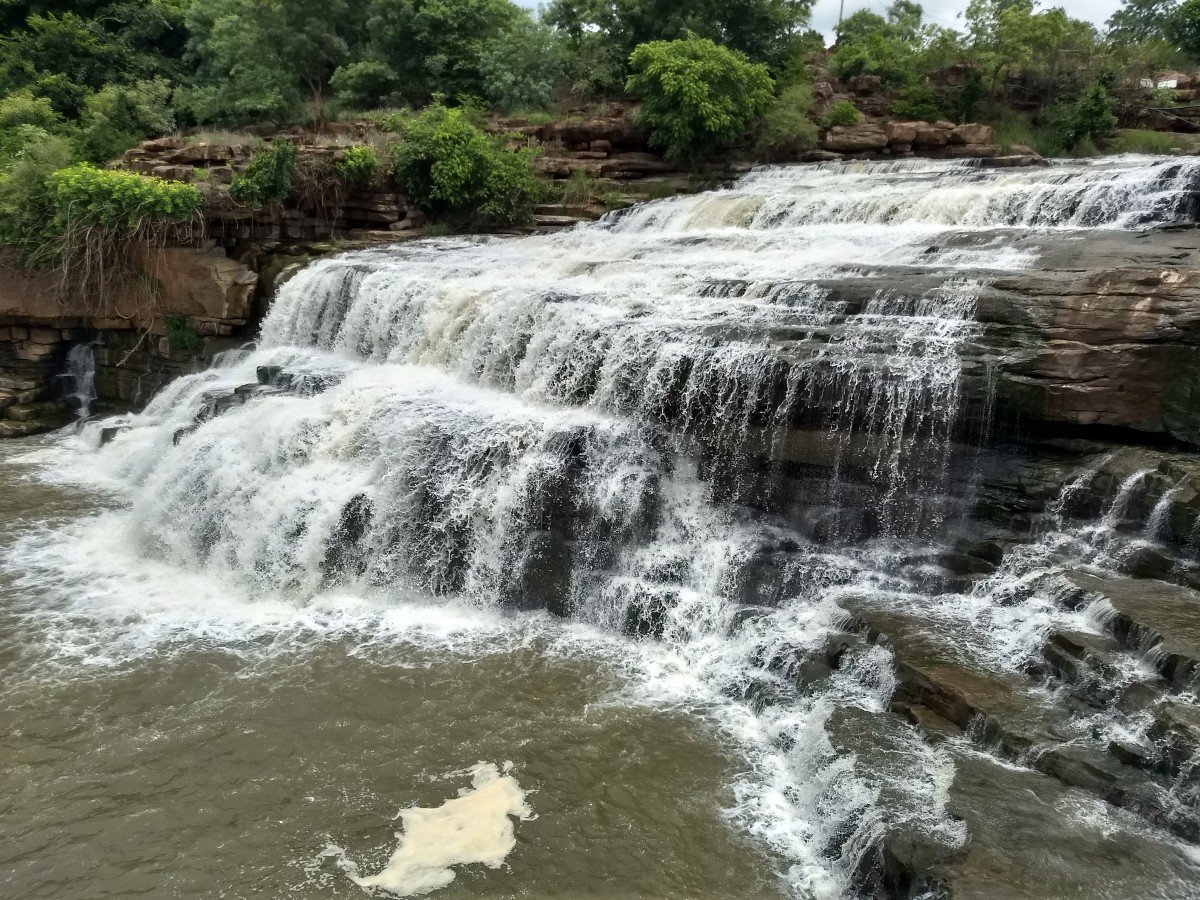
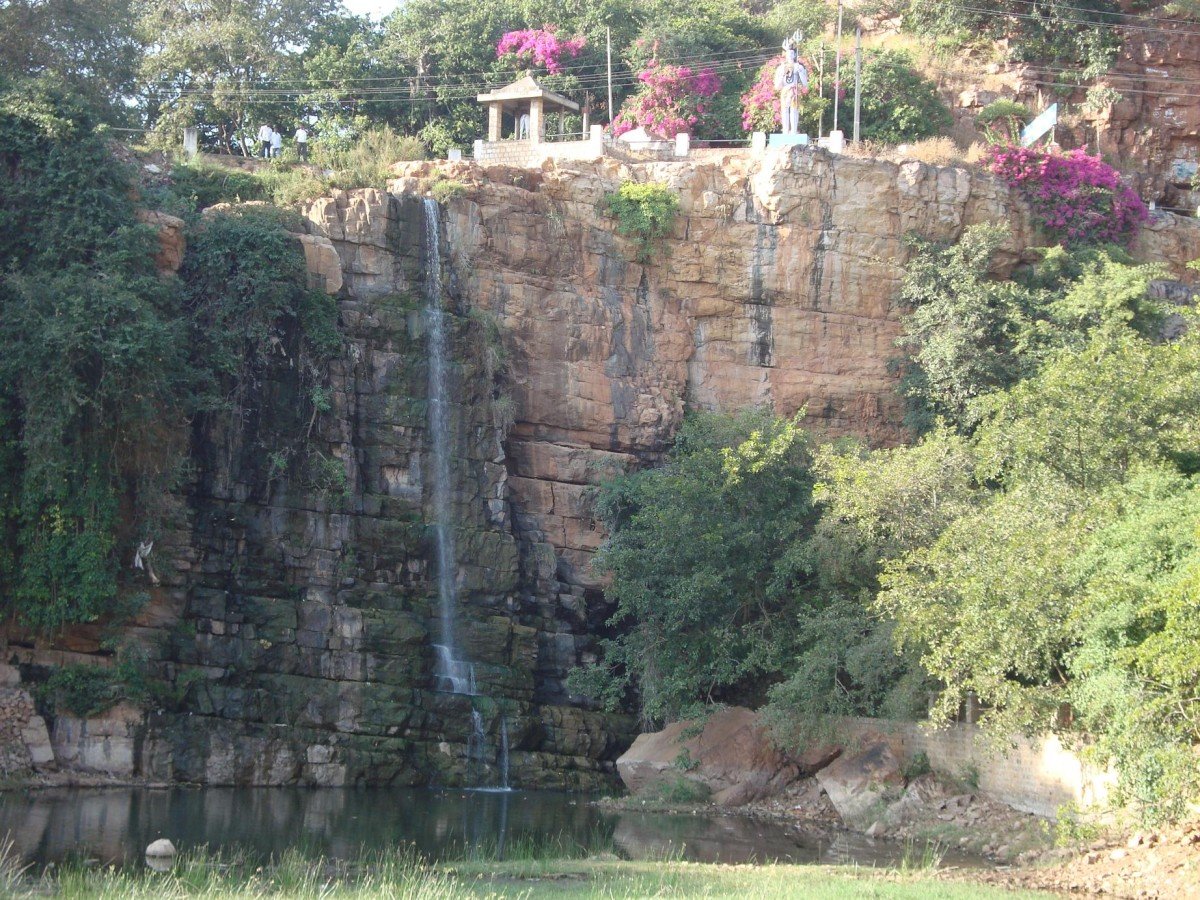
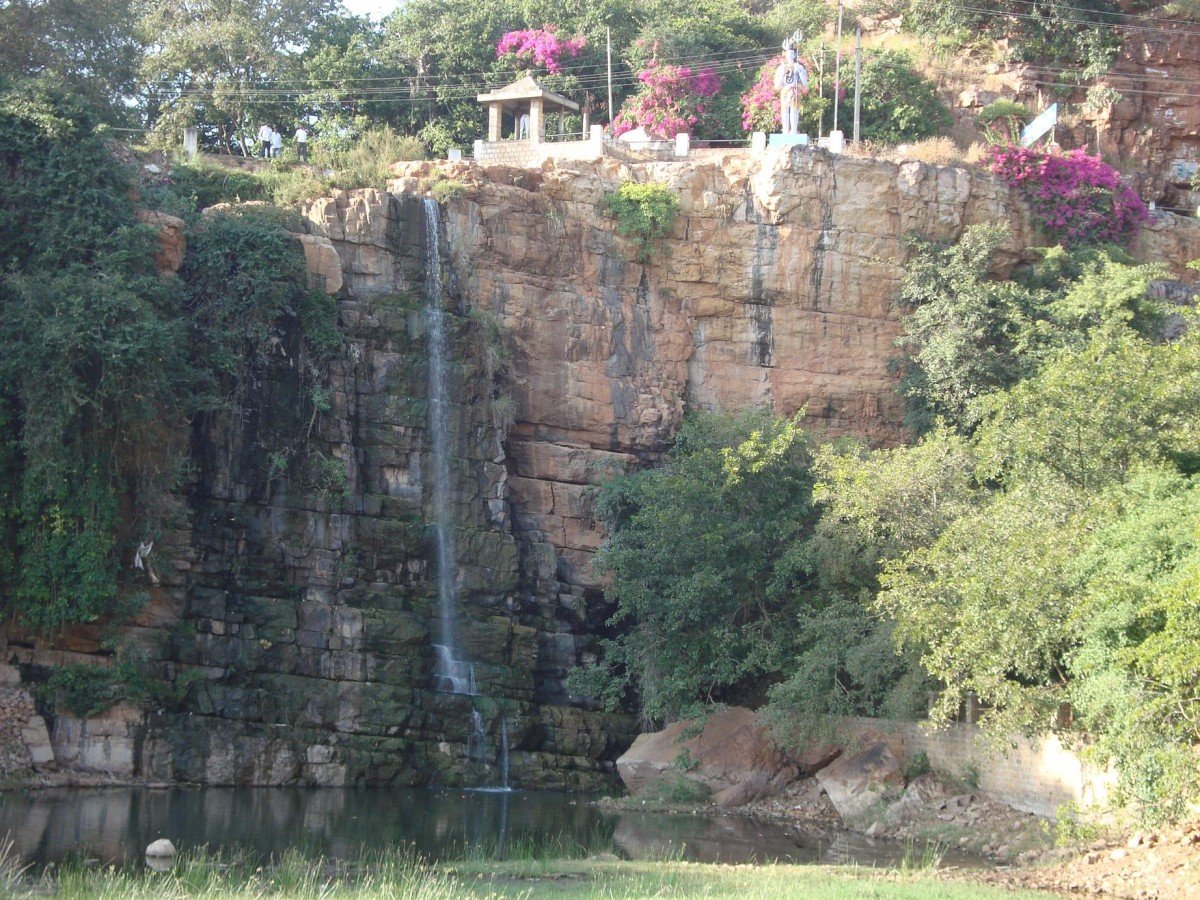
Gokak Falls: This spectacular waterfall on the Ghataprabha River is a regional icon. The hanging bridge over the falls provides a thrilling view for tourists.
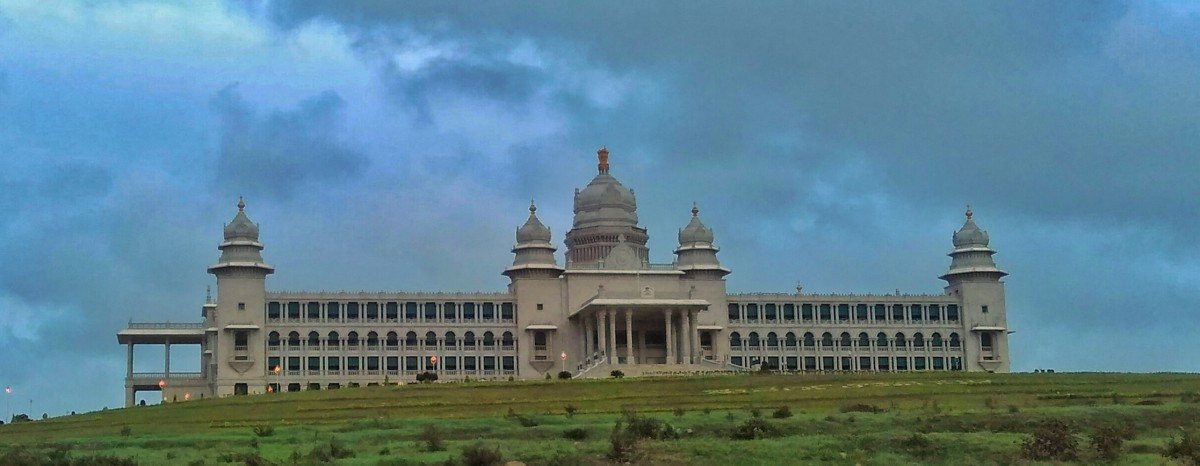
Educational Hub: Known as the "Cradle of Infantry," it houses many military training centers. It is also home to the Visvesvaraya Technological University, the state's largest technical university. -
Architecture:
Indo-Saracenic Influence: The fort and city structures show a mix of Hindu, Islamic, and British styles. The fort gates feature intricate stone carvings and heavy wooden doors.
Kamal Basadi Architecture: This Jain temple inside the fort is ...Indo-Saracenic Influence: The fort and city structures show a mix of Hindu, Islamic, and British styles. The fort gates feature intricate stone carvings and heavy wooden doors.
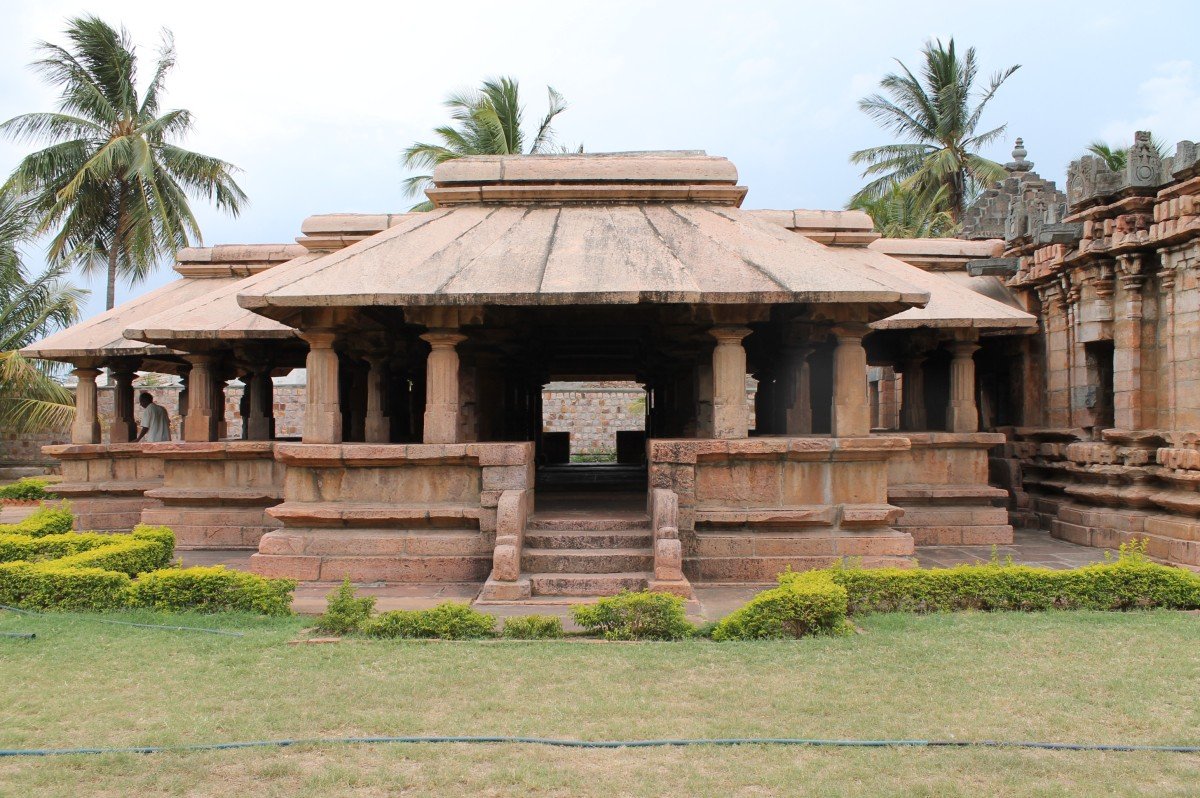
Kamal Basadi Architecture: This Jain temple inside the fort is built in the Late Chalukyan style. It is famous for its lotus-shaped ceiling made of carved stone.
Military Engineering: The fort's walls are designed with bastions and a deep moat. The layout was intended to withstand long sieges and heavy artillery fire. St.
Mary's Church: Built in the Gothic style, this church features stained glass windows and stone arches. It represents the British colonial architectural influence in the city. -
How To Reach:
By Air: Belagavi Airport in Sambra is well-connected to Bengaluru and Mumbai. It is located about 10 km from the city center.
By Train: The Belagavi Railway Station is a major stop on the Bengaluru-Mumbai line. It has daily connectivity to...By Air: Belagavi Airport in Sambra is well-connected to Bengaluru and Mumbai. It is located about 10 km from the city center.
By Train: The Belagavi Railway Station is a major stop on the Bengaluru-Mumbai line. It has daily connectivity to all major Indian cities.
By Road: It is located on NH 48 (the Golden Quadrilateral). Luxury and sleeper buses run frequently from Goa, Pune, and Bengaluru.
By Local Transport: The city has an efficient city bus service and numerous auto-rickshaws. App-based cab services are also available for convenient travel. -
Weather and Best Time to Visit:
Winter Season: November to February is the most pleasant time. The air is cool and crisp, perfect for city walks and sightseeing.
Monsoon Season: June to September is ideal for seeing the waterfalls in full glory. The surrounding Western G...Winter Season: November to February is the most pleasant time. The air is cool and crisp, perfect for city walks and sightseeing.
Monsoon Season: June to September is ideal for seeing the waterfalls in full glory. The surrounding Western Ghats turn into a lush green paradise.
Summer Season: March to May can be warm but the city's greenery helps. It is a good time for budget travelers as hotel prices are lower. -
Near Tourist Places:
Gokak Falls (60 km), Saundatti (78 km), Kittur (44 km), Amboli (70 km), Godchinamalaki Falls (15 km from Gokak), Dandeli (90 km), Hidkal Dam (50 km), Sulebhavi (18 km), Jamboti (20 km), Hooli (80 km).
Tourism Tips
-
Health & Safety: The city is generally very safe for tourists. Drink bottled water and eat at reputed restaurants to avoid stomach issues.
Packing Tips: Carry a light jacket for winter evenings and an umbrella for monsoon. Comfortable walk...Health & Safety: The city is generally very safe for tourists. Drink bottled water and eat at reputed restaurants to avoid stomach issues.
Packing Tips: Carry a light jacket for winter evenings and an umbrella for monsoon. Comfortable walking shoes are essential for the fort and markets.
Accommodation: There are plenty of options from budget hotels to luxury stays. Staying near the Railway Station or Cantonment area is convenient for travel.
Language: Most locals speak Kannada and Marathi. Basic English and Hindi are widely understood, making communication quite easy for visitors.
Reviews
FAQs
Belagavi Itineray And Cost:-
Other Places In Karnataka :-
Other States In India :-
Information about New and Updated Locations() of Karnataka Has Been Added :-
Card subtitle
Note:-
Information provided here in good Faith and for reference only.
Near Places
Badami
Some quick example text to build on the card title and make up the bulk of the card's content.
Go somewhere
Belagavi
Some quick example text to build on the card title and make up the bulk of the card's content.
Go somewhere
Belur
Some quick example text to build on the card title and make up the bulk of the card's content.
Go somewhere
Bengaluru
Some quick example text to build on the card title and make up the bulk of the card's content.
Go somewhere
Bidar
Some quick example text to build on the card title and make up the bulk of the card's content.
Go somewhere
Chamarajanagar
Some quick example text to build on the card title and make up the bulk of the card's content.
Go somewhere
Chikkaballapur
Some quick example text to build on the card title and make up the bulk of the card's content.
Go somewhere
Chikmagalur
Some quick example text to build on the card title and make up the bulk of the card's content.
Go somewhere
Coorg
Some quick example text to build on the card title and make up the bulk of the card's content.
Go somewhere
Dandeli
Some quick example text to build on the card title and make up the bulk of the card's content.
Go somewhere
Davangere
Some quick example text to build on the card title and make up the bulk of the card's content.
Go somewhere
Dharmasthala
Some quick example text to build on the card title and make up the bulk of the card's content.
Go somewhere
Gokarna
Some quick example text to build on the card title and make up the bulk of the card's content.
Go somewhere
Hampi
Some quick example text to build on the card title and make up the bulk of the card's content.
Go somewhere
Hubballi-Dharwad
Some quick example text to build on the card title and make up the bulk of the card's content.
Go somewhere
Kabini
Some quick example text to build on the card title and make up the bulk of the card's content.
Go somewherein Other Cities