



Bijapur
General information
-
Ideal Duration:
2 to 3 DaysPlace Type:
Heritage & HistoricalEntry Fees:
Gol Gumbaz Fees: Entry fee is 25 INR for Indians and 300 INR for foreigners. Digital payments are preferred at the ASI ticket counters near the entrance.
Ibrahim Rauza Fees: Tickets cost 20 INR for domestic tourists and 250 INR for internat...Gol Gumbaz Fees: Entry fee is 25 INR for Indians and 300 INR for foreigners. Digital payments are preferred at the ASI ticket counters near the entrance.
Ibrahim Rauza Fees: Tickets cost 20 INR for domestic tourists and 250 INR for international guests. Cameras may attract an additional small fee for professional video gear.Timing:
Daily Timings: Most monuments are open from 6:00 AM to 6:00 PM daily. It is best to reach the Gol Gumbaz early to avoid large crowds.
Ideal Visit Time: The winter months from October to March are most comfortable. Mornings are cool and per...Daily Timings: Most monuments are open from 6:00 AM to 6:00 PM daily. It is best to reach the Gol Gumbaz early to avoid large crowds.
Ideal Visit Time: The winter months from October to March are most comfortable. Mornings are cool and perfect for walking through the sprawling fort complexes.Special Events:
Vijayapura Utsav: A grand cultural festival held annually featuring music and dance. Artists from across India perform against the backdrop of the historical monuments.
Urs Festival: Celebrated at various Sufi shrines with great religious f...Vijayapura Utsav: A grand cultural festival held annually featuring music and dance. Artists from across India perform against the backdrop of the historical monuments.
Urs Festival: Celebrated at various Sufi shrines with great religious fervor and peace. Local musicians sing Qawwalis that create a spiritual and haunting atmosphere.Best Photo Spots:
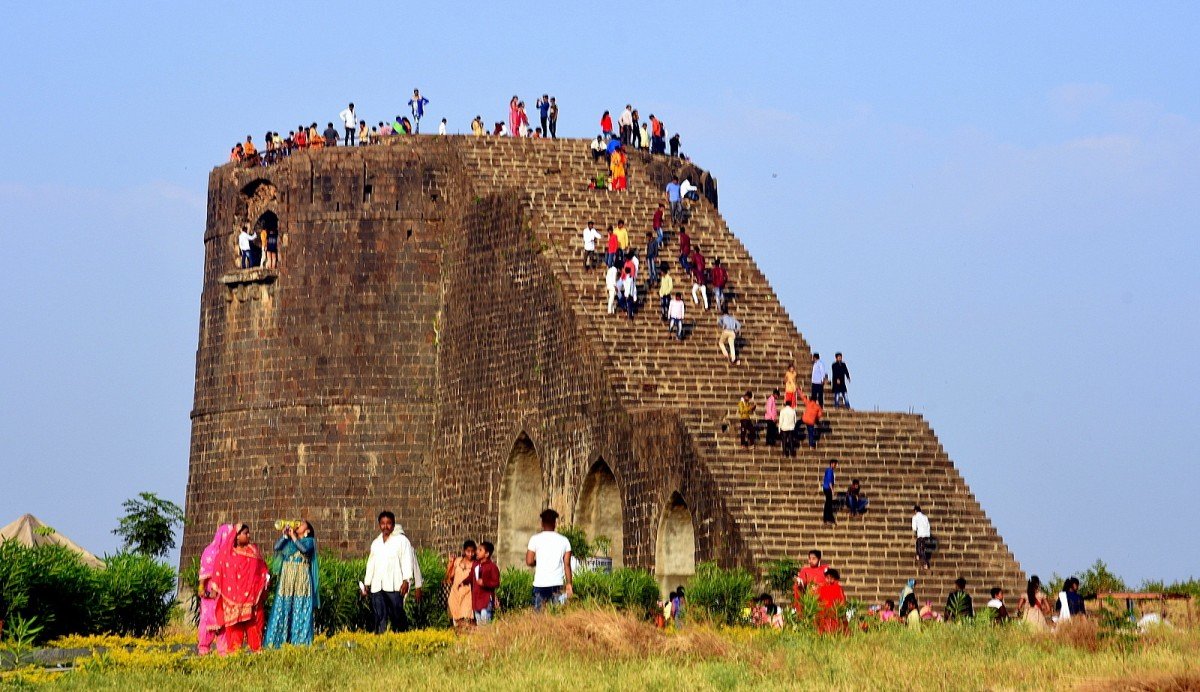
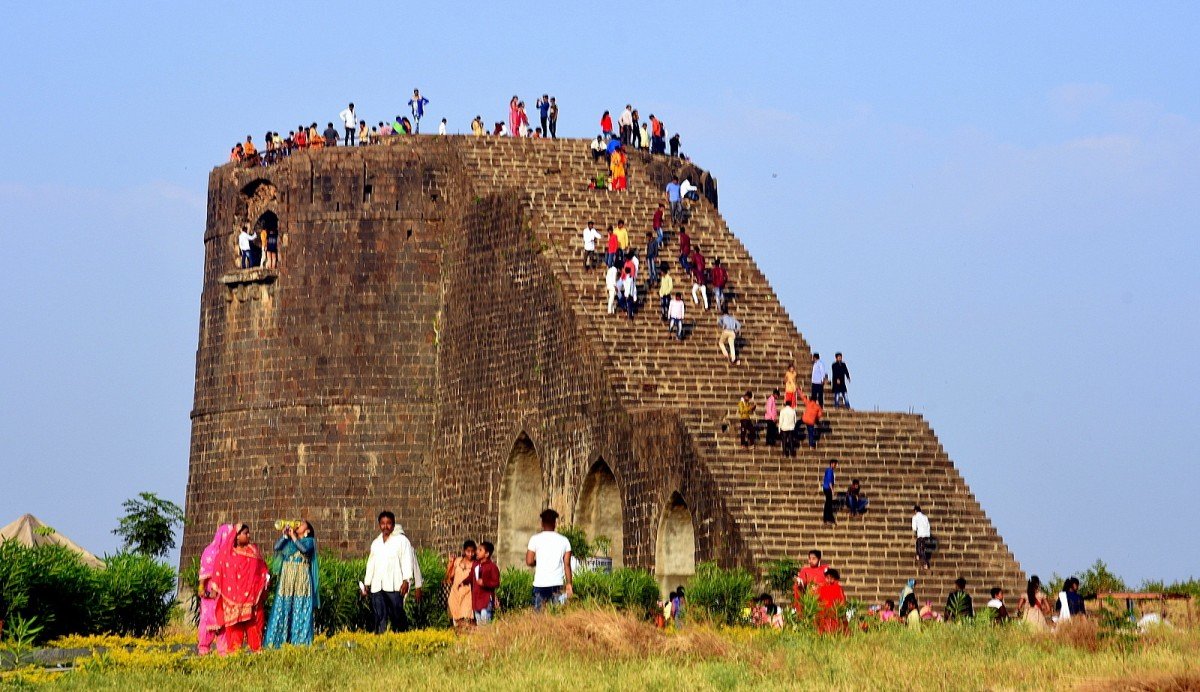
Gol Gumbaz Top: The view of the surrounding domes from the minarets is iconic. Use a wide-angle lens to capture the scale of the massive central dome.
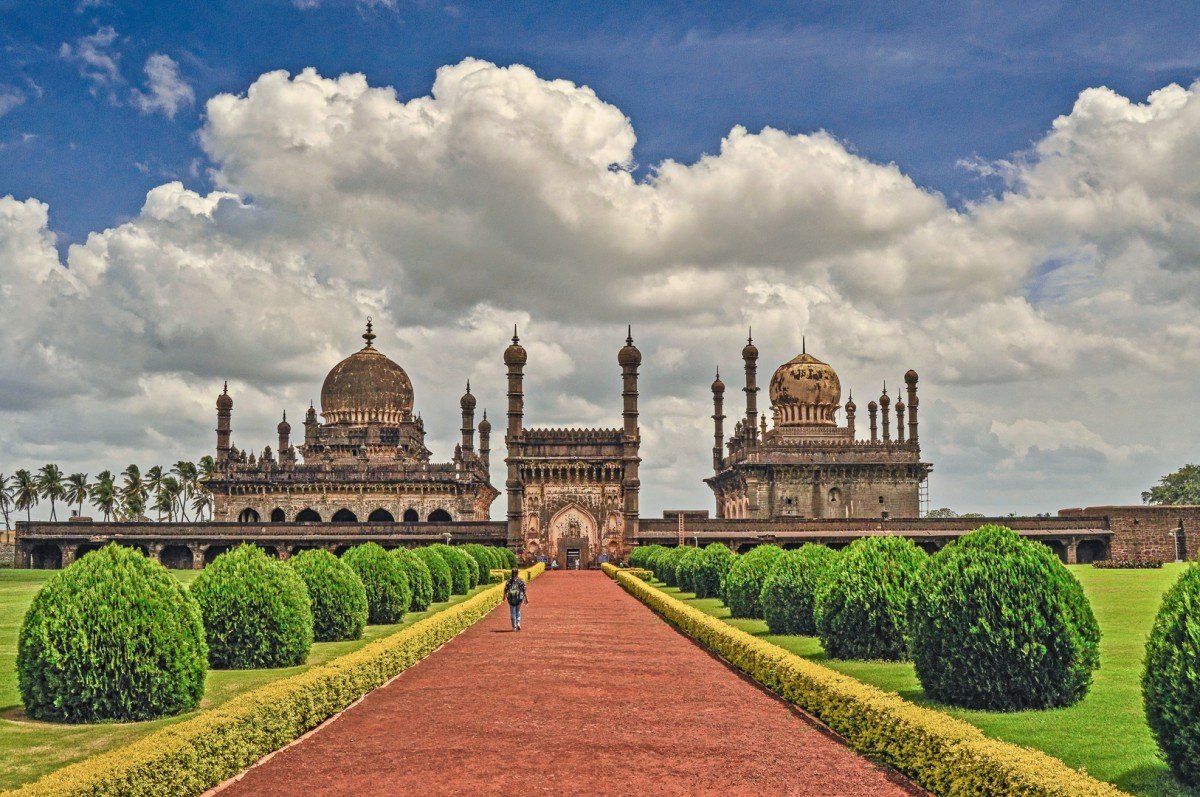
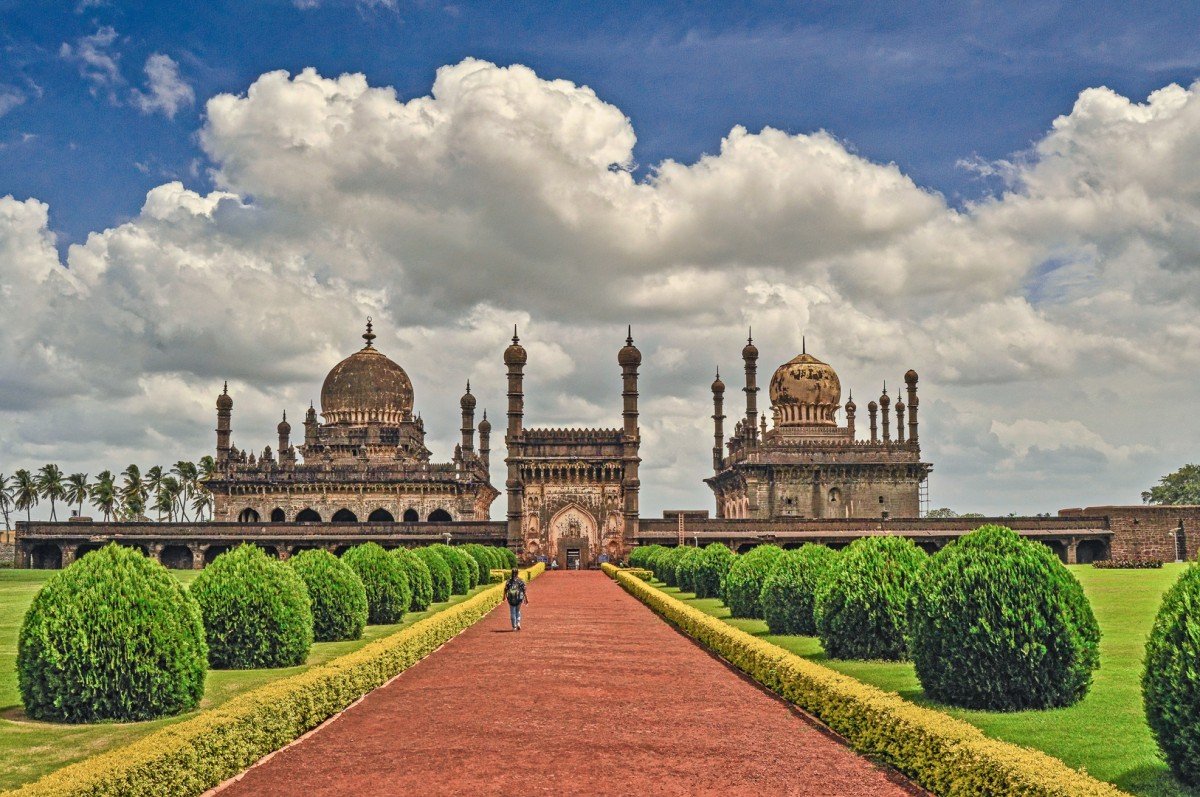
Ibrahim Rauza Gardens: The symmetrical layout provides perfect leading lines for professi...Gol Gumbaz Top: The view of the surrounding domes from the minarets is iconic. Use a wide-angle lens to capture the scale of the massive central dome.
Ibrahim Rauza Gardens: The symmetrical layout provides perfect leading lines for professional photography. The reflection of the tomb in the water tanks is a classic shot.Photo Gallery
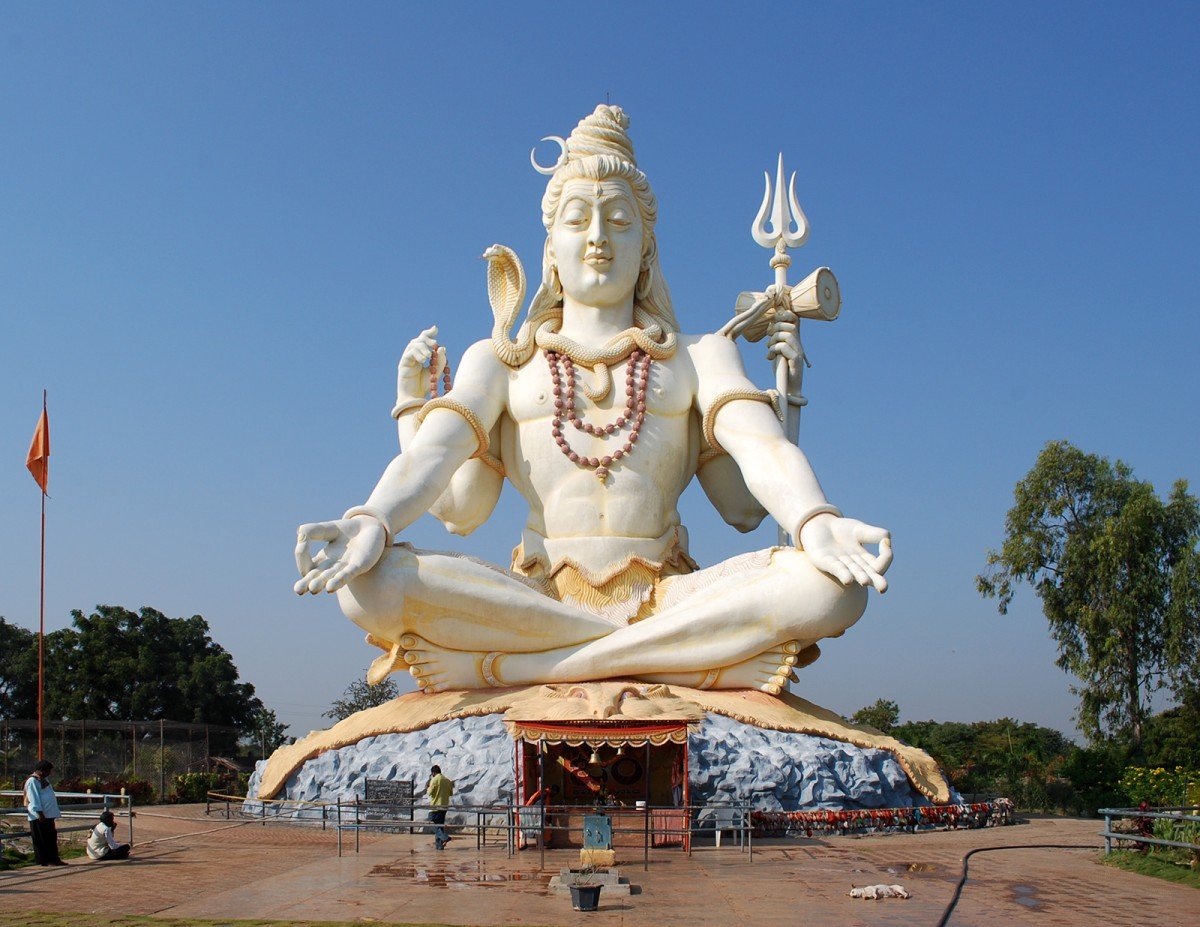
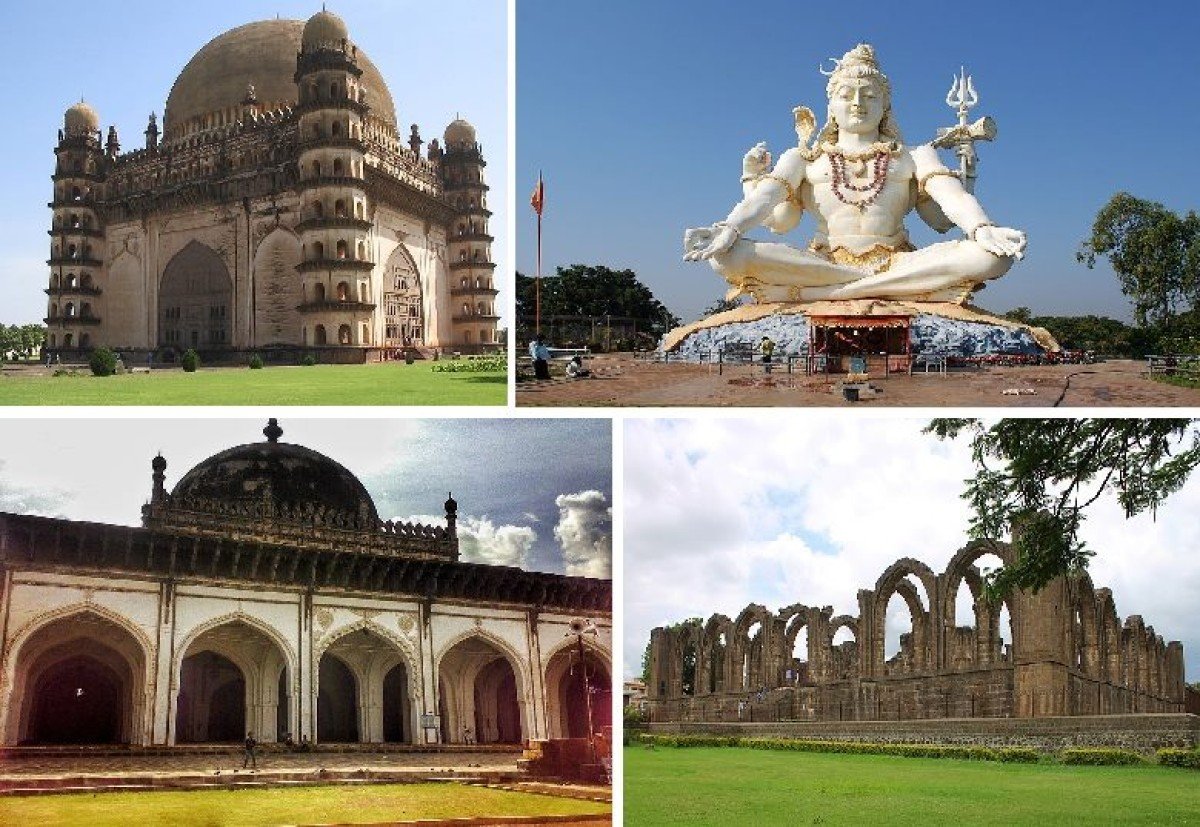
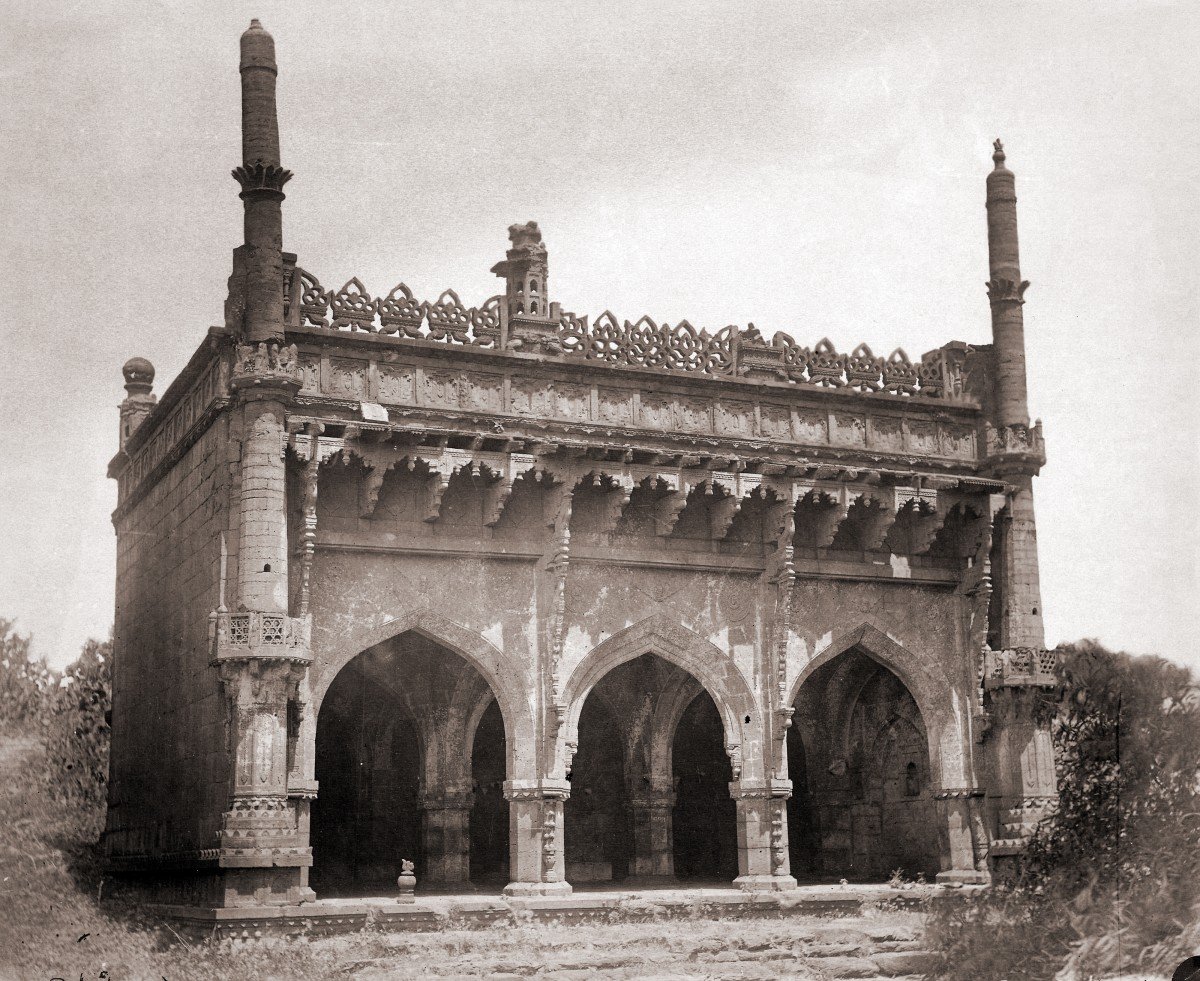
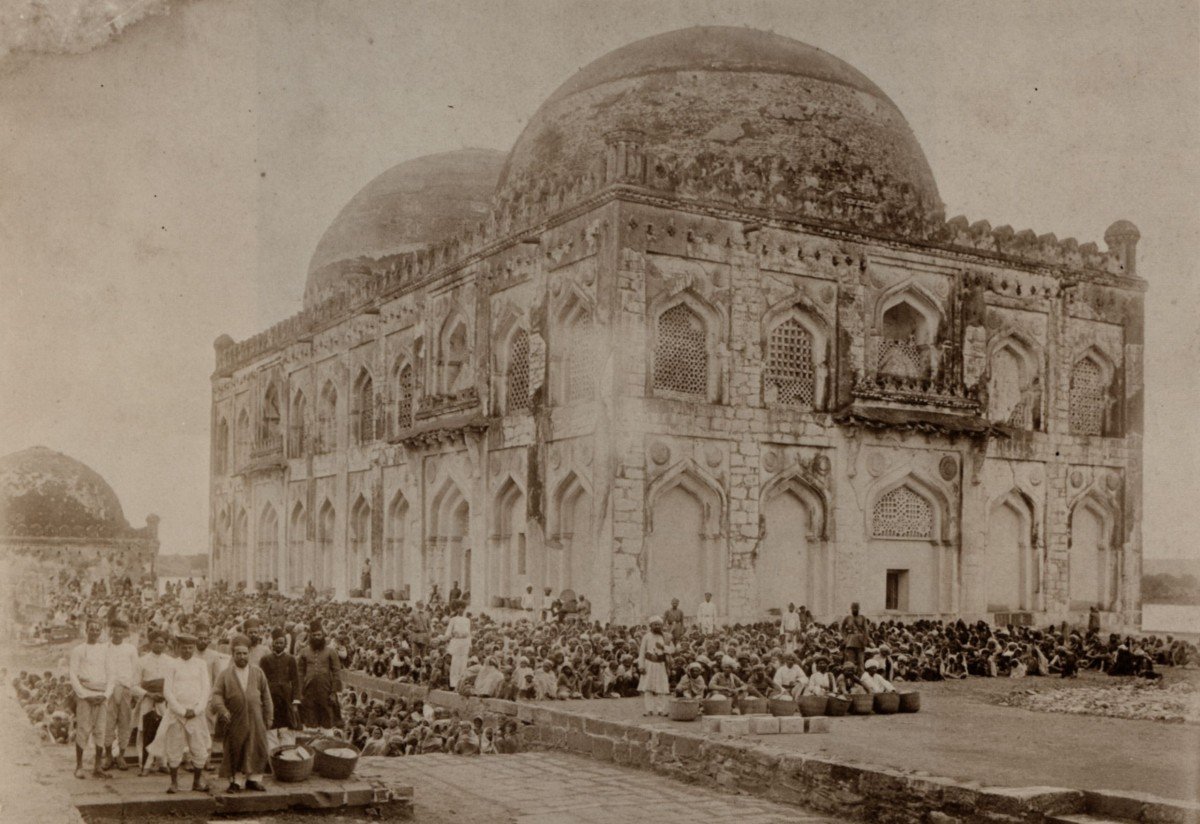
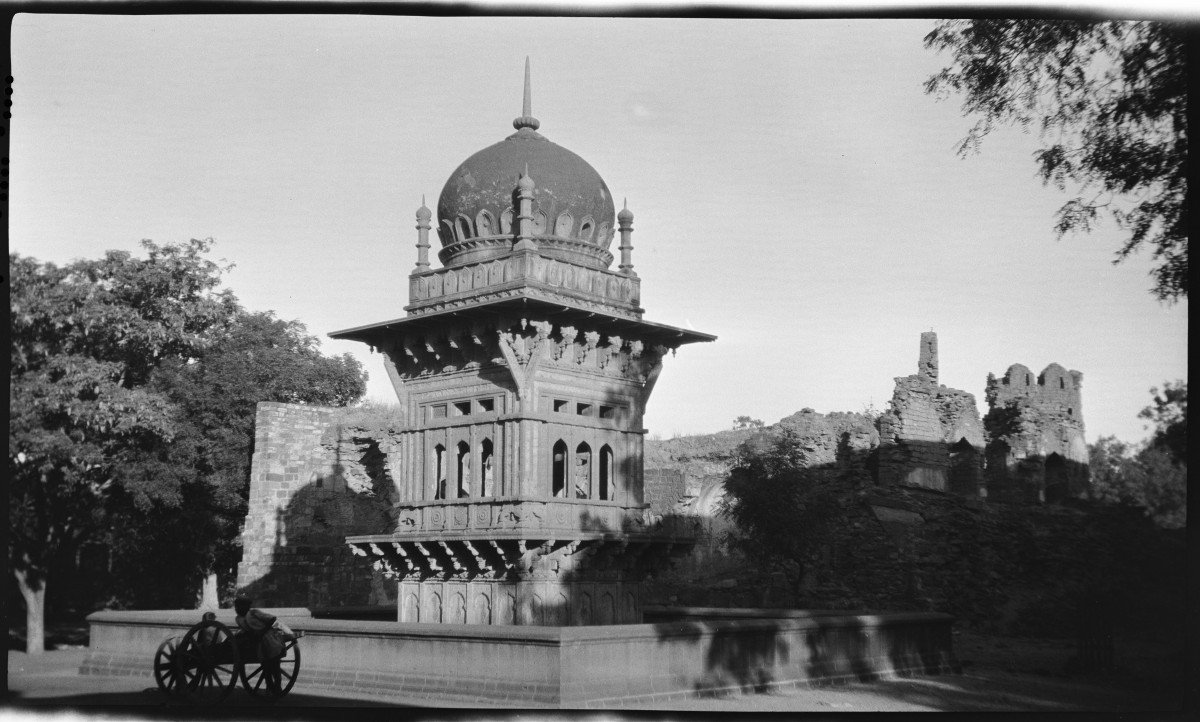
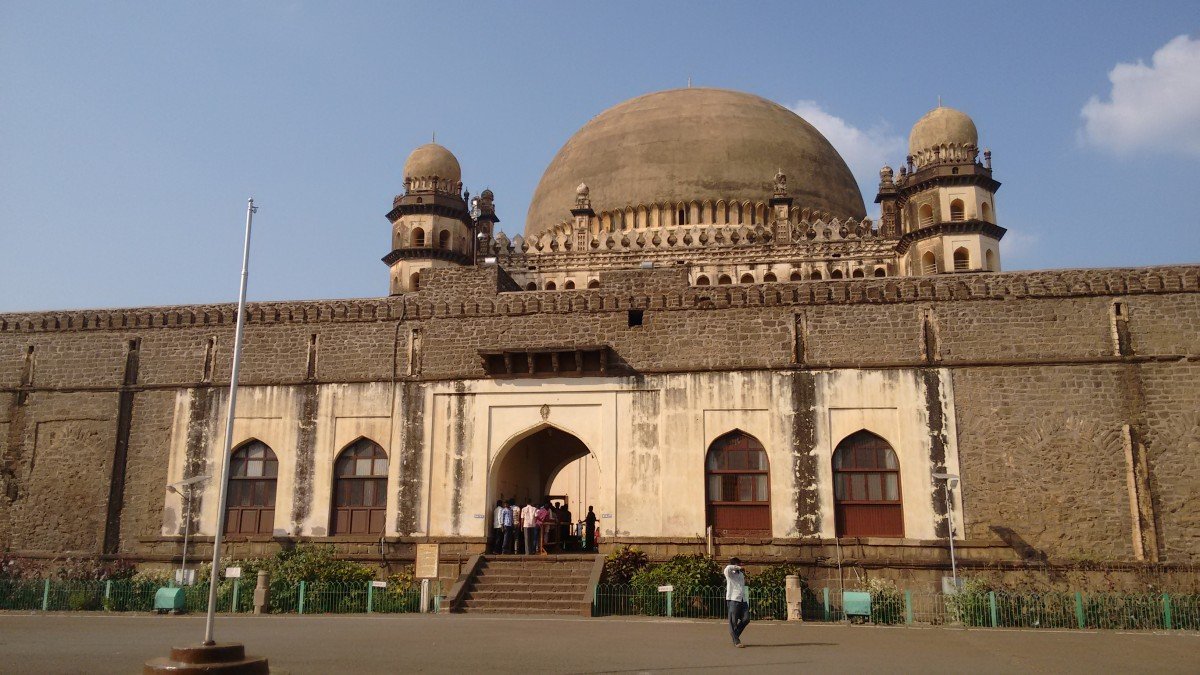
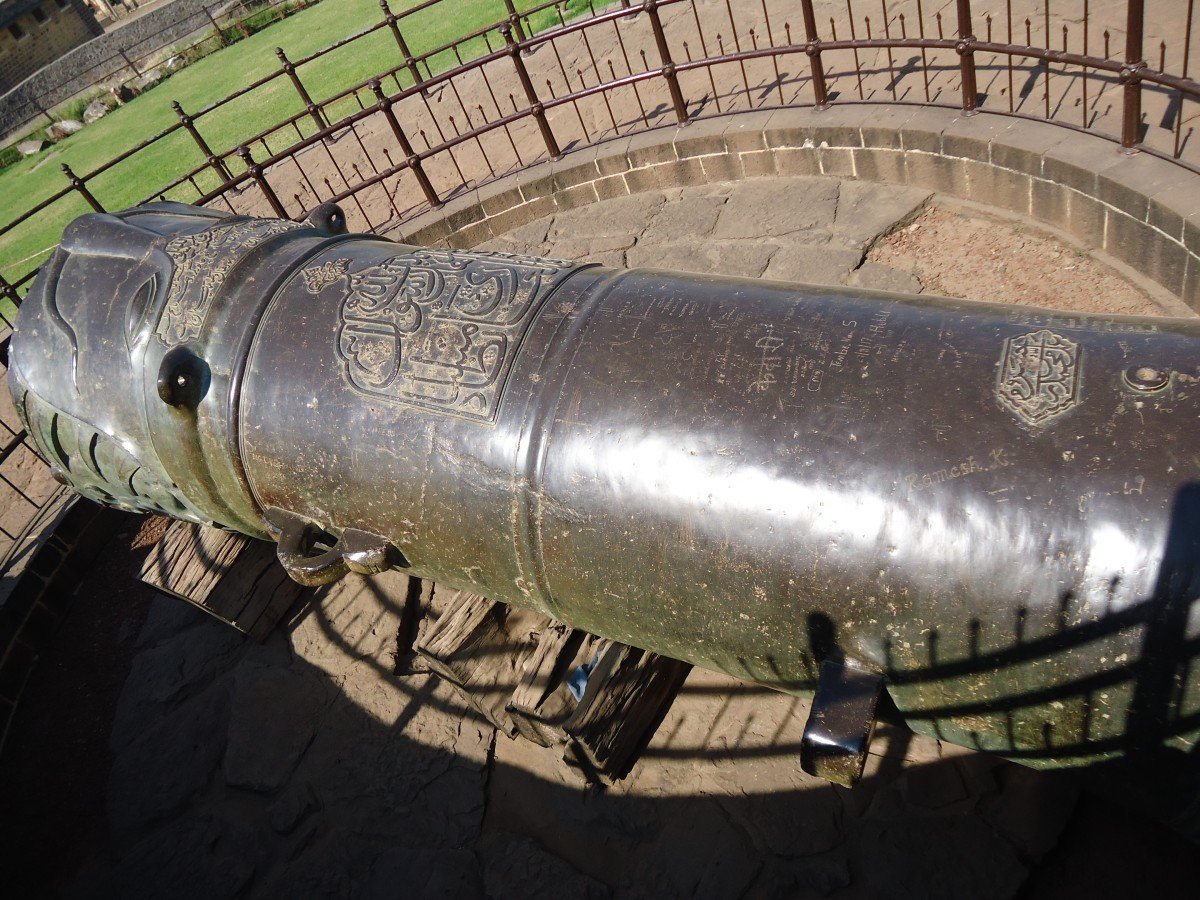
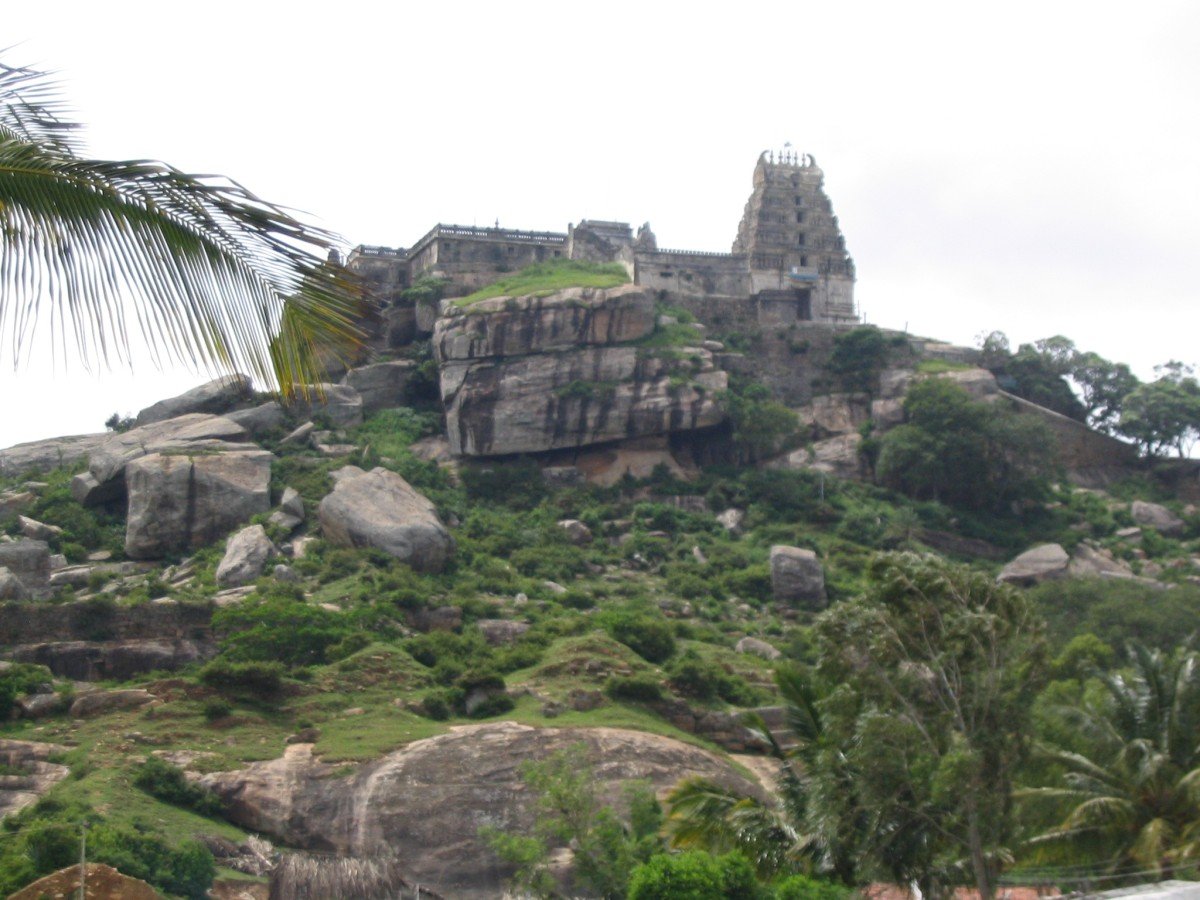
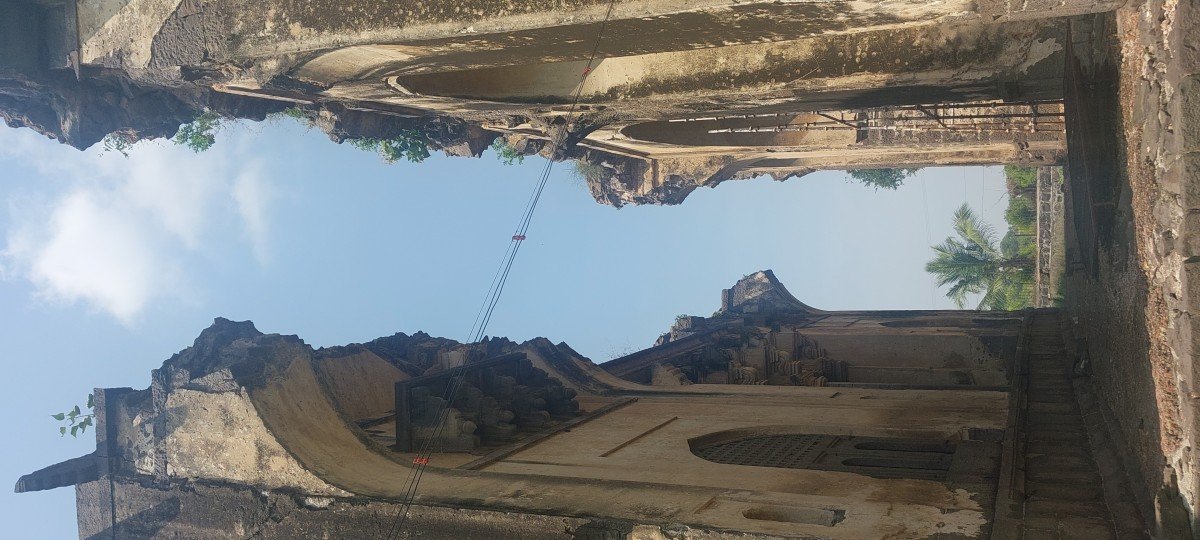
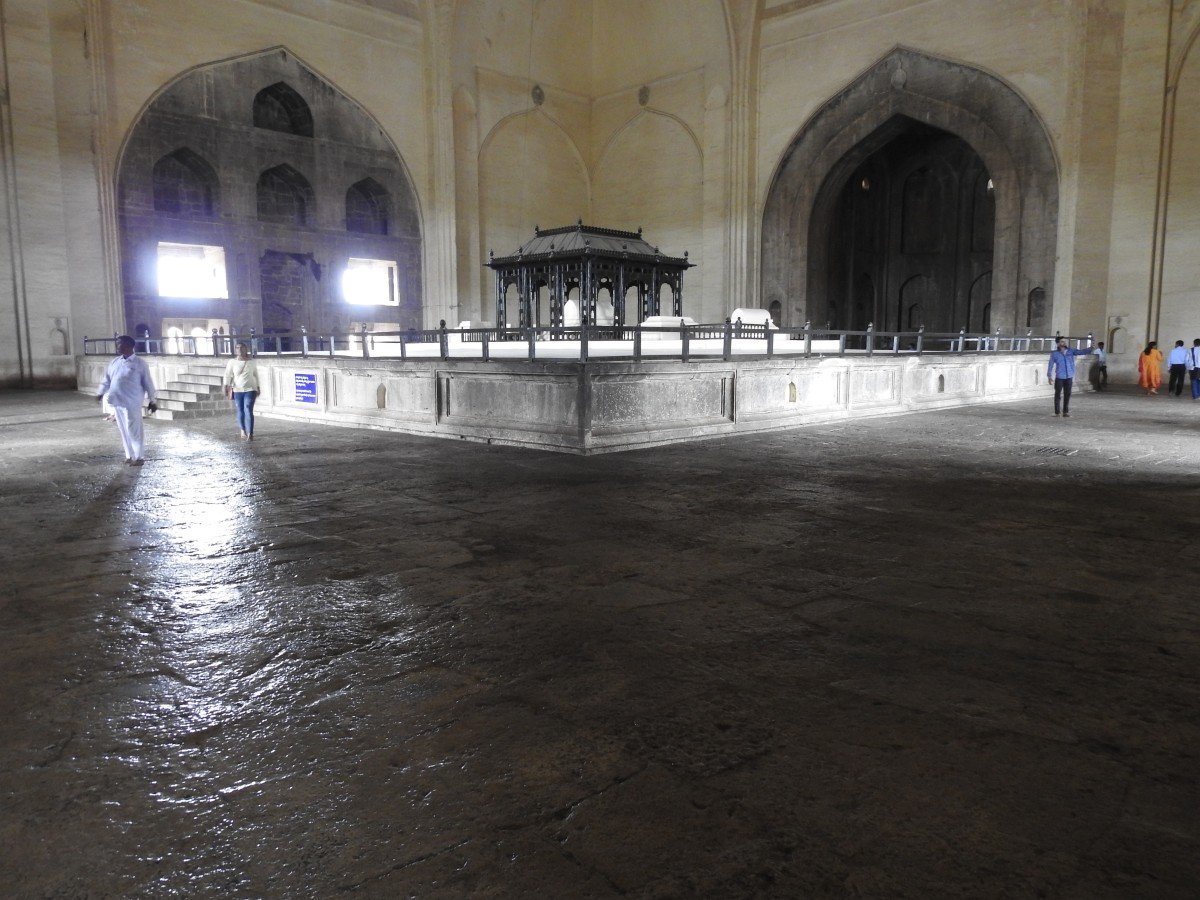
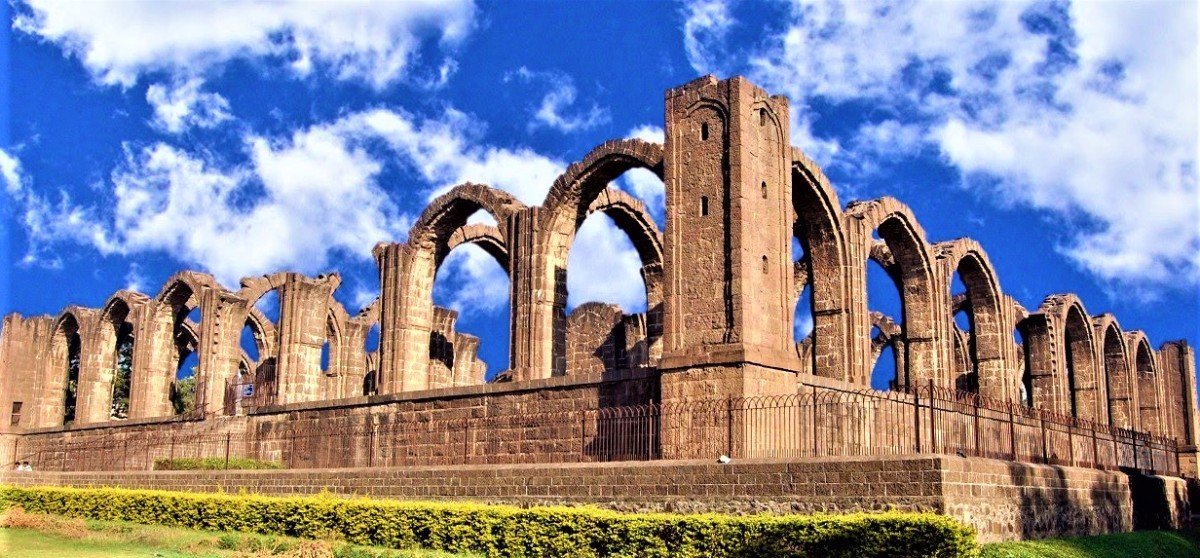
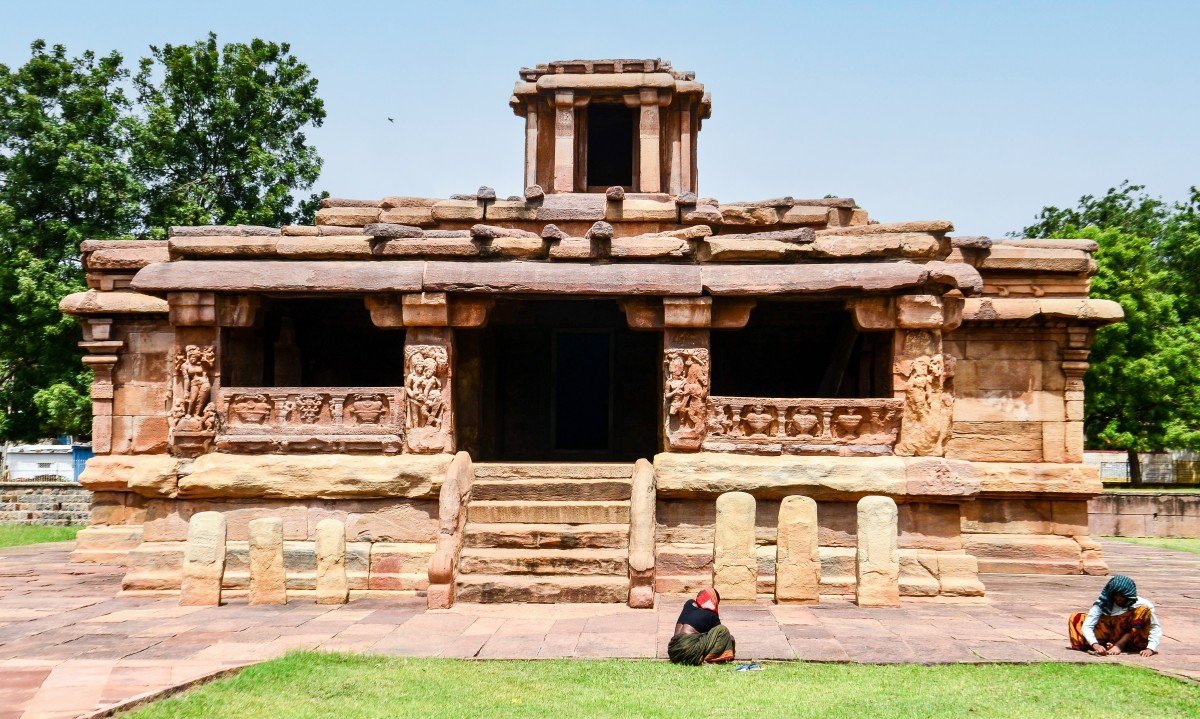
Things To Do
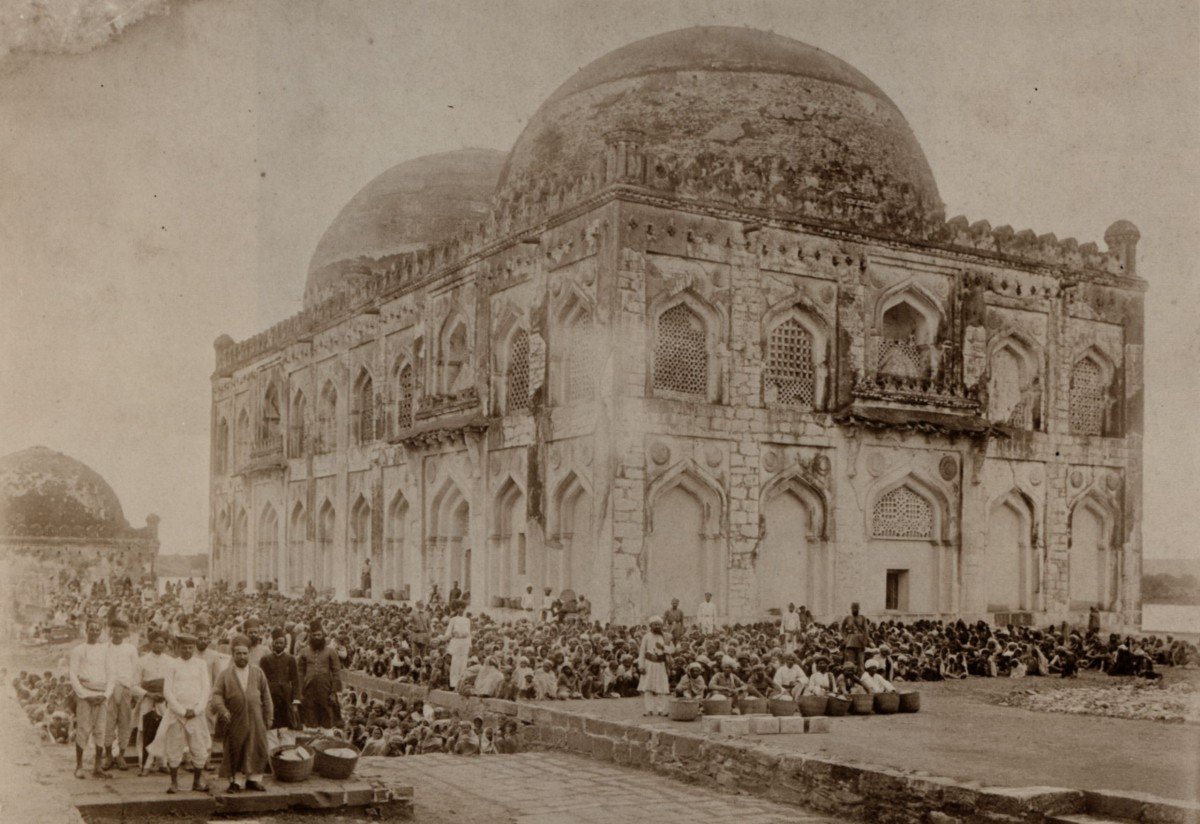
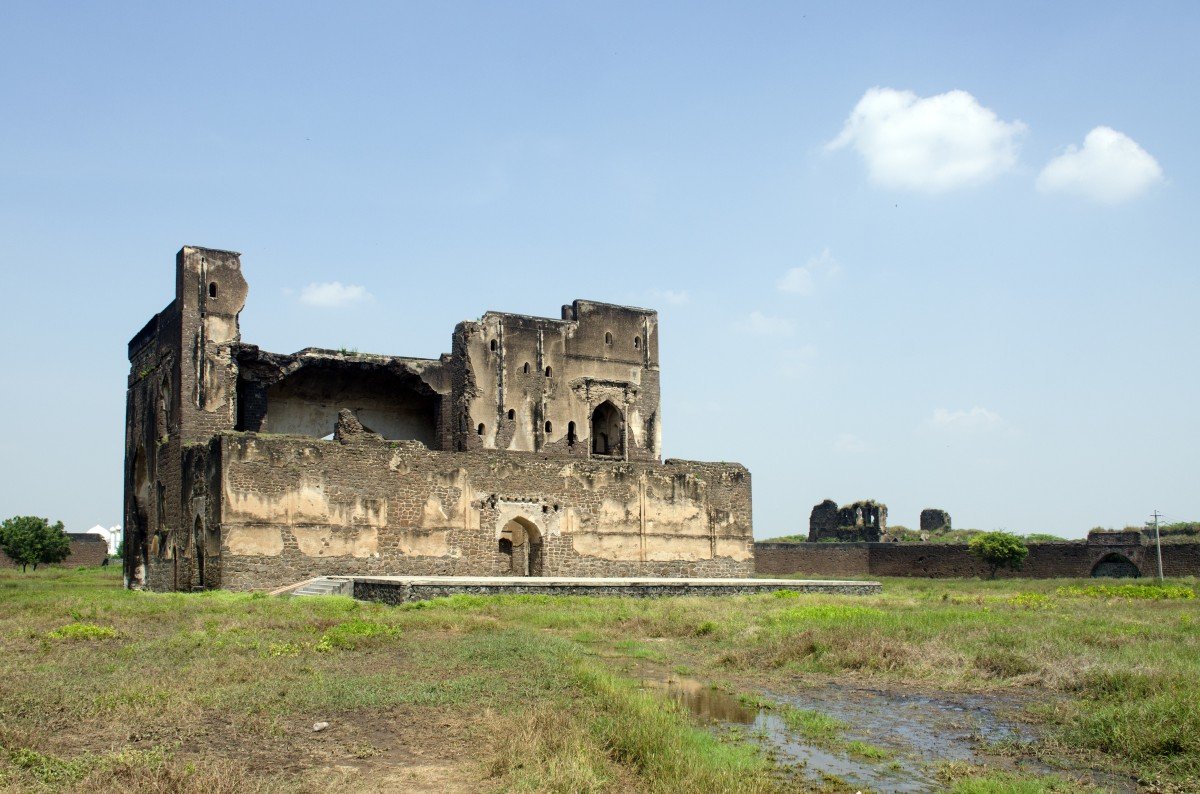
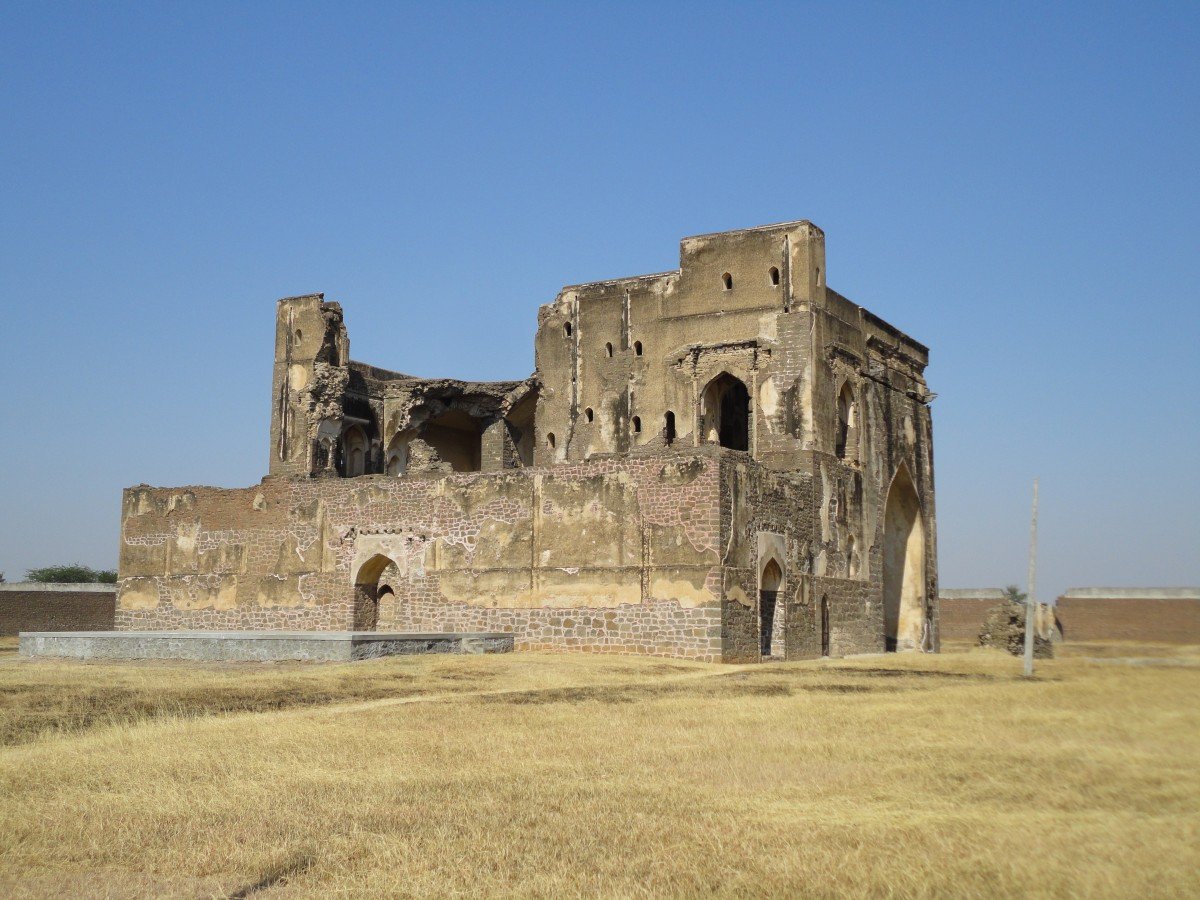
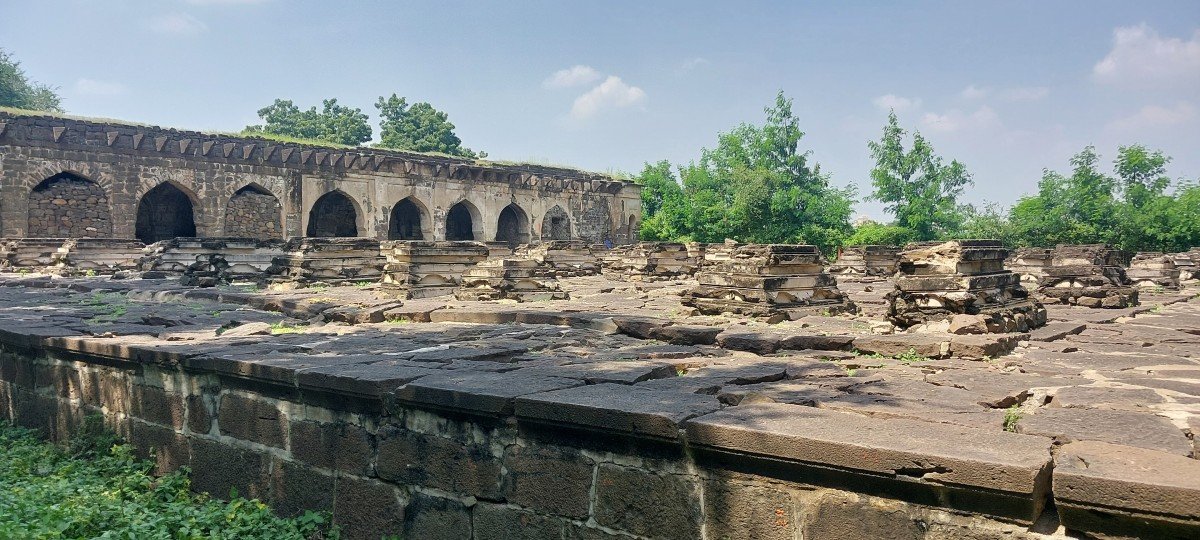
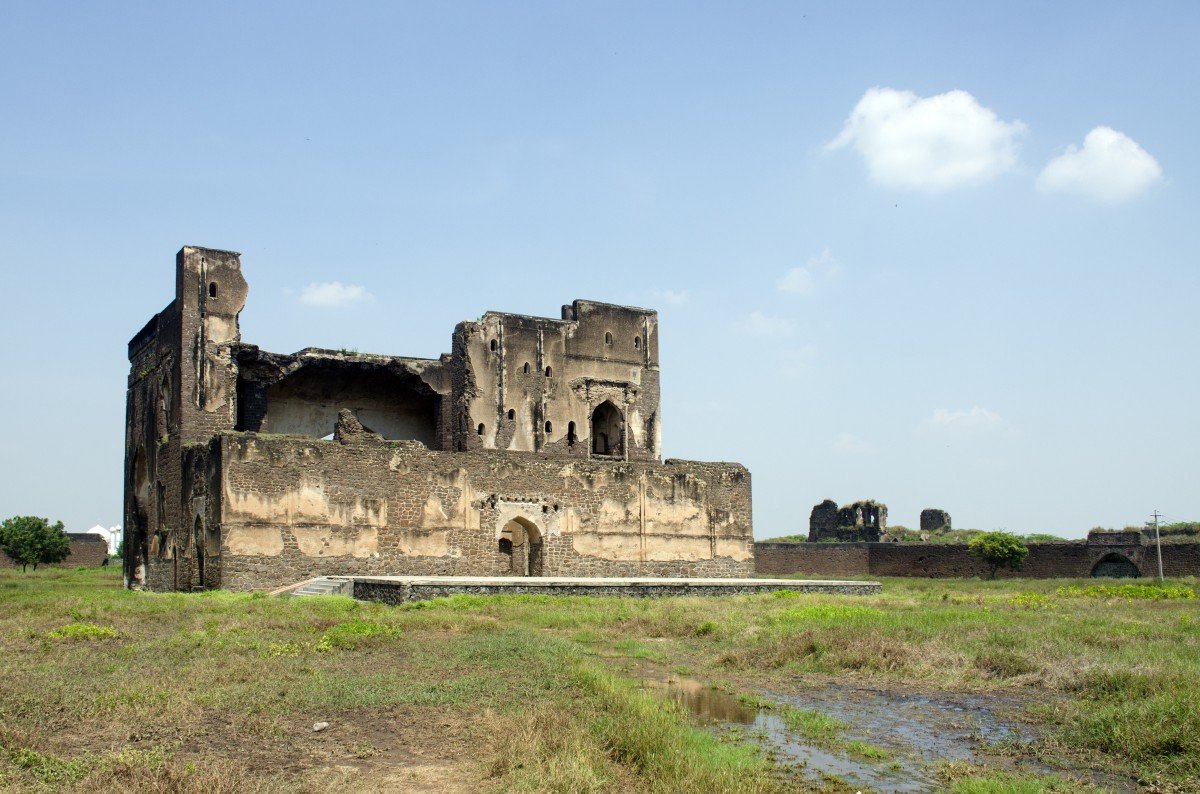
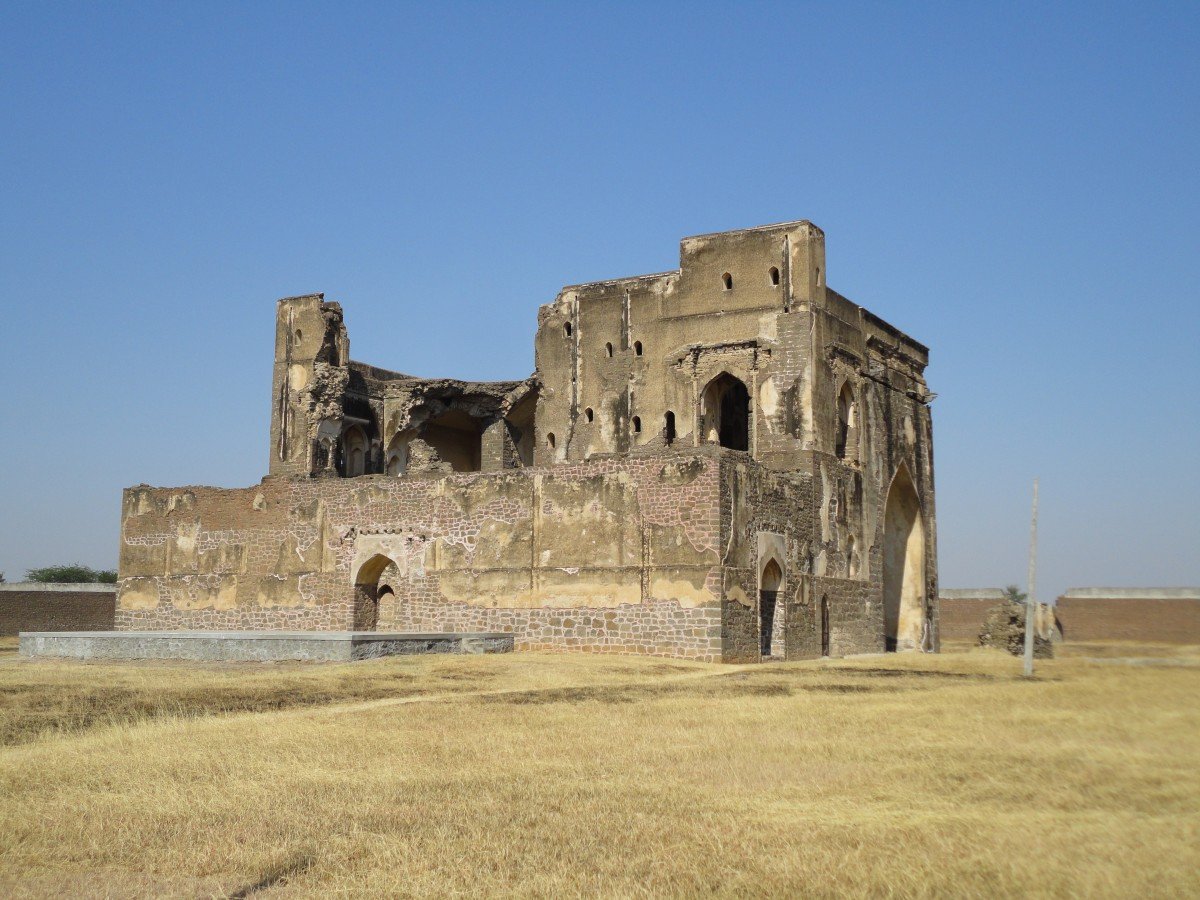
 @@The Queen’s Resting Place: Hazarat Maqbara, popularly known as the Jahan Begum Tomb, is a massive but unfinished mausoleum located in Ainapur. It was intended to be the final resting place of Jahan Begum, the wife of Mohammed Adil Shah. Construction began during the mid-17th century but was abruptly halted, likely due to the economic and political instability that preceded the Mughal conquest. The structure is built on a massive elevated platform and follows the traditional Adil Shahi style with octagonal corners and high arches. Although it lacks the finished dome and intricate carvings seen at the Gol Gumbaz, its massive scale gives a clear indication of the Sultan's grand architectural ambitions for his queen. The site is often overlooked by mainstream tourists, which adds to its charm as a "hidden gem." The interior is vast and empty, creating a hauntingly beautiful atmosphere that reflects the "what could have been" of Bijapur's history. The tomb is surrounded by open fields, providing a stark and dramatic view of the stone arches against the horizon. It serves as a poignant reminder of the transience of power and the unfinished dreams of a once-great empire. Local legends say that the queen was deeply involved in the administration, and this tomb was meant to reflect her high status in the court.
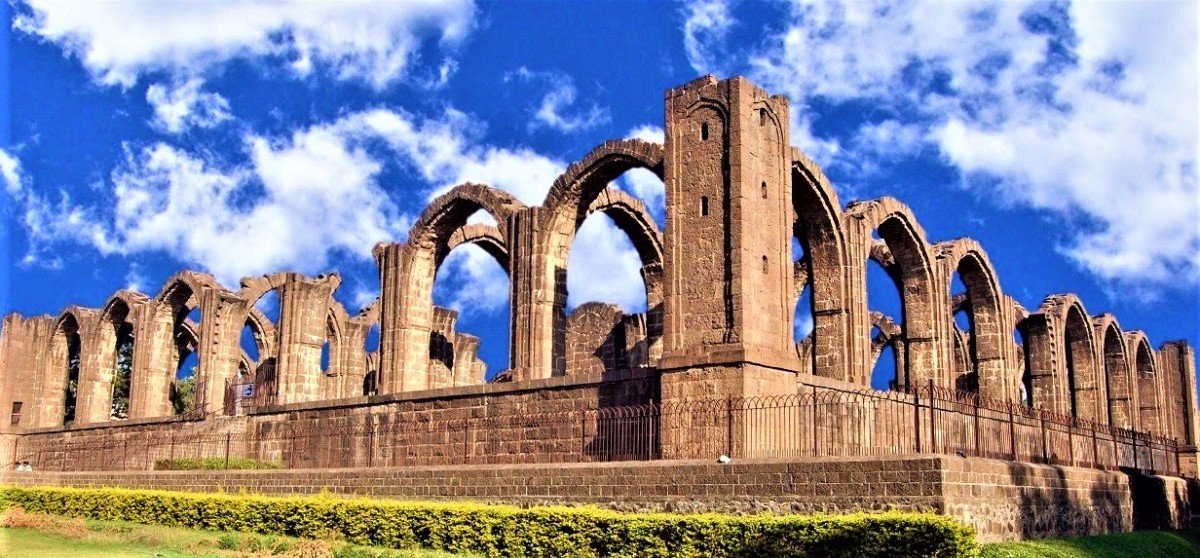
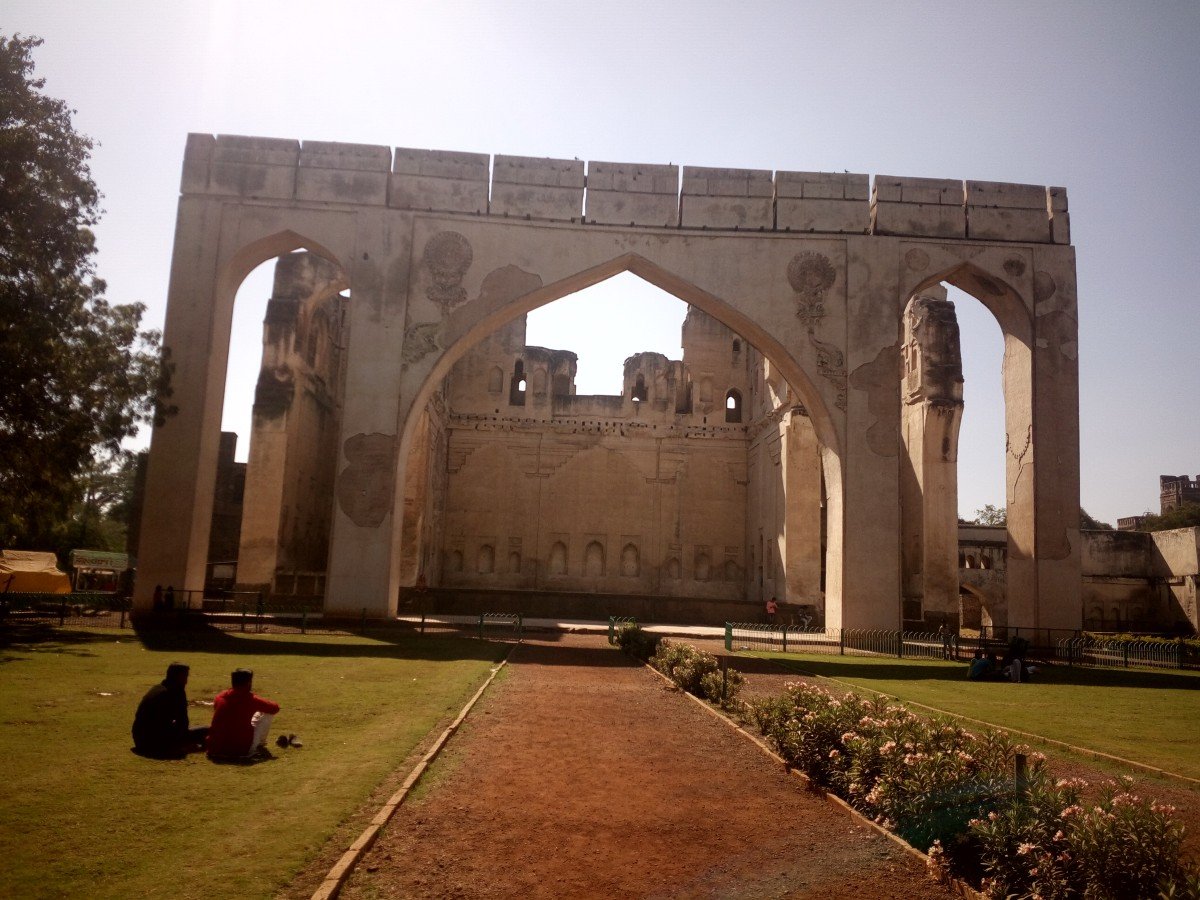
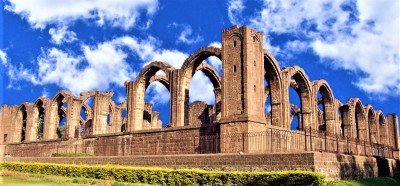 Bara Kaman is the unfinished mausoleum of Ali Adil Shah II, the eighth sultan of the Adil Shahi dynasty. Started in 1672, it was intended to be a structure of unparalleled grandeur, designed to surpass even the Gol Gumbaz in scale and beauty. The plan consisted of twelve arches placed both horizontally and vertically around the tomb of the king. However, the construction was abruptly halted after the sultan's death, and only two vertical arches were ever completed. Legend says that the construction was stopped because its shadow would have fallen on the Gol Gumbaz, the tomb of the sultan's father, which was considered disrespectful. Today, the massive stone platform and the standing arches of dark basalt create a hauntingly beautiful silhouette against the sky. The site is a favorite for photographers due to its symmetry and the dramatic play of light through the open-air arches. It sits on a high-raised basement, and the central area contains the tombs of the sultan and his family. The surrounding gardens are well-maintained, providing a quiet retreat right in the middle of the city. Despite being incomplete, Bara Kaman is considered one of the most graceful examples of Indo-Islamic architecture in India. :
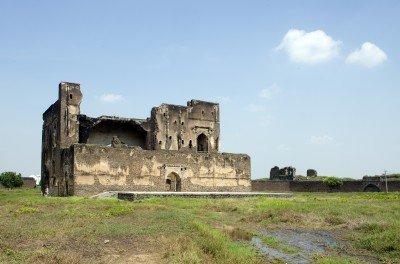 @@Sangeeth Nari Mahal History: The Sangeeth Nari Mahal is a distinct part of the Navraspur complex, specifically designed to host the female members of the royal family during musical festivities. Built in the late 1500s, this palace stands as a testament to the gender-inclusive appreciation of arts during the reign of Ibrahim Adil Shah II. The name "Nari" signifies its association with women, reflecting the private spaces where queens and court ladies enjoyed the "Nauras" performances. The palace was once adorned with beautiful frescoes and luxury furnishings, though it now exists in a state of romantic decay. It remains a poignant reminder of the social life and high culture that flourished in the Deccan before the Mughal invasions.
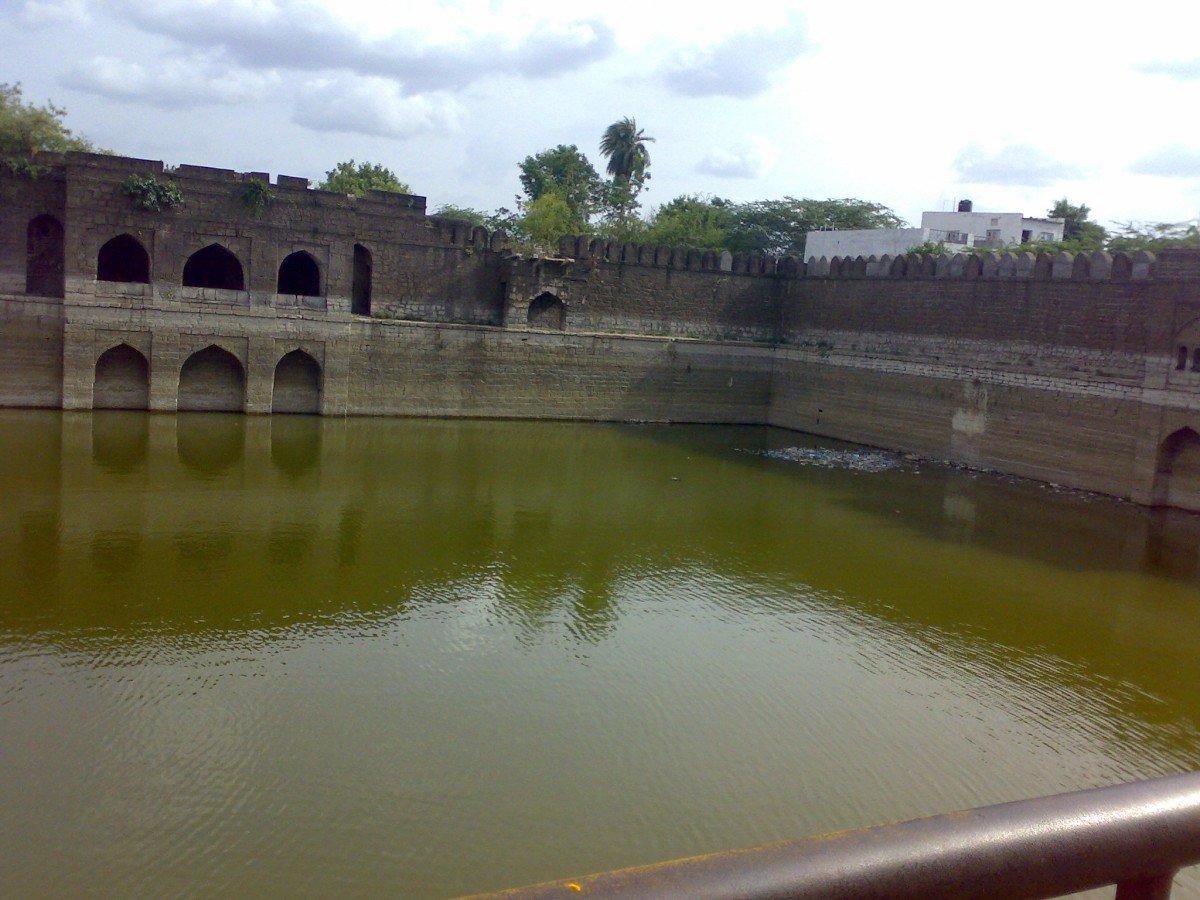
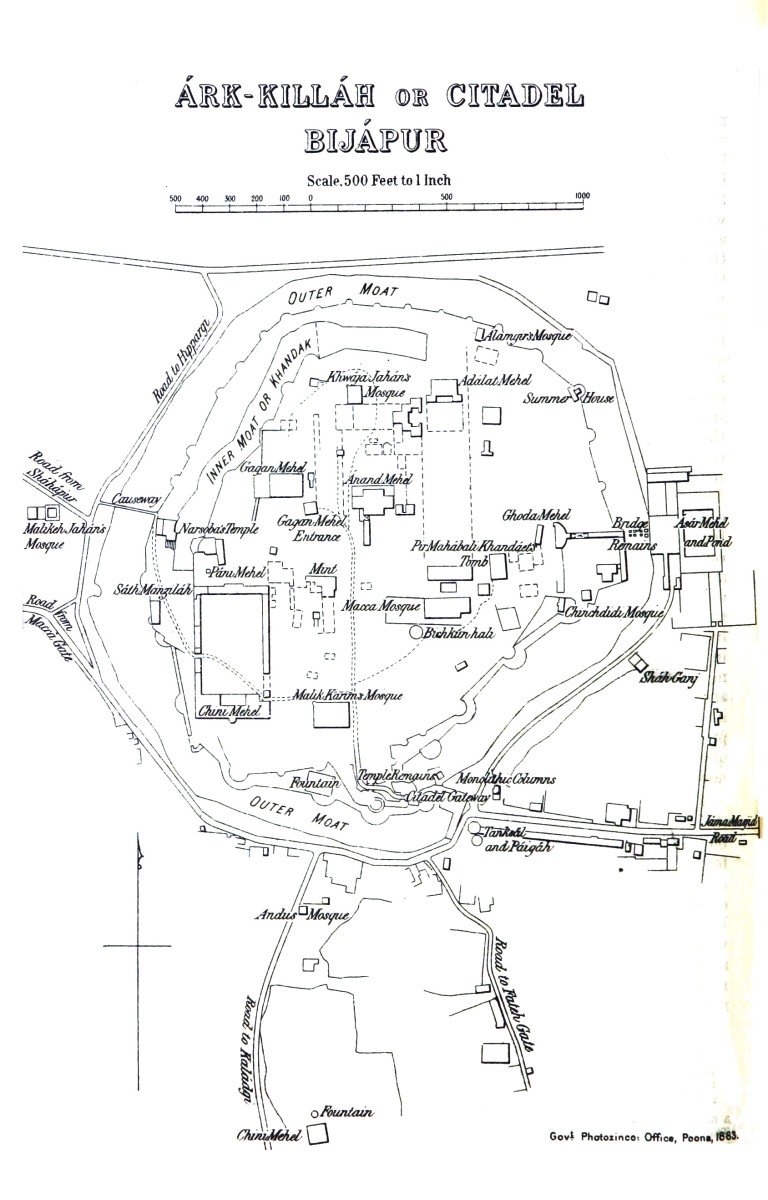
@@Detailed History: Adalat Mahal, often called Asar Mahal, was built in 1646 by Sultan Mohammed Adil Shah. It originally served as a Royal Hall of Justice where the Sultan meted out law and order. Later, it became a sacred site housing two hairs from the beard of Prophet Muhammad. The building faces a large artificial lake that reflects its majestic wooden pillars. It is a place of deep spiritual and historical importance in Bijapur. The interior is famous for its Persian-style murals and landscape paintings. Women are traditionally restricted from entering the inner sanctum of the building. The surrounding garden adds to the serenity of the palace grounds. It stands as a bridge between the administrative and religious history of the dynasty. Visitors often feel a sense of peace while walking near the massive water tank. The site represents the refined taste of the later Adil Shahi rulers. It remains one of the best-preserved examples of wooden architecture in the region. The palace is an integral part of any heritage walk through the city. Its proximity to the main citadel makes it a popular stop.
Kudala Sangama is one of the most important pilgrimage centers for the Lingayat community and a site of immense historical and natural beauty. It marks the confluence of the Krishna and Malaprabha rivers. This sacred spot is where the 12th-century social reformer, philosopher, and poet Basavanna spent his early years and finally achieved Aikya (union with God). The site is centered around the Sangamanatha Temple, dedicated to Lord Shiva. One of the most unique features is the Aikya Mantapa, the holy Samadhi of Basavanna, which is protected by a massive cylindrical cement structure to prevent it from being submerged by the backwaters of the Almatti Dam. The entire complex has been beautifully developed by the Kudala Sangama Development Board, featuring lush gardens, a massive auditorium, and a world-class museum. The Basava Gopura, a 200-foot-high tower, serves as a landmark visible from miles away. For followers of the Sharana movement, this is the "Kashi" of the South. The riverbanks are peaceful, providing a perfect setting for meditation and spiritual retreats. The blend of ancient Chalukyan architecture with modern engineering marvels makes it a fascinating destination for both pilgrims and history enthusiasts. The vachanas (poems) of Basavanna frequently mention Kudala Sangamanatha, immortalizing this place in Kannada literature. Visitors can also take boat rides to the point where the two rivers meet, experiencing the power of nature and spirituality combined. The site serves as a reminder of the revolutionary social reforms of the 12th century that promoted equality and devotion.
@@Sangeeth Nari Mahal History: The Sangeeth Nari Mahal is a distinct part of the Navraspur complex, specifically designed to host the female members of the royal family during musical festivities. Built in the late 1500s, this palace stands as a testament to the gender-inclusive appreciation of arts during the reign of Ibrahim Adil Shah II. The name "Nari" signifies its association with women, reflecting the private spaces where queens and court ladies enjoyed the "Nauras" performances. The palace was once adorned with beautiful frescoes and luxury furnishings, though it now exists in a state of romantic decay. It remains a poignant reminder of the social life and high culture that flourished in the Deccan before the Mughal invasions.
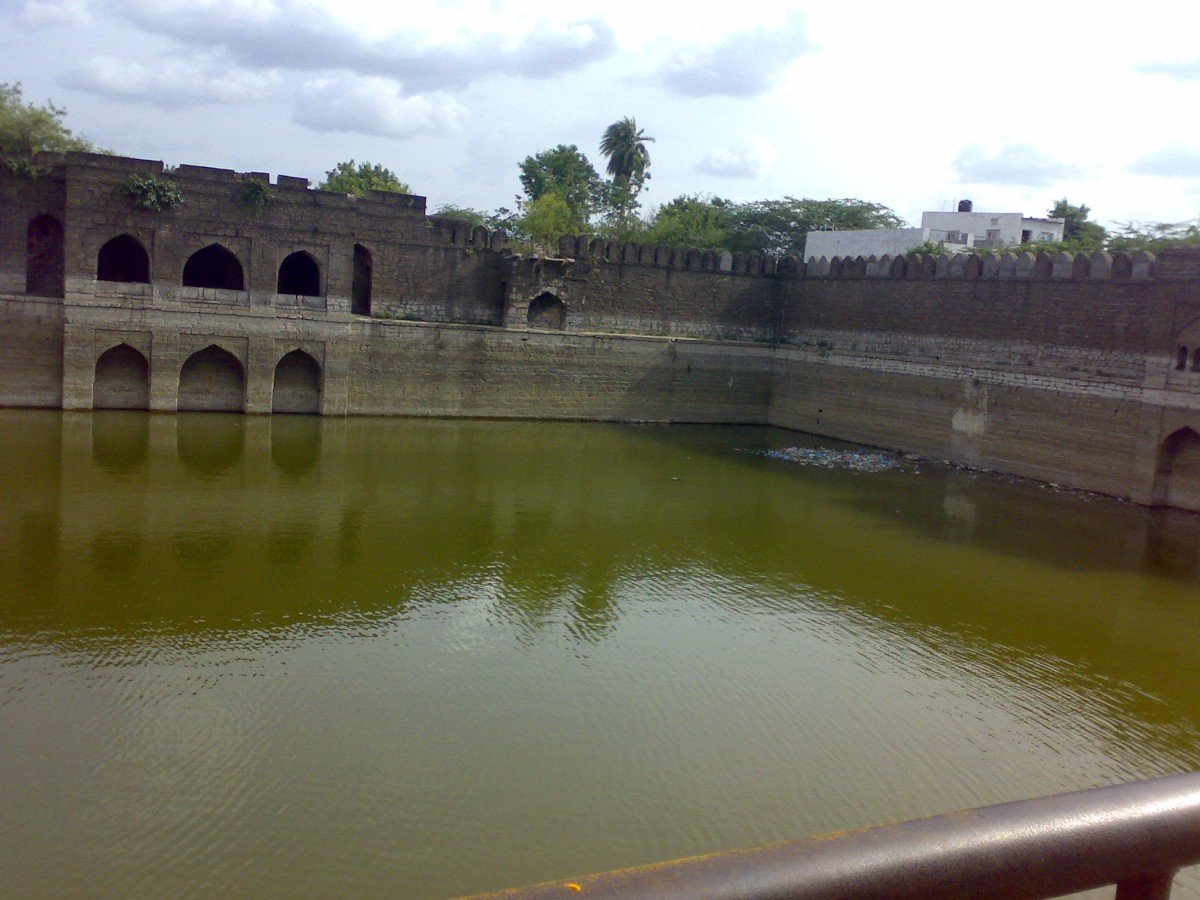
@@Detailed History: Adalat Mahal, often called Asar Mahal, was built in 1646 by Sultan Mohammed Adil Shah. It originally served as a Royal Hall of Justice where the Sultan meted out law and order. Later, it became a sacred site housing two hairs from the beard of Prophet Muhammad. The building faces a large artificial lake that reflects its majestic wooden pillars. It is a place of deep spiritual and historical importance in Bijapur. The interior is famous for its Persian-style murals and landscape paintings. Women are traditionally restricted from entering the inner sanctum of the building. The surrounding garden adds to the serenity of the palace grounds. It stands as a bridge between the administrative and religious history of the dynasty. Visitors often feel a sense of peace while walking near the massive water tank. The site represents the refined taste of the later Adil Shahi rulers. It remains one of the best-preserved examples of wooden architecture in the region. The palace is an integral part of any heritage walk through the city. Its proximity to the main citadel makes it a popular stop.
Kudala Sangama is one of the most important pilgrimage centers for the Lingayat community and a site of immense historical and natural beauty. It marks the confluence of the Krishna and Malaprabha rivers. This sacred spot is where the 12th-century social reformer, philosopher, and poet Basavanna spent his early years and finally achieved Aikya (union with God). The site is centered around the Sangamanatha Temple, dedicated to Lord Shiva. One of the most unique features is the Aikya Mantapa, the holy Samadhi of Basavanna, which is protected by a massive cylindrical cement structure to prevent it from being submerged by the backwaters of the Almatti Dam. The entire complex has been beautifully developed by the Kudala Sangama Development Board, featuring lush gardens, a massive auditorium, and a world-class museum. The Basava Gopura, a 200-foot-high tower, serves as a landmark visible from miles away. For followers of the Sharana movement, this is the "Kashi" of the South. The riverbanks are peaceful, providing a perfect setting for meditation and spiritual retreats. The blend of ancient Chalukyan architecture with modern engineering marvels makes it a fascinating destination for both pilgrims and history enthusiasts. The vachanas (poems) of Basavanna frequently mention Kudala Sangamanatha, immortalizing this place in Kannada literature. Visitors can also take boat rides to the point where the two rivers meet, experiencing the power of nature and spirituality combined. The site serves as a reminder of the revolutionary social reforms of the 12th century that promoted equality and devotion.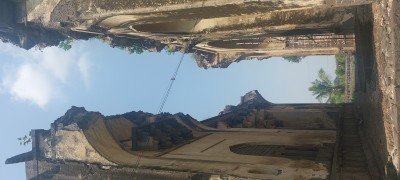 Begum Mahal, also referred to as Aisha Begum Mahal, is a hauntingly beautiful residential palace located in the Navraspur area on the outskirts of Bijapur. Built during the Adil Shahi era, it was primarily intended as a royal retreat or a residence for the queens and ladies of the court. Unlike the grand public monuments of the city, this palace offers a more intimate look at the private lives of the royalty. The structure is currently in ruins, yet its skeletal remains evoke a sense of bygone grandeur and poetic sadness. It is situated near a large lake, which would have provided a cool breeze and a scenic backdrop during its peak. The palace is surrounded by vast open fields, making it a peaceful escape from the crowded city. Visitors can walk through the arched doorways and look up at the remaining parts of the ceiling to see traces of fine stucco work. The history of Aisha Begum, for whom it was named, is shrouded in local legends, often described as a tragic figure or a beloved queen. The site is less frequented by tourists, allowing for a quiet and contemplative visit. It is a perfect spot for those who appreciate "ruin-porn" and historical sites that haven't been over-restored. The surrounding landscape, especially during the monsoon, turns lush green, adding to the charm of this forgotten architectural gem.
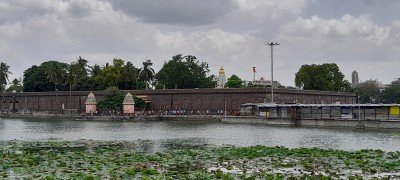 @@Siddheshwar Temple History: The Shri Siddheshwar Temple is the primary Hindu religious site in the city, dedicated to Lord Siddheshwar, an incarnation of Lord Shiva. The temple's history is deeply intertwined with the Lingayat community and the teachings of the 12th-century saint Siddheshwar. While the present structure was renovated and expanded in the early 20th century, the site has been a center of devotion for nearly a thousand years. It is unique because it represents a harmonious blend of Shaiva and Vaishnava traditions. The temple complex is a bustling hub of activity, especially during the annual fair, and it serves as a center for education and social service through the Siddheshwar Samastha trust. It is a place where faith, culture, and community service come together in the heart of the historic city.Show All
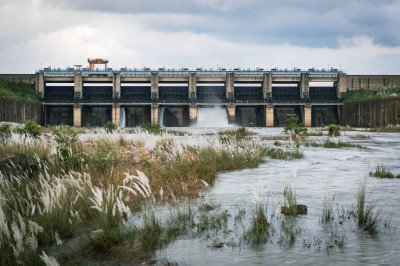 @@Detailed History: Almatti Dam, officially known as the Lal Bahadur Shastri Dam, was completed in 2005. It is a major hydroelectric project built across the Krishna River for irrigation and power. The dam is one of the largest in Karnataka and has transformed the local economy. Beyond its utility, it has been developed into a massive tourist destination with landscaped gardens. These gardens, such as the Rock Garden and Japanese Garden, surround the reservoir. The dam has a height of 52.5 meters and stretches for over 3.5 kilometers. In the evenings, the musical fountain attracts thousands of visitors with its light and sound show. The reservoir, known as the Almatti Reservoir, is a hub for migratory birds during winter. It provides a refreshing contrast to the dry historical landscape of Bijapur. Families often visit the dam for weekend picnics and boating activities. The site is well-maintained with modern amenities for travelers. It represents the post-independence progress of the Bijapur region. The cool breeze from the river makes it a pleasant escape from the city heat.
Information
-
Why Famous:
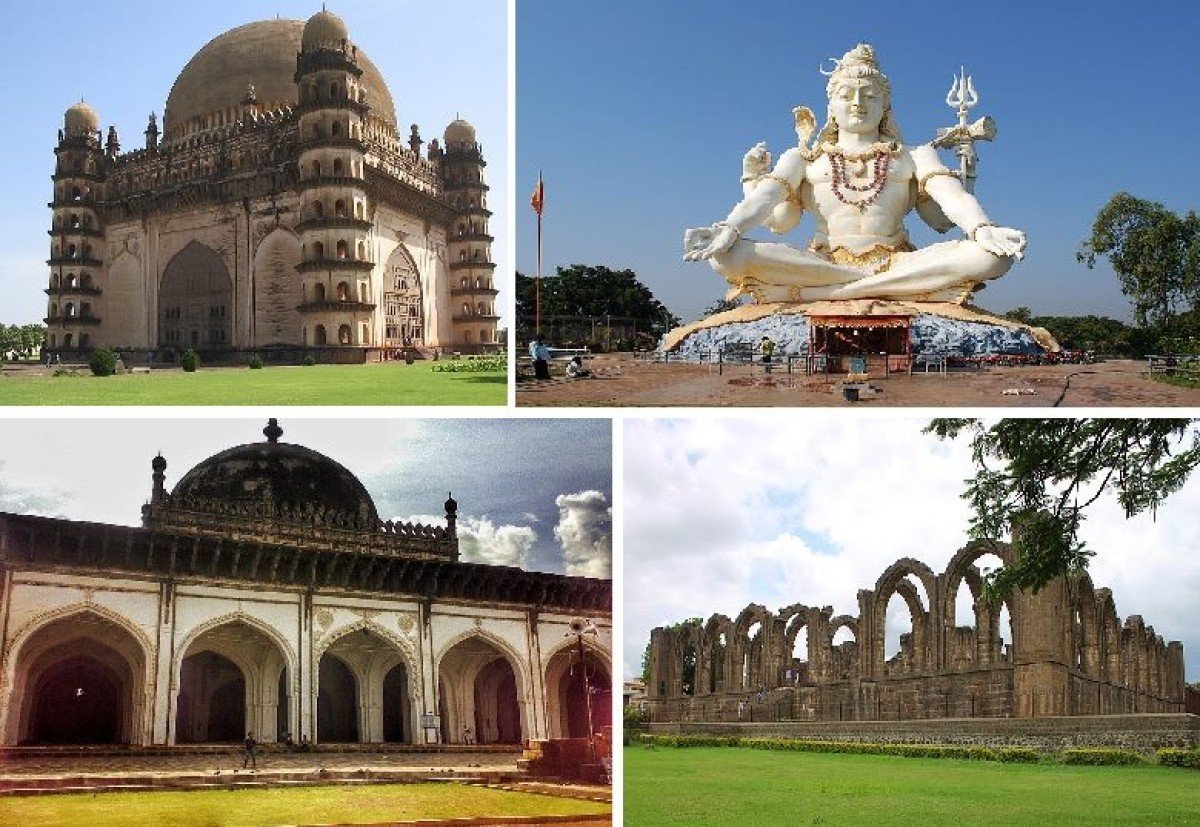
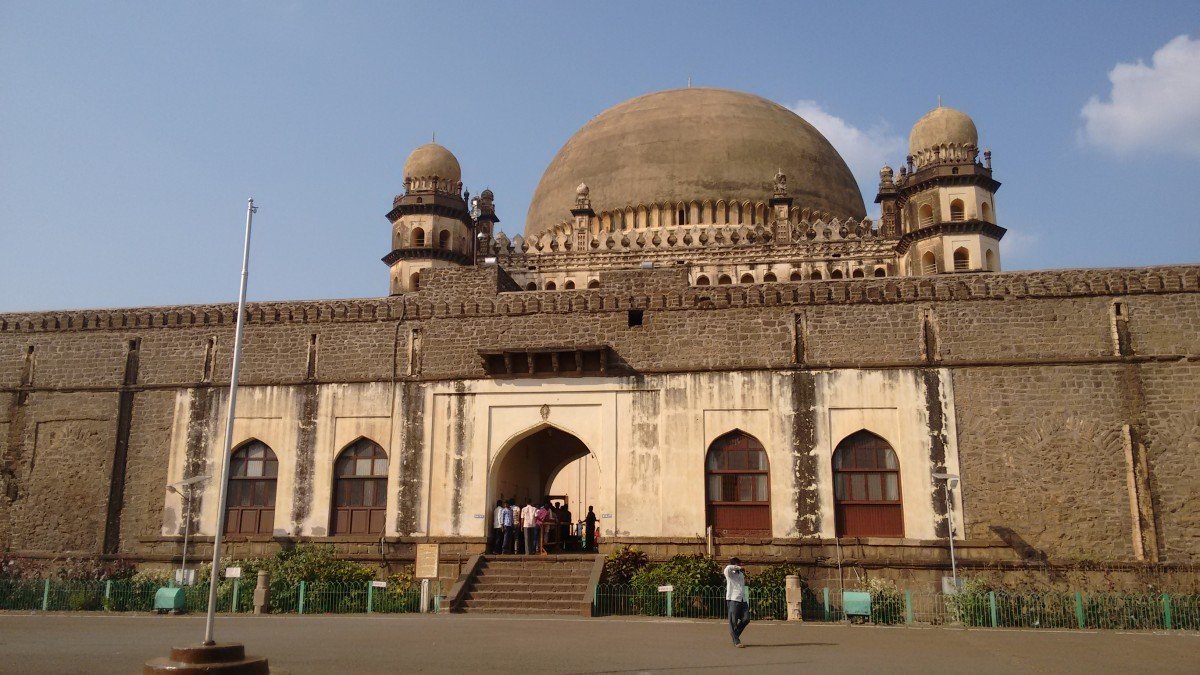
World Record Dome: The Gol Gumbaz is famous globally for its massive dome. It is often compared to St. Peter’s Basilica in Rome.
Architectural Brilliance: The Ibrahim Rauza is so beautiful it inspired the Taj Mahal. Its symmetrical gard...World Record Dome: The Gol Gumbaz is famous globally for its massive dome. It is often compared to St. Peter’s Basilica in Rome.
Architectural Brilliance: The Ibrahim Rauza is so beautiful it inspired the Taj Mahal. Its symmetrical gardens and intricate carvings are truly world-class.
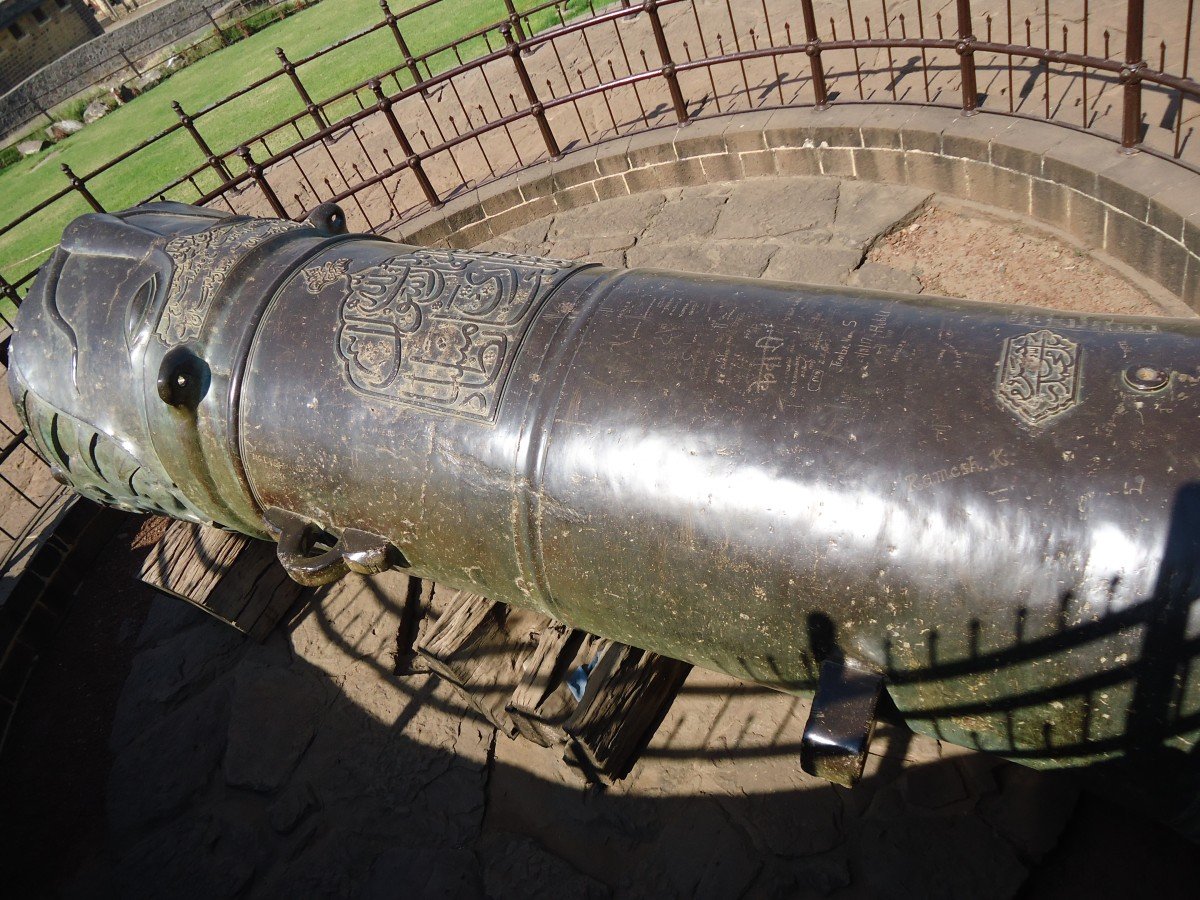
Ancient Artillery: The Malik-e-Maidan cannon is one of the largest medieval cannons. It is made of bell metal and remains cool even in peak summer. -
Architecture:
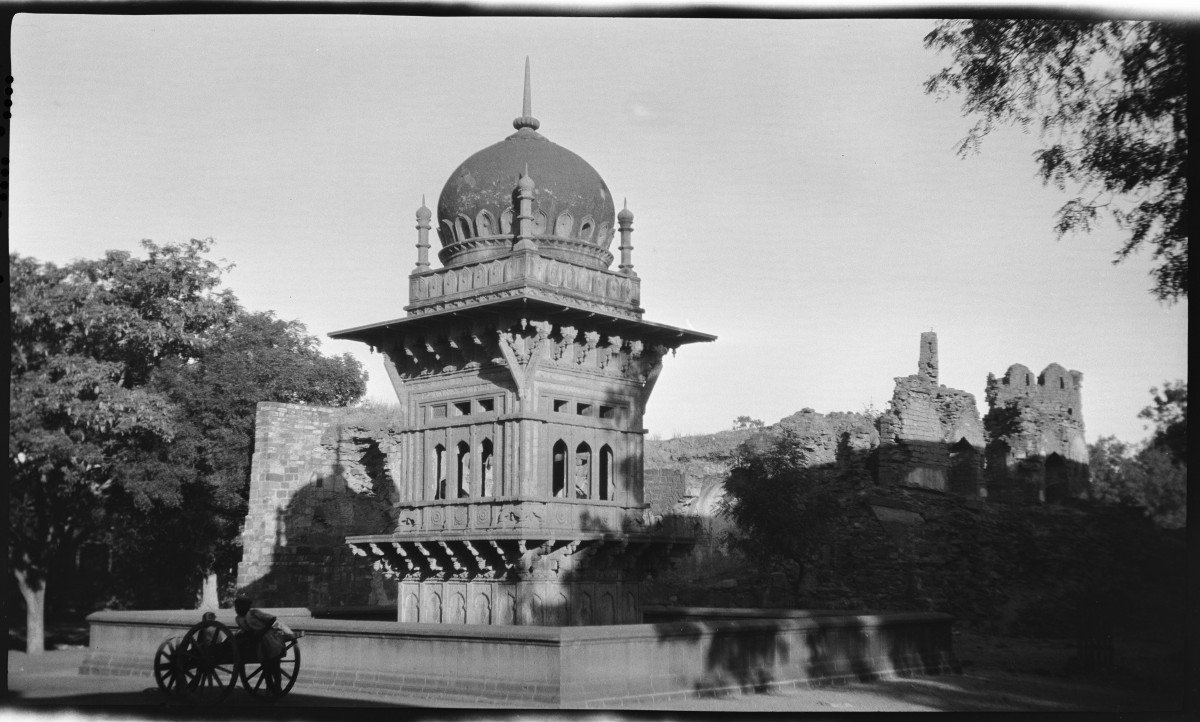
Deccan Style Architecture: The structures use dark basalt stone and unique pendentive arches. This style is known as the Deccan Sultanate school of architecture.
Gol Gumbaz Dimensions: The dome has an external diameter of 44 meters. It sta...Deccan Style Architecture: The structures use dark basalt stone and unique pendentive arches. This style is known as the Deccan Sultanate school of architecture.
Gol Gumbaz Dimensions: The dome has an external diameter of 44 meters. It stands on a square podium measuring 47 meters on each side.
Acoustic Engineering: The Whispering Gallery is a marvel of ancient sound engineering. A single clap echoes clearly seven times across the massive circular hall. -
How To Reach:
By Air: The nearest airport is Belagavi Airport, located 210 KMS away. Frequent taxis and buses connect the airport to the city of Bijapur.
By Train: Bijapur Railway Station is well-connected to Bengaluru, Mumbai, and Hyderabad. It is a co...By Air: The nearest airport is Belagavi Airport, located 210 KMS away. Frequent taxis and buses connect the airport to the city of Bijapur.
By Train: Bijapur Railway Station is well-connected to Bengaluru, Mumbai, and Hyderabad. It is a convenient way to travel for budget and luxury travelers.
By Road: Excellent highway connectivity via NH-50 and NH-52 from major cities. State-run KSRTC buses operate regular luxury and sleeper services to the city.
By Local Transport: Auto-rickshaws and horse-drawn carriages (Tongas) are popular for short distances. Many tourists prefer hiring a private taxi for a full-day heritage tour. -
Weather and Best Time to Visit:
Winter Season: October to February is the best time for heritage sightseeing. The weather is pleasant with temperatures ranging from 15°C to 30°C.
Monsoon Season: July to September brings light rains that turn the ruins green. It is a gr...Winter Season: October to February is the best time for heritage sightseeing. The weather is pleasant with temperatures ranging from 15°C to 30°C.
Monsoon Season: July to September brings light rains that turn the ruins green. It is a great time for photographers who love moody and dramatic skies.
Summer Season: March to June is very hot with temperatures hitting 40°C. Sightseeing is recommended only during the early morning or late evening hours. -
Near Tourist Places:
1. Almatti Dam (70 KM), 2. Kudalasangama (100 KM), 3. Aihole (110 KM), 4. Pattadakal (130 KM), 5. Badami (120 KM), 6. Jamkhandi (60 KM), 7. Bagalkot (85 KM), 8. Indi (55 KM), 9. Muddebihal (80 KM), 10. Basavana Bagewadi (45 KM).
Tourism Tips
-
Health & Safety: Stay hydrated as the dry heat can be exhausting during the day. Carry a basic first-aid kit and always wear comfortable walking shoes for ruins.
Packing Essentials: Pack light cotton clothes, a wide-brimmed hat, and high-SP...Health & Safety: Stay hydrated as the dry heat can be exhausting during the day. Carry a basic first-aid kit and always wear comfortable walking shoes for ruins.
Packing Essentials: Pack light cotton clothes, a wide-brimmed hat, and high-SPF sunscreen. A good pair of sunglasses is essential for the bright sun on stone.
Accommodation Tips: There are several heritage hotels and budget guesthouses near the Gol Gumbaz. Booking in advance is recommended during the peak winter festival season.
Cultural Etiquette: Dress modestly when visiting mosques and active religious sites in the city. Always ask for permission before taking photos of local people or rituals.
Reviews
FAQs
Bijapur Itineray And Cost:-
Other Places In Karnataka :-
Other States In India :-
Information about New and Updated Locations() of Karnataka Has Been Added :-
Card subtitle
Note:-
Information provided here in good Faith and for reference only.
Near Places
Badami
Some quick example text to build on the card title and make up the bulk of the card's content.
Go somewhere
Belagavi
Some quick example text to build on the card title and make up the bulk of the card's content.
Go somewhere
Belur
Some quick example text to build on the card title and make up the bulk of the card's content.
Go somewhere
Bengaluru
Some quick example text to build on the card title and make up the bulk of the card's content.
Go somewhere
Bidar
Some quick example text to build on the card title and make up the bulk of the card's content.
Go somewhere
Chamarajanagar
Some quick example text to build on the card title and make up the bulk of the card's content.
Go somewhere
Chikkaballapur
Some quick example text to build on the card title and make up the bulk of the card's content.
Go somewhere
Chikmagalur
Some quick example text to build on the card title and make up the bulk of the card's content.
Go somewhere
Coorg
Some quick example text to build on the card title and make up the bulk of the card's content.
Go somewhere
Dandeli
Some quick example text to build on the card title and make up the bulk of the card's content.
Go somewhere
Davangere
Some quick example text to build on the card title and make up the bulk of the card's content.
Go somewhere
Dharmasthala
Some quick example text to build on the card title and make up the bulk of the card's content.
Go somewhere
Gokarna
Some quick example text to build on the card title and make up the bulk of the card's content.
Go somewhere
Hampi
Some quick example text to build on the card title and make up the bulk of the card's content.
Go somewhere
Hubballi-Dharwad
Some quick example text to build on the card title and make up the bulk of the card's content.
Go somewhere
Kabini
Some quick example text to build on the card title and make up the bulk of the card's content.
Go somewherein Other Cities