



Belur
General information
-
Ideal Duration:
3 to 4 HoursPlace Type:
Heritage / PilgrimageEntry Fees:
Entry Fee: There is no entry fee for the Chennakeshava Temple for any visitor. It is free to enter and explore the entire complex and the shrines within.
Camera Charges: While entry is free, there is a small fee for using a professional cam...Entry Fee: There is no entry fee for the Chennakeshava Temple for any visitor. It is free to enter and explore the entire complex and the shrines within.
Camera Charges: While entry is free, there is a small fee for using a professional camera inside. Regular mobile photography is generally permitted without any charge.
Guide Fees: Hiring a guide is highly recommended and costs between 300 to 500. They are essential to understanding the complex stories behind the thousands of carvings.Timing:
Regular Timings: The temple is open from 7:30 AM to 7:30 PM daily. The inner sanctum might close for short intervals during the day for rituals.
Ideal Visit Time: Arrive by 8:00 AM to beat the crowds and enjoy the cool morning air. The eve...Regular Timings: The temple is open from 7:30 AM to 7:30 PM daily. The inner sanctum might close for short intervals during the day for rituals.
Ideal Visit Time: Arrive by 8:00 AM to beat the crowds and enjoy the cool morning air. The evening light around 5:00 PM is also beautiful for photography.
Best Season: Visit between October and March for the most comfortable weather. The summer months can get quite hot for walking on the stone platforms barefoot.Special Events:
Hoysala Mahotsava: A prestigious cultural festival held every March. It features Bharatnatyam and other classical dance forms performed by world-class artists.
Vairamudi Festival: While primarily in Melukote, the impact is felt here with sp...Hoysala Mahotsava: A prestigious cultural festival held every March. It features Bharatnatyam and other classical dance forms performed by world-class artists.
Vairamudi Festival: While primarily in Melukote, the impact is felt here with special prayers. Many pilgrims include Belur in their spiritual circuit during this time.
Rathotsava: The annual temple car festival where the deity is taken out in a grand procession. It is a time of great celebration for the local community.Best Photo Spots:
The Main Entrance Gorum: The towering gateway provides a grand frame for the temple complex. It is best photographed during the early morning hours.
Madanika Figures: These are best captured with side lighting to emphasize the depth of the ...The Main Entrance Gorum: The towering gateway provides a grand frame for the temple complex. It is best photographed during the early morning hours.
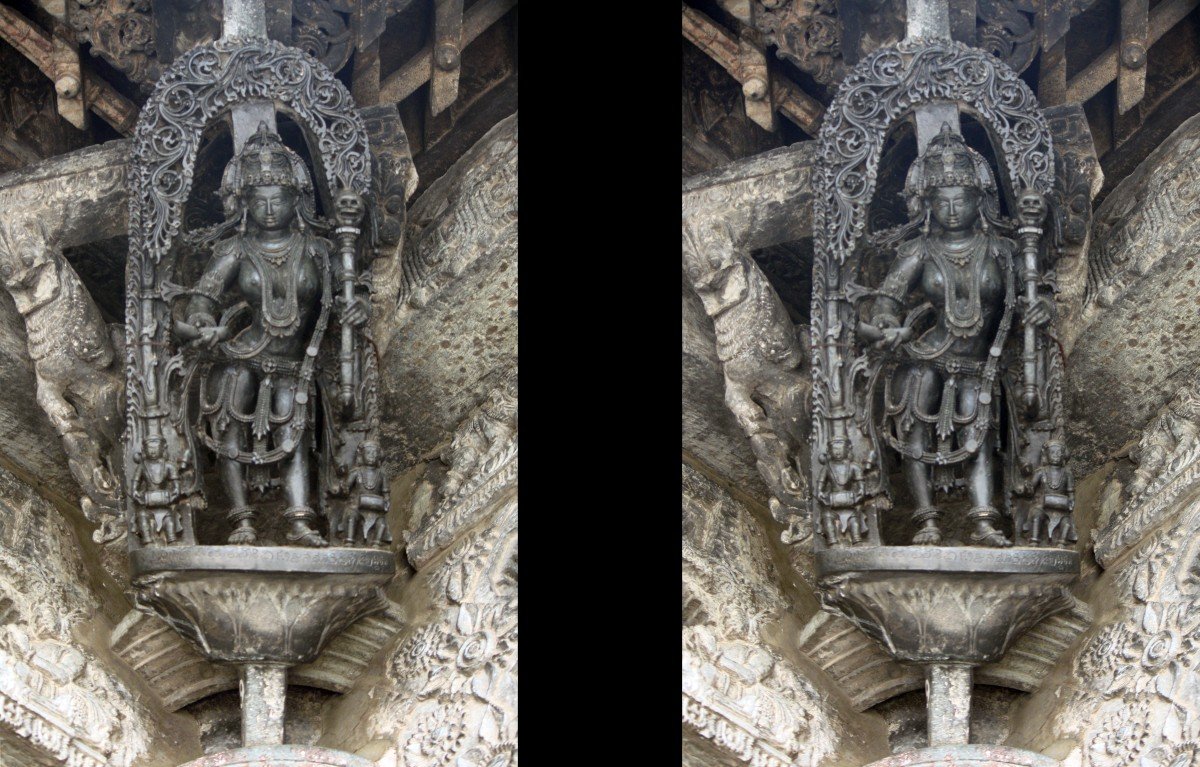
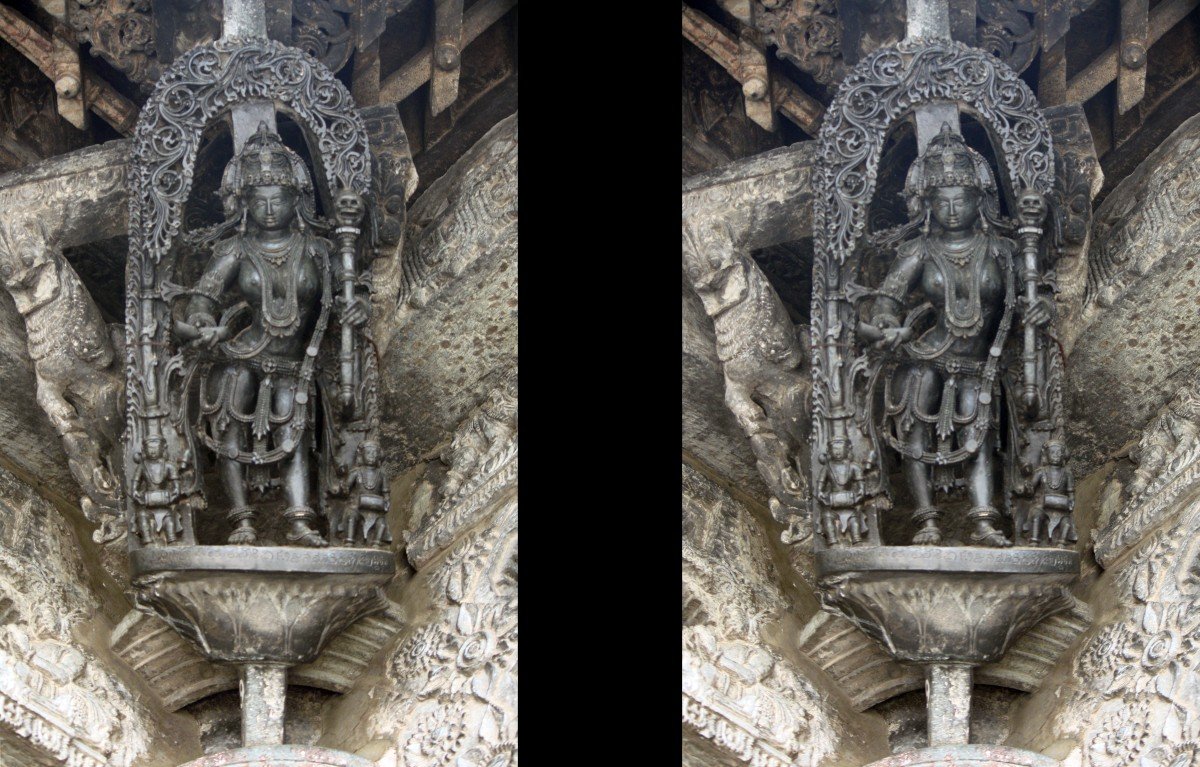
Madanika Figures: These are best captured with side lighting to emphasize the depth of the carving. The details of the stone jewelry are incredibly photogenic.
Gravity Pillar: Capturing the scale of the pillar against the temple backdrop is iconic. Use a low angle to highlight its height and the fact that it stands without support.Photo Gallery


Things To Do
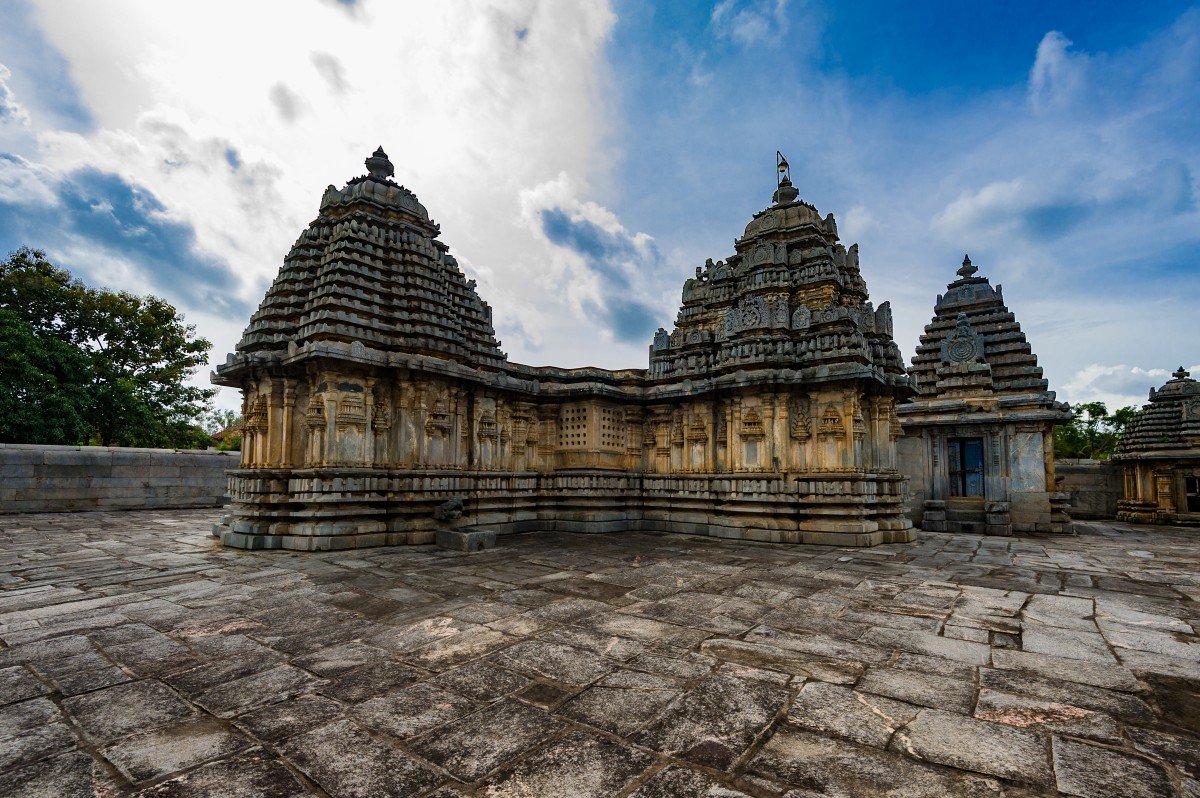
 The Kedareswara Temple is a magnificent Hoysala era temple located less than a kilometer from the famous Hoysaleswara Temple. Built by King Veera Ballala II and his Queen Ketaladevi in 1219 CE, it is dedicated to Lord Shiva. This temple is often overlooked by tourists, making it a peaceful and quiet spot for exploration. It is a Trikutachala (three-shrine) temple, though the superstructures are now missing. The temple is built on a high platform called a Jagati, which follows a star-shaped plan. The carvings here are exceptionally fine, even by Hoysala standards, featuring smaller and more delicate details. The walls are adorned with figures of deities, dancers, and scenes from the Puranas. It represents a more refined and later style of the dynasty's architecture. The temple surroundings are lush and well-maintained by the ASI. Visiting this temple gives a sense of the intimate and spiritual atmosphere that once filled the capital city. It is a must-visit for those who appreciate detailed stonework without the heavy crowds of the main temple.
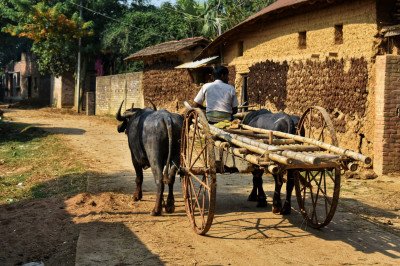 Real Govinahalli Village is not a conventional tourist spot but rather a true, living example of rural Karnataka life, located a short drive from the historical bustle of Belur. The village offers a stark contrast to the intricate stone world of the Hoysala temples, providing an immersive experience into the region's agrarian and authentic cultural landscape. It is a cluster of traditional homes, farmlands, and small local temples, mostly centered around the cultivation of coffee, paddy, and other local crops. The name "Real" often signifies its uncommercialized and authentic nature. Life here revolves around the cycles of farming, local festivals, and close-knit community interactions, making it a unique destination for cultural tourists and anthropologists. The village atmosphere is characterized by serene surroundings, clean air, and the hospitality of the villagers, who are often keen to share their way of life, traditional food, and local crafts. This area forms a crucial part of the buffer zone for the heritage sites, maintaining the cultural and natural integrity of the region. Exploring Govinahalli provides context to the history of Belur and the people who sustained the Hoysala kingdom through agriculture. It serves as a window into the simple, unhurried pace of Indian rural life, a place to decompress and reconnect with nature and traditional practices. The few local temples within the village, while architecturally simple, hold immense spiritual significance for the residents and are central to their community life, often acting as gathering points for village events.
 @@The Quiet Charm of a Rural Heritage Site: Bommadihalli Gadi is less a major monument and more a traditional Karnataka village boundary or a fortified gate area (Gadi means border/gate) near Belur that signifies the historic layout of the region. This area is significant for visitors seeking an authentic, rustic experience of the Hassan district, away from the main tourist crowds. It is the perfect spot for travelers who are interested in rural life, local farming practices, and the serene, untouched landscapes of the Malnad region. The area around Bommadihalli is characterized by green fields, coconut groves, and small, traditional village homes, offering a stark contrast to the intricate stone carvings of the Chennakesava Temple. Visiting this spot provides a valuable insight into the everyday life that sustained the Hoysala kingdom's heartland. The term Gadi suggests it may have historically been a point of entry or a simple check-post during the time of the Hoysala kings or later principalities. It offers a unique lens through which to view the socio-economic and geographical context of Belur. You will find that life here moves at a much slower pace, adhering to ancient rhythms and traditions, which are quickly disappearing in the urban centers. The sheer simplicity and tranquility of the surroundings make it a calming destination. Many local residents still follow ancient customs, making it a living museum of rural Karnataka. The clean air and quiet atmosphere are a welcome respite. It's an ideal place for nature photography and capturing the simple beauty of rural India. Furthermore, this area serves as a good starting point for exploring other, smaller, and lesser-known Hoysala temples scattered in the surrounding villages, as it lies on the peripheral routes. The quiet pathways are perfect for a morning walk.
 The Veera Narayana Temple in Belavadi is a magnificent example of Hoysala architecture, located in a peaceful village setting away from the usual tourist crowds of Belur. This temple was built in 1200 CE by King Veera Ballala II and is renowned for its unique Trikuta (triple shrine) design, where three separate sanctums are connected by a massive square Ranga-mandapa. Unlike the more famous temples in Halebidu, this structure is celebrated for its balanced proportions and the sheer scale of its interior halls rather than just the density of its external carvings. The central shrine is dedicated to Veera Narayana, while the side shrines house exquisite idols of Venugopala and Yoga Narasimha, all carved from high-quality soapstone. Legend suggests that Belavadi is the site where the Pandava prince Bhima killed the demon Bakasura, lending the village deep mythological significance. The temple remains remarkably well-preserved, showcasing the peak of architectural innovation during the late Hoysala period. Visitors are often struck by the serene atmosphere and the majestic sight of the temple’s multiple towers rising against the rural skyline. It serves as a living museum of medieval Indian craftsmanship, offering a quiet space for reflection and historical exploration. The temple's longitudinal layout is rare, making it a must-visit for anyone interested in the evolution of South Indian temple design. Its distance from the main highway ensures that its ancient charm remains untarnished by modern commercialization, providing a truly authentic heritage experience. :
@@The Annual Cultural Showcase of Hoysala Splendor: The Hoysala Mahotsava is a prestigious annual cultural festival organized by the Karnataka State Tourism Development Corporation (KSTDC) to celebrate the rich legacy of the Hoysala Empire. Held typically over two to three days in the months of March or April (the date is variable and announced annually), the festival is primarily staged against the awe-inspiring backdrop of the Chennakesava Temple in Belur and the Hoysaleswara Temple in Halebidu. This event transforms the ancient temple complexes into vibrant open-air theaters. The primary focus of the Mahotsava is the showcase of Classical Indian Dance forms, including Bharatanatyam, Kuchipudi, Kathak, and Odissi, performed by celebrated artists from across India. The stone sculptures of the temple walls, especially the dancing Madanikas, seem to come to life as the performers dance on the Jagati (the temple platform) under professional lighting. In addition to dance, the festival features soul-stirring performances of Carnatic and Hindustani Classical Music, with the temple's natural acoustics enhancing the spiritual atmosphere. It is a vital platform for preserving and promoting Karnataka's traditional arts and crafts, with exhibitions often held nearby. The festival attracts not only culture enthusiasts and historians but also a large number of international tourists, making it a major cultural event in the South Indian calendar. The illuminated temple at night during the performances is a truly spectacular sight, offering an unforgettable blend of history, devotion, and performance art. It serves as a reminder of the artistic patronage of the Hoysala rulers and their contribution to the arts. It is one of the best times to witness the temples in a ceremonial and celebratory light.
The Hoysaleswara Temple, also known as the Halebid Temple, is a 12th-century Hindu temple dedicated to Lord Shiva. It is the largest monument in Halebidu, the former capital of the Hoysala Empire. The temple was built in 1121 CE during the reign of King Vishnuvardhana. It is renowned for its detailed relief work and soapstone carvings that cover every inch of the exterior walls. The temple is a UNESCO World Heritage Site under the Sacred Ensembles of the Hoysalas. Despite being plundered by invaders in the 14th century, the temple remains a pinnacle of South Indian architecture. It houses two main shrines, one for the King and one for Queen Shantala Devi. The intricate carvings depict stories from the Ramayana, Mahabharata, and Bhagavata Purana. Visitors are often left spellbound by the level of detail in the stone work, which appears like ivory or sandalwood carving. The temple stands as a testament to the artistic heights reached by the Hoysala dynasty. It remains an active place of worship and a major historical landmark in India.
The Narasimha Pillar is one of the most stunning features within the Navaranga (main hall) of the Chennakeshava Temple. Its intricate craftsmanship, carved from soapstone, is a testament to the supreme skill of the Hoysala sculptors, particularly the master craftsman Jakanacharya. The pillar is famously attributed with a feature that, historically, allowed it to be rotated, though this function is no longer active, adding an aura of mystery to its existence. The carving density is exceptional; the entire surface is covered with miniature shrines, figures of deities, scrolls, and narrative friezes from Hindu epics like the Ramayana and Mahabharata, each telling a story in exquisite detail. Its creation is dated to the early 12th century, commissioned by King Vishnuvardhana. The pillar is not just a structural element but a towering piece of sacred art. The complexity of its construction, combining intricate detail with monumental size, exemplifies the dedication of the Hoysala dynasty to their artistic and religious patronage. It has survived centuries of invasions and weather, often repaired and restored, particularly by the Vijayanagara Empire, cementing its place as a symbol of enduring artistic excellence in India. The sheer volume of narrative on the pillar makes it a unique object of study for art historians and a source of wonder for the average pilgrim. Its very existence, a single piece of stone so painstakingly detailed, reflects the highest point of stonework and sculptural innovation during the Hoysala period, making it a masterpiece that defines Belur's cultural legacy.Show All
The Veera Narayana Temple in Belavadi is a magnificent example of Hoysala architecture, located in a peaceful village setting away from the usual tourist crowds of Belur. This temple was built in 1200 CE by King Veera Ballala II and is renowned for its unique Trikuta (triple shrine) design, where three separate sanctums are connected by a massive square Ranga-mandapa. Unlike the more famous temples in Halebidu, this structure is celebrated for its balanced proportions and the sheer scale of its interior halls rather than just the density of its external carvings. The central shrine is dedicated to Veera Narayana, while the side shrines house exquisite idols of Venugopala and Yoga Narasimha, all carved from high-quality soapstone. Legend suggests that Belavadi is the site where the Pandava prince Bhima killed the demon Bakasura, lending the village deep mythological significance. The temple remains remarkably well-preserved, showcasing the peak of architectural innovation during the late Hoysala period. Visitors are often struck by the serene atmosphere and the majestic sight of the temple’s multiple towers rising against the rural skyline. It serves as a living museum of medieval Indian craftsmanship, offering a quiet space for reflection and historical exploration. The temple's longitudinal layout is rare, making it a must-visit for anyone interested in the evolution of South Indian temple design. Its distance from the main highway ensures that its ancient charm remains untarnished by modern commercialization, providing a truly authentic heritage experience. :
@@The Annual Cultural Showcase of Hoysala Splendor: The Hoysala Mahotsava is a prestigious annual cultural festival organized by the Karnataka State Tourism Development Corporation (KSTDC) to celebrate the rich legacy of the Hoysala Empire. Held typically over two to three days in the months of March or April (the date is variable and announced annually), the festival is primarily staged against the awe-inspiring backdrop of the Chennakesava Temple in Belur and the Hoysaleswara Temple in Halebidu. This event transforms the ancient temple complexes into vibrant open-air theaters. The primary focus of the Mahotsava is the showcase of Classical Indian Dance forms, including Bharatanatyam, Kuchipudi, Kathak, and Odissi, performed by celebrated artists from across India. The stone sculptures of the temple walls, especially the dancing Madanikas, seem to come to life as the performers dance on the Jagati (the temple platform) under professional lighting. In addition to dance, the festival features soul-stirring performances of Carnatic and Hindustani Classical Music, with the temple's natural acoustics enhancing the spiritual atmosphere. It is a vital platform for preserving and promoting Karnataka's traditional arts and crafts, with exhibitions often held nearby. The festival attracts not only culture enthusiasts and historians but also a large number of international tourists, making it a major cultural event in the South Indian calendar. The illuminated temple at night during the performances is a truly spectacular sight, offering an unforgettable blend of history, devotion, and performance art. It serves as a reminder of the artistic patronage of the Hoysala rulers and their contribution to the arts. It is one of the best times to witness the temples in a ceremonial and celebratory light.
The Hoysaleswara Temple, also known as the Halebid Temple, is a 12th-century Hindu temple dedicated to Lord Shiva. It is the largest monument in Halebidu, the former capital of the Hoysala Empire. The temple was built in 1121 CE during the reign of King Vishnuvardhana. It is renowned for its detailed relief work and soapstone carvings that cover every inch of the exterior walls. The temple is a UNESCO World Heritage Site under the Sacred Ensembles of the Hoysalas. Despite being plundered by invaders in the 14th century, the temple remains a pinnacle of South Indian architecture. It houses two main shrines, one for the King and one for Queen Shantala Devi. The intricate carvings depict stories from the Ramayana, Mahabharata, and Bhagavata Purana. Visitors are often left spellbound by the level of detail in the stone work, which appears like ivory or sandalwood carving. The temple stands as a testament to the artistic heights reached by the Hoysala dynasty. It remains an active place of worship and a major historical landmark in India.
The Narasimha Pillar is one of the most stunning features within the Navaranga (main hall) of the Chennakeshava Temple. Its intricate craftsmanship, carved from soapstone, is a testament to the supreme skill of the Hoysala sculptors, particularly the master craftsman Jakanacharya. The pillar is famously attributed with a feature that, historically, allowed it to be rotated, though this function is no longer active, adding an aura of mystery to its existence. The carving density is exceptional; the entire surface is covered with miniature shrines, figures of deities, scrolls, and narrative friezes from Hindu epics like the Ramayana and Mahabharata, each telling a story in exquisite detail. Its creation is dated to the early 12th century, commissioned by King Vishnuvardhana. The pillar is not just a structural element but a towering piece of sacred art. The complexity of its construction, combining intricate detail with monumental size, exemplifies the dedication of the Hoysala dynasty to their artistic and religious patronage. It has survived centuries of invasions and weather, often repaired and restored, particularly by the Vijayanagara Empire, cementing its place as a symbol of enduring artistic excellence in India. The sheer volume of narrative on the pillar makes it a unique object of study for art historians and a source of wonder for the average pilgrim. Its very existence, a single piece of stone so painstakingly detailed, reflects the highest point of stonework and sculptural innovation during the Hoysala period, making it a masterpiece that defines Belur's cultural legacy.Show All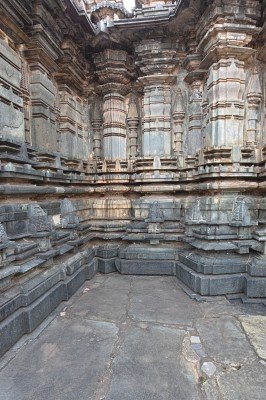 The Sri Kappe Chennigaraaya Temple is a prominent subsidiary shrine located to the south of the main Chennakeshava Temple within the same grand complex. Its construction, consecrated in 1117 CE, was personally commissioned by Queen Shantala Devi, the principal queen of Hoysala King Vishnuvardhana, and a celebrated patron of the arts, particularly known for her mastery of dance. This temple is a testament to the cultural patronage of the Hoysala royalty beyond the main project. It follows a dwikuta (two-shrined) plan, housing the primary deity Chennakeshava and a smaller shrine for Venugopala (Lord Krishna). The temple's name, 'Kappe' (meaning frog), is derived from a local legend that a frog or a flaw was found in the statue during its consecration, a tale that highlights the belief that even divine creation can have imperfections, adding a layer of charming folklore. The structure showcases the delicate and highly polished Hoysala style, featuring exquisite bracket figures known as Madanikas or Shilabalikas—celestial damsels in various dance and everyday poses. Though smaller than the main shrine, the Kappe Chennigaraaya Temple is celebrated for its perfect proportions and the high quality of its remaining sculptures, which are considered to be among the finest examples of Hoysala artistry in the entire complex. The temple serves as a powerful symbol of female royal influence on art and architecture during the 12th century, underscoring Queen Shantala Devi's spiritual devotion and artistic legacy, making it a crucial stop for any visitor to Belur.
Information
-
Why Famous:
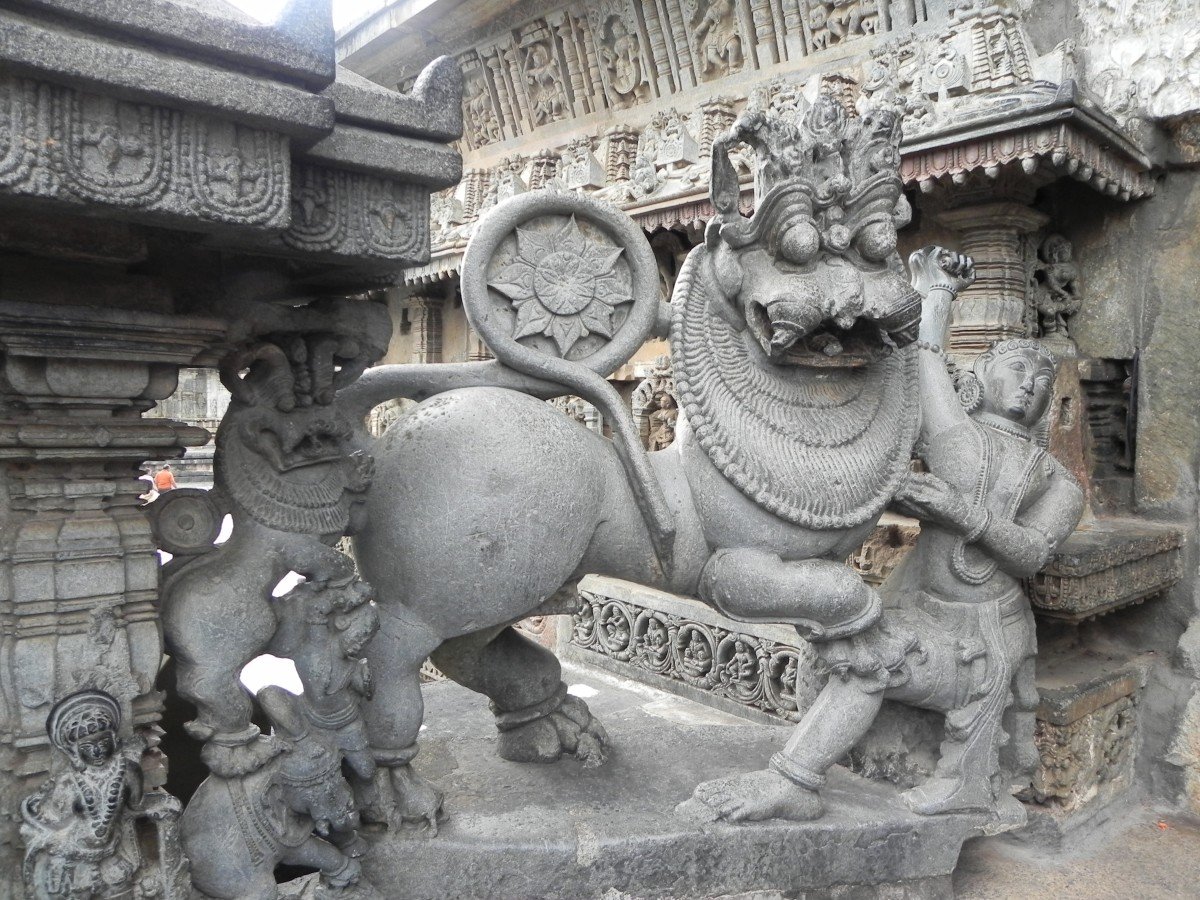
Intricate Stone Carvings: The temple's exterior is covered with friezes of elephants, lions, and horses at the base, followed by mythological scenes. No two carvings are identical.
Historical Legacy: As a capital of the Hoysala kings, it wa...Intricate Stone Carvings: The temple's exterior is covered with friezes of elephants, lions, and horses at the base, followed by mythological scenes. No two carvings are identical.
Historical Legacy: As a capital of the Hoysala kings, it was a center of power and artistic innovation. The temple stands as a symbol of the empire's wealth and devotion.
Spiritual Aura: The main deity, Chennakeshava (Handsome Vishnu), is a 6-foot tall idol of immense beauty. The temple's sanctum provides a deeply serene and spiritual experience for visitors.
UNESCO Recognition: Being a World Heritage site, it is recognized globally for its outstanding universal value. It represents a unique peak in the evolution of Indian temple art. -
Architecture:
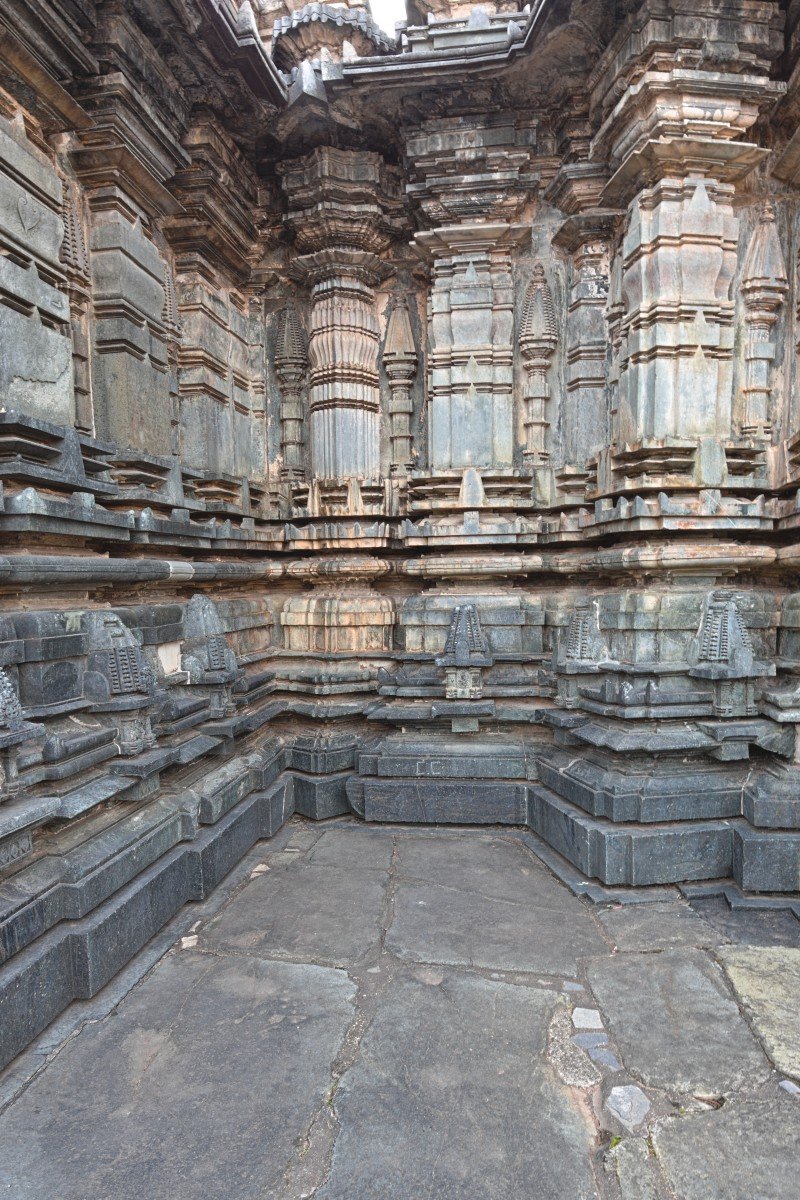
Star-shaped Base: The temple is built on a wide raised platform called a Jagati, which follows a unique star-shaped ground plan. This provides more wall space for the intricate carvings.
Soapstone Material: The artisans used chloritic schis...Star-shaped Base: The temple is built on a wide raised platform called a Jagati, which follows a unique star-shaped ground plan. This provides more wall space for the intricate carvings.
Soapstone Material: The artisans used chloritic schist, commonly known as soapstone, which is soft when quarried but hardens over time. This allowed for the micro-detailing seen in the sculptures.
Gravity Pillar: In the temple courtyard stands a 42-foot high stone pillar that stands on its own weight without a foundation. It is a marvel of ancient engineering and balance.
Lathe-turned Pillars: The interior of the temple features several highly polished, lathe-turned stone pillars. The Mohini pillar and the Narasimha pillar are the most famous among them. -
How To Reach:
By Air: The nearest international airport is Bengaluru (220 km), while Mangaluru is 150 km away. Most tourists prefer driving from Bengaluru.
By Train: The nearest railway station is Hassan Junction, about 40 km from Belur. Regular buses a...By Air: The nearest international airport is Bengaluru (220 km), while Mangaluru is 150 km away. Most tourists prefer driving from Bengaluru.
By Train: The nearest railway station is Hassan Junction, about 40 km from Belur. Regular buses and taxis connect Hassan to Belur frequently.
By Road: Belur is well-connected by a network of good roads. Frequent buses are available from Bengaluru, Mysuru, and Chikkamagaluru.
By Local Transport: The town is small and most places are walkable from the temple. Auto-rickshaws are available for reaching nearby spots like the Yagachi Dam. -
Weather and Best Time to Visit:
Winter Season: November to February is the peak season with clear blue skies. The weather is perfect for spending long hours admiring the outdoor carvings.
Monsoon Season: July to September makes the soapstone look dark and shiny. The surr...Winter Season: November to February is the peak season with clear blue skies. The weather is perfect for spending long hours admiring the outdoor carvings.
Monsoon Season: July to September makes the soapstone look dark and shiny. The surrounding landscape turns emerald green, adding to the town's beauty.
Morning Visits: The early morning sun hits the east-facing temple directly. This is the best time to see the details on the main facade clearly. -
Near Tourist Places:
Halebidu (16 km), Hassan (40 km), Chikkamagaluru (25 km), Shravanabelagola (85 km), Mullayanagiri (50 km), Baba Budangiri (60 km), Yagachi Dam (4 km), Doddagaddavalli (25 km), Sakleshpur (35 km), Shettihalli Church (55 km).
Tourism Tips
-
Health & Safety: You must remove your shoes before entering the temple platform. Carrying a pair of socks can help if the stone floor is too hot.
Packing Tips: Wear modest clothing as it is an active place of worship. A hat and sunglasses ...Health & Safety: You must remove your shoes before entering the temple platform. Carrying a pair of socks can help if the stone floor is too hot.
Packing Tips: Wear modest clothing as it is an active place of worship. A hat and sunglasses are useful for the open temple courtyard.
Accommodation: While there are hotels in Belur, many stay in Hassan or Chikkamagaluru. These cities offer a wider range of luxury and budget options.
Cultural Etiquette: Be respectful of the devotees and priests during rituals. Avoid touching the ancient sculptures to help preserve them for future generations.
Reviews
FAQs
Belur Itineray And Cost:-
Other Places In Karnataka :-
Other States In India :-
Information about New and Updated Locations() of Karnataka Has Been Added :-
Card subtitle
Note:-
Information provided here in good Faith and for reference only.
Near Places
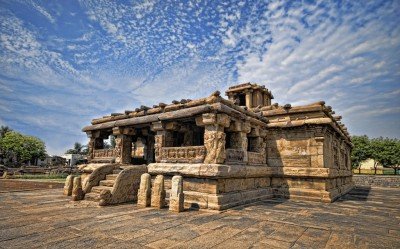
Badami
Some quick example text to build on the card title and make up the bulk of the card's content.
Go somewhere
Belagavi
Some quick example text to build on the card title and make up the bulk of the card's content.
Go somewhere
Belur
Some quick example text to build on the card title and make up the bulk of the card's content.
Go somewhere
Bengaluru
Some quick example text to build on the card title and make up the bulk of the card's content.
Go somewhere
Bidar
Some quick example text to build on the card title and make up the bulk of the card's content.
Go somewhere
Chamarajanagar
Some quick example text to build on the card title and make up the bulk of the card's content.
Go somewhere
Chikkaballapur
Some quick example text to build on the card title and make up the bulk of the card's content.
Go somewhere
Chikmagalur
Some quick example text to build on the card title and make up the bulk of the card's content.
Go somewhere
Coorg
Some quick example text to build on the card title and make up the bulk of the card's content.
Go somewhere
Dandeli
Some quick example text to build on the card title and make up the bulk of the card's content.
Go somewhere
Davangere
Some quick example text to build on the card title and make up the bulk of the card's content.
Go somewhere
Dharmasthala
Some quick example text to build on the card title and make up the bulk of the card's content.
Go somewhere
Gokarna
Some quick example text to build on the card title and make up the bulk of the card's content.
Go somewhere
Hampi
Some quick example text to build on the card title and make up the bulk of the card's content.
Go somewhere
Hubballi-Dharwad
Some quick example text to build on the card title and make up the bulk of the card's content.
Go somewhere
Kabini
Some quick example text to build on the card title and make up the bulk of the card's content.
Go somewherein Other Cities