





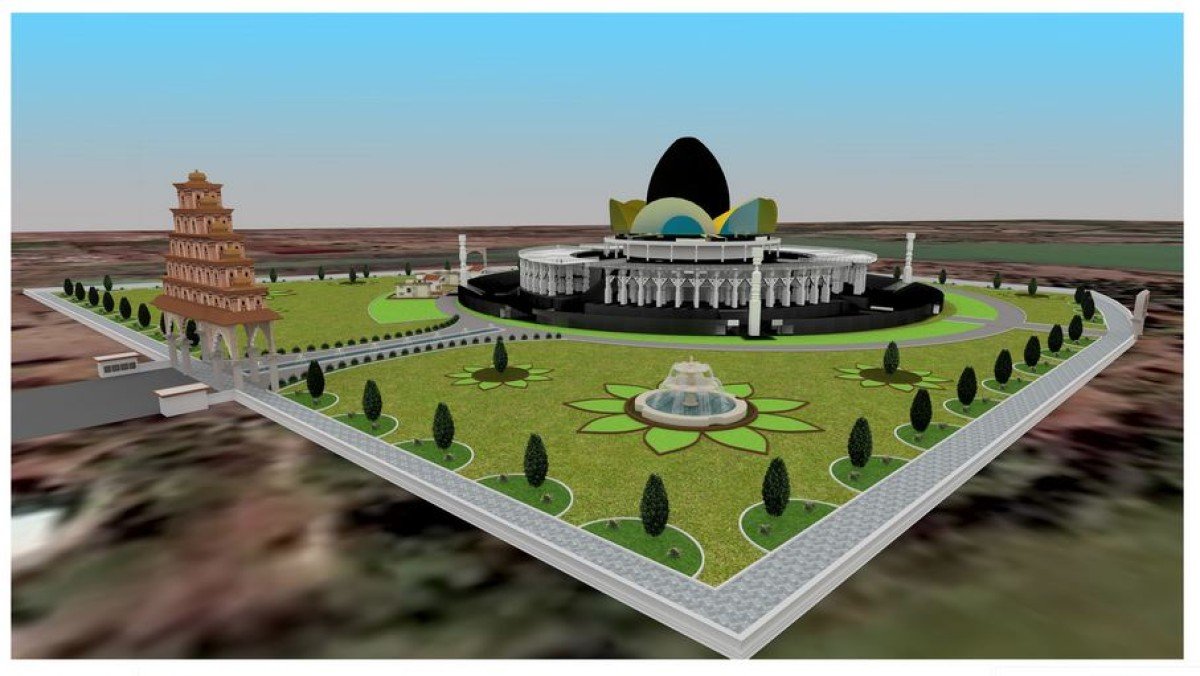
Bidar
General information
-
Ideal Duration:
1 to 2 DaysPlace Type:
Heritage / CulturalEntry Fees:
Bidar Fort: There is no entry fee for the fort and most of the monuments within it. It is one of the most accessible heritage sites in the state.
Nanak Jhira Sahib: Entry is free for everyone. Visitors can also have a free meal at the lang...Bidar Fort: There is no entry fee for the fort and most of the monuments within it. It is one of the most accessible heritage sites in the state.
Nanak Jhira Sahib: Entry is free for everyone. Visitors can also have a free meal at the langar, though donations are welcome.
Museums: Some small museums or exhibitions might charge a nominal fee of 10 to 20 for maintenance. Professional camera fees may apply in specific areas.Timing:
Regular Timings: The Fort is open from 9:00 AM to 5:00 PM. The Gurudwara and some temples are open from early morning until late at night.
Ideal Visit Time: Visit the fort in the early morning at 9:00 AM to avoid the midday sun. Sunset at ...Regular Timings: The Fort is open from 9:00 AM to 5:00 PM. The Gurudwara and some temples are open from early morning until late at night.
Ideal Visit Time: Visit the fort in the early morning at 9:00 AM to avoid the midday sun. Sunset at Ashtur or the Fort walls is also highly recommended.
Seasonal Timing: The winter months provide the best daylight for photography. During summer, it is best to stay indoors between 12:00 PM and 4:00 PM.Special Events:
Bidar Utsav: A grand cultural festival held in January or February. It features performances by national artists, kite flying, and local food stalls.
Holi in Bidar: The festival of colors is celebrated with great energy, especially in the o...Bidar Utsav: A grand cultural festival held in January or February. It features performances by national artists, kite flying, and local food stalls.
Holi in Bidar: The festival of colors is celebrated with great energy, especially in the old city. It is a time when the entire community comes together.
Guru Nanak Jayanti: The Gurudwara Nanak Jhira sees thousands of pilgrims during this time. The entire complex is lit up and special prayers are held.Best Photo Spots:
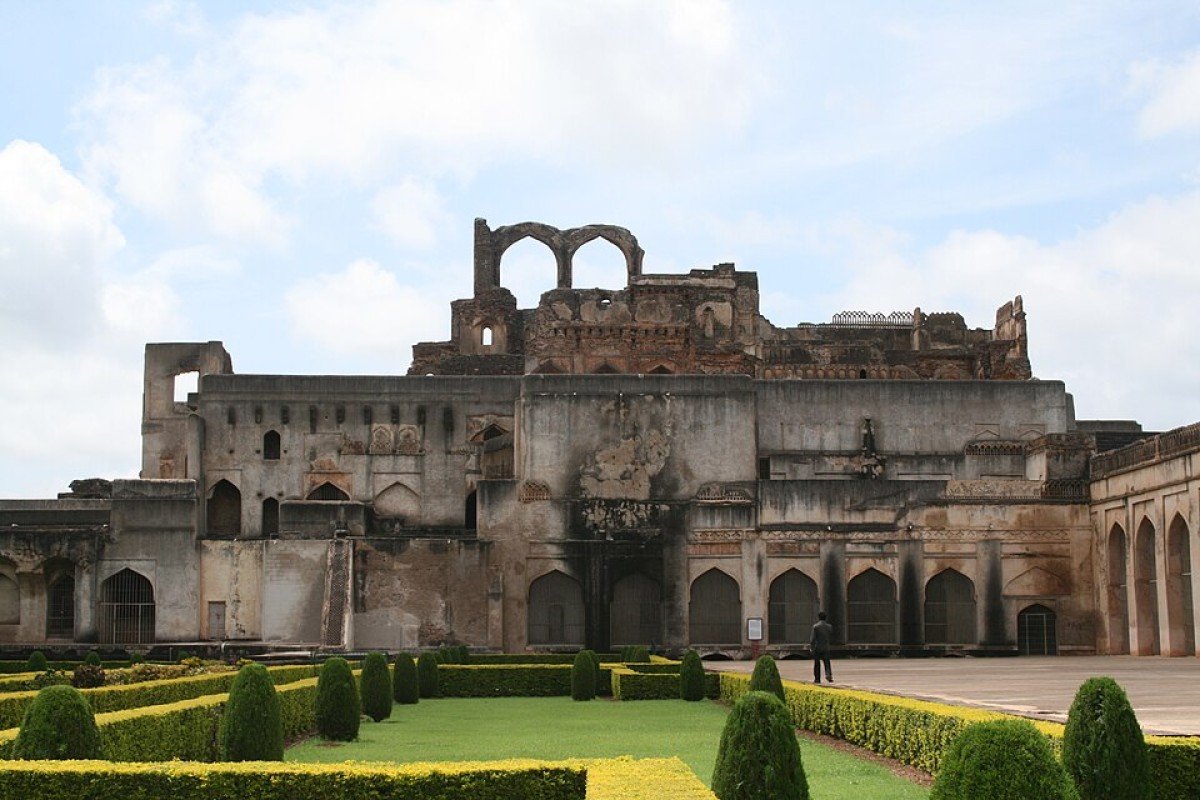
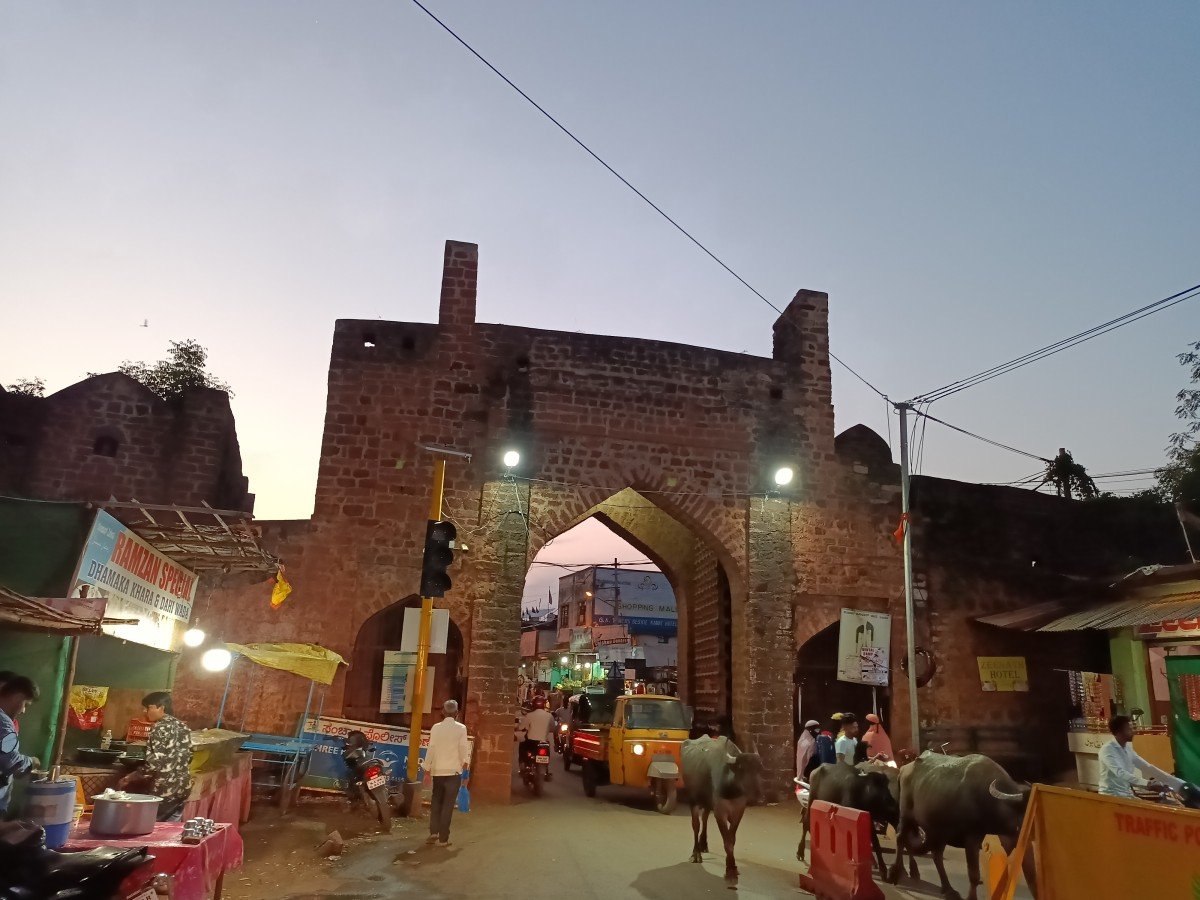
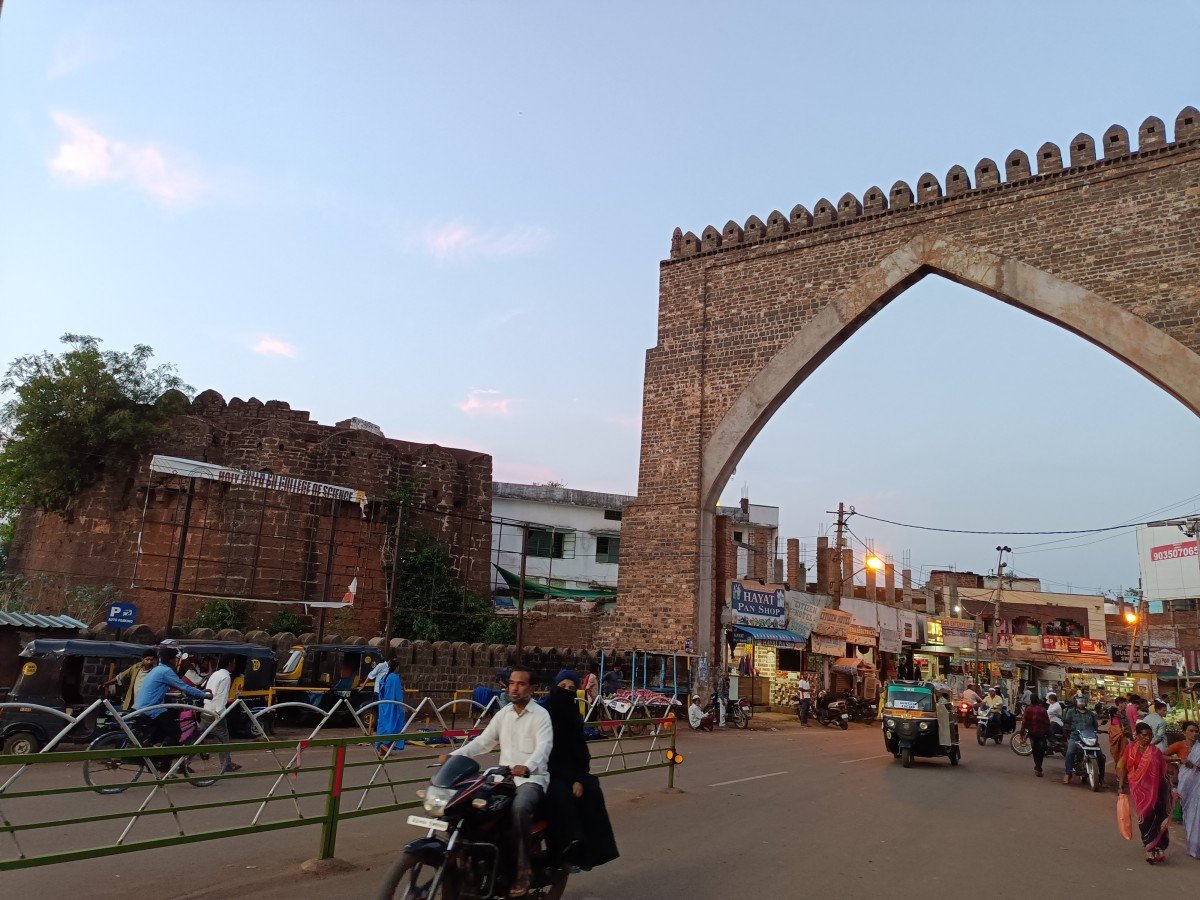
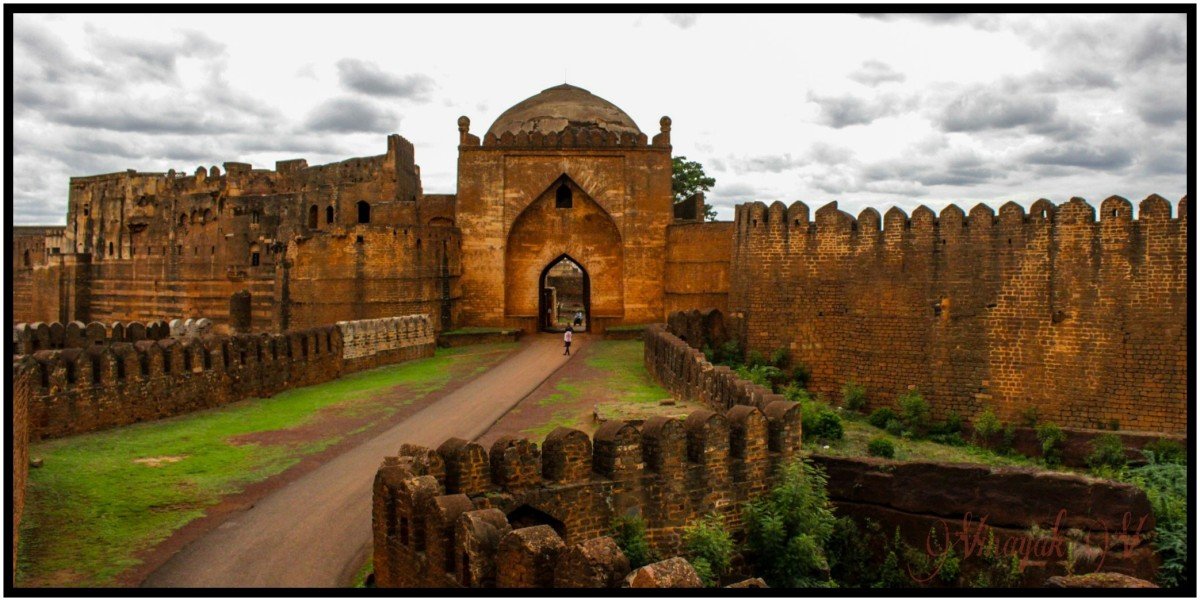
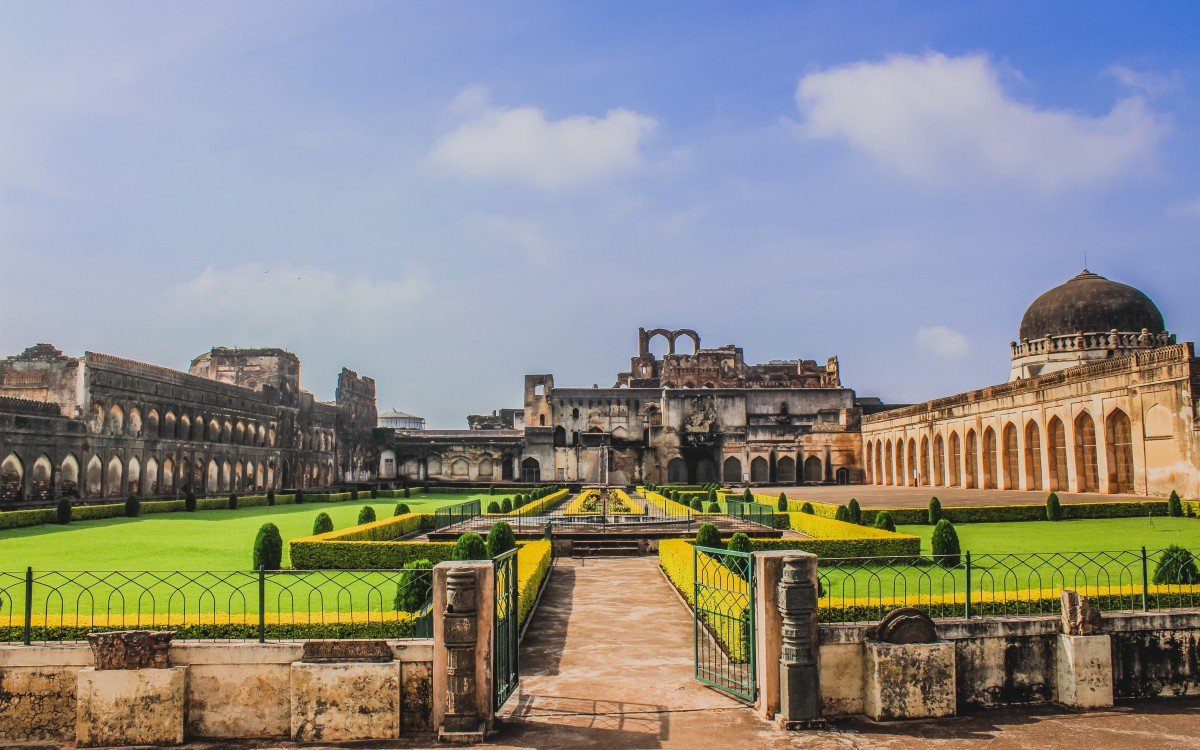
Bidar Fort Gates: The massive archways provide a majestic frame for architectural photography. The textures of the aged stones look great in the morning sun.
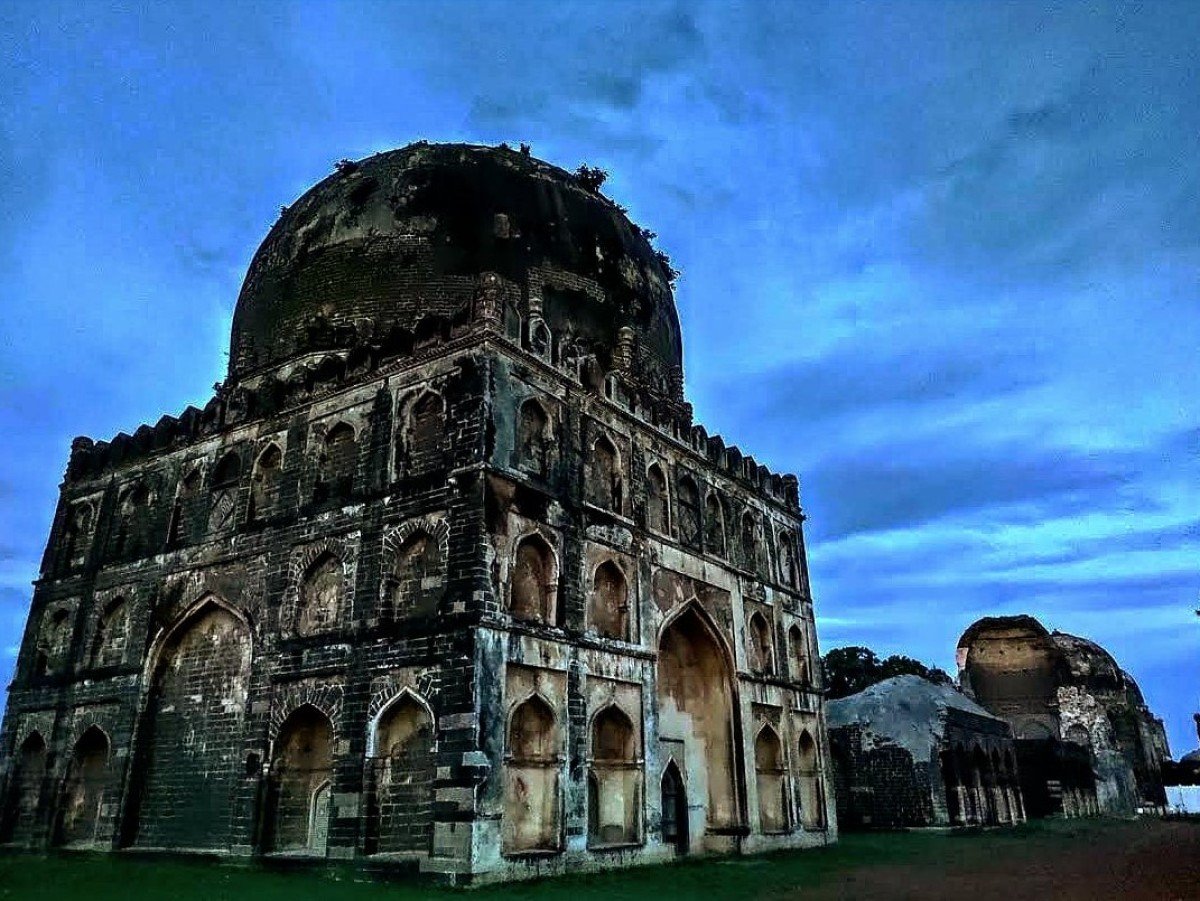
Ashtur Tombs at Sunset: The long shadows and golden light on the massive domes are...Bidar Fort Gates: The massive archways provide a majestic frame for architectural photography. The textures of the aged stones look great in the morning sun.
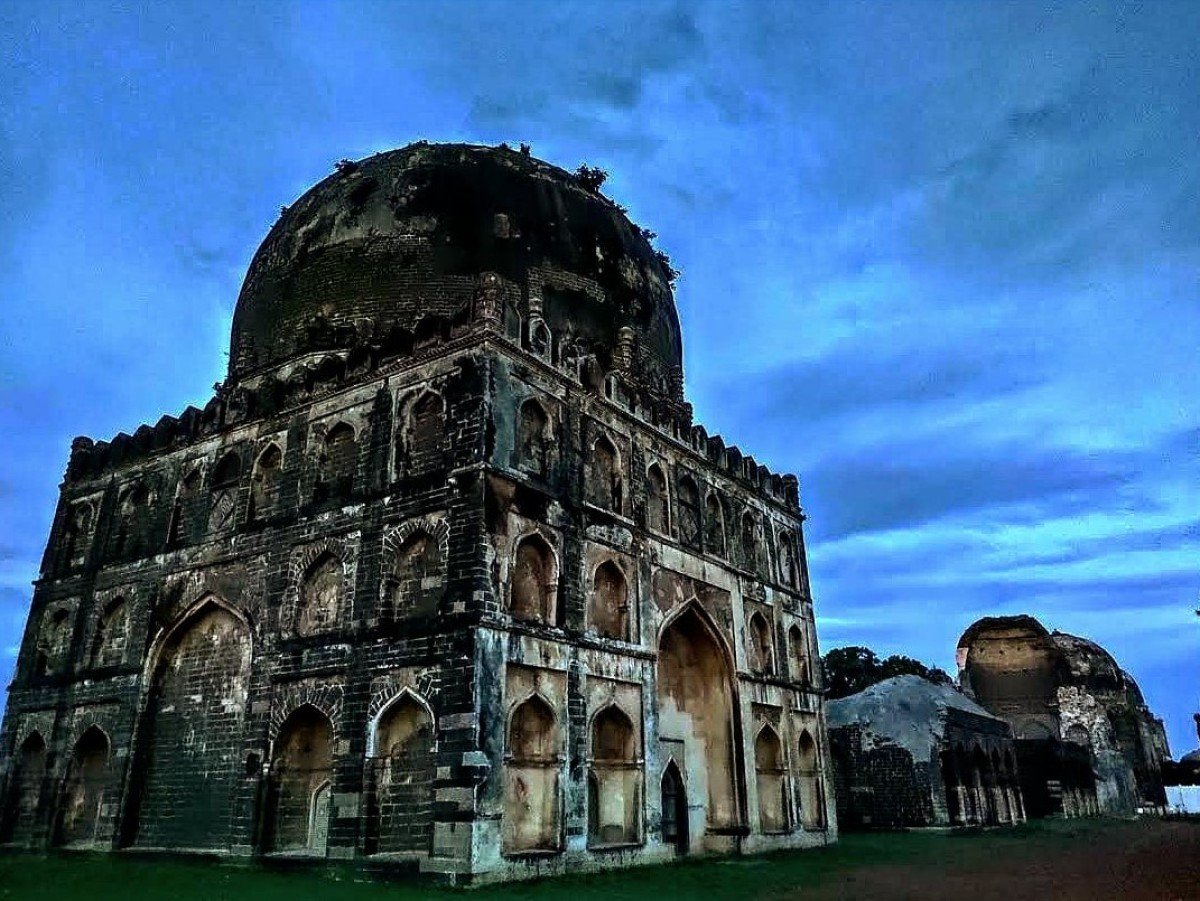
Ashtur Tombs at Sunset: The long shadows and golden light on the massive domes are a photographer's dream. The open landscape allows for unobstructed views.
Mahmud Gawan Madrasa: The surviving minaret with its blue tiles is very photogenic. Use the surrounding arches to create interesting compositions and perspectives.Photo Gallery


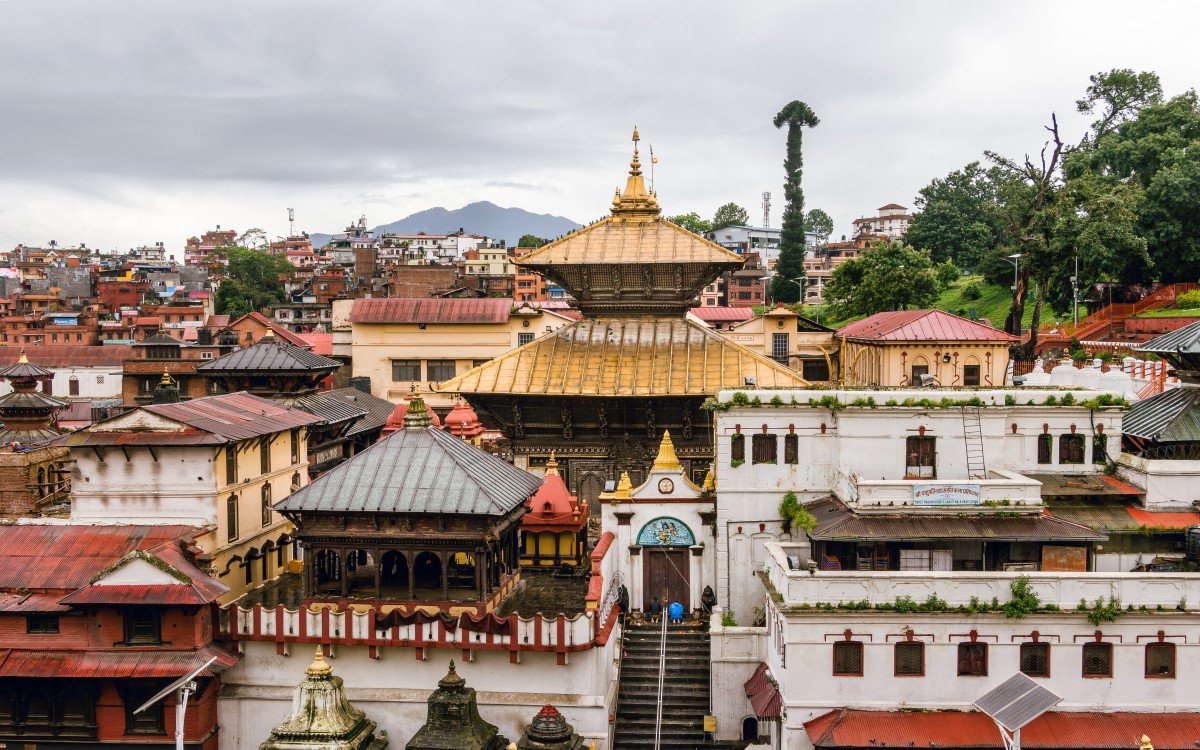
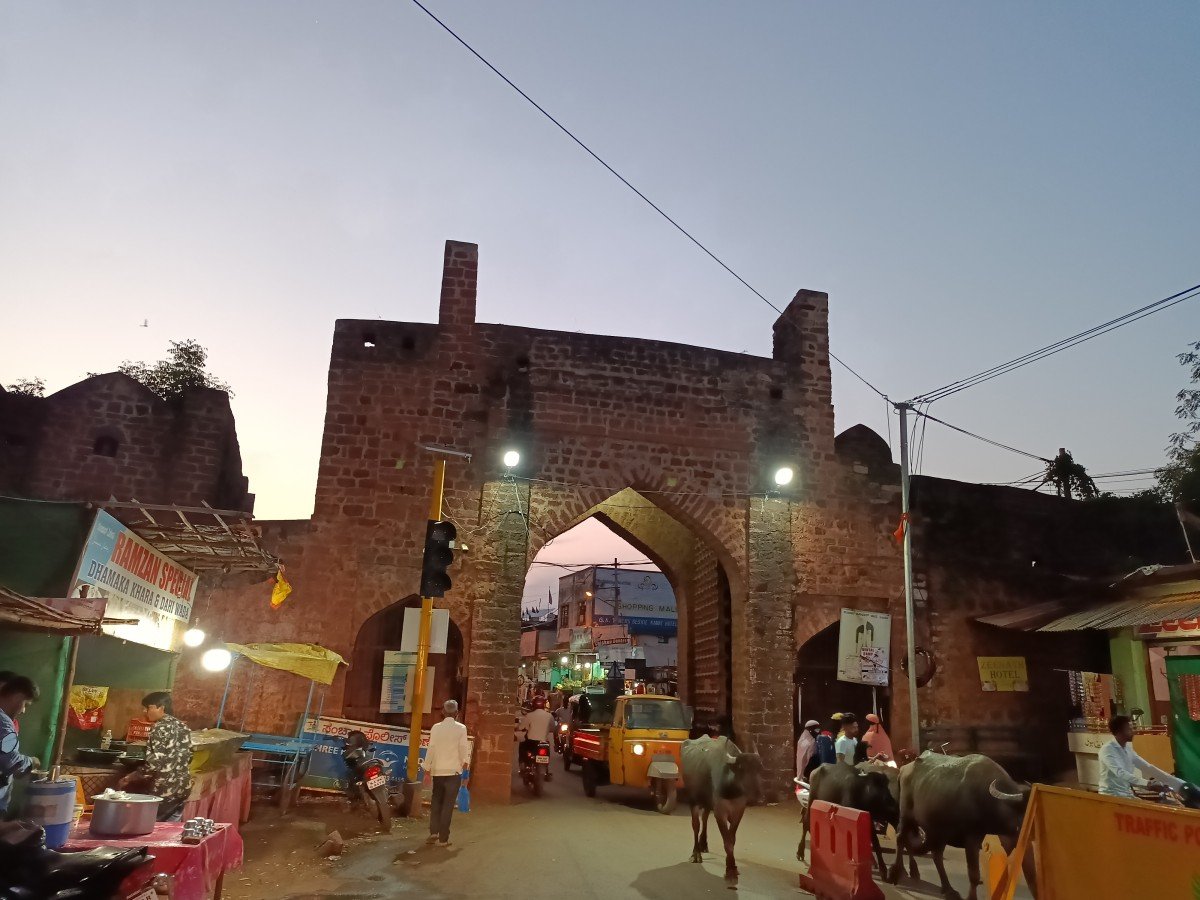
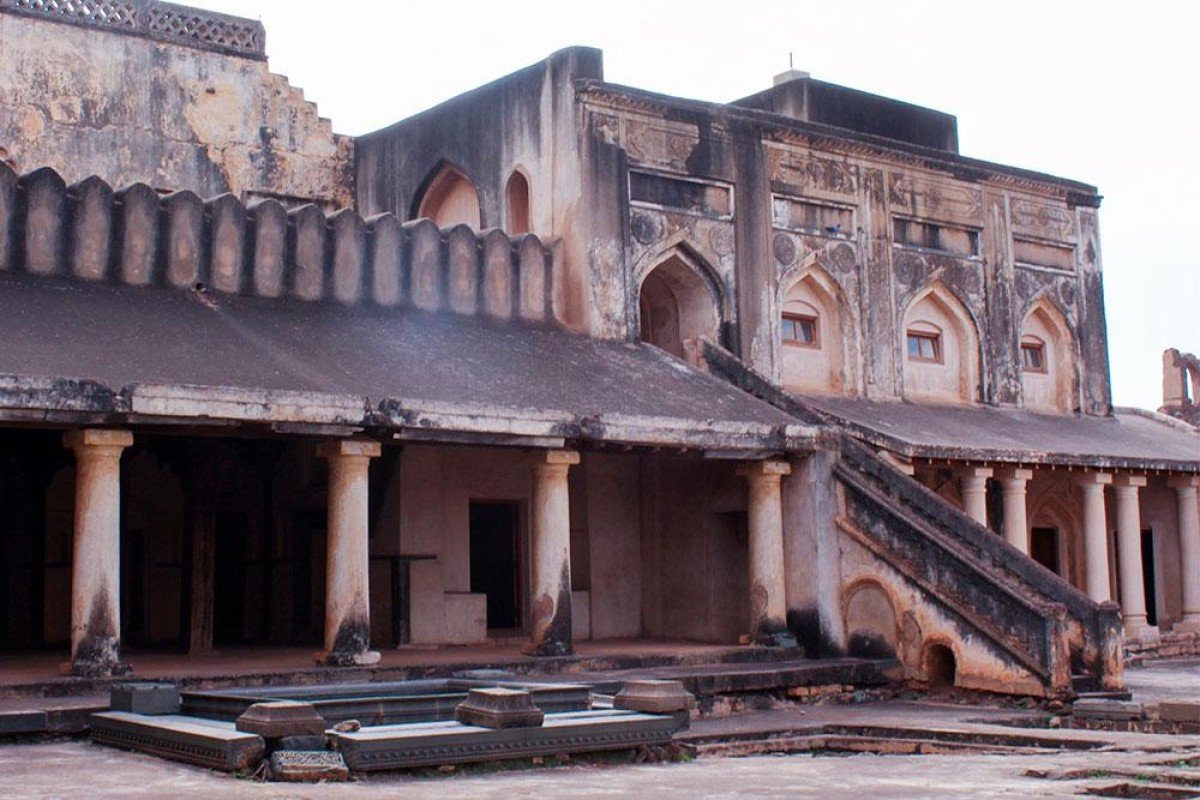
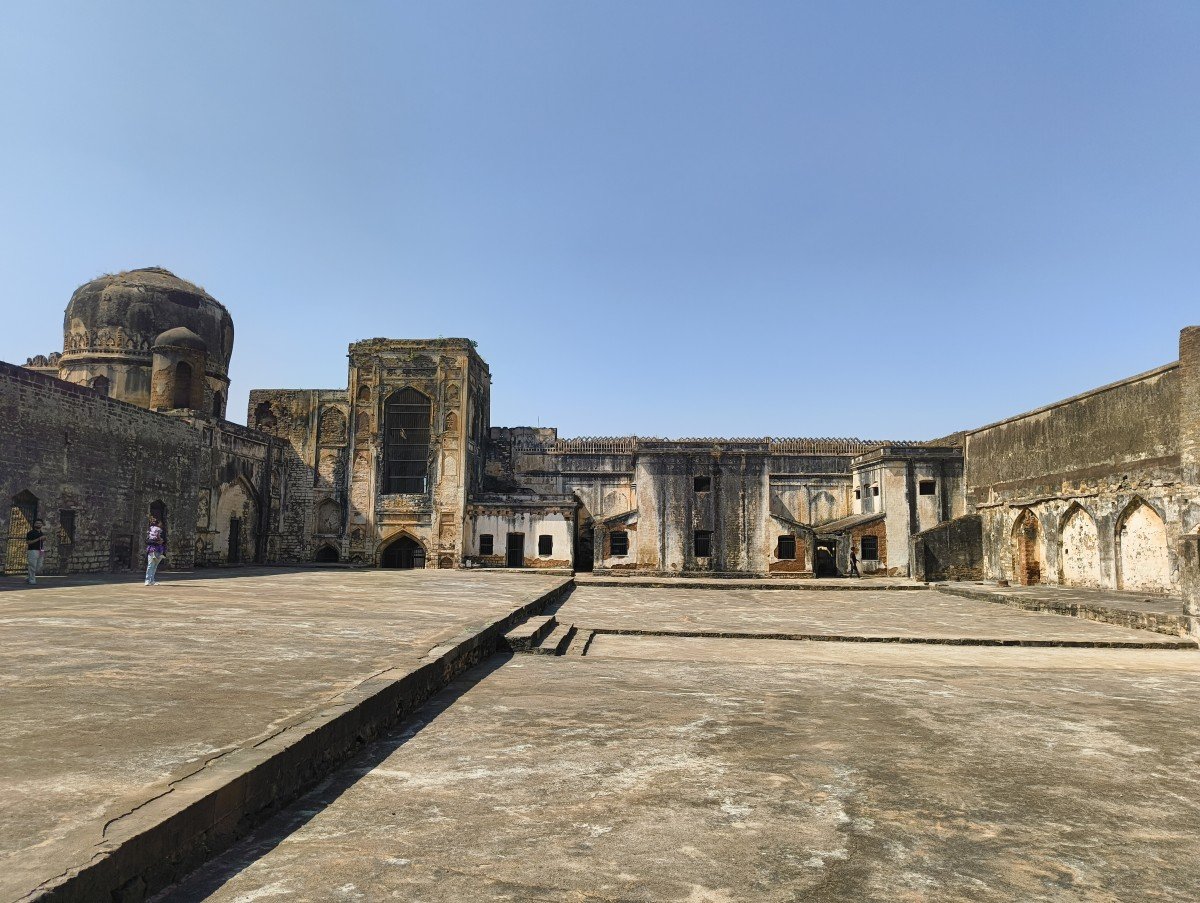

Things To Do
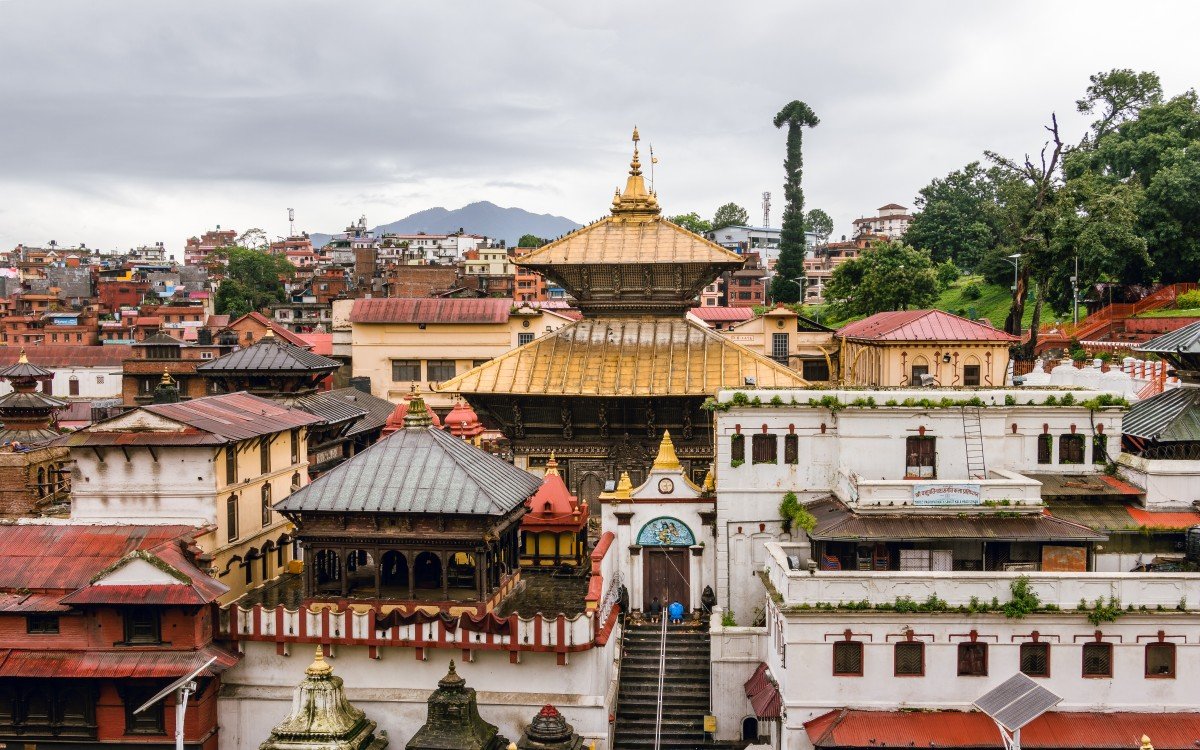
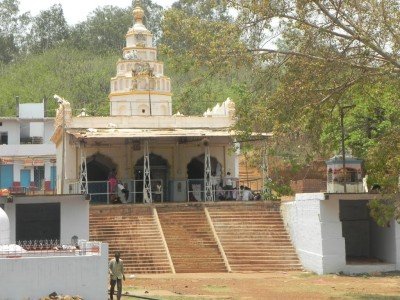 @@The Papnash Shiva Temple is a prominent and highly revered Hindu pilgrimage site located just outside the main city of Bidar. Its name, 'Papnash', literally translates to the 'Destroyer of Sins' (Pap meaning sin, Nash meaning destroy). The temple's immense religious significance is rooted in the local legend that the original Shiva Linga was installed by Lord Rama himself while he was returning to Ayodhya from Lanka after defeating Ravana. The temple complex is nestled in a scenic valley, at the foot of which lies a large, sacred natural spring-fed pond or lake, also known as Papnash. Devotees believe that taking a holy dip in the waters of the Papnash Lake will wash away all committed sins, drawing a large number of pilgrims throughout the year, especially during auspicious festivals. While the original ancient temple was lost to time, the current structure was built on the ruins of the original site, maintaining its historical and spiritual continuity. The natural spring that continuously feeds the lake adds to the sanctity and peaceful environment of the site, making it a place of both religious fervor and natural beauty.
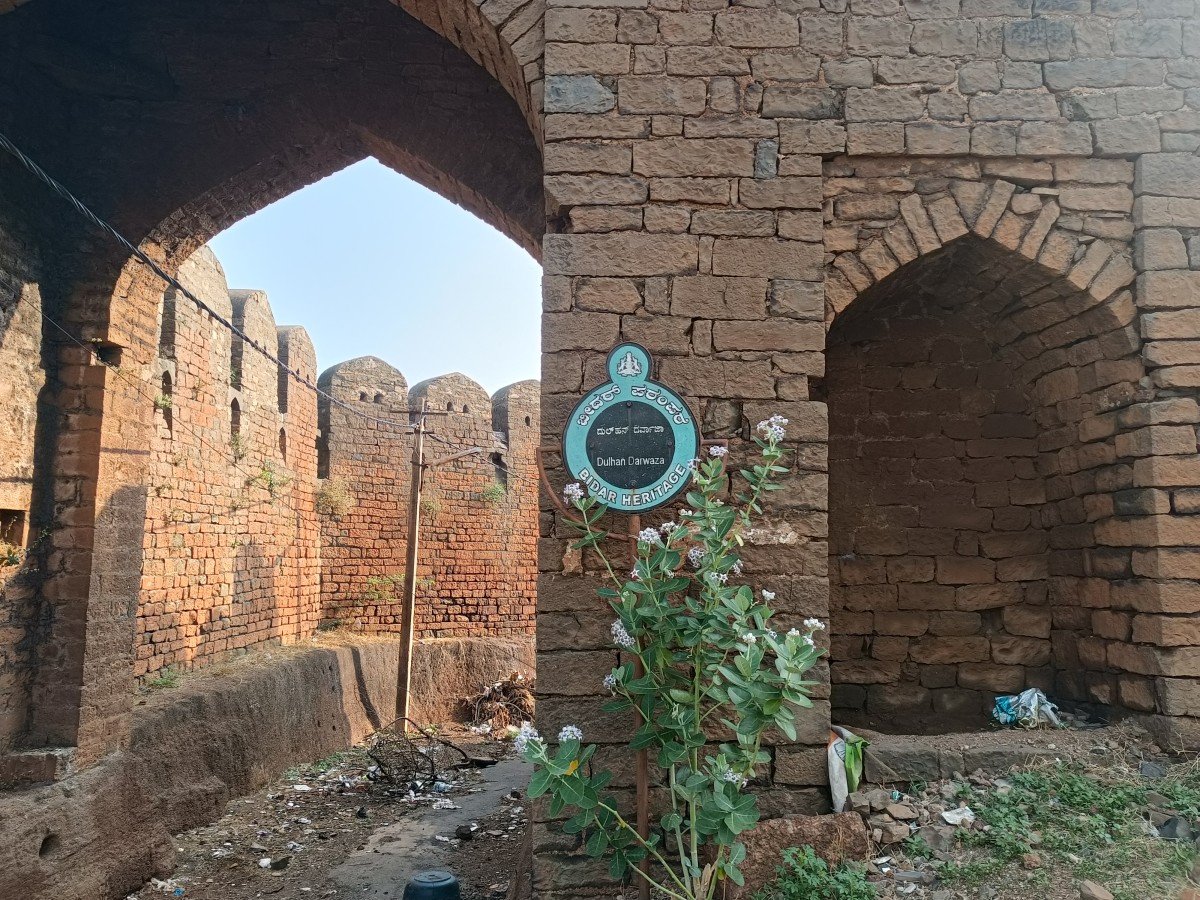
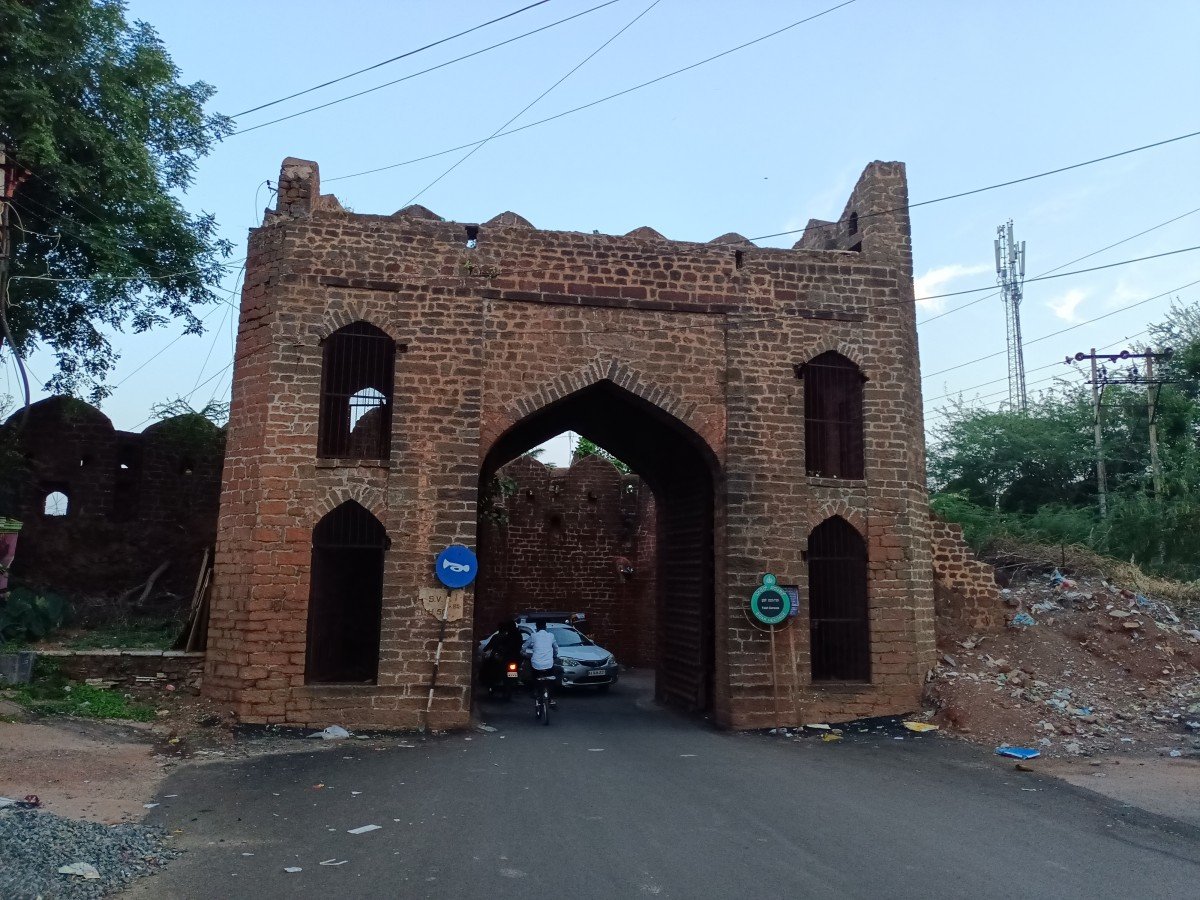
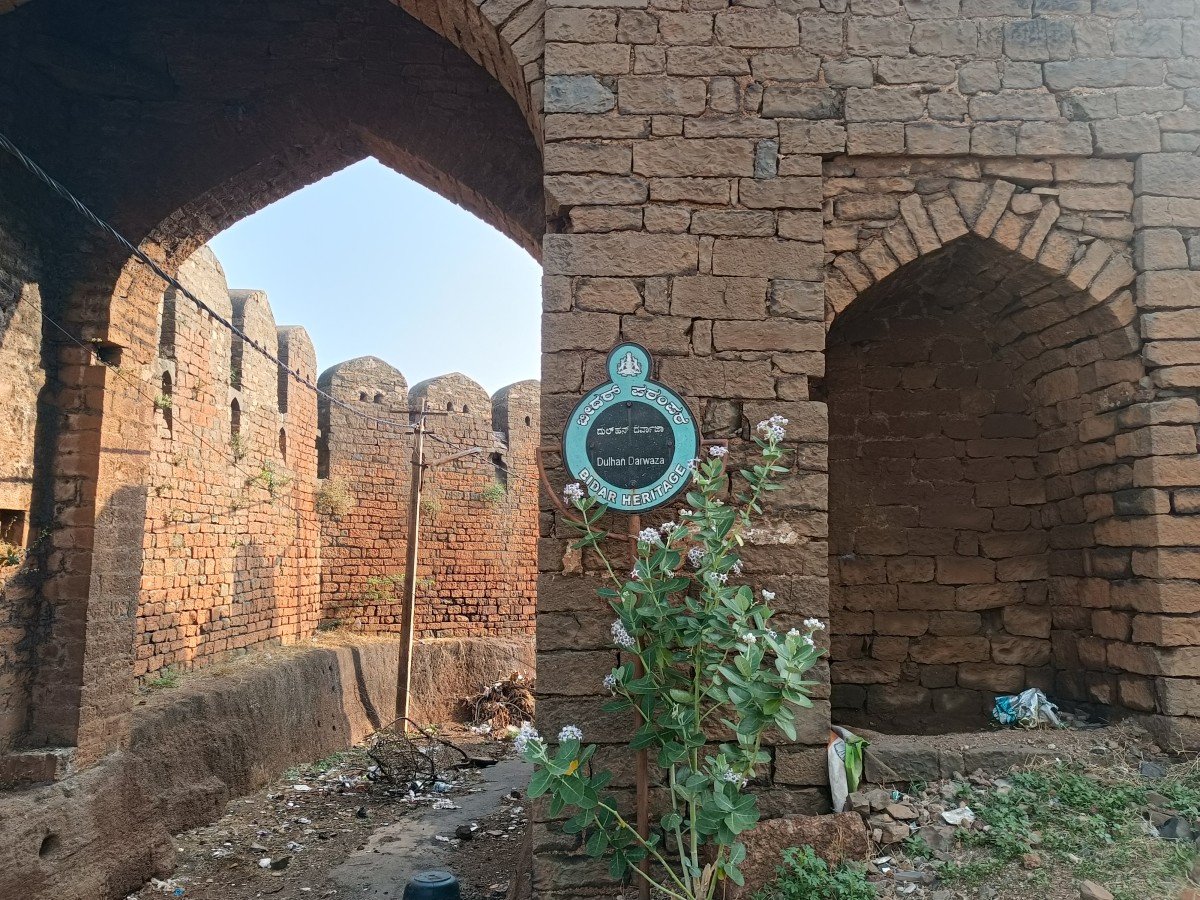
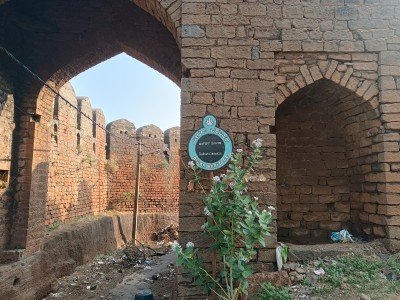 @@Historical Context: The Dulhan Darwaza is one of the important gateways forming the massive defense system of the historic Bidar Fort. This fort was substantially rebuilt and fortified by Sultan Ahmad Shah I Bahmani in the 15th century when he shifted the capital from Gulbarga to Bidar. The gates were crucial elements in the fort's triple-layered defenses and acted as strategic points for controlling access to the royal citadel and the city. Like other Darwazas (Fateh, Gumbaz, Sharza, etc.), the Dulhan Darwaza stood as a symbol of the Sultanate’s military and architectural might, safeguarding the wealth and power contained within the fort walls. The exact meaning or story behind the name 'Dulhan' (meaning 'bride') is less documented than other gates, suggesting a local folklore or a less martial association compared to Fateh Darwaza ('Victory Gate').:
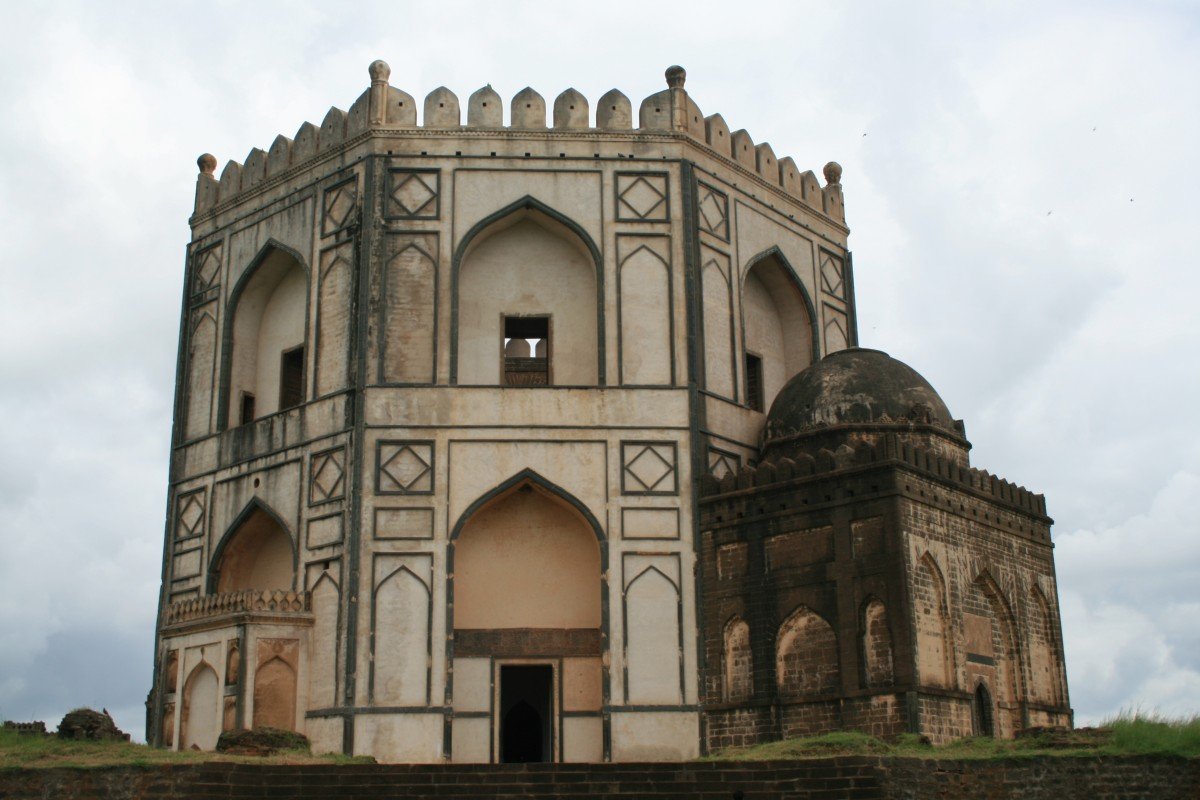
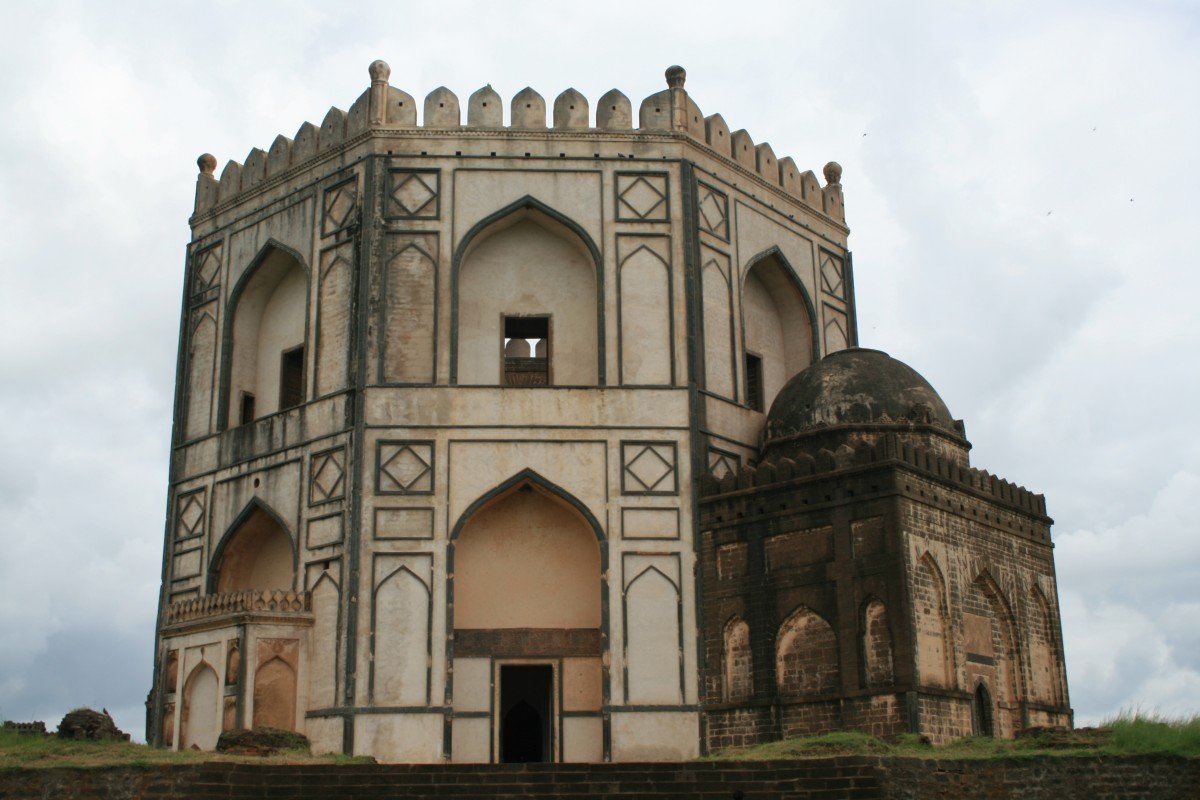
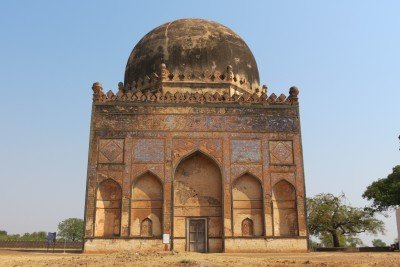 @@Historical Significance and Transfer of Capital: The tomb honors Sultan Ahmad Shah I (also known as Ahmad Shah Wali) who ruled from 1422 to 1436 CE and famously shifted the Bahmani capital from Gulbarga to Bidar in 1429, ushering in a golden era for the region: The Sultan earned the title "Wali" or "saint" after his prayer for rain ended a severe famine: His reign marked a major cultural and architectural transition in the Deccan: @@Tomb's Interior Splendour: It is renowned for its magnificent, fully painted interior, a rare feature among early Deccan tombs: The frescoes combine Persian, Turkish, and local influences, displaying intricate floral and calligraphic designs: The use of gold leaf, vermillion, and turquoise against a deep cobalt background creates a dazzling visual effect: @@Spiritual and Political Context: The tomb is situated in the Ashtoor necropolis, signifying the continuity and grandeur of the Bahmani lineage: The Sultan was personally inclined towards Shia tenets, which is subtly reflected in the tomb's ornamentation and the use of specific calligraphic panels: It stands as the earliest and one of the largest tombs in the complex, dominating the skyline:
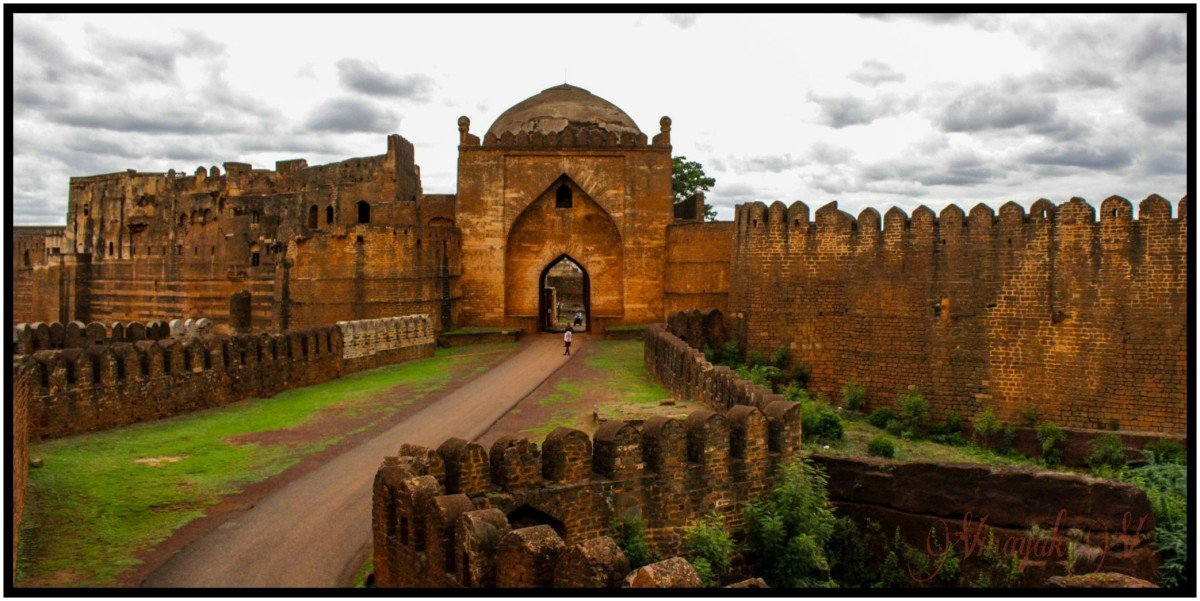
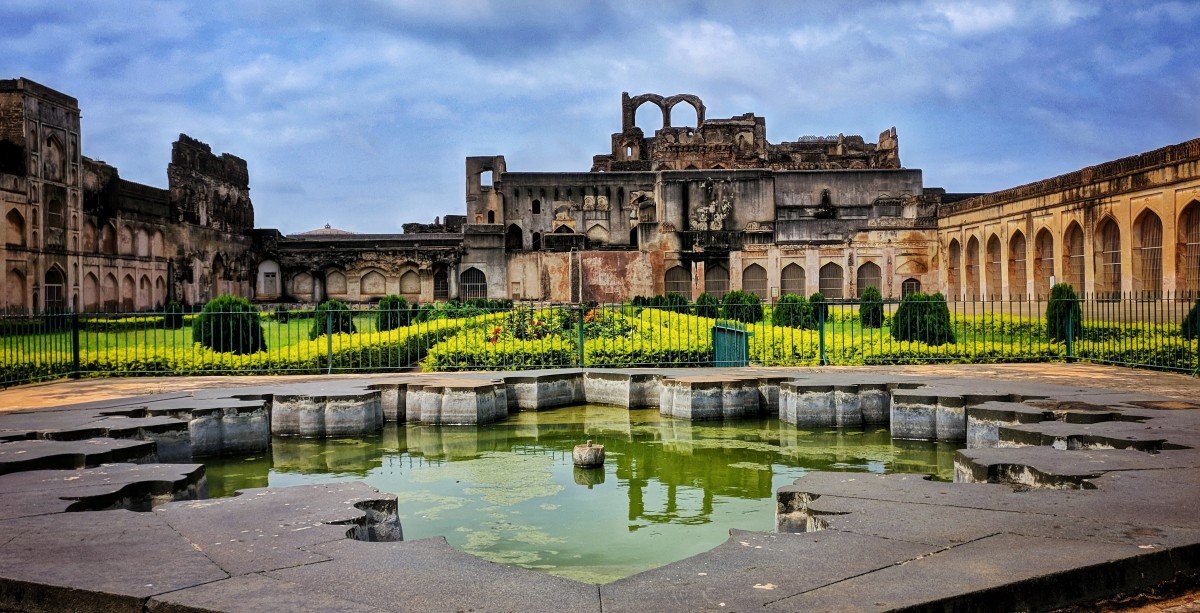
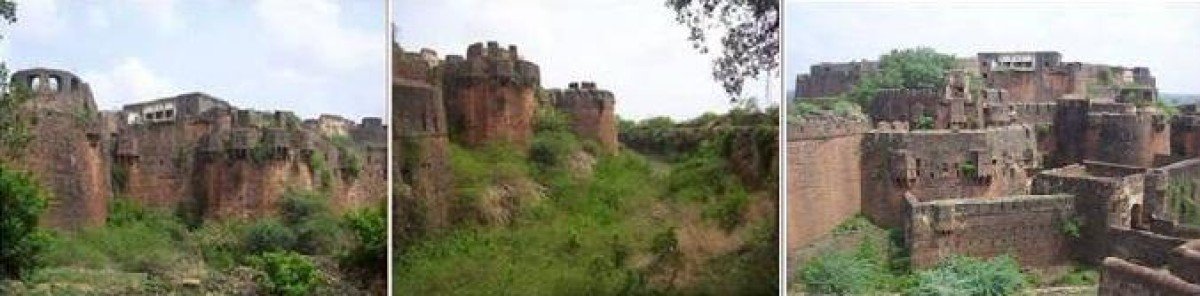
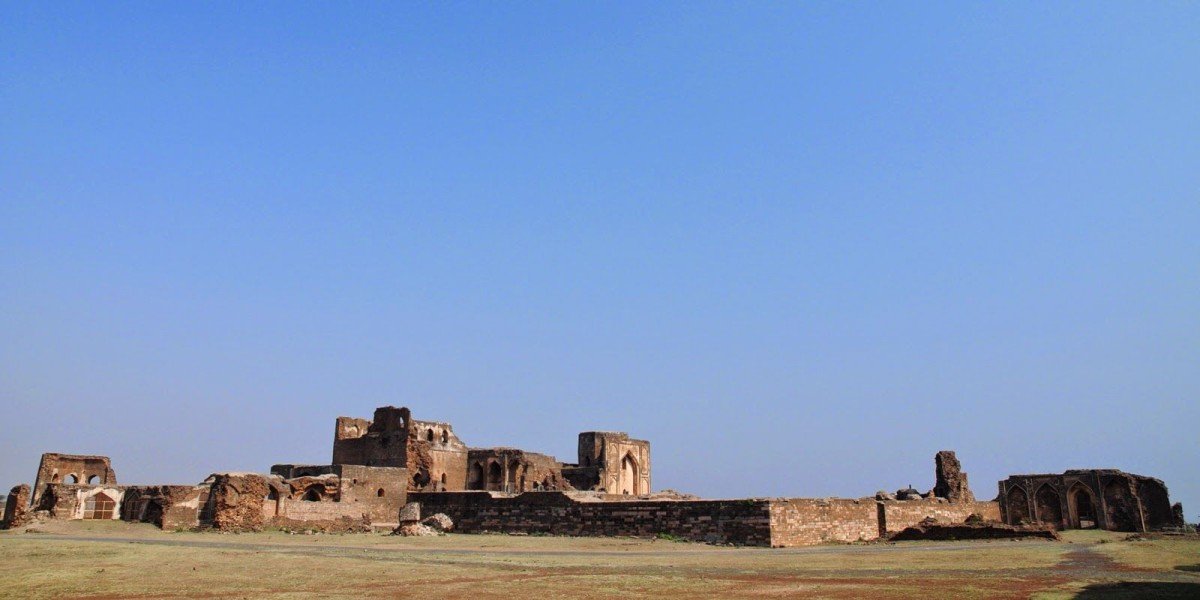
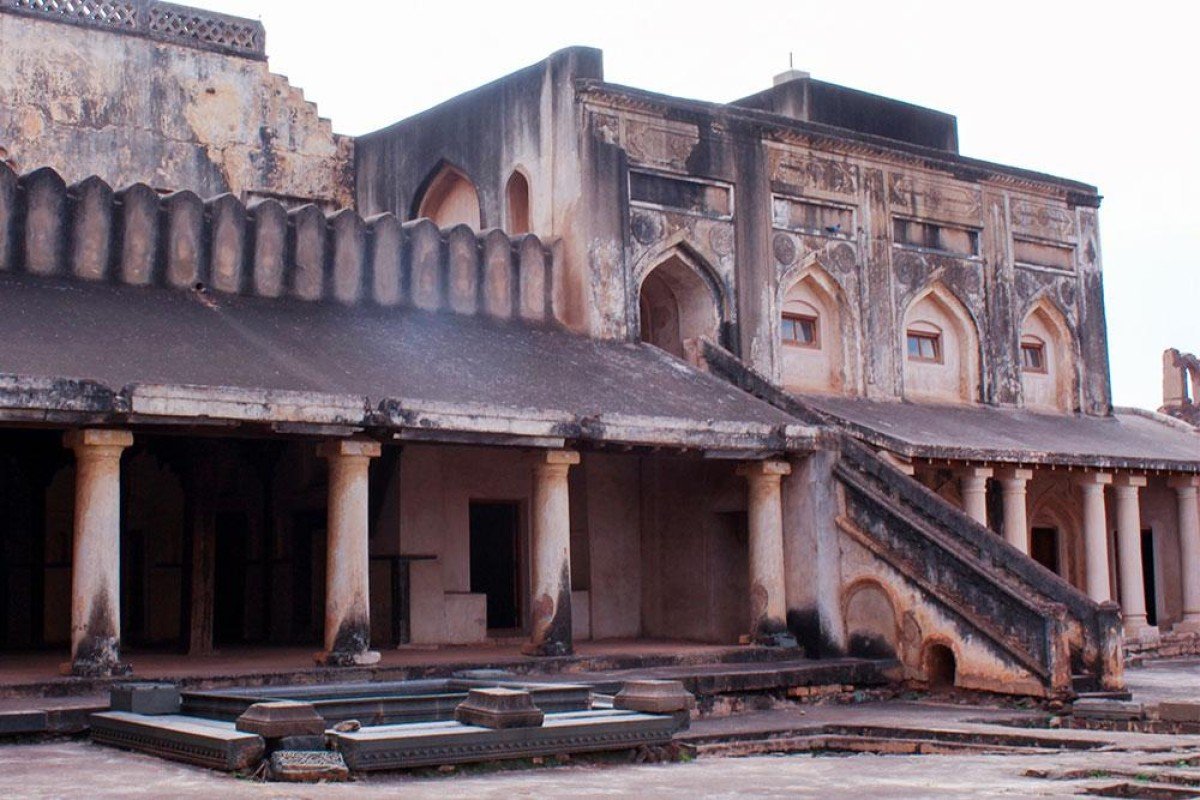
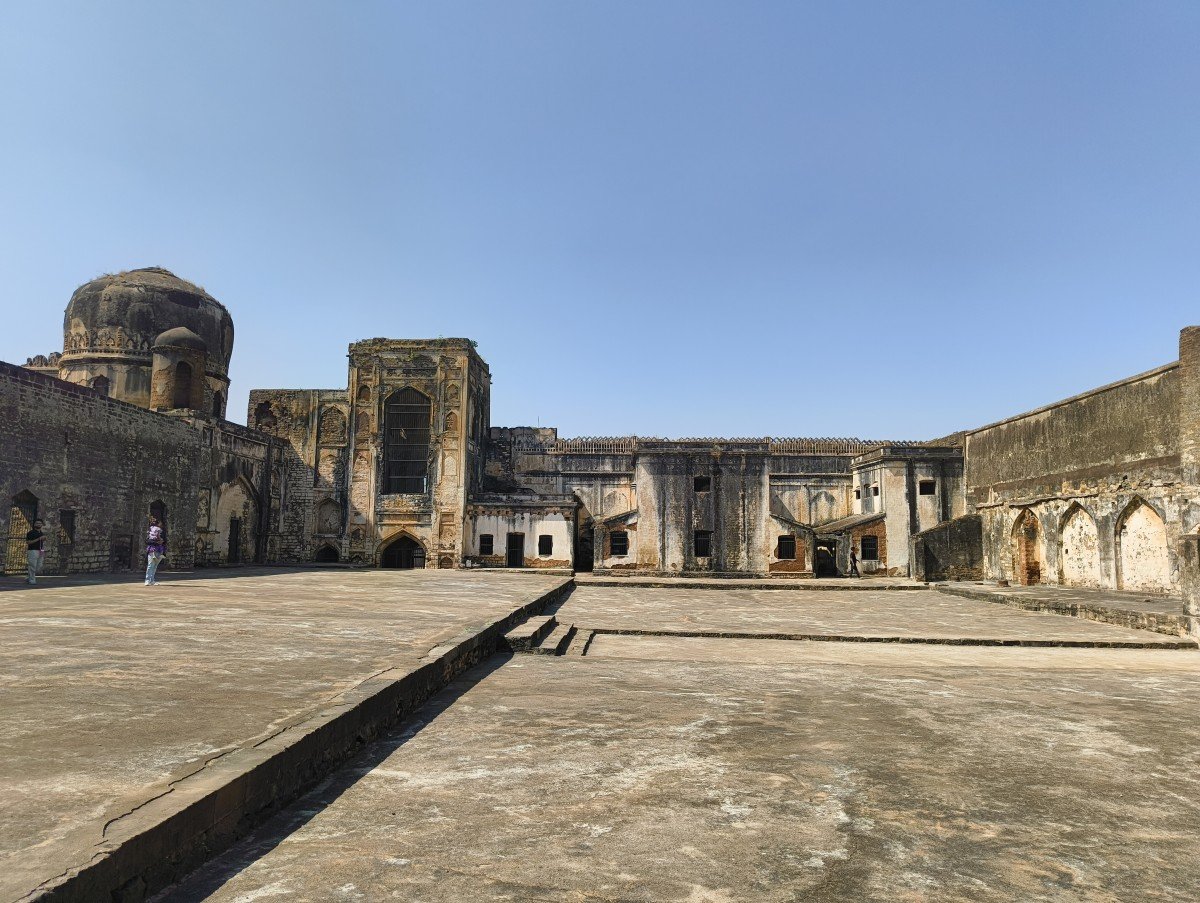
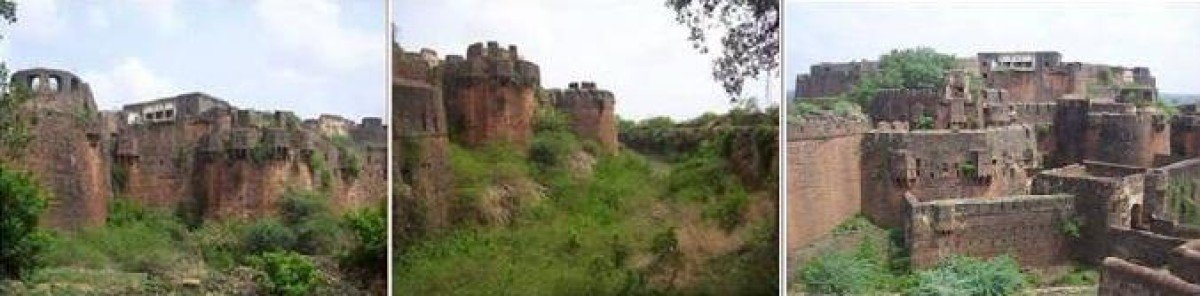
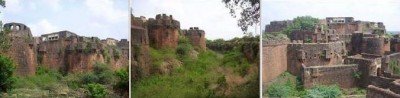 @@ Historical Heritage: Formerly known as Kalyani Fort, this massive defense structure was the royal capital of the Western Chalukya dynasty between 1050 and 1189. The fort was originally built by King Nalaraja in the 10th Century and later expanded by subsequent rulers including the Bahamanis and Sultans. It is strategically located at the intersection of major trade routes, making it a prized possession for many empires. The fort has witnessed countless battles and serves as a silent witness to the rise and fall of the Kalachuri and Yadava dynasties. Today, it stands as a magnificent ruin that showcases the military brilliance of ancient India.
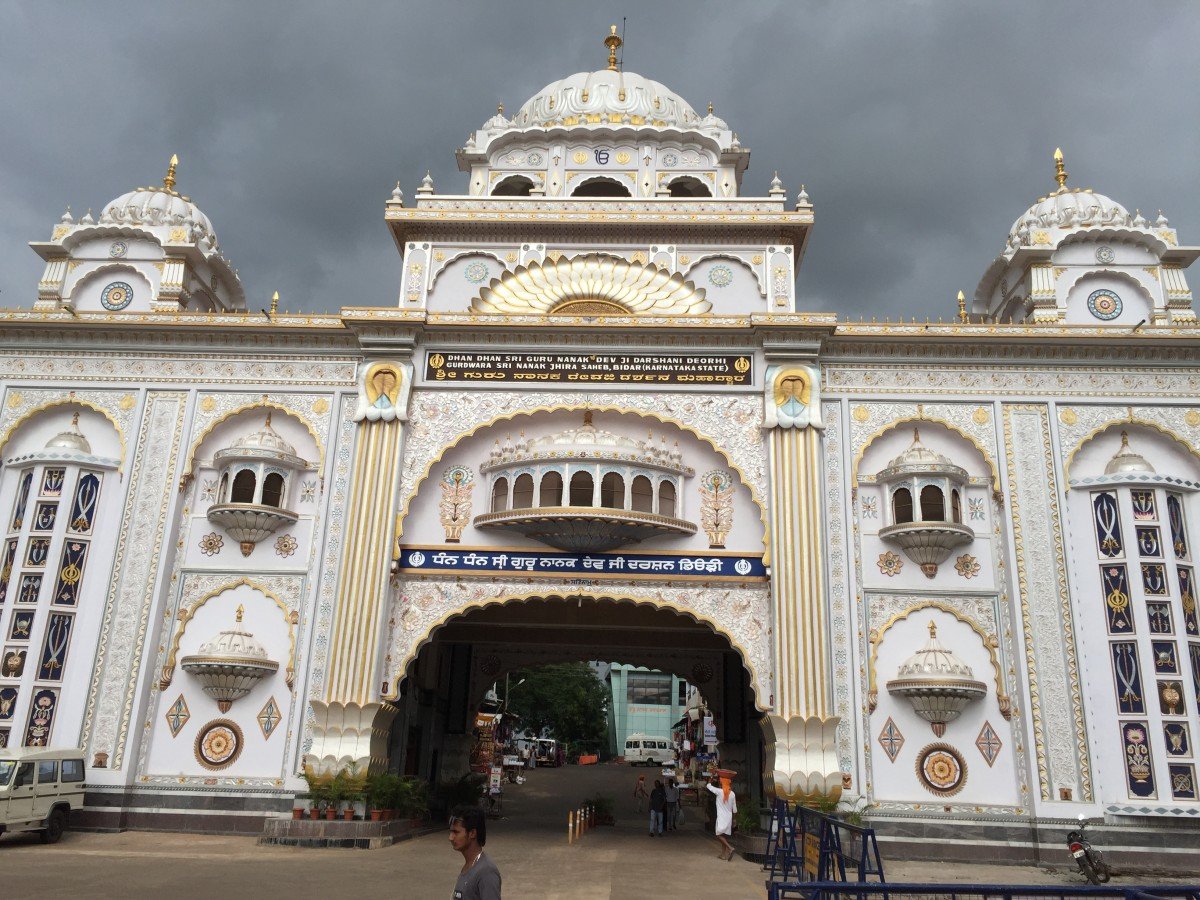
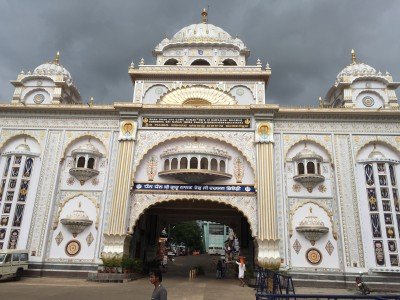 @@Historical Context: Guru Nanak Jhira Sahib is a highly revered historical Sikh shrine (Gurdwara) dedicated to the first Sikh Guru, Guru Nanak Dev Ji. It is believed that Guru Nanak Dev Ji visited Bidar during his second missionary tour (Udasi) of South India between 1510 and 1514 AD, accompanied by his companion Mardana. He stayed on the outskirts of the town where the Gurdwara now stands. The local people of Bidar suffered from a severe water shortage, with all efforts to dig wells yielding only salty water. Moved by their plight, Guru Nanak touched the hillside with his wooden sandal, and a continuous stream (Jhira) of cool, sweet, and fresh water miraculously gushed out. This stream has flowed ever since, leading the spot to be called Nanak Jhira. The present-day Gurdwara complex, built over the original spot, is a significant place of pilgrimage, not only for Sikhs but for people of all faiths, symbolizing the Guru's compassion and power.:
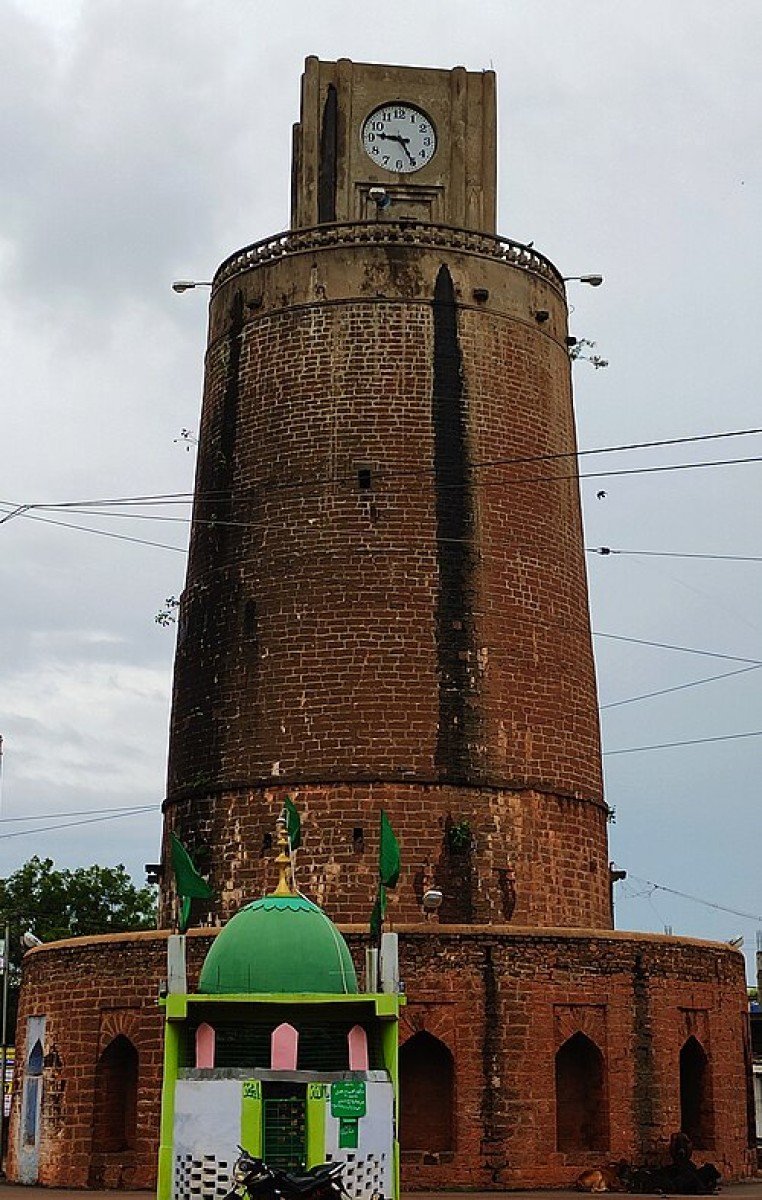
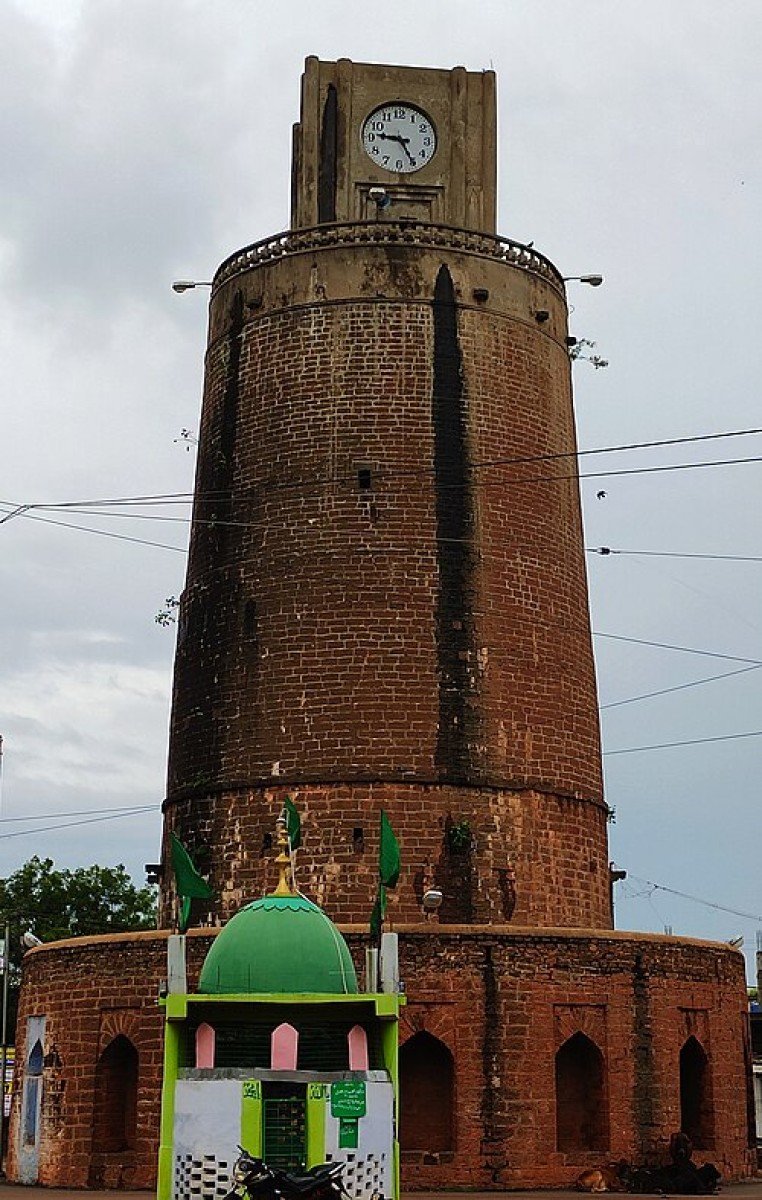
 @@Tribute to a Social Reformer: The circle is named after Basaveshwara (Basavanna), the 12th-century philosopher, statesman, and social reformer who founded the Lingayat movement, a significant religious and social force in Karnataka and the Deccan region: It features a prominent statue of the reformer: @@Modern City Landmark: Located in the bustling Naubad area, the circle is a major intersection and a contemporary landmark of Bidar city, marking the confluence of important highways and roads: It acts as a gateway and a key point of reference for all local transport and navigation: @@Symbol of Local Pride: The statue and the circle symbolize the local respect and reverence for Basaveshwara and the Veerashaiva/Lingayat traditions, which are deeply woven into the fabric of Karnataka's cultural and political identity: It is a center for civic activity: @@A Traffic and Commercial Hub: Unlike the ancient monuments, this location represents the modern, commercial, and administrative pulse of Bidar, surrounded by educational institutions, banks, and major businesses, including those in the Naubad Industrial Area:
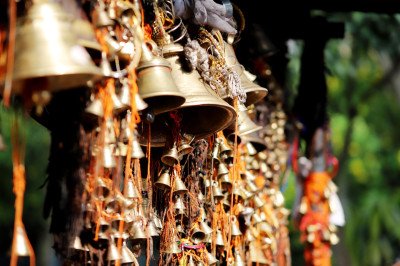 @@ Mythological Roots: This ancient temple is dedicated to Mailar Mallanna, a fierce manifestation of Lord Shiva also known as Khandoba. The legend says that Shiva took this form to defeat the demons Malla and Mani who were terrorizing the sages. After a fierce battle, the demons were slain, and the elder demon Malla repented, asking the Lord to include his name in the Lord's own title. Thus, the deity is called Mallar (after Malla) and Mallanna (Shiva). The temple is a significant pilgrimage site for the Kuruba community and attracts millions of devotees from Maharashtra, Telangana, and Karnataka.Show All
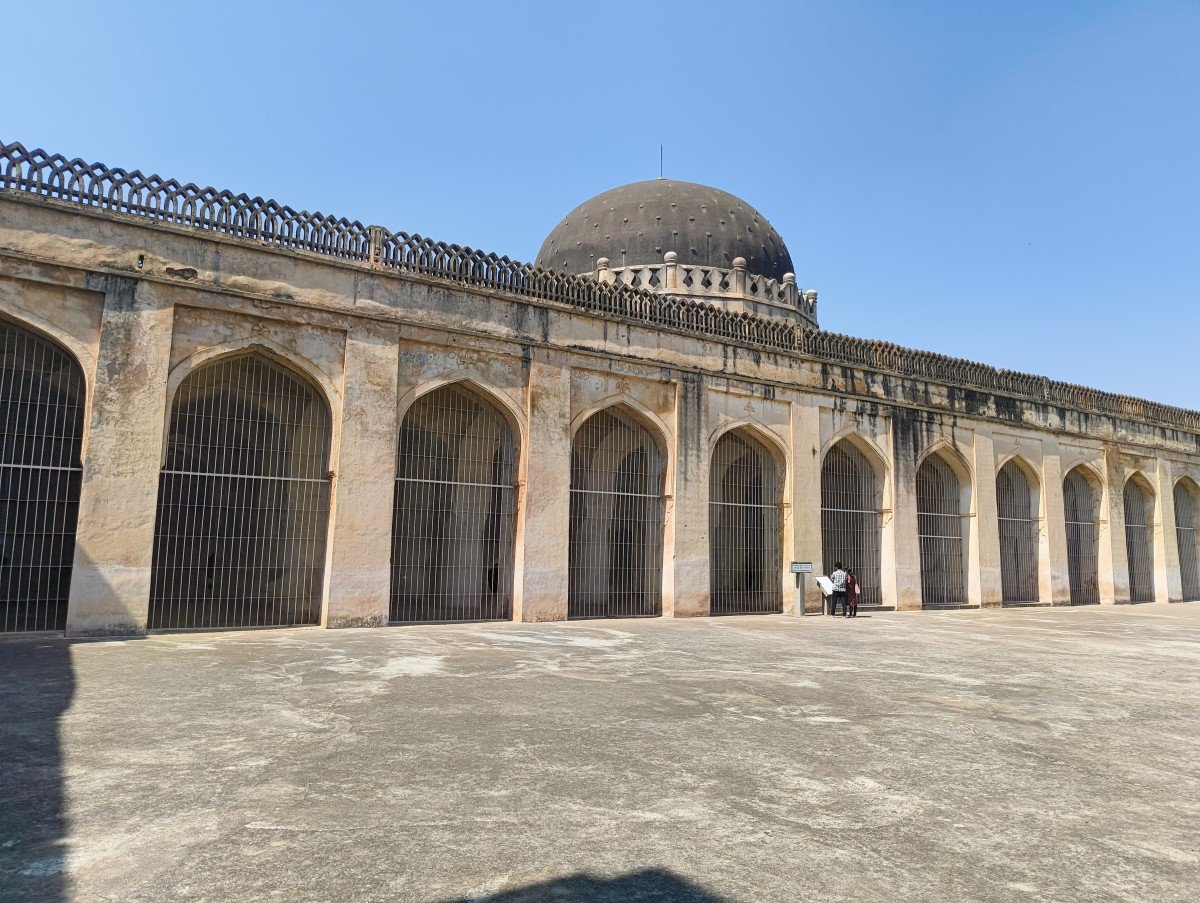
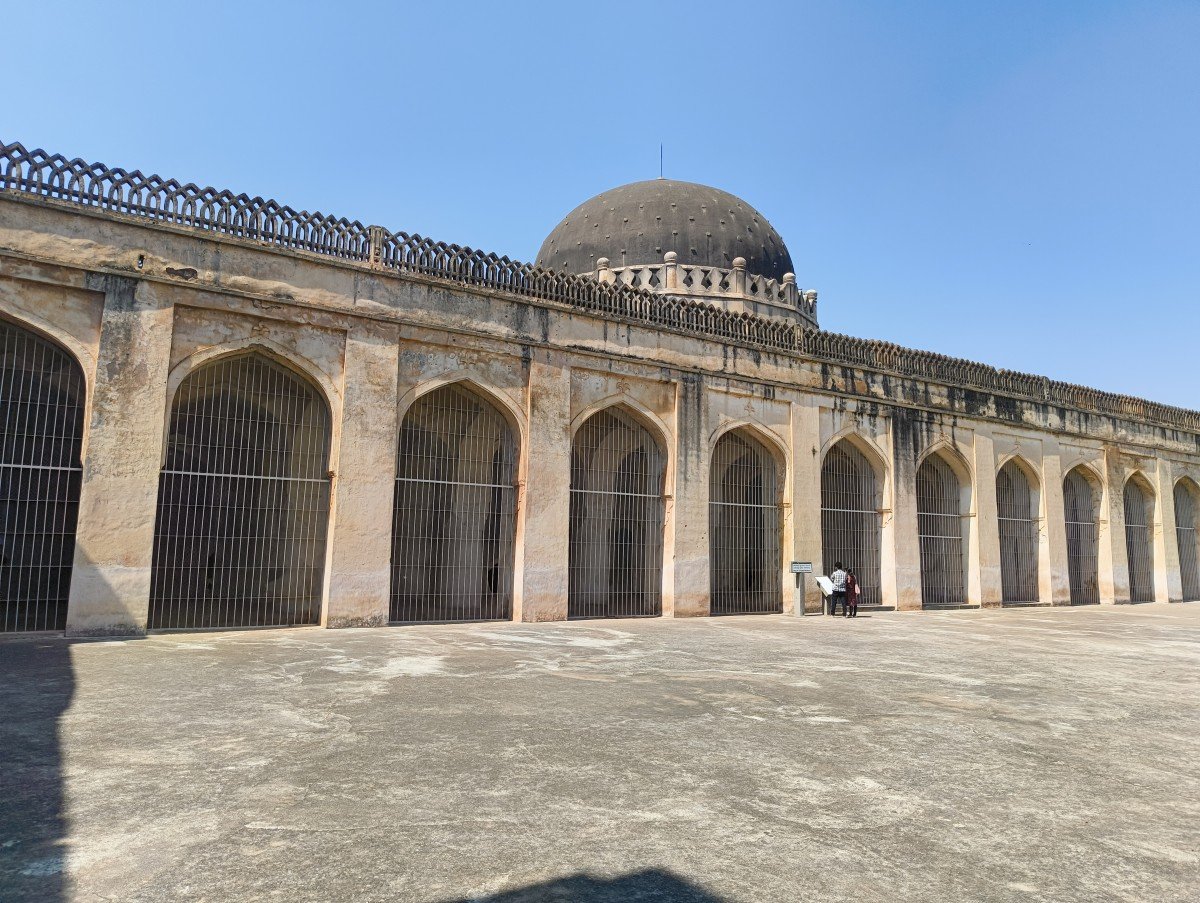
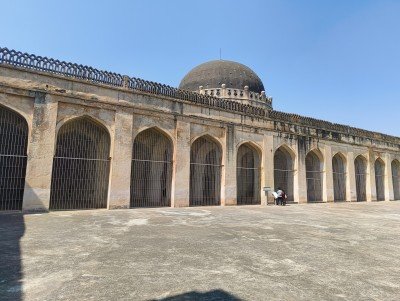 @@Historical Context and Name Origin: The Solah Khamba Mosque, also known as the Zanana Masjid or Jami Masjid (Friday Mosque), is one of the largest and oldest mosques in Bidar. It was constructed in 1423-24 AD by Qubli Sultani, during the reign of Ahmad Shah I Bahmani, soon after the capital was shifted to Bidar. The popular name 'Solah Khamba' translates to 'Sixteen Pillars' and refers to the sixteen supporting columns in the central prayer hall that were originally visible. It served as the principal mosque for the Bahmani and later Barid Shahi rulers, hosting major religious ceremonies and Friday prayers. In 1656, when Aurangzeb conquered Bidar, the khutba (sermon) was recited here in his father's name, Shah Jahan, confirming its political importance. The mosque is a magnificent example of the early Deccani style of Indo-Islamic architecture. It is an active place of worship and a protected historical monument within the Bidar Fort complex. :
Information
-
Why Famous:
Bidriware Art: The world-famous metal craft is the most significant cultural export of the city. Every piece is handcrafted with precision and reflects the city's royal past.
Formidable Fort: Bidar Fort is considered one of the strongest an...Bidriware Art: The world-famous metal craft is the most significant cultural export of the city. Every piece is handcrafted with precision and reflects the city's royal past.
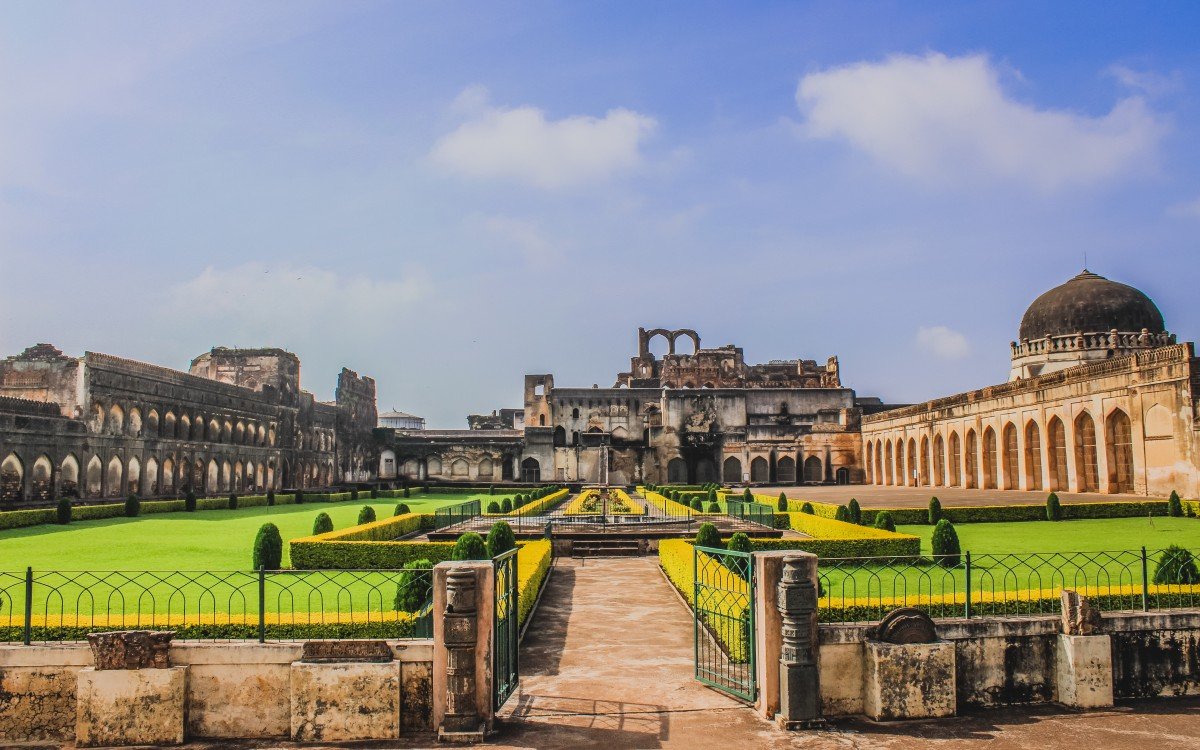
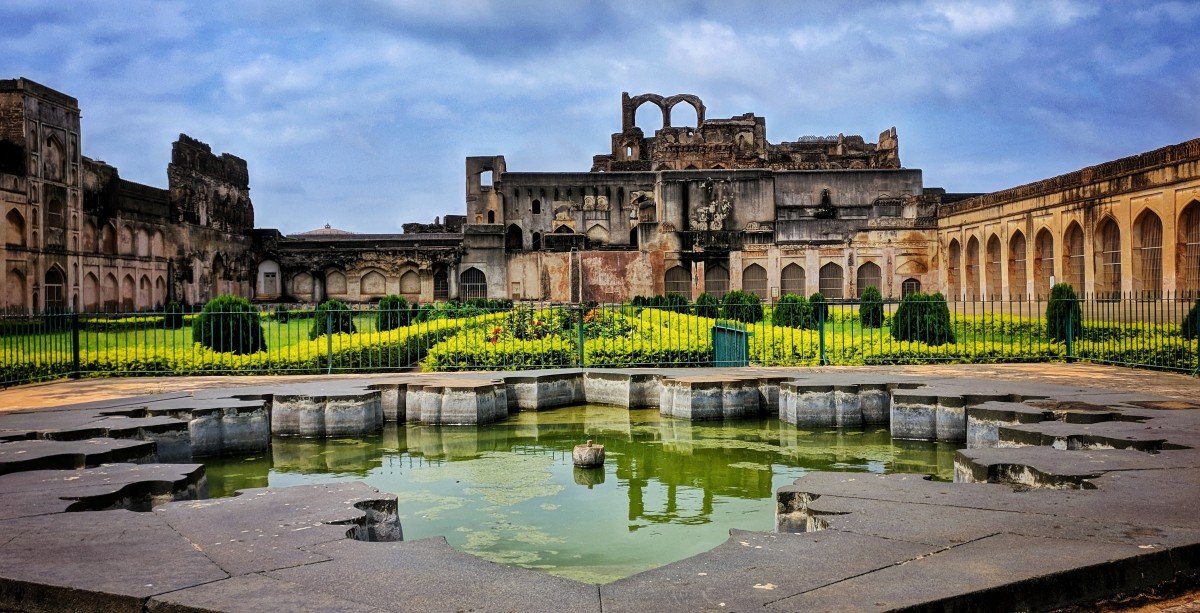
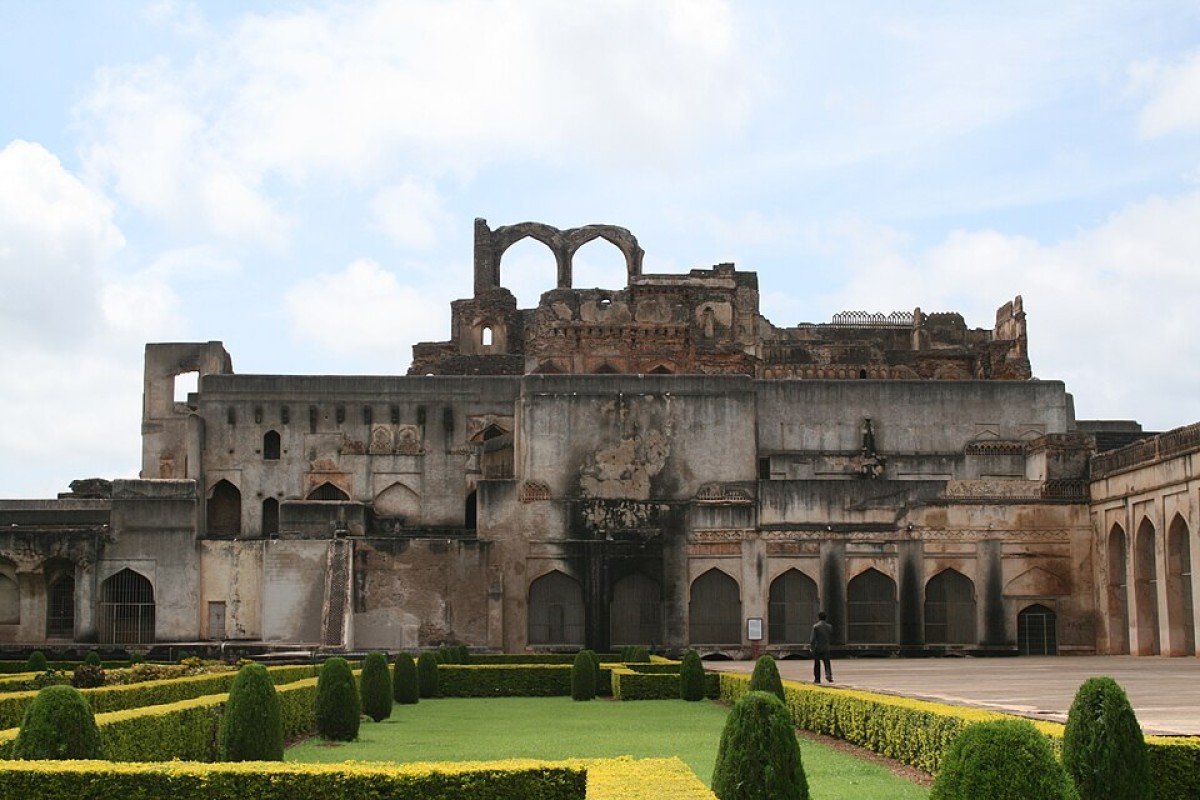
Formidable Fort: Bidar Fort is considered one of the strongest and most well-planned forts in India. Its unique water supply system and defense features are still studied by historians.
Nanak Jhira Sahib: A major pilgrimage site for Sikhs, this Gurudwara commemorates Guru Nanak's visit. The natural spring here is believed to have healing properties.
Religious Harmony: The city has a peaceful co-existence of Islamic monuments, Hindu temples, and Sikh shrines. This spiritual diversity is a hallmark of Bidar's culture. -
Architecture:
Persian Influence: The architecture is heavily influenced by Persian styles, especially in the domes and tile work. The use of blue and green glazed tiles is a signature feature.
Rangeen Mahal Details: This palace features mother-of-pearl i...Persian Influence: The architecture is heavily influenced by Persian styles, especially in the domes and tile work. The use of blue and green glazed tiles is a signature feature.
Rangeen Mahal Details: This palace features mother-of-pearl inlay work on black basalt stone. The wooden pillars and ceilings are carved with intricate floral patterns.
Solah Khamba Mosque: Built in 1424, this mosque is named for the 16 massive pillars supporting its roof. It features a large central dome and a simple, elegant design.
Ashtur Tombs: These funerary structures have massive domes, some over 30 meters high. The interiors are decorated with colorful frescoes and Quranic inscriptions. -
How To Reach:
By Air: The nearest major airport is Hyderabad (140 km away). Bidar has a domestic airport with limited connectivity to Bengaluru.
By Train: Bidar is well-connected by rail to Hyderabad, Bengaluru, and Mumbai. The railway station is centra...By Air: The nearest major airport is Hyderabad (140 km away). Bidar has a domestic airport with limited connectivity to Bengaluru.
By Train: Bidar is well-connected by rail to Hyderabad, Bengaluru, and Mumbai. The railway station is centrally located and convenient.
By Road: Regular buses run from Hyderabad, Gulbarga, and Bengaluru. The drive from Hyderabad is very smooth and takes about 3 to 4 hours.
By Local Transport: Auto-rickshaws are the main mode of travel within the city. Most monuments are relatively close to each other, making travel easy. -
Weather and Best Time to Visit:
Winter Season: October to March is the ideal time with temperatures between 15°C and 25°C. This is the best time for exploring the massive fort area.
Monsoon Season: July to September makes the surrounding plateaus look green and beautifu...Winter Season: October to March is the ideal time with temperatures between 15°C and 25°C. This is the best time for exploring the massive fort area.
Monsoon Season: July to September makes the surrounding plateaus look green and beautiful. However, some areas of the fort might get slippery.
Daytime Planning: Start your day early with the Fort and Madrasa. Keep the indoor visits like the Gurudwara or shopping for the warmer afternoon hours. -
Near Tourist Places:
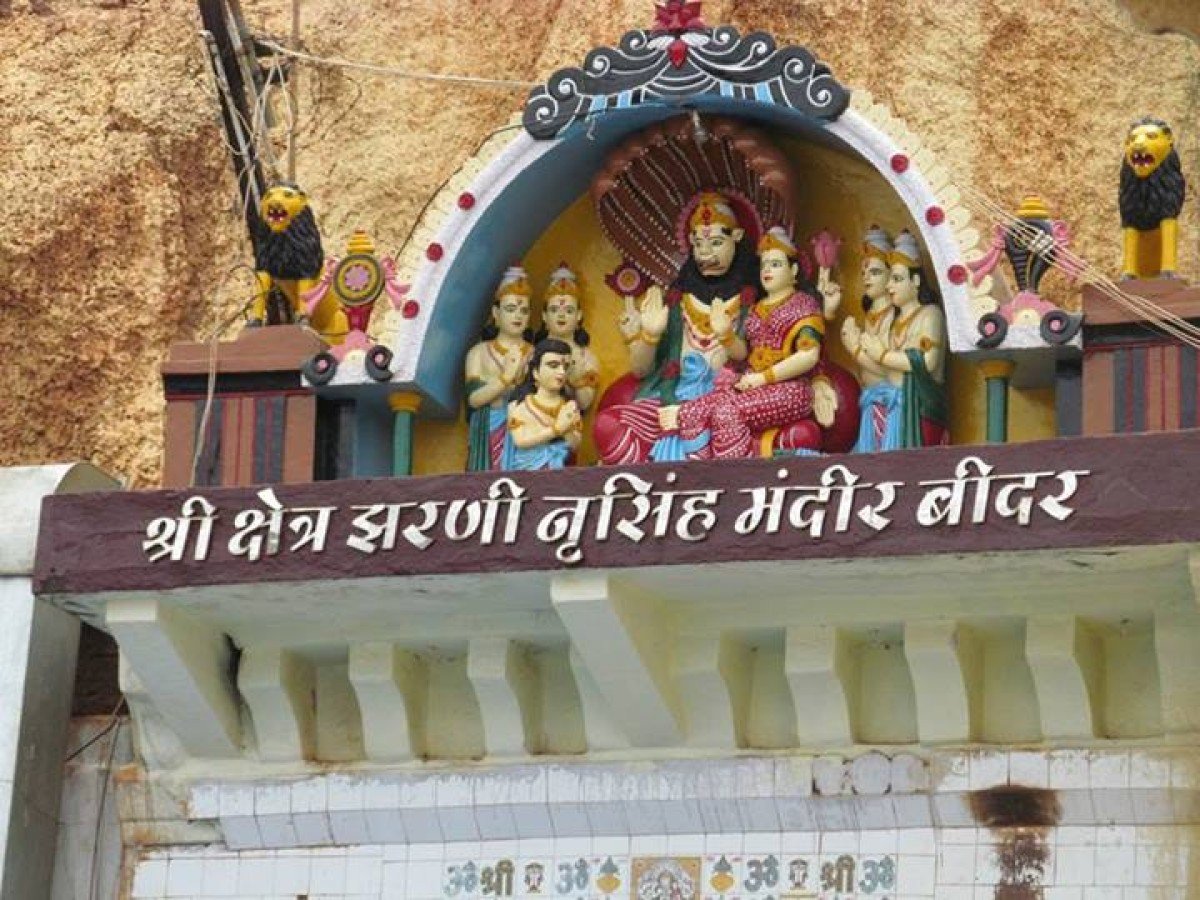
Gulbarga (110 km), Basavakalyan (80 km), Hyderabad (140 km), Jalkote (65 km), Humnabad (52 km), Jharni Narasimha (5 km), Ashtur Tombs (4 km), Chaukhandi (5 km), Vilaspur Lake (12 km), Ketaki Sangameshwara (35 km).
Tourism Tips
-
Health & Safety: Carry plenty of water as the fort area is vast and requires a lot of walking. Wear a hat and comfortable shoes for the rocky terrain.
Packing Tips: Light cotton clothes are best. If visiting in winter, carry a light shawl ...Health & Safety: Carry plenty of water as the fort area is vast and requires a lot of walking. Wear a hat and comfortable shoes for the rocky terrain.
Packing Tips: Light cotton clothes are best. If visiting in winter, carry a light shawl or jacket for the cool mornings and late evenings.
Accommodation: There are several budget and mid-range hotels near the railway station and bus stand. For a better experience, stay in heritage-style guest houses.
Shopping Tip: When buying Bidriware, look for the GI tag to ensure authenticity. Bargaining is common in the local markets of the old city.
Reviews
FAQs
Bidar Itineray And Cost:-
Other Places In Karnataka :-
Other States In India :-
Information about New and Updated Locations() of Karnataka Has Been Added :-
Card subtitle
Note:-
Information provided here in good Faith and for reference only.
Near Places
Badami
Some quick example text to build on the card title and make up the bulk of the card's content.
Go somewhere
Belagavi
Some quick example text to build on the card title and make up the bulk of the card's content.
Go somewhere
Belur
Some quick example text to build on the card title and make up the bulk of the card's content.
Go somewhere
Bengaluru
Some quick example text to build on the card title and make up the bulk of the card's content.
Go somewhere
Bidar
Some quick example text to build on the card title and make up the bulk of the card's content.
Go somewhere
Chamarajanagar
Some quick example text to build on the card title and make up the bulk of the card's content.
Go somewhere
Chikkaballapur
Some quick example text to build on the card title and make up the bulk of the card's content.
Go somewhere
Chikmagalur
Some quick example text to build on the card title and make up the bulk of the card's content.
Go somewhere
Coorg
Some quick example text to build on the card title and make up the bulk of the card's content.
Go somewhere
Dandeli
Some quick example text to build on the card title and make up the bulk of the card's content.
Go somewhere
Davangere
Some quick example text to build on the card title and make up the bulk of the card's content.
Go somewhere
Dharmasthala
Some quick example text to build on the card title and make up the bulk of the card's content.
Go somewhere
Gokarna
Some quick example text to build on the card title and make up the bulk of the card's content.
Go somewhere
Hampi
Some quick example text to build on the card title and make up the bulk of the card's content.
Go somewhere
Hubballi-Dharwad
Some quick example text to build on the card title and make up the bulk of the card's content.
Go somewhere
Kabini
Some quick example text to build on the card title and make up the bulk of the card's content.
Go somewherein Other Cities