

Chamarajanagar
General information
-
Ideal Duration:
2 to 4 DaysPlace Type:
Wildlife & PilgrimageEntry Fees:
Safari Fees: Bandipur safaris cost around 300-500 INR per person for bus rides. Private jeep safaris are more expensive and require booking well in advance online.
Temple Entry: Most temples in the district have free entry for all devotees....Safari Fees: Bandipur safaris cost around 300-500 INR per person for bus rides. Private jeep safaris are more expensive and require booking well in advance online.
Temple Entry: Most temples in the district have free entry for all devotees. Special darshan tickets may be available for 20-100 INR during peak festival days.Timing:
Monastery Timings: The Dzogchen Monastery is open from 9:00 AM to 6:00 PM. Visitors are requested to maintain silence and respect the monks during prayer hours.
Safari Timings: Bandipur safaris operate from 6:30 AM to 9:00 AM and 3:30 PM to...Monastery Timings: The Dzogchen Monastery is open from 9:00 AM to 6:00 PM. Visitors are requested to maintain silence and respect the monks during prayer hours.
Safari Timings: Bandipur safaris operate from 6:30 AM to 9:00 AM and 3:30 PM to 6:00 PM. Reaching the ticket counter 30 minutes early is highly recommended.Special Events:
MM Hills Jathre: A massive annual fair that attracts millions of devotees from South India. The entire hill is lit up, and traditional folk dances are performed nightly.
Rathotsava: The car festival at Chamarajeshwara Temple is a grand loca...MM Hills Jathre: A massive annual fair that attracts millions of devotees from South India. The entire hill is lit up, and traditional folk dances are performed nightly.
Rathotsava: The car festival at Chamarajeshwara Temple is a grand local event. The decorated wooden chariot is pulled through the streets with music and chanting.Best Photo Spots:
Gopalaswamy Betta: The view of the temple surrounded by clouds is a dream for photographers. Early morning is the best time to capture the "Himavad" (misty) effect.
Bandipur Safari: Use a long telephoto lens to capture wildlife in their nat...Gopalaswamy Betta: The view of the temple surrounded by clouds is a dream for photographers. Early morning is the best time to capture the "Himavad" (misty) effect.
Bandipur Safari: Use a long telephoto lens to capture wildlife in their natural habitat. The golden light of the late afternoon safari is perfect for forest shots.Photo Gallery
Things To Do
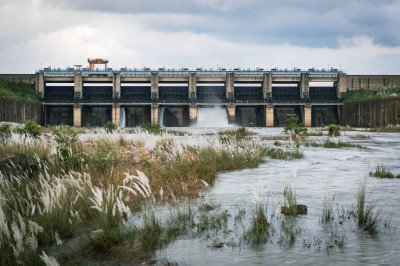 Shivanasamudra Check Dam Boating offers a unique opportunity to experience the mighty Kaveri river up close. While the famous Gaganachukki and Barachukki waterfalls are the primary draws of the region, the check dam area provides a calmer stretch of water suitable for traditional coracle (round boat) rides. This activity allows visitors to glide over the water's surface, often getting close to the smaller streams that feed into the main falls. The boatmen are skilled in navigating the currents and often spin the coracle, providing a thrilling experience for tourists. The surrounding landscape is lush and rocky, offering a sense of serenity away from the crowded viewing decks of the waterfalls. The boating area is particularly popular during the post-monsoon months when the water levels are ideal—not too turbulent but deep enough for a smooth ride. It is a favorite spot for families and groups looking for an interactive nature experience. The check dam itself is an engineering feature that helps regulate the flow of water for the hydroelectric power station, which was the first of its kind in Asia. Being on the water provides a different perspective of the river's power and the geological formations of the Shivanasamudra island. The air here is fresh, and the sound of rushing water in the distance creates a soothing backdrop. Safety is a priority, and life jackets are typically provided for the duration of the ride. This boating experience adds a touch of adventure to the spiritual and scenic visit to the Shivanasamudra area. It is a must-do for anyone wanting to feel the pulse of the Kaveri river.:
 The Flower Fields of Gundlupet are a seasonal natural wonder that has become a sensation among travelers and photographers. Located at the southernmost tip of Karnataka, near the borders of Kerala and Tamil Nadu, Gundlupet is often referred to as the "Flower Pot of India." During the blooming season, thousands of acres of land are covered in vibrant yellow sunflowers and deep orange marigolds. These flowers are primarily grown for commercial purposes, specifically for oil extraction and the dye industry, but their sheer scale creates a landscape of unmatched beauty. The sight of endless rows of flowers stretching toward the horizon, with the dark silhouettes of the Western Ghats in the background, is truly mesmerizing. This place has become a favorite spot for filmmakers and social media enthusiasts who flock here to capture the "sun-kissed" look. The fields are privately owned by local farmers who, in recent years, have opened their gates to tourists for a small fee. Walking through these fields, you are surrounded by the gentle hum of bees and the sweet, earthy fragrance of the blooms. The landscape changes with the sun; in the morning, the sunflowers face the east, standing tall and proud, while in the evening, they cast long shadows over the red soil. The region is also a gateway to the Bandipur National Park, making it a perfect stopover for those on a road trip to Ooty or Wayanad. Beyond the flowers, the area is known for its traditional agriculture, where you can see farmers working with bullocks in the fields. The simplicity of the rural life here, combined with the explosive colors of the flowers, offers a refreshing contrast to the urban environment. It is a place that celebrates the bounty of nature and the hard work of the local farming community.:
@@Introduction to Wilderness: Bandipur National Park is one of India's most celebrated tiger reserves, spanning an area of approximately 874 Square Kilometers in the Chamarajanagar district. Established in 1974 under Project Tiger, it forms a vital part of the Nilgiri Biosphere Reserve, connecting the Western Ghats with the Eastern Ghats. The park is renowned for its diverse landscape, ranging from dry deciduous forests to moist deciduous patches and shrublands, providing a sanctuary for a staggering variety of flora and fauna. @@Ecological Significance: The park's ecosystem is supported by the Kabini, Moyar, and Nugu rivers, which serve as lifelines for the inhabitants. It is home to a significant population of Bengal Tigers, Indian Elephants, and Leopards. Visitors often witness the majestic sight of Gaur (Indian Bison), Sambar Deer, and Chital roaming freely. The avian population is equally impressive, with over 200 species of birds, making it a paradise for birdwatchers. @@Historical Legacy: Historically, Bandipur was the private hunting reserve for the Maharajas of Mysore. Today, it stands as a beacon of conservation, managed strictly to preserve the delicate balance of nature. The park's vegetation includes precious trees like Teak, Sandalwood, and Rosewood, along with vast stretches of Bamboo. The undulating terrain, with hills like Gopalaswamy Betta, adds to the scenic grandeur, offering breathtaking vistas of the surrounding wilderness. @@Global Recognition: As part of the UNESCO World Heritage Site, Bandipur plays a crucial role in global biodiversity conservation. The park's management focuses on anti-poaching measures and habitat restoration, ensuring that endangered species thrive. For travelers, it offers a soul-stirring experience, blending the thrill of a jungle safari with the serenity of untouched nature, making it a must-visit destination for wildlife enthusiasts and nature lovers alike.
The Flower Fields of Gundlupet are a seasonal natural wonder that has become a sensation among travelers and photographers. Located at the southernmost tip of Karnataka, near the borders of Kerala and Tamil Nadu, Gundlupet is often referred to as the "Flower Pot of India." During the blooming season, thousands of acres of land are covered in vibrant yellow sunflowers and deep orange marigolds. These flowers are primarily grown for commercial purposes, specifically for oil extraction and the dye industry, but their sheer scale creates a landscape of unmatched beauty. The sight of endless rows of flowers stretching toward the horizon, with the dark silhouettes of the Western Ghats in the background, is truly mesmerizing. This place has become a favorite spot for filmmakers and social media enthusiasts who flock here to capture the "sun-kissed" look. The fields are privately owned by local farmers who, in recent years, have opened their gates to tourists for a small fee. Walking through these fields, you are surrounded by the gentle hum of bees and the sweet, earthy fragrance of the blooms. The landscape changes with the sun; in the morning, the sunflowers face the east, standing tall and proud, while in the evening, they cast long shadows over the red soil. The region is also a gateway to the Bandipur National Park, making it a perfect stopover for those on a road trip to Ooty or Wayanad. Beyond the flowers, the area is known for its traditional agriculture, where you can see farmers working with bullocks in the fields. The simplicity of the rural life here, combined with the explosive colors of the flowers, offers a refreshing contrast to the urban environment. It is a place that celebrates the bounty of nature and the hard work of the local farming community.:
@@Introduction to Wilderness: Bandipur National Park is one of India's most celebrated tiger reserves, spanning an area of approximately 874 Square Kilometers in the Chamarajanagar district. Established in 1974 under Project Tiger, it forms a vital part of the Nilgiri Biosphere Reserve, connecting the Western Ghats with the Eastern Ghats. The park is renowned for its diverse landscape, ranging from dry deciduous forests to moist deciduous patches and shrublands, providing a sanctuary for a staggering variety of flora and fauna. @@Ecological Significance: The park's ecosystem is supported by the Kabini, Moyar, and Nugu rivers, which serve as lifelines for the inhabitants. It is home to a significant population of Bengal Tigers, Indian Elephants, and Leopards. Visitors often witness the majestic sight of Gaur (Indian Bison), Sambar Deer, and Chital roaming freely. The avian population is equally impressive, with over 200 species of birds, making it a paradise for birdwatchers. @@Historical Legacy: Historically, Bandipur was the private hunting reserve for the Maharajas of Mysore. Today, it stands as a beacon of conservation, managed strictly to preserve the delicate balance of nature. The park's vegetation includes precious trees like Teak, Sandalwood, and Rosewood, along with vast stretches of Bamboo. The undulating terrain, with hills like Gopalaswamy Betta, adds to the scenic grandeur, offering breathtaking vistas of the surrounding wilderness. @@Global Recognition: As part of the UNESCO World Heritage Site, Bandipur plays a crucial role in global biodiversity conservation. The park's management focuses on anti-poaching measures and habitat restoration, ensuring that endangered species thrive. For travelers, it offers a soul-stirring experience, blending the thrill of a jungle safari with the serenity of untouched nature, making it a must-visit destination for wildlife enthusiasts and nature lovers alike.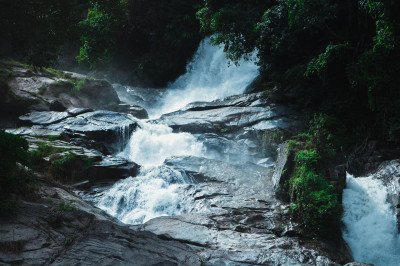 Hogenakkal Waterfalls is a spectacular natural wonder located on the Kaveri River at the border of Karnataka and Tamil Nadu. The name is derived from the Kannada words 'Hoge' meaning smoke and 'Kal' meaning rock, referring to the smoke-like mist created by water crashing against the rocks. The river at this point drops through a series of rocky gorges, creating a thunderous sound that can be heard from a distance. The area is famous for its carbonatite rocks, which are among the oldest in the world, dating back millions of years. This destination is a paradise for those who enjoy water activities and rugged natural beauty. Visitors can experience the thrill of coracle rides, where circular boats navigate the swirling waters near the base of the falls. The falls are also known for the traditional herbal oil massages offered by local experts on the rocky banks. Despite its remote location from the district headquarters, it remains a major attraction for tourists seeking an adventurous escape in nature.
@@The Ultimate Perspective: The Bharachukki Falls View Point is the specifically designated area that offers the most breathtaking and expansive view of the eastern branch of the Cauvery River as it cascades down. While the waterfall itself is the main attraction, this viewpoint is an engineering and tourism marvel in itself, designed to provide a safe yet intimate experience with the thundering waters. Located on the edge of a plateau, the viewpoint consists of several tiered galleries that allow visitors to see the multiple segments of the falls simultaneously. @@Visual Splendor: From here, one can see how the river breaks into hundreds of small streams, looking like a curtain of white silk against the dark, ancient rocks of the Deccan. The view point is particularly famous for its vantage during the Monsoon months of July and August, when the mist rises so high that it often drenches the spectators. The lush green vegetation of the Chamarajanagar forest fringes the falls, adding a vibrant contrast to the white foam. @@Accessibility: The authorities have made significant efforts to make this viewpoint accessible to all, with well-paved paths and sturdy railings. There are small kiosks nearby selling local treats like spiced corn and buttermilk, making it a comfortable spot for a long stay. @@Aesthetic Value: The viewpoint is more than just a place to look at water; it is a spot for contemplation and photography. The sheer scale of the landscape visible from this point is humbling, offering a true sense of the river's journey through the heart of Karnataka.
Wesley Bridge, located near Sathyagala in the Kollegal taluk, is a magnificent stone structure with deep historical and architectural significance. Built during the British era, the bridge spans the Kaveri river and served as a vital link for many decades. It is often confused with the Wellesley Bridge in Srirangapatna, but this "Wesley Bridge" is a distinct and equally impressive structure in the Chamarajanagar district. The bridge is constructed entirely of stone pillars and girders, showcasing the robust engineering techniques of the 19th century. Walking across the bridge today is a nostalgic journey, as it is now mostly used by pedestrians, cyclists, and two-wheelers, with a modern bridge nearby handling the heavy traffic. The view from the bridge is spectacular; the Kaveri flows gracefully below, surrounded by massive rocks and dense riverine vegetation. It is a popular spot for local anglers and those who enjoy watching the sunset over the water. The surrounding area is incredibly peaceful, making it a favorite for weekend picnickers from Chamarajanagar and Mysuru. The bridge has withstood numerous floods over the centuries, a testament to the durability of its stone-on-stone construction. The atmosphere here is one of timelessness, where the old stone arches meet the ever-flowing river. It is also a site of ecological interest, as the rocky bed of the river near the bridge provides a habitat for various aquatic species and birds. For history buffs, the bridge is a living monument to the colonial infrastructure that once connected the princely state of Mysore to the surrounding regions. The road leading to the bridge is lined with lush green fields and coconut trees, adding to the scenic charm of the visit. It is an ideal spot for a quiet afternoon of reflection and photography.:
Hogenakkal Waterfalls is a spectacular natural wonder located on the Kaveri River at the border of Karnataka and Tamil Nadu. The name is derived from the Kannada words 'Hoge' meaning smoke and 'Kal' meaning rock, referring to the smoke-like mist created by water crashing against the rocks. The river at this point drops through a series of rocky gorges, creating a thunderous sound that can be heard from a distance. The area is famous for its carbonatite rocks, which are among the oldest in the world, dating back millions of years. This destination is a paradise for those who enjoy water activities and rugged natural beauty. Visitors can experience the thrill of coracle rides, where circular boats navigate the swirling waters near the base of the falls. The falls are also known for the traditional herbal oil massages offered by local experts on the rocky banks. Despite its remote location from the district headquarters, it remains a major attraction for tourists seeking an adventurous escape in nature.
@@The Ultimate Perspective: The Bharachukki Falls View Point is the specifically designated area that offers the most breathtaking and expansive view of the eastern branch of the Cauvery River as it cascades down. While the waterfall itself is the main attraction, this viewpoint is an engineering and tourism marvel in itself, designed to provide a safe yet intimate experience with the thundering waters. Located on the edge of a plateau, the viewpoint consists of several tiered galleries that allow visitors to see the multiple segments of the falls simultaneously. @@Visual Splendor: From here, one can see how the river breaks into hundreds of small streams, looking like a curtain of white silk against the dark, ancient rocks of the Deccan. The view point is particularly famous for its vantage during the Monsoon months of July and August, when the mist rises so high that it often drenches the spectators. The lush green vegetation of the Chamarajanagar forest fringes the falls, adding a vibrant contrast to the white foam. @@Accessibility: The authorities have made significant efforts to make this viewpoint accessible to all, with well-paved paths and sturdy railings. There are small kiosks nearby selling local treats like spiced corn and buttermilk, making it a comfortable spot for a long stay. @@Aesthetic Value: The viewpoint is more than just a place to look at water; it is a spot for contemplation and photography. The sheer scale of the landscape visible from this point is humbling, offering a true sense of the river's journey through the heart of Karnataka.
Wesley Bridge, located near Sathyagala in the Kollegal taluk, is a magnificent stone structure with deep historical and architectural significance. Built during the British era, the bridge spans the Kaveri river and served as a vital link for many decades. It is often confused with the Wellesley Bridge in Srirangapatna, but this "Wesley Bridge" is a distinct and equally impressive structure in the Chamarajanagar district. The bridge is constructed entirely of stone pillars and girders, showcasing the robust engineering techniques of the 19th century. Walking across the bridge today is a nostalgic journey, as it is now mostly used by pedestrians, cyclists, and two-wheelers, with a modern bridge nearby handling the heavy traffic. The view from the bridge is spectacular; the Kaveri flows gracefully below, surrounded by massive rocks and dense riverine vegetation. It is a popular spot for local anglers and those who enjoy watching the sunset over the water. The surrounding area is incredibly peaceful, making it a favorite for weekend picnickers from Chamarajanagar and Mysuru. The bridge has withstood numerous floods over the centuries, a testament to the durability of its stone-on-stone construction. The atmosphere here is one of timelessness, where the old stone arches meet the ever-flowing river. It is also a site of ecological interest, as the rocky bed of the river near the bridge provides a habitat for various aquatic species and birds. For history buffs, the bridge is a living monument to the colonial infrastructure that once connected the princely state of Mysore to the surrounding regions. The road leading to the bridge is lined with lush green fields and coconut trees, adding to the scenic charm of the visit. It is an ideal spot for a quiet afternoon of reflection and photography.: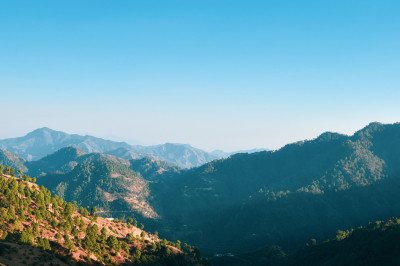 Male Mahadeshwara Hills, popularly known as MM Hills, is a major pilgrimage center and a pristine wildlife sanctuary in the Eastern Ghats. This sacred site is dedicated to Lord Mahadeshwara, believed to be an incarnation of Lord Shiva, who lived and performed miracles here in the 15th century. The temple is situated amidst seven peaks: Anumale, Jenumale, Kanumale, Kadumale, Pachchemale, Pavalamale, and Ponnachimale. Legend says that the saint Mahadeshwara Swamy traveled across these hills on a tiger, teaching the message of non-violence and social equality to the local tribes. The region is not just a religious hub but also a vital ecological corridor, home to elephants, leopards, and diverse flora. The atmosphere here is filled with the rhythmic sounds of Kamsale, a traditional folk dance performed by devotees. Pilgrims often trek through the dense forest paths to reach the summit, offering their devotion through song and dance. The hilltop provides a cool retreat from the plains, making it a beloved destination for both the devout and nature lovers seeking solace in the mountains.Show All
Cauvery Katte is a picturesque riverfront destination located on the banks of the sacred Cauvery River in the Kollegal region. The term "Katte" in Kannada refers to a platform or an embankment, and here it signifies the stone structures built along the river for pilgrims and visitors. This spot is particularly famous for its tranquil atmosphere and the historical Wesley Bridge that spans the wide river. The water here is generally calm during the non-monsoon months, making it a popular place for locals to perform rituals, take a holy dip, or enjoy a family picnic. The river is surrounded by lush agricultural fields and tall coconut groves, giving it a classic rural Karnataka charm. For nature lovers, the site offers a chance to observe local aquatic life and various water birds that frequent the riverbanks. The sound of the flowing water combined with the cool breeze provides a meditative experience for those looking to escape the hustle of city life. Historically, this area has been a vital crossing point for travelers moving between Mysore and the Eastern Ghats. The stone pathways and old structures reflect the traditional engineering of the region. Visitors often spend hours sitting on the steps, watching the sunset reflect off the ripples of the Cauvery. It is also a site of religious importance where special pujas are conducted during festivals like Cauvery Sankramana. Unlike more commercialized tourist spots, Cauvery Katte retains a raw and authentic feel, offering a glimpse into the local lifestyle of the people of Chamarajanagar. Whether you want to try your hand at local fishing or simply walk across the ancient bridge, this place offers a refreshing and grounded experience for every traveler.:
Male Mahadeshwara Hills, popularly known as MM Hills, is a major pilgrimage center and a pristine wildlife sanctuary in the Eastern Ghats. This sacred site is dedicated to Lord Mahadeshwara, believed to be an incarnation of Lord Shiva, who lived and performed miracles here in the 15th century. The temple is situated amidst seven peaks: Anumale, Jenumale, Kanumale, Kadumale, Pachchemale, Pavalamale, and Ponnachimale. Legend says that the saint Mahadeshwara Swamy traveled across these hills on a tiger, teaching the message of non-violence and social equality to the local tribes. The region is not just a religious hub but also a vital ecological corridor, home to elephants, leopards, and diverse flora. The atmosphere here is filled with the rhythmic sounds of Kamsale, a traditional folk dance performed by devotees. Pilgrims often trek through the dense forest paths to reach the summit, offering their devotion through song and dance. The hilltop provides a cool retreat from the plains, making it a beloved destination for both the devout and nature lovers seeking solace in the mountains.Show All
Cauvery Katte is a picturesque riverfront destination located on the banks of the sacred Cauvery River in the Kollegal region. The term "Katte" in Kannada refers to a platform or an embankment, and here it signifies the stone structures built along the river for pilgrims and visitors. This spot is particularly famous for its tranquil atmosphere and the historical Wesley Bridge that spans the wide river. The water here is generally calm during the non-monsoon months, making it a popular place for locals to perform rituals, take a holy dip, or enjoy a family picnic. The river is surrounded by lush agricultural fields and tall coconut groves, giving it a classic rural Karnataka charm. For nature lovers, the site offers a chance to observe local aquatic life and various water birds that frequent the riverbanks. The sound of the flowing water combined with the cool breeze provides a meditative experience for those looking to escape the hustle of city life. Historically, this area has been a vital crossing point for travelers moving between Mysore and the Eastern Ghats. The stone pathways and old structures reflect the traditional engineering of the region. Visitors often spend hours sitting on the steps, watching the sunset reflect off the ripples of the Cauvery. It is also a site of religious importance where special pujas are conducted during festivals like Cauvery Sankramana. Unlike more commercialized tourist spots, Cauvery Katte retains a raw and authentic feel, offering a glimpse into the local lifestyle of the people of Chamarajanagar. Whether you want to try your hand at local fishing or simply walk across the ancient bridge, this place offers a refreshing and grounded experience for every traveler.:Information
-
Why Famous:
Tiger Reserve: Bandipur National Park is one of India's most successful tiger reserves. It offers a high chance of spotting tigers, leopards, and wild elephants.
Highest Peak: Himavad Gopalaswamy Betta is the highest peak in the local range...Tiger Reserve: Bandipur National Park is one of India's most successful tiger reserves. It offers a high chance of spotting tigers, leopards, and wild elephants.
Highest Peak: Himavad Gopalaswamy Betta is the highest peak in the local range. It is often covered in thick mist, giving it a very mystical appearance.
Tibet in Karnataka: The Dhondenling Tibetan Settlement offers a unique cultural experience. The Dzogchen Monastery there is a stunning example of Tibetan Buddhist art. -
Architecture:
Dravidian Temple Style: The Chamarajeshwara Temple features a grand five-story Gopuram tower. It was built by the Wodeyar kings in the late 19th century.
Temple Dimensions: The main temple courtyard is spacious, measuring approx 150x100 fee...Dravidian Temple Style: The Chamarajeshwara Temple features a grand five-story Gopuram tower. It was built by the Wodeyar kings in the late 19th century.
Temple Dimensions: The main temple courtyard is spacious, measuring approx 150x100 feet. The stone pillars are carved with figures from various Hindu mythological stories.
Fusion Design: Modern structures in the town reflect a blend of colonial and local styles. The government buildings use red brick and stone in a classic regal manner. -
How To Reach:
By Air: Mysuru Airport is the closest at 60 KMS, but Bengaluru is better connected. From Bengaluru, it is a scenic 4-hour drive via the well-maintained highway.
By Train: Chamarajanagar Railway Station is the terminal point for trains from ... -
Near Tourist Places:
1. Bandipur National Park (45 KM), 2. BR Hills (40 KM), 3. MM Hills (80 KM), 4. Shivanasamudra (55 KM), 5. Mysuru (60 KM), 6. Nanjangud (35 KM), 7. Gundlupet (30 KM), 8. Kollegal (40 KM), 9. Talakadu (60 KM), 10. Himavad Gopalaswamy Betta (30 KM).
Tourism Tips
-
Health & Safety: Carry insect repellent and wear long sleeves for forest treks to avoid bites. Be cautious of wild animals while driving through the forest corridors at night.
Packing Essentials: Pack comfortable trekking shoes, binoculars ...
Reviews
Chamarajanagar Itineray And Cost:-
Information about New and Updated Locations() of Karnataka Has Been Added :-
Card subtitle
Note:-
Information provided here in good Faith and for reference only.
All information and pictures will be updated soon, please keep visiting.
Near Places
Badami
Some quick example text to build on the card title and make up the bulk of the card's content.
Go somewhere
Belagavi
Some quick example text to build on the card title and make up the bulk of the card's content.
Go somewhere
Belur
Some quick example text to build on the card title and make up the bulk of the card's content.
Go somewhere
Bengaluru
Some quick example text to build on the card title and make up the bulk of the card's content.
Go somewhere
Bidar
Some quick example text to build on the card title and make up the bulk of the card's content.
Go somewhere
Bijapur
Some quick example text to build on the card title and make up the bulk of the card's content.
Go somewhere
Chamarajanagar
Some quick example text to build on the card title and make up the bulk of the card's content.
Go somewhere
Chikkaballapur
Some quick example text to build on the card title and make up the bulk of the card's content.
Go somewhere
Chikmagalur
Some quick example text to build on the card title and make up the bulk of the card's content.
Go somewhere
Coorg
Some quick example text to build on the card title and make up the bulk of the card's content.
Go somewherein Other Cities