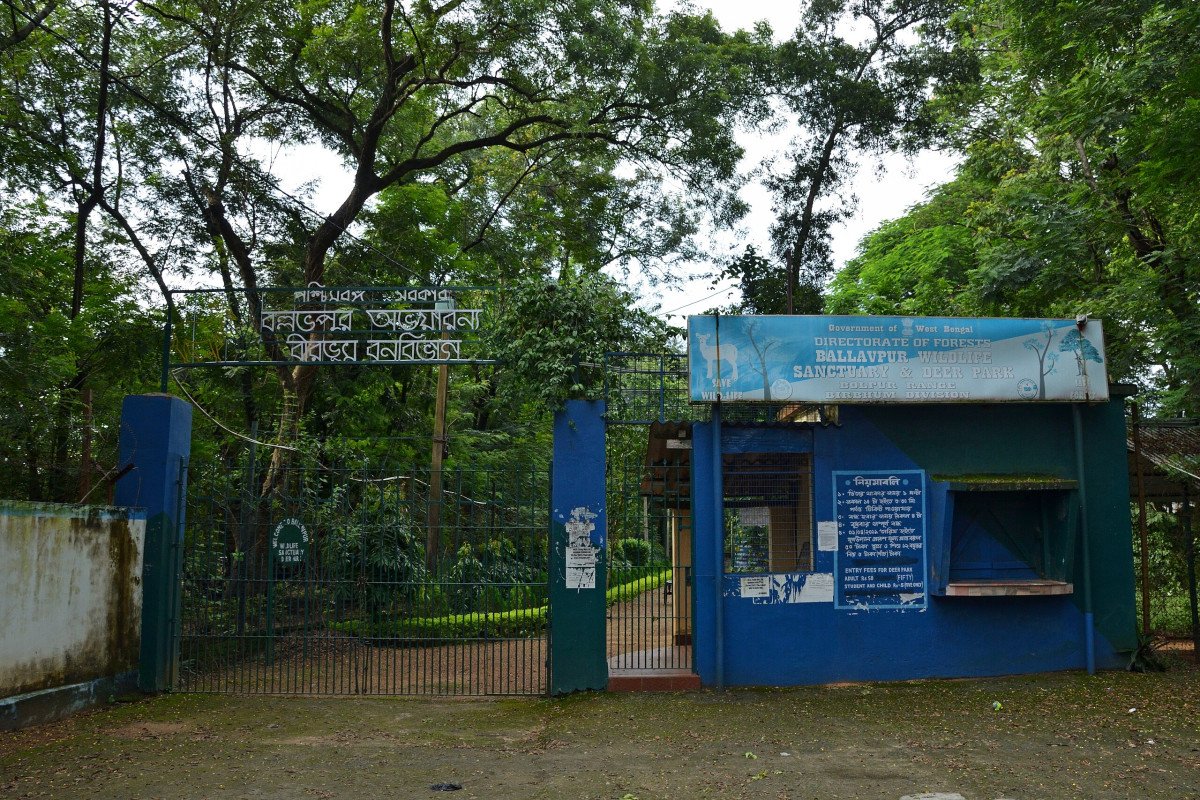
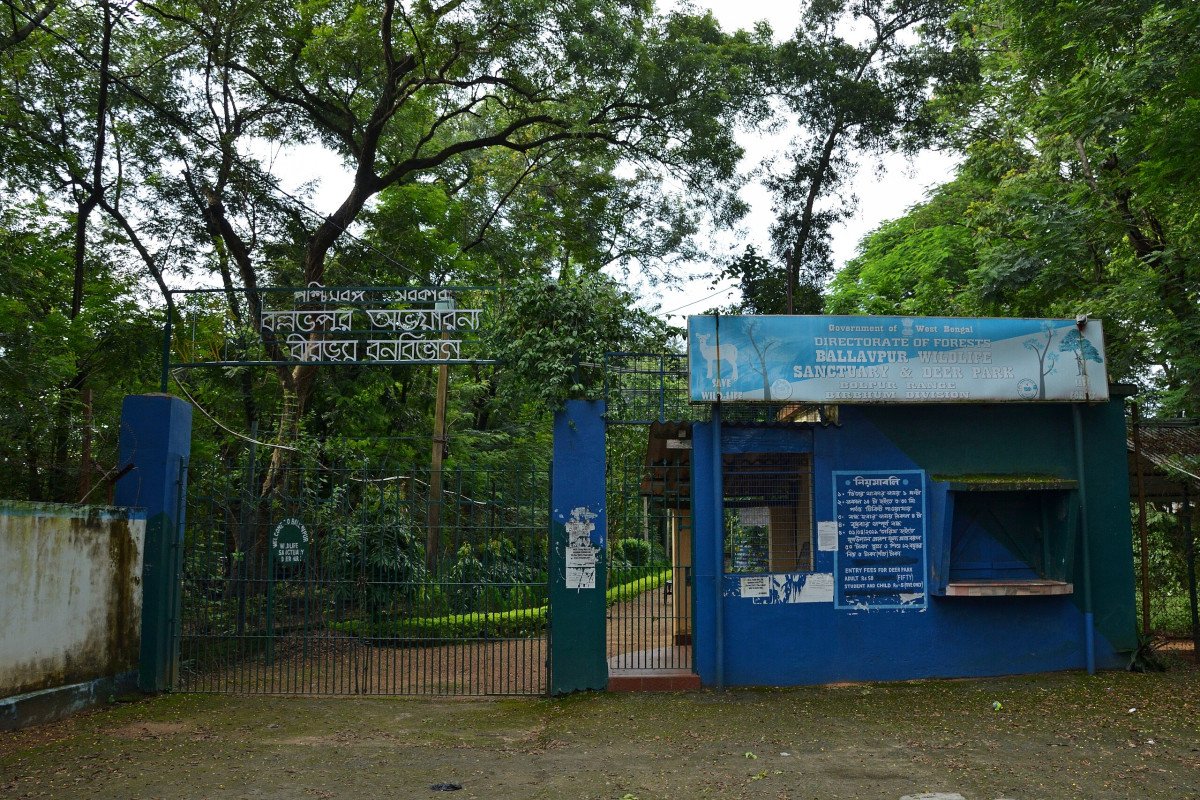
Ballavpur Deer Park
General information
-
Ideal Duration:
1 to 2 hours (Ideal for a peaceful walk and wildlife spotting)Place Type:
Wildlife Sanctuary / Nature & Eco-TourismEntry Fees:
Adult Visitors: The fee is approximately ext{Rs. 10 to Rs. 50} per person, which is a nominal amount charged by the Forest Department to ensure the upkeep and maintenance of the wildlife sanctuary and its facilities.
Camera Charges: A s...Adult Visitors: The fee is approximately ext{Rs. 10 to Rs. 50} per person, which is a nominal amount charged by the Forest Department to ensure the upkeep and maintenance of the wildlife sanctuary and its facilities.
Camera Charges: A separate, small fee of approximately ext{Rs. 20} is typically charged for carrying a camera into the sanctuary, specifically for photography purposes.
Important Note: The fees are subject to change by the Forest Department without prior notice. Visitors are advised to carry adequate cash and confirm the current rates at the ticket counter near the main gate before entry. The revenue collected contributes directly to the conservation efforts of the deer and the preservation of the forest area.Timing:
Regular Timings: The park is open from 10:00 AM to 4:00 PM every day.
Closed Day: The sanctuary remains officially closed on Wednesdays. Visitors should plan their trip to avoid this day.
Ideal Visit Time:Regular Timings: The park is open from 10:00 AM to 4:00 PM every day.
Closed Day: The sanctuary remains officially closed on Wednesdays. Visitors should plan their trip to avoid this day.
Ideal Visit Time: The absolute best time for a visit is right when the park opens at 10:00 AM. This is when the weather is coolest, and the deer are most active, often coming out into the open to graze before the heat of the day sets in. Visiting just before the closing time, around 3:00 PM to 4:00 PM, is also ideal for spotting the deer as they gather for their evening routines. Avoid the hot afternoon hours.Special Events:
Migratory Bird Arrivals (Winter Season): The most significant natural event in the Ballavpur Deer Park is the arrival of migratory birds during the late autumn and winter months (primarily November to February). The three water bodies become temporary homes for various spec...Migratory Bird Arrivals (Winter Season): The most significant natural event in the Ballavpur Deer Park is the arrival of migratory birds during the late autumn and winter months (primarily November to February). The three water bodies become temporary homes for various species. This influx of avian life transforms the sanctuary into a vibrant birding spot, drawing ornithologists and bird lovers. This natural spectacle is a hidden special event, as it is not an organized festival but a spectacular display of nature's calendar.Best Photo Spots:
The Deer Viewing Area: The fenced core area where the deer often gather for grazing is the prime spot. Focus on the interplay between the herd and the surrounding Sal trees for classic Shantiniketan landscape shots.
The Watchtower Vistas: C...The Deer Viewing Area: The fenced core area where the deer often gather for grazing is the prime spot. Focus on the interplay between the herd and the surrounding Sal trees for classic Shantiniketan landscape shots.
The Watchtower Vistas: Climb the observation towers. The wide-angle views from here, especially at different times of the day (morning light or soft afternoon sun), offer excellent opportunities for landscape photography, capturing the vastness of the sanctuary.
The Water Bodies: The edges of the three ponds are perfect for detailed nature and wildlife photography. The reflections on the water are beautiful. Capture the colors of the sky and the trees on the calm water surface for unique, abstract shots.Photo Gallery
Things To Do
-
Wildlife Photography: The Ballavpur Deer Park is a paradise for wildlife and nature photographers. The dense foliage, the tranquil water bodies, and the vibrant wildlife provide countless photographic opportunities.
Deer Shots: Focus on capturing the spotted deer during their active hours (early morning or late afternoon). Try to get candid shots of them grazing or interacting with each other in their natural habitat. Use a telephoto lens for respectful distance.
Avian Photography: Set up near the water bodies in the winter months to capture various migratory birds. Be patient and quiet to get close-up shots of kingfishers, herons, and other species.
Nature Walking and Forest Bathing (Shinrin-Yoku): The well-maintained paths are perfect for a gentle, leisu...Wildlife Photography: The Ballavpur Deer Park is a paradise for wildlife and nature photographers. The dense foliage, the tranquil water bodies, and the vibrant wildlife provide countless photographic opportunities.
Deer Shots: Focus on capturing the spotted deer during their active hours (early morning or late afternoon). Try to get candid shots of them grazing or interacting with each other in their natural habitat. Use a telephoto lens for respectful distance.
Avian Photography: Set up near the water bodies in the winter months to capture various migratory birds. Be patient and quiet to get close-up shots of kingfishers, herons, and other species.
Nature Walking and Forest Bathing (Shinrin-Yoku): The well-maintained paths are perfect for a gentle, leisurely walk.
Forest Walk: Take a calming walk through the Sal and Cashew forests. The forest paths are relatively flat and safe. Focus on the scent of the earth, the rustling of the leaves, and the play of light through the canopy.
De-stressing: Practice "forest bathing" by mindfully immersing yourself in the forest atmosphere to relax and reduce stress. The air quality here is excellent, providing a refreshing experience.
Observation from Watchtowers: Climb the observation towers for a panoramic view of the sanctuary.
Vantage Point: The elevated position offers a better chance of spotting large herds of deer across the plains that might be obscured from ground level.
Landscape View: Capture the scale and density of the 200-hectare forest and grassland from a unique perspective.
Educational Exploration and Family Picnic:
Learn About Conservation: It is a great place to teach children about wildlife conservation and the importance of preserving natural habitats. Read the information boards about the flora and fauna.
Picnic Spot: While facilities are basic, the surrounding green areas near the entrance can be used for a quiet family picnic, provided all litter is strictly carried back out to maintain the parks pristine nature.
Birdwatching Expedition:
Early Morning Watch: Arrive right when the park opens at 10:00 AM or visit in the late afternoon. This is the best time for bird activity.
Water Body Focus: Spend time near the three water bodies, where you are most likely to spot diverse aquatic and migratory birds, especially between October and March.
Hotels
● Dip Holidays Resort
Address: Bolpur, Shantiniketan
Distance: 1.58 km
Details: A mid-range resort featuring a swimming pool and a cozy bonfire area. It provides a great atmosphere for relaxation and social gatherings, making it a...
● Guloncho
Address: Santiniketan, Shantiniketan
Distance: 2.12 km
Details: A well-rated, comfortable hotel providing excellent amenities for travelers. Its strategic location allows for easy exploration of the city, and the p...
● Hotel Sonajhurir Adda
Address: Shantiniketan
Distance: 0.6 km
Details: A wonderful, highly-rated property nestled in nature. It offers premium, aesthetically pleasing rooms, ensuring a luxurious and serene experience clos...
● Mohor Kutir Resort
Address: Birbhum, Shantiniketan
Distance: 0.21 km
Details: A premium resort situated extremely close to the sanctuary. It offers high-end parking, excellent facilities, and a tranquil ambiance, making it the p...
● Sanchari Resort & Restaurant
Address: Bolpur, Shantiniketan
Distance: 3.8 km
Details: A popular mid-range resort with an on-site restaurant. It offers clean, couple-friendly rooms and good service, ensuring a comfortable stay for touris...
● Sonajhuri Bagan Bari
Address: Birbhum, Shantiniketan
Distance: 0.97 km
Details: A beautiful property offering air-conditioned rooms and complimentary Wi-Fi. Located near major cultural sites, it provides home-like comfort with con...
● Super Hotel O
Address: Bolpur, Shantiniketan
Distance: 2.03 km
Details: Formerly known as Ashima Resort, this property offers clean and modern rooms at an affordable price. It is well-connected to the railway station and o...
● Tanubithi Resort
Address: Kabi Mohanpur, Shantiniketan
Distance: 4.4 km
Details: A simple, couple-friendly resort located in a quiet area. It provides basic amenities for a no-fuss, comfortable stay, making it a great budget choice...
● The Anthill
Address: Bolpur, Shantiniketan
Distance: 0.18 km
Details: A highly convenient lodge located just steps from the park entrance. It offers basic, clean rooms for budget-conscious travelers, making it ideal for ...
● The Pearl Club Resort
Address: Bolpur, Shantiniketan
Distance: 5.8 km
Details: A comfortable resort providing good overall service and quality facilities. It is a reliable choice for those looking for a balanced stay, featuring p...
Show AllRestaurants
● 9x9 Restaurant
Address: Shantiniketan, Bolpur
Distance: 3.0 KM
Details: 9x9 Restaurant is praised for its cordial service and impressive ambiance. The food quality is reliable, making it a repeat destination for tourists e...
Food List: 'Chicken Kebab, Fried Rice, Chilli Chicken, Noodle...
● Banabithi Henshel Ghar
Address: Shantiniketan, West Bengal
Distance: 2.7 KM
Details: Banabithi Henshel Ghar is known for its authentic cuisine and well-trained staff. The restaurant is consistently sanitized, providing a safe environme...
Food List: 'Traditional Thali, Fish Paturi, Shukto, Payesh, L...
● Bolpur Chimney
Address: Bolpur, Shantiniketan
Distance: 2.1 KM
Details: Bolpur Chimney is celebrated for its high-quality food and remarkable staff behavior. The atmosphere is cozy, making it a must-visit spot in Shantinik...
Food List: 'Chicken Biryani, Mutton Biryani, Egg Roll, Chicke...
● Bolpur Food Court
Address: Bolpur, West Bengal
Distance: 3.2 KM
Details: Bolpur Food Court is a popular destination for those seeking the best Biryani in the area. With a focus on taste and quality, it attracts food lovers ...
Food List: 'Chicken Biryani, Mutton Biryani, Egg Biryani, Chi...
● C4 Restaurant
Address: Bolpur, West Bengal
Distance: 2.3 KM
Details: C4 Restaurant is highly regarded as a budget-friendly option for middle-class families. Its environment is clean and comfortable, ensuring a pleasant ...
Food List: 'Veg Thali, Egg Curry, Chicken Bharta, Fried Rice,...
Show AllInformation
-
Why Famous:
Thriving Spotted Deer Population: The most immediate reason for its fame is its successful conservation program for the spotted deer (Chital). It is a rarity in a relatively semi-urban area, offering a close yet protected view of these elegant animals. This makes ...
Thriving Spotted Deer Population: The most immediate reason for its fame is its successful conservation program for the spotted deer (Chital). It is a rarity in a relatively semi-urban area, offering a close yet protected view of these elegant animals. This makes it a popular spot for families, especially children.
Proximity to Shantiniketan: Its location, just a short distance from the main cultural sites of Visva-Bharati and Tagore's Ashram, makes it an easily accessible natural escape for tourists who visit Shantiniketan for its arts and culture. It offers a contrasting yet complementary experience to the cultural tour.
Birdwatching Hub: The three water bodies within the sanctuary attract a diverse range of migratory and resident birds, making it a recognized spot for avian enthusiasts and nature photographers, particularly during the winter season. The peaceful, green environment enhances the birdwatching experience. -
Architecture:
Natural Design and Constructed Viewing Points: The architecture of the Ballavpur Deer Park is primarily defined by its managed natural landscape, as it is a wildlife sanctuary and not a conventional building. The design focuses on integrating human observation points withou...Natural Design and Constructed Viewing Points: The architecture of the Ballavpur Deer Park is primarily defined by its managed natural landscape, as it is a wildlife sanctuary and not a conventional building. The design focuses on integrating human observation points without disturbing the wildlife. The sanctuary is broadly divided into different zones: the fenced-in core area for the deer and the surrounding forest paths.
Dimension and Layout: The entire sanctuary spans roughly 200 hectares (about 494 acres). The layout features extensive Sal and Cashew forests, providing natural shelter and foraging grounds. The terrain is relatively flat, typical of the Gangetic plain, with well-laid, paved, and unpaved pathways designed for gentle walking. The dimension of these paths allows for single-file human traffic, keeping disturbance to a minimum.
Observation Towers (Watchtowers): A key man-made architectural element is the presence of at least two watchtowers within the premises. These are multi-level wooden or concrete structures strategically placed at vantage points overlooking the core grazing areas or water bodies. The dimension of these towers is typically compact, designed to hold a small group of visitors, lifting them above the foliage line to provide a wider, unobstructed view of the sanctuary. These platforms are crucial for birdwatching and spotting the deer from a distance.
Water Bodies and Fencing: The sanctuary incorporates three natural water bodies (small ponds or tanks) which are essential architectural features of the ecosystem, attracting both wildlife and birds. To protect the animals and guide the visitor experience, the core area is enclosed by high fencing, a non-aesthetic but functional architectural structure to ensure the safety and containment of the deer population. This boundary separates the wild from the relatively tamed visitor zone. -
How To Reach:
By Air (Nearest Airport: Netaji Subhas Chandra Bose International Airport, Kolkata - ext{CCU}): The nearest major airport is in Kolkata, approximately 160 KMS away.
From the airport, visitors have several options:
Read MoreBy Air (Nearest Airport: Netaji Subhas Chandra Bose International Airport, Kolkata - ext{CCU}): The nearest major airport is in Kolkata, approximately 160 KMS away.
From the airport, visitors have several options:
Private Taxi/Car: A hired private car is the most comfortable option, taking around 3. 5 to 4 hours to reach Shantiniketan. The car can then be used for local transport to the park.
Train Connection: From the airport, reach Howrah or Sealdah railway stations in Kolkata to catch a train to Bolpur Santiniketan Rail Station.
By Train (Nearest Station:
Bolpur Santiniketan Rail Station - ext{BHP}): Bolpur is extremely well-connected to Kolkata (Howrah/Sealdah) and other major cities via frequent and fast trains.
From Station: Once at Bolpur Santiniketan Station, the park is only about ext{4. 7 KMS} away. The easiest and quickest local transport is an E-Rickshaw (Toto) or an auto-rickshaw, which will take around 10 to 15 minutes to reach the park gate.
By Road (From Kolkata): The drive from Kolkata is around ext{160-170 KMS} via the ext{NH 19} (Durgapur Expressway).
Route: Take the ext{NH 19} (formerly ext{NH 2}) and then turn onto the road leading towards Shantiniketan near Panagarh or Guskara. The journey takes roughly 3 to 4 hours.
Bus Services: Government and private bus services run regularly from Kolkata (like the Esplanade bus stand) to Bolpur. From the Bolpur bus stand, local transport is easily available.
By Local Transport (Within Shantiniketan/Bolpur): The park is on the Santiniketan-Sriniketan Road.
Toto/E-Rickshaw: This is the most popular, convenient, and environmentally friendly way to travel locally. Totos are readily available everywhere and can be hired for a single trip or for a half-day tour of the local attractions, including the park. The fare from the main town center or university area is inexpensive.Weather and Best Time to Visit:
Different Types of Seasons:
Winter Season (October to March): This is the best time to visit. The weather is cool, pleasant, and ideal for outdoor walking and wildlife viewing. The temperature is comfortable, and the deer are more active. ...Different Types of Seasons:
Winter Season (October to March): This is the best time to visit. The weather is cool, pleasant, and ideal for outdoor walking and wildlife viewing. The temperature is comfortable, and the deer are more active. Crucially, the migratory birds are present during this time, enhancing the experience.
Summer Season (April to June): It is extremely hot. The midday sun is harsh, making walking uncomfortable, and the deer tend to hide in the shade. It is the least ideal time for a visit.
Monsoon Season (July to September): The sanctuary is lush and green after the rains, which is beautiful, but the pathways can become muddy, and heavy showers can disrupt a visit. Animal sightings might also be limited.
Different Parts of the Day: Morning (10:00 AM to 12:00 PM) Highly recommended. Cooler weather and the highest chance of seeing the deer grazing in the open. Afternoon (12:00 PM to 3:00 PM) Avoid. The heat is intense, and the wildlife activity is low. Late Afternoon (3:00 PM to 4:00 PM) Recommended. The deer often emerge again before the park closes, and the light is excellent for photography.Near Tourist Places:
1. Sonajhuri Forest ( ext{~2.
2 KMS}): Famous for the Sonajhuri Haat (Saturday's tribal market). 2. Visva-Bharati University Campus ( ext{~1.
5 KMS}): The sprawling campus founded by Rabindranath Tagore. 3.
Tagore's Ashram (Santiniketan Ashram):
( ext{~
2 KMS}): The earliest building of the institution. 4.
Uttarayan Complex:
( ext{~
2 KMS}): The cluster of five houses where Tagore lived. 5.
Kala Bhavana (Institute of Fine Arts): ( ext{~2.
5 KMS}): Known for its architecture and murals by famous artists. 6.
Amar Kutir:
( ext{~6 KMS}): A cooperative society for handicrafts and leather goods. 7.
Sinha Sadan:
( ext{~
2 KMS}): An important university building with historical significance. 8.
China Bhavana:
( ext{~
2 KMS}): Institute for Chinese language and culture studies. 9.
Kankalitala Temple ( ext{~8 KMS}): One of the 51 Shakti Peethas. 10. Surul Rajbari ( ext{~4.
5 KMS}): Historic Zamindar mansion.Tourism Tips
-
Health & safety:
Sun Protection: Always carry a hat, sunglasses, and sunscreen, especially during the sunnier hours, as much of the walk is under open sky or a thin canopy.
Hydration: Bring your own water b...Health & safety:
Sun Protection: Always carry a hat, sunglasses, and sunscreen, especially during the sunnier hours, as much of the walk is under open sky or a thin canopy.
Hydration: Bring your own water bottle. While the sanctuary is a natural area, facilities for purchasing fresh water might be limited to the entrance area.
Packing:
Footwear: Wear comfortable walking shoes or sneakers suitable for forest paths and possibly uneven terrain. Avoid open-toed footwear.
Clothing: Light, breathable, and earth-toned clothing is recommended for better wildlife spotting.
Optics: Carry binoculars for better birdwatching and wildlife observation from the watchtowers.
Accommodation:
Stay Near Bolpur/Shantiniketan: It is best to secure accommodation in Bolpur town or the main Shantiniketan areas, as the park itself does not have tourist accommodation inside. Homestays and hotels are readily available nearby.
Other Different Topics heading:
Respect Wildlife: Do not litter, make loud noises, or attempt to feed the animals. Maintain a respectful distance and follow the instructions of the forest guards.
Camera Etiquette: While photography is allowed (with a fee), avoid using flash photography as it can startle and distress the animals.
Check Timings: Always re-confirm the working hours and the closed day (Wednesday) before planning your visit. Arriving early maximizes your chances of a great sighting.
Reviews
FAQs
Ans:- The primary attraction of Ballavpur Deer Park is its natural, forest-like environment which serves as a sanctuary for various species of deer, including spotted deer and blackbuck. It offers visitors a rare opportunity to observe these beautiful animals in a semi-natural, protected setting. The park is managed by the West Bengal Forest Department and is known for its quiet, serene atmosphere, lush greenery, and water bodies, providing a peaceful retreat from the surrounding town. It is a must-visit for nature lovers and families looking for a tranquil outdoor experience.Ans:- Yes, there are standard entry restrictions to protect the wildlife and maintain the sanctuary's integrity. Visitors are required to pay a nominal entry fee at the gate and must strictly follow the pathways designated for tourists. Feeding the deer or any other wildlife, making loud noises, or wandering into restricted non-tourist zones is strictly prohibited. The park also has specific opening and closing hours, usually closing in the late afternoon to allow the animals to rest, and visitors are expected to adhere to these rules for safety.Ans:- No, feeding the deer or any wildlife within the park is strictly prohibited. The authorities have established specific dietary and health programs for the animals, and unauthorized feeding can be harmful to their well-being and can disrupt their natural behavior. Visitors must enjoy watching the deer from the designated viewpoints or walking tracks without attempting to interact with or lure the animals. Enforcement is taken seriously, and visitors are encouraged to respect the park's rules to ensure the health and safety of the resident wildlife populations.Ans:- The deer are generally most active during the cooler parts of the day, specifically in the early morning shortly after the park opens, or in the late afternoon. During the mid-day heat, the deer tend to seek shade under the trees and rest, making them less visible or active. Therefore, planning an early morning visit or a late afternoon visit is your best chance to see them moving around, grazing, or interacting within the park grounds. Comfortable weather in the winter months also encourages more daytime movement.Ans:- Yes, the Ballavpur Deer Park is an excellent place to visit with children, as it offers a great educational opportunity to see animals in an environment that mimics their natural habitat. Children can learn about wildlife conservation and the importance of respecting nature while observing the deer from a safe distance. The park's walking trails are manageable, and the natural scenery provides a refreshing change of pace for younger visitors. Parents should ensure that children remain quiet and do not disturb the animals, keeping the experience positive for everyone.Ans:- A visit to Ballavpur Deer Park usually takes between 1 to 2 hours. This is enough time to walk along the designated paths, observe the deer from the various viewing spots, and appreciate the peaceful forest ambiance. Some visitors may choose to spend more time if they enjoy nature photography or bird watching, as the park also attracts various bird species. Since it is not an expansive safari park, it serves as a focused, short-duration nature break that fits well into a broader day-trip itinerary around Shantiniketan.Ans:- While deer, including the spotted deer (chital) and occasionally blackbuck, are the primary attraction, the park is also a haven for diverse bird life. Bird watchers often frequent the area to spot various water birds and forest-dwelling species, especially around the water bodies located within the park premises. Occasionally, small mammals and various reptiles native to the region can also be observed. The park's ecosystem, comprising mixed deciduous forest and water reservoirs, creates a favorable habitat that supports more biodiversity than one might initially expect.Ans:- Yes, photography is permitted in the park, and it is a popular spot for nature photography. Visitors are encouraged to capture the beauty of the wildlife and the lush, green landscapes. However, it is essential to be responsible: do not use loud equipment, do not chase or harass the animals to get a better shot, and always stay on the designated paths. The goal is to document the experience without causing any stress to the deer or violating the privacy and safety protocols established by the forest department for the sanctuary.Ans:- While the park is designed for self-guided exploration via marked pathways, local guides are often available outside the entrance for those who wish to have a more informative experience. A guide can help identify different bird species, explain the ecology of the park, and provide background on how the sanctuary was established. If you are interested in a deeper understanding of the local flora and fauna, hiring a local guide can be a beneficial addition to your visit, though it is not strictly necessary for a pleasant experience.Ans:- Picnicking inside the deer enclosures or near the sensitive wildlife zones is not permitted to keep the park clean and protect the animals from food waste and human disturbance. Visitors should be mindful of the rules regarding trash and littering. While there may be some designated rest areas near the entrance or outside the immediate wildlife zones, it is best to plan for meals at the various restaurants and food stalls located just outside the sanctuary gates in the Shantiniketan area, rather than planning a picnic inside the park itself.Ans:- The entry fee for Ballavpur Deer Park is intentionally kept very nominal to encourage tourism and conservation awareness. The exact price can vary slightly over time and might be different for children, students, or adults, and usually includes a separate small charge if you are bringing a camera. It is always best to check the current rates at the ticket counter upon arrival. The funds generated from these entry fees are typically used for the maintenance of the park, animal care, and the protection of the sanctuary's natural habitat.Ans:- Ballavpur Deer Park is generally open throughout the week, but it is standard practice for such parks to have a weekly closure day, often midweek, for maintenance and administrative work. It is highly recommended to check the specific opening schedule before planning your trip, as local holidays or forest department restrictions can sometimes affect operating hours. During the peak tourism season, the park is usually very well-maintained and active, but always confirm the status to avoid disappointment when arriving at the gates of the sanctuary.Ans:- Safety in the park is maintained by strictly keeping visitors on the designated walking tracks and away from the core animal resting areas. Visitors should avoid making loud noises, running, or attempting to touch or approach the animals, as this can trigger defensive behavior in the deer. It is also important to carry basic necessities like water and to wear appropriate footwear for walking on gravel or earthen paths. While the deer are generally docile, they are wild animals and should always be treated with caution and respect for their space.Ans:- Ballavpur Deer Park is located very close to the heart of Shantiniketan, making it easy to combine with visits to other major attractions. Nearby sites include the Khoai region, famous for its unique geological formations and the Saturday Hat (Shonajhuri Haat), as well as the Visva-Bharati university campus itself. The proximity of the deer park to these cultural and natural landmarks allows visitors to easily spend a full day exploring the diverse highlights of the area, starting with a nature-focused morning and moving into cultural exploration in the afternoon.Ans:- Ballavpur Deer Park is easily accessible from Bolpur-Shantiniketan. Most visitors arrive at the Bolpur Railway Station and then hire an auto-rickshaw or a car to reach the park. The distance is short, and the ride takes you through the scenic, pleasant roads of the Shantiniketan area. Local transport is readily available throughout the day. If you are staying at a hotel or resort in the town, many of them can arrange a taxi or provide information on the most direct route to the park entrance.Shantiniketan Itineray And Cost:-
Ballavpur Deer Park Tourism:-
Information about New and Updated Locations() of West Bengal Has Been Added :-
Card subtitle
Note:-
Information provided here in good Faith and for reference only.
All information and pictures will be updated soon, please keep visiting.
Near Places
Amar Kutir
Some quick example text to build on the card title and make up the bulk of the card's content.
Go somewhere
Amrakunja
Some quick example text to build on the card title and make up the bulk of the card's content.
Go somewhere
Ballavpur Deer Park
Some quick example text to build on the card title and make up the bulk of the card's content.
Go somewhere
Ballavpur Wildlife Sanctuary
Some quick example text to build on the card title and make up the bulk of the card's content.
Go somewhere
Bhubandanga Cultural Centre
Some quick example text to build on the card title and make up the bulk of the card's content.
Go somewhere
Bonerpukur Adivasi Village
Some quick example text to build on the card title and make up the bulk of the card's content.
Go somewhere
Cheena Bhavana
Some quick example text to build on the card title and make up the bulk of the card's content.
Go somewhere
Chhatimtala
Some quick example text to build on the card title and make up the bulk of the card's content.
Go somewhere
Chhinnamasta Temple
Some quick example text to build on the card title and make up the bulk of the card's content.
Go somewhere
Geetanjali Rail Museum
Some quick example text to build on the card title and make up the bulk of the card's content.
Go somewherein Other Cities