Chhatimtala
General information
-
Ideal Duration:
30 minutes to 1 hour (For quiet contemplation and appreciating the historical significance).Place Type:
Historical Site, Spiritual/Religious Site, EducatiEntry Fees:
No Formal Entry Fee: Chhatimtala has no formal entry fee for visitors. As a foundational, sacred, and educational landmark within the Visva-Bharati University campus, its access is maintained as an open place of cultural and historical importance. This reflects the univer...No Formal Entry Fee: Chhatimtala has no formal entry fee for visitors. As a foundational, sacred, and educational landmark within the Visva-Bharati University campus, its access is maintained as an open place of cultural and historical importance. This reflects the universitys commitment to accessibility and the public nature of Tagores legacy.
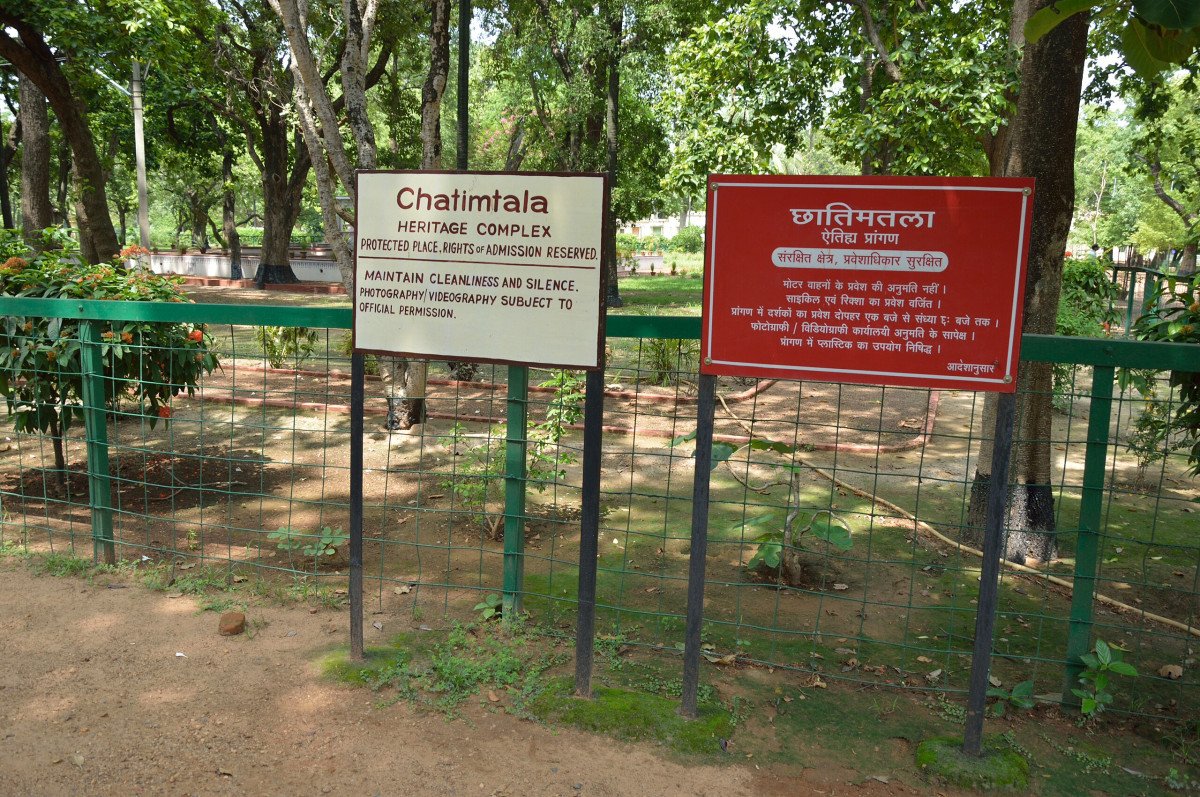
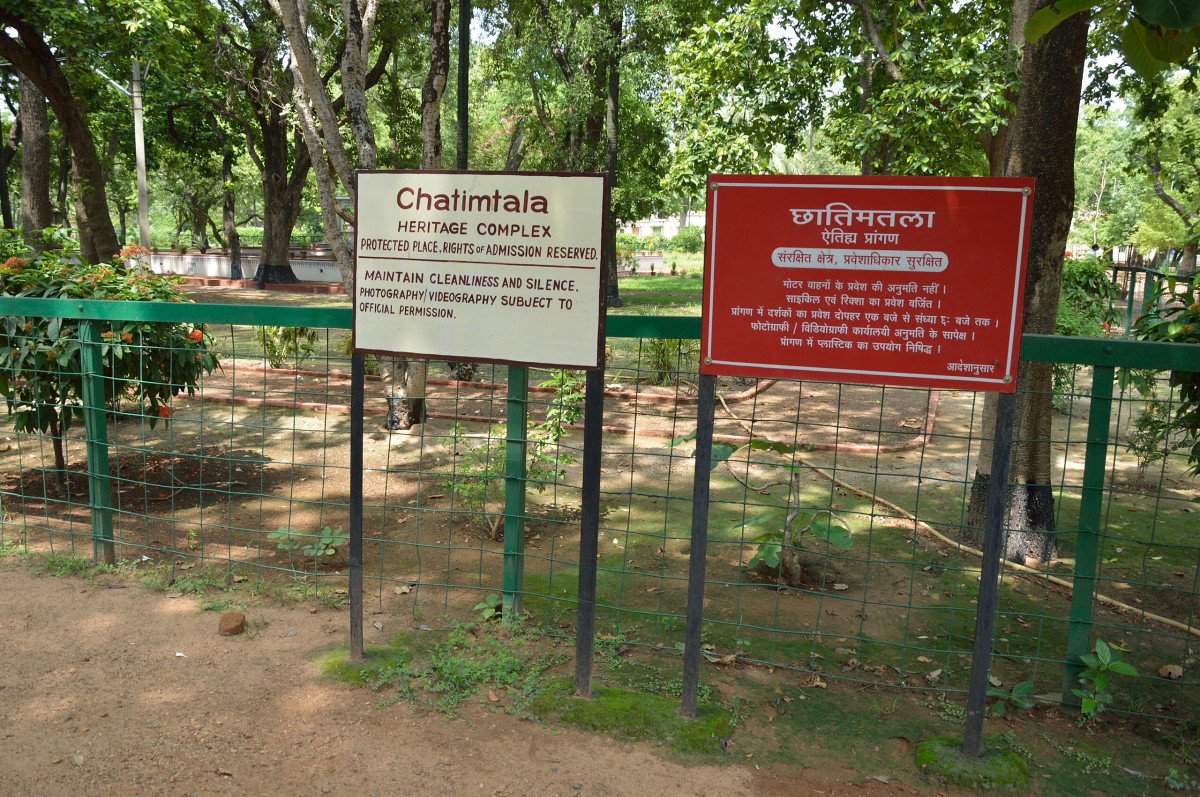
Photography and Campus Restrictions: While there is no fee for entry, visitors should be aware of campus rules. Sometimes, during specific university events or exam periods, access might be restricted or regulated. Additionally, photography might require prior permission from the university administration, particularly for commercial or high-end professional photography, though simple personal snapshots are generally tolerated. Respecting the quiet environment is more important than paying a fee.Timing:
Regular Timings: The site is generally accessible during the regular visiting hours of the Visva-Bharati University campus, typically from 8:00 AM to 5:00 PM daily. However, as it is an open area, its actual access might be earlier for those staying nearby, but official ca...Regular Timings: The site is generally accessible during the regular visiting hours of the Visva-Bharati University campus, typically from 8:00 AM to 5:00 PM daily. However, as it is an open area, its actual access might be earlier for those staying nearby, but official campus security regulations apply. It is closed on Wednesdays (the universitys weekly holiday) and often on other specific university holidays, so always check in advance.
Ideal Visit Time: The Ideal Visit Time is the early morning (shortly after sunrise) when the campus is quiet, the light is soft, and the temperature is pleasant. This time best aligns with the site's original purpose for meditation and allows one to experience the deep tranquility, which is often lost later in the day when tourist buses arrive. Visiting during the winter months (November to February) is recommended for the most comfortable weather.Special Events:
Poush Utsav Ceremony: The most significant annual event is the commencement of the Poush Utsav (Winter Festival) on the 7th day of the Bengali month of Poush (usually falling around December 23rd). This festival is a commemoration of the establishment of the Ashram and the...Poush Utsav Ceremony: The most significant annual event is the commencement of the Poush Utsav (Winter Festival) on the 7th day of the Bengali month of Poush (usually falling around December 23rd). This festival is a commemoration of the establishment of the Ashram and the Brahma Samaj initiation of Maharshi Debendranath Tagore. The morning ceremony begins at Chhatimtala with solemnity, featuring traditional Vedic chants and Brahma-Sangeet (hymns). The atmosphere is highly spiritual and historic, followed by a procession (Mangal Shobhajatra) through the campus. This is the only time the place sees large, organized public gathering and is a moment of deep cultural significance.Best Photo Spots:
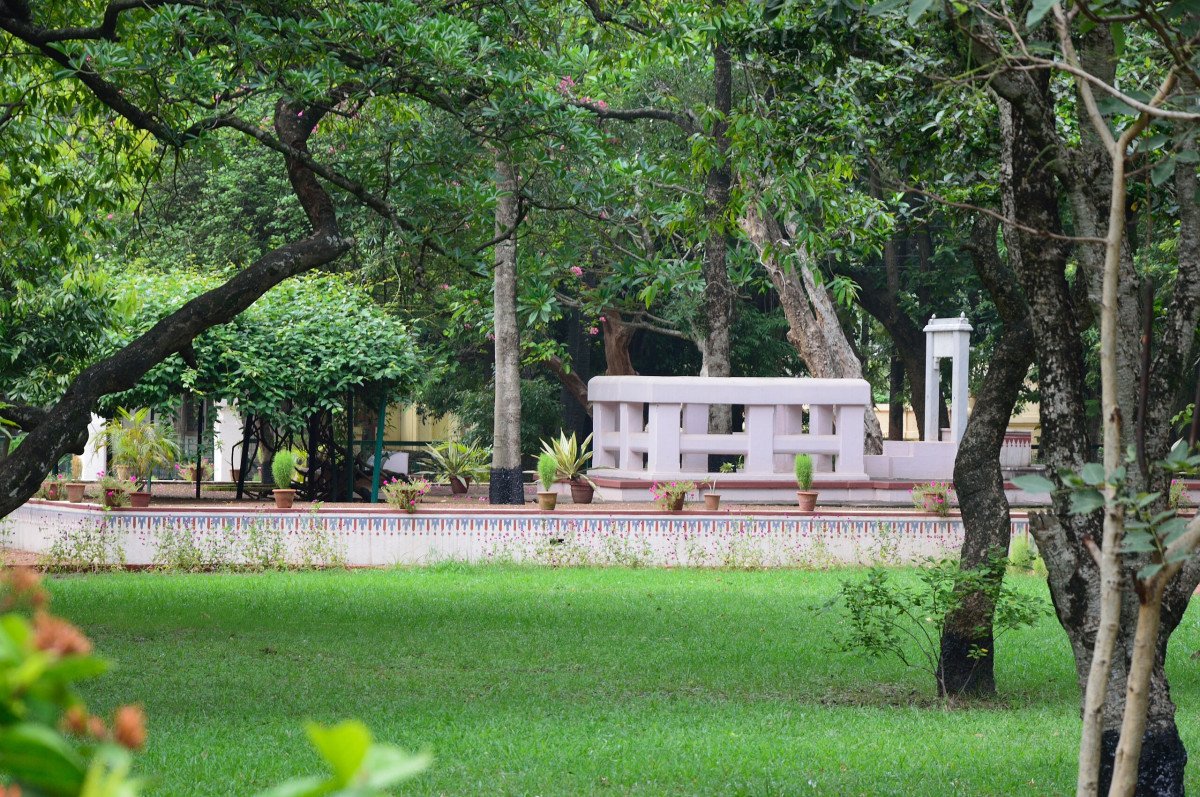
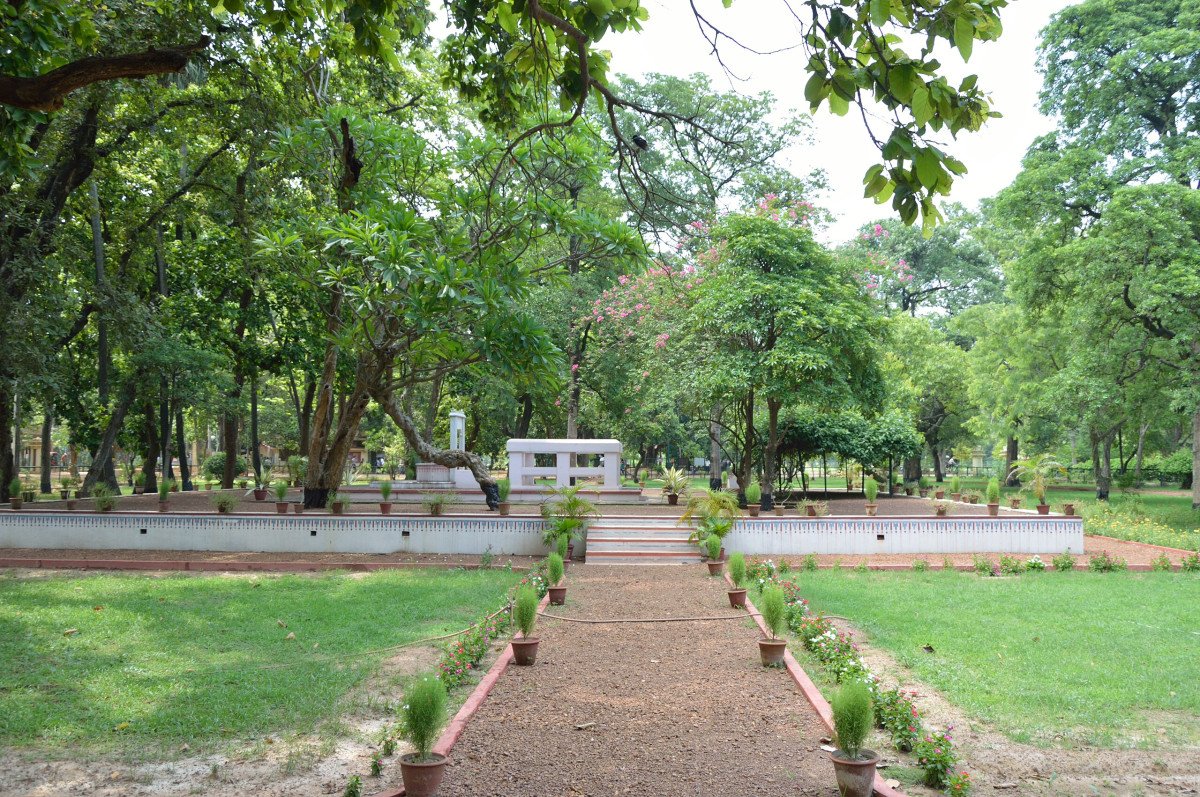
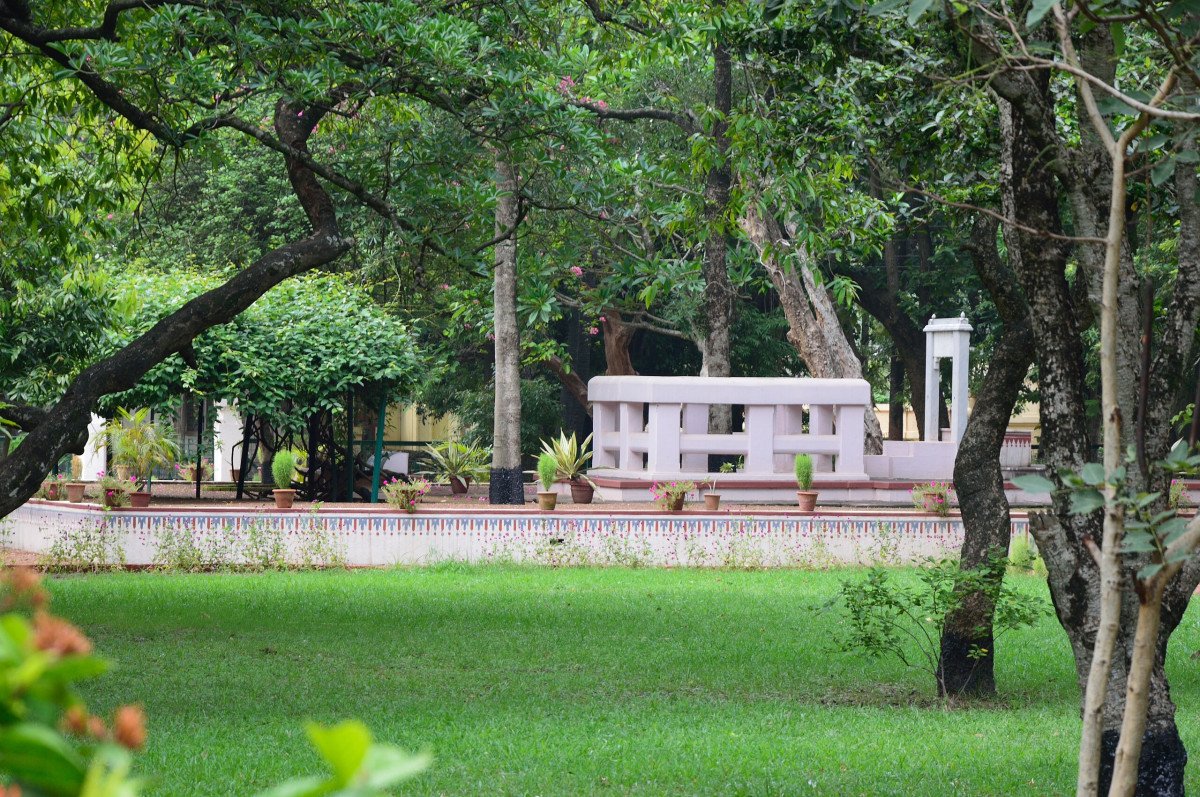
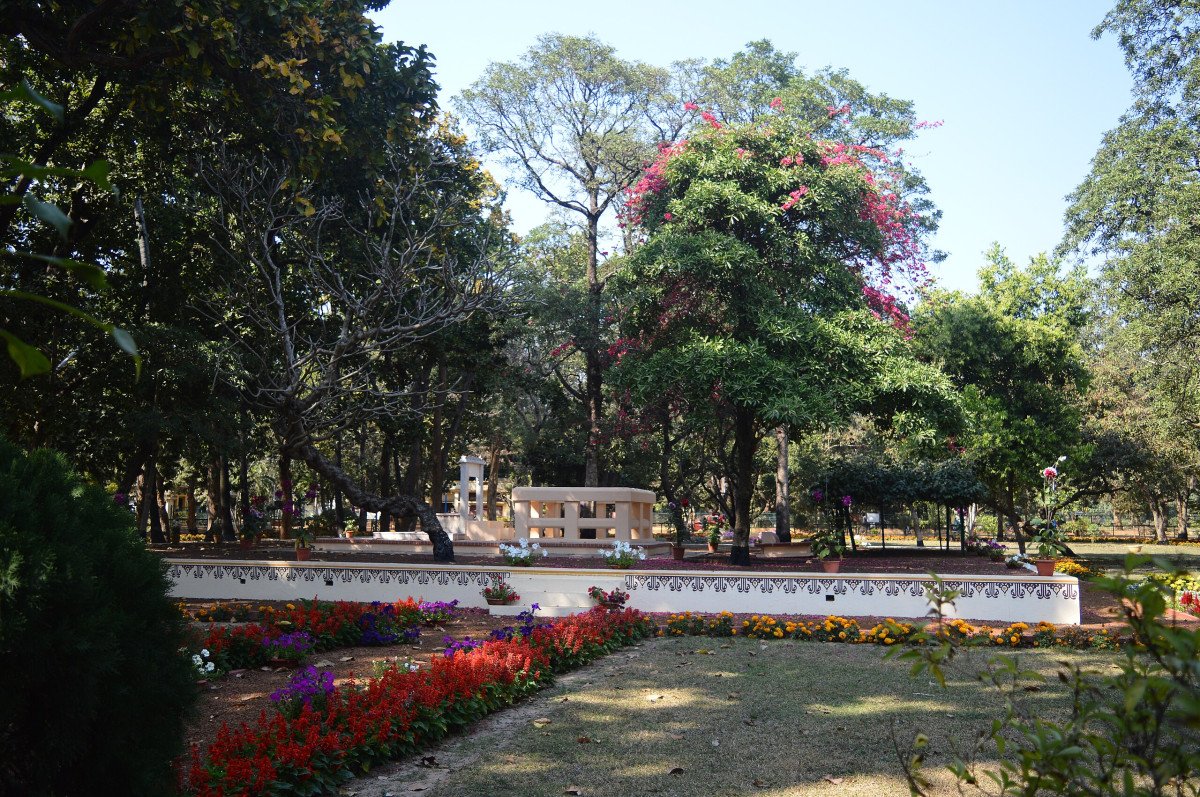
The Marble Plaque and Chhatim Tree: The most iconic spot is the marble plaque and the surrounding area, with the Chhatim tree canopy overhead. Capture the scene with the plaque in the foreground, using the tree's branches as a natural frame. Best photographed during the e...The Marble Plaque and Chhatim Tree: The most iconic spot is the marble plaque and the surrounding area, with the Chhatim tree canopy overhead. Capture the scene with the plaque in the foreground, using the tree's branches as a natural frame. Best photographed during the early morning (sunrise) or late afternoon to utilize soft light and long shadows, enhancing the tranquility.
Open Sky Perspective: Stand slightly back and photograph the entire dedicated area against the backdrop of the open sky. This angle emphasizes the 'open-air' philosophy and the connection between the spiritual site and nature. This is a powerful shot to convey the architectural concept of an 'open temple'.
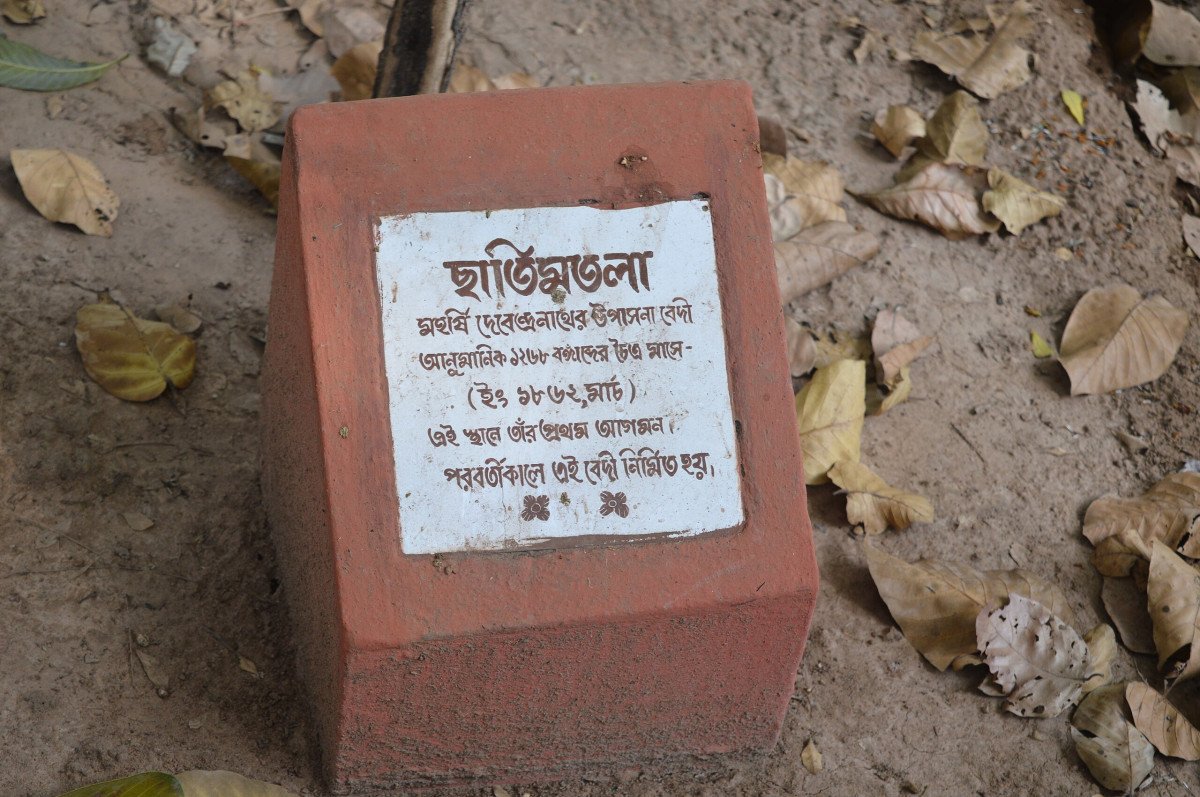
Detail Shots of the Platform: Focus on the texture of the marble platform or the inscriptions. This provides a close-up, abstract perspective of the site, highlighting the quiet dedication and age of the monument. Look for any flowers or small ritualistic items left by visitors to capture the ongoing reverence for the spot.Photo Gallery
Things To Do
-
Contemplation and Meditation: Chhatimtala is first and foremost a spot for quiet reflection. Find a comfortable spot, either near the perimeter (as entry to the immediate platform may be restricted) or under another nearby tree, and spend time in silence. The air of tranquility, especially in the early mornings, makes it ideal for meditation or simply observing nature. Try to mentally connect with the original vision of Maharshi Debendranath Tagorea quest for peace.
Attend the Morning Prayers: If you are visiting during university session days, check if you can attend the early morning prayers (Brahma-Upasana) held nearby or in the area. Attending this simple, non-denominational service, often featuring Tagore's songs (Brahma-Sangeet) and Vedic chanting, is a deep dive into the Ashram's spiritual heritage. It's an authenti...Contemplation and Meditation: Chhatimtala is first and foremost a spot for quiet reflection. Find a comfortable spot, either near the perimeter (as entry to the immediate platform may be restricted) or under another nearby tree, and spend time in silence. The air of tranquility, especially in the early mornings, makes it ideal for meditation or simply observing nature. Try to mentally connect with the original vision of Maharshi Debendranath Tagorea quest for peace.
Attend the Morning Prayers: If you are visiting during university session days, check if you can attend the early morning prayers (Brahma-Upasana) held nearby or in the area. Attending this simple, non-denominational service, often featuring Tagore's songs (Brahma-Sangeet) and Vedic chanting, is a deep dive into the Ashram's spiritual heritage. It's an authentic, immersive experience unlike typical tourist activities.
Heritage Photography and Sketching: The site's simple aesthetics, the interplay of light and shadow through the tree's canopy, and the historical marble platform provide excellent subjects for heritage photography. Focus on capturing the sense of peace. For artists, the spot is perfect for sketching and painting the serene landscape and the central motif of the tree and platform.
Explore the Open-Air Classroom Concept: Walk around the general area of the Ashram campus nearby. This area is historically significant as the location of some of the first open-air classes that Rabindranath Tagore initiated. Though classes may not always be in session for tourists to observe, simply being in the natural setting helps one understand the pedagogical genius of teaching in harmony with the environment, rather than within restrictive concrete walls.
Reading and Study: Bring a book of Tagore's poetry or a historical text about Shantiniketan's founding principles. Sitting in this historically charged atmosphere and reading can be an enriching experience, allowing you to connect the written word with its physical and spiritual origins. This is a scholarly 'thing to do' that respects the educational character of the place.
Local Interaction: If you encounter local students or university staff, a respectful, brief interaction about the history and daily life of the campus can be highly rewarding. They often hold a deep, personal connection to the place. This provides a cultural immersion beyond just viewing the monument. Remember to be respectful of the university's rules and the serene nature of the location. Silence is often requested.
Hotels
● Annaratna Resorts
Address: Bolpur, West Bengal
Distance: 7.5 km
Details: A 3-star property offering luxury amenities including a pool and 24-hour room service. Known for its professionalism, excellent food quality, and comp...
● Dip Holidays Resort
Address: Bolpur, West Bengal
Distance: 3.5 km
Details: Features a refreshing swimming pool, a pleasant restaurant, and a bonfire area. Perfect for guests wanting to spend their evenings outdoors. A popular...
● Hotel Aayes & Resort
Address: Bolpur, West Bengal
Distance: 4.0 km
Details: A friendly, mid-range resort offering free breakfast. Provides a comfortable stay with essential amenities and helpful staff, making it a reliable cho...
● Hotel Chaitrangada
Address: Shyambaati, West Bengal
Distance: 3.2 km
Details: An affordable budget hotel. Offers clean and functional rooms for a comfortable stay. A great choice for travelers who want to be close to the univers...
● Hotel Royal Bengal
Address: Bolpur, West Bengal
Distance: 2.2 km
Details: A reliable budget-mid-range hotel. Offers a variety of room sizes and modern facilities. Well-loved for its location and consistent quality in service...
● Loknath Bhavan
Address: Bolpur, West Bengal
Distance: 4.2 km
Details: A budget guesthouse offering basic, clean accommodations. Known for its simplicity and proximity to local tourist spots. Good for those looking for a ...
● Ram Shyam Village Resort
Address: Kabi Mohanpur, West Bengal
Distance: 3.8 km
Details: Luxury-style resort with a kids' play area, restaurant, and lounge. Offers a relaxing atmosphere for families to unwind after sightseeing. Known for i...
● Rangamati Garden Resort
Address: Bolpur, West Bengal
Distance: 5.1 km
Details: Features a swimming pool, restaurant, and kids' play area. A beautiful setting that blends nature with hospitality. Perfect for a family vacation in a...
● The Ant Hill
Address: Bolpur, West Bengal
Distance: 3.0 km
Details: A unique, mid-range property with a creative touch. Features clean rooms and excellent service. Great for travelers seeking a different kind of experi...
● The Cristallo Resort
Address: Kabi Mohanpur, West Bengal
Distance: 5.3 km
Details: A highly-rated resort providing modern amenities. Features comfortable, couple-friendly rooms, a peaceful environment, and easy cancellation options. ...
Show AllRestaurants
● Aarhani
Address: Santiniketan
Distance: 1.2 KM
Details: This place is renowned for its home-cooked lunch experience. If you are craving authentic Bengali fare that feels like a home meal, this is the perfec...
Food List: Home-style Fish Thali', 'Bhaat', 'Dal', 'Aloo Post...
● Banalakshmi
Address: Santiniketan
Distance: 4.0 KM
Details: A legendary name in the region for traditional Bengali meals. They are famous for their farm-to-table approach and authentic recipes. Must Try: Tradit...
Food List: Traditional Bengali Thali', 'Ghee Bhaat', 'Dal', '...
● Borishaler Rannaghor
Address: Bolpur
Distance: 2.5 KM
Details: Specializing in traditional Bengali thalis, this restaurant brings the robust and spicy flavors of East Bengal to Shantiniketan. Must Try: Ilish Mache...
Food List: Ilish Macher Jhol', 'Bhaat', 'Dal', 'Aloo Posto', ...
● Café Amoli
Address: Santiniketan
Distance: 0.8 KM
Details: Widely regarded as having raised the culinary standards in the area, this eatery constantly reinvents its menu, blending local ingredients with contem...
Food List: Pasta', 'Grilled Chicken', 'Salads', 'Artisan Coff...
● Café Midori
Address: Santiniketan
Distance: 1.9 KM
Details: A cute, atmospheric cafe perfect for those who appreciate soulful music, great coffee, and a cozy environment. It is well-loved for its relaxed vibe. ...
Food List: Cold Coffee', 'Tea', 'Cookies', 'Brownie', 'Sandwi...
Show AllInformation
-
Why Famous:
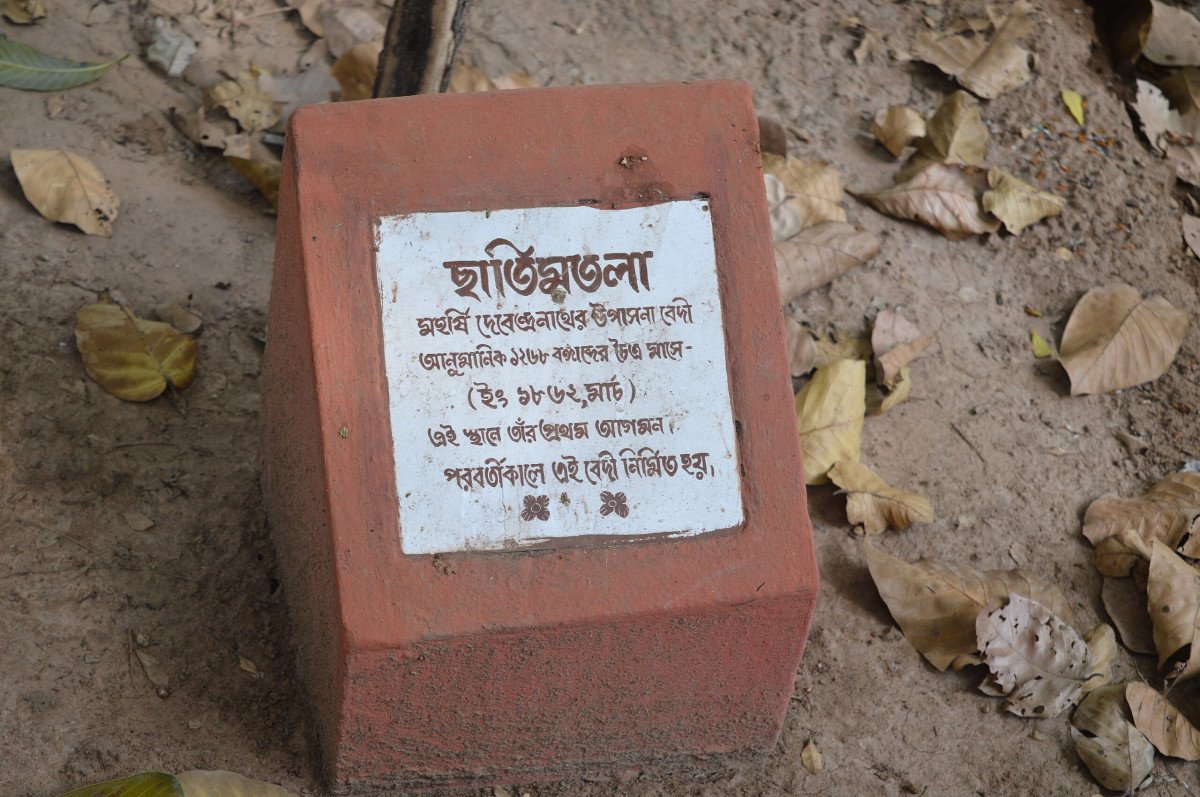
Cradle of Visva-Bharati: Chhatimtala is famous as the conceptual genesis of Shantiniketan and, subsequently, the internationally acclaimed Visva-Bharati University. It's the sacred spot where Maharshi Debendranath Tagore's spiritual quest led to the acquisition of the land...Cradle of Visva-Bharati: Chhatimtala is famous as the conceptual genesis of Shantiniketan and, subsequently, the internationally acclaimed Visva-Bharati University. It's the sacred spot where Maharshi Debendranath Tagore's spiritual quest led to the acquisition of the land and the establishment of the original 'Ashram'. This single act of spiritual retreat blossomed into a unique experiment in education and culture under his son, Rabindranath Tagore.
The Seat of Meditation and Learning: Its fame is tied to its use as the Maharshis meditation spot under the original Chhatim tree. Furthermore, the tradition of teaching classes in the open air, under the shade of trees, a hallmark of Tagore's progressive educational model, is often traced back conceptually to this initial, powerful natural setting. The place symbolizes the synthesis of spiritual contemplation and intellectual pursuit in harmony with nature.
Poush Utsav Ceremony: Chhatimtala is the starting point of the grand Poush Utsav (a major winter festival held in December). The annual ceremony, which commemorates the founding of the Shantiniketan ashram, traditionally begins here with a simple prayer and Vedic chanting, attracting thousands of scholars, students, and tourists, making it a focal point for cultural heritage celebration. -
Architecture:
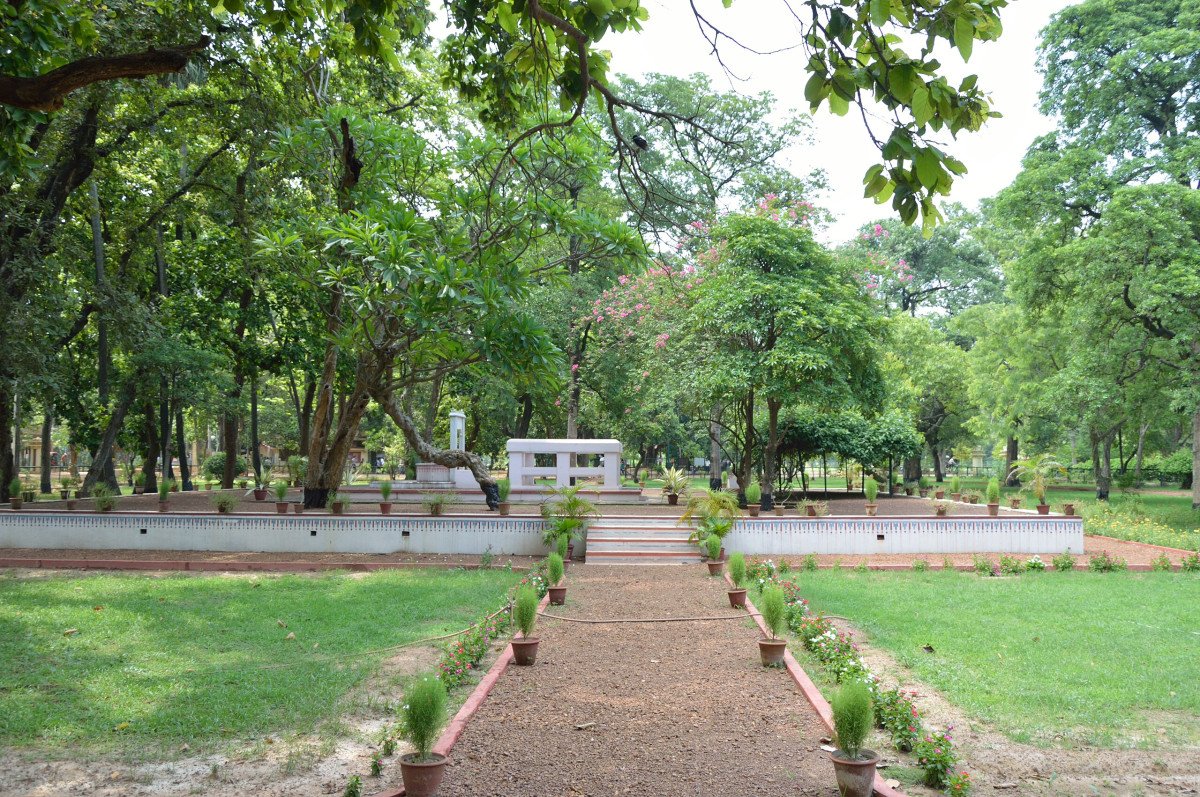
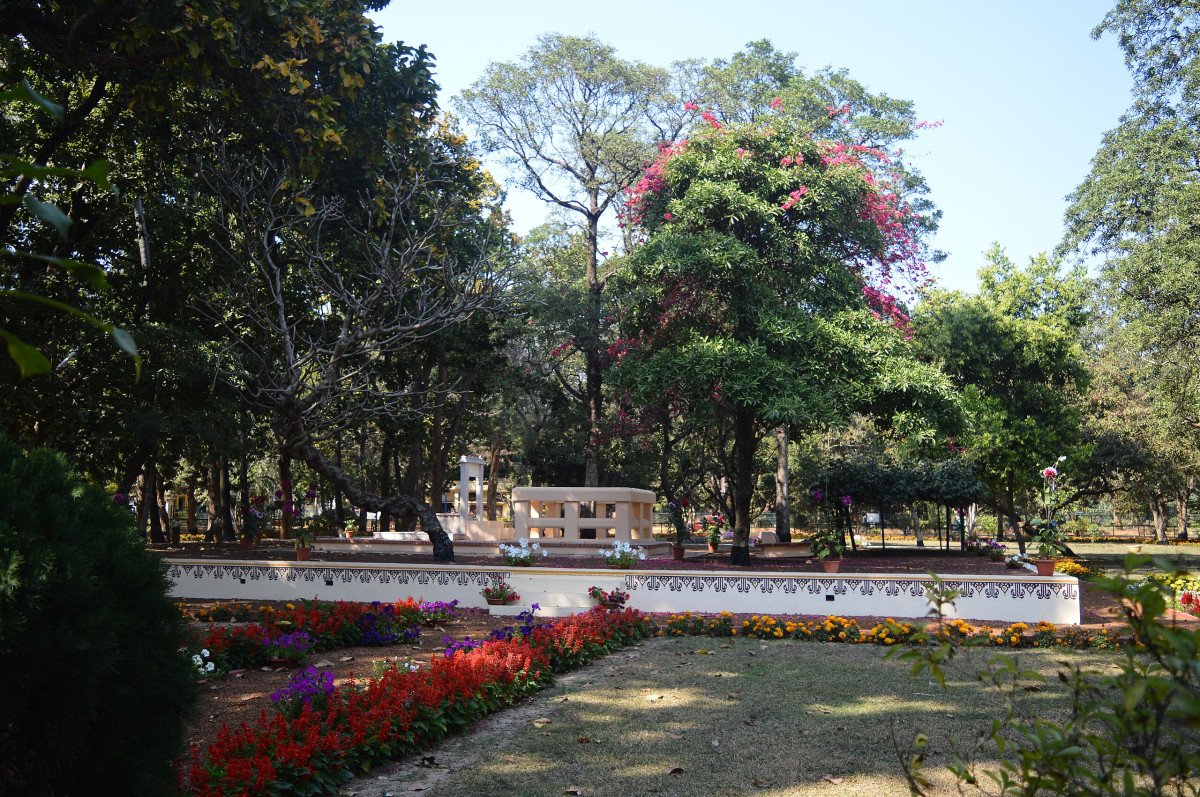
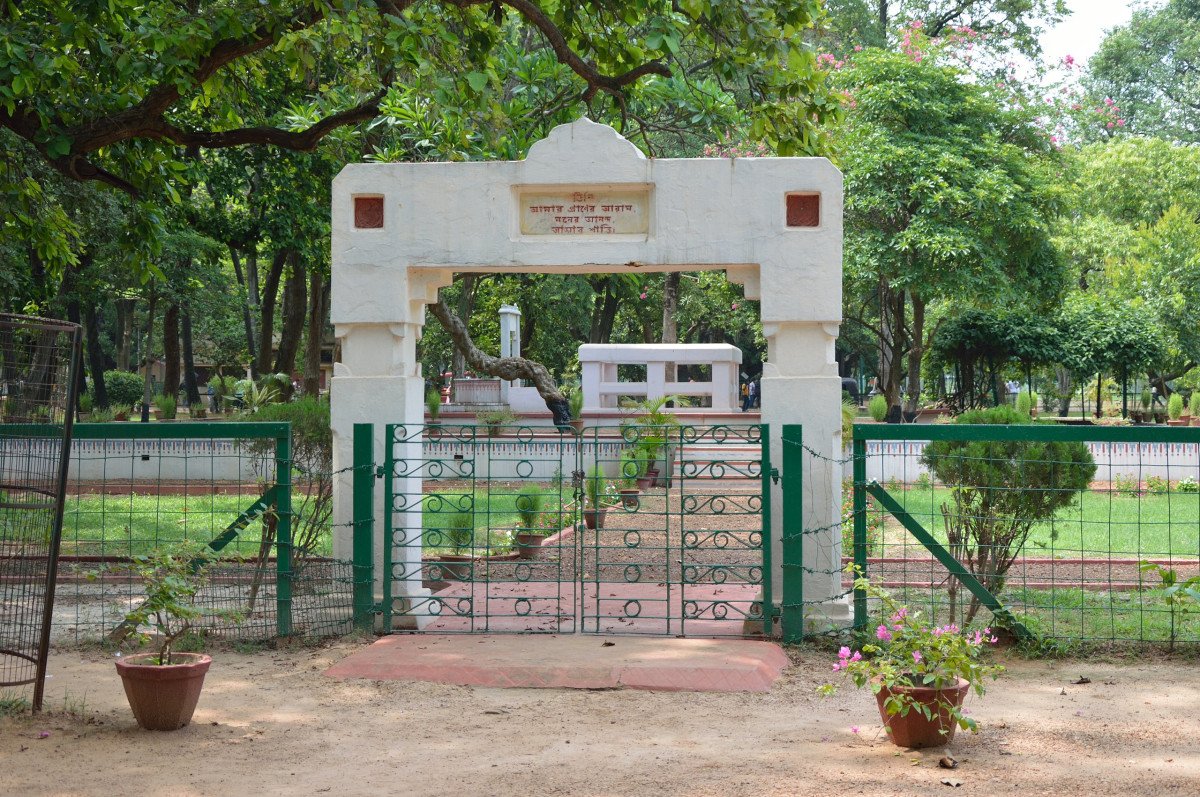
Design and Materiality of a Symbolic Space: The "architecture" of Chhatimtala is unique because it is less about a built structure and more about the design and dedication of a natural space. The main focus is the marble platform and the Chhatim tree itself, set within a w...Design and Materiality of a Symbolic Space: The "architecture" of Chhatimtala is unique because it is less about a built structure and more about the design and dedication of a natural space. The main focus is the marble platform and the Chhatim tree itself, set within a well-maintained, lush garden area. This design choice, focusing on nature as the primary element, reflects the Maharshi's vision of worshipping the formless God (Brahma Samaj) in the open air, away from conventional temple structures. The lack of elaborate construction intentionally highlights the simplicity and purity of the place.
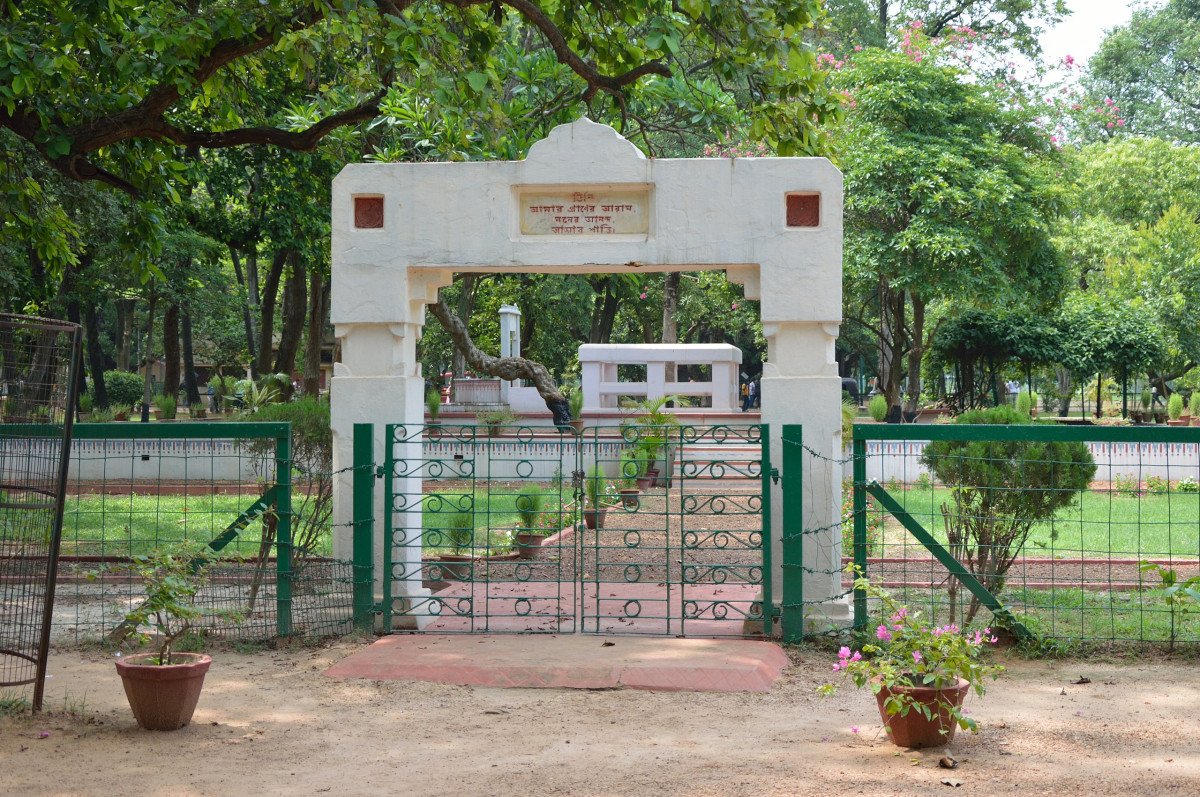
Dimensions and Layout: The area comprises a paved or grass-covered ground leading to a small, raised marble platformthe central element. The platform's dimensions are modest, perhaps around 6 feet by 6 feet, serving as a symbolic spot for meditation. Surrounding this platform is a relatively small, contained garden space, protected by a railing, emphasizing its sacred and heritage status. The overall layout is simple, linear, and non-intrusive, designed to harmonize with the natural environment rather than dominate it. The open design symbolizes the freedom of thought and the universality of the divine experience sought by its founder. -
How To Reach:
By Air: The nearest major airport is Netaji Subhas Chandra Bose International Airport, Kolkata (CCU), approximately 160-180 KMS away. From the airport, one can hire a pre-booked taxi or cab directly to Shantiniketan/Bolpur. The drive takes about 3. 5 to 4 hours. Alternat...By Air: The nearest major airport is Netaji Subhas Chandra Bose International Airport, Kolkata (CCU), approximately 160-180 KMS away. From the airport, one can hire a pre-booked taxi or cab directly to Shantiniketan/Bolpur. The drive takes about 3. 5 to 4 hours. Alternatively, one can take a local taxi or bus from the airport to Howrah or Sealdah railway stations and proceed by train, which is often faster and less prone to traffic delays. The recently operational Kazi Nazrul Islam Airport (RDP) in Durgapur is closer (approx. 60 KMS) but has fewer flight options.
By Train: The most convenient and popular way. The nearest railway station is Bolpur Shantiniketan (BHP), which is well-connected to Kolkata (Howrah/Sealdah) and other major Indian cities. Key trains include the Shantiniketan Express and the Shatabdi Express. The journey from Kolkata typically takes 2. 5 to 3 hours. Once you arrive at BHP, Chhatimtala is approximately 1 to 2 KMS away, and easily reachable by local transport.
By Road: Shantiniketan is about 160-210 KMS northwest of Kolkata. The road journey, generally via the Durgapur Expressway (NH 19) and then local roads (NH 114), is excellent. The drive takes around 3. 5 to 4. 5 hours, depending on traffic and speed. State-owned and private luxury buses also ply regularly from Kolkata to Bolpur. Self-driving or hiring a private car is highly recommended for comfort and flexibility in exploring the surrounding areas.
By Local Transport: From the Bolpur Railway Station or the main town center, the best local transport options are Auto-Rickshaws (often locally called Toto/E-Rickshaws). These battery-operated vehicles are common and can take you directly inside the campus area near Chhatimtala. They are easily available and cost very little. Cycle-Rickshaws are also available for a more traditional and leisurely pace. It is advisable to hire a Toto for the entire day to cover all spots within the Shantiniketan campus. -
Weather and Best Time to Visit:
Different Types of Seasons: The Best Time to Visit is during the Winter Season (October to March). The weather is pleasantly cool, with temperatures ranging from 12C to 28C, making it ideal for walking and exploring the open-air campus. This period also includes the Poush...Different Types of Seasons: The Best Time to Visit is during the Winter Season (October to March). The weather is pleasantly cool, with temperatures ranging from 12C to 28C, making it ideal for walking and exploring the open-air campus. This period also includes the Poush Mela (December) and Basanta Utsav/Holi (February/March), which are major cultural attractions. The Monsoon Season (July to September) is also beautiful as the landscape turns lush green, but heavy rain can restrict outdoor movement. Summers (April to June) are uncomfortably hot and are best avoided.
Different Parts of the Day: The Ideal Time is the Early Morning (around 8:00 AM to 10:00 AM). The soft morning light is perfect for photography, and the cool, quiet environment allows for peaceful reflection, aligning with the spiritual nature of Chhatimtala. Late afternoon is a close second. Avoid midday when the sun is harsh and the temperature is highest. -
Near Tourist Places:
1. Visva-Bharati University Campus (0 KMS, surrounding area) 2. Upasana Griha (Prayer Hall) (0. 5 KMS) 3. Kalo Bari (Black House) (0. 8 KMS) 4. Rabindra Bhavana Museum (Uttarayan Complex) (1. 5 KMS) 5. Kala Bhavana (Art College) (0. 5 KMS) 6. Sangeet Bhavana (Music College) (0. 7 KMS) 7. Patha Bhavana (School) (0. 2 KMS) 8. China Bhavana (Sino-Indian Cultural Centre) (0. 5 KMS) 9. Amar Kutir (5 KMS) 10. Khoai Sonajhuri Forest (3 KMS)
Tourism Tips
-
Health & Safety: Always carry drinking water, especially during non-winter months. Use sunscreen and a hat for protection. Since the area is open, be mindful of local insects and use repellent if needed. The campus is safe, but it's wise to keep your belongings secure. ...Health & Safety: Always carry drinking water, especially during non-winter months. Use sunscreen and a hat for protection. Since the area is open, be mindful of local insects and use repellent if needed. The campus is safe, but it's wise to keep your belongings secure. As a place of historical and spiritual significance, maintain absolute silence and respect the atmosphere; loud chatter is frowned upon.
Packing: Pack light cotton clothing for summers and light woolens or jackets for winter. Comfortable walking shoes are a must for exploring the sprawling campus. A camera to capture the unique architecture and natural beauty is highly recommended. Carry a small notebook to jot down reflections, honoring the place's connection to education and poetry.
Accommodation: Book your accommodation in Bolpur or Shantiniketan well in advance, especially if visiting during Poush Mela or Basanta Utsav, as places fill up quickly. Options range from university guest houses and mid-range hotels to boutique resorts and homestays. Staying closer to the Visva-Bharati campus is ideal for convenience.
Other Different Topics Heading:
Campus Etiquette: Since Chhatimtala is part of a functional educational institution, maintain decorum. Do not litter. Photography may be restricted in some areas of the wider campus; always heed local signboards and security guards. Wednesdays are the university's official holiday, and many places, including museums, are closed. Plan accordingly.
Local Transport Negotiation: When hiring a Toto or cycle-rickshaw, agree on the fare beforehand to avoid disputes.
Explore the Local Market: Don't forget to visit the nearby Sonajhuri Haat (Saturday Market) for local crafts.
Reviews
FAQs
Ans:- Early morning or late afternoon is the best time to visit Chhatimtala. The soft light filtering through the trees and the naturally quiet atmosphere during these times enhance the spiritual experience. It is also less crowded than the middle of the day.Ans:- Entrance into the immediate prayer enclosure is generally restricted to maintain the sanctity and peace of the site. However, visitors can clearly see the prayer spot and the iconic Chhatim trees from the perimeter fence. It remains a place of quiet reflection for all who visit.Ans:- It is the soul of the town because it was here that the vision for Shantiniketan was first conceived. Maharshi Debendranath was so moved by the peace he found under these trees that he decided to establish an Ashram here in 1863, which eventually grew into the world-famous university.Ans:- No, there is no entry fee to visit Chhatimtala. It is part of the Ashram complex which is open to the public. Most visitors include it as their first stop when exploring the historical "Ashram" area of the Visva-Bharati campus.Ans:- Photography is generally permitted from outside the fence. However, taking photos of people meditating or using professional equipment might require prior permission. It is best to take a quick photo and then put the camera away to truly soak in the peaceful atmosphere.Ans:- Visitors are expected to maintain absolute silence and dress modestly. Since it is a place of meditation and spiritual importance, loud talking, running, or any disruptive behavior is strictly discouraged. It is meant to be a place where one can experience the same tranquility the Maharshi felt.Ans:- While many festivals involve the site, the "Poush Utsav" (held in late December) involves significant prayer services at Chhatimtala. It marks the foundation day of the Ashram and is a deeply moving experience involving devotional songs and community prayers in the early morning.Ans:- Yes, in the early days of the Patha Bhavana school, classes were often held in the open air near Chhatimtala. This was central to Tagore’s philosophy of "education in nature," where students were not confined by four walls but learned under the shade of trees.Ans:- Yes, it is located within the same general Ashram complex, just a short walk away from the Rabindra Bhavana (museum) and the Uttarayan buildings. Most tourists explore these sites together as they represent the historical core of Shantiniketan.Ans:- Yes, the area is relatively flat and easy to walk around. Since it is located in the central part of the Ashram, it is quite accessible. There are benches nearby where elderly visitors can sit and enjoy the serenity without having to stand for long periods.Ans:- You can take a Toto or auto-rickshaw from Bolpur station and ask for the "Ashram" or "Visva-Bharati main campus." The ride takes about 10-15 minutes. Once you enter the university area, any local person or student can guide you to the Chhatimtala spot.Shantiniketan Itineray And Cost:-
Information about New and Updated Locations() of West Bengal Has Been Added :-
Card subtitle
Note:-
Information provided here in good Faith and for reference only.
All information and pictures will be updated soon, please keep visiting.
Near Places
Amar Kutir
Some quick example text to build on the card title and make up the bulk of the card's content.
Go somewhere
Amrakunja
Some quick example text to build on the card title and make up the bulk of the card's content.
Go somewhere
Ballavpur Deer Park
Some quick example text to build on the card title and make up the bulk of the card's content.
Go somewhere
Ballavpur Wildlife Sanctuary
Some quick example text to build on the card title and make up the bulk of the card's content.
Go somewhere
Bhubandanga Cultural Centre
Some quick example text to build on the card title and make up the bulk of the card's content.
Go somewhere
Bonerpukur Adivasi Village
Some quick example text to build on the card title and make up the bulk of the card's content.
Go somewhere
Cheena Bhavana
Some quick example text to build on the card title and make up the bulk of the card's content.
Go somewhere
Chhatimtala
Some quick example text to build on the card title and make up the bulk of the card's content.
Go somewhere
Chhinnamasta Temple
Some quick example text to build on the card title and make up the bulk of the card's content.
Go somewhere
Geetanjali Rail Museum
Some quick example text to build on the card title and make up the bulk of the card's content.
Go somewherein Other Cities