Chhinnamasta Temple
General information
-
Ideal Duration:
1 Hour:Place Type:
Temple, Religious Site, Tantric Centre:Entry Fees:
Main Temple Entry: There is No Entry Fee to enter the Chhinnamasta Temple itself, as it is an active place of worship. All visitors and devotees are welcome free of charge.
Photography Charges: Still Photography is generally free, but takin...Main Temple Entry: There is No Entry Fee to enter the Chhinnamasta Temple itself, as it is an active place of worship. All visitors and devotees are welcome free of charge.
Photography Charges: Still Photography is generally free, but taking pictures inside the sanctum or of the main idol may be restricted or require special permission. Video Photography might incur a small fee, though this is less common for modern temples.
Donations: While there is no mandatory fee, visitors are encouraged to make a voluntary donation (dakshina) to the temple fund or the hundi (collection box) for the upkeep of the temple and its activities.
Ritual/Puja Fees: For performing special pujas or rituals (archana), devotees typically have to purchase offering materials (flowers, sweets, etc. ) and give a customary fee to the priest. This is not an 'entry fee' but a charge for a service.Timing:
Regular Darshan Timings: The temple is generally open for Darshan (viewing the deity) from early Morning around 5:00 AM to 1:00 PM, and then again in the Evening from 4:00 PM to around 9:00 PM. Timings can be extended during festivals.
Ideal Vi...Regular Darshan Timings: The temple is generally open for Darshan (viewing the deity) from early Morning around 5:00 AM to 1:00 PM, and then again in the Evening from 4:00 PM to around 9:00 PM. Timings can be extended during festivals.
Ideal Visit Time (Morning Serenity): The Best Time to Visit is early Morning between 6:00 AM and 8:00 AM. This period offers a tranquil atmosphere, lower crowds, and better light for photography.
Ideal Visit Time (Evening Vibe): Visiting during the Evening Aarti (around 6:30 PM to 7:30 PM) provides a more vibrant and spiritual experience with the sound of bells and hymns, although it will be more crowded.
Avoid Midday Closures: Always check local timings, as the temple often closes in the Afternoon (mid-day - usually 1 PM to 4 PM) for the deity's rest and cleaning rituals.Special Events:
Maha-Saptami and Maha-Ashtami Puja: During Durga Puja (often in October), a special Maha-Saptami and Maha-Ashtami puja is held. This period is highly significant in Shaktism, and the temple sees an influx of devotees for powerful, sometimes late-night, rituals.Maha-Saptami and Maha-Ashtami Puja: During Durga Puja (often in October), a special Maha-Saptami and Maha-Ashtami puja is held. This period is highly significant in Shaktism, and the temple sees an influx of devotees for powerful, sometimes late-night, rituals.
Kali Puja/Diwali Celebrations: The festival of Kali Puja (coinciding with Diwali, often in October or November) is a major event. Goddess Chhinnamasta is considered a fierce form of the Divine Mother, making the celebrations on this night particularly intense, with special homams (fire rituals) and cultural programs.
Amavasya (New Moon) Rituals: Special pujas and rituals are often performed on the Amavasya (New Moon) nights, which are considered auspicious in the Tantric tradition. These rituals are generally less publicised but deeply revered by local devotees.Best Photo Spots:
The Temple Entrance Gate: The main entrance often features colorful modern temple art, providing a good wide-angle shot, especially with the morning light.
View of the Shikara/Dome: Capture the top part (Shikara or Vimana) of the temple from...The Temple Entrance Gate: The main entrance often features colorful modern temple art, providing a good wide-angle shot, especially with the morning light.
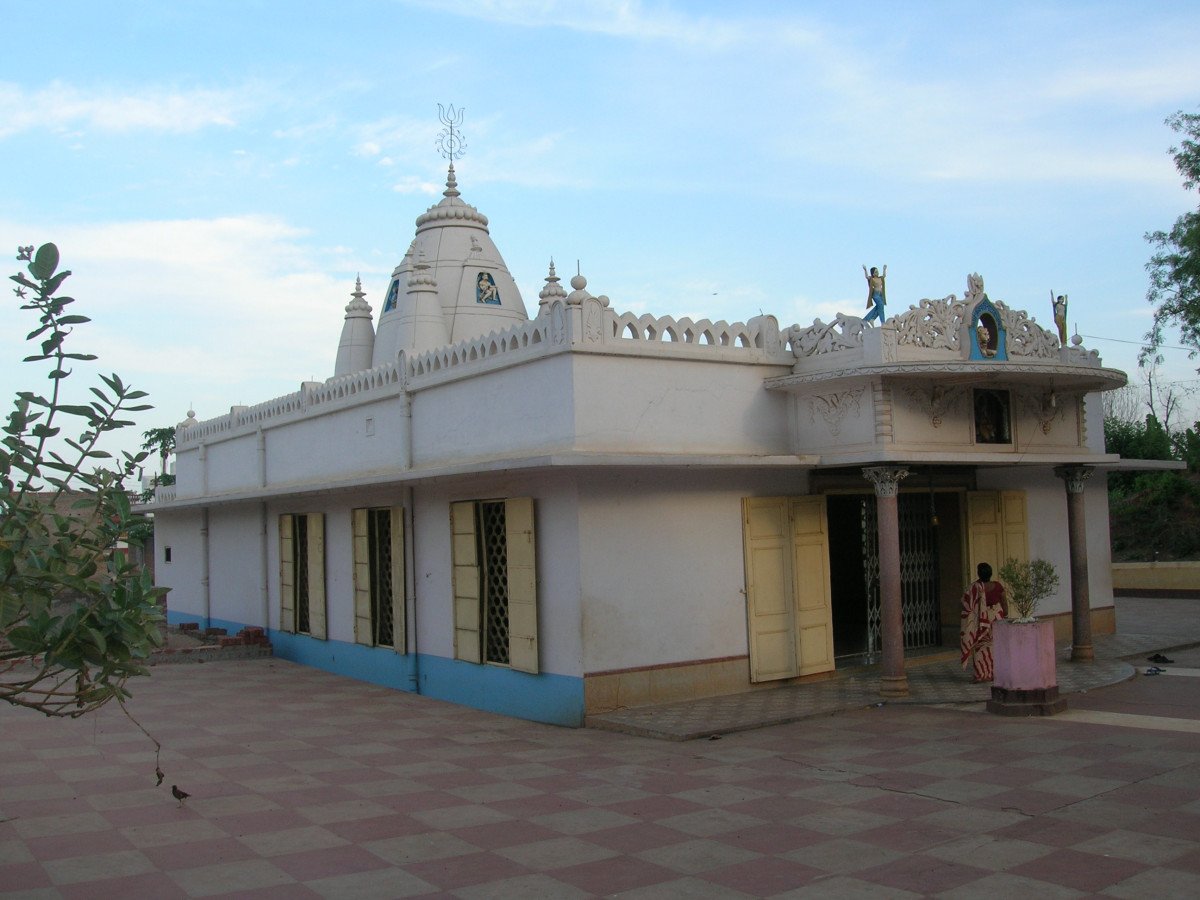
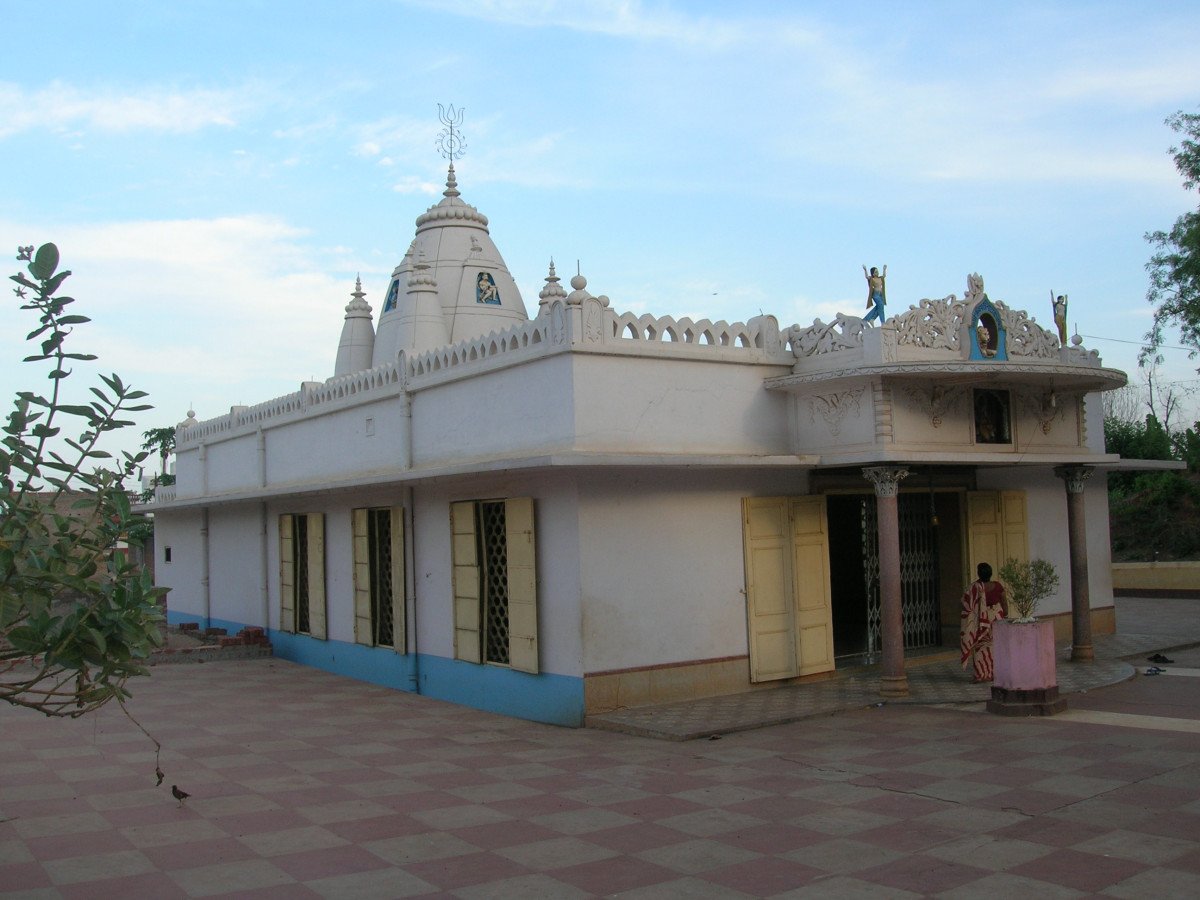
View of the Shikara/Dome: Capture the top part (Shikara or Vimana) of the temple from a distance, framing it against the sky, which highlights the structures contemporary style in contrast to the historical architecture of the town.
Vibrant Offerings: The area where offerings (prasad, flowers, diyas) are arranged provides a burst of color and a glimpse into the devotional aspect, making for compelling close-up shots.
The Temple Walls (Exterior): Look for any modern murals or relief work on the exterior walls, which showcase the current artistic interpretation of the Goddess's mythology.
The Evening Illumination: During the evening Aarti or festivals, the temple is typically illuminated with string lights and earthen lamps, offering beautiful, contrast-rich low-light photography opportunities. Remember to be respectful and seek permission before taking pictures of the main deity.Photo Gallery
Things To Do
-
Offer Prayers and Seek Blessings: As an active temple, the primary activity is to offer puja (worship) and seek the blessings of Goddess Chhinnamasta for strength and spiritual growth.
Meditation and Reflection: The powerful energy of the Mahavidya is ideal for quiet meditation and spiritual reflection, especially during the quieter hours of the morning.
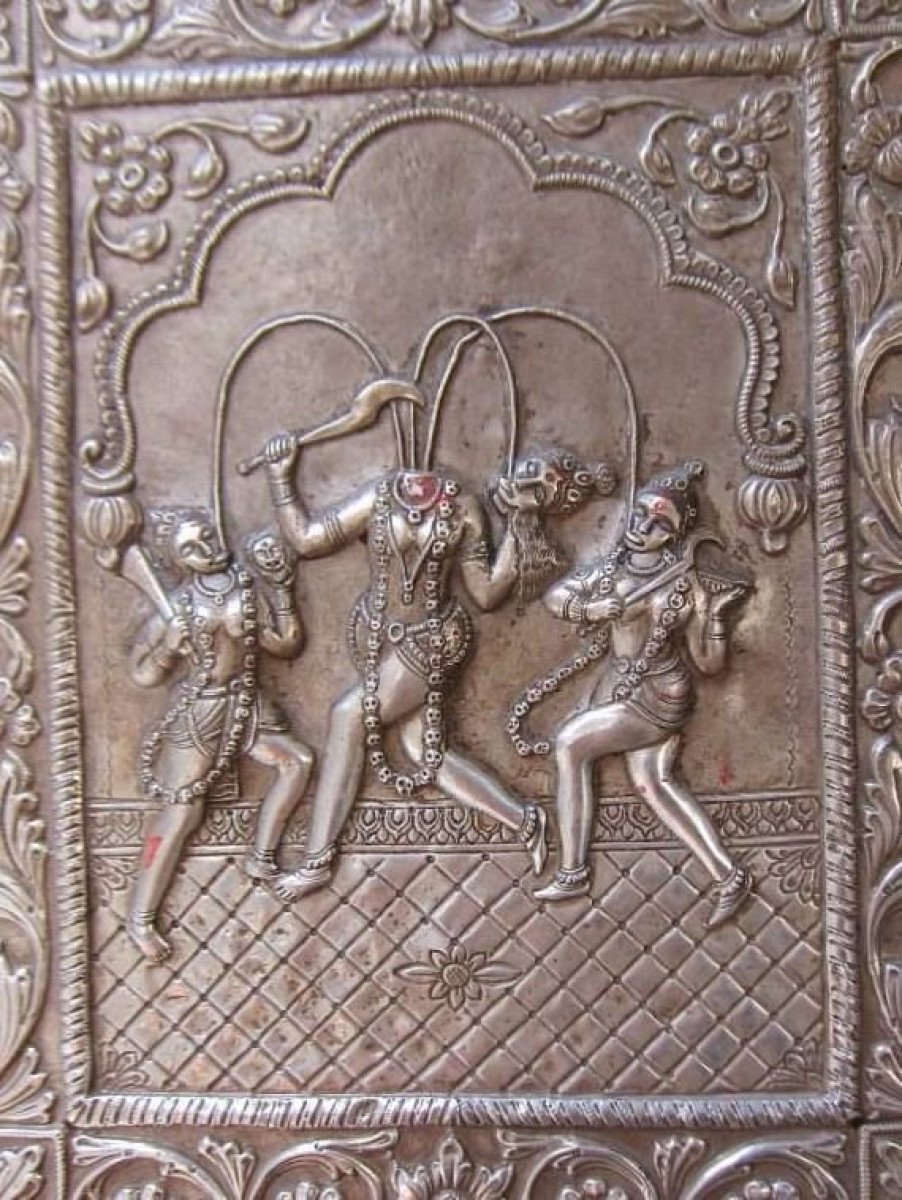
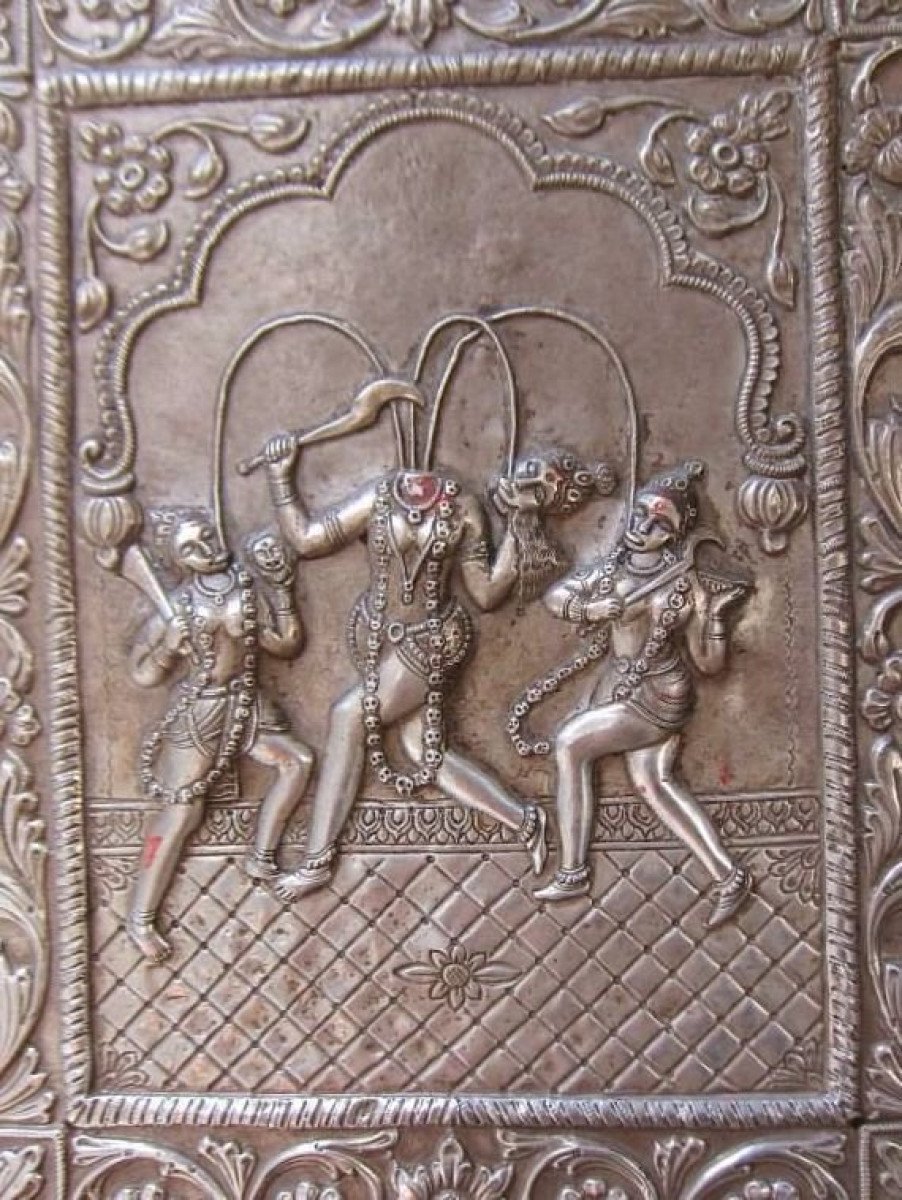
Study the Iconography: Spend time observing and understanding the complex iconography of the Goddess and her attendants. Look for local explanations of the symbolism, such as the three streams of blood and the placement of Kamadeva and Rati beneath her feet.
Interact with Priests/Devotees: Engage in polite conversation with the local priests or regular devotees to learn about the Tantric traditions associated wi...Offer Prayers and Seek Blessings: As an active temple, the primary activity is to offer puja (worship) and seek the blessings of Goddess Chhinnamasta for strength and spiritual growth.
Meditation and Reflection: The powerful energy of the Mahavidya is ideal for quiet meditation and spiritual reflection, especially during the quieter hours of the morning.
Study the Iconography: Spend time observing and understanding the complex iconography of the Goddess and her attendants. Look for local explanations of the symbolism, such as the three streams of blood and the placement of Kamadeva and Rati beneath her feet.
Interact with Priests/Devotees: Engage in polite conversation with the local priests or regular devotees to learn about the Tantric traditions associated with the temple and the significance of the Goddess in their lives.
Attend the Morning and Evening Aarti: The Aarti (ritual of light) is a visually and spiritually uplifting experience. Attending the morning or evening Aarti provides a glimpse into the temple's daily rituals.
Explore the Temple's Surroundings: Since the temple is slightly away from the center, take a short walk around the neighborhood to observe the non-touristy local life of Bishnupur.
Photography (with permission): Capture the vibrant colors and the unique environment of a living temple, but always seek explicit permission before photographing the main deity or people engaged in worship.
Buy Offerings and Souvenirs: Purchase traditional prasad (offering) or small religious souvenirs from the shops outside the complex.
Visit During Festivals: Plan a visit to coincide with festivals like Durga Puja or Kali Puja (usually in September - November) when the temple is exceptionally vibrant and hosts special pujas and events.
Contribute to Charity: The temple often runs small social or charitable activities; one can choose to make a small donation or contribution.
Hotels
● Abhinandan Homestay
Address: Bolpur, West Bengal
Distance: 2.3 km
Details: Features a comfortable seating area, a terrace, and free parking. A clean, friendly home away from home. Ideal for travelers visiting the nearby templ...
● ALOamarALO
Address: Bolpur, West Bengal
Distance: 1.9 km
Details: A homely and comfortable stay with a touch of luxury. The staff ensures guests feel well-taken care of. Highly rated for its relaxing vibes and overal...
● Ashima Resort
Address: Srī Niketan, West Bengal
Distance: 3.0 km
Details: A pleasant resort property offering various room categories. Good for families and group travelers needing a central base while visiting the Chhinnama...
● Dheer- BnB at an Artist's Abode
Address: Bolpur, West Bengal
Distance: 1.8 km
Details: A beautiful, artistic property featuring a garden and private parking. Offers an exceptional, quiet atmosphere perfect for artists or anyone seeking a...
● Ichhamati Homestay
Address: Bolpur, West Bengal
Distance: 1.5 km
Details: A highly-rated homestay known for its superb hospitality. Offers a cozy, authentic experience with breakfast options and a clean, homely environment. ...
● Mohul - A Tribal Hut
Address: Bolpur, West Bengal
Distance: 5.1 km
Details: Unique tribal-style hut accommodation. Features free Wi-Fi, a restaurant, and a lounge. An immersive cultural experience that provides all the comfort...
● Santiniketan Retreat
Address: Bolpur, West Bengal
Distance: 1.2 km
Details: A 3-star establishment featuring an outdoor pool and lush gardens. The smiling staff provide heart-warming service. An excellent choice for a comforta...
● Srirangam Homestay
Address: Bolpur, West Bengal
Distance: 2.0 km
Details: A comfortable homestay providing 24-hour front desk service, air conditioning, and a garden. Known for its cleanliness and friendly, personal touch. A...
● Super Hotel O Bolpur
Address: Bolpur, West Bengal
Distance: 2.5 km
Details: A convenient hotel with breakfast options. Known for good service and cleanliness. A solid, no-frills option for those who prioritize accessibility an...
● Zara Homestay
Address: Shyambaati, Bolpur, West Bengal
Distance: 2.1 km
Details: A budget-friendly option with 24-hour room service and a decent restaurant. The prime location makes it a desirable choice for comfort-seeking travele...
Show AllRestaurants
● 9x9 Restaurant
Address: Bolpur, West Bengal
Distance: 1.8 KM
Details: 9x9 Restaurant is a well-known culinary stop for those exploring the heritage of Shantiniketan. Known for its excellent ambiance, it serves a mix of a...
Food List: Chicken Biryani', 'Veg Fried Rice', 'Chilli Chicke...
● Bachan Da Dhaba & Restaurant
Address: Bolpur Road, West Bengal
Distance: 2.8 KM
Details: Bachan Da Dhaba & Restaurant brings the rustic charm of a roadside dhaba with the comfort of a proper restaurant. Open throughout the year, including ...
Food List: Butter Chicken', 'Dal Tadka', 'Lachha Paratha', 'P...
● Bolpur Food Court
Address: Near Bolpur Station, West Bengal
Distance: 2.1 KM
Details: Bolpur Food Court serves as a convenient and high-quality dining destination. Whether you visit in the sunny month of March or the pleasant November, ...
Food List: Special Dum Biryani', 'Egg Roll', 'Chicken Curry',...
● Gurupally
Address: Gurupally Area, Shantiniketan, West Bengal
Distance: 4.0 KM
Details: Gurupally is a charming, locally-loved establishment situated in the heart of the artistic zone of Shantiniketan. It is a perfect spot to relax after ...
Food List: Home-style Chicken Curry', 'Paratha', 'Mixed Veget...
● Kasahara - The Cafe
Address: Shantiniketan, Bolpur, West Bengal
Distance: 1.2 KM
Details: Kasahara - The Cafe is a serene spot ideal for visitors near the Chhinnamasta Temple. It offers a calm atmosphere perfect for an evening snack in Augu...
Food List: Cheese Sandwich', 'Cold Coffee', 'Pasta', 'Veg Bur...
Show AllInformation
-
Why Famous:
Significance as a Shakti Peetha/Tantra Hub: The temple is locally famous as a center for Shaktism and Tantric worship. The powerful and unique form of Goddess Chhinnamasta attracts many devotees seeking spiritual strength and emancipation.
A Li...Significance as a Shakti Peetha/Tantra Hub: The temple is locally famous as a center for Shaktism and Tantric worship. The powerful and unique form of Goddess Chhinnamasta attracts many devotees seeking spiritual strength and emancipation.
A Living Temple Amidst Ruins: It stands out as a vibrant, actively worshipped temple in a town mostly celebrated for its well-preserved but non-functional ancient temples. This contrast makes it a point of interest for those wanting to experience active local religious life.
Modern Representation of an Ancient Deity: While the surrounding temples are historical, this temple represents the continuous faith and tradition of worshipping the Mahavidyas, offering a contemporary perspective on the region's spiritual history. -
Architecture:
Style of Architecture: The Chhinnamasta Temple is generally constructed in a modern, less ornate style compared to the terracotta temples of the Malla dynasty. It typically features a conventional Bengali temple structure, often with a simple rekha deul or chala style, buil...Style of Architecture: The Chhinnamasta Temple is generally constructed in a modern, less ornate style compared to the terracotta temples of the Malla dynasty. It typically features a conventional Bengali temple structure, often with a simple rekha deul or chala style, built with modern materials like brick, cement, and plaster, rather than the historic laterite or terracotta. The temple's design prioritizes function as an active place of worship.
Ornamentation and Motif: The ornamentation is often simpler, relying on painted figures, murals, or simple relief work of the Goddess and other deities, a departure from the intricate narrative terracotta panels.
Dimension (Approximate): The temple compound is of moderate size, and the main shrine might be rectangular or square on plan, usually not exceeding 20 feet in width and height, though specific dimensions vary. -
How To Reach:
By Air: The Nearest Airport is Netaji Subhas Chandra Bose International Airport (CCU) in Kolkata (approx. 140-150 KMS). From the airport, one can hire a pre-paid taxi or travel to Howrah/Sealdah and take a train or bus to Bishnupur.
By Train:<...By Air: The Nearest Airport is Netaji Subhas Chandra Bose International Airport (CCU) in Kolkata (approx. 140-150 KMS). From the airport, one can hire a pre-paid taxi or travel to Howrah/Sealdah and take a train or bus to Bishnupur.
By Train: Bishnupur Railway Station (VSU) is well-connected to Kolkata (Howrah/Santragachi) and other major cities. Direct trains like the Rupashi Bangla Express and Purulia Express are popular. The journey takes about 3. 5 to 4. 5 hours. From the station, the temple is about 4 KMS away.
By Road: Bishnupur is easily reachable by road from Kolkata (approx. 150 KMS) via the NH 19 and state highways. State Transport Buses (CSTC, SBSTC) run regularly from Kolkata (Dharmatala/Esplanade) to the Bishnupur Bus Stand. The road journey takes about 4 to 5 hours.
By Local Transport: From the Bishnupur Bus Stand or Railway Station, the Chhinnamasta Temple can be reached by cycle-rickshaws or Toto (battery-operated auto-rickshaws). A Toto is the most convenient option, taking about 15-20 minutes. Ensure you fix the fare beforehand. -
Weather and Best Time to Visit:
The Winter Season (October to March): This is the Best Time to Visit Bishnupur and the Chhinnamasta Temple. The weather is cool and pleasant, with average temperatures ranging from 10C to 25C. This makes walking and temple-hopping comfortable. Many major festivals, includ...The Winter Season (October to March): This is the Best Time to Visit Bishnupur and the Chhinnamasta Temple. The weather is cool and pleasant, with average temperatures ranging from 10C to 25C. This makes walking and temple-hopping comfortable. Many major festivals, including Durga Puja and Bishnupur Mela (in December-January), fall within this period, adding to the cultural experience.
The Monsoon Season (June to September): The Monsoon brings moderate to heavy rainfall. While the surrounding area turns lush green, humidity is high, and rain can disrupt travel plans. However, the intensity of the sun is reduced.
The Summer Season (April to May): Summer is Extremely Hot in Bishnupur, with temperatures soaring above 40C. Visiting during this time is not recommended due to the harsh heat, which makes daytime sightseeing very uncomfortable.
Different Parts of the Day (Morning Serenity): Early Morning (6:00 AM - 8:00 AM) is ideal for a peaceful darshan and photography before the heat and crowds pick up.
Different Parts of the Day (Evening Atmosphere): Late Afternoon and Evening (4:30 PM - 8:00 PM) are good for experiencing the temple's spiritual vibrancy during the Aarti and avoiding the midday heat. -
Near Tourist Places:
Rasmancha (Approx. 3.
5 KMS): The oldest brick temple. Jorbangla Temple (Approx.
3 KMS): Famous for intricate terracotta work. Shyam Rai Temple (Approx. 3.
5 KMS): Pancha Ratna style, highly decorated. Madan Mohan Temple (Approx.
4 KMS): Another eka-ratna style temple. Dalmadal Canon (Approx.
3 KMS): Historic Malla cannon. Lalbandh (Approx. 4.
5 KMS): Large water tank near the fort area. Acharya Jogesh Chandra Purakriti Bhawan (Museum) (Approx.
3 KMS): Local archaeological museum. Radha Shyam Temple (Approx. 3.
5 KMS): Laterite stone temple. Nandalal Temple (Approx.
3 KMS): Another popular temple. Jor Mandir Group (Approx. 3.
5 KMS): Cluster of small temples.
Tourism Tips
-
Health & Safety: Carry drinking water, especially during the day, as the heat can be intense. Wear comfortable walking shoes. Be mindful of your belongings in crowded areas. When visiting the temple, dress respectfully, covering shoulders and knees.
Read MoreHealth & Safety: Carry drinking water, especially during the day, as the heat can be intense. Wear comfortable walking shoes. Be mindful of your belongings in crowded areas. When visiting the temple, dress respectfully, covering shoulders and knees.
Packing Essentials: Pack light cotton clothing for summer and light woolens or a jacket for the winter. Carry a sun hat, sunglasses, and sunscreen. A small umbrella/raincoat is useful during the Monsoon.
Accommodation Options: Bishnupur has a variety of accommodation options, including the West Bengal Tourism Development Corporation (WBTDC) Tourist Lodge (near Rasmancha) and several private hotels and lodges like Hotel Bishnupur or Monalisa Lodge. Booking in advance, especially during the peak winter season and festivals like Poush Mela, is advisable.
Local Transport Tips: Use Toto or cycle-rickshaws for local commuting. Always negotiate the fare before starting the journey. Consider hiring a Toto for a full or half-day sightseeing package to cover the scattered temples and sites.
Cultural Sensitivity: Be respectful of local religious customs inside the temple. Do not touch the idol or any religious objects. Ask permission before photographing people or rituals.
Shopping: Explore local markets for famous Baluchari Sarees, Terracotta crafts (especially the Bankura Horse), and Dasabatar Cards.Reviews
FAQs
Ans:- The temple is dedicated to Goddess Chhinnamasta, who is revered as one of the ten Mahavidyas in Tantric traditions, representing a powerful and fierce form of the divine mother that signifies transformation and self-realization for devotees who visit this sacred site.Ans:- There is no mandatory entry fee to visit the Chhinnamasta Temple as it is an active place of worship; all visitors and devotees are welcome to enter the premises free of charge to offer their prayers and seek blessings.Ans:- An ideal duration for a visit to the temple is approximately one hour, which allows sufficient time for pilgrims to offer prayers, observe the unique architectural details of the structure, and soak in the spiritual atmosphere of the holy site.Ans:- While general photography is often permitted in the exterior areas, taking pictures inside the sanctum or of the main idol is typically restricted; it is recommended to check with local authorities or priests before attempting any photography inside.Ans:- While there is no entry fee, devotees wishing to perform special pujas or rituals may need to purchase offering materials such as flowers or sweets and provide a customary dakshina or service fee directly to the temple priests.Ans:- The temple features a distinct style often associated with Tantric architectural designs, characterized by unique motifs and structures that set it apart from standard local temple architecture, emphasizing its spiritual significance and historical depth within the region.Ans:- Darshan timings generally follow the temple's opening and closing hours, though these can vary slightly during major festivals; it is advisable for visitors to plan their trip during morning or late afternoon hours for a peaceful experience.Ans:- Yes, while there are no mandatory fees, visitors are encouraged to make voluntary donations to the temple fund or the collection box to support the ongoing upkeep, maintenance, and various religious activities conducted at the holy site.Ans:- The temple often experiences a significant increase in footfall during major religious festivals and auspicious days, as devotees from across the region gather in large numbers to participate in special prayers and cultural rituals held at the location.Ans:- Visitors are encouraged to carry minimal belongings, perhaps some flowers or sweets for offerings, and to dress modestly as a mark of respect for the sanctity of the religious environment and the local traditions of the temple.Ans:- The temple is generally accessible to most visitors, though it is prudent to inquire about specific pathway conditions, as some older temple structures might involve steps or uneven terrain that could be challenging for those with limited mobility.Ans:- Often, sites dedicated to specific Mahavidyas are surrounded by smaller shrines or secondary temples, and visitors may find additional deities or shrines in the vicinity that contribute to the overall spiritual experience of the pilgrimage site.Ans:- Chhinnamasta is one of the ten Mahavidyas, representing the power of self-sacrifice and the transcendence of duality, and is a deeply revered figure in Tantric practice, symbolizing the ultimate liberation from the ego and the material world.Ans:- While there is no strictly enforced uniform dress code, visitors are expected to dress modestly and respectfully, covering their shoulders and legs, as this is a place of active religious worship and spiritual contemplation for many devotees.Ans:- Hiring a local guide can be beneficial for understanding the deeper historical and spiritual significance of the temple, though it is not mandatory; informal guides are sometimes available to assist visitors with information about the site's background.Shantiniketan Itineray And Cost:-
Chhinnamasta Temple Tourism:-
Information about New and Updated Locations() of West Bengal Has Been Added :-
Card subtitle
Note:-
Information provided here in good Faith and for reference only.
All information and pictures will be updated soon, please keep visiting.
Near Places
Amar Kutir
Some quick example text to build on the card title and make up the bulk of the card's content.
Go somewhere
Amrakunja
Some quick example text to build on the card title and make up the bulk of the card's content.
Go somewhere
Ballavpur Deer Park
Some quick example text to build on the card title and make up the bulk of the card's content.
Go somewhere
Ballavpur Wildlife Sanctuary
Some quick example text to build on the card title and make up the bulk of the card's content.
Go somewhere
Bhubandanga Cultural Centre
Some quick example text to build on the card title and make up the bulk of the card's content.
Go somewhere
Bonerpukur Adivasi Village
Some quick example text to build on the card title and make up the bulk of the card's content.
Go somewhere
Cheena Bhavana
Some quick example text to build on the card title and make up the bulk of the card's content.
Go somewhere
Chhatimtala
Some quick example text to build on the card title and make up the bulk of the card's content.
Go somewhere
Chhinnamasta Temple
Some quick example text to build on the card title and make up the bulk of the card's content.
Go somewhere
Geetanjali Rail Museum
Some quick example text to build on the card title and make up the bulk of the card's content.
Go somewherein Other Cities