Amar Kutir
General information
-
Ideal Duration:
1 to 2 Hours (Allowing time for browsing the shops and visiting the history room).Place Type:
Handicrafts Cooperative / Historical Site / ShoppiEntry Fees:
No General Entry Fee: There is no entry fee to visit the Amar Kutir Leather Goods Village complex itself, the main showrooms, or the general grounds. The cooperative is primarily a commercial and cultural center open to the public for browsing and shopping. This open-door ...No General Entry Fee: There is no entry fee to visit the Amar Kutir Leather Goods Village complex itself, the main showrooms, or the general grounds. The cooperative is primarily a commercial and cultural center open to the public for browsing and shopping. This open-door policy encourages tourism and direct sales, fulfilling its mandate of supporting the rural economy.
Fees for Specific Facilities (If Any):
Workshops/Museum: While the history room is generally open and free, if a visitor requests a guided tour or special access to the active craft workshops, a small token fee or donation might be requested by the cooperative management or the workshop in-charge, though this is not a fixed, mandatory charge.
Photography Fees: There are generally no fees for mobile photography in the outdoor areas. However, for professional photography (DSLR or video cameras) within the compound, especially if a commercial shoot is planned, one should check with the management.
Note: Photography is often restricted or politely discouraged inside the main retail outlets to protect designs and manage crowds.
Importance of No Entry Fee: The absence of a mandatory entry fee aligns with the cooperative's focus on accessibility and promoting rural products. The cooperative generates its revenue through the sale of handicrafts, making the act of shopping the main form of monetary contribution to the local artisans and the societys functioning.Timing:
Regular Timings (General Operation Hours): Amar Kutir is typically open all year round.
Opening Time: Generally from 9:00 AM or 9:30 AM in the morning.
Closing Time: Usually closes around 5:00 PM or 6:00 P...Regular Timings (General Operation Hours): Amar Kutir is typically open all year round.
Opening Time: Generally from 9:00 AM or 9:30 AM in the morning.
Closing Time: Usually closes around 5:00 PM or 6:00 PM in the evening.
Weekly Closure: It is generally open seven days a week, including Sundays, as it is a major tourist and commercial hub. However, it is always wise to confirm if visiting during major regional festivals like Durga Puja or on public holidays, as hours might be reduced.
Ideal Visit Time (Best Time of Day): Morning (10:00 AM to 12:00 PM) This is an excellent time to visit. The air is cool, the shops are freshly opened, and there are typically fewer crowds than in the peak afternoon hours. A morning visit allows for a more relaxed browsing experience. Late Afternoon (3:00 PM to 5:00 PM) This time is great for combining shopping with a visit to the Kopai River bank, where the light is soft, perfect for photography, especially as the sun begins to set over the Khoai landscape.
Focus on the Shopping Experience: As the main attraction is the craft cooperative, the best time to visit aligns with the shop opening hours. Aim to be there when the shops are fully stocked and staffed.Special Events:
Seasonal Craft Exhibitions and Fairs: While Amar Kutir does not host a single, fixed mega-event like the Poush Mela of Shantiniketan, it often organizes special craft exhibitions and small fairs, especially around major festivals like Durga Puja, Diwali, or during the peak t...Seasonal Craft Exhibitions and Fairs: While Amar Kutir does not host a single, fixed mega-event like the Poush Mela of Shantiniketan, it often organizes special craft exhibitions and small fairs, especially around major festivals like Durga Puja, Diwali, or during the peak tourist season from October to March.
Artisan Showcases: These events serve as a platform for artisans from the Birbhum district and sometimes from other parts of West Bengal to showcase new designs, unique products, and live demonstrations of their craft.
Cultural Performances: Sometimes, these special events include local folk music and dance performances, such as Baul music or Santhali dance, adding a festive and cultural dimension to the shopping experience. These events are an excellent way to see a larger variety of products and interact directly with the craftspeople.Best Photo Spots:
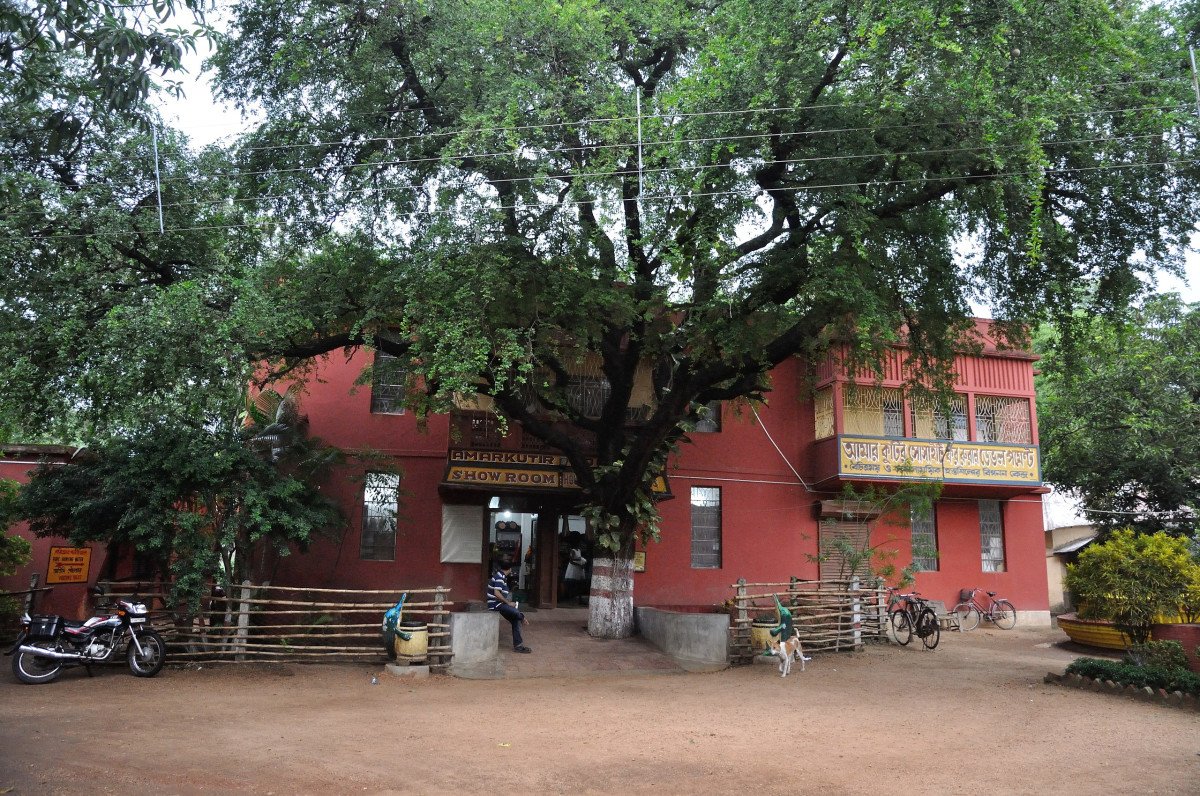
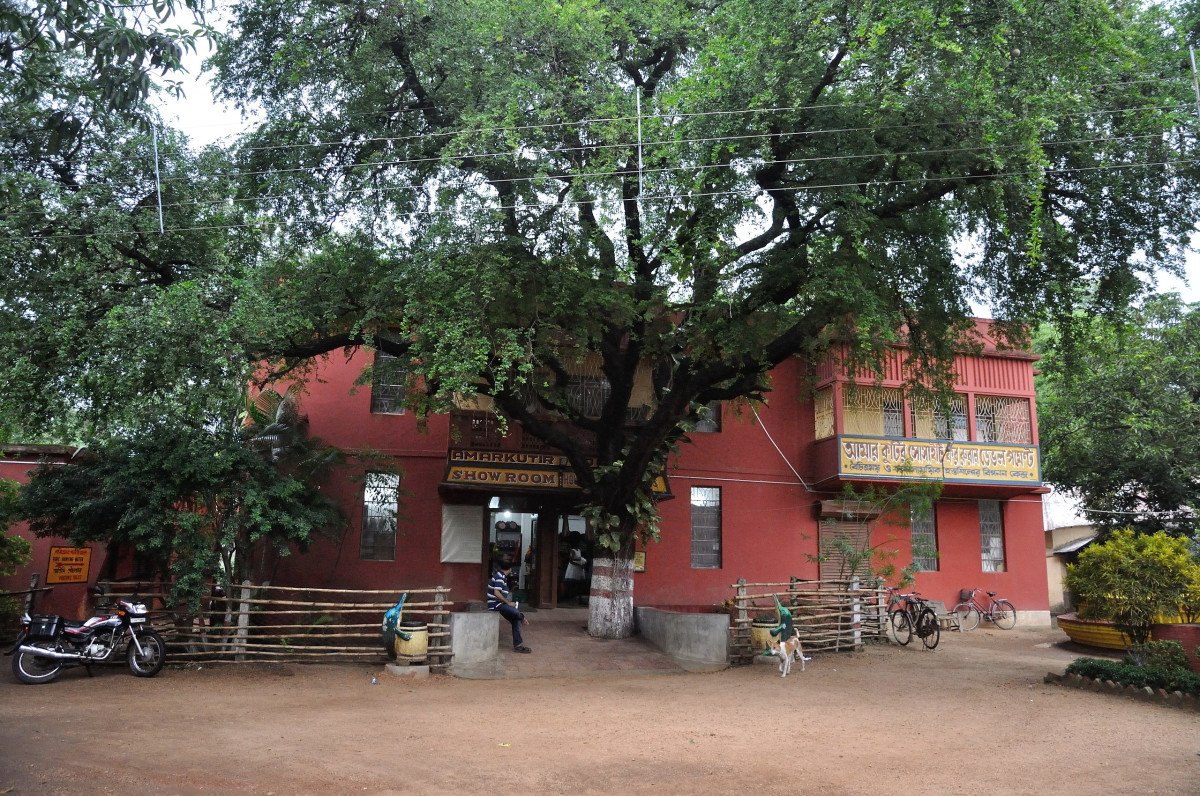
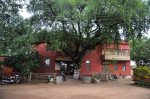
The Main Showroom Facade and Entrance: The entrance to the cooperative, often featuring the name and historical sign, is a good starting point. The overall architecture, though simple, provides a background that speaks of its history and purpose as a traditional hub. The s...The Main Showroom Facade and Entrance: The entrance to the cooperative, often featuring the name and historical sign, is a good starting point. The overall architecture, though simple, provides a background that speaks of its history and purpose as a traditional hub. The surrounding greenery and the traditional styling of the building often frame a nice shot.
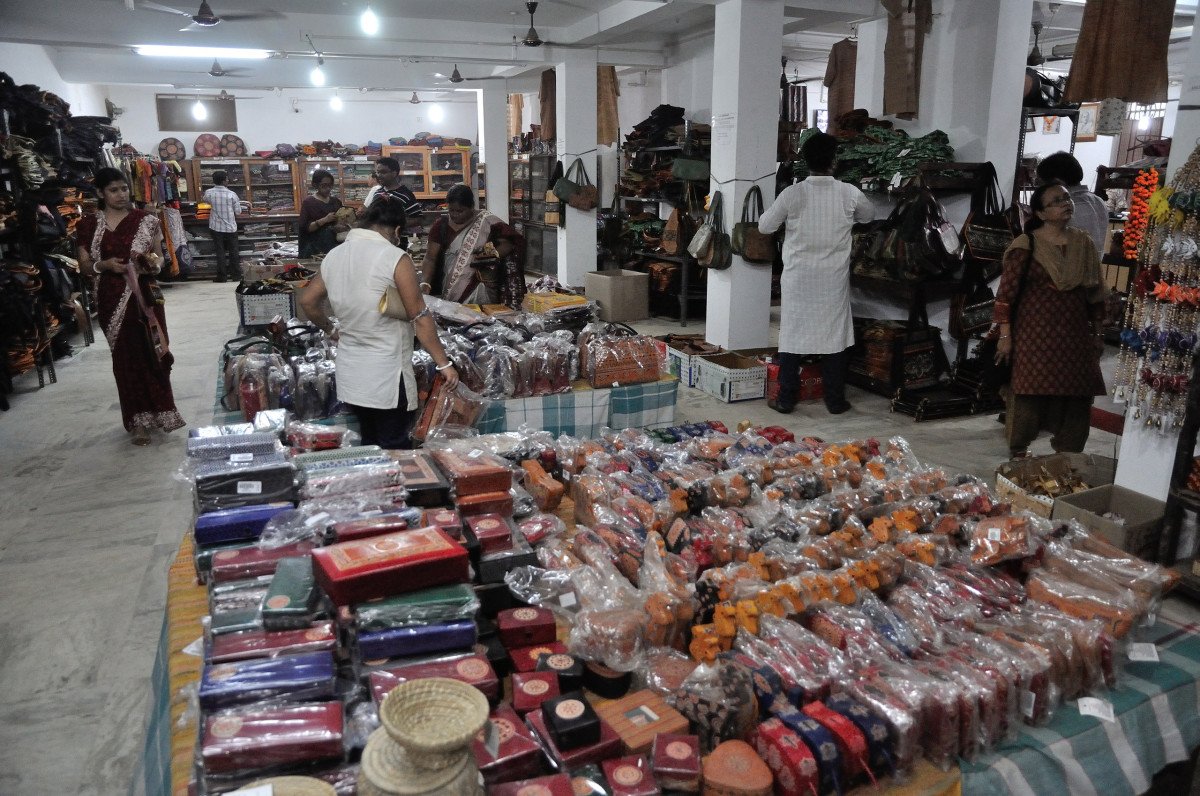
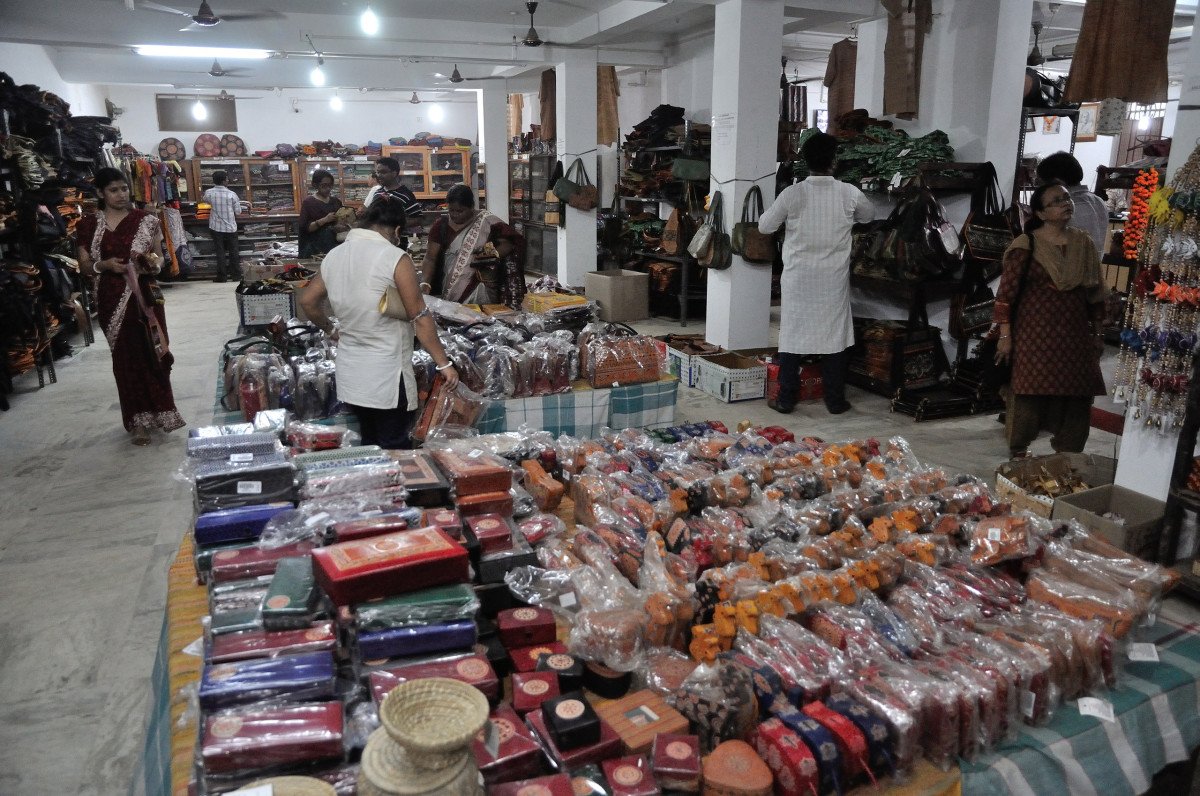
The Display of Leather Goods and Textiles: Inside the showroom, the vibrant and meticulously arranged displays of the Santiniketan Leather Goods, with their distinct Batik patterns, and the colorful Kantha-stitched sarees, offer excellent close-up photo opportunities. Focus on the textures and the detailed artwork.
Note: Always check if photography is allowed inside the showrooms.
The Kopai River Bank at Sunset: For nature and landscape photography, the bank of the Kopai River behind or near the complex is the best spot. The eroded Khoai (red laterite soil) landscape, combined with the gentle flow of the river and the silhouette of the trees during the golden hour of sunset, creates a truly dramatic and evocative photograph that is characteristic of the Shantiniketan area.
The Tagore Statue and Open Grounds: The sculpture of Rabindranath Tagore by K. P. Krishnakumar serves as a cultural focus point. Frame the statue against the backdrop of the open grounds or the simple structures of Amar Kutir to capture a blend of art, history, and the cooperative's ethos.Photo Gallery
Things To Do
-
Shopping for Authentic Local Handicrafts: The primary activity is browsing and buying the wide range of genuine handmade products. The main showrooms display items from all the cooperative's units.
Leather Goods: Look for the famous Santiniketan Leather Goods, including embossed and Batik-printed handbags, wallets, file covers, and coin purses. These are the specialty of the village and make excellent, high-quality souvenirs.
Textiles and Garments: Explore the collection of Kantha-stitched sarees, stoles, and dupattas. Kantha is an indigenous form of embroidery unique to Bengal, often depicting folk art motifs. Also, look for clothes and fabrics with traditional Batik printing.
Other Crafts: The cooperative also sells exquisite items made of bamboo, shola ...
Information
-
Why Famous:
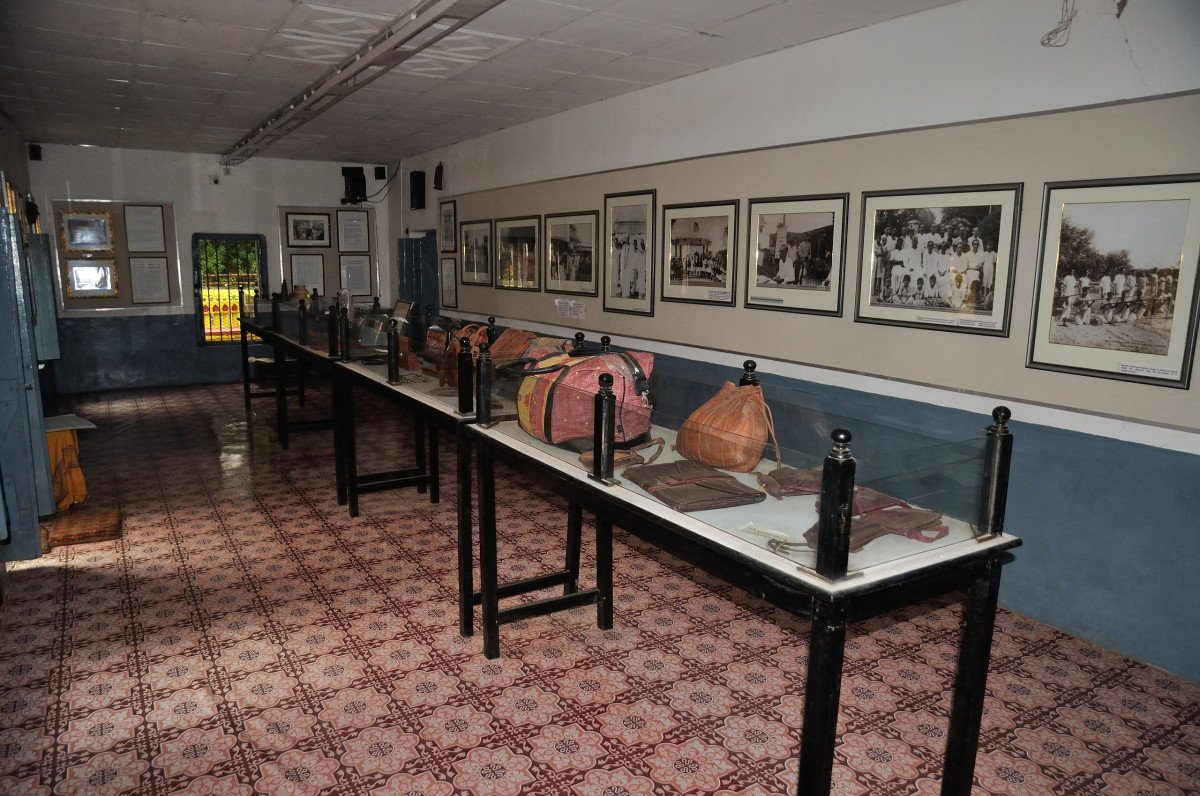
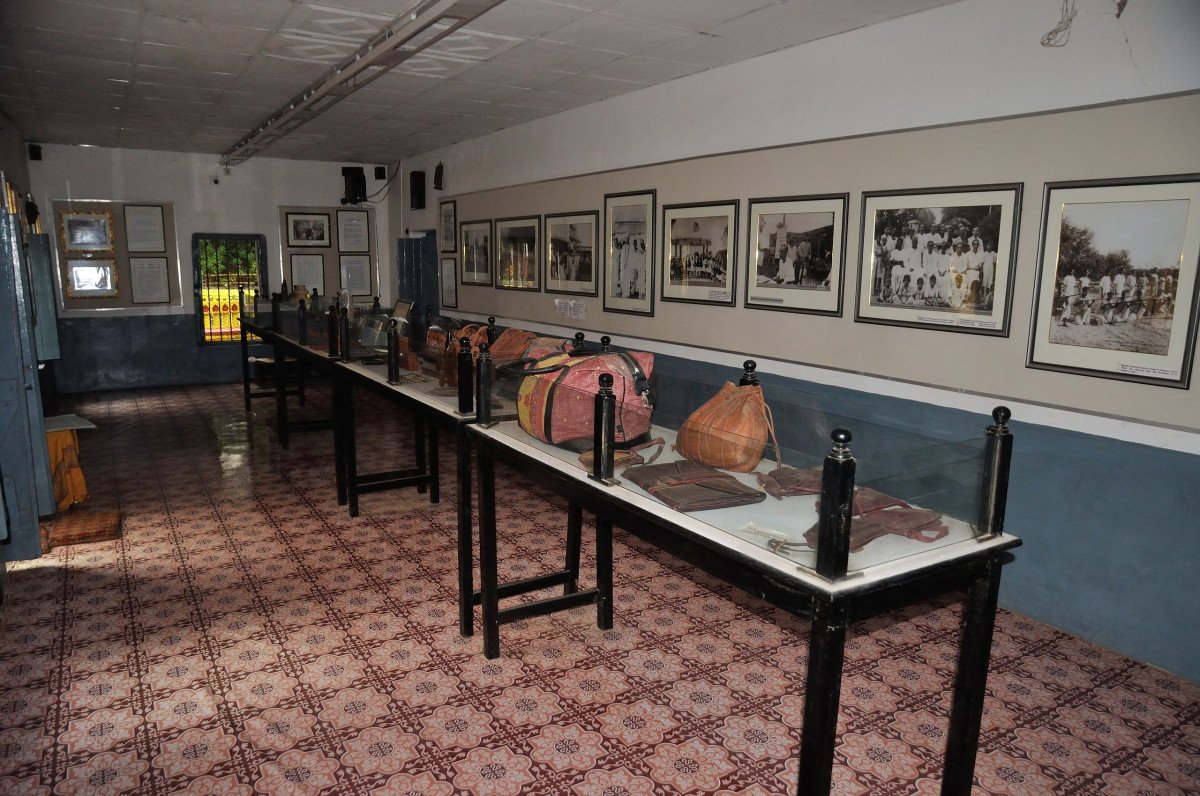
Historical Significance as a Freedom Fighter's Retreat: Amar Kutir is renowned for its inspiring role during India's independence movement. Founded by Sushen Mukherjee, it was established in 1927 as a secret base and a self-sustenance center for revolutionaries who were fugitives from the British ...Historical Significance as a Freedom Fighter's Retreat: Amar Kutir is renowned for its inspiring role during India's independence movement. Founded by Sushen Mukherjee, it was established in 1927 as a secret base and a self-sustenance center for revolutionaries who were fugitives from the British police. This hidden history, where art and craft served as a cover for revolutionary activities, gives the place a unique and profound cultural weight. Visiting the small room dedicated to this history is a powerful experience that connects the crafts to the struggle for freedom.
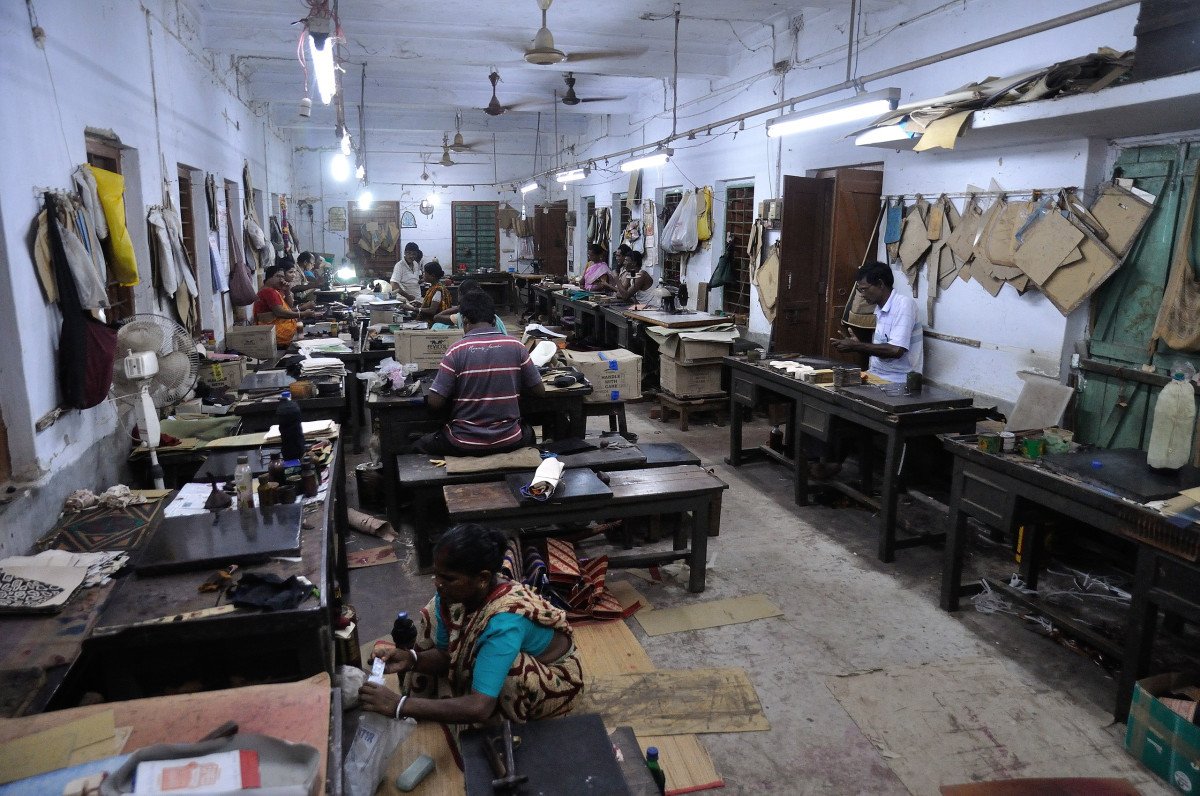
Hub of Santiniketan Leather Goods: The village is the main production and marketing center for the famous Santiniketan Leather Goods. These products, which include handbags, wallets, purses, and briefcases, are distinctive for their use of vegetable-tanned leather and artistic designs, particularly the Batik or embossed motifs. The art form, which has gained a Geographical Indication (GI) tag, is internationally recognized. The fame stems from the cooperative model that ensures the goods are authentic and directly support the local artisans.
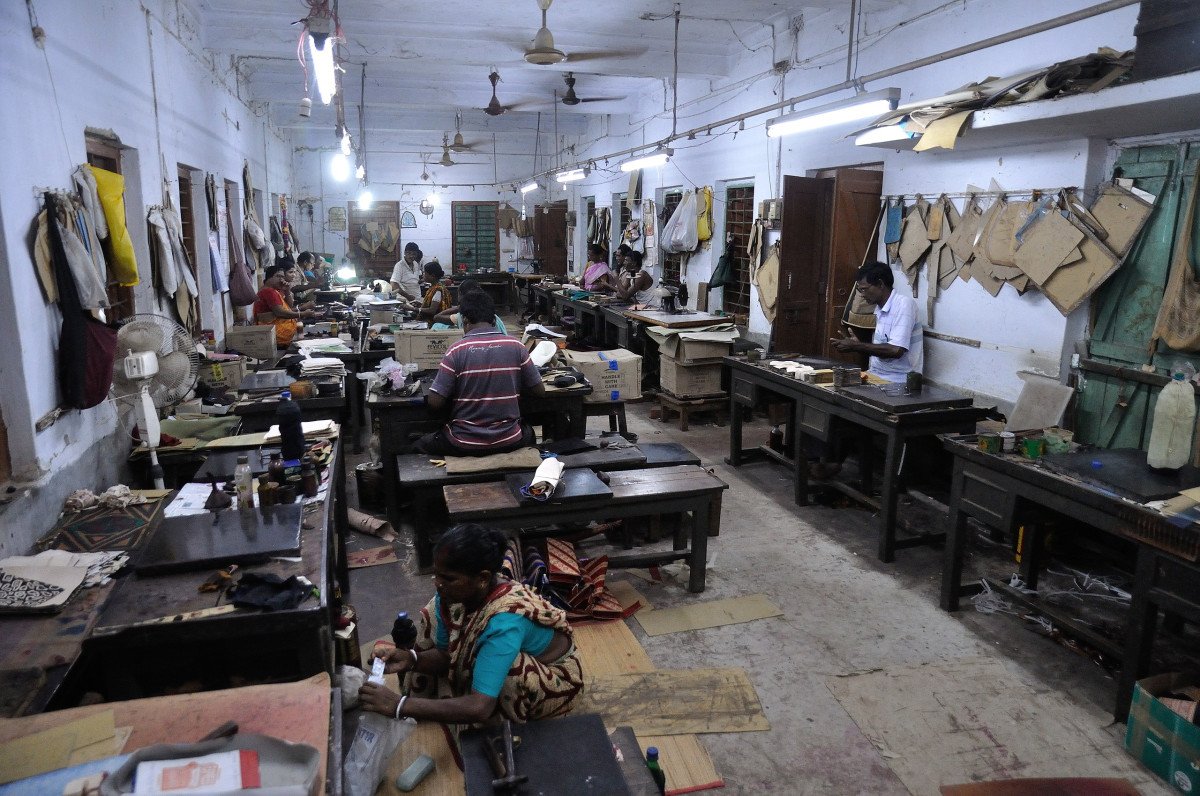
Model for Rural Development and Empowerment: Amar Kutir is an important example of a successful cooperative society for rural development. Its fame is tied to its continued mission of providing sustainable livelihoods for thousands of rural artisans from the Birbhum district. The emphasis on empowering women through employment in the leather and needlecraft units has made it a symbol of socio-economic progress in the region. Tourists are drawn not only by the quality of the products but also by the knowledge that their purchases contribute directly to a noble cause. -
Architecture:
The architecture of Amar Kutir is more reflective of a functional cooperative and rural settlement than a grand historical monument. Its design prioritizes utility, local aesthetics, and a harmonious relationship with the surrounding natural environment, particularly the Kopai River bank.The architecture of Amar Kutir is more reflective of a functional cooperative and rural settlement than a grand historical monument. Its design prioritizes utility, local aesthetics, and a harmonious relationship with the surrounding natural environment, particularly the Kopai River bank.
Simplicity and Functionality: The structures at Amar Kutir are primarily simple, one or two-story buildings, many of which follow a basic, utilitarian design suitable for workshops, sales outlets, and residential areas (for the initial commune members). The overall layout promotes easy movement between the production units and the marketplace for tourists. The older structures may incorporate elements of traditional Bengali village architecture, using locally sourced materials where possible.
Integration with Nature (Dimension): The complex is set on a sizable expanse of landoriginally about 100 acresalong the riverbank. The buildings are generally spread out, interspersed with greenery, reflecting the original intention of creating a secluded, peaceful sanctuary. The buildings themselves are modest in scale, typically featuring open verandahs or covered walkways suitable for the tropical climate. The dimensions are generally low-rise, respecting the horizontal landscape of the Khoai region. For example, a typical workshop or sales outlet building might have dimensions of around 40-60 feet in length and 20-30 feet in width, with a standard ceiling height, focusing on maximizing usable floor space for craft production and display.
Materials and Aesthetics: The structures utilize a mix of materials, including brick, cement, and often corrugated tin or tiled roofs, typical of rural Bengal construction. There is a noticeable absence of elaborate ornamentation, in keeping with the simple, self-reliant ideology of its founders. However, the spaces often feature local art elements, such as colorful wall paintings (alpona or murals) or display areas that highlight the vibrant handicrafts being produced, adding a unique cultural layer to the basic architectural form. A notable artistic addition is the statue of Rabindranath Tagore by sculptor K. P. Krishnakumar near the complex entrance, which serves as a cultural landmark. -
How To Reach:
By Air: The nearest major airport is Netaji Subhas Chandra Bose International Airport (CCU) in Kolkata, which is approximately 210 KMS away from Shantiniketan/Bolpur.
From the Airport: After landing at Kolkata, you have two main options to ... -
Near Tourist Places:
1 Khoai Sonajhuri Forest 3 KMS 2 Sonajhuri Haat (Saturday Fair) 3. 5 KMS 3 Kopai River Bank (Local Stretch) <1 KMS 4 Ballavpur Wildlife Sanctuary (Deer Park) 5 KMS 5 Rabindra Bhavana Museum 12 KMS 6 Visva-Bharati University Campus 13 KMS 7 Uttarayan Complex 12 KMS 8 Kala Bhavana (Fine Arts) 12. 5 KMS 9 Chhatimtala 13 KMS 10 Sriniketan (Institute of Rural Reconstruction) 10 KMS
Tourism Tips
-
Health & Safety:
Stay Hydrated: Carry bottled water, especially if visiting outside of the winter months. The sun can be intense.
Protect Yourself: Use sunscreen, wear a hat or cap, and sunglasses.
Reviews
Information about New and Updated Locations(575+) of West Bengal Has Been Added :-
Card subtitle
Note:-
Information provided here in good Faith and for reference only.
All information and pictures will be updated soon, please keep visiting.
Near Places
Amar Kutir
Some quick example text to build on the card title and make up the bulk of the card's content.
Go somewhere
Amrakunja
Some quick example text to build on the card title and make up the bulk of the card's content.
Go somewhere
Ballavpur Deer Park
Some quick example text to build on the card title and make up the bulk of the card's content.
Go somewhere
Ballavpur Wildlife Sanctuary
Some quick example text to build on the card title and make up the bulk of the card's content.
Go somewhere
Bhubandanga Cultural Centre
Some quick example text to build on the card title and make up the bulk of the card's content.
Go somewhere
Bonerpukur Adivasi Village
Some quick example text to build on the card title and make up the bulk of the card's content.
Go somewhere
Cheena Bhavana
Some quick example text to build on the card title and make up the bulk of the card's content.
Go somewhere
Chhatimtala
Some quick example text to build on the card title and make up the bulk of the card's content.
Go somewhere
Chhinnamasta Temple
Some quick example text to build on the card title and make up the bulk of the card's content.
Go somewhere
Geetanjali Rail Museum
Some quick example text to build on the card title and make up the bulk of the card's content.
Go somewherein Other Cities