...

FAQs On Ballavpur Deer Park

Shantiniketan, West Bengal, India
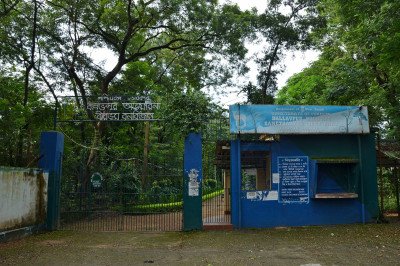
Ballavpur Deer Park, officially known as Ballavpur Wildlife Sanctuary (BWS), is a protected forest area and a delightful natural haven located very close to the cultural heart of Shantiniketan. Established in 1977, the sanctuary covers an area of approximately 200 hectares. It was created with the p rimary aim of preserving the local ecosystem and providing a safe habitat for the spotted deer (cheetal) population, from which it gets its popular name, Deer Park. The park's landscape is a mix of dense Sal and Cashew tree forests, open grasslands, and several natural water bodies. Beyond the large, healthy population of spotted deer, the sanctuary is also home to other animals like blackbucks, jackals, and foxes. The presence of three large water bodies makes it a significant area for birdwatching, especially during the winter months when migratory birds arrive. The sanctuary offers a welcome break from the bustling life of the town, providing a peaceful and refreshing environment for nature lovers, families, and photography enthusiasts. It serves as an essential green lung for the Bolpur-Shantiniketan region, emphasizing conservation and ecological awareness. Visitors can walk along the well-maintained pathways that weave through the forest, offering glimpses of the wildlife in their natural habitat. The experience of spotting a deer herd grazing or observing the diverse avian life is the main draw of this serene place. Ballavpur Deer Park is a quiet testament to the natural beauty that coexists with the intellectual legacy of Shantiniketan.

Ans:- The primary attraction of Ballavpur Deer Park is its natural, forest-like environment which serves as a sanctuary for various species of deer, including spotted deer and blackbuck. It offers visitors a rare opportunity to observe these beautiful animals in a semi-natural, protected setting. The park is managed by the West Bengal Forest Department and is known for its quiet, serene atmosphere, lush greenery, and water bodies, providing a peaceful retreat from the surrounding town. It is a must-visit for nature lovers and families looking for a tranquil outdoor experience.

Ans:- Yes, there are standard entry restrictions to protect the wildlife and maintain the sanctuary's integrity. Visitors are required to pay a nominal entry fee at the gate and must strictly follow the pathways designated for tourists. Feeding the deer or any other wildlife, making loud noises, or wandering into restricted non-tourist zones is strictly prohibited. The park also has specific opening and closing hours, usually closing in the late afternoon to allow the animals to rest, and visitors are expected to adhere to these rules for safety.

Ans:- No, feeding the deer or any wildlife within the park is strictly prohibited. The authorities have established specific dietary and health programs for the animals, and unauthorized feeding can be harmful to their well-being and can disrupt their natural behavior. Visitors must enjoy watching the deer from the designated viewpoints or walking tracks without attempting to interact with or lure the animals. Enforcement is taken seriously, and visitors are encouraged to respect the park's rules to ensure the health and safety of the resident wildlife populations.

Ans:- The deer are generally most active during the cooler parts of the day, specifically in the early morning shortly after the park opens, or in the late afternoon. During the mid-day heat, the deer tend to seek shade under the trees and rest, making them less visible or active. Therefore, planning an early morning visit or a late afternoon visit is your best chance to see them moving around, grazing, or interacting within the park grounds. Comfortable weather in the winter months also encourages more daytime movement.

Ans:- Yes, the Ballavpur Deer Park is an excellent place to visit with children, as it offers a great educational opportunity to see animals in an environment that mimics their natural habitat. Children can learn about wildlife conservation and the importance of respecting nature while observing the deer from a safe distance. The park's walking trails are manageable, and the natural scenery provides a refreshing change of pace for younger visitors. Parents should ensure that children remain quiet and do not disturb the animals, keeping the experience positive for everyone.

Ans:- A visit to Ballavpur Deer Park usually takes between 1 to 2 hours. This is enough time to walk along the designated paths, observe the deer from the various viewing spots, and appreciate the peaceful forest ambiance. Some visitors may choose to spend more time if they enjoy nature photography or bird watching, as the park also attracts various bird species. Since it is not an expansive safari park, it serves as a focused, short-duration nature break that fits well into a broader day-trip itinerary around Shantiniketan.

Ans:- While deer, including the spotted deer (chital) and occasionally blackbuck, are the primary attraction, the park is also a haven for diverse bird life. Bird watchers often frequent the area to spot various water birds and forest-dwelling species, especially around the water bodies located within the park premises. Occasionally, small mammals and various reptiles native to the region can also be observed. The park's ecosystem, comprising mixed deciduous forest and water reservoirs, creates a favorable habitat that supports more biodiversity than one might initially expect.

Ans:- Yes, photography is permitted in the park, and it is a popular spot for nature photography. Visitors are encouraged to capture the beauty of the wildlife and the lush, green landscapes. However, it is essential to be responsible: do not use loud equipment, do not chase or harass the animals to get a better shot, and always stay on the designated paths. The goal is to document the experience without causing any stress to the deer or violating the privacy and safety protocols established by the forest department for the sanctuary.

Ans:- While the park is designed for self-guided exploration via marked pathways, local guides are often available outside the entrance for those who wish to have a more informative experience. A guide can help identify different bird species, explain the ecology of the park, and provide background on how the sanctuary was established. If you are interested in a deeper understanding of the local flora and fauna, hiring a local guide can be a beneficial addition to your visit, though it is not strictly necessary for a pleasant experience.

Ans:- Picnicking inside the deer enclosures or near the sensitive wildlife zones is not permitted to keep the park clean and protect the animals from food waste and human disturbance. Visitors should be mindful of the rules regarding trash and littering. While there may be some designated rest areas near the entrance or outside the immediate wildlife zones, it is best to plan for meals at the various restaurants and food stalls located just outside the sanctuary gates in the Shantiniketan area, rather than planning a picnic inside the park itself.

Ans:- The entry fee for Ballavpur Deer Park is intentionally kept very nominal to encourage tourism and conservation awareness. The exact price can vary slightly over time and might be different for children, students, or adults, and usually includes a separate small charge if you are bringing a camera. It is always best to check the current rates at the ticket counter upon arrival. The funds generated from these entry fees are typically used for the maintenance of the park, animal care, and the protection of the sanctuary's natural habitat.

Ans:- Ballavpur Deer Park is generally open throughout the week, but it is standard practice for such parks to have a weekly closure day, often midweek, for maintenance and administrative work. It is highly recommended to check the specific opening schedule before planning your trip, as local holidays or forest department restrictions can sometimes affect operating hours. During the peak tourism season, the park is usually very well-maintained and active, but always confirm the status to avoid disappointment when arriving at the gates of the sanctuary.

Ans:- Safety in the park is maintained by strictly keeping visitors on the designated walking tracks and away from the core animal resting areas. Visitors should avoid making loud noises, running, or attempting to touch or approach the animals, as this can trigger defensive behavior in the deer. It is also important to carry basic necessities like water and to wear appropriate footwear for walking on gravel or earthen paths. While the deer are generally docile, they are wild animals and should always be treated with caution and respect for their space.

Ans:- Ballavpur Deer Park is located very close to the heart of Shantiniketan, making it easy to combine with visits to other major attractions. Nearby sites include the Khoai region, famous for its unique geological formations and the Saturday Hat (Shonajhuri Haat), as well as the Visva-Bharati university campus itself. The proximity of the deer park to these cultural and natural landmarks allows visitors to easily spend a full day exploring the diverse highlights of the area, starting with a nature-focused morning and moving into cultural exploration in the afternoon.

Ans:- Ballavpur Deer Park is easily accessible from Bolpur-Shantiniketan. Most visitors arrive at the Bolpur Railway Station and then hire an auto-rickshaw or a car to reach the park. The distance is short, and the ride takes you through the scenic, pleasant roads of the Shantiniketan area. Local transport is readily available throughout the day. If you are staying at a hotel or resort in the town, many of them can arrange a taxi or provide information on the most direct route to the park entrance.
Information about New and Updated Locations() of West Bengal Has Been Added :-
Card subtitle

Note:-

Information provided here in good Faith and for reference only.

All information and pictures will be updated soon, please keep visiting.

Near Places
...
Amar Kutir

Some quick example text to build on the card title and make up the bulk of the card's content.

Go somewhere
...
Amrakunja

Some quick example text to build on the card title and make up the bulk of the card's content.

Go somewhere
...
Ballavpur Deer Park

Some quick example text to build on the card title and make up the bulk of the card's content.

Go somewhere
...
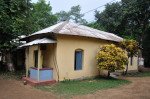
Ballavpur Wildlife Sanctuary

Some quick example text to build on the card title and make up the bulk of the card's content.

Go somewhere
...
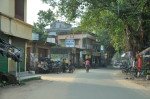
Bhubandanga Cultural Centre

Some quick example text to build on the card title and make up the bulk of the card's content.

Go somewhere
...
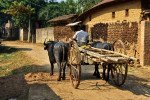
Bonerpukur Adivasi Village

Some quick example text to build on the card title and make up the bulk of the card's content.

Go somewhere
...
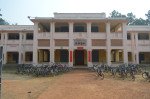
Cheena Bhavana

Some quick example text to build on the card title and make up the bulk of the card's content.

Go somewhere
...
Chhatimtala

Some quick example text to build on the card title and make up the bulk of the card's content.

Go somewhere
...
Chhinnamasta Temple

Some quick example text to build on the card title and make up the bulk of the card's content.

Go somewhere

...
Geetanjali Rail Museum

Some quick example text to build on the card title and make up the bulk of the card's content.

Go somewhere
in Other Cities