Bhartrihari Caves
General information
-
Ideal Duration:
45 Minutes - 1 HourPlace Type:
Caves, Heritage, Religious, Meditation CenterEntry Fees:
No Entry Fee for Caves: There is No Entry Fee (Free) to enter and explore the Bhartrihari Caves, which is consistent with most religious/meditation caves in the region. This makes the heritage and spiritual site completely accessible to all.
Do...No Entry Fee for Caves: There is No Entry Fee (Free) to enter and explore the Bhartrihari Caves, which is consistent with most religious/meditation caves in the region. This makes the heritage and spiritual site completely accessible to all.
Donations and Temple Offerings: While entry is free, small, voluntary donations are highly welcomed for the upkeep of the ancient structure and the support of the resident Nath ascetics who maintain the spiritual sanctity of the site. There is no official ticket counter for this.
Pooja Samagri Costs: Visitors wishing to offer special prayers at the small shrines (Kali Temple or Nava Nath Temple) will need to purchase small items like incense, flowers, or a red thread, which are available from nearby vendors for a nominal cost (e. g. , Rs.20 to Rs.100).
Parking Fee: If you arrive by private vehicle or taxi, there might be a very small, unofficial parking fee charged by local attendants in the area near the cave and the Gadkalika Temple. :Timing:
Regular Timings: The caves are generally open from 6:00 AM to 9:00 PM daily, offering a wide window for visitors to explore. However, official timings are less strictly enforced than at major temples.
Ideal Visit Time: The Ideal Visit Time ...Regular Timings: The caves are generally open from 6:00 AM to 9:00 PM daily, offering a wide window for visitors to explore. However, official timings are less strictly enforced than at major temples.
Ideal Visit Time: The Ideal Visit Time is during the early morning (6:00 AM to 7:30 AM) when the atmosphere is the most peaceful, cool, and conducive to introspection and meditation. It is also excellent to visit in the late afternoon, just before sunset, for a scenic view of the Shipra River.
Duration: A focused visit typically requires about 45 minutes to 1 hour to properly explore the cave chambers, view the shrines, and spend time at the Samadhi Sthal.
Seasonal Variation: During the peak of the Monsoon season (August), the humidity inside the caves can be high, and during major festivals, the area, being close to the Gadkalika Temple, can become very crowded. :Special Events:
Guru Purnima: This festival, dedicated to honoring all gurus, is of great importance here due to the cave's association with the great Guru Bhartrihari. It is celebrated in the Ashadha month (July) with the active participation of the Nath Sampradaya, featuring special pray...Guru Purnima: This festival, dedicated to honoring all gurus, is of great importance here due to the cave's association with the great Guru Bhartrihari. It is celebrated in the Ashadha month (July) with the active participation of the Nath Sampradaya, featuring special prayers, chanting, and a large communal feast (Bhandara).
Mahashivratri: Given the strong Shaiva connection of the Nath sect, Mahashivratri (February/March) is celebrated with spiritual intensity. Ascetics perform special Puja and keep vigil throughout the night, honoring the spiritual lineage that reveres Lord Shiva.
Navratri: The nearby Gadkalika Temple's major celebration of Navratri (September/October) also brings a significant influx of devotees to the Bhartrihari Caves as part of the pilgrimage circuit, making it a very vibrant period with extended timings.
Bhandaras (Communal Feasts): On various auspicious days, the Nath ascetics often organize communal feasts, which are a humble yet special sight to witness, reflecting the community and sharing aspect of their faith. :Best Photo Spots:
Cave Entrance and Rock Face: A low-angle shot of the narrow, dark cave entrance, framed by the surrounding greenery and trees, provides a dramatic image that emphasizes the mysterious and secluded nature of the spot.
The Rishi Bhartrihari Idol:<...Cave Entrance and Rock Face: A low-angle shot of the narrow, dark cave entrance, framed by the surrounding greenery and trees, provides a dramatic image that emphasizes the mysterious and secluded nature of the spot.
The Rishi Bhartrihari Idol: A close-up of the stone statue of Bhartrihari in the meditation posture, capturing the spiritual serenity and historical importance of the sage, is a key photo.
The Pipal Tree at the Samadhi: The ancient, sprawling Pipal tree near the Samadhi Sthal is highly photogenic, especially when its wide canopy is lit by the morning or afternoon sun, symbolizing eternal life and spiritual energy.
View of the Shipra River: The open area on the riverbank offers beautiful landscape photography, especially during the quiet hours, capturing the reflective water of the Shipra and the surrounding serene nature.
Ascetics and Sadhus: With respectful permission, taking photographs of the resident Nath Sadhus (ascetics) in their traditional attire, perhaps meditating or performing rituals, offers a powerful, cultural, and spiritual portrait of a living tradition. :Photo Gallery
Things To Do
-
Explore the Meditation Chambers: Carefully enter and explore the narrow, interconnected cave chambers, imagining the life of austerity and deep meditation led by Bhartrihari. Feel the cool, contemplative atmosphere that encouraged renunciation.
Meditate in Silence: Find a comfortable and quiet spot inside or near the cave entrances to sit for a short, silent meditation session. The energy of centuries of Sadhana makes it an ideal place for spiritual focus and introspection.
Pay Respects at the Samadhi Sthal: Spend time under the ancient Pipal tree, which is the traditional Samadhi Sthal of Bhartrihari. Offer prayers or simply sit in reverence at this powerful spot, reflecting on the sage's life.
Worship at the Nava Nath Temple: Offer prayers at the dedicated s...Explore the Meditation Chambers: Carefully enter and explore the narrow, interconnected cave chambers, imagining the life of austerity and deep meditation led by Bhartrihari. Feel the cool, contemplative atmosphere that encouraged renunciation.
Meditate in Silence: Find a comfortable and quiet spot inside or near the cave entrances to sit for a short, silent meditation session. The energy of centuries of Sadhana makes it an ideal place for spiritual focus and introspection.
Pay Respects at the Samadhi Sthal: Spend time under the ancient Pipal tree, which is the traditional Samadhi Sthal of Bhartrihari. Offer prayers or simply sit in reverence at this powerful spot, reflecting on the sage's life.
Worship at the Nava Nath Temple: Offer prayers at the dedicated shrine for the Nava Naths and the nearby Goddess Kali temple to seek blessings from these powerful deities, understanding their connection to the local ascetic community and the history of the caves.
Study the Rock-Cut Features: Take a close look at the simplicity of the stone pillars and the rock-cut walls. Appreciate the functional, non-ornamental architecture that was tailored perfectly for an ascetic lifestyle, focusing on utility and seclusion over decoration.
Walk along the Shipra River: Take a short, peaceful stroll along the banks of the Shipra River just outside the cave entrance. The calming sound of the water adds to the tranquility of the visit, and it is a great spot for appreciating the natural setting.
Photography: Capture the unique, rustic entrance of the caves and the surrounding sacred trees and shrines, focusing on the blend of nature and ancient architecture. The view of the river provides excellent landscape opportunities. :
Information
-
Why Famous:
Connection to Sage Bhartrihari: Its primary fame comes from the legend of King Bhartrihari, a great poet, writer, and King who became an ascetic. His spiritual journey, documented through his famous works like the Shatakas (three centuries of verse on morality, love, and re...Connection to Sage Bhartrihari: Its primary fame comes from the legend of King Bhartrihari, a great poet, writer, and King who became an ascetic. His spiritual journey, documented through his famous works like the Shatakas (three centuries of verse on morality, love, and renunciation), makes the caves a tangible link to one of the greatest philosophical figures of ancient Ujjain.
Hub of the Nath Sampradaya: The caves are an active pilgrimage site for the Nath sect, followers of Guru Gorakhnath, who revere Bhartrihari as one of their important spiritual leaders. This continuous tradition of ascetic practice keeps the spiritual energy of the caves alive, attracting devotees and spiritual seekers.
Proximity to Gadkalika Temple: Located very close to the revered Gadkalika Temple (associated with poet Kalidasa), it forms a mini-pilgrimage cluster. Visitors to the temple often combine their visit with the caves, enhancing its visibility.
Tranquil Location: Situated on the banks of the sacred Shipra River, the tranquil environment adds to its fame as an ideal spot for quiet reflection and escaping worldly chaos, embodying the very act of renunciation that defined Bhartrihari's life. : -
Architecture:
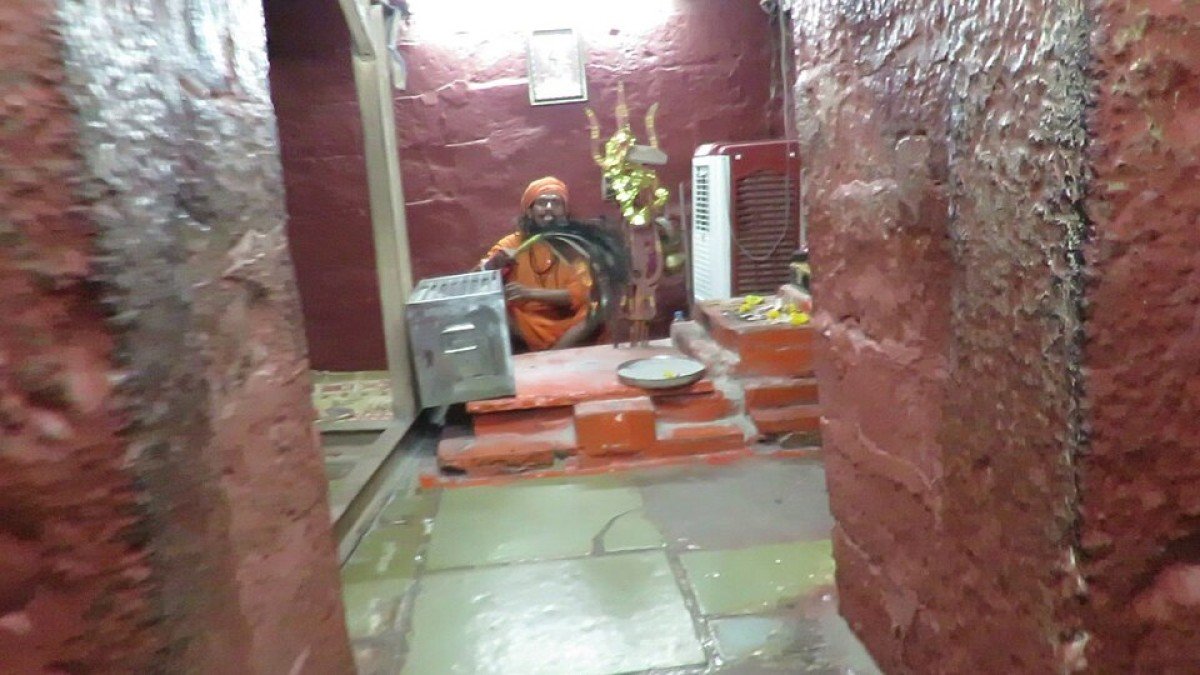
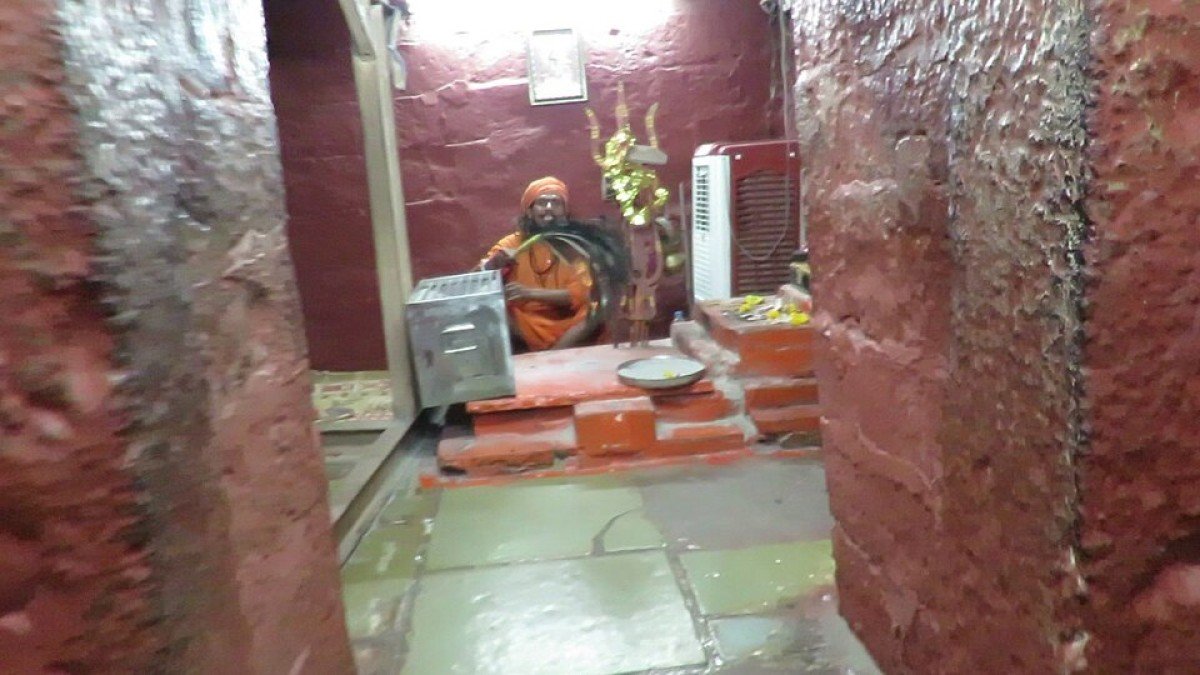
Rock-Cut Architecture Style: The Bhartrihari Caves are a classic example of rock-cut architecture, though modest compared to other Indian caves. They consist of a series of multiple rooms and interconnected narrow chambers carved out of soft rock, likely a form of sandstone...Rock-Cut Architecture Style: The Bhartrihari Caves are a classic example of rock-cut architecture, though modest compared to other Indian caves. They consist of a series of multiple rooms and interconnected narrow chambers carved out of soft rock, likely a form of sandstone, assigned roughly to the 11th Century CE. The structure is supported by heavy stone pillars which are simple and unadorned, reflecting the ascetic purpose of the complex.
Layout and Dimensions: The entrances to the caves are intentionally narrow and low-ceilinged, perhaps designed to enforce humility or to retain the secluded, introspective atmosphere necessary for deep meditation (Sadhana). The internal chambers are small, dark, and often naturally cool, ideal for the intense meditation practices of the resident sages. The complex houses a few small shrines for deities, including a statue of Rishi Bhartrihari himself in a seated meditation posture, along with Shiva's trident (Trishula) and holy ash (Dhuni), emphasizing the Shaiva-Nath connection. The overall feel is rustic, spiritual, and functional rather than ornamental. The complex's design prioritizes spiritual utility over elaborate decoration, reflecting the austerity of the sage who meditated there. The structure also includes a temple dedicated to Goddess Kali and a Nava Nath temple nearby. : -
How To Reach:
By Air: The Nearest Airport is Devi Ahilya Bai Holkar Airport in Indore (IDR), approximately 58 KMS away. From the airport, hire a taxi or use state bus services to reach Ujjain City. The journey to the caves from the city center is about 4 KMS.
Read MoreBy Air: The Nearest Airport is Devi Ahilya Bai Holkar Airport in Indore (IDR), approximately 58 KMS away. From the airport, hire a taxi or use state bus services to reach Ujjain City. The journey to the caves from the city center is about 4 KMS.
By Train: Ujjain Junction Railway Station (UJN) is a well-connected major station. From the station, the caves are easily reachable by auto-rickshaw or taxi, which takes about 15-20 minutes. Ensure you specify the destination as "Bhartrihari Caves near Gadkalika Mandir" for clear directions.
By Road: Ujjain is easily accessible via state and national highways from cities like Indore, Bhopal, and Gwalior. The caves are situated on the Barnagar Road on the outskirts of Ujjain. You can drive or take a local bus, but a taxi/auto-rickshaw is recommended for direct access.
By Local Transport: From the city center, local auto-rickshaws are the most convenient and affordable way to reach the caves. Many drivers offer a package tour that includes the nearby Gadkalika Temple, Mangalnath, and Kal Bhairav. :Weather and Best Time to Visit:
Different Seasons: Winter (October to March) is the Best Time to Visit due to the pleasant, cool weather (perfect for the exploration and reflection). Monsoon (July to September) offers a beautiful, lush green environment near the river, but paths can be slippery and humid....Different Seasons: Winter (October to March) is the Best Time to Visit due to the pleasant, cool weather (perfect for the exploration and reflection). Monsoon (July to September) offers a beautiful, lush green environment near the river, but paths can be slippery and humid. Summer is very hot and only the cool interior of the cave is bearable, so a sunrise visit is mandatory.
Different Parts of the Day: Sunrise/Early Morning is the absolute best time for peaceful contemplation, photography, and experiencing the spiritual silence that defines the location. Late Afternoon is also good, especially for the scenic river view as the sun begins to set. Avoid midday hours to escape heat and peak crowds. :Near Tourist Places:
Gadkalika Temple (0. 5 KMS) Mangalnath Temple (4. 0 KMS) Kal Bhairav Temple (4. 5 KMS) Sandipani Ashram/Gomti Kund (4. 5 KMS) Chintaman Ganesh Temple (8. 0 KMS) Harsiddhi Temple (4. 5 KMS) Mahakaleshwar Temple (4. 0 KMS)Tourism Tips
-
Health & Safety: The steps and floor inside the caves can be uneven and slightly slippery, so wear flat, closed, and comfortable footwear. Since the chambers are dimly lit, use your mobile phone's flashlight cautiously. Be respectful of the resident Sadhus and ascetics, ma...Health & Safety: The steps and floor inside the caves can be uneven and slightly slippery, so wear flat, closed, and comfortable footwear. Since the chambers are dimly lit, use your mobile phone's flashlight cautiously. Be respectful of the resident Sadhus and ascetics, maintaining silence and requesting permission before taking their photos.
Packing: Carry a flashlight for better viewing of the inner cave details. A small shawl or jacket may be useful as the temperature inside the caves is notably cooler than the outside. Carry insect repellent, especially in the evening near the river.
Accommodation: Stay in the Ujjain city center, which is only a short ride away. There are no official accommodation facilities at the caves, though the adjacent Gadkalika Temple area may have guesthouses.
Other Tips: Combine this visit with Gadkalika Temple and Kal Bhairav Temple as they are geographically close. Do not scribble on the cave walls or litter. Dress modestly, as it is a sacred site. :
Reviews
FAQs
Ujjain Itineray And Cost:-
Bhartrihari Caves Tourism:-
Other Places In Ujjain :-
Other States In India :-
Information about New and Updated Locations() of Madhya Pradesh Has Been Added :-
Card subtitle
Note:-
Information provided here in good Faith and for reference only.
Near Places
Harsiddhi Temple
Some quick example text to build on the card title and make up the bulk of the card's content.
Go somewhere
Kark Rajeshwar Temple
Some quick example text to build on the card title and make up the bulk of the card's content.
Go somewhere
Mahakal Lok Corridor
Some quick example text to build on the card title and make up the bulk of the card's content.
Go somewhere
Mahakaleshwar Jyotirlinga Temple
Some quick example text to build on the card title and make up the bulk of the card's content.
Go somewhere
Mahakaleshwar Jyotirlinga
Some quick example text to build on the card title and make up the bulk of the card's content.
Go somewhere
Mahalaxmi Temple
Some quick example text to build on the card title and make up the bulk of the card's content.
Go somewhere
Mangalnath Temple
Some quick example text to build on the card title and make up the bulk of the card's content.
Go somewhere
Rudra Sagar Lake
Some quick example text to build on the card title and make up the bulk of the card's content.
Go somewhere
Sahasra Shiva Lingas
Some quick example text to build on the card title and make up the bulk of the card's content.
Go somewhere
Sudama Setu
Some quick example text to build on the card title and make up the bulk of the card's content.
Go somewhere
Triveni Museum
Some quick example text to build on the card title and make up the bulk of the card's content.
Go somewhere
Ved Shala
Some quick example text to build on the card title and make up the bulk of the card's content.
Go somewhere
Vikram Kirti Mandir Museum
Some quick example text to build on the card title and make up the bulk of the card's content.
Go somewherein Other Cities