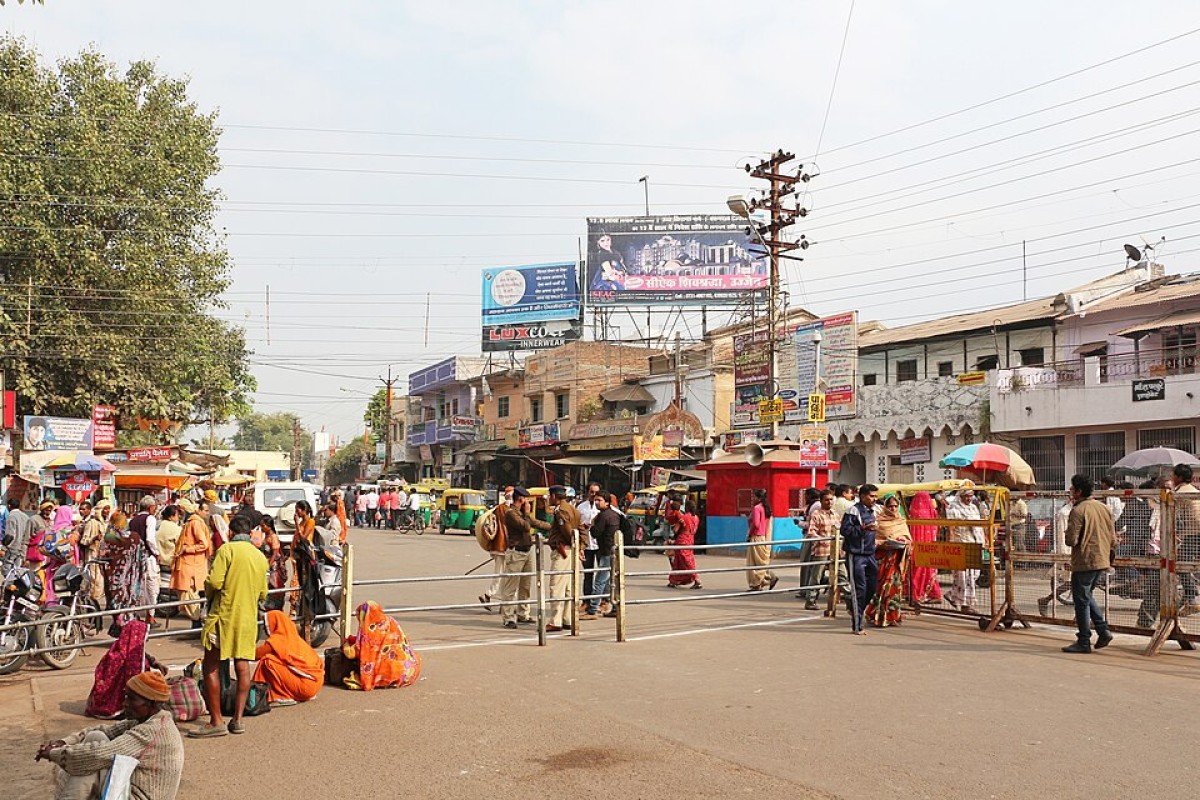
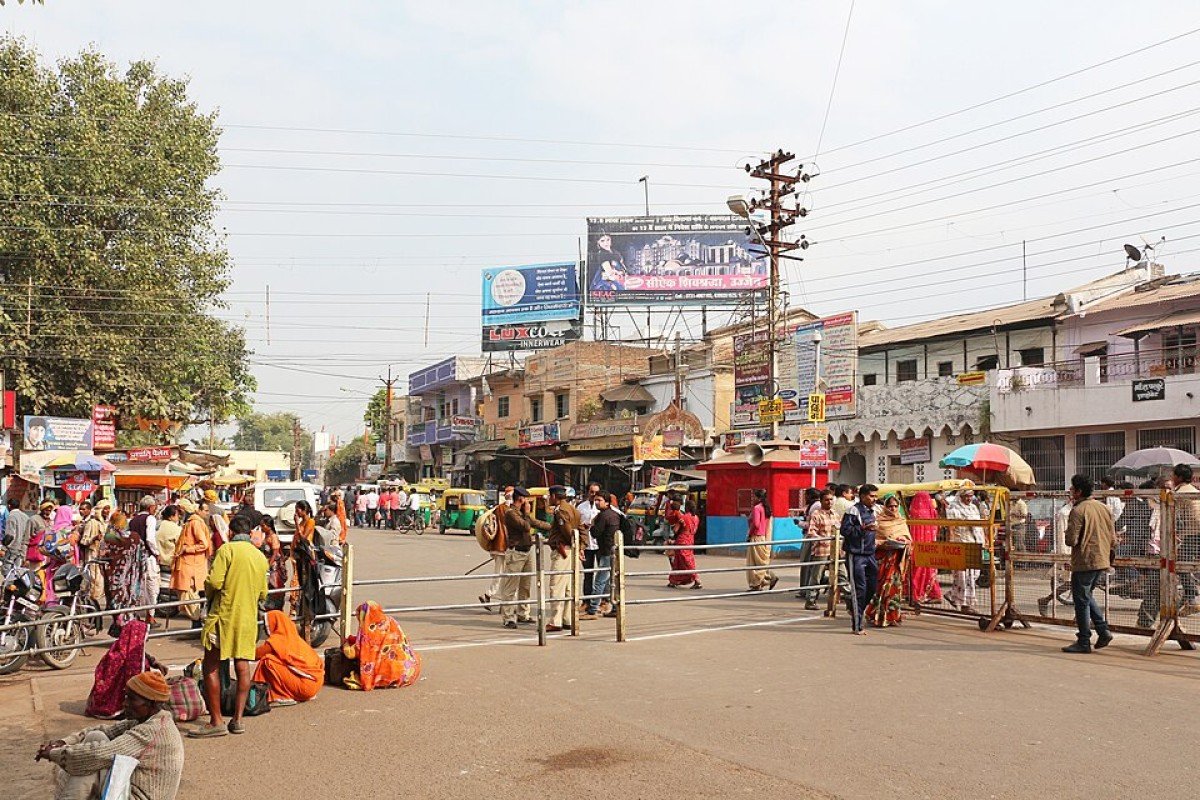
Dada Ji Dhuniwale Temple
General information
-
Ideal Duration:
1 - 1. 5 HoursPlace Type:
Ashram, Religious, Spiritual Center, Community SerEntry Fees:
No Entry Fee for Ashram: There is No Entry Fee (Free) to enter the ashram and visit the Dhuni and the main prayer hall. The philosophy of the ashram prioritizes accessibility to all, in line with the saints' teachings.
Voluntary Donations and O...No Entry Fee for Ashram: There is No Entry Fee (Free) to enter the ashram and visit the Dhuni and the main prayer hall. The philosophy of the ashram prioritizes accessibility to all, in line with the saints' teachings.
Voluntary Donations and Offerings: While entry is free, the ashram is sustained entirely by the voluntary offerings and donations of devotees, used for the continuous upkeep of the complex, the running of the Bhandara, and the various community service activities.
Puja and Seva Costs: There is no set fee for special prayers, but a donation may be offered to the priest for assistance. The greatest offering, as per the ashram's philosophy, is selfless service (Seva) rather than money.
Accommodation Charges: The Bhakt Niwas (pilgrim accommodation) may charge a nominal, highly subsidized fee for a clean room, often much lower than commercial hotel rates, to cover basic maintenance costs. :Timing:
Regular Timings: The ashram is generally open 24 hours a day for devotees, as the Dhuni is eternal, but the main Darshan and Aarti times are fixed. The major daily Aartis are often held in the very early morning, noon, evening, and night, but check local postings for the Uj...Regular Timings: The ashram is generally open 24 hours a day for devotees, as the Dhuni is eternal, but the main Darshan and Aarti times are fixed. The major daily Aartis are often held in the very early morning, noon, evening, and night, but check local postings for the Ujjain branch's exact schedule.
Ideal Visit Time: The Ideal Visit Time is during one of the daily Aartis (early morning or evening) to fully experience the devotional atmosphere. Mid-morning is ideal for a peaceful meditation session near the Dhuni.
Duration: A spiritual visit to the Ujjain ashram typically requires 1 to 1. 5 hours to sit, meditate, and perform Parikrama.
Seasonal Impact: The time around Guru Purnima and the saints' Mahasamadhi Anniversaries sees the most crowds and the most vibrant atmosphere. :Special Events:
Guru Purnima: This is the most important festival, celebrated in the Ashadha month (July), honoring the Guru. It involves massive celebrations, special Puja, continuous chanting, and a huge Bhandara that draws thousands of devotees to all Dada Ji centers.
Read MoreGuru Purnima: This is the most important festival, celebrated in the Ashadha month (July), honoring the Guru. It involves massive celebrations, special Puja, continuous chanting, and a huge Bhandara that draws thousands of devotees to all Dada Ji centers.
Mahasamadhi Anniversaries: The death anniversaries (Punya Tithis) of Shri Bade Dadaji Maharaj (Margashirsha Shukla Trayodashi) and Shri Chhote Dadaji Maharaj (Phalgun Shukla Panchami) are major annual events, marked by grand Aartis (often with 108 lamps) and large-scale, revered Bhandaras.
Diwali: The Festival of Lights is a significant occasion, celebrated with deep devotion, lighting the complex, and special offerings to the saints and the Dhuni.
Daily Aarti: The four daily Aartis performed at the ashram (morning, noon, evening, and night) are themselves sacred and special events for devotees. :Best Photo Spots:
The Eternal Dhuni Flames: The most powerful photo is a respectful, wide-angle shot of the continuous sacred fire (Dhuni), capturing the heat shimmer, the rising smoke, and the deep devotion of the people sitting around it. This symbolizes the spiritual core of the ashram. <...The Eternal Dhuni Flames: The most powerful photo is a respectful, wide-angle shot of the continuous sacred fire (Dhuni), capturing the heat shimmer, the rising smoke, and the deep devotion of the people sitting around it. This symbolizes the spiritual core of the ashram.
The Saints' Portraits: A respectful close-up of the main altar with the adorned portraits of Bade Dadaji and Chhote Dadaji, often covered in garlands and flowers, provides a traditional religious photo.
The Bhandara Hall: A photo capturing the activity in the community kitchen or the sight of hundreds of people sitting together on the floor and sharing a meal in the Bhandara hall beautifully represents the ashram's focus on selfless service and community.
The Bhakt Niwas Simplicity: Capturing the tranquil, simple facade of the ashram or the quiet, tree-lined courtyard offers a contrast to the bustling city and highlights the retreat-like nature of the spiritual center. :Photo Gallery
Things To Do
-
Meditate near the Dhuni: Sit quietly near the sacred fire (Dhuni) for meditation or deep concentration. This is the central spiritual activity, aimed at absorbing the positive energy of the sacred fire.
Circumambulate the Dhuni: Perform a ritual circumambulation (Parikrama) of the Dhuni to seek blessings from the saints and for purification, applying the sacred ash (Vibhuti) to your forehead.
Participate in the Aarti: Attend the daily morning and evening Aartis to experience the intense devotional chanting and community prayer, which is a vibrant and essential part of the ashram experience.
Offer Seva (Selfless Service): Inquire about opportunities to offer selfless service (Seva), such as helping in the community kitchen (Bhandara) or with the upkeep of the ash...Meditate near the Dhuni: Sit quietly near the sacred fire (Dhuni) for meditation or deep concentration. This is the central spiritual activity, aimed at absorbing the positive energy of the sacred fire.
Circumambulate the Dhuni: Perform a ritual circumambulation (Parikrama) of the Dhuni to seek blessings from the saints and for purification, applying the sacred ash (Vibhuti) to your forehead.
Participate in the Aarti: Attend the daily morning and evening Aartis to experience the intense devotional chanting and community prayer, which is a vibrant and essential part of the ashram experience.
Offer Seva (Selfless Service): Inquire about opportunities to offer selfless service (Seva), such as helping in the community kitchen (Bhandara) or with the upkeep of the ashram. This is a core tenet of the saints' teachings.
Visit the Saints' Shrines: Offer prayers at the main shrines/altars dedicated to the portraits and symbols of Bade Dadaji and Chhote Dadaji, seeking their spiritual guidance and blessing.
Attend Bhandara: If visiting during a time when a communal feast (Bhandara) is being held, partake in the simple, sacred meal, sharing food with the community as an act of humility and service.
Acquire Vibhuti (Ash): Collect a small amount of the sacred ash from the Dhuni to take home as a blessed relic and symbol of the saints' protection. :
Information
-
Why Famous:
The Eternal Dhuni: The most famous feature is the continuous, sacred fire (Dhuni), which symbolizes the eternal presence and power of the saints. Devotees perform circumambulation (Parikrama) of the Dhuni and apply its ash for spiritual healing and protection, making it the...The Eternal Dhuni: The most famous feature is the continuous, sacred fire (Dhuni), which symbolizes the eternal presence and power of the saints. Devotees perform circumambulation (Parikrama) of the Dhuni and apply its ash for spiritual healing and protection, making it the central point of faith.
Legacy of the Saints: The saints, particularly Bade Dadaji, are revered across Central India for their miracles, simple wisdom, and devotion to Lord Shiva, creating a massive following that ensures the fame and perpetual pilgrimage to all centers of the lineage.
Community Service and Bhandara: The ashram is renowned for its spirit of service and the tradition of organizing large communal feasts (Bhandaras) where everyone, irrespective of social status, eats together. This commitment to selfless service is a major source of its fame.
Focus on Lord Shiva: The saints are considered manifestations of Lord Shiva, connecting the ashram's fame directly to Ujjain's status as the city of Mahakal, and appealing to the local Shaivite devotees. : -
Architecture:
Ashram and Temple Blend: The Ujjain branch is structured as a spiritual ashram and a smaller temple complex, designed to facilitate continuous worship and meditation, adhering to the architectural style of the Dada Ji tradition. The main feature is the separate structure fo...Ashram and Temple Blend: The Ujjain branch is structured as a spiritual ashram and a smaller temple complex, designed to facilitate continuous worship and meditation, adhering to the architectural style of the Dada Ji tradition. The main feature is the separate structure for the Dhuni, where the sacred fire is kept burning eternally, symbolizing the presence of the Guru. This is often an open or semi-open hall, allowing devotees to sit nearby.
Simple, Functional Design: The architecture is functional and modern, with an emphasis on creating a peaceful and clean environment suitable for an ashram. It typically consists of a main prayer hall, a shrine with the saints' portraits or symbolic representation, and a large courtyard for community gatherings and feasts (Bhandaras). Unlike the ancient temples of Ujjain, the focus is on spiritual function over intricate historical carvings.
Community Facilities: The structure includes facilities such as a place for community kitchens (Bhandars), accommodation for visiting devotees (Bhakt Niwas), and potentially a cow shelter (Gaushala), reflecting the spiritual emphasis on selfless service and community well-being. The style is that of a modern spiritual movement, prioritizing accessibility and utility.
Mandir and Portraits: The main shrine houses the portraits or symbolic seats of the two saints, Bade Dadaji and Chhote Dadaji, decorated in temple fashion, where daily Aartis are performed. : -
How To Reach:
By Air: The Nearest Airport is Devi Ahilya Bai Holkar Airport in Indore (IDR), approximately 60 KMS away. From Indore, you will travel by taxi or bus to Ujjain and then take local transport to the ashram.
By Train: Ujjain Junction Railway S...By Air: The Nearest Airport is Devi Ahilya Bai Holkar Airport in Indore (IDR), approximately 60 KMS away. From Indore, you will travel by taxi or bus to Ujjain and then take local transport to the ashram.
By Train: Ujjain Junction Railway Station (UJN) is a major stop. The ashram is about 7. 0 KMS away in the Shiv Nagar area. Hire a direct auto-rickshaw or taxi, which is the most reliable option for this slightly off-center location.
By Road: Ujjain is well-connected by road. The ashram is located on a main local road in Shiv Nagar. Use a GPS or ask your local driver to take you there. You can reach the ashram directly by private car.
By Local Transport: Auto-rickshaws are the most common way to reach. Inform the driver that you want to go to the "Dada Ji Dhuniwale Ashram" near Shiv Nagar to avoid confusion with the main Khandwa shrine. The trip from the city center will take about 20-30 minutes. : -
Weather and Best Time to Visit:
Different Seasons: Winter (October to March) is the Best Time to Visit as the weather is cool and pleasant for a contemplative visit. The area near the Dhuni is warm even in winter. Summer is very hot, making an early morning or late evening visit necessary. The ashram is...Different Seasons: Winter (October to March) is the Best Time to Visit as the weather is cool and pleasant for a contemplative visit. The area near the Dhuni is warm even in winter. Summer is very hot, making an early morning or late evening visit necessary. The ashram is functional year-round.
Different Parts of the Day: Early Morning (7:00 AM to 9:00 AM) is the Best Time for a quiet, contemplative visit and meditation by the Dhuni. Evening is also very vibrant, with the evening Aarti and more community members present. Avoid the midday heat and the usual afternoon rest periods. : -
Near Tourist Places:
ISKCON Temple (2. 5 KMS) Mahakaleshwar Temple (7. 0 KMS) Harsiddhi Temple (7. 5 KMS) Ram Ghat (8. 0 KMS) Vikram Kirti Mandir Museum (6. 0 KMS) Chintaman Ganesh Temple (7. 0 KMS) Jantar Mantar (6. 5 KMS)
Tourism Tips
-
Health & Safety: Be extremely cautious around the continuous sacred fire (Dhuni), especially with children, to avoid burns. Maintain strict silence and respect the spiritual atmosphere near the Dhuni. Follow the ashram's simple rules and dress code.
Read MoreHealth & Safety: Be extremely cautious around the continuous sacred fire (Dhuni), especially with children, to avoid burns. Maintain strict silence and respect the spiritual atmosphere near the Dhuni. Follow the ashram's simple rules and dress code.
Packing: Dress modestly, covering shoulders and knees. Carry small change for offerings and transport. Since it is an ashram, a simple, respectful demeanor is preferred over ostentatious display.
Accommodation: The ashram offers modest, clean accommodation (Bhakt Niwas) for devotees, which can be a deeply spiritual and affordable alternative to commercial hotels. You must check availability and rules in advance.
Other Tips: Inquire about the next Bhandara to participate in this sacred communal meal. Do not expect typical tourist amenities; this is a true spiritual center dedicated to service and devotion. :Reviews
FAQs
Ujjain Itineray And Cost:-
Dada Ji Dhuniwale Temple Tourism:-
Other Places In Ujjain :-
Other States In India :-
Information about New and Updated Locations() of Madhya Pradesh Has Been Added :-
Card subtitle
Note:-
Information provided here in good Faith and for reference only.
Near Places

Harsiddhi Temple
Some quick example text to build on the card title and make up the bulk of the card's content.
Go somewhere
Kark Rajeshwar Temple
Some quick example text to build on the card title and make up the bulk of the card's content.
Go somewhere
Mahakal Lok Corridor
Some quick example text to build on the card title and make up the bulk of the card's content.
Go somewhere
Mahakaleshwar Jyotirlinga Temple
Some quick example text to build on the card title and make up the bulk of the card's content.
Go somewhere
Mahakaleshwar Jyotirlinga
Some quick example text to build on the card title and make up the bulk of the card's content.
Go somewhere
Mahalaxmi Temple
Some quick example text to build on the card title and make up the bulk of the card's content.
Go somewhere
Mangalnath Temple
Some quick example text to build on the card title and make up the bulk of the card's content.
Go somewhere
Rudra Sagar Lake
Some quick example text to build on the card title and make up the bulk of the card's content.
Go somewhere
Sahasra Shiva Lingas
Some quick example text to build on the card title and make up the bulk of the card's content.
Go somewhere
Sudama Setu
Some quick example text to build on the card title and make up the bulk of the card's content.
Go somewhere
Triveni Museum
Some quick example text to build on the card title and make up the bulk of the card's content.
Go somewhere
Ved Shala
Some quick example text to build on the card title and make up the bulk of the card's content.
Go somewhere
Vikram Kirti Mandir Museum
Some quick example text to build on the card title and make up the bulk of the card's content.
Go somewherein Other Cities