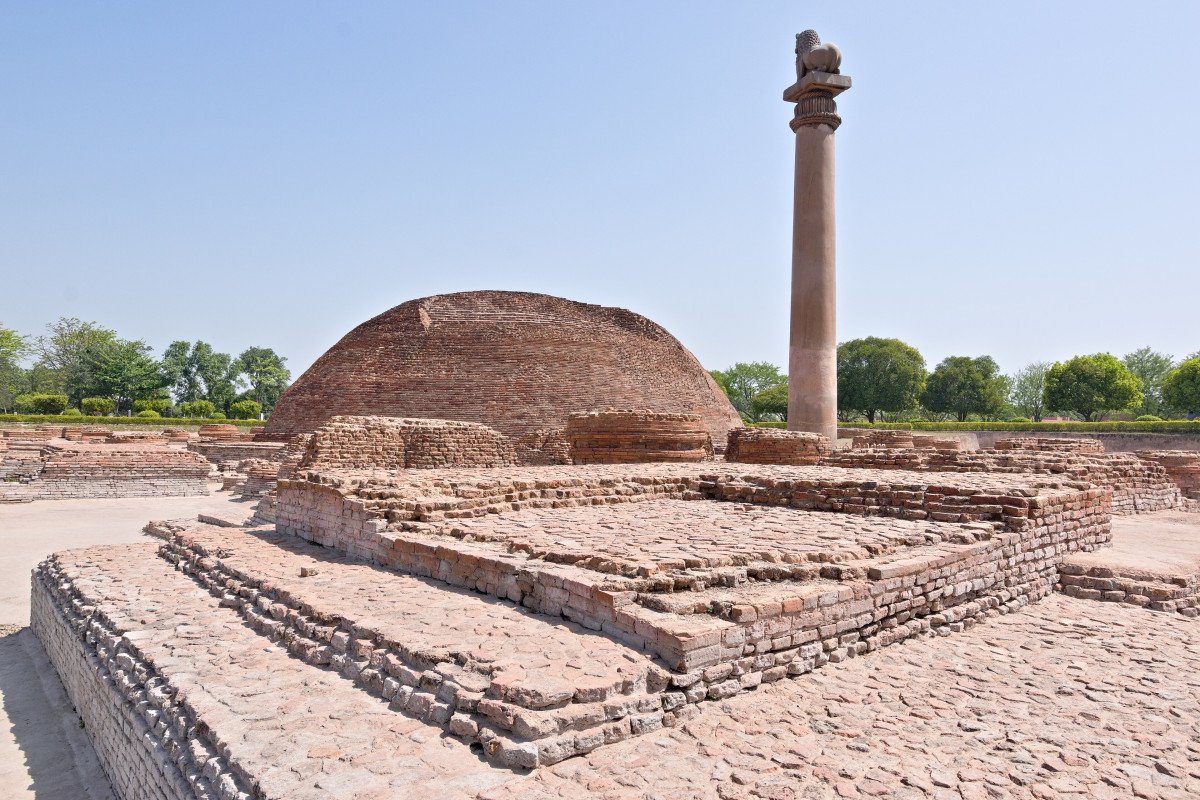
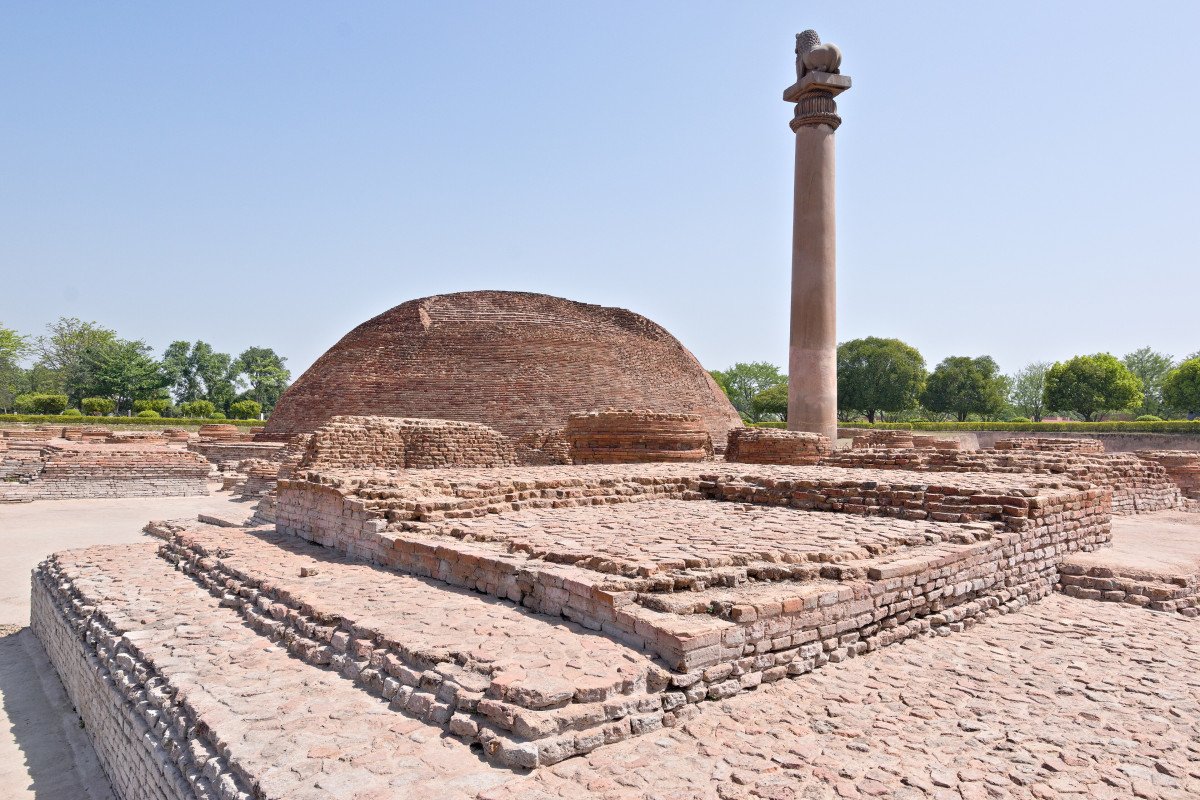
Buddh Stupa-II
General information
-
Ideal Duration:
1. 5 HoursPlace Type:
Peace PagodaEntry Fees:
General Information: Entry to the Vishwa Shanti Stupa is generally Free for all visitors. It is maintained by a private religious trust.
Donations: As an active place of worship, voluntary donations for the stupa's upkeep and the monks are ...General Information: Entry to the Vishwa Shanti Stupa is generally Free for all visitors. It is maintained by a private religious trust.
Donations: As an active place of worship, voluntary donations for the stupa's upkeep and the monks are highly encouraged and appreciated.
Boating: If boating is available on the nearby pond, it will incur a small charge (approx. Rs.50 to Rs.100 per person).
Parking: There may be a nominal fee (Rs.20 to Rs.50) for parking two-wheelers or four-wheelers near the complex entrance, managed by local vendors or the complex authority.Timing:
Regular Timings: The stupa is open from 6:00 AM to 6:00 PM (or Sunrise to Sunset), seven days a week. The gates to the complex open early for the monks' morning routines.
Ideal Visit Time: Early morning (6:00 AM - 8:00 AM) is the Ideal Visi...Regular Timings: The stupa is open from 6:00 AM to 6:00 PM (or Sunrise to Sunset), seven days a week. The gates to the complex open early for the monks' morning routines.
Ideal Visit Time: Early morning (6:00 AM - 8:00 AM) is the Ideal Visit Time for peaceful reflection, avoiding the heat, and capturing the best light for photography. Late afternoon is also excellent.
Ceremony Timings: Check with local staff for the specific times of the monks' chanting ceremonies, which are highly spiritual and worthwhile to witness.Special Events:
Anniversary of Stupa's Consecration: A significant event is the annual celebration of the stupa's consecration anniversary, attracting a large gathering of Japanese and international monks and devotees for special prayer services and peace rallies.
Read MoreAnniversary of Stupa's Consecration: A significant event is the annual celebration of the stupa's consecration anniversary, attracting a large gathering of Japanese and international monks and devotees for special prayer services and peace rallies.
Peace Walks: The stupa serves as the starting or ending point for various local and international Peace Walks and pilgrimages organized throughout the year, especially around October (Mahatma Gandhi's birthday).
Vesak (Buddha Purnima): The Vesak celebration (usually in April/May) is a major event, featuring mass prayers, lighting of lamps, and cultural performances by the local Buddhist community and visiting international groups.Best Photo Spots:
Stupa and Reflection: The most iconic photo spot is capturing the massive, white stupa reflected perfectly in the water of the adjacent Abhishek Pushkarn (Coronation Tank).
The Four Buddhas: Close-up shots of the four golden statues of the B...Stupa and Reflection: The most iconic photo spot is capturing the massive, white stupa reflected perfectly in the water of the adjacent Abhishek Pushkarn (Coronation Tank).
The Four Buddhas: Close-up shots of the four golden statues of the Buddha on the platform, focusing on the details of the mudras (hand gestures) and the facial expressions.
Panoramic View: A wide-angle shot taken from the top platform, capturing the entire Kolhua complex, the fields, and the nearby Ashoka Pillar from an elevated perspective.
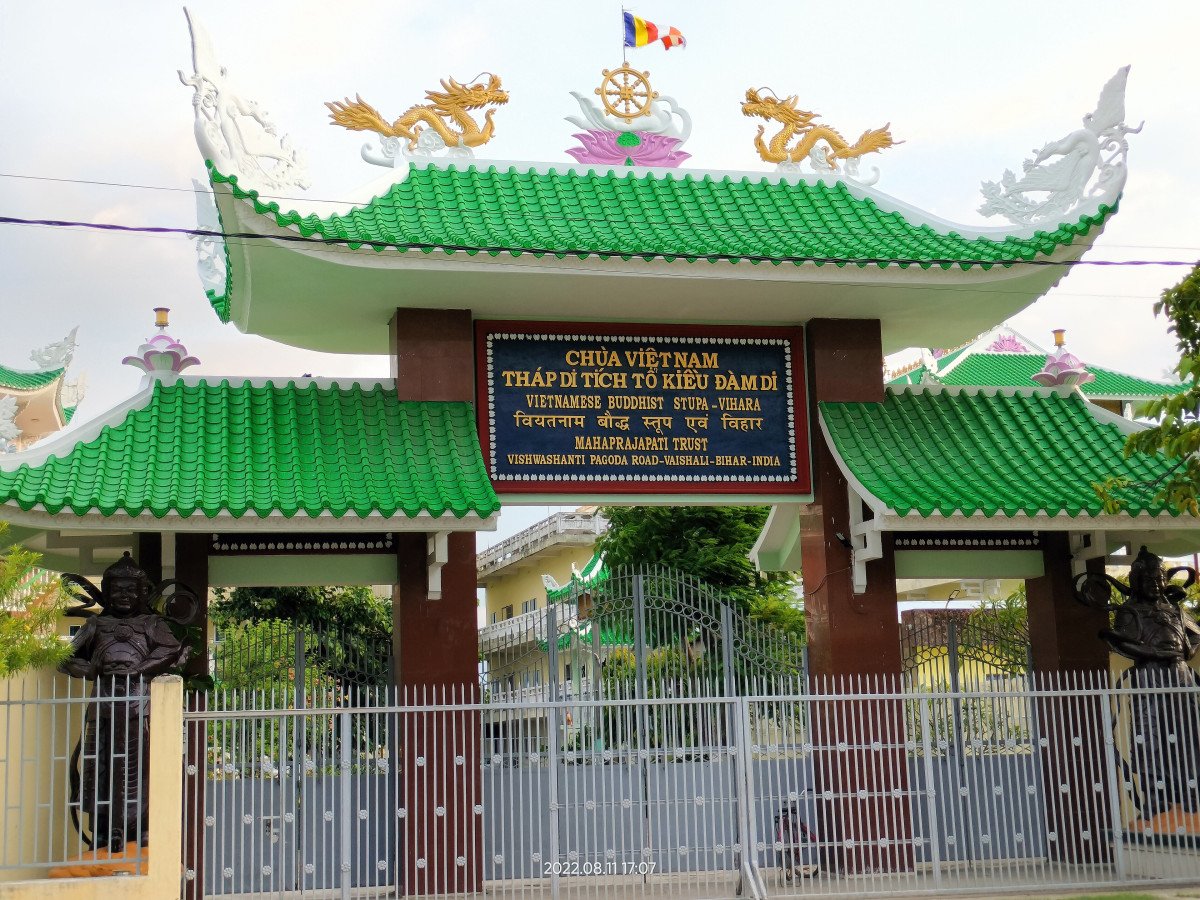
The Entrance Gate: Capturing the ornate entrance gate to the stupa complex, which often features colorful Buddhist motifs and carvings.Photo Gallery
Things To Do
-
Climbing the Pagoda: Climb the stairs to the top platform for a close look at the Buddha statues and to enjoy the panoramic view of the Coronation Tank and the rest of the Kolhua complex.
Meditation and Prayer: Dedicate time to meditate on the platform, following the example of the monks, and absorb the peaceful atmosphere of the pagoda.
Circumambulation (Kora): Perform the Kora (ritual circumambulation) around the stupa, rotating the body in a clockwise direction while reflecting on the concept of world peace.
Photography of the Structure: Capture the stunning symmetry and the pure white color of the stupa, using the blue sky or the reflection in the Coronation Tank for dramatic effect.
Interacting with Japanese Monks: If monks ...Climbing the Pagoda: Climb the stairs to the top platform for a close look at the Buddha statues and to enjoy the panoramic view of the Coronation Tank and the rest of the Kolhua complex.
Meditation and Prayer: Dedicate time to meditate on the platform, following the example of the monks, and absorb the peaceful atmosphere of the pagoda.
Circumambulation (Kora): Perform the Kora (ritual circumambulation) around the stupa, rotating the body in a clockwise direction while reflecting on the concept of world peace.
Photography of the Structure: Capture the stunning symmetry and the pure white color of the stupa, using the blue sky or the reflection in the Coronation Tank for dramatic effect.
Interacting with Japanese Monks: If monks from the Nipponzan Myohoji are present, a respectful interaction with them can provide profound insights into the peace movement.
Picnic and Relaxation: The well-maintained garden around the stupa and the adjacent tank is an excellent place for a quiet picnic or simply relaxing in the peaceful environment.
Stupa Chanting: Listen to or participate in the repetitive chanting of the Nipponzan Myohoji monks, which is often performed near the stupa.
Information
-
Why Famous:
Global Peace Movement: It is famous as one of the few Vishwa Shanti Stupas in India and a global symbol of the universal message of peace.
Modern Landmark: Its dazzling white structure and impressive height make it the most visible and easil...Global Peace Movement: It is famous as one of the few Vishwa Shanti Stupas in India and a global symbol of the universal message of peace.
Modern Landmark: Its dazzling white structure and impressive height make it the most visible and easily identifiable landmark in the Vaishali complex, attracting visitors from all over the world.
Proximity to History: It stands immediately next to the historical sites like the Coronation Tank and the Ashoka Pillar, offering a complete picture of Vaishali's spiritual journey from ancient times to the present day. -
Architecture:
Japanese Architecture: The stupa is a magnificent example of the modern Peace Pagoda style, characterized by its striking white color, symmetrical shape, and hemispherical dome (Anda) built atop a raised platform.
Dimensions: The stupa is ap...Japanese Architecture: The stupa is a magnificent example of the modern Peace Pagoda style, characterized by its striking white color, symmetrical shape, and hemispherical dome (Anda) built atop a raised platform.
Dimensions: The stupa is approximately 38 meters (125 feet) tall. The structure is made primarily of concrete and plaster, painted white.
Key Features: The stupa features four gold-painted statues of the Buddha in different postures on its circular platform, each facing a cardinal direction. The overall design emphasizes simplicity, purity (symbolized by the white color), and monumental scale. A circumambulatory path (Pradakshina Patha) circles the base, and steep steps lead to the platform, offering a panoramic view of the surrounding archaeological park and the Coronation Tank. Modern vs.
Ancient: The architecture represents a powerful contrast to the ancient brick stupa ruins, juxtaposing the enduring tradition of stupa building from the 5th century BCE to the modern era. -
How To Reach:
By Air: Patna Airport (PAT), approx. 65 KMS. The drive takes about 2-3 hours by private taxi.
By Train: Hajipur Junction (HJP), approx. 35 KMS. Take a taxi, shared jeep, or bus from the station to Vaishali. Patna Junction (PNBE) provide...By Air: Patna Airport (PAT), approx. 65 KMS. The drive takes about 2-3 hours by private taxi.
By Train: Hajipur Junction (HJP), approx. 35 KMS. Take a taxi, shared jeep, or bus from the station to Vaishali. Patna Junction (PNBE) provides better connectivity for major cities.
By Road: Vaishali is easily reachable from Patna via NH 77. State transport buses and shared tempos run regularly. The road is generally good.
By Local Transport: The stupa is a landmark in the Kolhua area. Auto-rickshaws from anywhere in Vaishali will take you directly to the Shanti Stupa complex entrance. It is a short walk from the Ashoka Pillar site. -
Weather and Best Time to Visit:
Different Types of Seasons: Winter (October to March) is the only period where the temperature is comfortable enough to climb the stupa and walk around the exposed platform. Monsoon can also be beautiful, with the green fields around, but sudden rain can interrupt the visit...Different Types of Seasons: Winter (October to March) is the only period where the temperature is comfortable enough to climb the stupa and walk around the exposed platform. Monsoon can also be beautiful, with the green fields around, but sudden rain can interrupt the visit.
Different Parts of the Day: Sunrise offers a magical, quiet atmosphere with the purest white light on the stupa. Mid-day is extremely hot and should be avoided. Evening is a good alternative, providing a soft glow and a cool breeze. -
Near Tourist Places:
1.
Abhishek Pushkarn (Coronation Tank): (Adjacent) 2.
Ashoka Pillar (Lion Pillar): (0. 5 KMS) 3.
Ananda Stupa Site: (0. 5 KMS) 4.
Vaishali Archaeological Museum: (0. 1 KMS) 5.
Buddha Relic Stupa (Stupa-I): (3. 5 KMS) 6.
Raja Vishal ka Garh (Vishal Fort): (5 KMS) 7.
Bawan Pokhar Temple: (4. 5 KMS) 8.
Chaumukhi Mahadev Temple: (4 KMS) 9.
Vimalakirti Stupa: (5 KMS) 10.
Patna Museum (Relics of Stupa I): (65 KMS)
Tourism Tips
-
Health & Safety: The climb up the stairs to the stupa platform is steep; wear appropriate footwear and take care. Carry sufficient drinking water.
Packing: A pair of socks is useful, as you will have to remove your shoes to climb onto the ...Health & Safety: The climb up the stairs to the stupa platform is steep; wear appropriate footwear and take care. Carry sufficient drinking water.
Packing: A pair of socks is useful, as you will have to remove your shoes to climb onto the stupa's platform. Wear modest clothing.
Accommodation: Basic guesthouses are available locally. The best choice is to stay in Patna for better amenities and a wider range of hotels.
Respectful Conduct: Absolute silence is expected on the stupa platform. Do not point your feet toward the Buddha statues.
Photography Ethics: Do not climb on the railing or use flash on the statues. Be mindful of the meditating monks.
Reviews
FAQs
Vaishali Itineray And Cost:-
Other Places In Vaishali :-
Other States In India :-
Information about New and Updated Locations() of Bihar Has Been Added :-
Card subtitle
Note:-
Information provided here in good Faith and for reference only.
Near Places

Abhishek Pushkarn
Some quick example text to build on the card title and make up the bulk of the card's content.
Go somewhere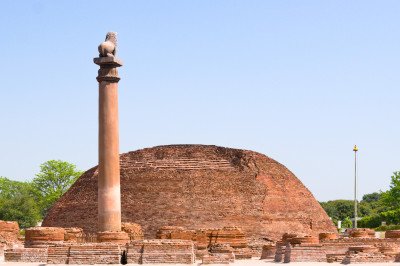
Ananda Stupa Site
Some quick example text to build on the card title and make up the bulk of the card's content.
Go somewhere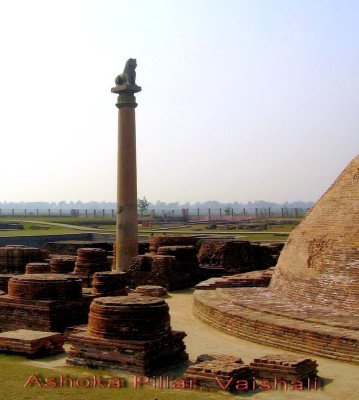
Ashoka Pillar
Some quick example text to build on the card title and make up the bulk of the card's content.
Go somewhere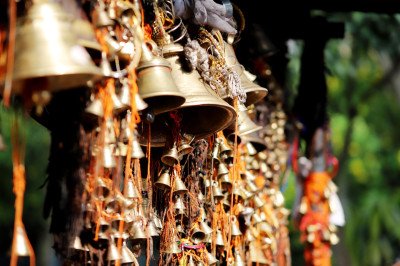
Baba Bateshwarnath Temple
Some quick example text to build on the card title and make up the bulk of the card's content.
Go somewhere
Baithakji Hajipur
Some quick example text to build on the card title and make up the bulk of the card's content.
Go somewhere
Baraila Lake
Some quick example text to build on the card title and make up the bulk of the card's content.
Go somewhere
Bawan Pokhar Temple
Some quick example text to build on the card title and make up the bulk of the card's content.
Go somewhere
Buddh Stupa-II
Some quick example text to build on the card title and make up the bulk of the card's content.
Go somewhere
Buddha Relic Stupa
Some quick example text to build on the card title and make up the bulk of the card's content.
Go somewhere
Budhi Mai Temple
Some quick example text to build on the card title and make up the bulk of the card's content.
Go somewhere
Chaturbhuj Temple
Some quick example text to build on the card title and make up the bulk of the card's content.
Go somewhere
Chaumukhi Mahadev Temple
Some quick example text to build on the card title and make up the bulk of the card's content.
Go somewhere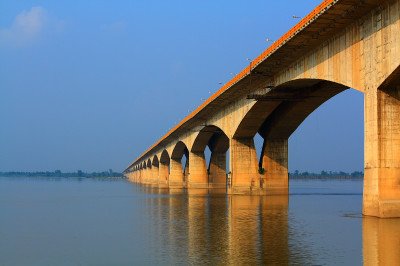
Gandhi Setu Bridge
Some quick example text to build on the card title and make up the bulk of the card's content.
Go somewhere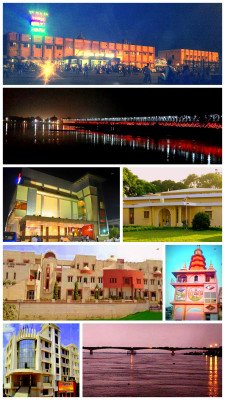
Govindpur Singhara Shaktipeeth
Some quick example text to build on the card title and make up the bulk of the card's content.
Go somewhere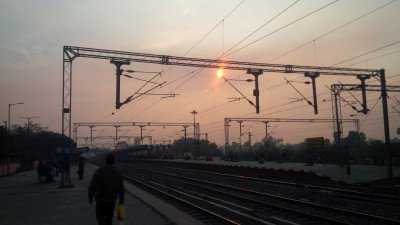
Hajipur Junction Railway Station
Some quick example text to build on the card title and make up the bulk of the card's content.
Go somewhere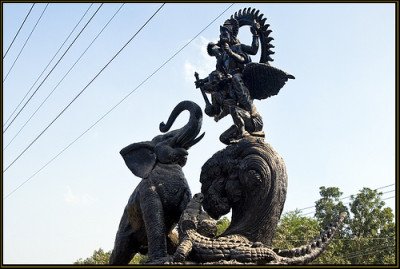
Kaunhara Ghat
Some quick example text to build on the card title and make up the bulk of the card's content.
Go somewherein Other Cities