

Abhishek Pushkarn
General information
-
Ideal Duration:
1 HourPlace Type:
Historical SiteEntry Fees:
General Information: Entry to the Abhishek Pushkarn and its surrounding park area is typically Free for all visitors. This is common for government-maintained historical tanks and public grounds.
Museum Fees: The adjacent Vaishali Archaeolo...General Information: Entry to the Abhishek Pushkarn and its surrounding park area is typically Free for all visitors. This is common for government-maintained historical tanks and public grounds.
Museum Fees: The adjacent Vaishali Archaeological Museum does charge a nominal entry fee. Fees are usually around Rs.5 to Rs.10 for Indian nationals and Rs.100 for foreign nationals, with different rates for video cameras and professional photography.
Cost of Local Guides: Visitors are advised to budget for a local guide, which typically costs around Rs.300 to Rs.500 for a comprehensive tour of the entire complex (Tank, Pillar, Stupas).Timing:
Regular Timings: The site is generally open from Sunrise to Sunset, typically 6:00 AM to 6:00 PM, every day of the week. Access is unrestricted during daylight hours.
Ideal Visit Time: The Ideal Visit Time is early in the morning (7:00 AM t...Regular Timings: The site is generally open from Sunrise to Sunset, typically 6:00 AM to 6:00 PM, every day of the week. Access is unrestricted during daylight hours.
Ideal Visit Time: The Ideal Visit Time is early in the morning (7:00 AM to 9:00 AM) when the light is soft for photography and the atmosphere is the most peaceful and cool, or late afternoon (4:00 PM to 6:00 PM) to catch the sunset views over the water.
Best Day to Visit: Any weekday is generally better than a weekend or major holiday to avoid local crowds and school groups.Special Events:
Vaishali Mahotsava: While no events are held at the tank, it is a key site during the annual Vaishali Mahotsava (usually in April), celebrating the birth anniversary of Lord Mahavira. The historical and sacred sites around the tank become a focal point for cultural programs...Vaishali Mahotsava: While no events are held at the tank, it is a key site during the annual Vaishali Mahotsava (usually in April), celebrating the birth anniversary of Lord Mahavira. The historical and sacred sites around the tank become a focal point for cultural programs, local trade fairs, and religious processions, significantly increasing the tank's visibility and foot traffic.
Full Moon (Purnima) Gatherings: Informal, spiritual gatherings often take place on the banks during Purnima (full moon nights), especially in the Kartik month, where local devotees and Buddhist monks offer prayers and perform small rituals.
Republic Day Commemoration: Local historical societies sometimes host small ceremonies on Republic Day (January 26) to commemorate Vaishali's status as the world's first republic, often using the tank as a symbolic backdrop.Best Photo Spots:
Reflection of the Stupa: The best photo is a wide shot that captures the Vishwa Shanti Stupa and the surrounding greenery reflected perfectly in the tank's calm water, ideally at sunrise or sunset.
The Ashoka Pillar Backdrop: Frame the shot ...Reflection of the Stupa: The best photo is a wide shot that captures the Vishwa Shanti Stupa and the surrounding greenery reflected perfectly in the tank's calm water, ideally at sunrise or sunset.
The Ashoka Pillar Backdrop: Frame the shot so the solitary Ashoka Pillar stands on the far bank, using the water as a foreground element to create depth and contrast between the water, the tank, and the pillar.
The Coronation Steps: Capture close-up and atmospheric shots of the ancient, worn steps leading into the water, focusing on texture and history. This requires a low-angle shot to emphasize the scale and age.
Panoramic View from the Museum: Take a panoramic shot of the entire complex from the elevated area near the Vaishali Archaeological Museum, capturing the tank, the fields, and the ruins in a single frame.Photo Gallery
Things To Do
-
Reflect and Meditate: The most rewarding activity is simply sitting by the tank’s tranquil banks, especially during the early morning or late afternoon, to reflect on the historical and spiritual significance of the place. The calm environment is ideal for meditation and quiet contemplation.
Visit the Museum: Directly adjacent to the tank is the Vaishali Archaeological Museum. Spend a significant amount of time exploring the artifacts excavated from the area, including terracotta figures, coins, and pottery, which provide context to the tank’s ancient environment.
Stupa Circumambulation (Parikrama): Perform a Parikrama (circumambulation) around the nearby Vishwa Shanti Stupa, incorporating the view of the tank into the spiritual walk.
Photography Workshop: ...Reflect and Meditate: The most rewarding activity is simply sitting by the tank’s tranquil banks, especially during the early morning or late afternoon, to reflect on the historical and spiritual significance of the place. The calm environment is ideal for meditation and quiet contemplation.
Visit the Museum: Directly adjacent to the tank is the Vaishali Archaeological Museum. Spend a significant amount of time exploring the artifacts excavated from the area, including terracotta figures, coins, and pottery, which provide context to the tank’s ancient environment.
Stupa Circumambulation (Parikrama): Perform a Parikrama (circumambulation) around the nearby Vishwa Shanti Stupa, incorporating the view of the tank into the spiritual walk.
Photography Workshop: The combination of water, ancient ruins, and the imposing Shanti Stupa offers a diverse set of subjects. Focus on landscape shots, reflections in the tank, and macro photography of the local flora.
Local Food Exploration: Sample local Bihari street food from vendors near the complex entrance, focusing on seasonal snacks like Litti Chokha or various types of local sweets like Khaja.
Guided Historical Walk: Hire a local, approved guide to walk the perimeter of the tank and the surrounding complex, detailing the coronation rites and the social life of the ancient Licchavi city-state. This enhances the site visit significantly.
Boating (Seasonal): In periods of high water, simple rowing boats may be available, offering a unique perspective of the tank and the nearby monuments from the water itself.
Information
-
Why Famous:
World's First Republic: The tank is primarily famous as the site where the rulers of the Licchavi Republic, the world's first known republic, were coronated. This fact alone makes it a landmark in the history of governance and political thought.World's First Republic: The tank is primarily famous as the site where the rulers of the Licchavi Republic, the world's first known republic, were coronated. This fact alone makes it a landmark in the history of governance and political thought.
Buddhist Significance: It is located in the vicinity of the site where Gautama Buddha delivered his last sermon, making it an essential stop on the Buddhist pilgrimage circuit, particularly for pilgrims tracing the final journey of the Buddha. The combination of political and spiritual history is unique.
Iconic Landmark: The tank serves as the main geographic marker for the central Vaishali archaeological complex, grouping the Ashoka Pillar, Stupas, and Museum around a single historical feature. -
Architecture:
Design and Dimensions: The tank is a substantial rectangular water body, measuring approximately 120m by 60m. It is not an intricate stone structure but a large, functional tank, often referred to as a Pokhar (pond).
Construction Material: ...Design and Dimensions: The tank is a substantial rectangular water body, measuring approximately 120m by 60m. It is not an intricate stone structure but a large, functional tank, often referred to as a Pokhar (pond).
Construction Material: The banks are earthen and reinforced, featuring steps leading to the water in parts. The architecture is defined more by its massive scale and functional purpose than by decorative carving. It represents the large-scale public works undertaken by the ancient Licchavis to support the capital city. The Coronation Tank's plain, functional design is a contrast to the nearby ornate religious monuments, highlighting the republic's focus on essential public infrastructure. The overall aesthetic is one of natural beauty and historical gravity, surrounded by a landscaped garden area maintained by the Archaeological Survey of India (ASI).
Relationship with Nearby Sites: The tank’s immediate proximity to the Ashoka Pillar and the Vishwa Shanti Stupa suggests a planned archaeological and spiritual complex, where the ancient political symbol (the tank) and the later imperial/Buddhist symbols (the pillar and stupa) coexist. -
How To Reach:
By Air: The Nearest Airport is Jay Prakash Narayan International Airport (PAT) in Patna, which is approx. 65-70 KMS away. From the airport, one can hire a pre-paid taxi directly to Vaishali, taking about 2-3 hours depending on traffic and the condition of the Muzzaffarpur-...By Air: The Nearest Airport is Jay Prakash Narayan International Airport (PAT) in Patna, which is approx. 65-70 KMS away. From the airport, one can hire a pre-paid taxi directly to Vaishali, taking about 2-3 hours depending on traffic and the condition of the Muzzaffarpur-Patna highway.
By Train: The Nearest Major Railhead is Hajipur Junction (HJP), about 35 KMS away. Patna Junction (PNBE) is another option (approx. 55 KMS). From Hajipur, taxis, auto-rickshaws, and local buses are readily available to complete the journey to the site.
By Road: Vaishali is well-connected by road from Patna, Hajipur, and Muzaffarpur via NH 77 and other state highways. Regular state-run and private bus services operate from nearby major cities. A self-driven car or a hired cab from Patna is the most comfortable option.
By Local Transport: Within Vaishali, the site is easily reached by auto-rickshaws (Tuk-Tuks) and cycle-rickshaws from the main Vaishali bus stand or nearby hotels. Auto-rickshaws are best for moving between the scattered archaeological sites. -
Weather and Best Time to Visit:
Different Types of Seasons: The Best Time to Visit is during the winter months, from October to March. The weather is pleasantly cool and dry, with average temperatures ranging from 10°C to 25°C, making sightseeing comfortable. The monsoon months of July to September are...Different Types of Seasons: The Best Time to Visit is during the winter months, from October to March. The weather is pleasantly cool and dry, with average temperatures ranging from 10°C to 25°C, making sightseeing comfortable. The monsoon months of July to September are beautiful due to the greenery but involve heavy rain and humidity.
Different Parts of the Day: Morning (7:00 AM - 10:00 AM) is ideal for photography and quiet reflection. Late Afternoon (4:00 PM - 6:00 PM) is perfect for a leisurely stroll and enjoying the cooler air and sunset light. Avoid midday (11:00 AM - 3:00 PM) due to intense heat, especially from April to June. -
Near Tourist Places:
1.
Ashoka Pillar (Lion Pillar): (0. 5 KMS) 2.
Buddha Relic Stupa (Stupa-I): (3. 5 KMS) 3.
Buddha Stupa-II (Vishwa Shanti Stupa): (0. 1 KMS) 4.
Vaishali Archaeological Museum: (0. 1 KMS) 5.
Ananda Stupa Site: (0. 5 KMS) 6.
Bawan Pokhar Temple: (4. 5 KMS) 7.
Chaumukhi Mahadev Temple: (4 KMS) 8.
Raja Vishal ka Garh (Vishal Fort): (5 KMS) 9.
Birthplace of Lord Mahavira (Kundalpur): (35 KMS) 10.
Ramchaura Mandir (Hajipur): (35 KMS)
Tourism Tips
-
Health & Safety: Carry a First-Aid Kit for minor cuts. Drink only bottled water to prevent illness. Be mindful of the large water body, especially if traveling with children.
Packing: Essential items include a hat or cap, sunglasses, and s...Health & Safety: Carry a First-Aid Kit for minor cuts. Drink only bottled water to prevent illness. Be mindful of the large water body, especially if traveling with children.
Packing: Essential items include a hat or cap, sunglasses, and sunscreen. Wear comfortable walking shoes as the archaeological area involves uneven terrain. Carry a good mosquito repellent, especially for early morning or evening visits.
Accommodation: The best range of comfortable hotels and guesthouses can be found in Patna (65 KMS), with more basic, local options available in Hajipur (35 KMS) or near the Vaishali main market. Pre-booking accommodation is essential during the peak tourist season of November to February.
Photography Etiquette: While photography is generally allowed, be respectful of pilgrims and monuments. Drones may require special permits from the ASI.
Hiring a Guide: Engage an official guide from the ASI or State Tourism Board at the entrance to get authentic historical narratives.
Local Economy Support: Buy local handicrafts or souvenirs from authorized shops to support the local economy.
Reviews
FAQs
Vaishali Itineray And Cost:-
Abhishek Pushkarn Tourism:-
Other Places In Vaishali :-
Other States In India :-
Information about New and Updated Locations() of Bihar Has Been Added :-
Card subtitle
Note:-
Information provided here in good Faith and for reference only.
Near Places

Abhishek Pushkarn
Some quick example text to build on the card title and make up the bulk of the card's content.
Go somewhere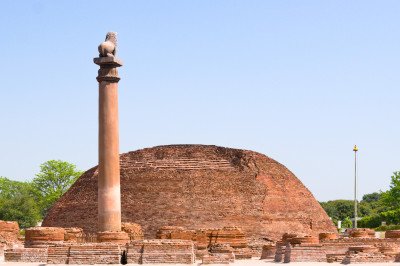
Ananda Stupa Site
Some quick example text to build on the card title and make up the bulk of the card's content.
Go somewhere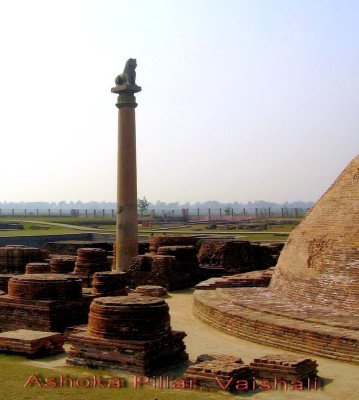
Ashoka Pillar
Some quick example text to build on the card title and make up the bulk of the card's content.
Go somewhere
Baba Bateshwarnath Temple
Some quick example text to build on the card title and make up the bulk of the card's content.
Go somewhere
Baithakji Hajipur
Some quick example text to build on the card title and make up the bulk of the card's content.
Go somewhere
Baraila Lake
Some quick example text to build on the card title and make up the bulk of the card's content.
Go somewhere
Bawan Pokhar Temple
Some quick example text to build on the card title and make up the bulk of the card's content.
Go somewhere
Buddh Stupa-II
Some quick example text to build on the card title and make up the bulk of the card's content.
Go somewhere
Buddha Relic Stupa
Some quick example text to build on the card title and make up the bulk of the card's content.
Go somewhere
Budhi Mai Temple
Some quick example text to build on the card title and make up the bulk of the card's content.
Go somewhere
Chaturbhuj Temple
Some quick example text to build on the card title and make up the bulk of the card's content.
Go somewhere
Chaumukhi Mahadev Temple
Some quick example text to build on the card title and make up the bulk of the card's content.
Go somewhere
Gandhi Setu Bridge
Some quick example text to build on the card title and make up the bulk of the card's content.
Go somewhere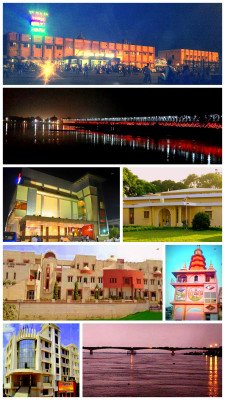
Govindpur Singhara Shaktipeeth
Some quick example text to build on the card title and make up the bulk of the card's content.
Go somewhere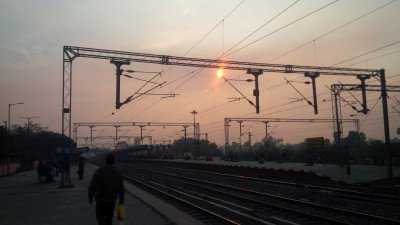
Hajipur Junction Railway Station
Some quick example text to build on the card title and make up the bulk of the card's content.
Go somewhere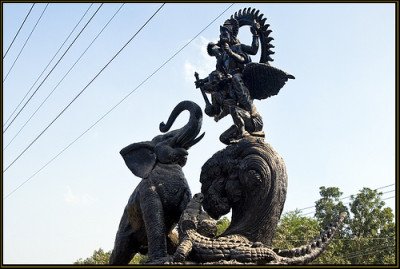
Kaunhara Ghat
Some quick example text to build on the card title and make up the bulk of the card's content.
Go somewherein Other Cities