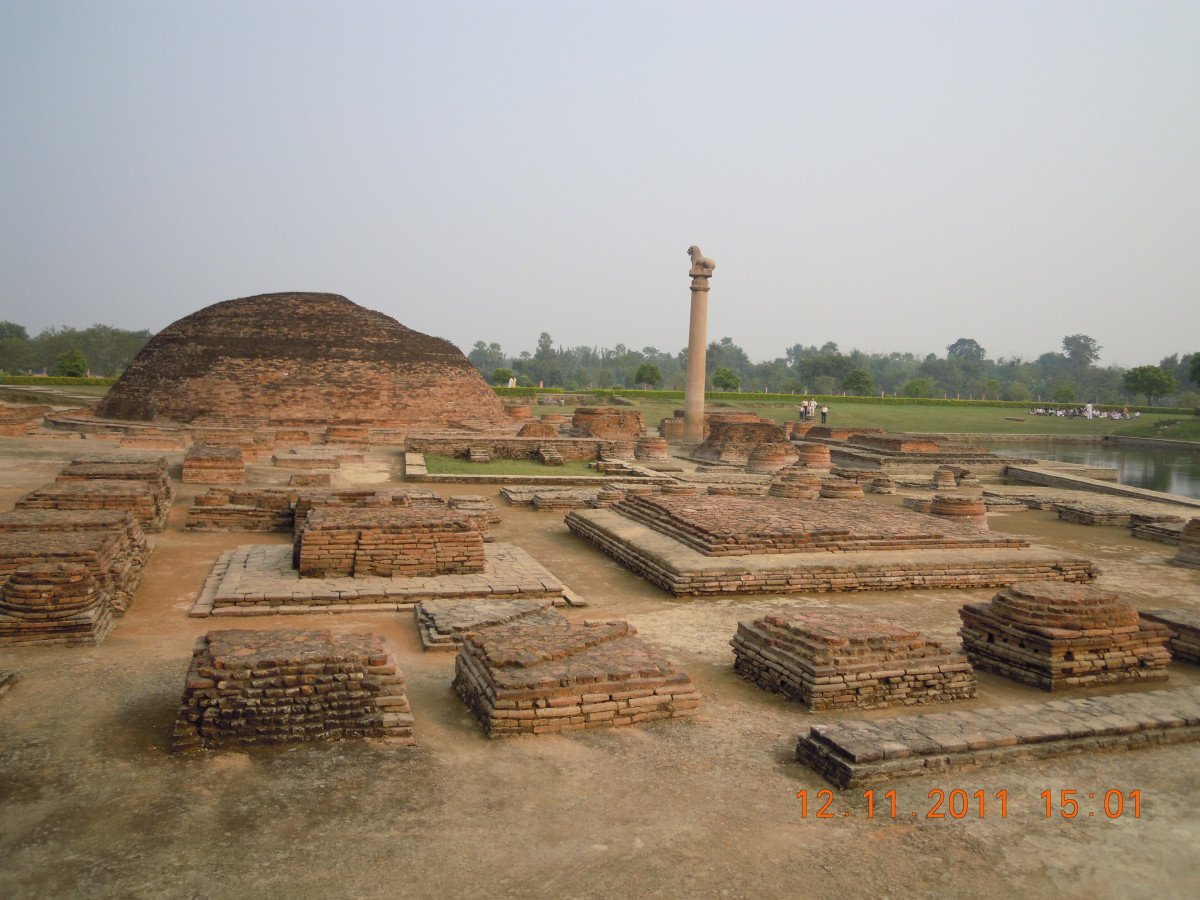
Ashoka Pillar
General information
-
Ideal Duration:
30 MinutesPlace Type:
Monument/PillarEntry Fees:
General Information: Entry to the pillar is officially Free as it is located in an open-air archaeological park. It is protected by a low-level chain/railing, but there is no entry fee for general viewing.
Guide/Photography Costs: As with o...General Information: Entry to the pillar is officially Free as it is located in an open-air archaeological park. It is protected by a low-level chain/railing, but there is no entry fee for general viewing.
Guide/Photography Costs: As with other sites in the Kolhua complex, there is no separate fee for the pillar. Budget for a local guide (approx. Rs.300-Rs.500) for a detailed explanation of the Mauryan significance. Professional or commercial photography requires prior ASI permission.
Combined Site Fee: While the pillar is free, you will likely pay the fee for the nearby Vaishali Archaeological Museum if you visit both, which is highly recommended.Timing:
Regular Timings: The pillar is an open-air monument accessible from Sunrise to Sunset, typically 6:00 AM to 6:00 PM, seven days a week.
Ideal Visit Time: Early in the morning (7:00 AM - 9:00 AM) is the Ideal Visit Time to experience the site...Regular Timings: The pillar is an open-air monument accessible from Sunrise to Sunset, typically 6:00 AM to 6:00 PM, seven days a week.
Ideal Visit Time: Early in the morning (7:00 AM - 9:00 AM) is the Ideal Visit Time to experience the site's solitude and take photographs in soft light. This also allows for an easy combination with the nearby Ananda Stupa.
Maintenance Closures: Though rare, the area may be temporarily closed for ASI maintenance or during periods of intense flooding during the monsoon. Always check local conditions during the peak Monsoon season (July-August).Special Events:
Ashoka Pillar Foundation Day: While not a public event, the ASI sometimes holds small ceremonies or lectures around the pillar on significant anniversaries or foundation days related to Ashokan history.
Pilgrim Gatherings: The site is a key ...Ashoka Pillar Foundation Day: While not a public event, the ASI sometimes holds small ceremonies or lectures around the pillar on significant anniversaries or foundation days related to Ashokan history.
Pilgrim Gatherings: The site is a key meeting point for groups of international Buddhist pilgrims, especially from countries like Sri Lanka, Thailand, and Japan, who often perform quiet collective prayers and chanting at the base.
Local Cultural Events: During the annual Vaishali Mahotsava, the area surrounding the pillar becomes a temporary stage for local folk music and dance performances, although the pillar itself is not actively used.Best Photo Spots:
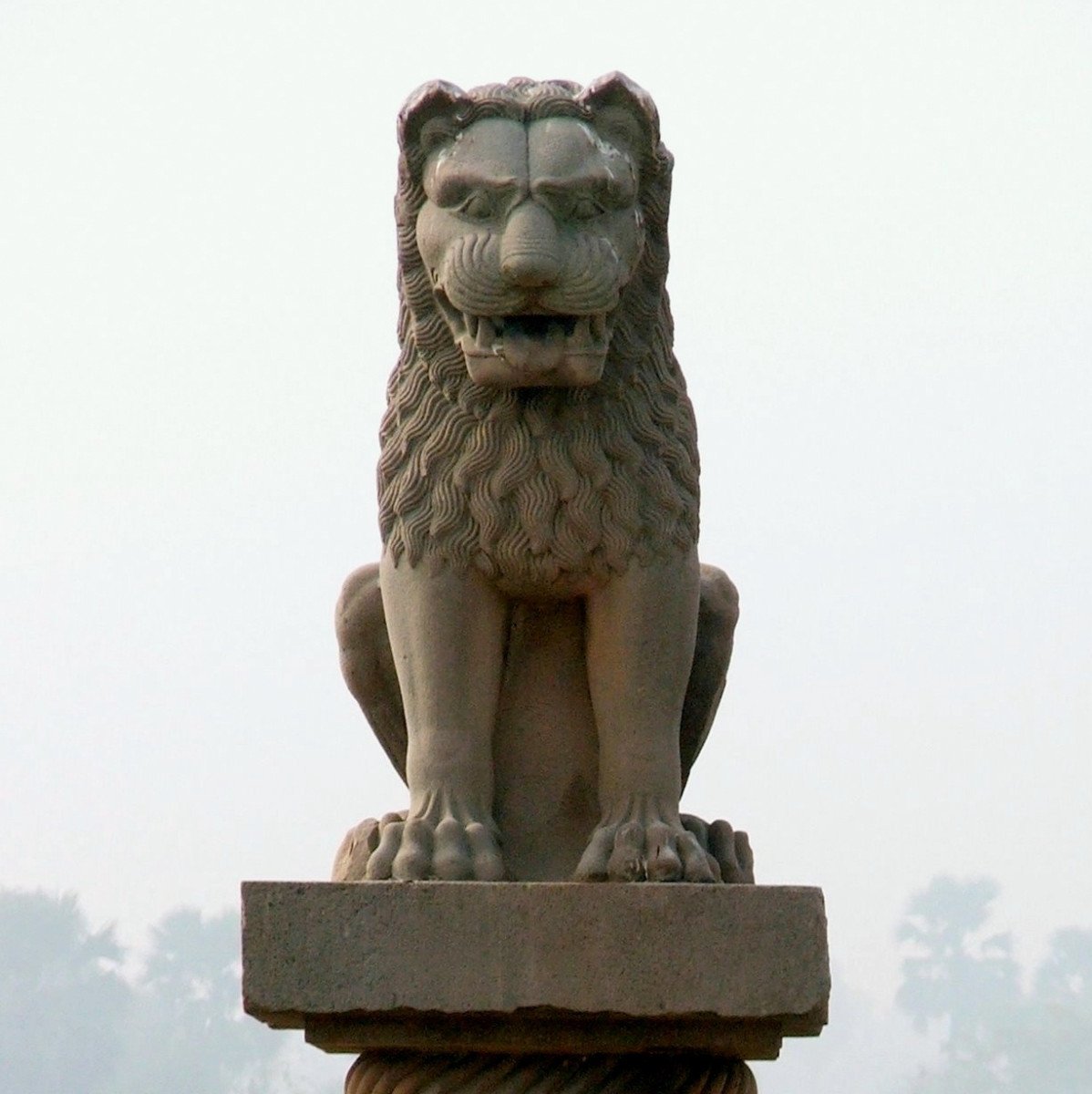
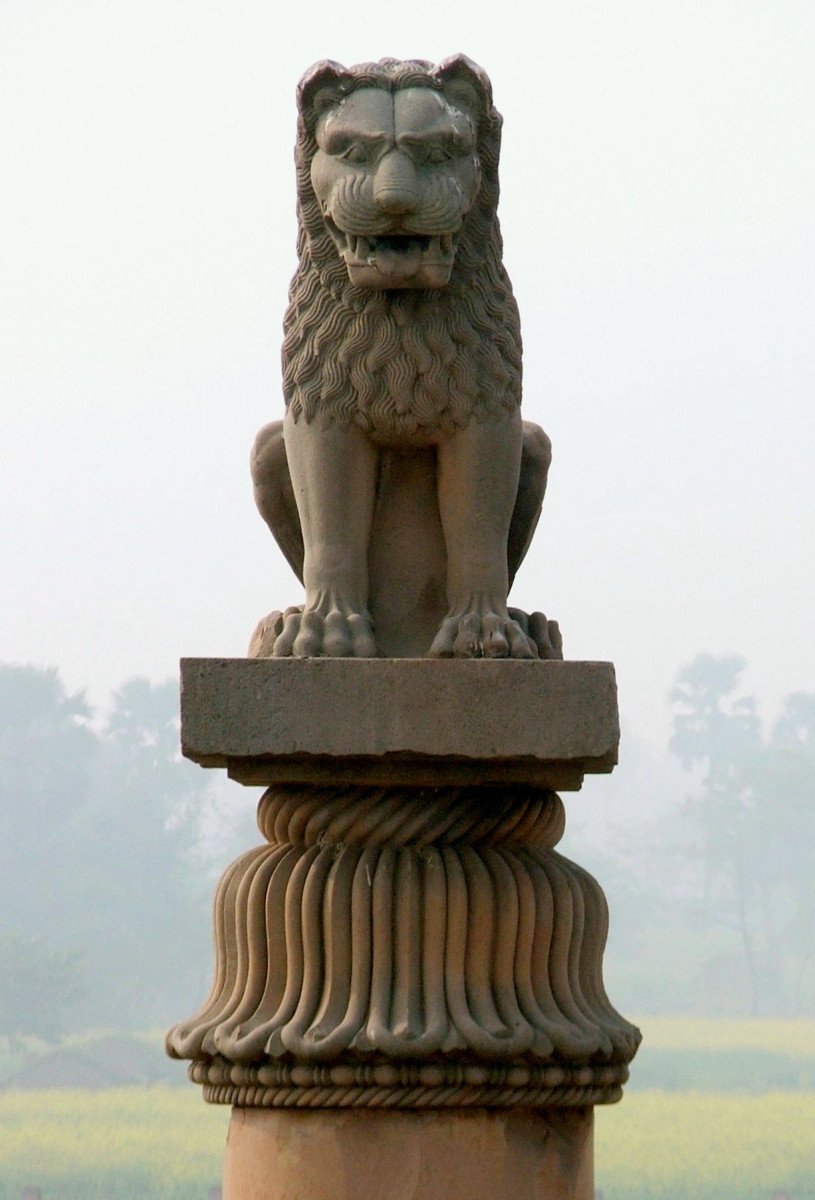
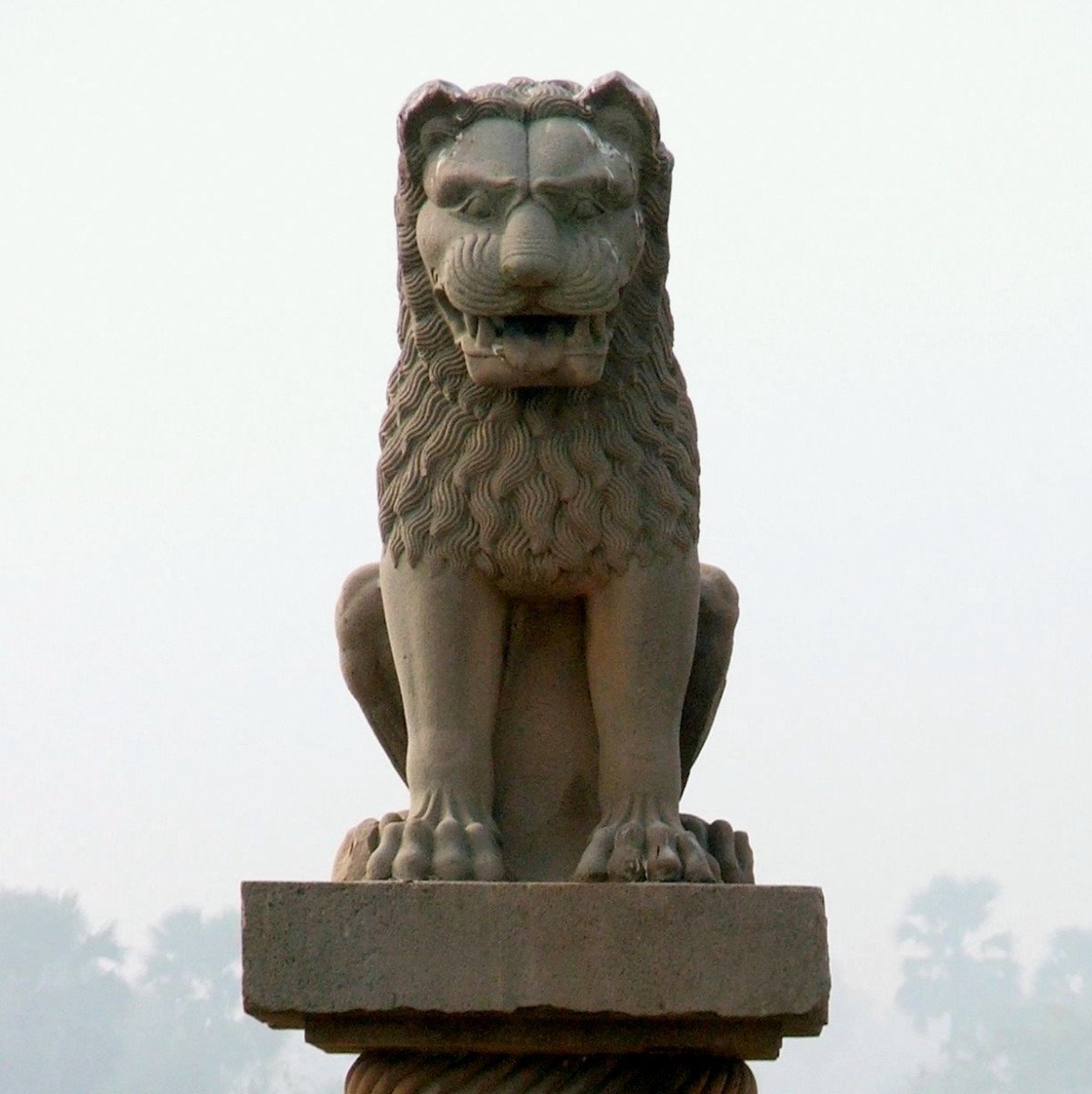
The North-Facing Lion: Capture the Lion Capital itself, filling the frame with its detail and using a telephoto lens. The best angle is from the south, looking north, to follow the lion's intended line of sight towards Kushinagar.
The Monolithi...The North-Facing Lion: Capture the Lion Capital itself, filling the frame with its detail and using a telephoto lens. The best angle is from the south, looking north, to follow the lion's intended line of sight towards Kushinagar.
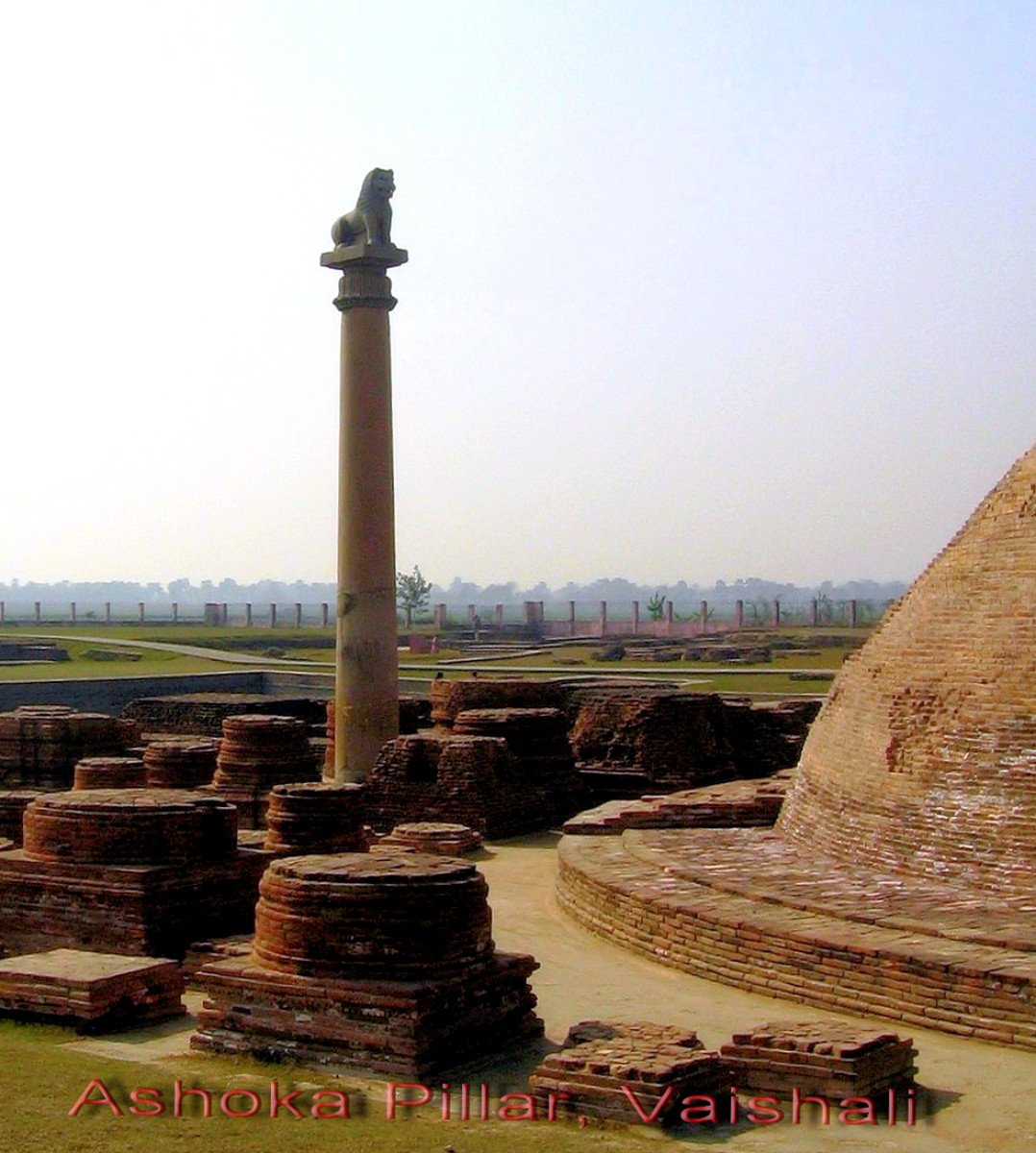
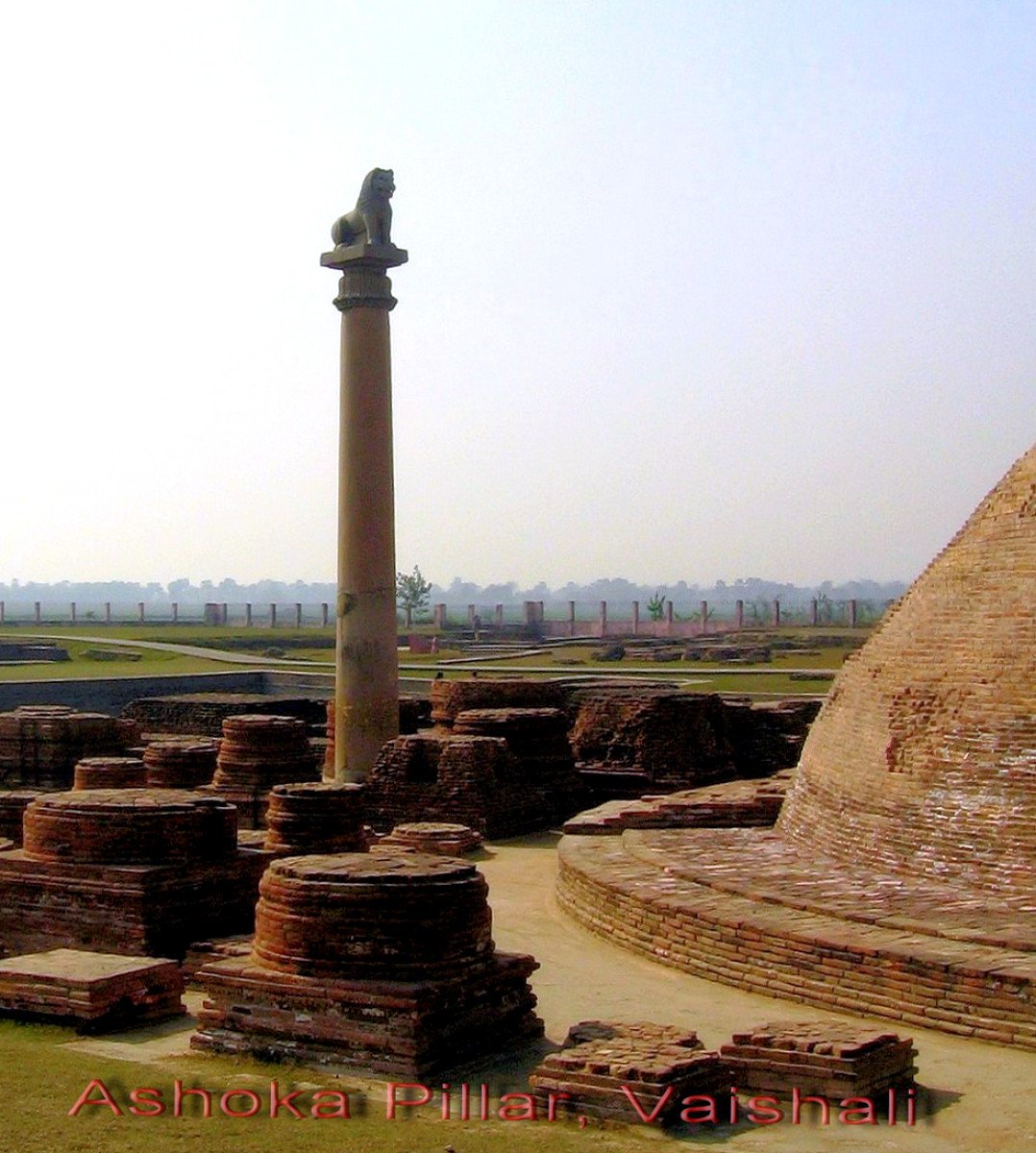
The Monolithic Scale: A wide-angle, low-angle shot from the base to capture the entire towering shaft against the sky, emphasizing its scale and height.
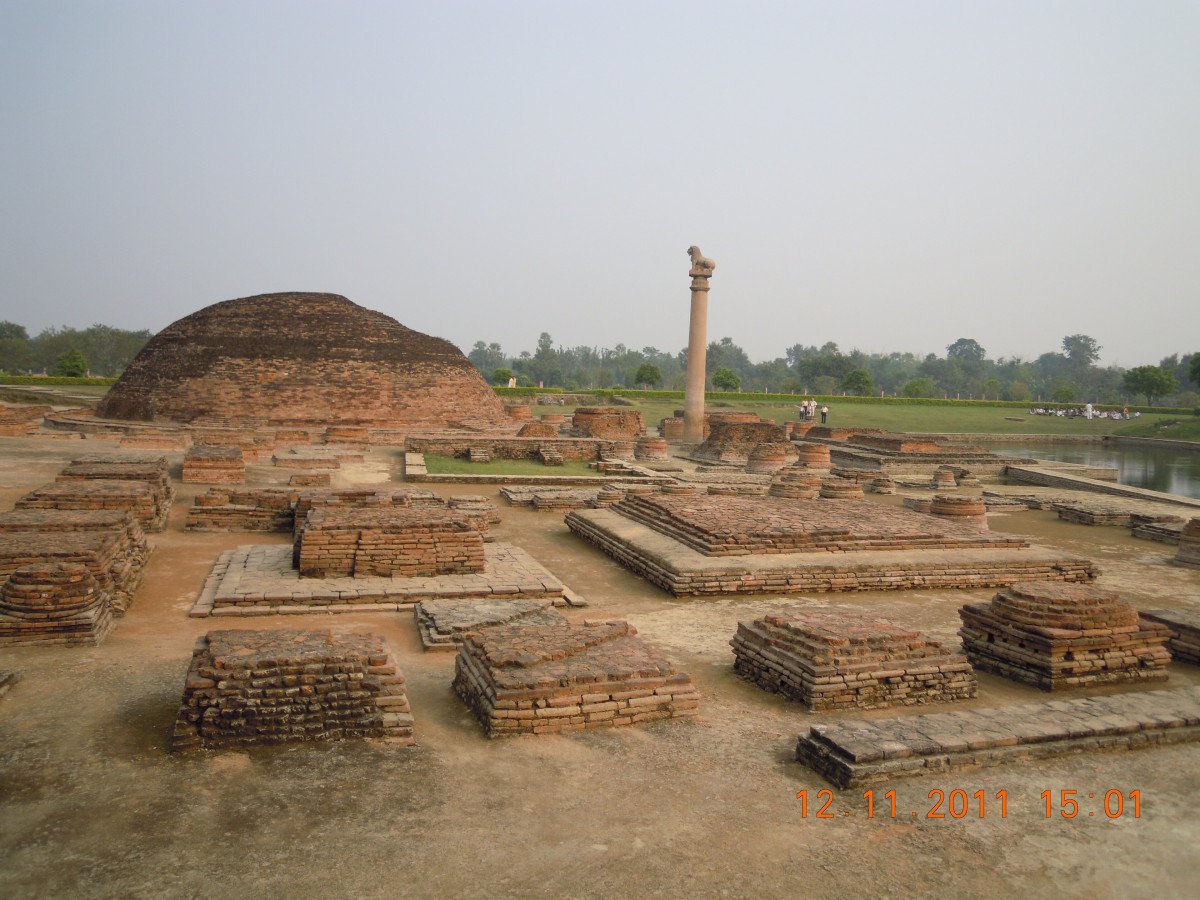
Pillar with Ruins: A composition that includes the solitary pillar in the middle ground, framed by the low-lying ancient brick ruins of the Ananda Stupa and Vihara in the foreground.
Golden Hour Glow: Photograph the pillar during the Golden Hour (sunrise or sunset) when the polished sandstone catches the low light, bringing out the faint sheen and deep buff color.Photo Gallery
Things To Do
-
Circumambulation (Parikrama): Perform a slow, respectful Parikrama around the pillar, reflecting on the historical figure of Ashoka and the vast scope of the Mauryan Empire.
Study the Capital: Use binoculars to closely examine the serene facial features and posture of the Lion Capital, appreciating the detail of the 3rd century BCE sculpture.
Architectural Photography: Focus on capturing the pillar's extreme height and its contrast with the flat plain and the ruins of the adjacent Ananda Stupa. Try to capture the lion against the blue sky.
Meditative Silence: Sit near the base, maintaining absolute silence, to absorb the spiritual and historical weight of the monumental structure that has stood for over 2,200 years.
Visit the Ananda...Circumambulation (Parikrama): Perform a slow, respectful Parikrama around the pillar, reflecting on the historical figure of Ashoka and the vast scope of the Mauryan Empire.
Study the Capital: Use binoculars to closely examine the serene facial features and posture of the Lion Capital, appreciating the detail of the 3rd century BCE sculpture.
Architectural Photography: Focus on capturing the pillar's extreme height and its contrast with the flat plain and the ruins of the adjacent Ananda Stupa. Try to capture the lion against the blue sky.
Meditative Silence: Sit near the base, maintaining absolute silence, to absorb the spiritual and historical weight of the monumental structure that has stood for over 2,200 years.
Visit the Ananda Stupa and Vihara: The pillar is a gateway to the nearby Ananda Stupa Site and the Kutagarasala Vihara ruins, which should be visited as part of the same historical experience.
Learning about Dhamma: Reflect on the principles of Ashoka's Dhamma (non-violence, tolerance, public welfare) that he spread through such monuments, imagining the impact on the ancient populace.
Historical Sketching: Attempt to sketch the pillar, which is a perfect exercise in proportion and monumental drawing, allowing for a close study of its architectural details.
Information
-
Why Famous:
Solitary Lion Capital: It is famous for being one of the few pillars to survive in its original location, and it's the only one with a solitary lion capital facing the direction of the Buddha's final journey.
Imperial Consecration: The pilla...Solitary Lion Capital: It is famous for being one of the few pillars to survive in its original location, and it's the only one with a solitary lion capital facing the direction of the Buddha's final journey.
Imperial Consecration: The pillar signifies the moment when the imperial power of the Mauryan Empire, under Ashoka, formally consecrated the memory of the Buddha and made Vaishali a central site for Buddhist pilgrimage.
Architectural Marvel: The sheer height, the mirror-like Mauryan polish (traces of which can still be seen), and the monolithic construction showcase the pinnacle of ancient Indian stone craft and engineering. -
Architecture:
Mauryan Architecture: The pillar is a classic example of Mauryan architecture, characterized by its monolithic structure, fine polish, and distinct capital. It is approximately 18. 3 meters (60 feet) tall.
The Shaft: The column's shaft is m...Mauryan Architecture: The pillar is a classic example of Mauryan architecture, characterized by its monolithic structure, fine polish, and distinct capital. It is approximately 18. 3 meters (60 feet) tall.
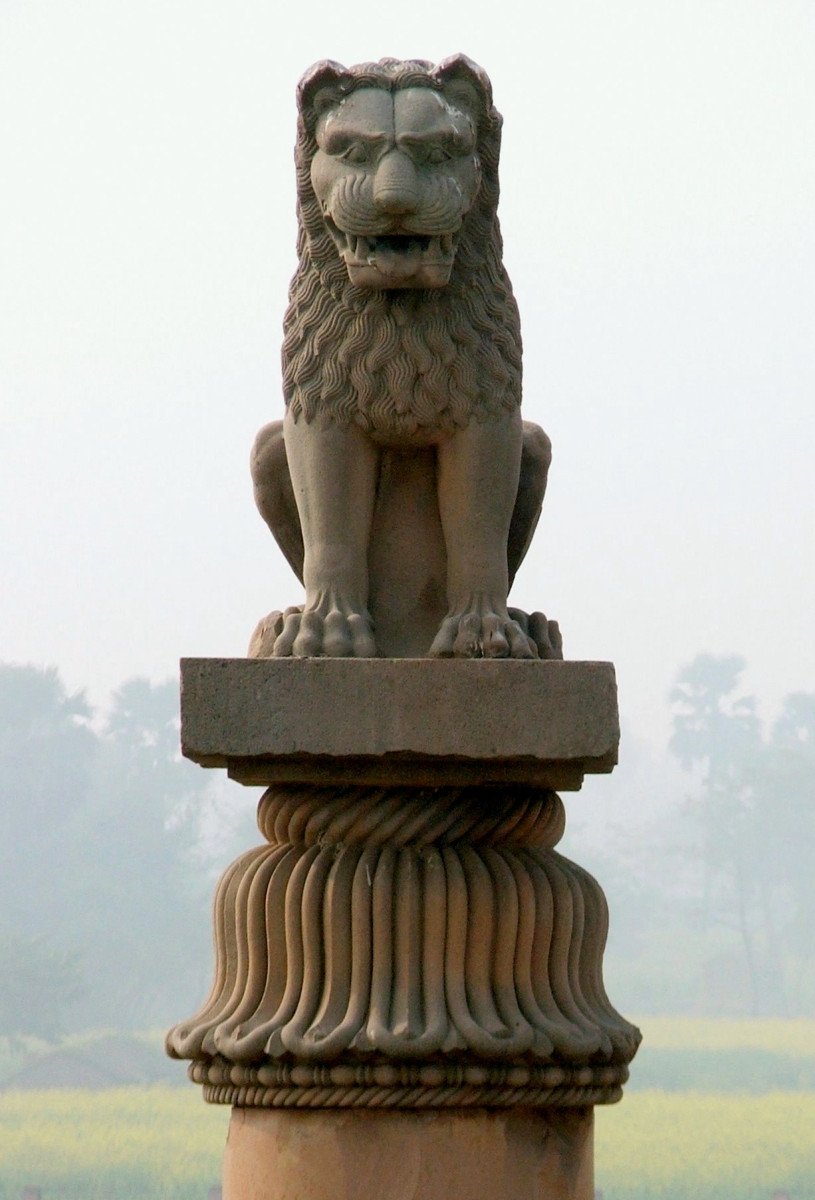
The Shaft: The column's shaft is made of a single piece of polished Chunar sandstone, buff in color, and tapers slightly towards the top. Its sleek, polished surface is a marvel of ancient stone-cutting and finishing technology.
The Capital: The pillar is crowned by a distinctive, seated Lion Capital that faces north. The lion is less abstract than the iconic Sarnath capital but still conveys power and serenity. Below the lion is a bell-shaped, inverted lotus base, a common motif on Ashokan pillars, symbolizing fecundity and purity.
Uninscribed Nature: The lack of edicts is a key architectural feature. Most Ashoka Pillars carry inscriptions (edicts) outlining Ashoka's moral principles or Dhamma. The absence here makes it architecturally and historically unique.
Orientation: The lion's gaze, directed towards the north, is a deliberate architectural choice, symbolically pointing the way to Kushinagar, where the Buddha attained Mahaparinirvana, linking Vaishali to the final stage of the Buddha's life. -
How To Reach:
By Air: Patna Airport (PAT), approx. 65 KMS. Taxi/cab is the best way to cover the 2-3 hour road distance.
By Train: Hajipur Junction (HJP), approx. 35 KMS, connects to major cities. From there, take a local bus or private taxi. Patna J...By Air: Patna Airport (PAT), approx. 65 KMS. Taxi/cab is the best way to cover the 2-3 hour road distance.
By Train: Hajipur Junction (HJP), approx. 35 KMS, connects to major cities. From there, take a local bus or private taxi. Patna Junction (PNBE) is the largest nearby station.
By Road: Excellent road connectivity from Patna and Muzaffarpur. Frequent bus and shared taxi services available. The journey from Patna via NH 77 is scenic and takes about 90-120 minutes.
By Local Transport: The pillar is within the Kolhua complex. From the Vaishali bus stop, hire a dedicated or shared auto-rickshaw (Tempo) to reach the archaeological area. The pillar is visible from a distance and a short walk from the main road. -
Weather and Best Time to Visit:
Different Types of Seasons: Winter (October to March) is perfect for clear skies and pleasant temperatures. The intense heat of Summer (April to June) makes visiting the fully exposed site difficult. The pillar can be viewed even during the Monsoon, but ground conditions w...Different Types of Seasons: Winter (October to March) is perfect for clear skies and pleasant temperatures. The intense heat of Summer (April to June) makes visiting the fully exposed site difficult. The pillar can be viewed even during the Monsoon, but ground conditions will be muddy.
Different Parts of the Day: Morning is highly recommended to feel the historical gravitas in silence. Evening offers a stunning visual experience as the setting sun casts long shadows and bathes the monument in golden light. -
Near Tourist Places:
1.
Ananda Stupa Site: (Adjacent) 2.
Buddh Stupa-II (Vishwa Shanti Stupa): (0. 5 KMS) 3.
Abhishek Pushkarn (Coronation Tank): (0. 5 KMS) 4.
Vaishali Archaeological Museum: (0. 5 KMS) 5.
Buddha Relic Stupa (Stupa-I): (3. 5 KMS) 6.
Raja Vishal ka Garh (Vishal Fort): (5 KMS) 7.
Bawan Pokhar Temple: (4. 5 KMS) 8.
Chaumukhi Mahadev Temple: (4 KMS) 9.
Lotus Tank (Kamal Sarovar): (8 KMS) 10.
Shanti Stupa, Rajgir: (Approx. 130 KMS)
Tourism Tips
-
Health & Safety: The site is open, so carry water. The pillar's surface is fragile; do not touch or lean against the stone. Watch out for uneven ground around the base and potential ditches.
Packing: Bring a zoom lens for your camera to c...Health & Safety: The site is open, so carry water. The pillar's surface is fragile; do not touch or lean against the stone. Watch out for uneven ground around the base and potential ditches.
Packing: Bring a zoom lens for your camera to capture the detail of the Lion Capital from the ground level. A notebook for sketching or writing down reflections is useful.
Accommodation: No nearby high-quality hotels; plan to stay in Patna for the best comfort options.
Dress Code: Wear respectful clothing, though there are no strict rules. The heat necessitates light, airy, but full-coverage clothing during the day.
Local Amenities: Very limited facilities (toilets, water) are available near the site entrance. Purchase snacks and drinks before entering the core archaeological zone.
Reviews
FAQs
Vaishali Itineray And Cost:-
Other Places In Vaishali :-
Other States In India :-
Information about New and Updated Locations() of Bihar Has Been Added :-
Card subtitle
Note:-
Information provided here in good Faith and for reference only.
Near Places

Abhishek Pushkarn
Some quick example text to build on the card title and make up the bulk of the card's content.
Go somewhere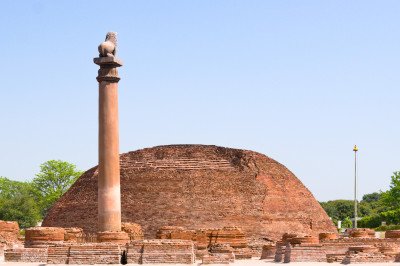
Ananda Stupa Site
Some quick example text to build on the card title and make up the bulk of the card's content.
Go somewhere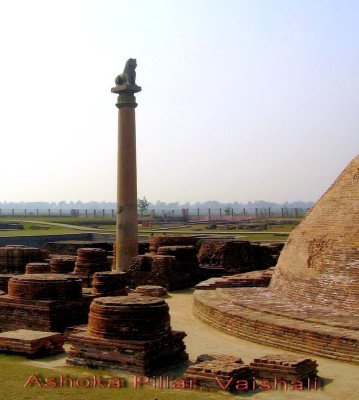
Ashoka Pillar
Some quick example text to build on the card title and make up the bulk of the card's content.
Go somewhere
Baba Bateshwarnath Temple
Some quick example text to build on the card title and make up the bulk of the card's content.
Go somewhere
Baithakji Hajipur
Some quick example text to build on the card title and make up the bulk of the card's content.
Go somewhere
Baraila Lake
Some quick example text to build on the card title and make up the bulk of the card's content.
Go somewhere
Bawan Pokhar Temple
Some quick example text to build on the card title and make up the bulk of the card's content.
Go somewhere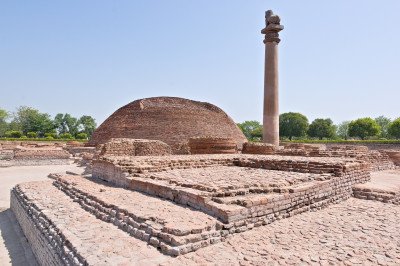
Buddh Stupa-II
Some quick example text to build on the card title and make up the bulk of the card's content.
Go somewhere
Buddha Relic Stupa
Some quick example text to build on the card title and make up the bulk of the card's content.
Go somewhere
Budhi Mai Temple
Some quick example text to build on the card title and make up the bulk of the card's content.
Go somewhere
Chaturbhuj Temple
Some quick example text to build on the card title and make up the bulk of the card's content.
Go somewhere
Chaumukhi Mahadev Temple
Some quick example text to build on the card title and make up the bulk of the card's content.
Go somewhere
Gandhi Setu Bridge
Some quick example text to build on the card title and make up the bulk of the card's content.
Go somewhere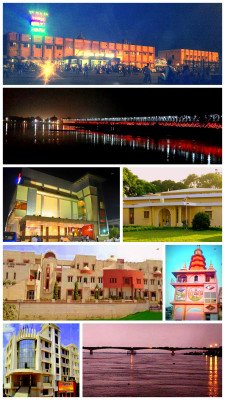
Govindpur Singhara Shaktipeeth
Some quick example text to build on the card title and make up the bulk of the card's content.
Go somewhere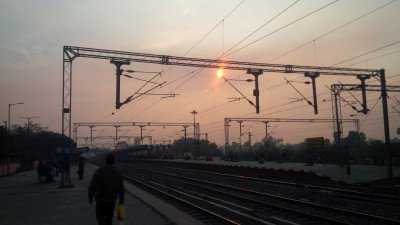
Hajipur Junction Railway Station
Some quick example text to build on the card title and make up the bulk of the card's content.
Go somewhere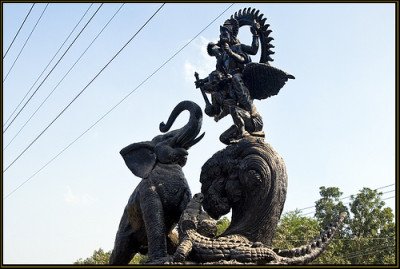
Kaunhara Ghat
Some quick example text to build on the card title and make up the bulk of the card's content.
Go somewherein Other Cities