Ananda Stupa Site
General information
-
Ideal Duration:
45 MinutesPlace Type:
Archaeological SiteEntry Fees:
General Information: Entry to the Ananda Stupa Site is officially Free as it is an open archaeological park maintained by the ASI. There are no gates or ticket counters for the stupa area itself.
Cost of Guide/Donation: While there is no fe...General Information: Entry to the Ananda Stupa Site is officially Free as it is an open archaeological park maintained by the ASI. There are no gates or ticket counters for the stupa area itself.
Cost of Guide/Donation: While there is no fee, visitors are encouraged to leave a small, voluntary donation for the maintenance of the site. Hiring a licensed guide is recommended to understand the complex layout and history, which will incur a fee (approx. Rs.300-Rs.500).
Photography/Video: Standard handheld camera photography is Free. Any commercial photography or use of professional equipment, large tripods, or drones may require a permit from the ASI office in Patna or a local official at the Vaishali Archaeological Museum.Timing:
Regular Timings: The site is open from Sunrise to Sunset, typically 6:00 AM to 6:00 PM, seven days a week, as it is an open-air archaeological park.
Ideal Visit Time: The Ideal Visit Time is the very early morning (6:00 AM - 8:00 AM) for the...Regular Timings: The site is open from Sunrise to Sunset, typically 6:00 AM to 6:00 PM, seven days a week, as it is an open-air archaeological park.
Ideal Visit Time: The Ideal Visit Time is the very early morning (6:00 AM - 8:00 AM) for the best quiet, spiritual atmosphere, cool air, and the most dramatic light for photography as the sun rises over the ruins.
Ideal Day to Visit: A clear winter morning (November to February) is perfect. Visit on a weekday to avoid the larger crowds of local tourists and school excursions.Special Events:
Vaishali International Buddhist Festival: While the stupa itself does not host large public events, it is an essential part of the route during the Vaishali International Buddhist Festival (held intermittently, often in February or March). Monks and pilgrims from across the...Vaishali International Buddhist Festival: While the stupa itself does not host large public events, it is an essential part of the route during the Vaishali International Buddhist Festival (held intermittently, often in February or March). Monks and pilgrims from across the world visit this site as part of the formal commemoration.
Vesak (Buddha Purnima) Observances: The site sees increased activity during Vesak (Buddha Purnima), usually in April or May, where local Buddhist organizations and pilgrims gather for quiet prayer, lighting of lamps, and floral offerings to honor the Buddha and his disciples.
Daily Offerings: Local devotees and monks often make daily offerings of flowers and incense, particularly around the remnants of the main stupa and the nearby Ashoka Pillar base.Best Photo Spots:
Votive Stupa Clustering: A macro or close-up shot of the densely clustered votive stupas at the periphery of the main site, emphasizing the history of pilgrimage.
Pillar and Ruins in a Frame: Capture the solitary, tall Ashoka Pillar rising s...Votive Stupa Clustering: A macro or close-up shot of the densely clustered votive stupas at the periphery of the main site, emphasizing the history of pilgrimage.
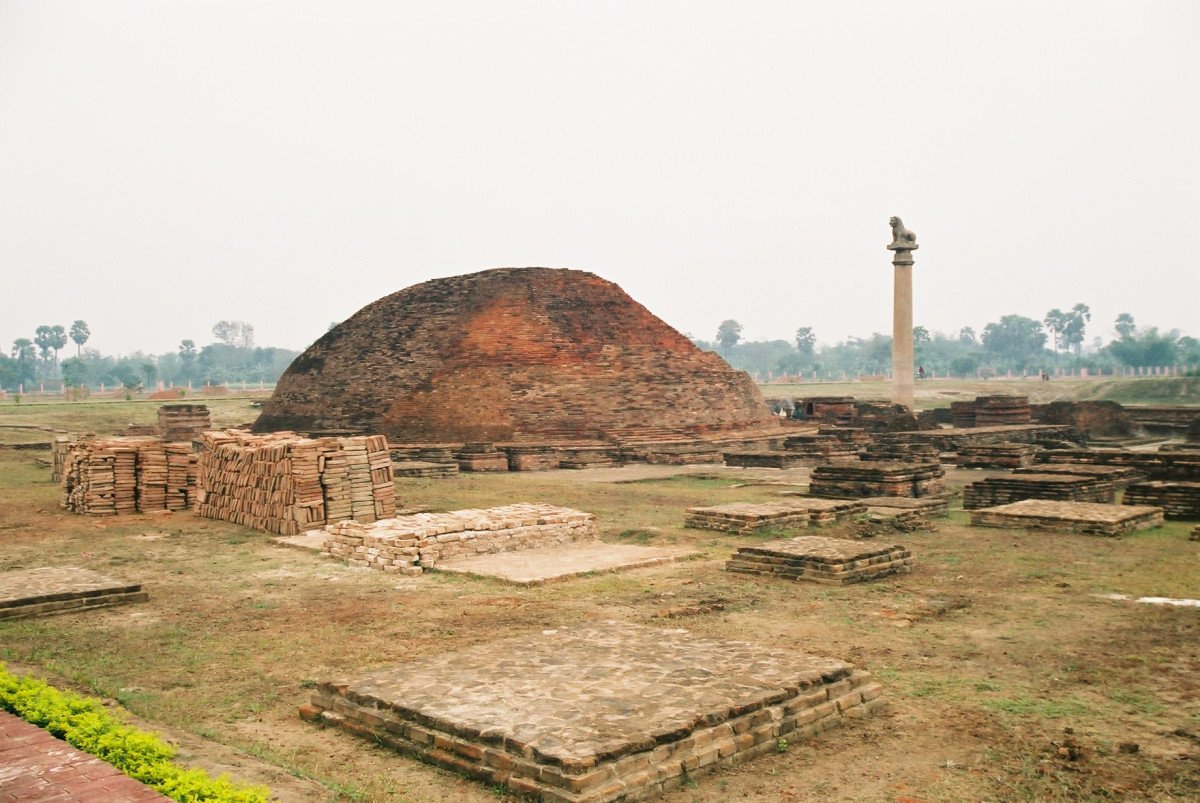
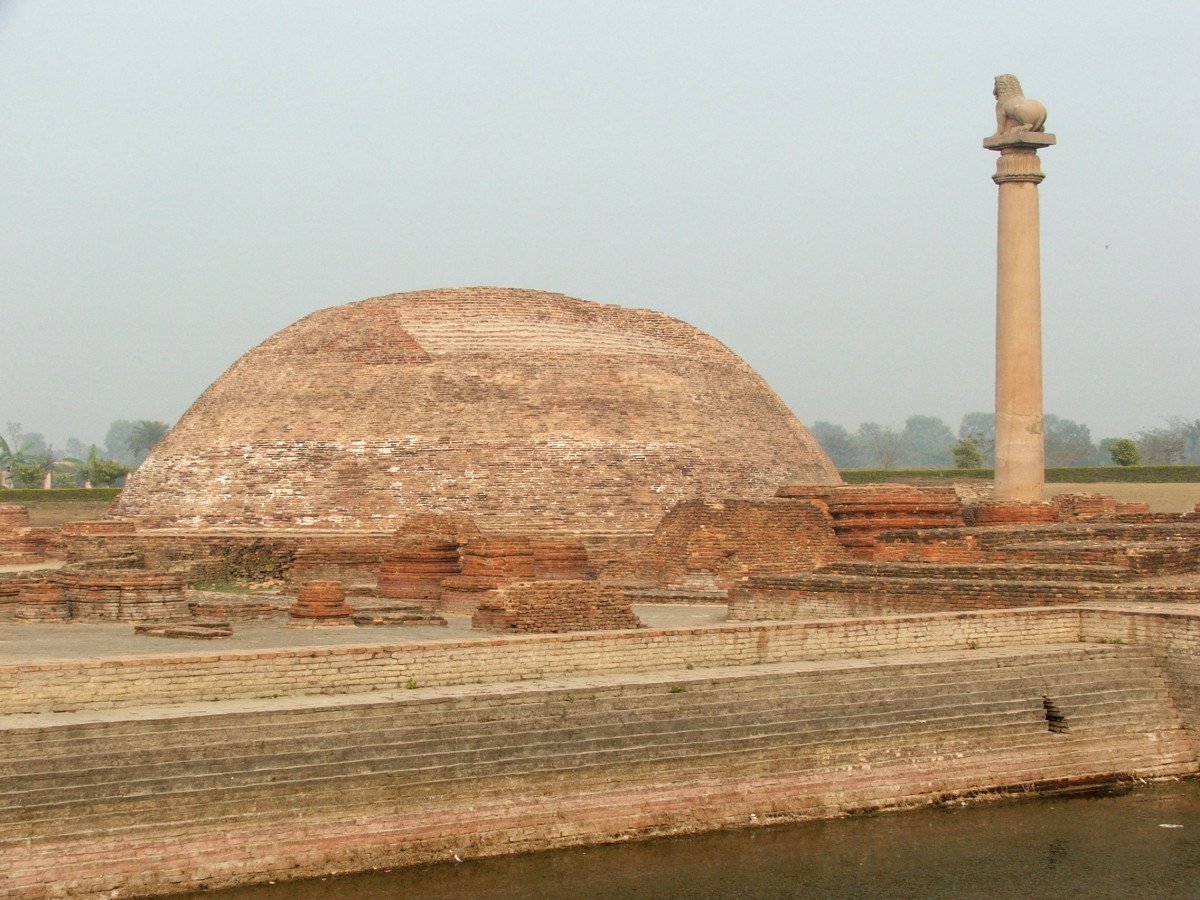
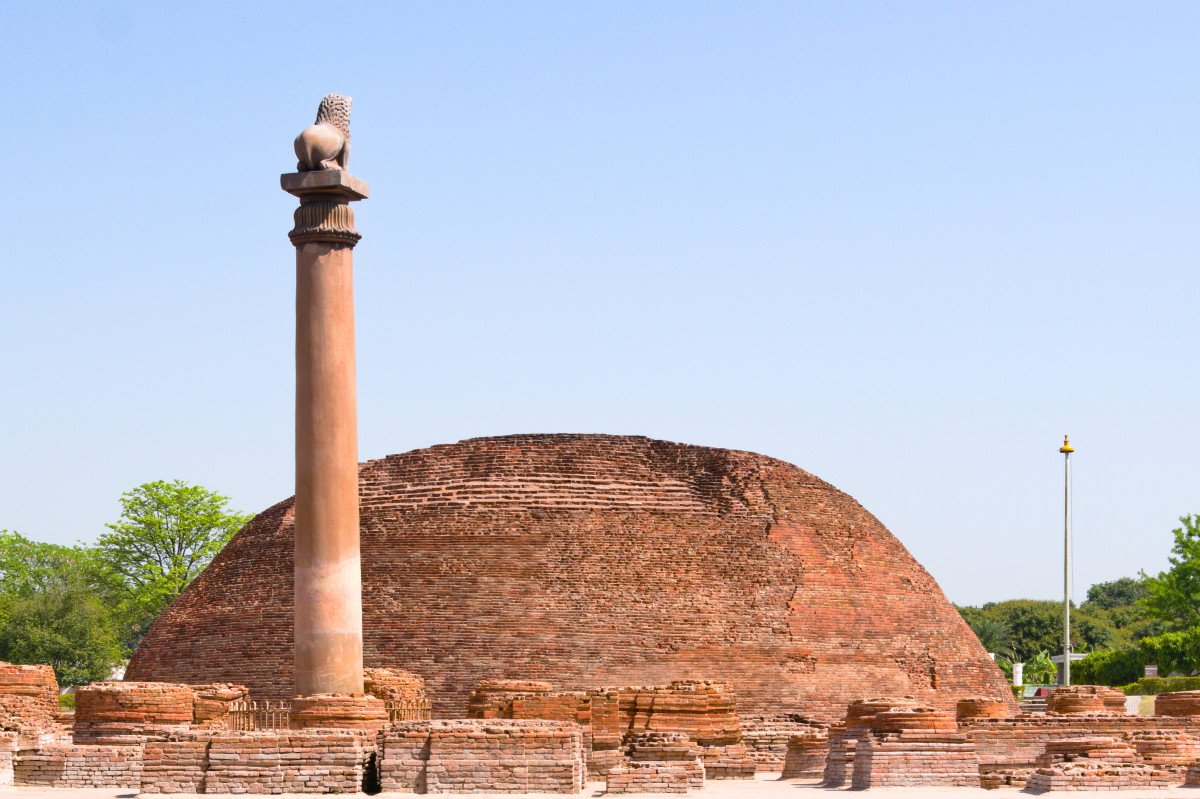
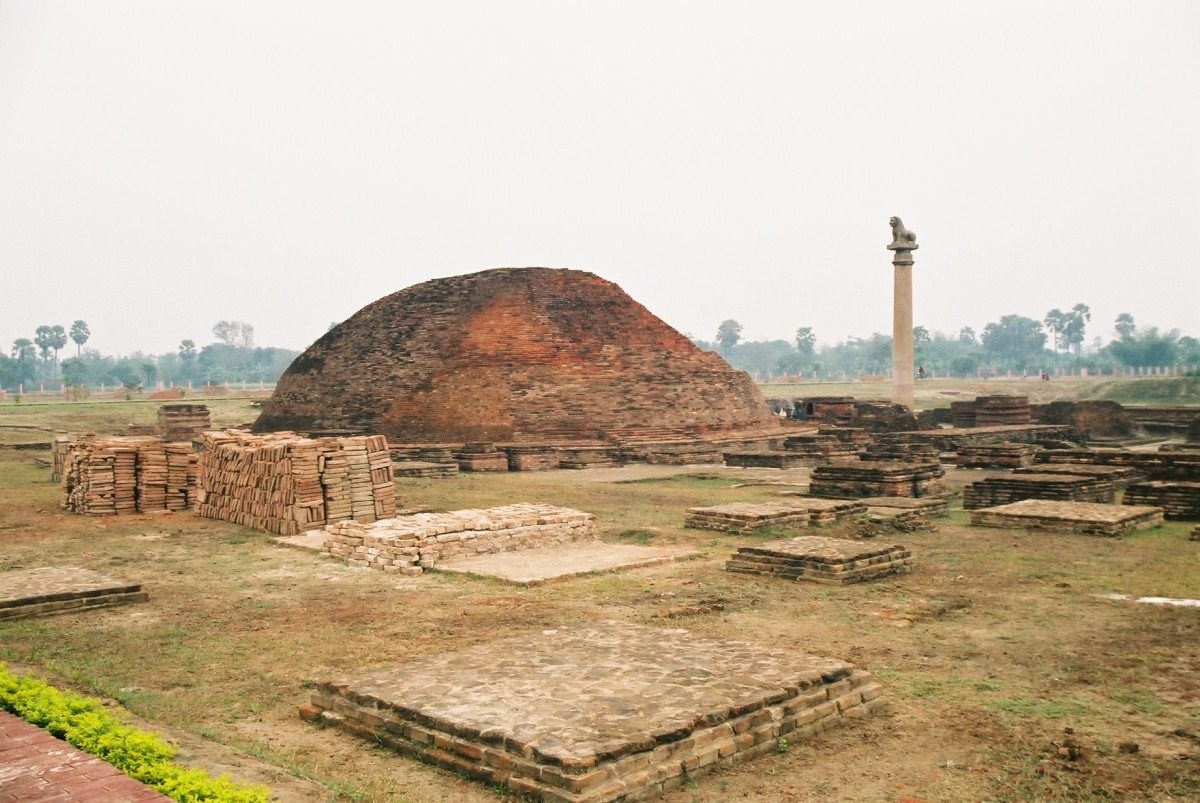
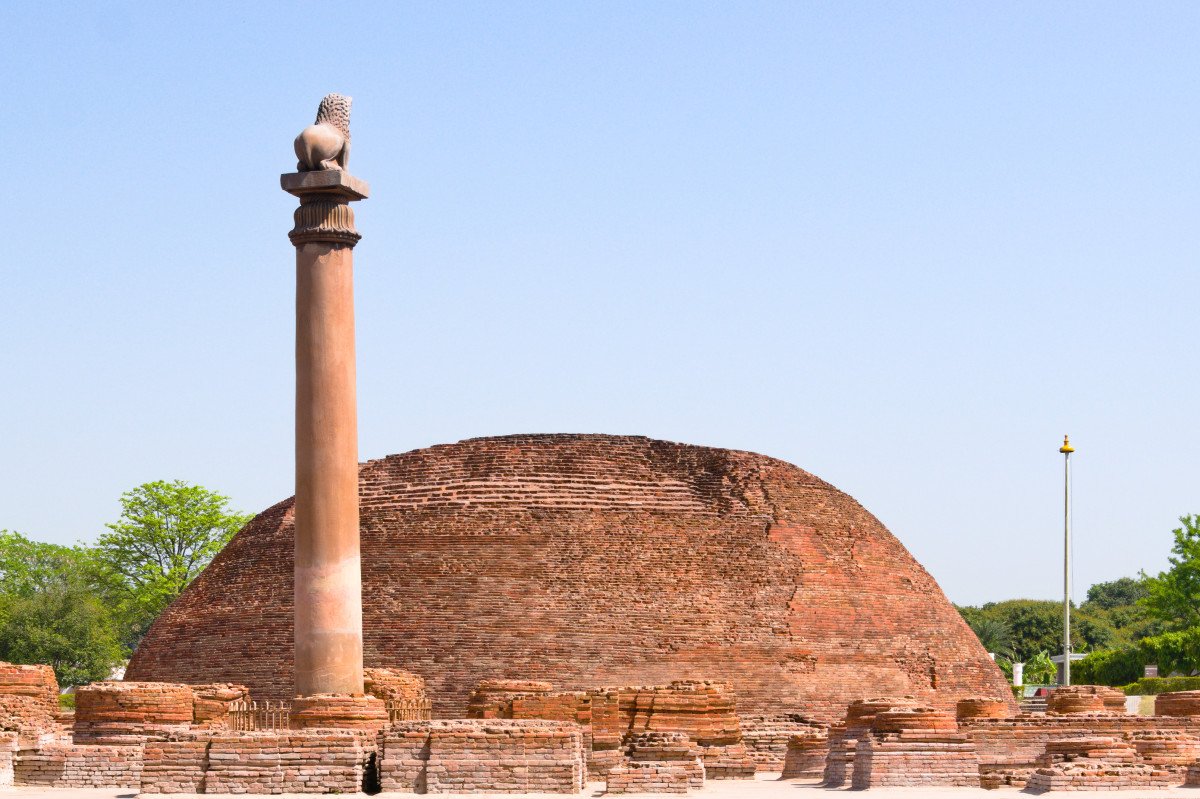
Pillar and Ruins in a Frame: Capture the solitary, tall Ashoka Pillar rising sharply against the backdrop of the low-lying, spread-out ruins of the Ananda Stupa and Vihara, contrasting height and decay.
Textured Brickwork: Detailed, high-resolution shots of the ancient, weathered brickwork of the stupa base, highlighting the layers of reconstruction and the passage of time.
Wide-Angle Landscape: A wide-angle shot of the entire archaeological area, capturing the open fields, the Vihara foundations, and the stillness of the site.Photo Gallery
Things To Do
-
Ponder and Reflect: Sit quietly among the ruins of the Vihara to imagine the early Buddhist monks' life and the presence of Ananda and the Buddha. This is a site for deep contemplation.
Photography of Ruins: Focus on the textures of the ancient brickwork and the patterns of the votive stupas. Use the Ashoka Pillar as a focal point to contrast ancient imperial power with the monastic simplicity of the stupa ruins.
Walking Meditation (Cankama): The flat ground around the stupa is ideal for walking meditation (Cankama), a common Buddhist practice, allowing pilgrims to walk slowly and mindfully between the ruins.
Reading the Sutta: Carry a copy of the Mahaparinirvana Sutta and read the relevant passages while seated at the site to gain a deeper understanding and sp...Ponder and Reflect: Sit quietly among the ruins of the Vihara to imagine the early Buddhist monks' life and the presence of Ananda and the Buddha. This is a site for deep contemplation.
Photography of Ruins: Focus on the textures of the ancient brickwork and the patterns of the votive stupas. Use the Ashoka Pillar as a focal point to contrast ancient imperial power with the monastic simplicity of the stupa ruins.
Walking Meditation (Cankama): The flat ground around the stupa is ideal for walking meditation (Cankama), a common Buddhist practice, allowing pilgrims to walk slowly and mindfully between the ruins.
Reading the Sutta: Carry a copy of the Mahaparinirvana Sutta and read the relevant passages while seated at the site to gain a deeper understanding and spiritual connection to the place.
Interacting with Monks: You may encounter Buddhist monks from various countries; a respectful, quiet interaction with them can offer profound insights into the site's modern spiritual relevance.
Sketching and Drawing: The ruins, the pillar, and the surrounding trees provide an excellent subject for artists interested in historical sketching and capturing the desolate beauty of archaeological sites.
Sunset Viewing: Stay until late afternoon to witness the sunset over the open fields and the ancient ruins, creating a deeply spiritual and serene atmosphere.
Information
-
Why Famous:
Association with Ananda: It is the primary site in Vaishali directly associated with Ananda, the personal attendant of the Buddha for 25 years. This unique link elevates its importance beyond generic stupa ruins.
Last Sermon Site: The area ...Association with Ananda: It is the primary site in Vaishali directly associated with Ananda, the personal attendant of the Buddha for 25 years. This unique link elevates its importance beyond generic stupa ruins.
Last Sermon Site: The area around the stupa, specifically the adjacent Kutagarasala Vihara ruins, is recognized as the place where the Buddha delivered his final discourse and decided to pass away in Kushinagar, making it a site of pivotal doctrinal importance.
Pivotal Buddhist Pilgrimage: Being co-located with the Ashoka Pillar, the Ananda Stupa Site is central to the Vaishali leg of the greater Buddhist pilgrimage route, connecting it historically to Sarnath, Bodh Gaya, and Kushinagar. -
Architecture:
Stupa Construction: The existing structure is a large, circular brick mound in a dilapidated state, signifying the ruins of the original stupa. It exhibits the characteristics of ancient Buddhist stupa architecture, involving a solid hemispherical dome (Anda) built on a cir...Stupa Construction: The existing structure is a large, circular brick mound in a dilapidated state, signifying the ruins of the original stupa. It exhibits the characteristics of ancient Buddhist stupa architecture, involving a solid hemispherical dome (Anda) built on a circular or square base (Medhi), though only the base and ruins remain visible today.
Dimensions: The base is approximately 20 meters in diameter. The architecture is simple, monumental, and characteristic of the earliest types of memorial stupas.
Archaeological Context: The site's architecture is significant not for its beauty but for its archaeological value, showing how bricks were laid in successive phases to enlarge the original core. The surrounding area features numerous small, ruined votive stupas, small devotional structures left by pilgrims over centuries, which collectively form a vast architectural tapestry of devotion. -
How To Reach:
By Air: Patna Airport (PAT), approx. 65 KMS. Taxi service available for the 2-3 hour journey to Vaishali.
By Train: Hajipur Junction (HJP), approx. 35 KMS. Take a local bus or cab from the station. Patna Junction (PNBE) is the main conn...By Air: Patna Airport (PAT), approx. 65 KMS. Taxi service available for the 2-3 hour journey to Vaishali.
By Train: Hajipur Junction (HJP), approx. 35 KMS. Take a local bus or cab from the station. Patna Junction (PNBE) is the main connection for long-distance trains.
By Road: Vaishali is directly connected to Patna (via Hajipur) and Muzaffarpur by well-maintained roads. State and private bus services run frequently. Shared taxis from Patna are a cost-effective option.
By Local Transport: From the main Vaishali bus stop, hire an auto-rickshaw or a shared tempo for the short ride to the Kolhua complex. These are cheap and the standard way to travel between sites. -
Weather and Best Time to Visit:
Different Types of Seasons: Winter (October to March) is the most comfortable due to the cool, pleasant temperatures. The post-monsoon period in October and November is beautiful, with the landscape at its greenest. Avoid the intense heat of Summer (April to June).Different Types of Seasons: Winter (October to March) is the most comfortable due to the cool, pleasant temperatures. The post-monsoon period in October and November is beautiful, with the landscape at its greenest. Avoid the intense heat of Summer (April to June).
Different Parts of the Day: Morning is preferred by Buddhist pilgrims for meditation and prayer. Late Afternoon is great for leisurely exploration and enjoying the cool breeze from the surrounding fields. The ruins feel more atmospheric in the diffused light of the evening. -
Near Tourist Places:
1.
Ashoka Pillar (Lion Pillar): (Adjacent) 2.
Buddha Relic Stupa (Stupa-I): (3. 5 KMS) 3.
Buddh Stupa-II (Vishwa Shanti Stupa): (0. 5 KMS) 4.
Abhishek Pushkarn (Coronation Tank): (0. 5 KMS) 5.
Vaishali Archaeological Museum: (0. 5 KMS) 6.
Raja Vishal ka Garh (Vishal Fort): (5 KMS) 7.
Bawan Pokhar Temple: (4. 5 KMS) 8.
Chaumukhi Mahadev Temple: (4 KMS) 9.
Vimalakirti Stupa: (5 KMS) 10.
Shanti Stupa, Rajgir: (Approx. 130 KMS - for an extended spiritual journey)
Tourism Tips
-
Health & Safety: The site is exposed. Be aware of snakes in the tall grass during the monsoon. Carry adequate water, as on-site facilities are limited.
Packing: A light shawl or stole is advisable for respectful covering when entering any ...Health & Safety: The site is exposed. Be aware of snakes in the tall grass during the monsoon. Carry adequate water, as on-site facilities are limited.
Packing: A light shawl or stole is advisable for respectful covering when entering any prayer areas. Binoculars can be useful for birdwatching in the surrounding fields.
Accommodation: No on-site accommodation. Stay in the handful of private hotels/lodges in Vaishali or commute from the better-connected and higher-quality options in Patna.
Respect the Ruins: Do not climb on the brick mounds or remove any artifacts. The ASI enforces strict rules regarding the preservation of the ruins.
Footwear: Leave your shoes outside the immediate railing of the stupa mound as a mark of respect, even though it is a ruin.
Reviews
FAQs
Vaishali Itineray And Cost:-
Ananda Stupa Site Tourism:-
Other Places In Vaishali :-
Other States In India :-
Information about New and Updated Locations() of Bihar Has Been Added :-
Card subtitle
Note:-
Information provided here in good Faith and for reference only.
Near Places

Abhishek Pushkarn
Some quick example text to build on the card title and make up the bulk of the card's content.
Go somewhere
Ananda Stupa Site
Some quick example text to build on the card title and make up the bulk of the card's content.
Go somewhere
Ashoka Pillar
Some quick example text to build on the card title and make up the bulk of the card's content.
Go somewhere
Baba Bateshwarnath Temple
Some quick example text to build on the card title and make up the bulk of the card's content.
Go somewhere
Baithakji Hajipur
Some quick example text to build on the card title and make up the bulk of the card's content.
Go somewhere
Baraila Lake
Some quick example text to build on the card title and make up the bulk of the card's content.
Go somewhere
Bawan Pokhar Temple
Some quick example text to build on the card title and make up the bulk of the card's content.
Go somewhere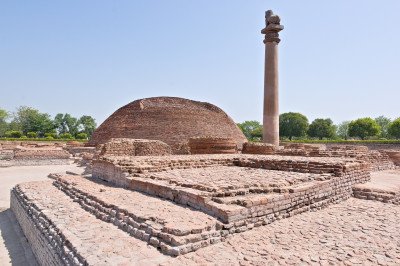
Buddh Stupa-II
Some quick example text to build on the card title and make up the bulk of the card's content.
Go somewhere
Buddha Relic Stupa
Some quick example text to build on the card title and make up the bulk of the card's content.
Go somewhere
Budhi Mai Temple
Some quick example text to build on the card title and make up the bulk of the card's content.
Go somewhere
Chaturbhuj Temple
Some quick example text to build on the card title and make up the bulk of the card's content.
Go somewhere
Chaumukhi Mahadev Temple
Some quick example text to build on the card title and make up the bulk of the card's content.
Go somewhere
Gandhi Setu Bridge
Some quick example text to build on the card title and make up the bulk of the card's content.
Go somewhere
Govindpur Singhara Shaktipeeth
Some quick example text to build on the card title and make up the bulk of the card's content.
Go somewhere
Hajipur Junction Railway Station
Some quick example text to build on the card title and make up the bulk of the card's content.
Go somewhere
Kaunhara Ghat
Some quick example text to build on the card title and make up the bulk of the card's content.
Go somewherein Other Cities