Buddha Relic Stupa
General information
-
Ideal Duration:
1 HourPlace Type:
Relic Stupa/Archaeological SiteEntry Fees:
General Information: Entry to the Buddha Relic Stupa is generally Free as it is an open archaeological park maintained by the ASI.
Museum Visit: The only associated fee would be the entry ticket to the Patna Museum (where the relics are kept...General Information: Entry to the Buddha Relic Stupa is generally Free as it is an open archaeological park maintained by the ASI.
Museum Visit: The only associated fee would be the entry ticket to the Patna Museum (where the relics are kept) and the nominal fee for the local Vaishali Archaeological Museum.
Guide/Donation: While no fee is required, a small donation towards the maintenance of the park is often welcomed. Hiring a local guide (approx. Rs.300-Rs.500) is highly recommended for historical context.
Photography Rules: Standard non-commercial photography is Free. Respect the signs that indicate restricted areas or no-climbing zones.Timing:
Regular Timings: The site is open from Sunrise to Sunset, generally 6:00 AM to 6:00 PM, seven days a week.
Ideal Visit Time: The Ideal Visit Time is the early morning (6:00 AM - 8:00 AM), which is best for the serene, spiritual atmosphere, a...Regular Timings: The site is open from Sunrise to Sunset, generally 6:00 AM to 6:00 PM, seven days a week.
Ideal Visit Time: The Ideal Visit Time is the early morning (6:00 AM - 8:00 AM), which is best for the serene, spiritual atmosphere, a cooler temperature, and the softest light for photography.
Ideal Visit Duration: Plan for a full hour to explore the stupa and its immediate surroundings thoroughly, allowing time for quiet reflection.Special Events:
Vesak (Buddha Purnima): This is the most significant event, celebrated with great reverence. Buddhist pilgrims from around the world flock to the site in April or May for mass prayers, chanting, and a lighting ceremony to honor the Buddha's birth, enlightenment, and passing...Vesak (Buddha Purnima): This is the most significant event, celebrated with great reverence. Buddhist pilgrims from around the world flock to the site in April or May for mass prayers, chanting, and a lighting ceremony to honor the Buddha's birth, enlightenment, and passing.
Relic Anniversary: The anniversary of the relic's discovery is sometimes commemorated with special ceremonies by the ASI and local Buddhist organizations.
Buddhist Pilgrimage Season: The entire period from November to February sees a steady stream of international pilgrims, making it a time of continuous spiritual activity and quiet devotion.Best Photo Spots:
The Layered Brickwork: Close-up shots of the ancient, weathered bricks, emphasizing the texture and the different historical layers of construction.
Stupa Against the Sky: A low-angle shot of the ruined stupa mound against the backdrop of th...The Layered Brickwork: Close-up shots of the ancient, weathered bricks, emphasizing the texture and the different historical layers of construction.
Stupa Against the Sky: A low-angle shot of the ruined stupa mound against the backdrop of the open sky, conveying its monumental but ancient character.
Marker Stone: A focused shot on the marker stone or plaque that details the excavation and the recovery of the relic casket.
Pilgrim Silhouette: An atmospheric shot of a meditating or praying pilgrim silhouetted against the rising or setting sun near the stupa mound.Photo Gallery
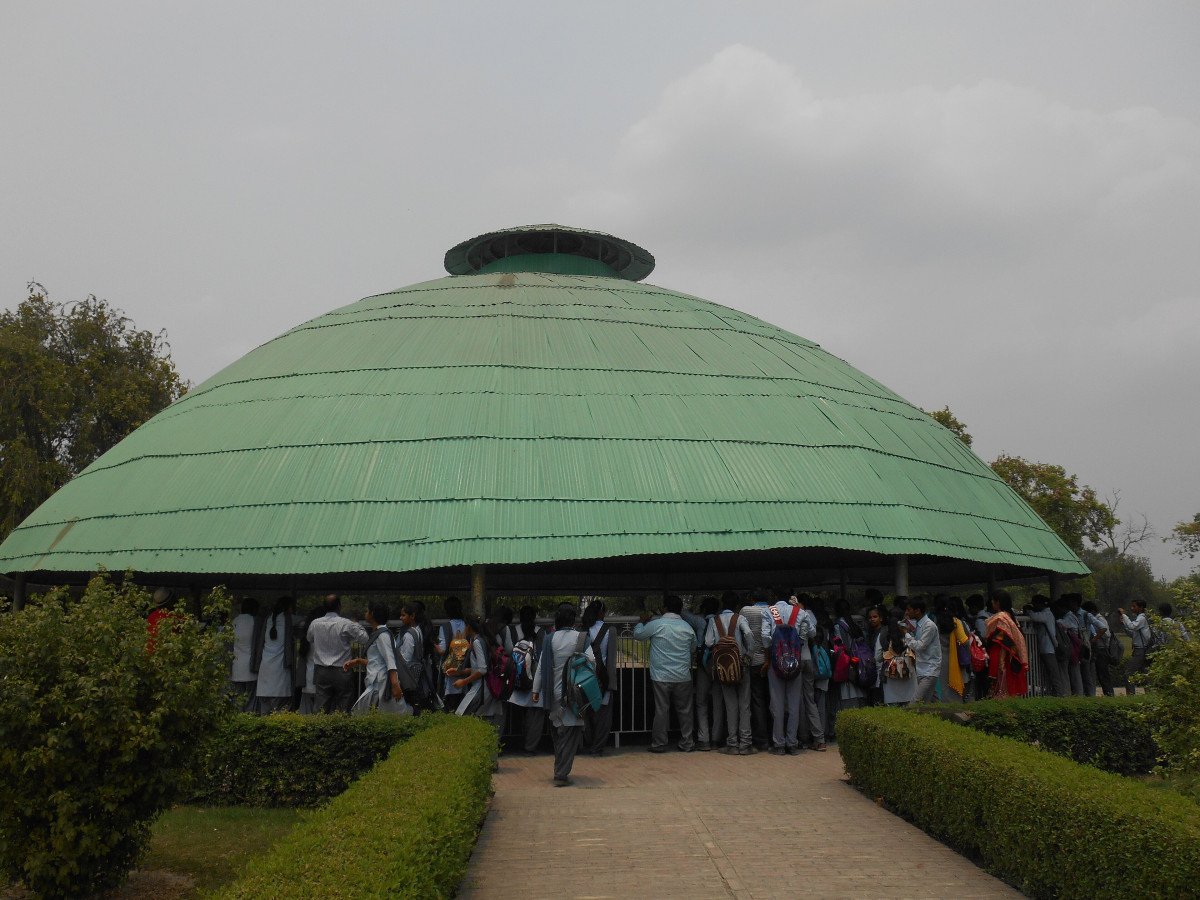
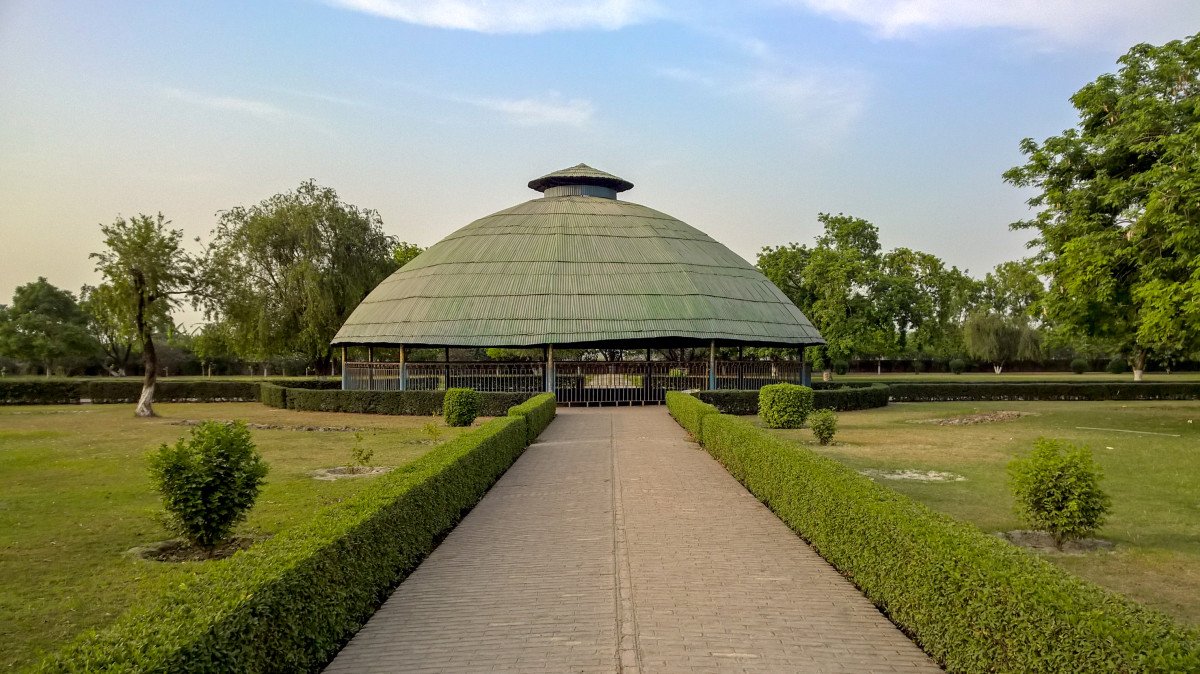
Things To Do
-
Ponder the Original Site: Stand near the central point and imagine the original simple earthen mound built by the Licchavis immediately after the Buddha's death, a profound historical exercise.
Meditation: The site offers a quiet, deeply spiritual environment, ideal for seated or walking meditation (VipassanRs.) to connect with the Buddha's essence.
Photography of Layers: Focus on capturing the texture and different layers of the brickwork, which narrate the history of the stupa's enlargement over two millennia.
Visit Patna Museum: Plan a trip to the Patna Museum (65 KMS) to view the actual relic casket that was excavated from this very site, completing the historical circuit.
Reading the MahaparinibbRs.na Sutta: Read the section of ...Ponder the Original Site: Stand near the central point and imagine the original simple earthen mound built by the Licchavis immediately after the Buddha's death, a profound historical exercise.
Meditation: The site offers a quiet, deeply spiritual environment, ideal for seated or walking meditation (VipassanRs.) to connect with the Buddha's essence.
Photography of Layers: Focus on capturing the texture and different layers of the brickwork, which narrate the history of the stupa's enlargement over two millennia.
Visit Patna Museum: Plan a trip to the Patna Museum (65 KMS) to view the actual relic casket that was excavated from this very site, completing the historical circuit.
Reading the MahaparinibbRs.na Sutta: Read the section of the sutra that describes the division of the Buddha's relics to fully grasp the site's historical role.
Architectural Study: Observe the layout of the archaeological park and the remaining foundations to understand the scale of the ancient structures surrounding the stupa.
Local Rituals: Observe any local or visiting pilgrim rituals, such as the quiet offering of flowers or lighting of incense, which are often done with great devotion.
Information
-
Why Famous:
Original Buddha Relic: Its fame rests on the confirmed presence of the Buddha's original cremated remains, making it one of the original eight such stupas ever built.
Earliest Known Stupa: It is considered one of the earliest archaeologicall...Original Buddha Relic: Its fame rests on the confirmed presence of the Buddha's original cremated remains, making it one of the original eight such stupas ever built.
Earliest Known Stupa: It is considered one of the earliest archaeologically known and dated stupas in the world, preceding even the time of Ashoka.
UNESCO Tentative Site: The site is recognized for its global significance and is currently on the tentative list of UNESCO World Heritage Sites as a part of the Silk Road Sites in India. -
Architecture:
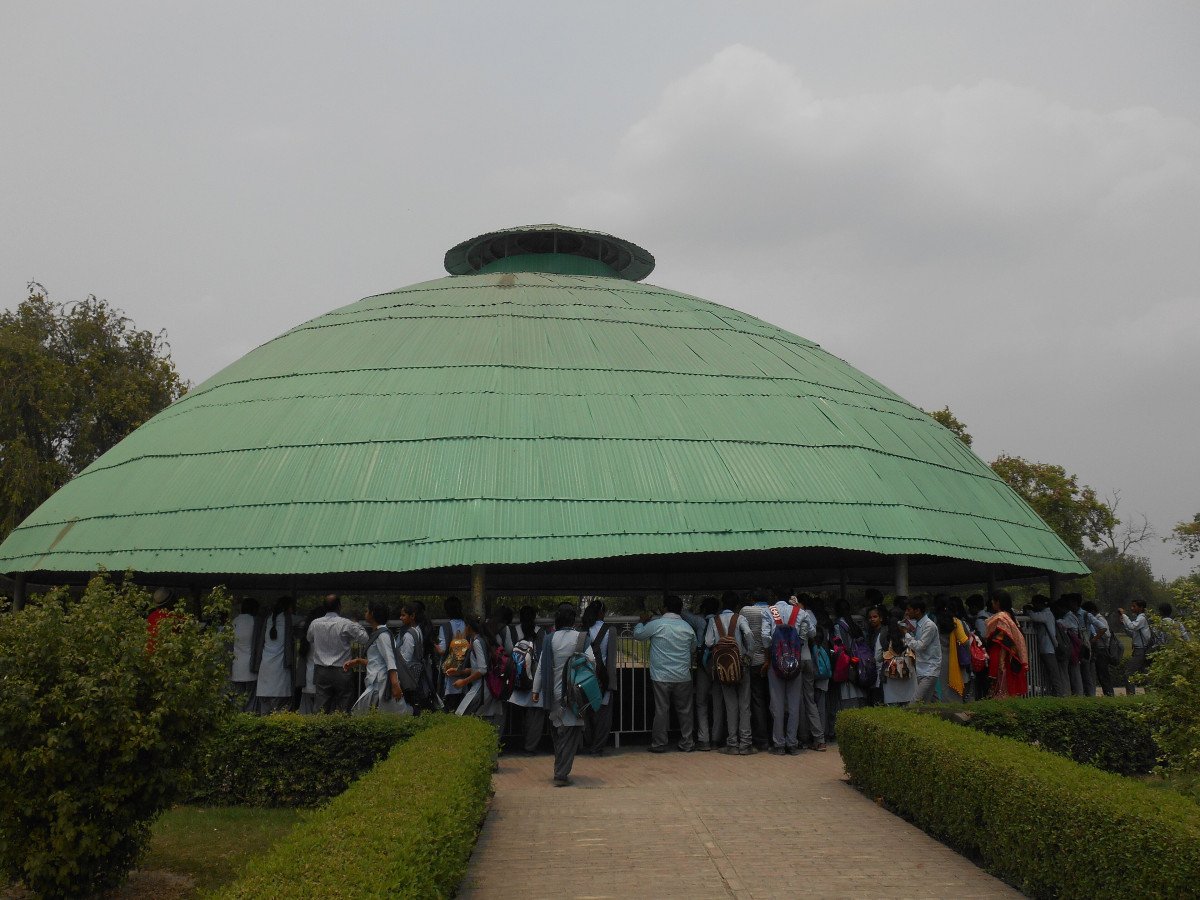
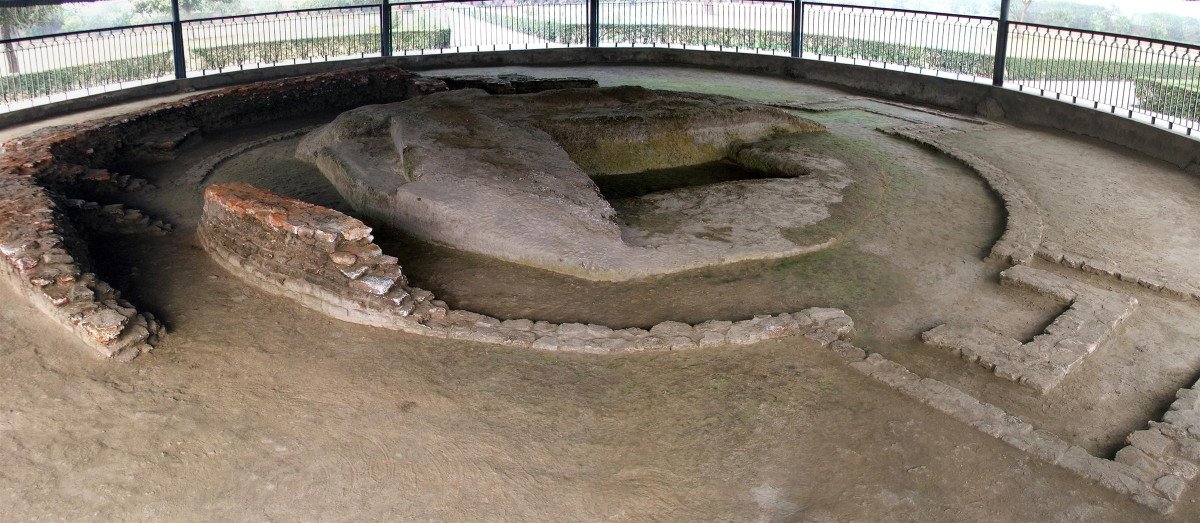
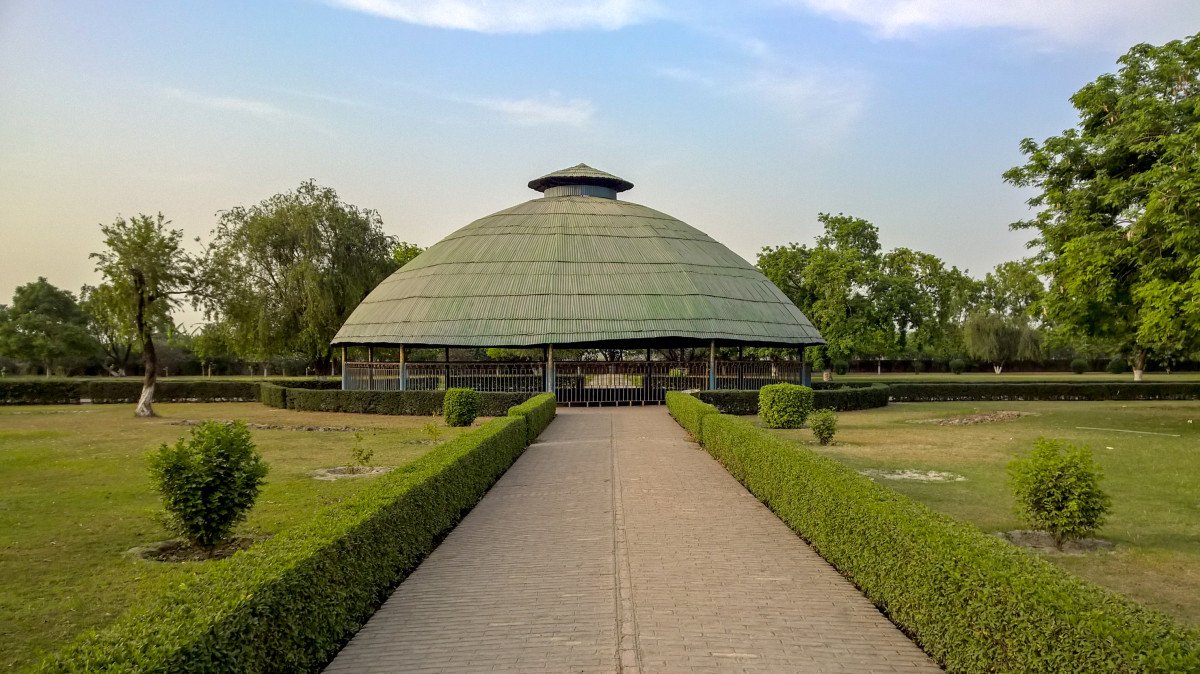
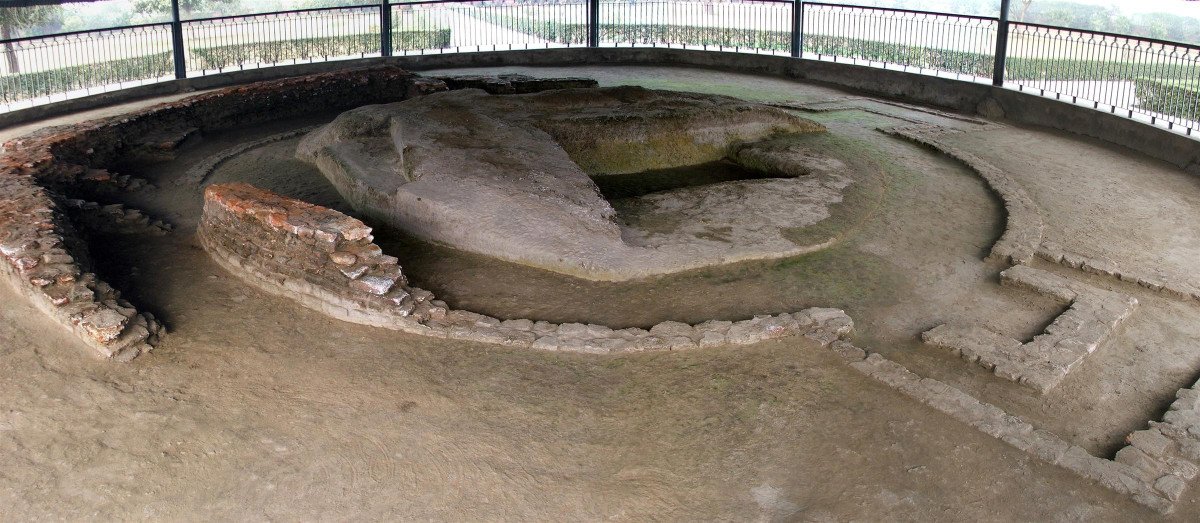
Earthen and Brick Construction: The stupa started as a small, simple earthen mound built over the relics. Over time, it was enlarged in multiple phases using baked bricks, a construction technique typical of ancient stupa development.
Dimension...Earthen and Brick Construction: The stupa started as a small, simple earthen mound built over the relics. Over time, it was enlarged in multiple phases using baked bricks, a construction technique typical of ancient stupa development.
Dimensions: The original core structure measured only about 8 meters (26 feet) in diameter. The final, enlarged brick structure has a larger diameter, with visible layers of brickwork showing the expansion.
Architectural Layers: The visible ruins showcase different phases of construction, with the later additions possibly including a four-platform design pointing to the cardinal directions, a common feature for placing offerings. This layered architecture is a key archaeological study point.
The Relic Casket: While the casket is in Patna Museum, the hole from which it was recovered and the surrounding brick structure itself are the main architectural features to observe, representing an empty shrine that once held a world-shattering treasure. -
How To Reach:
By Air: Patna Airport (PAT), approx. 65 KMS. Hire a pre-paid taxi for the 2-3 hour drive.
By Train: Hajipur Junction (HJP), approx. 35 KMS. Take a cab or local bus to Vaishali. The stupa is very close to the main Vaishali town center an...By Air: Patna Airport (PAT), approx. 65 KMS. Hire a pre-paid taxi for the 2-3 hour drive.
By Train: Hajipur Junction (HJP), approx. 35 KMS. Take a cab or local bus to Vaishali. The stupa is very close to the main Vaishali town center and bus stand.
By Road: Located right on the main road in Vaishali town. Easily accessible by state buses from Patna and Muzaffarpur. Self-driving or hiring a taxi from Patna is the most convenient way.
By Local Transport: The stupa is within a short walk of the main Vaishali bus stand and is easily reachable by auto-rickshaw or cycle-rickshaw from any point in the town. It is separate from the Kolhua complex. -
Weather and Best Time to Visit:
Different Types of Seasons: Winter (October to March) is the most pleasant and comfortable season. The site is fully exposed, so the intense heat of Summer (April to June) should be avoided, making daytime visits difficult.
Different Parts of t...Different Types of Seasons: Winter (October to March) is the most pleasant and comfortable season. The site is fully exposed, so the intense heat of Summer (April to June) should be avoided, making daytime visits difficult.
Different Parts of the Day: Morning is the best time for meditation and spiritual focus. Evening is a good time for a leisurely visit, enjoying the peacefulness as the sun sets. -
Near Tourist Places:
1.
Raja Vishal ka Garh (Vishal Fort): (0. 5 KMS) 2.
Bawan Pokhar Temple: (3. 5 KMS) 3.
Chaumukhi Mahadev Temple: (4 KMS) 4.
Ashoka Pillar (Lion Pillar): (4 KMS) 5.
Ananda Stupa Site: (4 KMS) 6.
Buddh Stupa-II (Vishwa Shanti Stupa): (4 KMS) 7.
Abhishek Pushkarn (Coronation Tank): (4 KMS) 8.
Vaishali Archaeological Museum: (4 KMS) 9.
Kundalpur (Lord Mahavira's Birthplace): (35 KMS) 10.
Ramchaura Mandir (Hajipur): (35 KMS)
Tourism Tips
-
Health & Safety: Be respectful of the ruined structure; do not climb on the brickwork. The site is simple, so carry your own water.
Packing: Bring a detailed guidebook or printout to understand the archaeological layers, as the site itself...Health & Safety: Be respectful of the ruined structure; do not climb on the brickwork. The site is simple, so carry your own water.
Packing: Bring a detailed guidebook or printout to understand the archaeological layers, as the site itself can look like a simple mound without context.
Accommodation: No nearby high-quality hotels. Stay in Patna for better amenities or a local lodge in Vaishali for proximity.
Respectful Conduct: Maintain a reverent and quiet demeanor, as this is a site of immense spiritual significance to Buddhists worldwide.
Visiting the Museum: Plan the visit to the stupa with a corresponding trip to the Patna Museum to connect the physical site with the recovered relics.
Reviews
FAQs
Vaishali Itineray And Cost:-
Buddha Relic Stupa Tourism:-
Other Places In Vaishali :-
Other States In India :-
Information about New and Updated Locations() of Bihar Has Been Added :-
Card subtitle
Note:-
Information provided here in good Faith and for reference only.
Near Places

Abhishek Pushkarn
Some quick example text to build on the card title and make up the bulk of the card's content.
Go somewhere
Ananda Stupa Site
Some quick example text to build on the card title and make up the bulk of the card's content.
Go somewhere
Ashoka Pillar
Some quick example text to build on the card title and make up the bulk of the card's content.
Go somewhere
Baba Bateshwarnath Temple
Some quick example text to build on the card title and make up the bulk of the card's content.
Go somewhere
Baithakji Hajipur
Some quick example text to build on the card title and make up the bulk of the card's content.
Go somewhere
Baraila Lake
Some quick example text to build on the card title and make up the bulk of the card's content.
Go somewhere
Bawan Pokhar Temple
Some quick example text to build on the card title and make up the bulk of the card's content.
Go somewhere
Buddh Stupa-II
Some quick example text to build on the card title and make up the bulk of the card's content.
Go somewhere
Buddha Relic Stupa
Some quick example text to build on the card title and make up the bulk of the card's content.
Go somewhere
Budhi Mai Temple
Some quick example text to build on the card title and make up the bulk of the card's content.
Go somewhere
Chaturbhuj Temple
Some quick example text to build on the card title and make up the bulk of the card's content.
Go somewhere
Chaumukhi Mahadev Temple
Some quick example text to build on the card title and make up the bulk of the card's content.
Go somewhere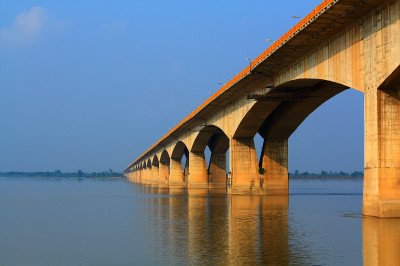
Gandhi Setu Bridge
Some quick example text to build on the card title and make up the bulk of the card's content.
Go somewhere
Govindpur Singhara Shaktipeeth
Some quick example text to build on the card title and make up the bulk of the card's content.
Go somewhere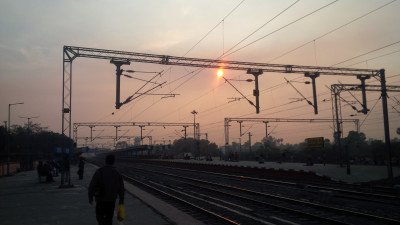
Hajipur Junction Railway Station
Some quick example text to build on the card title and make up the bulk of the card's content.
Go somewhere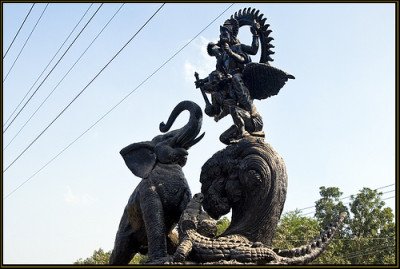
Kaunhara Ghat
Some quick example text to build on the card title and make up the bulk of the card's content.
Go somewherein Other Cities