Chakchaka Rajbari
General information
-
Ideal Duration:
2 to 3 hours (for museum and exterior exploration).Place Type:
Historical Landmark, Museum, Royal Heritage, ArchiEntry Fees:
Fees Structure (ASI Managed): The palace, being an ASI (Archaeological Survey of India) protected monument, has standard, government-regulated fees.
Entry Fee (Indian Citizen/SAARC/BIMSTEC): The standard ticket price is usually nominal, ra...Fees Structure (ASI Managed): The palace, being an ASI (Archaeological Survey of India) protected monument, has standard, government-regulated fees.
Entry Fee (Indian Citizen/SAARC/BIMSTEC): The standard ticket price is usually nominal, ranging from INR 10 - INR 25 per person for adults. This fee grants access to the palace's museum and grounds.
Entry Fee (Foreign Nationals): The fee for foreign nationals is typically higher, often around INR 100 - INR 300, as per ASI regulations across the country.
Child/Student Fees: Children below a certain age (often 15) and sometimes students with valid ID cards are granted free or highly discounted entry.
Sound and Light Show Ticket: The evening Sound and Light Show requires a separate ticket, which is typically higher than the general entry fee, often ranging from INR 50 - INR 100.
Camera Fees: Typically, there are NO separate fees for still cameras carried by non-commercial visitors. However, professional video cameras or commercial shooting requires special permission and significantly higher fees.
The Importance of Revenue: The collected entry fees are essential for the maintenance and preservation of this historically significant monument, funding the ongoing conservation work, museum upkeep, and security provided by the ASI.Timing:
Regular Timings (Palace and Museum): The palace and museum are generally open from 10:00 AM to 5:00 PM (The site is typically CLOSED on Fridays).
Ideal Visit Time (Crowd and Heat): The best time for a comfortable and detailed visit is duri...Regular Timings (Palace and Museum): The palace and museum are generally open from 10:00 AM to 5:00 PM (The site is typically CLOSED on Fridays).
Ideal Visit Time (Crowd and Heat): The best time for a comfortable and detailed visit is during the Early Morning hours (10:00 AM - 12:00 PM) to avoid the mid-day heat. Alternatively, visiting in the Late Afternoon (3:00 PM - 5:00 PM) allows for excellent photography in the soft, warm light.
Sound and Light Show Timings: The show usually takes place after sunset, starting around 6:00 PM to 7:00 PM, and lasts for about an hour. The timings are subject to change seasonally and locally, so checking the schedule at the gate or with local tourism offices is essential.Special Events:
The Evening Sound and Light Show: The most consistent special event is the evening Sound and Light Show (often held on Fridays and Saturdaysconfirm local timings). This event uses the palace's magnificent facade as a backdrop to narrate the history of the Koch Dynasty, the ...The Evening Sound and Light Show: The most consistent special event is the evening Sound and Light Show (often held on Fridays and Saturdaysconfirm local timings). This event uses the palace's magnificent facade as a backdrop to narrate the history of the Koch Dynasty, the construction of the palace, and significant events in the history of Cooch Behar. It is a major draw that showcases the heritage of the monument in an entertaining and educational format.
The Rash Mela (Seasonal): Although the Rash Mela is centered at the nearby Madan Mohan Temple, the entire city, including the area around the palace, is beautifully decorated and becomes a hub of cultural activities and festive crowds, usually around the Kartik Purnima (October/November). The palace's grandeur during this period, with the city in full festive swing, is a special experience.Best Photo Spots:
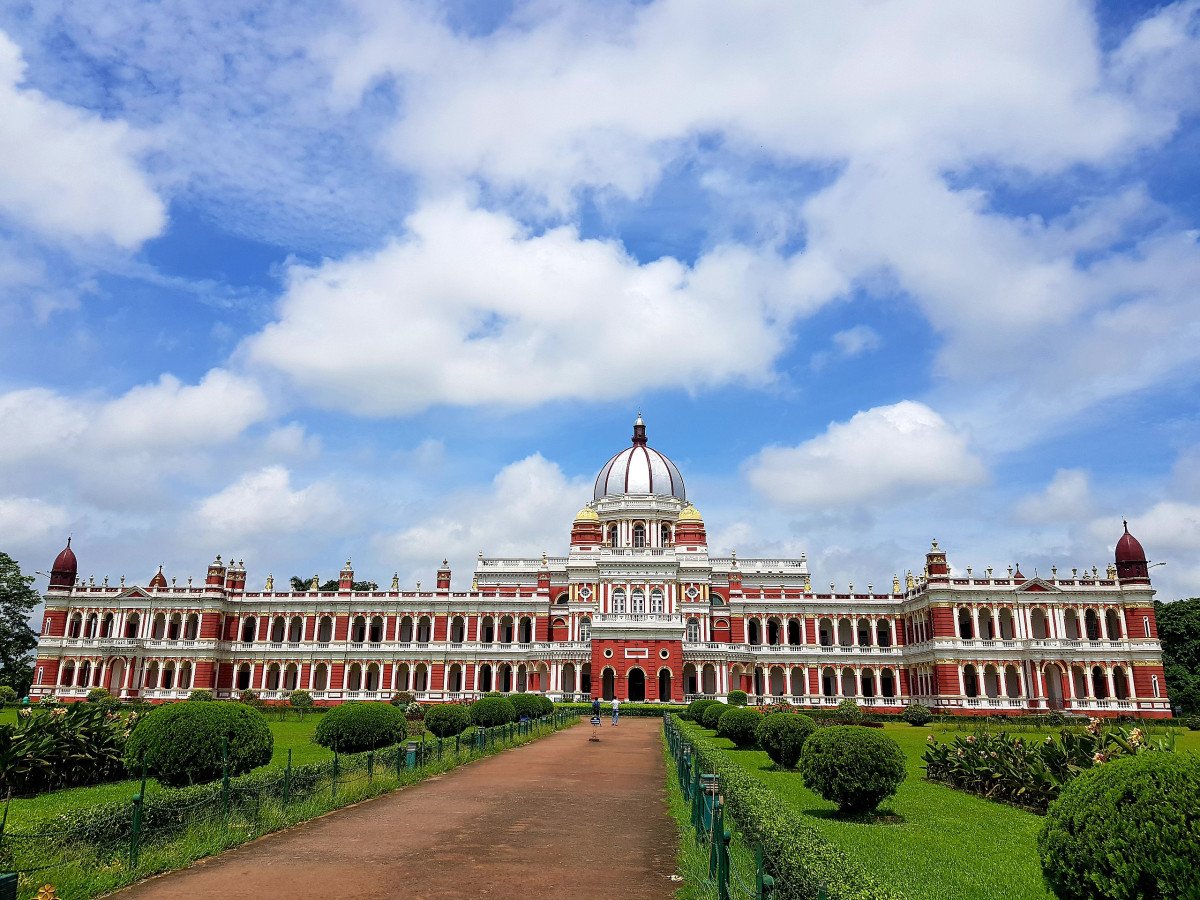
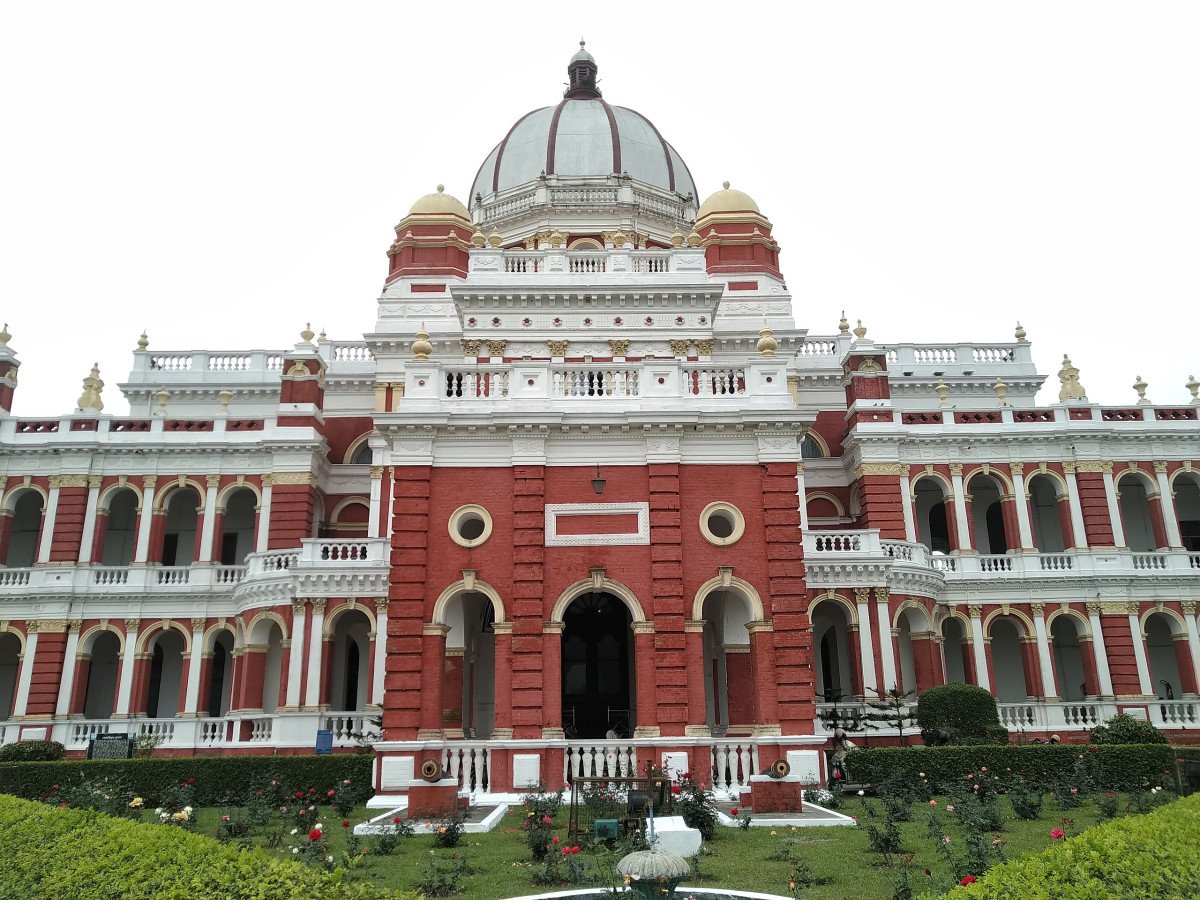
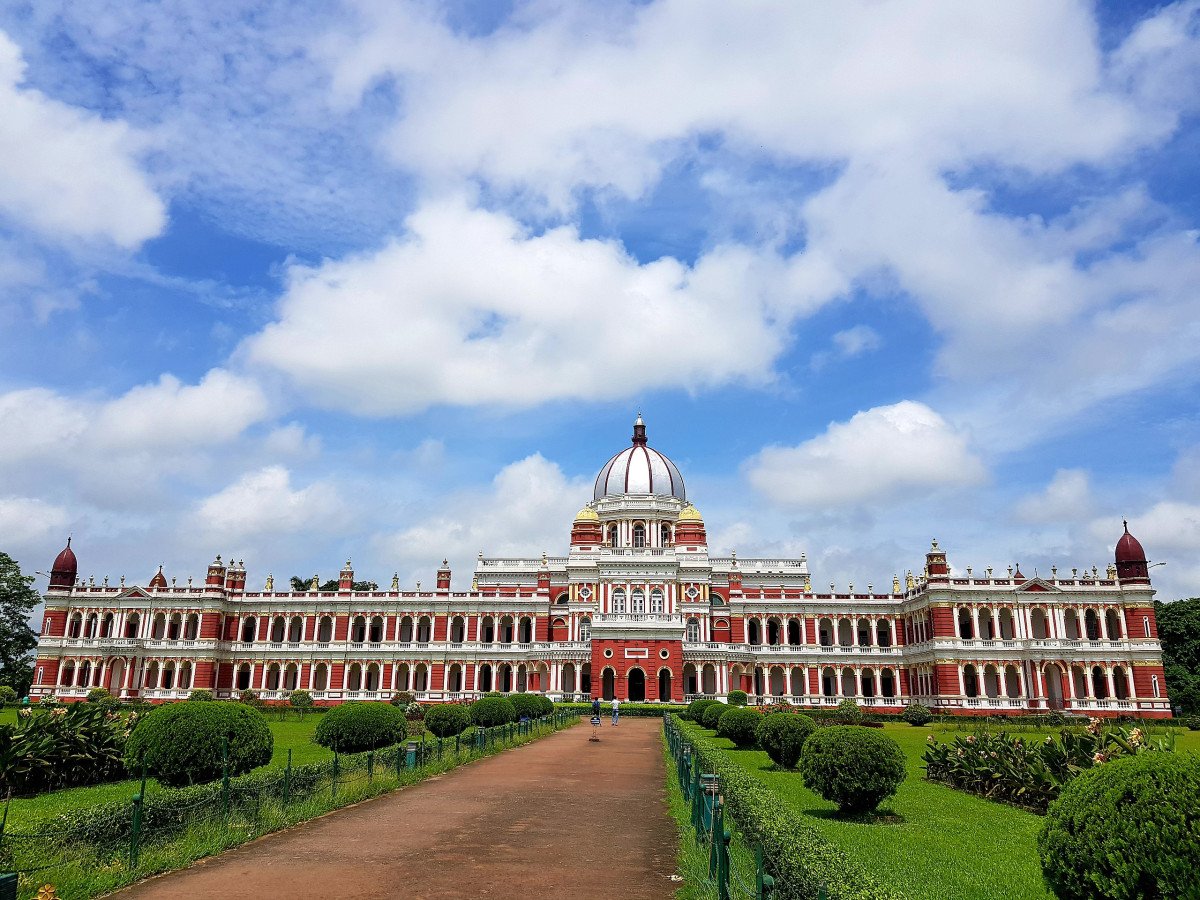
Front Facade from the Lawn: The most iconic shot is taken from the main lawn, a little distance away, to capture the entire sweep of the palace, including the dome and the arcaded verandahs. This emphasizes the sheer scale and symmetrical grandeur of the architecture.Front Facade from the Lawn: The most iconic shot is taken from the main lawn, a little distance away, to capture the entire sweep of the palace, including the dome and the arcaded verandahs. This emphasizes the sheer scale and symmetrical grandeur of the architecture.
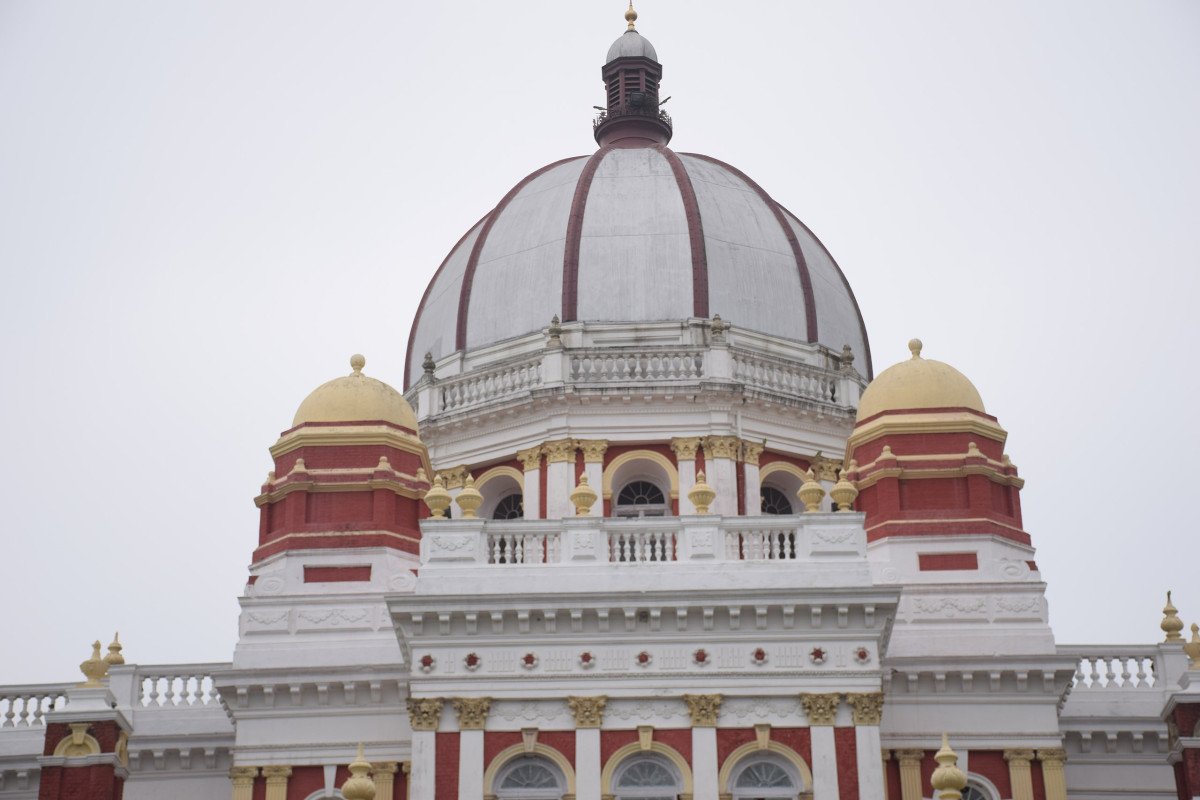
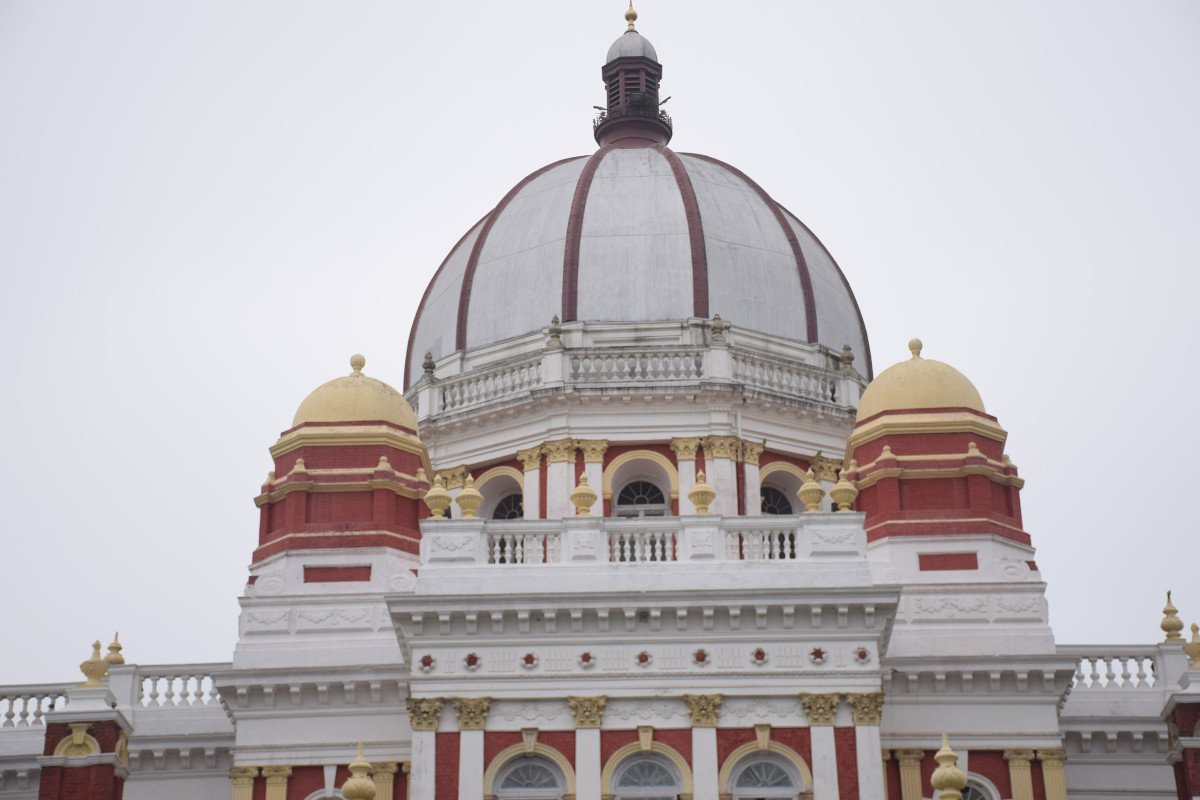
The Central Dome Close-up: Focus on the central dome from the front courtyard. This requires a mid-range zoom to highlight the Corinthian columns, the stepped carving, and the height of the structure against the sky.
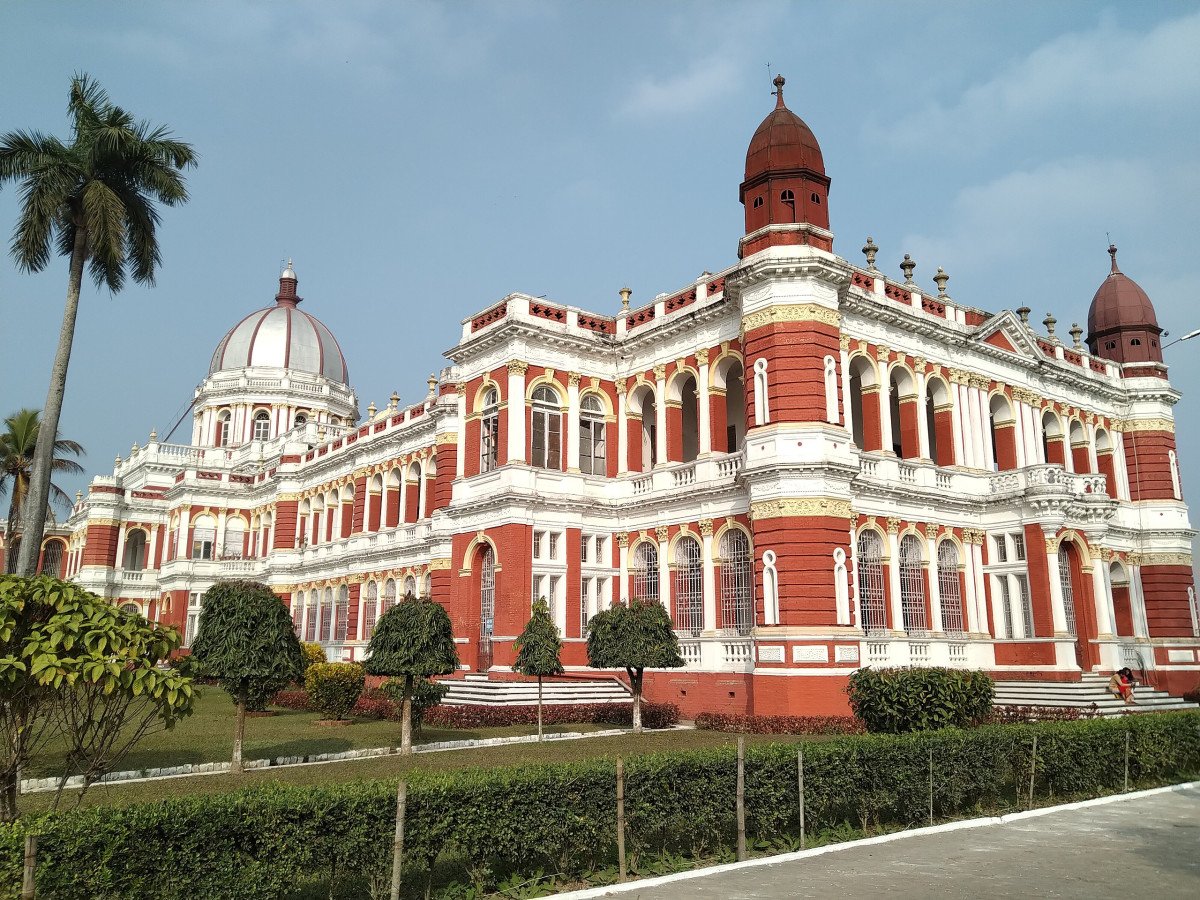
Archway Perspectives: Utilize the series of arched verandahs to frame the landscape or other parts of the building. Standing beneath an arch and using it to frame the next set of columns provides a sense of depth and architectural rhythm.
The Sound and Light Show Reflections: If attending the evening show, photograph the palace at night, focusing on the vibrant colours and illumination. Look for reflections of the lights in any puddles or the wet surfaces of the lawn for dramatic effect.
The Palace Museum Interior: While photography inside the main museum halls is generally prohibited, the lighting and display of artifacts (if permitted in specific areas) can make for great detail shots. Always check official restrictions before shooting indoors.Photo Gallery
Things To Do
-
Explore the Museum Exhibits: Dedicate ample time to walking through the Durbar Hall and the various rooms that now house the museum. Examine the collection of royal artifacts, including weapons, antique furniture, historical photographs, and paintings that tell the story of the Koch Dynasty.
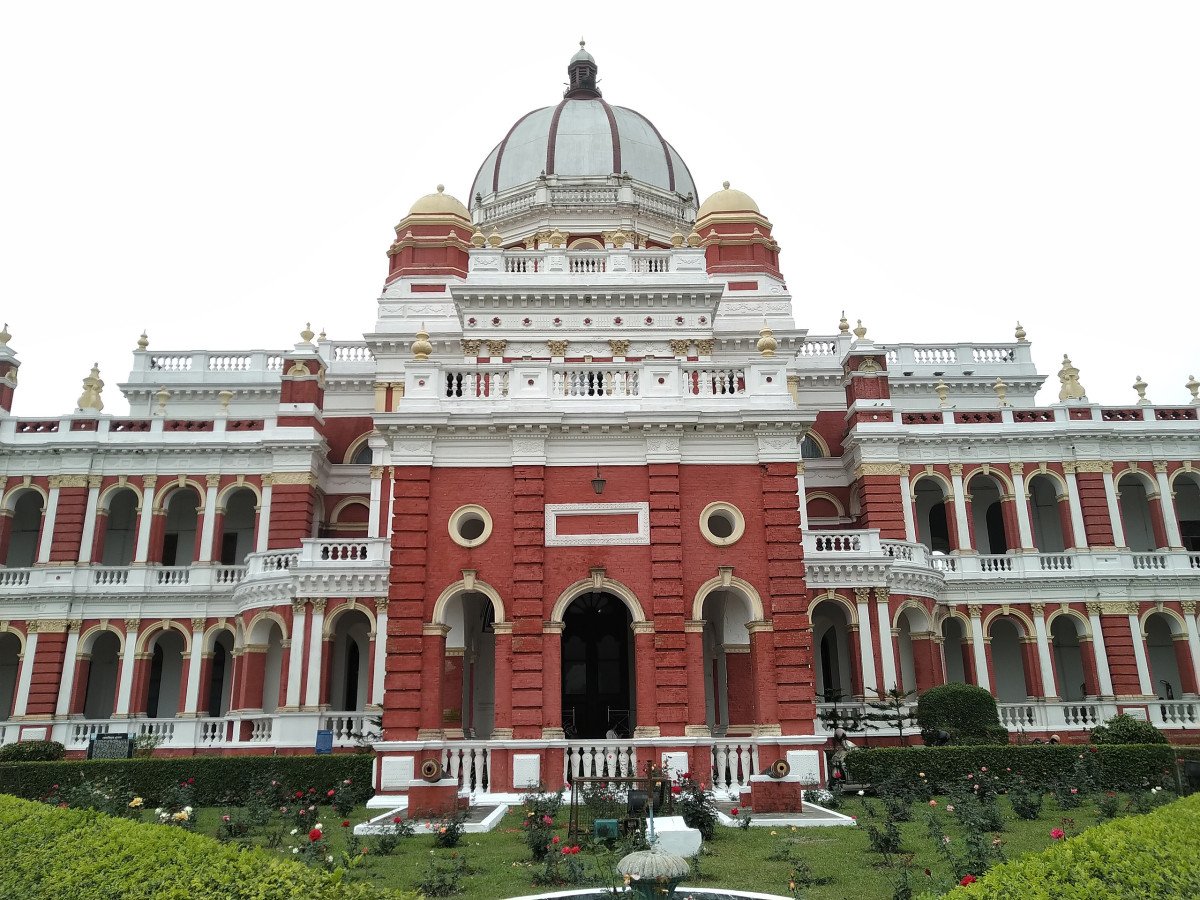
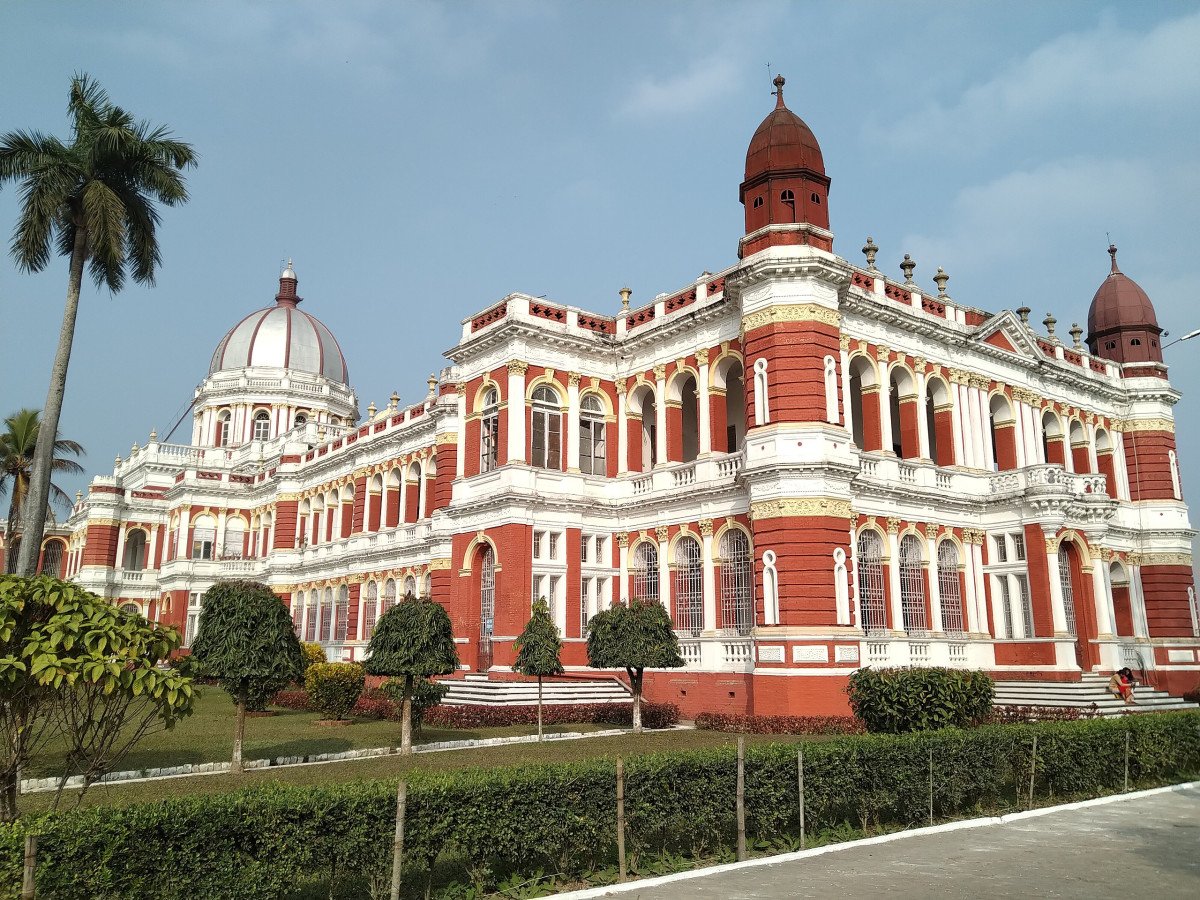
Architectural Study and Observation: Spend time admiring the palace's unique Italian Renaissance architecture. Observe the details of the Corinthian columns, the rhythmic arcaded verandahs, and the impressive dome. Walk around the exterior to appreciate the scale and the influence of Western design.
Stroll on the Palace Grounds: Take a leisurely walk around the vast, well-maintained lawns and gardens surrounding the palace. The grounds are perfect for a relaxing time, offering picturesque views of the...
Information
-
Why Famous:
The Icon of Koch Dynasty's Legacy: The Cooch Behar Palace is the single most important symbol of the Koch Dynasty, which ruled the region for centuries. It represents the pinnacle of their wealth, power, and cultural adoption of European architectural tastes in the late 19t...The Icon of Koch Dynasty's Legacy: The Cooch Behar Palace is the single most important symbol of the Koch Dynasty, which ruled the region for centuries. It represents the pinnacle of their wealth, power, and cultural adoption of European architectural tastes in the late 19th century. Its sheer scale and historical significance make it famous as a testament to the region's royal past.
Architectural Masterpiece of North Bengal: The palace's design, inspired by Buckingham Palace and the Italian Renaissance, sets it apart as a unique architectural gem in North Bengal. The majestic Durbar Hall and its towering dome are globally recognized features. This blend of Western classicism with local materials draws architects and history enthusiasts from all over.
A Centre for Cultural Enlightenment (Museum): As an ASI-maintained museum, the palace is famous for preserving and exhibiting artifacts, photographs, and historical documents related to the Koch kings and the history of Cooch Behar. It provides educational value and a tangible link to the area's rich heritage, making it a critical cultural centre.
Evening Sound and Light Show: The evening Sound and Light Show further enhances its fame by bringing the palace's history to life through narration and spectacular illumination, attracting a large number of visitors after sunset. -
Architecture:
Architectural Style:
Italian Renaissance Revival: The palace is a superb example of Italian Renaissance Revival Architecture adapted to an Indian context (Indo-Saracenic Revival elements are often noted in a broader view). It is a double-sto...Architectural Style:
Italian Renaissance Revival: The palace is a superb example of Italian Renaissance Revival Architecture adapted to an Indian context (Indo-Saracenic Revival elements are often noted in a broader view). It is a double-storeyed, brick-built structure.
Dimensions and Layout: The entire structure covers an area of approximately 51,300 square feet. The palace is roughly 395 feet (120 meters) long (North to South) and 296 feet (90 meters) wide (East to West). It rests on a plinth approximately 4 feet 9 inches (1. 45 meters) above the ground.
The Grand Dome: The most striking feature is the central Durbar Hall dome, towering approximately 124 feet from the ground. This metallic dome, designed in the Renaissance style, features a cylindrical louver-type ventilator at the top and rests on four large arches supported by massive Corinthian columns. The interior of the dome is exquisitely carved with step patterns.
Verandahs and Columns: The ground and first floors are fronted by a series of arcaded verandahs, with their supporting piers arranged alternately in single and double rows, giving the facade a rhythmic elegance. The use of Corinthian columns is a recurring, defining motif throughout the exterior.
Interior Features: The interior houses over 50 rooms, including the Durbar Hall (hall of audience), Dining Hall, Billiard Room, Library, and the Ladies Gallery. While many original artifacts are now lost, the scale and design of these rooms reflect royal opulence. -
How To Reach:
By Air (Gateway City): The nearest airport is Bagdogra Airport (IXB) (approx. 150 KMS). From Bagdogra, one can hire a pre-paid taxi directly to Cooch Behar town. The journey takes about 3. 5 to 4 hours. Buses and shared taxis are also available.
Read More -
Near Tourist Places:
1. Madan Mohan Temple (approx.
1 KMS): Dedicated to the Koch King's Kul Devta. 2. Sagar Dighi (approx.
1 KMS): Historic Pond and relaxing spot. 3. Baneswar Shiva Temple (approx.
10 KMS): Ancient Shiva Temple. 4. Brahmo Mandir (approx. 1.
5 KMS): Historical Temple. 5. New Cooch Behar Railway Station (NCB) (approx.
6 KMS): Major Rail Junction. 6. Rasikbil Nature Trail (approx. 4
5 KMS): Bird Sanctuary. 7. Siddheswari Kali Temple (approx.
11 KMS): Local Kali Temple. 8. Dangar Ayee Temple (approx.
2 KMS): Local Temple. 9. Gosanimari Rajpat (approx.
30 KMS): Archaeological Site. 10. Victorian Jubilee Park (approx. 1.
5 KMS): Central City Park.
Tourism Tips
-
Health & Safety (Sun Protection): Use sun protection (hat, sunscreen, sunglasses) as the palace grounds are open and can be hot, even in winter. Wear comfortable, flat shoes for walking.
Packing Essentials (Photography Rules): Check the A...
Reviews
Cooch Behar Itineray And Cost:-
Chakchaka Rajbari Tourism:-
Information about New and Updated Locations() of West Bengal Has Been Added :-
Card subtitle
Note:-
Information provided here in good Faith and for reference only.
All information and pictures will be updated soon, please keep visiting.
Near Places
Bairagidighi
Some quick example text to build on the card title and make up the bulk of the card's content.
Go somewhere
Baneswar Shiva Temple
Some quick example text to build on the card title and make up the bulk of the card's content.
Go somewhere
Baneswar Siva Temple
Some quick example text to build on the card title and make up the bulk of the card's content.
Go somewhere
Baradebi Bari
Some quick example text to build on the card title and make up the bulk of the card's content.
Go somewhere
Bhetaguri
Some quick example text to build on the card title and make up the bulk of the card's content.
Go somewhere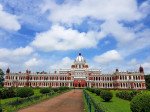
Chakchaka Rajbari
Some quick example text to build on the card title and make up the bulk of the card's content.
Go somewhere
Chilapata Forest
Some quick example text to build on the card title and make up the bulk of the card's content.
Go somewhere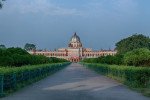
Cooch Behar Palace
Some quick example text to build on the card title and make up the bulk of the card's content.
Go somewhere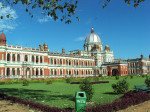
Cooch Behar Rajbari Park
Some quick example text to build on the card title and make up the bulk of the card's content.
Go somewhere
Dangar Ayee Temple
Some quick example text to build on the card title and make up the bulk of the card's content.
Go somewherein Other Cities