
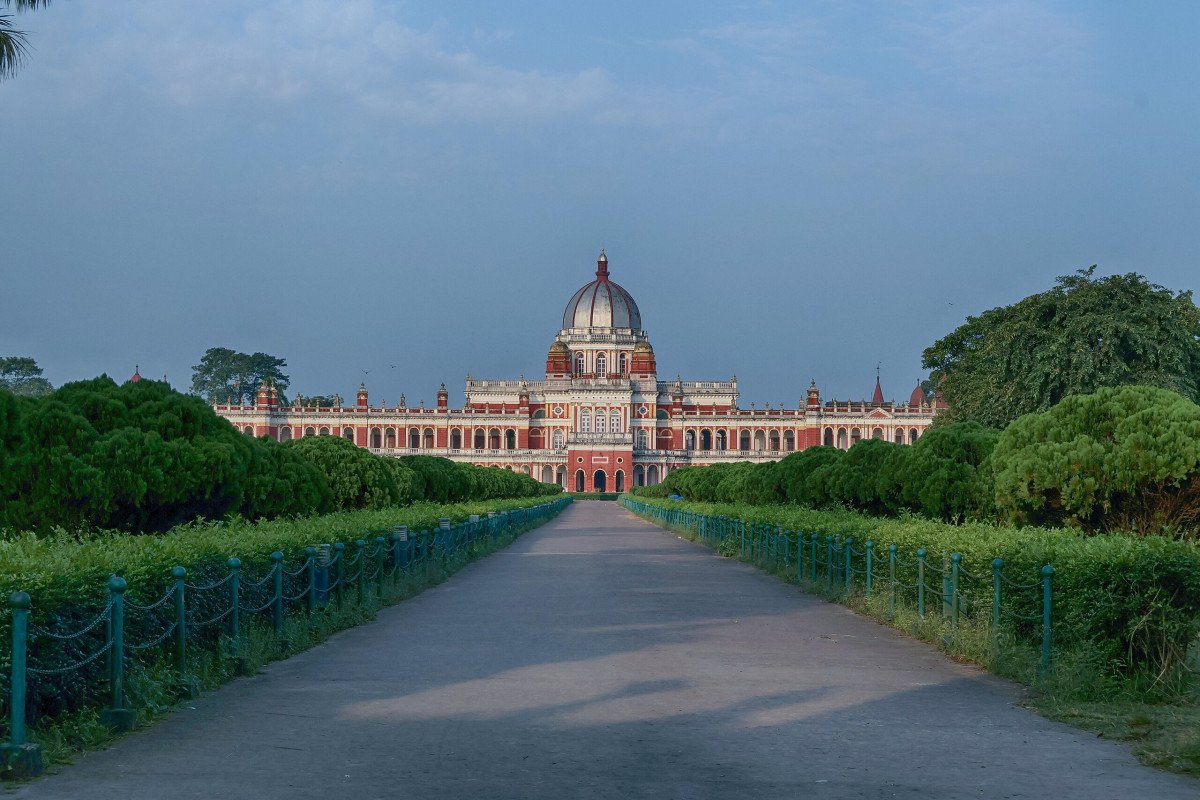
Cooch Behar Palace
General information
-
Ideal Duration:
2-3 HoursPlace Type:
Heritage, Historical, Architecture, MuseumEntry Fees:
Indian Citizens and SAARC/BIMSTEC Tourists: Rs.25 per person (or Rs.20 if purchased online through the ASI website).
Foreign Tourists: Rs.300 per person.
Children Below 15 Years: Free Entry. Online vs.Indian Citizens and SAARC/BIMSTEC Tourists: Rs.25 per person (or Rs.20 if purchased online through the ASI website).
Foreign Tourists: Rs.300 per person.
Children Below 15 Years: Free Entry. Online vs.
Offline Tickets: Purchasing the ticket online is a cost-saving and time-saving method, often highlighted on the ASI portals.
Photography/Videography inside the Museum: Photography is strictly NOT ALLOWED inside the palace museum premises, and violators may face penalties.Timing:
Regular Timings:
Days of Operation: Saturday to Thursday.
Closing Day: Friday (Weekly Holiday).
Hours: 10:00 AM to 5:00 PM (Ticket counter usually closes earlier).
<...Regular Timings:
Days of Operation: Saturday to Thursday.
Closing Day: Friday (Weekly Holiday).
Hours: 10:00 AM to 5:00 PM (Ticket counter usually closes earlier).
Ideal Visit Time:
Time of Day: The best time is either right at the opening hour (10:00 AM) to avoid the crowd and the midday heat, or in the late afternoon (3:00 PM - 4:00 PM) to catch the soft evening light on the palace facade, which is excellent for photography.
Crowd Avoidance: Weekdays (especially Tuesday, Wednesday, Thursday) are generally less crowded than weekends (Saturday, Sunday).
Season: The ideal season is during the winter months (November to February) when the weather is cool and pleasant for exploring the grounds.Special Events:
Foundation Day/Heritage Week Celebrations: While no major traditional festival is tied to the palace itself (unlike the temples), the Archaeological Survey of India (ASI), which manages the site, sometimes organizes special cultural events, exhibitions, or educational progra...Foundation Day/Heritage Week Celebrations: While no major traditional festival is tied to the palace itself (unlike the temples), the Archaeological Survey of India (ASI), which manages the site, sometimes organizes special cultural events, exhibitions, or educational programs related to heritage conservation, particularly around Foundation Day or World Heritage Week (April 18th). These events may feature guided tours or temporary displays, offering a deeper insight into the palace's history and preservation efforts. Tourists visiting during these periods might find the experience enriched by focused historical talks or special access.Best Photo Spots:
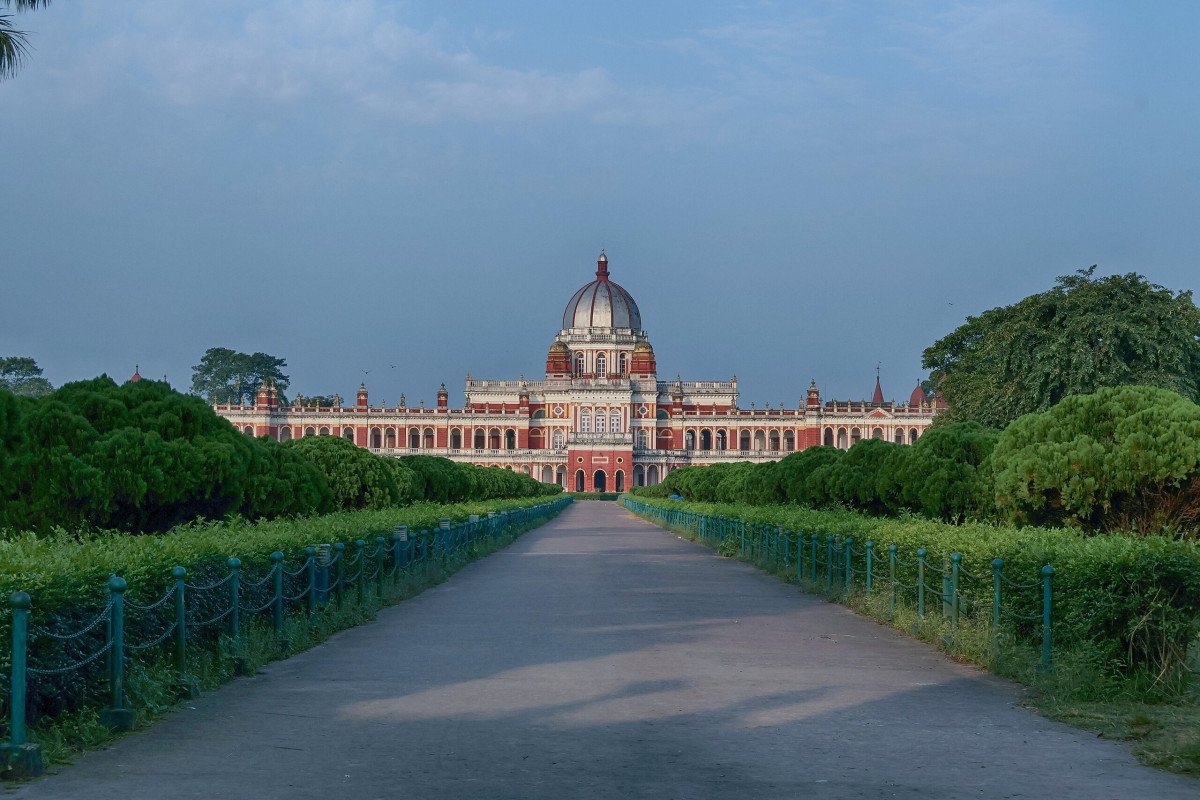
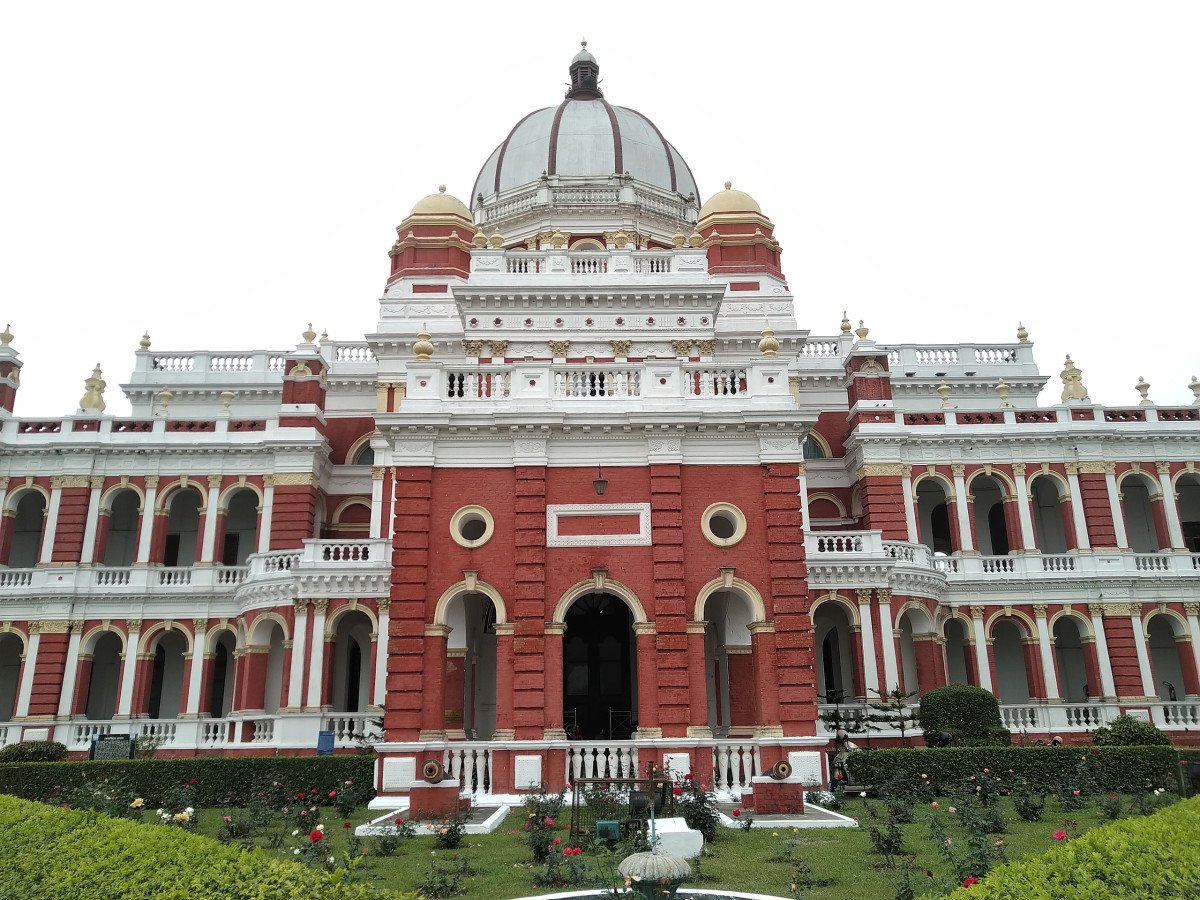
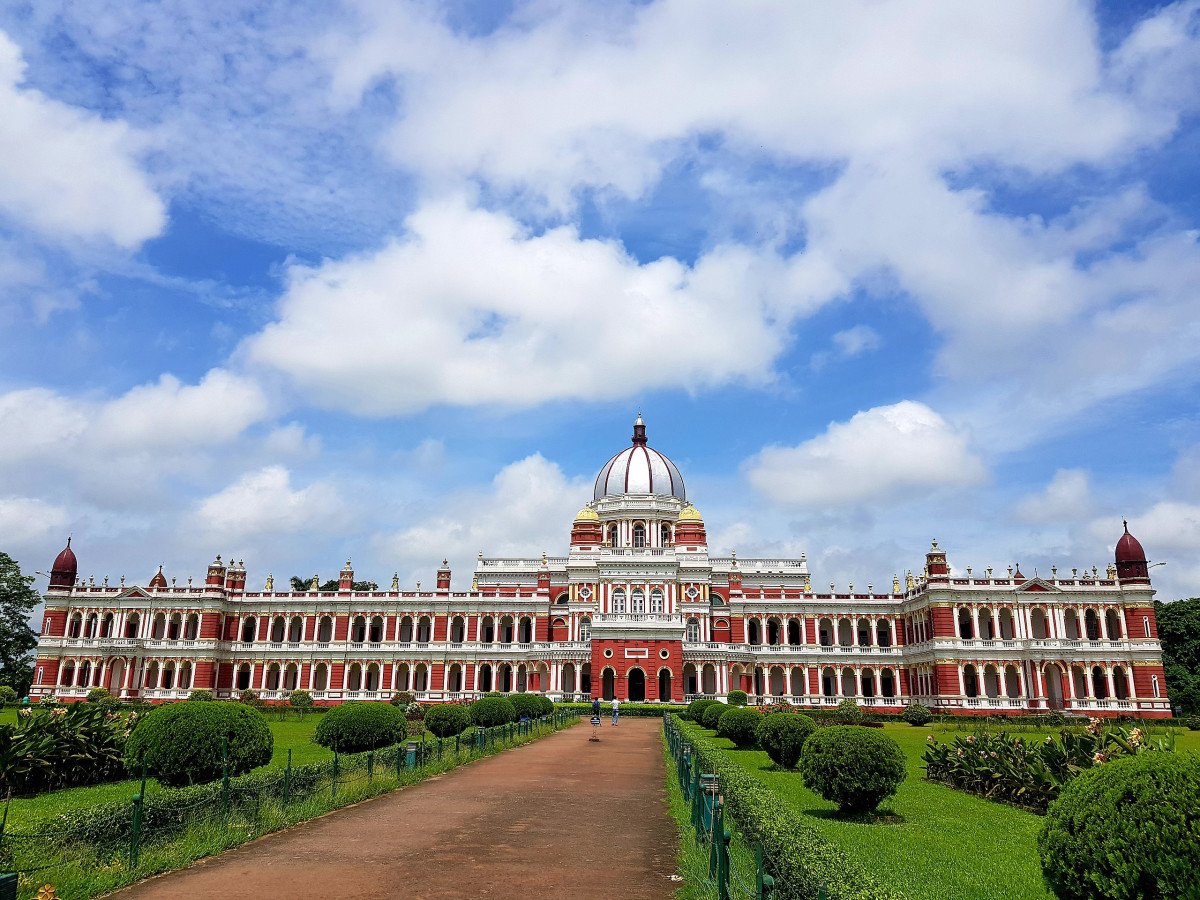
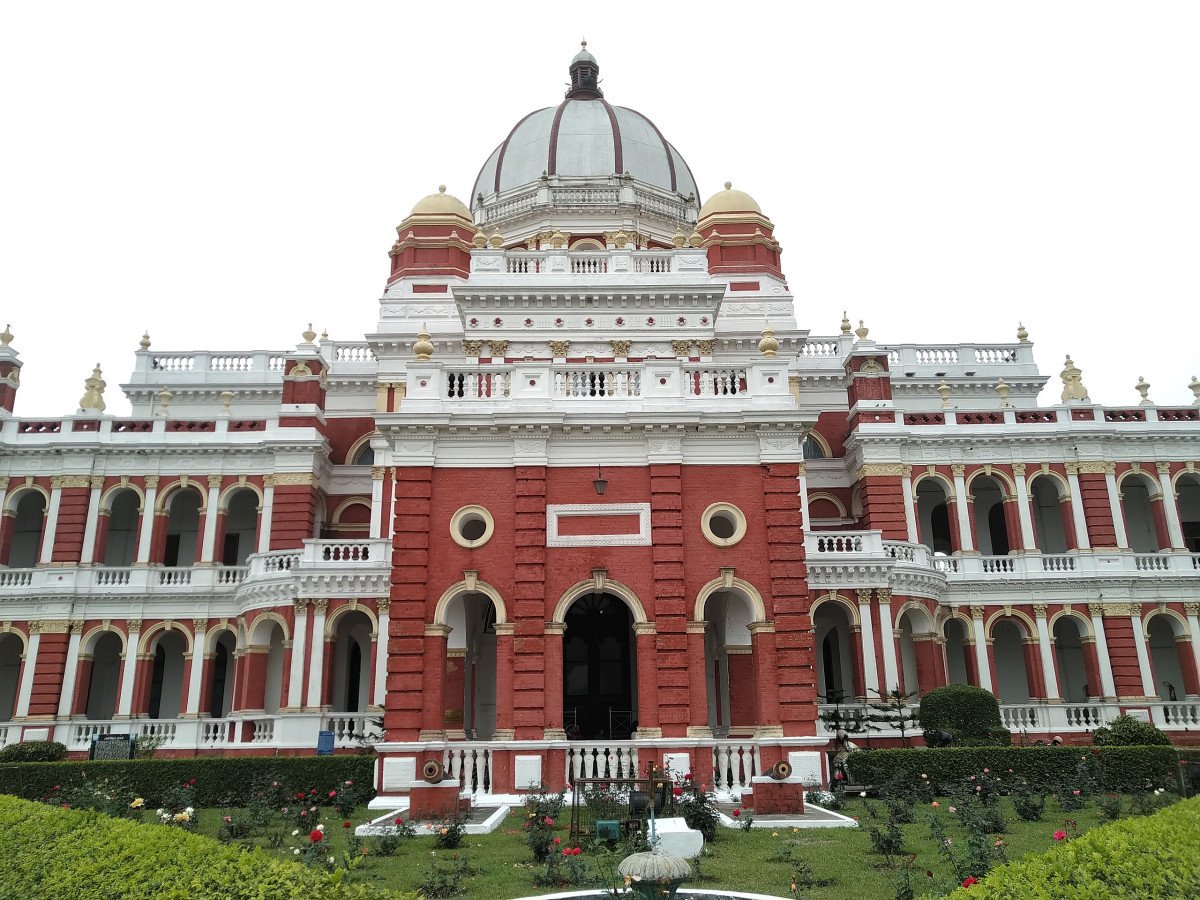
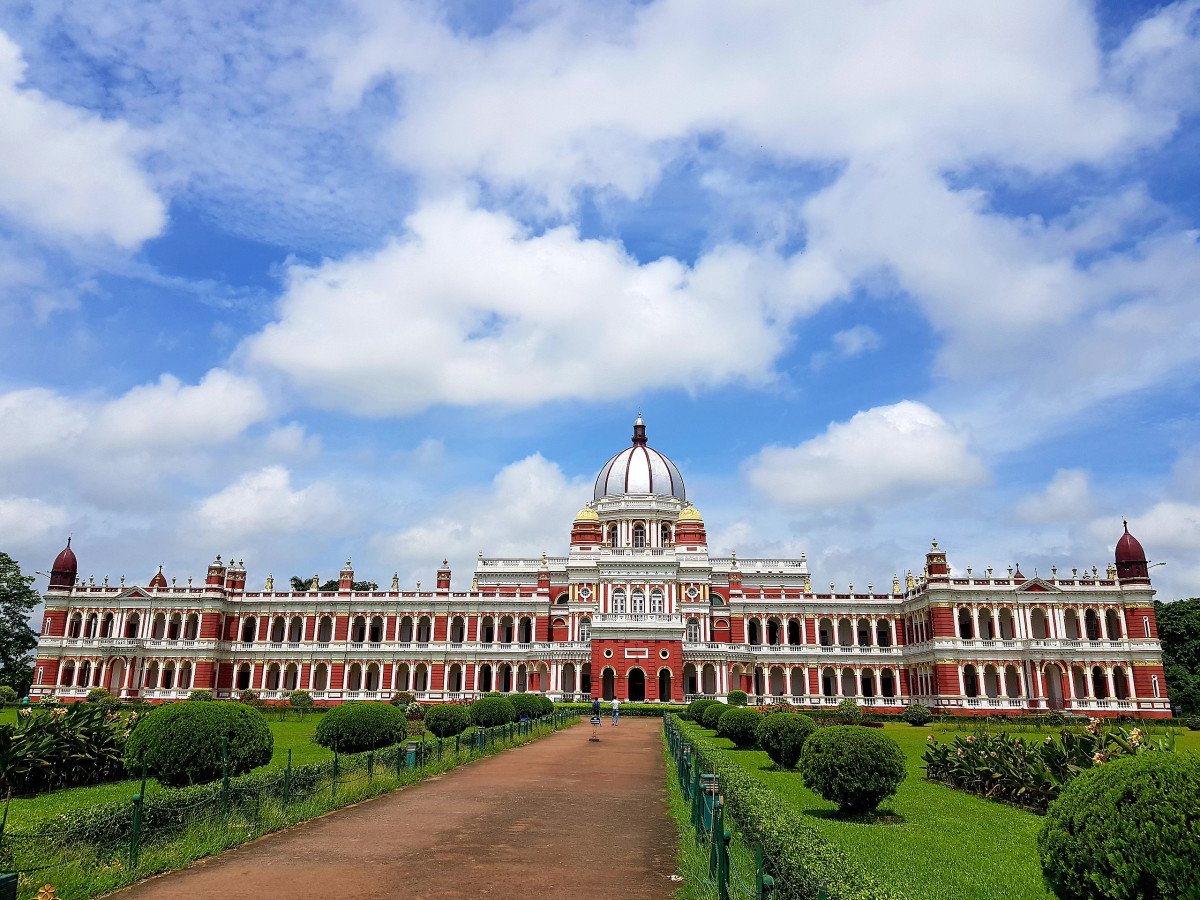
The Grand Front View: The most iconic and best spot is from a distance on the main lawn directly in front of the central projecting porch and the Durbar Hall's dome. This position allows for a full view of the palace's symmetrical Italian Renaissance facade, the arcaded ver...The Grand Front View: The most iconic and best spot is from a distance on the main lawn directly in front of the central projecting porch and the Durbar Hall's dome. This position allows for a full view of the palace's symmetrical Italian Renaissance facade, the arcaded verandahs, and the majestic dome, capturing the entire grandeur against the sky.
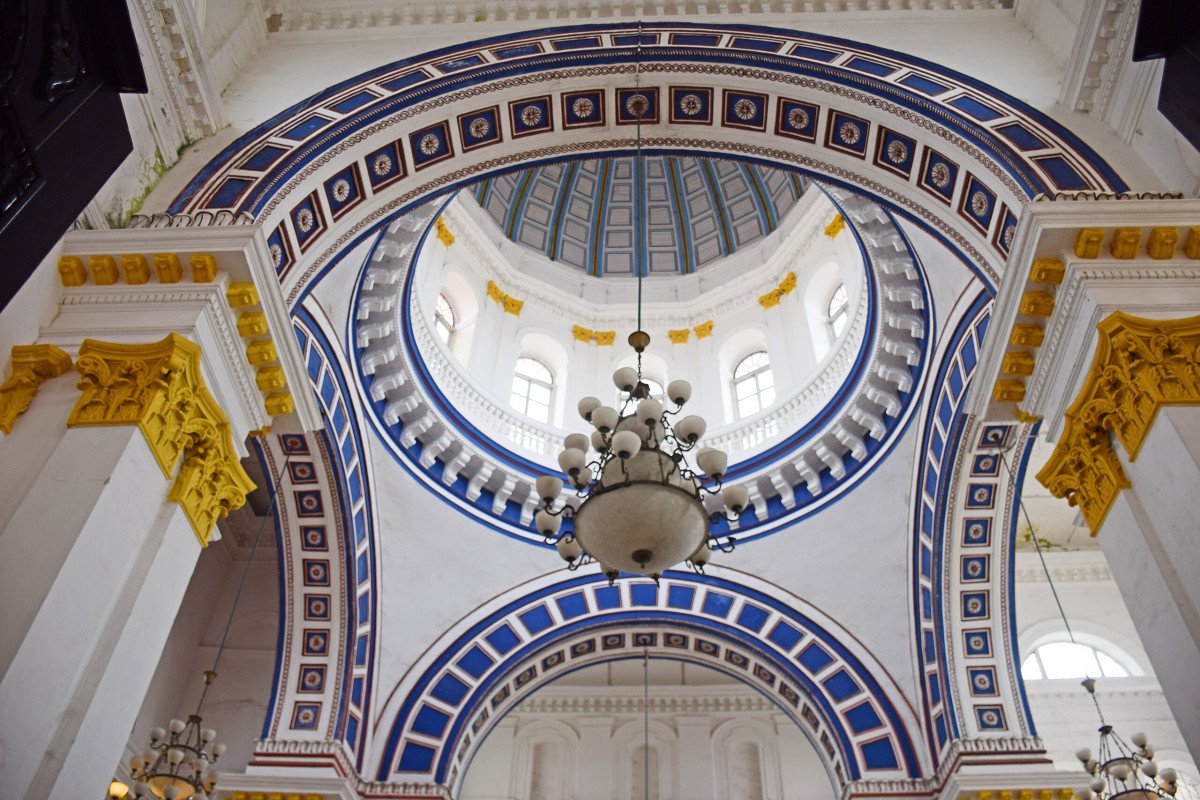
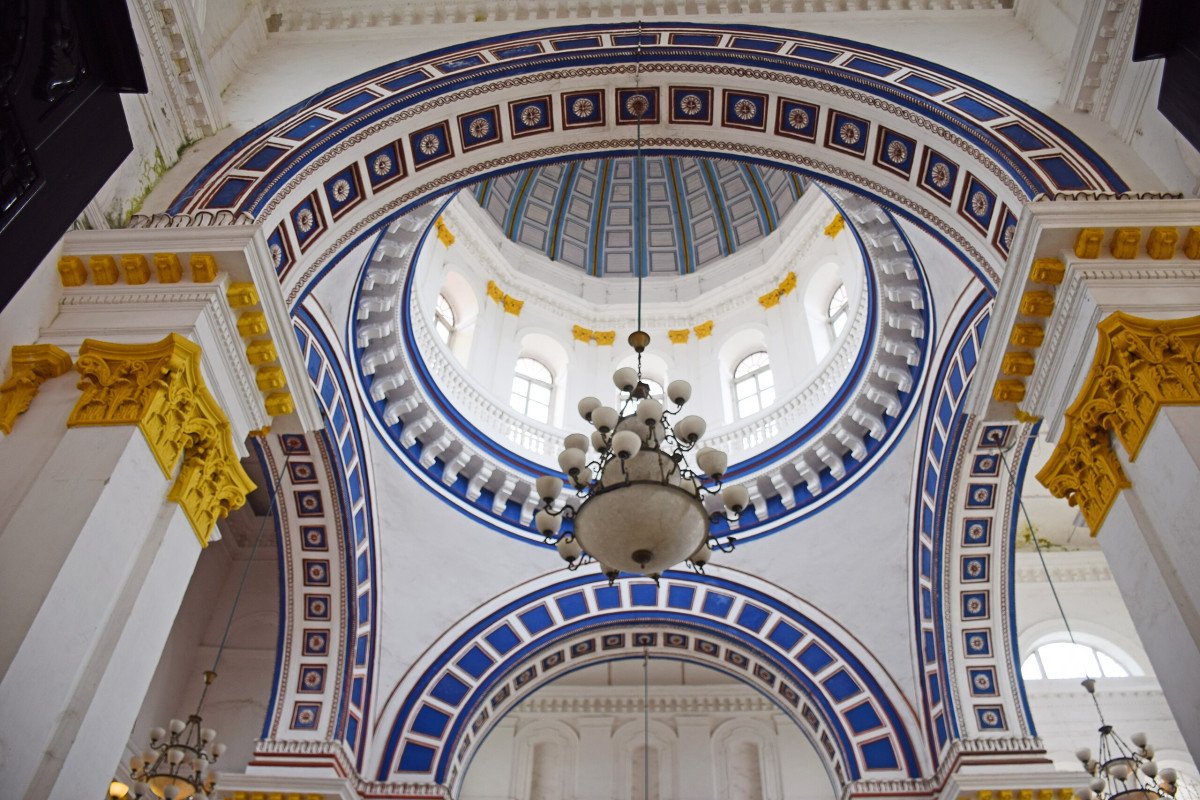
Close-up of the Corinthian Columns: For architectural detail, focus on the base of the dome, specifically the massive Corinthian columns that support the four arches of the Durbar Hall. A close-up shot of the capital (top part) of these columns highlights the intricate carving and the classical Western influence on the structure.
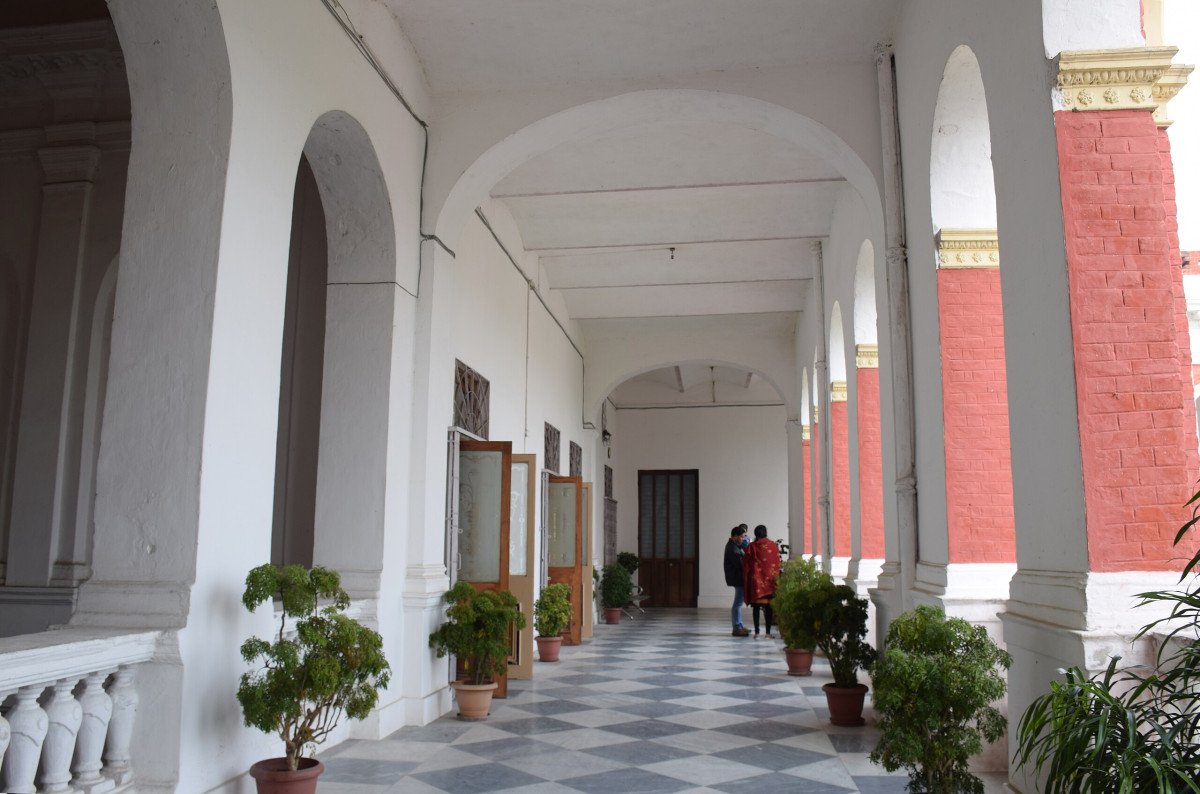
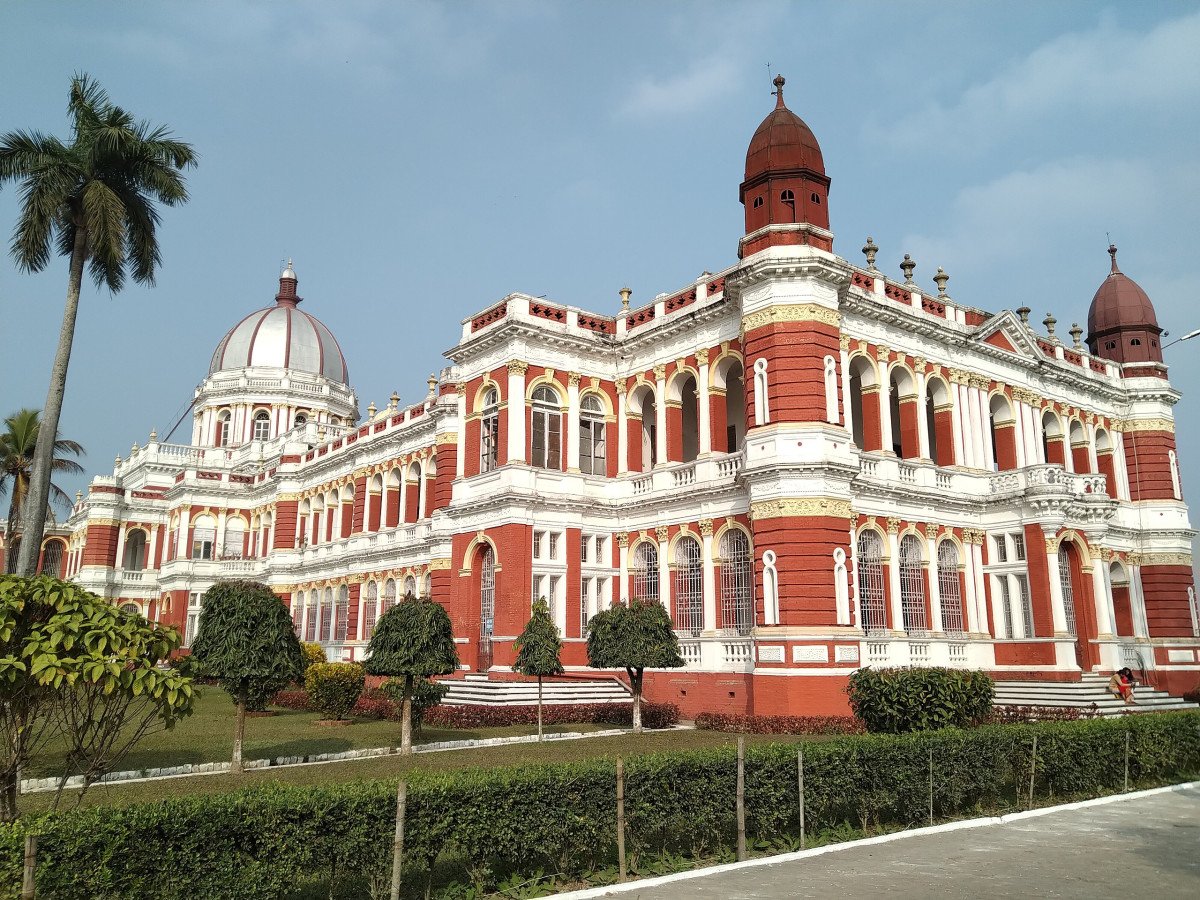
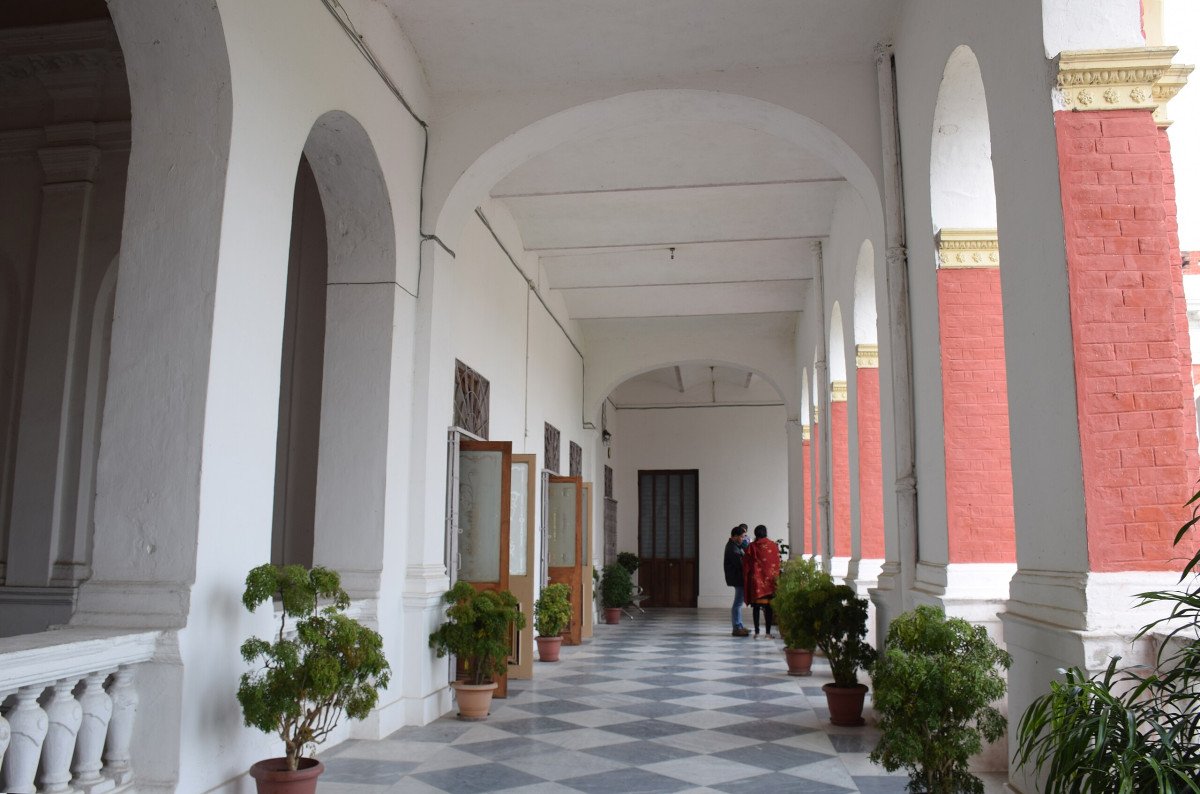
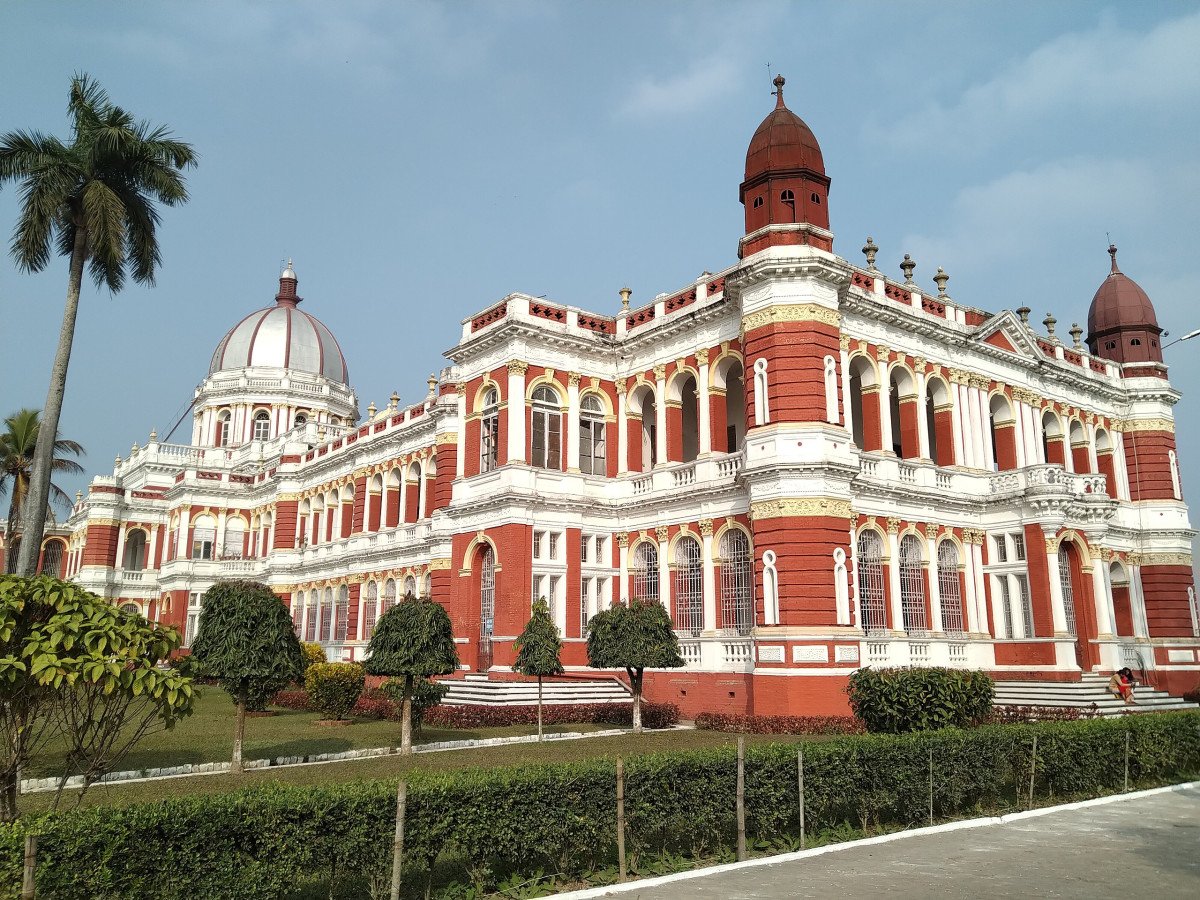
The Arcaded Verandahs: The repetitive pattern of the arches and piers of the ground and first-floor verandahs creates excellent photographic lines and shadows. Try to frame a shot looking down the length of the verandahs to capture the depth and rhythm of the architecture, especially in the early morning or late afternoon light when shadows are long.Photo Gallery
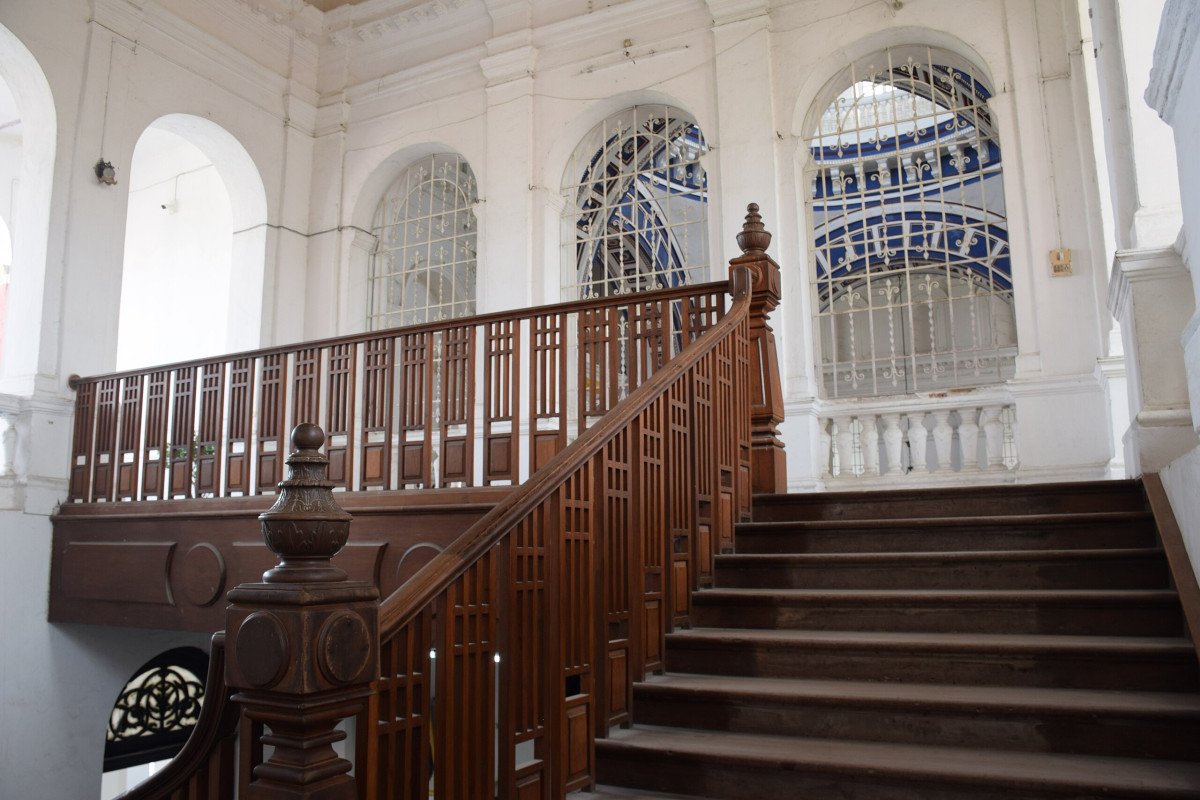
Things To Do
-
Explore the Architecture:
Dome Appreciation: Spend time observing the magnificent Italian Renaissance dome from the outside and, if accessible, its carved interior from the Durbar Hall. Note the Corinthian columns and the lantern on top.
Facade Study: Walk the length of the palace to admire the symmetry of the facade and the series of arcaded verandahs on both floors. This helps appreciate the scale and planning of the structure.
Photography: Capture the palace's grandeur, especially the front view with the sprawling green lawn. The late afternoon light often provides the best colours for photography.
Visit the Museum (Ground and First Floor):
Artifact Viewing: Examine the historical artifa...
Information
-
Why Famous:
Architectural Marvel: The palace is primarily famous for its stunning Italian Renaissance architecture, which is unique in North Bengal. Its resemblance to the Buckingham Palace and the intricate design of its central dome make it an exceptional structure, highlighting the ...Architectural Marvel: The palace is primarily famous for its stunning Italian Renaissance architecture, which is unique in North Bengal. Its resemblance to the Buckingham Palace and the intricate design of its central dome make it an exceptional structure, highlighting the royal family's embrace of European design.
Symbol of Royal Heritage: It served as the principal seat of the Koch dynasty and is a powerful symbol of the former princely state of Koch Bihar. The palace encapsulates the region's royal history, culture, and political importance before its merger with India.
Preservation of History: Managed by the Archaeological Survey of India (ASI), the palace is now a museum that preserves and exhibits royal artifacts, photographs, and historical objects. This function makes it a vital educational and historical repository, attracting history enthusiasts. -
Architecture:
Style and Influence: The architecture of the Cooch Behar Palace is a brilliant fusion of European classical styles, primarily the Italian Renaissance, with a touch of local sensibilities. This choice reflects the Western idealism embraced by the Koch kings, particularly Mah...Style and Influence: The architecture of the Cooch Behar Palace is a brilliant fusion of European classical styles, primarily the Italian Renaissance, with a touch of local sensibilities. This choice reflects the Western idealism embraced by the Koch kings, particularly Maharaja Nripendra Narayan, who was educated abroad. The overall design echoes the grandeur of the Buckingham Palace in London.
Durbar Hall and Dome: The central and most impressive feature is the Durbar Hall (Hall of Audience), which features a projected porch providing the main entrance. The hall is crowned by an elegantly shaped metal dome, which is a key characteristic of the Renaissance style. This dome rests on four arches supported by massive Corinthian columns and is topped by a cylindrical louver-type ventilator and a lantern, reaching a height of about 124 feet from the ground. The interior of the dome is intricately carved in stepped patterns, adding to its visual richness.
Dimension and Structure: The palace is a brick-built, double-storey structure covering an area of approximately 51,309 square feet (4,766. 8 m2).
Length: Approximately 395 feet (120 m).
Width: Approximately 296 feet (90 m).
Height of Dome: Approximately 124 feet (38 m) from the ground level.
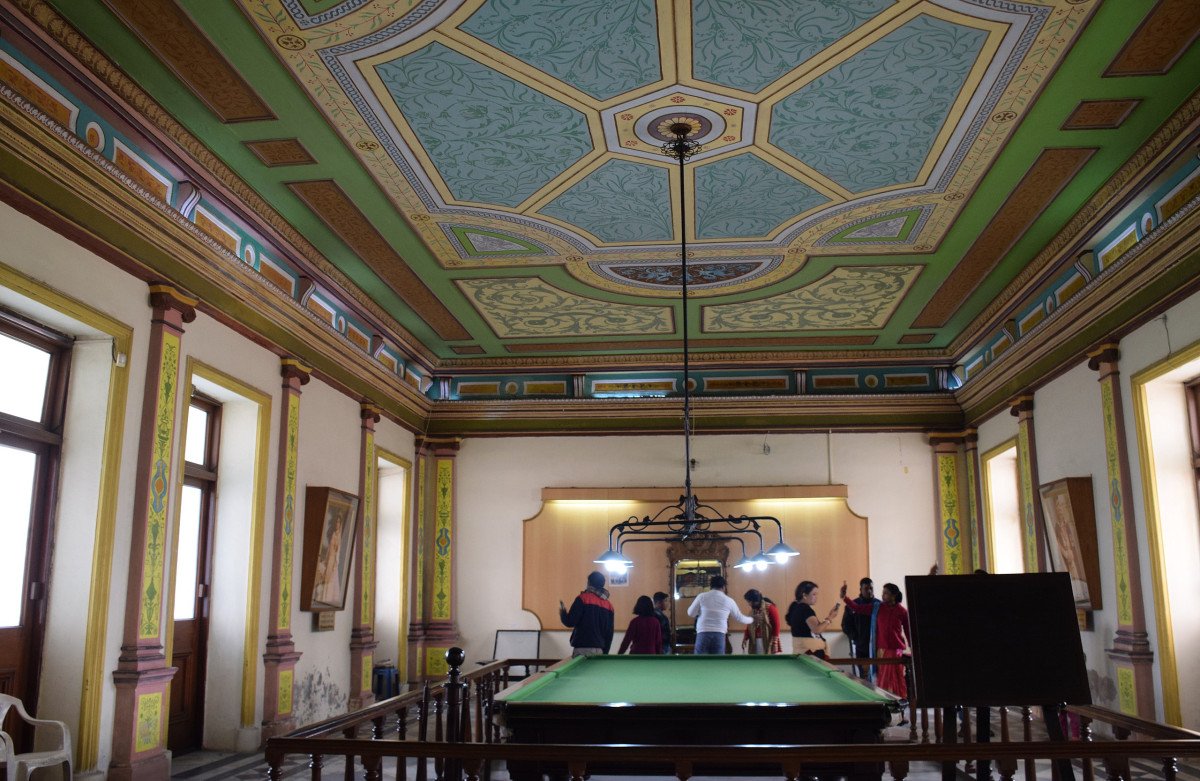
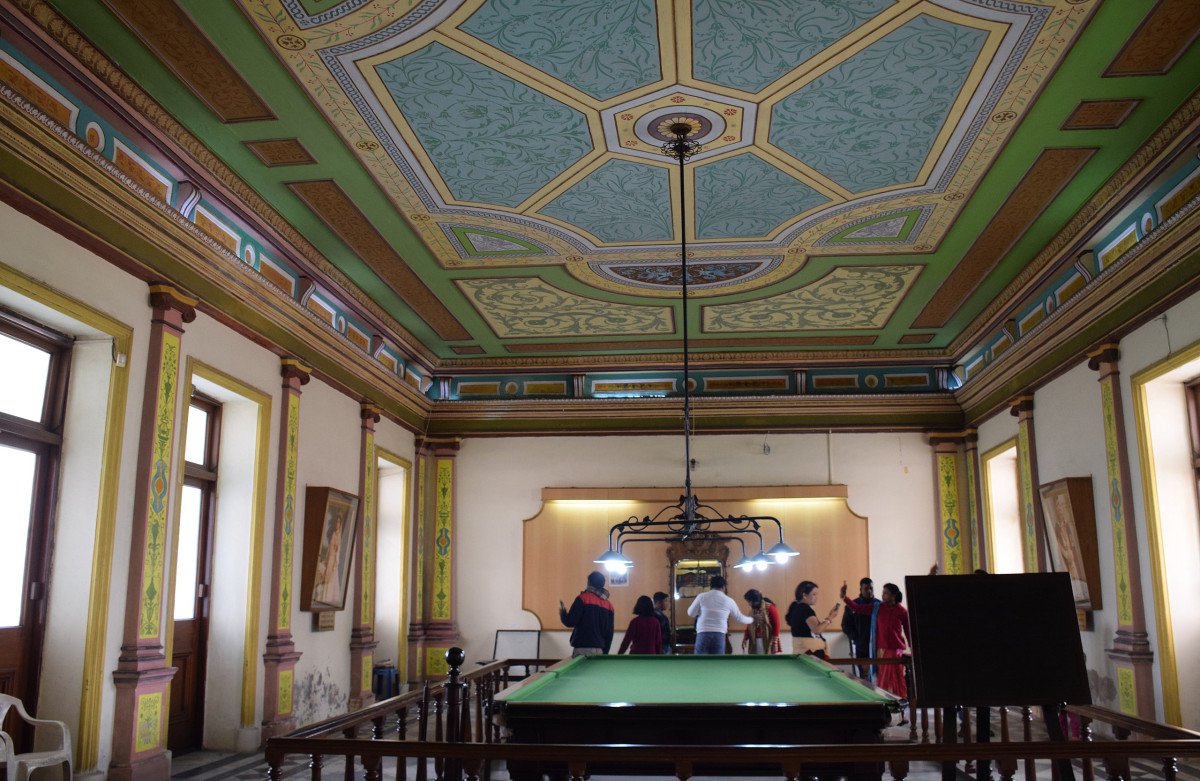
Plinth Height: The entire structure rests about 4 feet 9 inches (1. 45 m) above the ground. The facade on both the ground and first floors features a series of arcaded verandahs with piers arranged alternately in single and double rows, providing a symmetrical and majestic look. The palace originally had over 50 rooms, including the Dining Hall, Billiard Room, Library, and Ladies Gallery. -
How To Reach:
By Air: The nearest major operational airport is Bagdogra Airport (IXB), located in Siliguri, approximately 150-160 KMS away from Cooch Behar.
Process: Fly to Bagdogra from major Indian cities like Delhi, Ko... -
Near Tourist Places:
1.
Madan Mohan Temple: 1 KM (Religious, Heritage) 2.
Sagardighi: 1 KM (Nature, Leisure, Historical Tank) 3.
Rajmata Temple: 2 KMS (Religious, Historical) 4.
Victor Palace: <1 KM (Historical Building - now offices) 5.
North Bengal State Library (Maharaja Library): 1. 5 KMS (Historical, Archive) 6.
Nipendra Narayan Park: 2. 5 KMS (Leisure, Park) 7.
Baneswar Shiva Temple: 10 KMS (Religious, Famous for Tortoises) 8.
Siddheswari Kali Temple: 11 KMS (Religious, Historical) 9.
Rasikbil: 42 KMS (Bird Sanctuary, Nature) 10.
Chilapata Forest:
70 KMS (Wildlife, Historical Fort: Nalraja Garh)
Tourism Tips
-
Health & Safety:
Hydration: Carry water, especially during the shoulder seasons (March, October), due to the high humidity, even if the temperature isn't extremely high.
Footwear: Wear comfortable walking s...
Reviews
Cooch Behar Itineray And Cost:-
Cooch Behar Palace Tourism:-
Information about New and Updated Locations() of West Bengal Has Been Added :-
Card subtitle
Note:-
Information provided here in good Faith and for reference only.
All information and pictures will be updated soon, please keep visiting.
Near Places
Bairagidighi
Some quick example text to build on the card title and make up the bulk of the card's content.
Go somewhere
Baneswar Shiva Temple
Some quick example text to build on the card title and make up the bulk of the card's content.
Go somewhere
Baneswar Siva Temple
Some quick example text to build on the card title and make up the bulk of the card's content.
Go somewhere
Baradebi Bari
Some quick example text to build on the card title and make up the bulk of the card's content.
Go somewhere
Bhetaguri
Some quick example text to build on the card title and make up the bulk of the card's content.
Go somewhere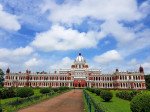
Chakchaka Rajbari
Some quick example text to build on the card title and make up the bulk of the card's content.
Go somewhere
Chilapata Forest
Some quick example text to build on the card title and make up the bulk of the card's content.
Go somewhere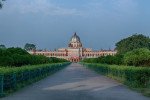
Cooch Behar Palace
Some quick example text to build on the card title and make up the bulk of the card's content.
Go somewhere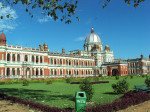
Cooch Behar Rajbari Park
Some quick example text to build on the card title and make up the bulk of the card's content.
Go somewhere
Dangar Ayee Temple
Some quick example text to build on the card title and make up the bulk of the card's content.
Go somewherein Other Cities