Baneswar Shiva Temple
General information
-
Ideal Duration:
1 to 2 Hours (For darshan and enjoying the pond/grounds).Place Type:
Religious, Historical Temple.Entry Fees:
No Entry Fee: There is no official entry fee to the Baneswar Shiva Temple. As a functional place of worship, access is free for all devotees and visitors.
Donations: Visitors are welcome to offer voluntary donations towards the maintenanc...No Entry Fee: There is no official entry fee to the Baneswar Shiva Temple. As a functional place of worship, access is free for all devotees and visitors.
Donations: Visitors are welcome to offer voluntary donations towards the maintenance of the temple and the running of its daily rituals. Designated donation boxes are available.
Fees for Offerings: Small fees may apply for purchasing materials for puja (worship) or food for the tortoises from local vendors outside the temple.
Camera Fees: There are generally no camera fees, but visitors should be respectful and refrain from using flash inside the main sanctum, especially during aarti (prayers).Timing:
Regular Timings (Gate Open/Close): The temple is typically open from 5:00 AM to 9:00 PM daily. This long window accommodates both early morning devotees and evening visitors.
Ideal Visit Time (Best Experience): Early morning (6:00 AM to 8...Regular Timings (Gate Open/Close): The temple is typically open from 5:00 AM to 9:00 PM daily. This long window accommodates both early morning devotees and evening visitors.
Ideal Visit Time (Best Experience): Early morning (6:00 AM to 8:00 AM) is ideal for a peaceful darshan and to witness the morning rituals. Late afternoon (4:00 PM to 6:00 PM) is also pleasant, especially for feeding the tortoises.
Festival Timings: During major festivals like Maha Shivaratri, the temple remains open for extended hours, often overnight, to manage the massive influx of pilgrims.Special Events:
Maha Shivaratri: This is the most important festival at the Baneswar Shiva Temple, usually celebrated in February or March. Thousands of devotees flock to the temple to offer water, milk, and prayers to Lord Shiva, creating a highly charged spiritual atmosphere.
<...Maha Shivaratri: This is the most important festival at the Baneswar Shiva Temple, usually celebrated in February or March. Thousands of devotees flock to the temple to offer water, milk, and prayers to Lord Shiva, creating a highly charged spiritual atmosphere.
Dol Purnima & Madan Chaturdashi Procession: During these festivals (usually February or March), the Ardhanariswar idol is ceremonially carried in a celebrated procession to the Madan Mohan Temple in the city. This 'movable Baneswar' tradition is a unique and major spectacle.
Weekly Monday Rituals: Being a Shiva temple, Mondays are considered particularly auspicious. Special pujas and rituals are performed, attracting a larger crowd of local devotees every week.Best Photo Spots:
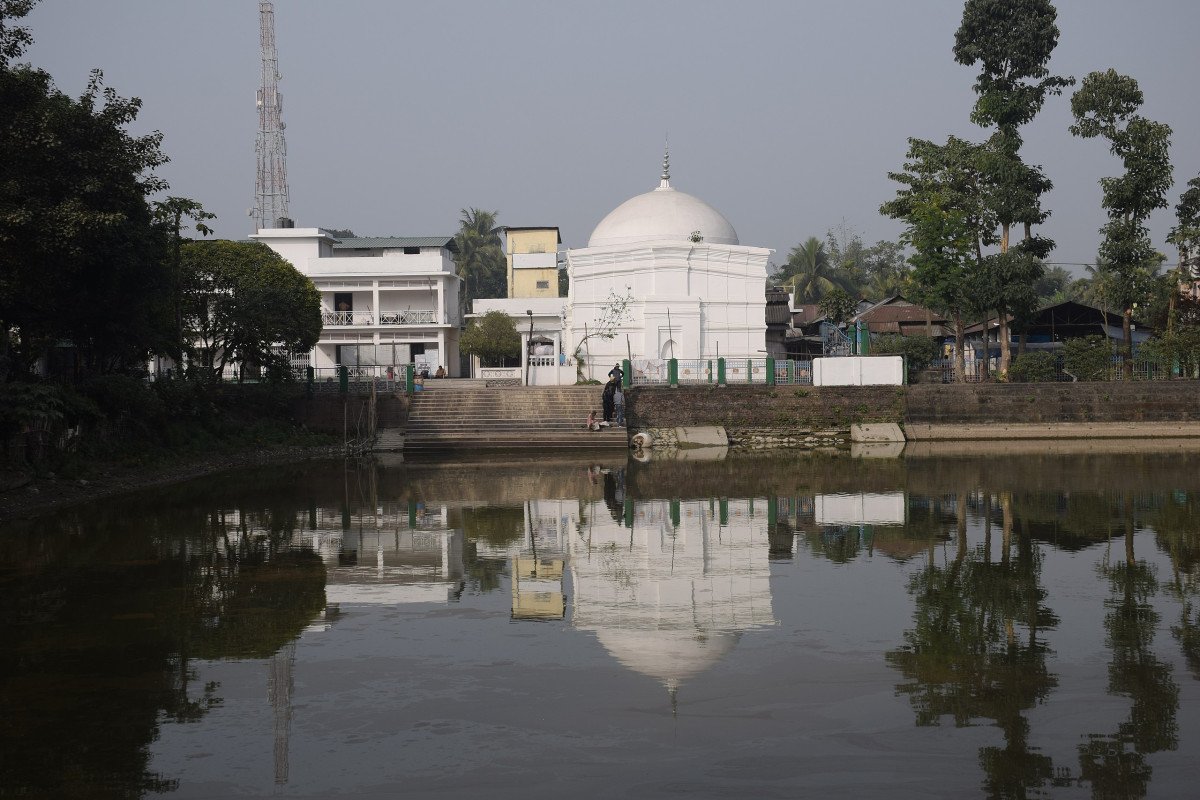
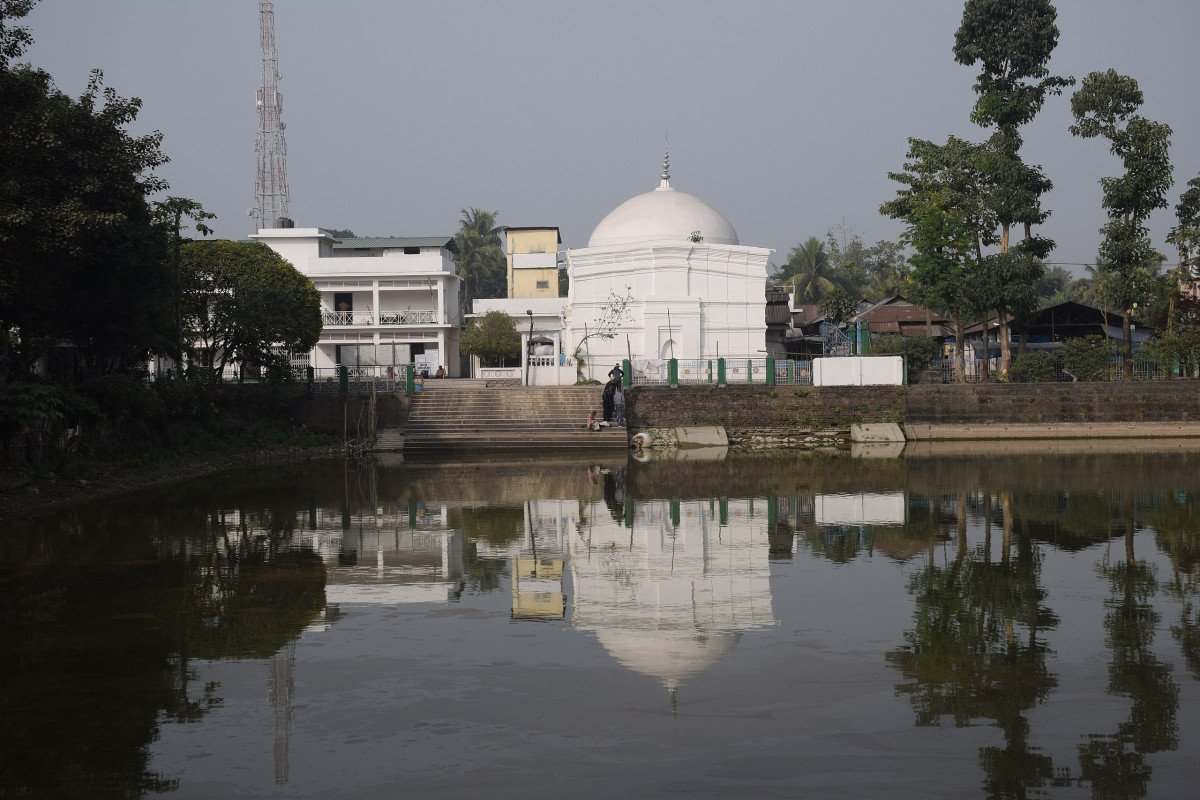
Front View from the Pond: The best spot to capture the entire temple complex is from across the large pond, including the reflection of the structure and the pond-side environment.
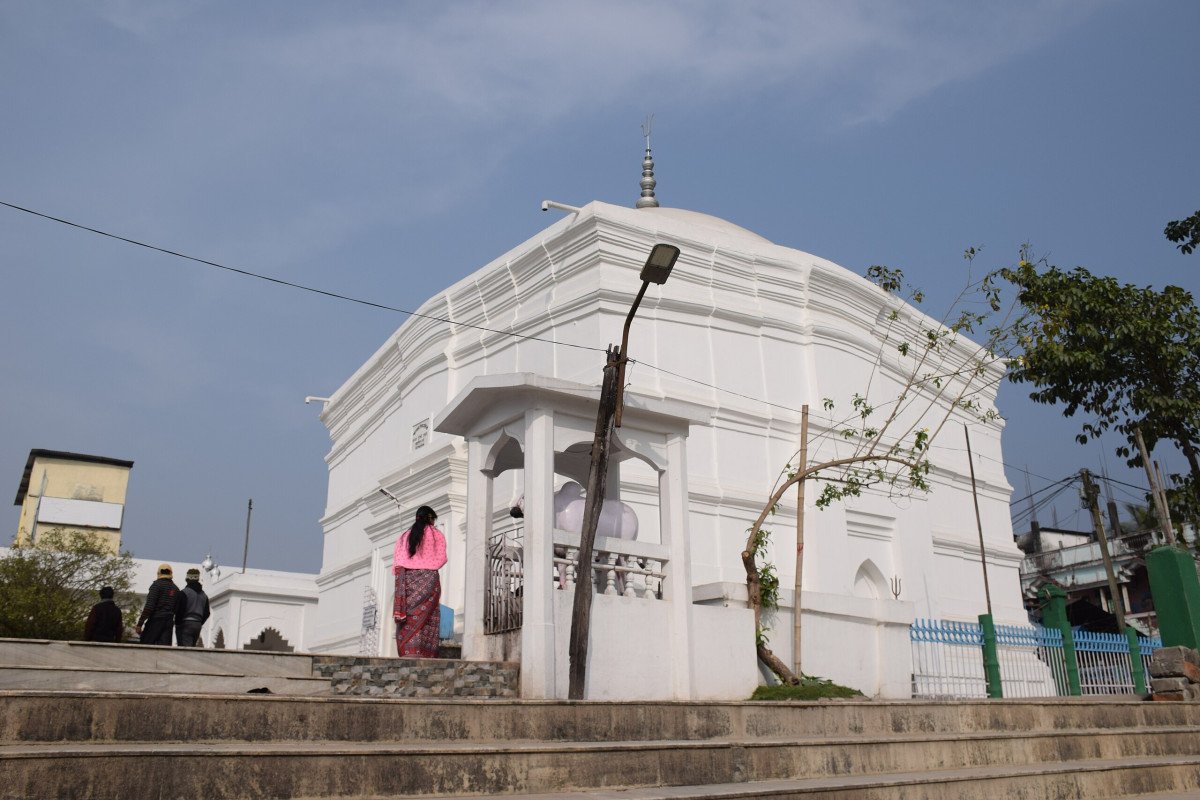
Near the Nandi Statue: The raised platform with the cement...Front View from the Pond: The best spot to capture the entire temple complex is from across the large pond, including the reflection of the structure and the pond-side environment.
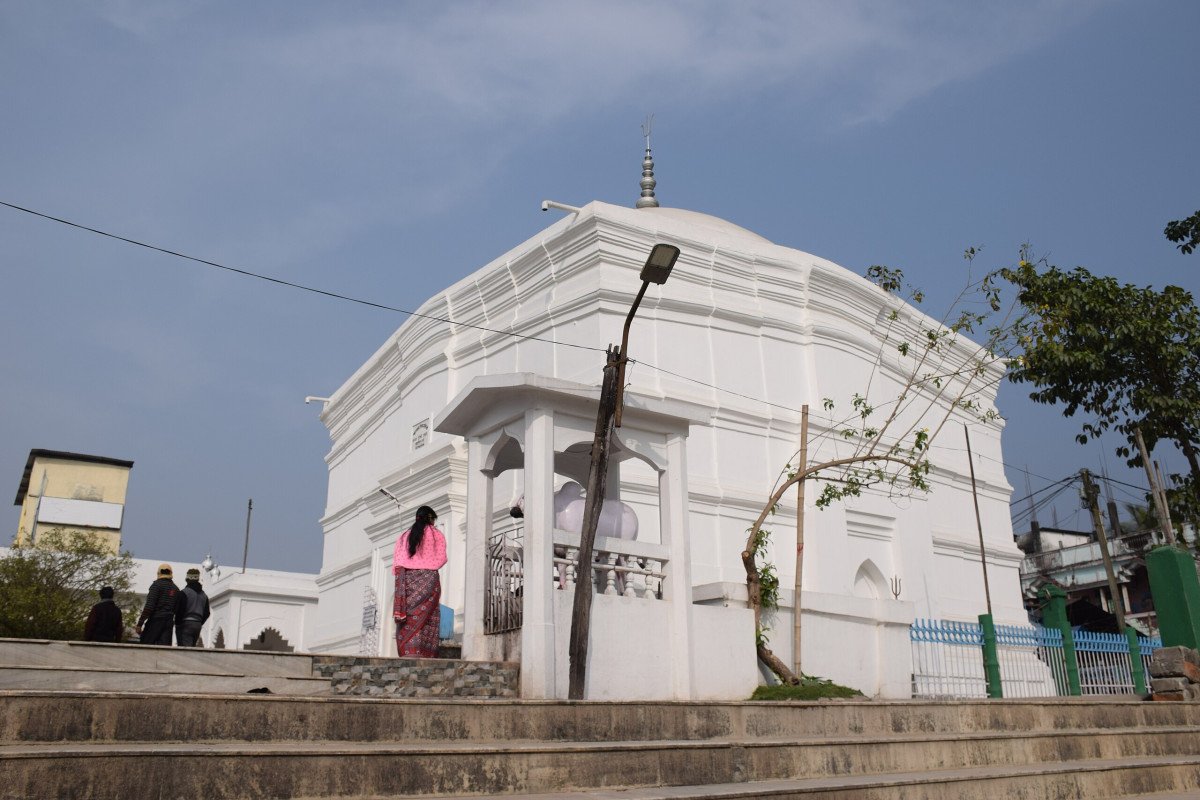
Near the Nandi Statue: The raised platform with the cement Nandi Bull is an excellent vantage point for capturing the main entrance and the architectural details of the structure.
Pond Edge (Tortoises): Close-up shots of the ancient tortoises swimming or basking near the edge of the pond are highly unique to this temple.
During Festivals: Capturing the crowd, the rituals, and the decorations during Maha Shivaratri offers vibrant cultural and spiritual photos.Photo Gallery
Things To Do
-
Offer Prayer and Darshan: The primary activity is visiting the main sanctum to offer prayers to Lord Baneswar (Shiva) and witness the unique, submerged Lingam.
Feed the Tortoises: Purchase some local food (often provided by vendors) and feed the sacred tortoises in the large pond, following the local customs and safety guidelines.
Circumambulation (Parikrama): Walk around the perimeter of the main temple structure and the pond to appreciate the architecture and the overall peaceful environment.
Visit the Ardhanariswar Shrine: Spend a quiet moment at the smaller shrine to see the Ardhanariswar idol.
Photography: Capture the unique structure of the temple and the tranquil scenery of the pond with the tortoises.
Information
-
Why Famous:
The Submerged Shiva Lingam: The most famous feature is the main Shiva Lingam, which is situated 10 feet below the plinth level. This rare and ancient feature makes the temple highly revered by devotees as a unique form of Shiva.
The ...
The Submerged Shiva Lingam: The most famous feature is the main Shiva Lingam, which is situated 10 feet below the plinth level. This rare and ancient feature makes the temple highly revered by devotees as a unique form of Shiva.
The Divine Tortoises ('Mohan'): The large pond on the temple grounds is famous for housing a large number of very old, sacred tortoises, locally considered divine. Feeding them is a popular and auspicious activity for visitors.
Movable Deity Significance: The smaller idol of Ardhanariswar is famous for its ceremonial transfer to the Madan Mohan Temple in Cooch Behar town during the Madan Chaturdashi and Dol Purnima festivals, linking the temple to the major royal traditions of the Koch kingdom.
Historical and Spiritual Center: Its antiquity and connection to the local legend of Raja Banasura (after whom the place is believed to be named) establish it as a core spiritual and historical pillar of the region. -
Architecture:
The temple exemplifies the traditional Bengal style of temple architecture, particularly adapted in the Koch kingdom, though with some distinctive local features.
Structure Style: The main temple is a square-based structure, which originally might have been of the...The temple exemplifies the traditional Bengal style of temple architecture, particularly adapted in the Koch kingdom, though with some distinctive local features.
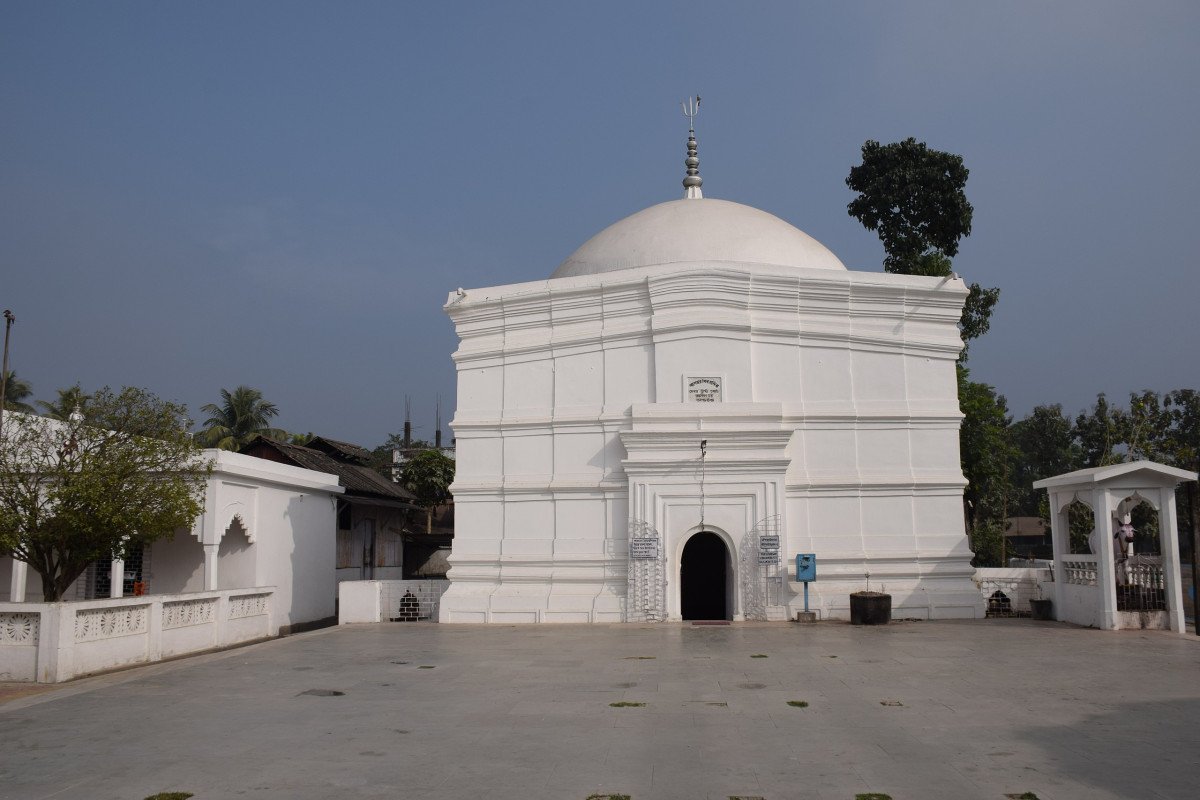
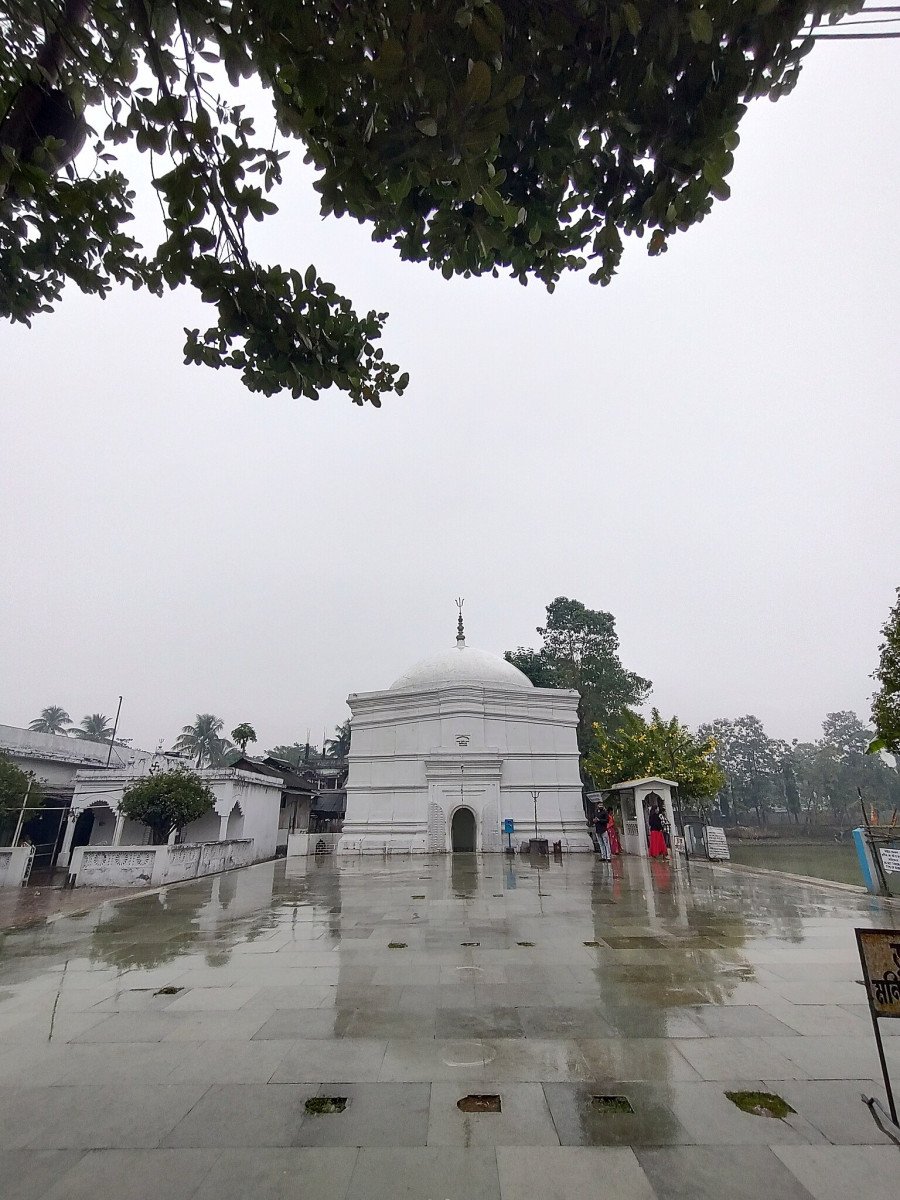
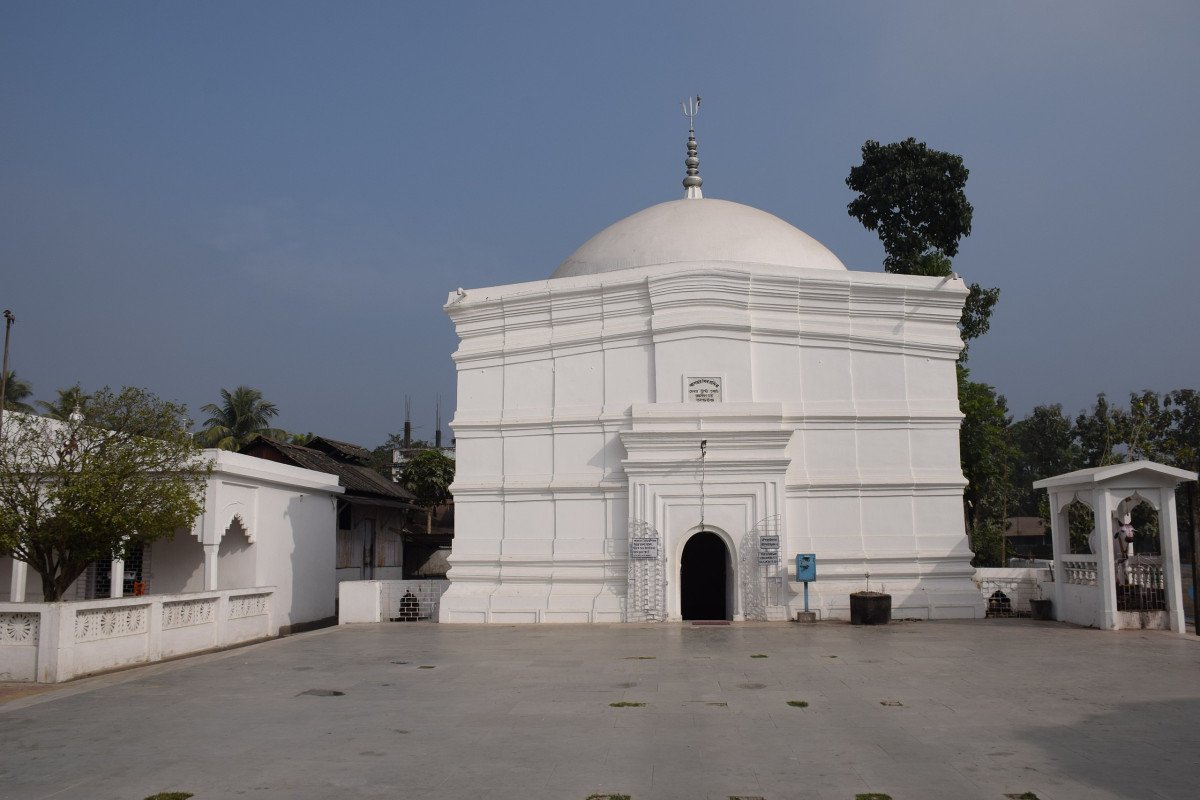
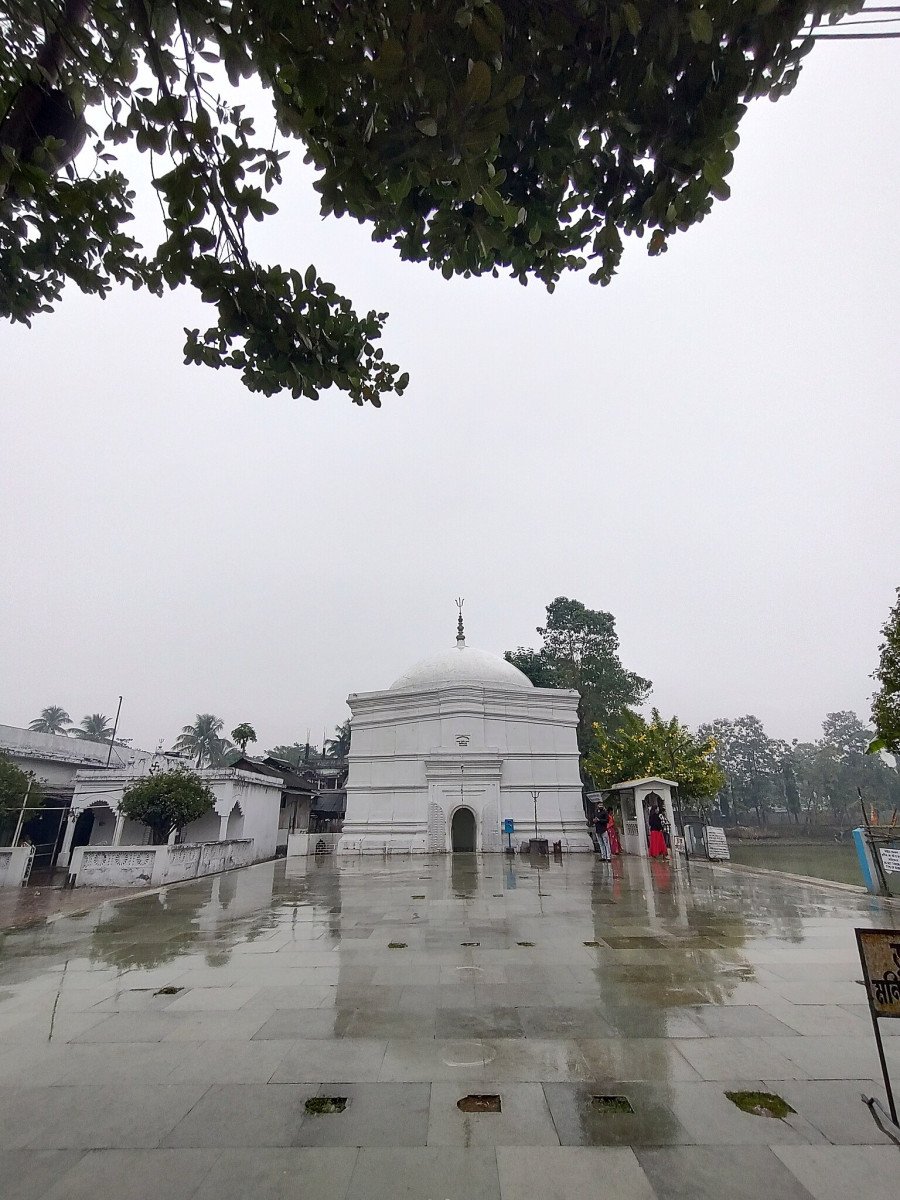
Structure Style: The main temple is a square-based structure, which originally might have been of the Rekha Deul or Aatchala (eight-roofed) type, though the current form shows a simple, squarish plan topped with a central dome and a slightly curved cornice, typical of later regional styles.
Dimension: The base measures approximately 9. 6 meters (31 feet) square. The walls are notably thick, about 2. 5 meters (8 feet 2 inches). The overall height is about 10. 9 meters (36 feet).
Garbhagriha (Sanctum): The sanctum sanctorum has a unique architectural feature: the Shiva Lingam is significantly submerged, about 3. 1 meters (10 feet) below the surrounding floor level, requiring devotees to look down or descend slightly. This unusual depth is a defining characteristic.
Entrances and Walls: The structure has two entrances, one on the east and one on the west. The exterior walls are relatively plain, with decorated narrow strips and a raised platform in the front, where a cement statue of Nandi (Shiva's bull) is placed.
Tank and Surroundings: The large, man-made pond (tank) next to the temple is an essential part of the complex, built to serve the community and is currently a habitat for the revered tortoises. -
How To Reach:
By Air: The nearest airport is Bagdogra Airport (IXB) (Approx. 160 KMS). From the airport, take a taxi to Cooch Behar town, and then an auto/taxi to Baneswar.
By Train: The nearest major railway station is New Cooch Behar Railway Station... -
Near Tourist Places:
1.
Cooch Behar Palace (Rajbari): (Approx. 10 KMS - Historical, Architectural) 2.
Madan Mohan Temple: (Approx. 10 KMS - Religious, Historical) 3.
Sagar Dighi: (Approx. 10 KMS - Landmark, Recreation) 4.
Bairagidighi: (Approx. 10. 5 KMS - Recreation, Landmark) 5.
Rajpat Religious Place: (Approx. 18 KMS - Religious, Historical) 6.
Rasikbil Bird Sanctuary: (Approx. 45 KMS - Wildlife, Nature) 7.
New Cooch Behar Railway Station: (Approx. 15 KMS - Transit Point) 8.
Kamateshwari Temple: (Approx. 60 KMS - Religious, Historical) 9.
Gostho Vihar: (Approx. 8 KMS - Park, Local Spot) 10.
Torsha River Bridge: (Approx. 12 KMS - Scenic Spot)
Tourism Tips
-
Health & Safety: Maintain cleanliness and respect the sanctity of the temple premises. The pond is a water body, so keep a close watch on children.
Packing: Wear comfortable, modest clothing suitable for a place of worship. Shoulders and...
Reviews
Cooch Behar Itineray And Cost:-
Baneswar Shiva Temple Tourism:-
Information about New and Updated Locations() of West Bengal Has Been Added :-
Card subtitle
Note:-
Information provided here in good Faith and for reference only.
All information and pictures will be updated soon, please keep visiting.
Near Places

Bairagidighi
Some quick example text to build on the card title and make up the bulk of the card's content.
Go somewhere
Baneswar Shiva Temple
Some quick example text to build on the card title and make up the bulk of the card's content.
Go somewhere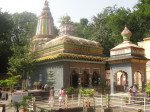
Baneswar Siva Temple
Some quick example text to build on the card title and make up the bulk of the card's content.
Go somewhere
Baradebi Bari
Some quick example text to build on the card title and make up the bulk of the card's content.
Go somewhere
Bhetaguri
Some quick example text to build on the card title and make up the bulk of the card's content.
Go somewhere
Chakchaka Rajbari
Some quick example text to build on the card title and make up the bulk of the card's content.
Go somewhere
Chilapata Forest
Some quick example text to build on the card title and make up the bulk of the card's content.
Go somewhere
Cooch Behar Palace
Some quick example text to build on the card title and make up the bulk of the card's content.
Go somewhere
Cooch Behar Rajbari Park
Some quick example text to build on the card title and make up the bulk of the card's content.
Go somewhere
Dangar Ayee Temple
Some quick example text to build on the card title and make up the bulk of the card's content.
Go somewherein Other Cities