

Chetlat
General information
-
Ideal Duration:
1 to 2 DaysPlace Type:
Island, Culture, BeachEntry Fees:
Place Entry Fees:
Permit and Fees: A standard entry permit is required; the cost is usually around INR 300 to INR 500, plus a small environmental cess for the island's upkeep.
Photography Permits: While gene...Place Entry Fees:
Permit and Fees: A standard entry permit is required; the cost is usually around INR 300 to INR 500, plus a small environmental cess for the island's upkeep.
Photography Permits: While general photography is free, professional videography or drone usage might require a special permit from the Lakshadweep administration.Timing:
Place Timings:
Operational Hours: The lighthouse is generally open for visitors from 3:00 PM to 5:00 PM, while the coir centers operate during normal daylight hours.
Best Visit Period: The months of November ...Place Timings:
Operational Hours: The lighthouse is generally open for visitors from 3:00 PM to 5:00 PM, while the coir centers operate during normal daylight hours.
Best Visit Period: The months of November and December offer the best combination of clear water and mild temperatures for all outdoor island activities.Special Events:
Place Special Event:
Traditional Festivals: Local community festivals often feature Oppana and Kolkali dances, performed with great energy and traditional music by the island's youth.
Fishing Season Launch: T...Place Special Event:
Traditional Festivals: Local community festivals often feature Oppana and Kolkali dances, performed with great energy and traditional music by the island's youth.
Fishing Season Launch: The start of the peak fishing season is marked by small community prayers and a gathering at the jetty to wish the fishermen safety and success.Best Photo Spots:
Place Best Photo Spots:
The Lighthouse Top: The view from the top provides a perfect circle of the island's coastline against the deep blue sea, an ideal shot for wide-angle lenses.
Coir Artisans: Candid shot...Place Best Photo Spots:
The Lighthouse Top: The view from the top provides a perfect circle of the island's coastline against the deep blue sea, an ideal shot for wide-angle lenses.
Coir Artisans: Candid shots of the women working with golden coir fibers in the soft morning light capture the true essence of Chetlat's daily life.
Storm-Beached Corals: The eastern side's piles of white coral offer a unique "moonscape" look that is perfect for artistic and high-contrast black and white photography.Photo Gallery
Things To Do
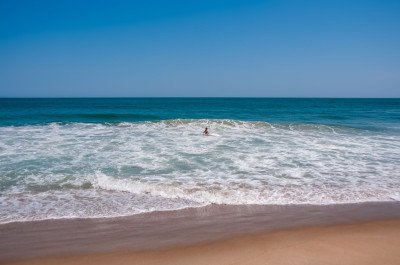 @@An Untouched Tropical Paradise: Chetlat Beach is the quintessential Lakshadweep experience, characterized by its pristine, sugary white coral sand and the mesmerizing turquoise gradient of the Arabian Sea. It runs along a significant portion of the island's western side, facing the expansive, calm lagoon. This beach is not a typical bustling tourist hub, but rather a serene retreat that embodies the untouched natural beauty the archipelago is famous for. The shore is fringed by swaying coconut palms, offering natural shade and a picture-perfect landscape. Unlike mainland beaches, the calm lagoon waters here are shallow and safe, making it an ideal spot for non-motorized water activities and safe swimming. The beach is a vital part of the island's ecosystem, acting as a potential nesting ground for several species of sea turtles. Visitors can enjoy long, quiet walks, collect seashells, and witness the unique sight of the shallow reef line visible during low tide. The atmosphere is one of profound tranquility, offering a genuine escape from the fast pace of modern life. The community maintains the beach with a strong commitment to cleanliness and environmental preservation, adhering to the principles of sustainable tourism that govern the entire Union Territory of Lakshadweep. This dedication ensures the continuation of its status as an unspoiled natural wonder. The sheer clarity of the water here allows for effortless observation of the marine life even from the shore, providing a constant connection to the vibrant underwater world just beyond the lagoon. The absence of commercial clutter further enhances its natural charm, creating a truly authentic island experience. The best moments are undoubtedly sunrise and sunset, when the vast sky paints a spectacular canvas over the ocean and the lagoon, making it a photographer's dream location. Its primary appeal is its peaceful, secluded nature and its role as a window into the simple, traditional island life of the Chetlat community. The beach is the heart of leisure on the island.
@@A Critical Habitat for Marine Life: The Turtle Nesting Beach on Chetlat Island represents a vital ecological zone, primarily serving as a protected nesting ground for various species of sea turtles, most commonly the Green Sea Turtle (Chelonia mydas) and, occasionally, the critically endangered Hawksbill Turtle (Eretmochelys imbricata). This area is less developed and more secluded than the main west coast beach, deliberately so to minimize human disturbance. The sand here is coarser and often mixed with more coral rubble, providing the necessary texture for the turtles to safely dig their deep egg chambers. The Lakshadweep Administration maintains a strict conservation policy over this area, and access is tightly regulated to ensure the reproductive cycle of these flagship species is not interrupted. @@Seasonal Nesting Patterns and Conservation: The peak nesting season typically runs from late December to March, with hatchlings emerging approximately 45-60 days later, from mid-February to May. Local islanders, in collaboration with the Forest Department and conservation NGOs like the Dakshin Foundation, often patrol the beach at night during the peak season to identify and monitor new nests. In rare cases, they may relocate eggs to a small, secure hatchery area to protect them from natural predators or high tides, though in-situ (on-site) nesting is preferred. This beach is a silent testament to the Union Territory's commitment to marine biodiversity. @@The Solitude and Pristine Condition: Due to its protected status and distance from the main village, the Turtle Nesting Beach offers a truly pristine and isolated coastal experience. The dense vegetation behind the beach quickly gives way to the open ocean, as this area lacks the large, protective lagoon found on the west side. This means the waves can be slightly rougher here, and the atmosphere is wilder and more untouched, appealing to the ecotourist seeking a genuine wilderness encounter.
@@An Untouched Tropical Paradise: Chetlat Beach is the quintessential Lakshadweep experience, characterized by its pristine, sugary white coral sand and the mesmerizing turquoise gradient of the Arabian Sea. It runs along a significant portion of the island's western side, facing the expansive, calm lagoon. This beach is not a typical bustling tourist hub, but rather a serene retreat that embodies the untouched natural beauty the archipelago is famous for. The shore is fringed by swaying coconut palms, offering natural shade and a picture-perfect landscape. Unlike mainland beaches, the calm lagoon waters here are shallow and safe, making it an ideal spot for non-motorized water activities and safe swimming. The beach is a vital part of the island's ecosystem, acting as a potential nesting ground for several species of sea turtles. Visitors can enjoy long, quiet walks, collect seashells, and witness the unique sight of the shallow reef line visible during low tide. The atmosphere is one of profound tranquility, offering a genuine escape from the fast pace of modern life. The community maintains the beach with a strong commitment to cleanliness and environmental preservation, adhering to the principles of sustainable tourism that govern the entire Union Territory of Lakshadweep. This dedication ensures the continuation of its status as an unspoiled natural wonder. The sheer clarity of the water here allows for effortless observation of the marine life even from the shore, providing a constant connection to the vibrant underwater world just beyond the lagoon. The absence of commercial clutter further enhances its natural charm, creating a truly authentic island experience. The best moments are undoubtedly sunrise and sunset, when the vast sky paints a spectacular canvas over the ocean and the lagoon, making it a photographer's dream location. Its primary appeal is its peaceful, secluded nature and its role as a window into the simple, traditional island life of the Chetlat community. The beach is the heart of leisure on the island.
@@A Critical Habitat for Marine Life: The Turtle Nesting Beach on Chetlat Island represents a vital ecological zone, primarily serving as a protected nesting ground for various species of sea turtles, most commonly the Green Sea Turtle (Chelonia mydas) and, occasionally, the critically endangered Hawksbill Turtle (Eretmochelys imbricata). This area is less developed and more secluded than the main west coast beach, deliberately so to minimize human disturbance. The sand here is coarser and often mixed with more coral rubble, providing the necessary texture for the turtles to safely dig their deep egg chambers. The Lakshadweep Administration maintains a strict conservation policy over this area, and access is tightly regulated to ensure the reproductive cycle of these flagship species is not interrupted. @@Seasonal Nesting Patterns and Conservation: The peak nesting season typically runs from late December to March, with hatchlings emerging approximately 45-60 days later, from mid-February to May. Local islanders, in collaboration with the Forest Department and conservation NGOs like the Dakshin Foundation, often patrol the beach at night during the peak season to identify and monitor new nests. In rare cases, they may relocate eggs to a small, secure hatchery area to protect them from natural predators or high tides, though in-situ (on-site) nesting is preferred. This beach is a silent testament to the Union Territory's commitment to marine biodiversity. @@The Solitude and Pristine Condition: Due to its protected status and distance from the main village, the Turtle Nesting Beach offers a truly pristine and isolated coastal experience. The dense vegetation behind the beach quickly gives way to the open ocean, as this area lacks the large, protective lagoon found on the west side. This means the waves can be slightly rougher here, and the atmosphere is wilder and more untouched, appealing to the ecotourist seeking a genuine wilderness encounter. @@An Architectural Link to the Past: The Chetlat Traditional Houses offer a fascinating window into the vernacular architecture and cultural heritage of the Lakshadweep islanders. Built predominantly from locally sourced materials, these homes are perfectly adapted to the tropical, humid, and salt-laden island environment. The basic structure typically uses limestone and coral stone blocks for the foundation and lower walls, providing a naturally cool interior and resistance to moisture. The most distinctive feature is the heavy reliance on wood from coconut and breadfruit trees for the framework, pillars, and especially the beautifully carved ceilings and roof structures. The design often incorporates a central open courtyard or a sheltered veranda, acting as a crucial element for air circulation and community interaction. The sloping roofs are traditionally covered with thatch or tiles to efficiently handle the heavy monsoon rains, reflecting a strong architectural influence from the nearby Kerala coast, modified for the coral atoll environment. Observing these homes provides a deep appreciation for the ingenuity of the islanders, who have sustained a unique lifestyle for centuries using the limited natural resources available on a tiny coral island. The preservation of this housing style is vital to maintaining the distinct cultural identity of Chetlat and the wider Lakshadweep archipelago. The houses are not just buildings; they are a living archive of the island's material culture, trade history, and social structure, often being passed down through generations.
@@Geographical Significance and Island Morphology: The Northern Tip View Point is defined by the Chetlat Lighthouse and the fascinating sand spit, a geological feature where the island's tapering shape, often compared to a fish, concludes. This point provides a dramatic visual contrast between the calm, shallow lagoon on the western side and the deeper, open waters of the Arabian Sea on the eastern side. The island itself is only about 2.5 KM long and 500 meters wide on average. The Northern Tip is perpetually shaped and reshaped by the ocean currents, leading to a small-scale, yearly growing and shrinking of the sand spit, making every visit a unique experience. This area is relatively uninhabited, offering a profound sense of solitude. @@History and Function of the Lighthouse: The viewpoint's key feature is the modern lighthouse, which has served as a critical navigational aid since the mid-1980s, ensuring the safety of passenger vessels and inter-island ships navigating the surrounding treacherous coral reefs. Before its construction, the tall coconut palms were the primary identifying marker for seafarers. The structure symbolizes the island's vital link to the mainland, Kochi, approximately 432 KM away. The continuous process of wave action and sand deposition highlights the dynamic ecology of this coral atoll. @@Ecosystem and Marine Life Observation: The clear waters around the Northern Tip are a prime location for observing the rich marine ecosystem. While not a designated snorkeling spot, the clarity allows for glimpses of the coral reef structure just offshore, and one may spot reef fish or even distant dolphins. The presence of dense coconut groves up to the shoreline adds to the tranquil, tropical atmosphere, creating a perfect backdrop for photography and quiet contemplation. The overall pristine condition of this northern end of the island is strictly protected under the Union Territory of Lakshadweep's conservation policies. The natural beauty here is a direct result of the controlled tourism model.
@@A Testament to Faith and Tradition: The Chetlat Central Mosque serves as the spiritual and cultural pivot of the island’s devout Muslim community. While not as historically grand as some mosques on larger Lakshadweep islands (like the Ujra Mosque on Kavaratti), it holds immense importance as the primary place of worship and community gathering. The architecture is simple yet elegant, reflecting the traditional island design ethos that prioritizes function, local materials, and understated beauty. The mosque is the location for the daily five prayers, and it becomes a vibrant hub of communal life, particularly during the Juma (Friday) prayers and major Islamic festivals like Eid-ul-Fitr and Eid-ul-Adha. Visitors can observe the deep spiritual commitment of the islanders, who trace the advent of Islam to this region back to the 7th century CE. The simplicity of the structure contrasts with the stunning natural backdrop of the island, offering a profound sense of peace. The area surrounding the mosque is often a gathering point for local elders, serving as an informal civic center where island matters are discussed and traditions are preserved. Its location in the heart of the village ensures its constant integration into the daily rhythm of Chetlat, making it an essential point of cultural observation for respectful visitors. The mosque symbolizes the preservation of the unique Mappila-Islamic heritage of Lakshadweep, which has evolved distinctively from mainland influences. Its serene environment provides a contemplative break from the more active water sports and beach exploration activities. The structure itself is a powerful reminder that the island's culture and faith are inextricably linked to its identity. The maintenance of the mosque is a community effort, highlighting the strong social cohesion among the residents.
@@The Prime Hub for Adventure Tourism: The local Water Sports Facility in Chetlat is the island's single most important hub for tourism and recreational activities. Strategically located right on the calm, clear waters of the western lagoon, this facility offers a range of non-motorized and soft-adventure water sports that capitalize on the lagoon's sheltered, shallow environment. The entire Lakshadweep tourism model, run by the government's SPORTS (Society for Promotion of Nature Tourism and Sports), focuses on eco-friendly, low-impact activities. This facility provides direct access to the vibrant coral reefs and the diverse marine life within the lagoon area, making it an essential first stop for any visitor looking for action on the water. @@Safety and Infrastructure: The center is equipped with basic, but essential, tourism infrastructure, including a small ticket/rental office, life jacket storage, and designated launch points for equipment like kayaks and canoes. All activities are conducted under the supervision of local, trained islanders who are certified in basic rescue and first aid. The lagoon's inherent safety—shallow depth and protection from the open sea waves by the barrier reef—makes it an ideal location for beginners to learn activities like snorkeling and kayaking. The proximity to the main jetty ensures easy access and quick mobilization in case of any emergency. @@Activities and Equipment Focus: The facility's inventory emphasizes manual and wind-powered crafts to adhere to the low-impact environmental policy. Common equipment available includes double-seater kayaks, single-seater kayaks, pedal boats, snorkeling gear (masks, fins, life jackets), and occasionally, a glass-bottomed boat for non-swimmers. The facility is the launchpad for all underwater and surface activities that explore the beauty of the Chetlat lagoon and its coral ecosystem.
@@The Lifeline of the Island: The Coconut Plantation Area at the southern end of Chetlat Island is more than just a beautiful landscape; it is the economic and cultural lifeline of the entire community. As a coral atoll, the land is precious and almost entirely given over to the cultivation of the coconut palm, the single most important crop and resource for the islanders. These dense, sprawling groves provide virtually everything the community needs: the nuts for food and oil, the husks for coir fiber (the primary industry), the shells for fuel and handicrafts, and the timber for construction of traditional houses. The sight of thousands of tall, slender palms swaying gently in the Arabian Sea breeze is profoundly tropical and creates a spectacular contrast with the white coral sand and the surrounding blue waters. Walking through the grove offers a cool, shaded retreat from the beach and an intimate look at the source of the island's prosperity. The density of the plantation is a testament to the efficient and sustainable land use practices developed by the islanders over centuries. It's a place to observe the entire cycle of coconut harvesting, processing, and craft-making. The sheer scale of the plantation, covering a significant portion of the island's 1.174 sq. km area, demonstrates the Monoculture economy of Lakshadweep. This area is a living, working landscape, not a manicured park, offering an authentic glimpse into the daily hard work and traditional methods that sustain the island’s way of life.Show All
@@The Phenomenon of the West Coast Sunset: The Sunset View Point on the west coast of Chetlat is arguably the island's most popular evening destination. The west coast is characterized by the expansive, shallow lagoon protected by the outer reef. As the sun begins its descent, the lagoon's calm, crystal-clear water acts as an enormous, perfect mirror, reflecting the vibrant colors of the sky. This is a dramatic contrast to the sunsets seen from the east coast, which lack the reflective lagoon. The vantage point is typically near the main jetty area or a short walk south, where an uninterrupted horizon view is possible. This geographical feature allows the light show to last longer as the sky, the water, and the wet sand all glow in unison. @@Community Gathering and Atmosphere: Unlike the solitude of the Northern Tip, this location becomes a gentle hub of local and tourist activity in the evening. Islanders gather here for their evening walk, social interaction, and to watch the day close. The atmosphere is peaceful yet communal, often with the sounds of children playing and the gentle lapping of waves. The presence of local food vendors selling light snacks or fresh coconut water can further enhance the experience. The simplicity of the setup—a natural, pristine beach—is its greatest charm. @@Geological and Marine Observation: The visibility of the reef structure and the lagoon at sunset is breathtaking. At low tide, the coral skeletons and marine life are visible through the shallows. The reef break in the distance creates a line on the water, separating the inner calm from the outer currents. This spot is a perfect place to conclude a day of water activities, watching the water sports equipment being packed up as the light fades. The uninterrupted view across the vast Arabian Sea highlights the island's isolation.
@@An Architectural Link to the Past: The Chetlat Traditional Houses offer a fascinating window into the vernacular architecture and cultural heritage of the Lakshadweep islanders. Built predominantly from locally sourced materials, these homes are perfectly adapted to the tropical, humid, and salt-laden island environment. The basic structure typically uses limestone and coral stone blocks for the foundation and lower walls, providing a naturally cool interior and resistance to moisture. The most distinctive feature is the heavy reliance on wood from coconut and breadfruit trees for the framework, pillars, and especially the beautifully carved ceilings and roof structures. The design often incorporates a central open courtyard or a sheltered veranda, acting as a crucial element for air circulation and community interaction. The sloping roofs are traditionally covered with thatch or tiles to efficiently handle the heavy monsoon rains, reflecting a strong architectural influence from the nearby Kerala coast, modified for the coral atoll environment. Observing these homes provides a deep appreciation for the ingenuity of the islanders, who have sustained a unique lifestyle for centuries using the limited natural resources available on a tiny coral island. The preservation of this housing style is vital to maintaining the distinct cultural identity of Chetlat and the wider Lakshadweep archipelago. The houses are not just buildings; they are a living archive of the island's material culture, trade history, and social structure, often being passed down through generations.
@@Geographical Significance and Island Morphology: The Northern Tip View Point is defined by the Chetlat Lighthouse and the fascinating sand spit, a geological feature where the island's tapering shape, often compared to a fish, concludes. This point provides a dramatic visual contrast between the calm, shallow lagoon on the western side and the deeper, open waters of the Arabian Sea on the eastern side. The island itself is only about 2.5 KM long and 500 meters wide on average. The Northern Tip is perpetually shaped and reshaped by the ocean currents, leading to a small-scale, yearly growing and shrinking of the sand spit, making every visit a unique experience. This area is relatively uninhabited, offering a profound sense of solitude. @@History and Function of the Lighthouse: The viewpoint's key feature is the modern lighthouse, which has served as a critical navigational aid since the mid-1980s, ensuring the safety of passenger vessels and inter-island ships navigating the surrounding treacherous coral reefs. Before its construction, the tall coconut palms were the primary identifying marker for seafarers. The structure symbolizes the island's vital link to the mainland, Kochi, approximately 432 KM away. The continuous process of wave action and sand deposition highlights the dynamic ecology of this coral atoll. @@Ecosystem and Marine Life Observation: The clear waters around the Northern Tip are a prime location for observing the rich marine ecosystem. While not a designated snorkeling spot, the clarity allows for glimpses of the coral reef structure just offshore, and one may spot reef fish or even distant dolphins. The presence of dense coconut groves up to the shoreline adds to the tranquil, tropical atmosphere, creating a perfect backdrop for photography and quiet contemplation. The overall pristine condition of this northern end of the island is strictly protected under the Union Territory of Lakshadweep's conservation policies. The natural beauty here is a direct result of the controlled tourism model.
@@A Testament to Faith and Tradition: The Chetlat Central Mosque serves as the spiritual and cultural pivot of the island’s devout Muslim community. While not as historically grand as some mosques on larger Lakshadweep islands (like the Ujra Mosque on Kavaratti), it holds immense importance as the primary place of worship and community gathering. The architecture is simple yet elegant, reflecting the traditional island design ethos that prioritizes function, local materials, and understated beauty. The mosque is the location for the daily five prayers, and it becomes a vibrant hub of communal life, particularly during the Juma (Friday) prayers and major Islamic festivals like Eid-ul-Fitr and Eid-ul-Adha. Visitors can observe the deep spiritual commitment of the islanders, who trace the advent of Islam to this region back to the 7th century CE. The simplicity of the structure contrasts with the stunning natural backdrop of the island, offering a profound sense of peace. The area surrounding the mosque is often a gathering point for local elders, serving as an informal civic center where island matters are discussed and traditions are preserved. Its location in the heart of the village ensures its constant integration into the daily rhythm of Chetlat, making it an essential point of cultural observation for respectful visitors. The mosque symbolizes the preservation of the unique Mappila-Islamic heritage of Lakshadweep, which has evolved distinctively from mainland influences. Its serene environment provides a contemplative break from the more active water sports and beach exploration activities. The structure itself is a powerful reminder that the island's culture and faith are inextricably linked to its identity. The maintenance of the mosque is a community effort, highlighting the strong social cohesion among the residents.
@@The Prime Hub for Adventure Tourism: The local Water Sports Facility in Chetlat is the island's single most important hub for tourism and recreational activities. Strategically located right on the calm, clear waters of the western lagoon, this facility offers a range of non-motorized and soft-adventure water sports that capitalize on the lagoon's sheltered, shallow environment. The entire Lakshadweep tourism model, run by the government's SPORTS (Society for Promotion of Nature Tourism and Sports), focuses on eco-friendly, low-impact activities. This facility provides direct access to the vibrant coral reefs and the diverse marine life within the lagoon area, making it an essential first stop for any visitor looking for action on the water. @@Safety and Infrastructure: The center is equipped with basic, but essential, tourism infrastructure, including a small ticket/rental office, life jacket storage, and designated launch points for equipment like kayaks and canoes. All activities are conducted under the supervision of local, trained islanders who are certified in basic rescue and first aid. The lagoon's inherent safety—shallow depth and protection from the open sea waves by the barrier reef—makes it an ideal location for beginners to learn activities like snorkeling and kayaking. The proximity to the main jetty ensures easy access and quick mobilization in case of any emergency. @@Activities and Equipment Focus: The facility's inventory emphasizes manual and wind-powered crafts to adhere to the low-impact environmental policy. Common equipment available includes double-seater kayaks, single-seater kayaks, pedal boats, snorkeling gear (masks, fins, life jackets), and occasionally, a glass-bottomed boat for non-swimmers. The facility is the launchpad for all underwater and surface activities that explore the beauty of the Chetlat lagoon and its coral ecosystem.
@@The Lifeline of the Island: The Coconut Plantation Area at the southern end of Chetlat Island is more than just a beautiful landscape; it is the economic and cultural lifeline of the entire community. As a coral atoll, the land is precious and almost entirely given over to the cultivation of the coconut palm, the single most important crop and resource for the islanders. These dense, sprawling groves provide virtually everything the community needs: the nuts for food and oil, the husks for coir fiber (the primary industry), the shells for fuel and handicrafts, and the timber for construction of traditional houses. The sight of thousands of tall, slender palms swaying gently in the Arabian Sea breeze is profoundly tropical and creates a spectacular contrast with the white coral sand and the surrounding blue waters. Walking through the grove offers a cool, shaded retreat from the beach and an intimate look at the source of the island's prosperity. The density of the plantation is a testament to the efficient and sustainable land use practices developed by the islanders over centuries. It's a place to observe the entire cycle of coconut harvesting, processing, and craft-making. The sheer scale of the plantation, covering a significant portion of the island's 1.174 sq. km area, demonstrates the Monoculture economy of Lakshadweep. This area is a living, working landscape, not a manicured park, offering an authentic glimpse into the daily hard work and traditional methods that sustain the island’s way of life.Show All
@@The Phenomenon of the West Coast Sunset: The Sunset View Point on the west coast of Chetlat is arguably the island's most popular evening destination. The west coast is characterized by the expansive, shallow lagoon protected by the outer reef. As the sun begins its descent, the lagoon's calm, crystal-clear water acts as an enormous, perfect mirror, reflecting the vibrant colors of the sky. This is a dramatic contrast to the sunsets seen from the east coast, which lack the reflective lagoon. The vantage point is typically near the main jetty area or a short walk south, where an uninterrupted horizon view is possible. This geographical feature allows the light show to last longer as the sky, the water, and the wet sand all glow in unison. @@Community Gathering and Atmosphere: Unlike the solitude of the Northern Tip, this location becomes a gentle hub of local and tourist activity in the evening. Islanders gather here for their evening walk, social interaction, and to watch the day close. The atmosphere is peaceful yet communal, often with the sounds of children playing and the gentle lapping of waves. The presence of local food vendors selling light snacks or fresh coconut water can further enhance the experience. The simplicity of the setup—a natural, pristine beach—is its greatest charm. @@Geological and Marine Observation: The visibility of the reef structure and the lagoon at sunset is breathtaking. At low tide, the coral skeletons and marine life are visible through the shallows. The reef break in the distance creates a line on the water, separating the inner calm from the outer currents. This spot is a perfect place to conclude a day of water activities, watching the water sports equipment being packed up as the light fades. The uninterrupted view across the vast Arabian Sea highlights the island's isolation.Information
-
Why Famous:
Why Famous Place:
Handicraft Excellence: Chetlat is famous across the territory for its high-quality coir mats and traditional handicrafts produced by the local women's cooperatives.
Northern Frontier: As the...Why Famous Place:
Handicraft Excellence: Chetlat is famous across the territory for its high-quality coir mats and traditional handicrafts produced by the local women's cooperatives.
Northern Frontier: As the northernmost inhabited point, it offers a unique sense of being at the edge of the archipelago, far from the more tourist-heavy southern islands.
Rich Marine Life: It is a major center for the fishing industry, particularly known for its abundant tuna catch and the healthy state of its surrounding coral reefs. -
Architecture:
Place Architecture:
Island Lighthouse: The Chetlat Lighthouse is a significant architectural landmark, standing over 30 meters tall and providing a vital guide for ships in the northern sea.
Coir Sheds: Uniqu...Place Architecture:
Island Lighthouse: The Chetlat Lighthouse is a significant architectural landmark, standing over 30 meters tall and providing a vital guide for ships in the northern sea.
Coir Sheds: Unique community structures where women gather for coir weaving, designed with open sides to allow for cross-ventilation and natural lighting.
Traditional Mosques: The island's mosques are built with a blend of local coral stone and wood, featuring simple but elegant dimensions typical of the Amindivi style. -
How To Reach:
Place How to Reach:
By Air: Fly to Agatti first, then take a speedboat or a helicopter to Chetlat. The boat ride can take several hours depending on the sea conditions.
By Train: Reach Kochi or Mangalore by ...Place How to Reach:
By Air: Fly to Agatti first, then take a speedboat or a helicopter to Chetlat. The boat ride can take several hours depending on the sea conditions.
By Train: Reach Kochi or Mangalore by rail; from there, you must take a ship that includes Chetlat in its northern island circuit route.
By Road: Like other islands, there are no cars; the island is small enough to be explored entirely on foot or by using a bicycle which can be hired locally.
By Local Transport: High-speed ferries from Kavaratti or Agatti are the most common way for tourists to reach this remote northern destination during the season. -
Weather and Best Time to Visit:
Place Best Time to Visit:
Post-Monsoon: The best time is between October and March when the sea is calm enough for the long boat journey required to reach the island.
Afternoon Breeze: The late afternoon, aro...Place Best Time to Visit:
Post-Monsoon: The best time is between October and March when the sea is calm enough for the long boat journey required to reach the island.
Afternoon Breeze: The late afternoon, around 4:00 PM, is the most pleasant time for a walk as the sea breeze cools down the tropical island humidity. -
Near Tourist Places:
Bitra (41 KM), Kiltan (37 KM), Amini (56 KM), Kadmat (65 KM), Agatti (120 KM), Kavaratti (150 KM), Andrott (180 KM), Kalpeni (230 KM), Minicoy (330 KM), Kochi (432 KM)
Tourism Tips
-
Place Tourism Tips:
Plan Ahead: Because Chetlat is remote, boat schedules can be irregular; always have a buffer day in your itinerary to account for potential sea delays.
Carry Essentials: There are very fe...Place Tourism Tips:
Plan Ahead: Because Chetlat is remote, boat schedules can be irregular; always have a buffer day in your itinerary to account for potential sea delays.
Carry Essentials: There are very few shops on the island; carry your own toiletries, medicines, and any specific snacks you might need for your stay.
Respect Local Life: The community is close-knit and traditional; dress appropriately and always be polite when entering communal areas or visiting the coir sheds.
Sustainable Travel: Help keep the northernmost island clean by taking all your non-biodegradable waste back with you to the mainland for proper disposal.
Reviews
FAQs
Chetlat Itineray And Cost:-
Other States In India :-
Information about New and Updated Locations() of Lakshadweep Has Been Added :-
Card subtitle
Note:-
Information provided here in good Faith and for reference only.
Near Places
Agatti
Some quick example text to build on the card title and make up the bulk of the card's content.
Go somewhere
Amini
Some quick example text to build on the card title and make up the bulk of the card's content.
Go somewhere
Andrott
Some quick example text to build on the card title and make up the bulk of the card's content.
Go somewhere
Bitra
Some quick example text to build on the card title and make up the bulk of the card's content.
Go somewhere
Chetlat
Some quick example text to build on the card title and make up the bulk of the card's content.
Go somewhere
Kadmat
Some quick example text to build on the card title and make up the bulk of the card's content.
Go somewhere
Kalpeni
Some quick example text to build on the card title and make up the bulk of the card's content.
Go somewhere
Kavaratti
Some quick example text to build on the card title and make up the bulk of the card's content.
Go somewhere
Kiltan
Some quick example text to build on the card title and make up the bulk of the card's content.
Go somewhere
Minicoy
Some quick example text to build on the card title and make up the bulk of the card's content.
Go somewherein Other Cities