...

FAQs On Cooch Behar Palace

Cooch Behar, West Bengal, India
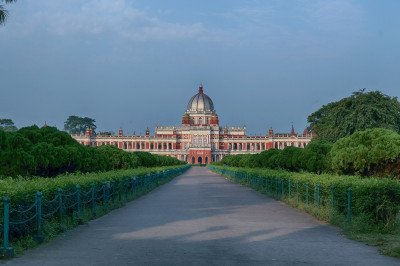
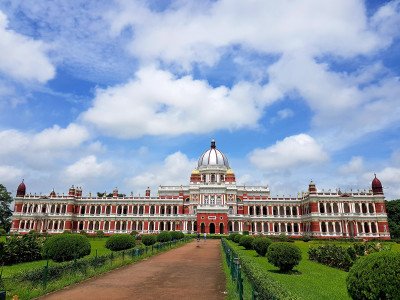
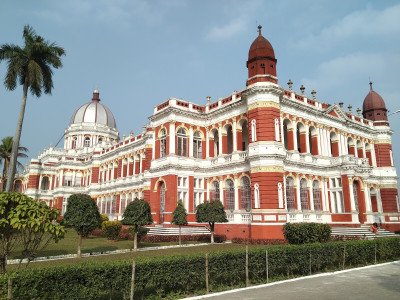
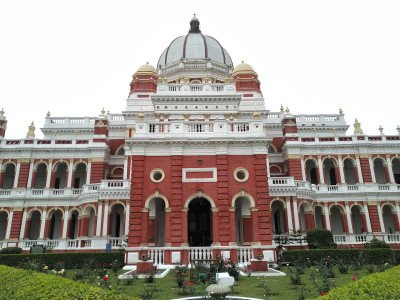
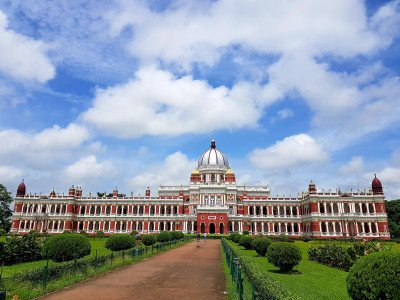
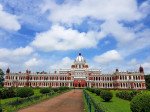
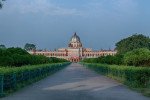
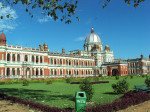
The Cooch Behar Palace, also known as the Victor Jubilee Palace or Rajbari, is the foremost tourist attraction in Cooch Behar. Built in 1887 during the reign of Maharaja Nripendra Narayan, the palace is a stunning example of European architectural influence in India. Its design was inspired by the B uckingham Palace in London and follows the Italian Renaissance style. This magnificent double-storey brick structure served as the residence and administrative centre of the Koch royal family. The palace survived the great 1897 Assam earthquake, although the original three-storey structure was partially destroyed. Today, the palace is preserved by the Archaeological Survey of India (ASI) and houses a museum displaying artifacts, paintings, and royal memorabilia, offering a glimpse into the luxurious lifestyle and history of the Koch dynasty. The palace is noted for its elegance, grandeur, and symmetrical facade, standing amidst sprawling, well-maintained lawns.

Ans:- Answer: Currently, there are no regular light and sound shows like those found in larger cities. However, the palace is beautifully illuminated during special occasions and festivals like the "Ras Mela" or Independence Day, making it a spectacular sight to behold at night from the outside.

Ans:- Answer: No, private events like weddings or parties are not allowed within the palace or its immediate gardens because it is a protected heritage site and a national museum. The palace is strictly for tourism and educational purposes to honor the history of the region.

Ans:- Answer: The best time to visit is during the winter months from October to March. The weather is pleasant for exploring the vast gardens and the museum. Additionally, the famous Ras Mela takes place in Cooch Behar during November, which adds a festive touch to the trip.

Ans:- Answer: The Cooch Behar Palace is generally open to the public from 10:00 AM to 5:00 PM. It is important to note that the palace museum is usually closed on Fridays. It is best to visit during the weekdays to avoid the heavy weekend crowds and enjoy the grandeur peacefully.

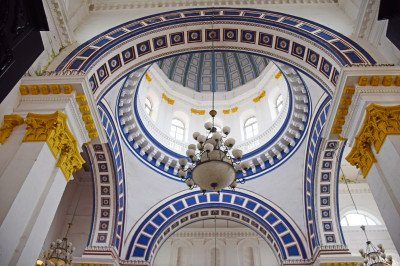
Ans:- Answer: The Cooch Behar Palace, also known as the Victor Jubilee Palace, is modeled after the Buckingham Palace in London. It features a stunning Italian Renaissance style with classical columns, a grand dome, and intricate masonry. It was built in 1887 during the reign of Maharaja Nripendra Narayan.

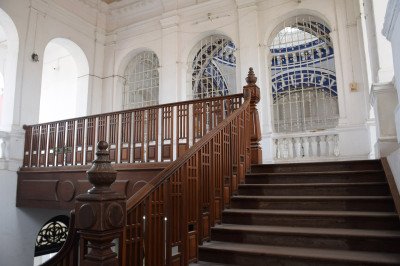
Ans:- Answer: The ground floor and the museum galleries are relatively easy to access for elderly visitors. However, reaching the upper floor requires climbing a grand staircase, which might be challenging for some. The surrounding garden has paved paths that are suitable for leisurely walks.

Ans:- Answer: The museum inside the palace houses a magnificent collection of royal artifacts, including oil paintings, ancient weapons, chandeliers, and rare photographs of the royal family. There are also specialized galleries displaying the tribal heritage and historical documents of the erstwhile princely state of Cooch Behar.

Ans:- Answer: The New Cooch Behar Railway Station is approximately 5 to 6 kilometers away from the palace. You can easily find auto-rickshaws, Totos, or taxis from the station that will take you directly to the palace gates in about 15 to 20 minutes.

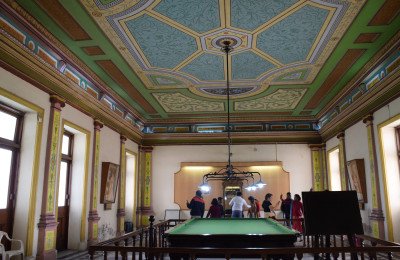
Ans:- Answer: The palace is a massive two-story structure covering an area of over 51,000 square feet. It contains over 50 rooms, including the Durbar Hall, bedrooms, dressing rooms, dining rooms, and a billiard room. While not all rooms are open to the public, the museum covers several significant areas.

Ans:- Answer: The palace was designed and built under the supervision of the Public Works Department of the British government, with major design contributions from European architects. It was intended to reflect the modern and Westernized tastes of Maharaja Nripendra Narayan, who wanted a residence of global standards.

Ans:- Answer: There are no major restaurants inside the palace grounds, but there are small kiosks selling water and light snacks near the entrance. For a full meal, there are many local restaurants and cafes located just outside the palace gates in the main town area.

Ans:- Answer: Yes, the Cooch Behar Palace is a protected monument under the Archaeological Survey of India (ASI). The ASI is responsible for its maintenance, restoration, and the operation of the museum, ensuring that this historical gem is preserved for future generations.
Information about New and Updated Locations(575+) of West Bengal Has Been Added :-
Card subtitle

Note:-

Information provided here in good Faith and for reference only.

All information and pictures will be updated soon, please keep visiting.

Near Places

...
Bairagidighi

Some quick example text to build on the card title and make up the bulk of the card's content.

Go somewhere
...
Baneswar Shiva Temple

Some quick example text to build on the card title and make up the bulk of the card's content.

Go somewhere
...
Baneswar Siva Temple

Some quick example text to build on the card title and make up the bulk of the card's content.

Go somewhere
...
Baradebi Bari

Some quick example text to build on the card title and make up the bulk of the card's content.

Go somewhere

...
Bhetaguri

Some quick example text to build on the card title and make up the bulk of the card's content.

Go somewhere
...
Chakchaka Rajbari

Some quick example text to build on the card title and make up the bulk of the card's content.

Go somewhere

...
Chilapata Forest

Some quick example text to build on the card title and make up the bulk of the card's content.

Go somewhere
...
Cooch Behar Palace

Some quick example text to build on the card title and make up the bulk of the card's content.

Go somewhere
...
Cooch Behar Rajbari Park

Some quick example text to build on the card title and make up the bulk of the card's content.

Go somewhere
...
Dangar Ayee Temple

Some quick example text to build on the card title and make up the bulk of the card's content.

Go somewhere
in Other Cities