...

FAQs On Amrakunja

Shantiniketan, West Bengal, India
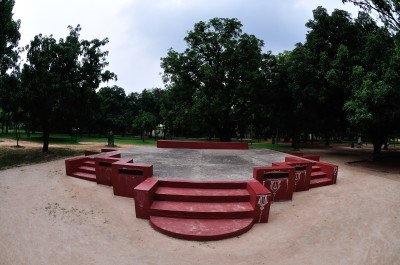
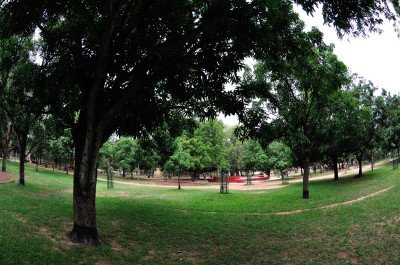
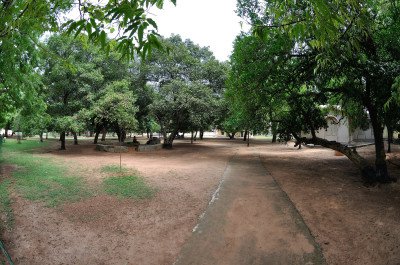
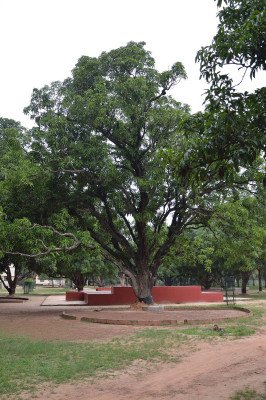
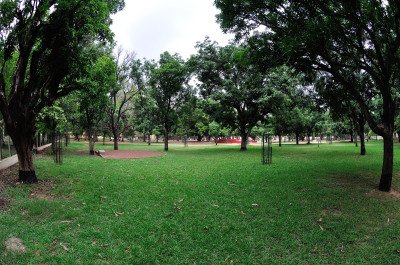
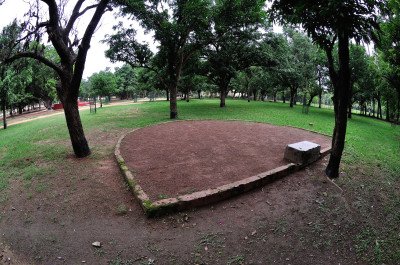
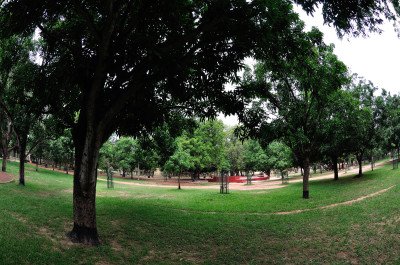
Amrakunja, literally meaning "Mango Grove," is one of the most historically and philosophically significant spots in Shantiniketan. It is a tranquil, shaded area within the Visva-Bharati University campus, defined by its mature mango trees. This grove embodies the foundational vision of Rabindranath Tagore's father, Maharshi Debendranath Tagore, and later Rabindranath Tagore, who believed in the philosophy of education amidst nature. In the early days of the Ashram and the school (later Visva-Bharati), Amrakunja served as the primary open-air classroom (muktangan), where students sat on simple earthen platforms beneath the canopy of trees to learn. This concept was a radical departure from the rigid, enclosed colonial schooling system, fostering a free-spirited, interactive, and nature-integrated approach to learning. Today, while most regular classes have moved into buildings, Amrakunja remains a cherished spot. It continues to be the venue for major cultural events, assemblies, and the annual university convocation, where the philosophy of the open-air education is symbolically reaffirmed. Visitors are drawn to its serene atmosphere, which perfectly reflects Shantiniketan's core identity as an "Abode of Peace."

Ans:- Amrakunja, or the Mango Grove, holds immense historical and cultural significance as it is the place where Rabindranath Tagore conducted open-air classes for students of Visva-Bharati. This serene spot represents the unique 'Ashramite' education system promoted by Tagore, emphasizing learning in close communion with nature. Today, it remains a hallowed site where visitors can experience the tranquil atmosphere that fostered creative and intellectual growth, reflecting the core philosophy of freedom and harmony between humans and the environment that defined the Shantiniketan ethos.

Ans:- Yes, visitors are generally allowed to walk through and explore the Amrakunja area as part of the wider Shantiniketan campus tours. It is an open, natural grove that provides a peaceful ambiance, making it a popular spot for tourists to sit, reflect, and appreciate the history of the institution. However, visitors are expected to maintain silence and respect the sanctity of the academic environment, especially since classes and institutional activities may still be taking place in the nearby vicinity of the university.

Ans:- There is typically no specific entry fee required to visit the open areas like Amrakunja, as it is an integral part of the Visva-Bharati University campus landscape. While some specific museums or heritage buildings within Shantiniketan might charge a nominal entry fee, the Mango Grove is largely accessible to the public free of charge. Visitors should always be mindful of signage or local rules that might occasionally restrict access during special university events, examinations, or official ceremonies held within the campus grounds.

Ans:- The best time to visit Amrakunja is during the cooler months, specifically from November to February, when the weather in West Bengal is pleasant and comfortable for walking around. Visiting during the spring, especially around the time of the Pous Mela or Basanta Utsav, allows tourists to experience the vibrant cultural atmosphere of Shantiniketan in full swing. The grove itself offers cool shade, making it a refreshing stop even in the warmer months, but the overall experience is much more enjoyable during the winter season.

Ans:- Photography is generally permitted for personal use at Amrakunja, allowing visitors to capture the serene beauty of the mango trees and the historic atmosphere of the site. However, it is essential to be respectful and avoid disturbing any ongoing academic activities, research work, or the privacy of students and faculty members in the area. Using professional equipment, tripods, or staging commercial photoshoots usually requires prior permission from the university authorities. Always look for any specific signboards regarding photography restrictions in the immediate vicinity of sensitive buildings.

Ans:- Amrakunja is a wonderful spot for a family visit, as children can enjoy the natural, open environment, which offers a break from the hustle and bustle of city life. The spacious, shady grove provides a safe space for walking and experiencing the quiet beauty of nature, which aligns with Tagore's vision of an educational space. Parents should ensure that children remain supervised to avoid disturbing any academic activities nearby and to preserve the tranquility of the area. It serves as a great educational stop to learn about Tagore.

Ans:- Amrakunja is historically renowned as the site where Rabindranath Tagore experimented with his unconventional 'Patha Bhavana' school, where children were taught under the canopy of trees rather than within four walls. It became the epicenter of intellectual discussions, poetry readings, and artistic expressions, attracting scholars and thinkers from across the globe. The grove has witnessed countless interactions that shaped modern Indian thought and literature, serving as a silent witness to the evolution of Visva-Bharati into a prestigious central university that upholds global humanitarian values and cultural exchange.

Ans:- While there may not be dedicated official guides stationed specifically at Amrakunja, many local tour operators in Shantiniketan offer comprehensive walking tours that include this landmark. Hiring a knowledgeable local guide is highly recommended, as they can provide deep insights into the history of the Mango Grove, the educational philosophy of Tagore, and the various activities that took place there. Alternatively, reading up on the history beforehand or visiting the university's information center can also provide context to enhance the experience of walking through the historic site.

Ans:- The accessibility of Amrakunja depends on the terrain, which is primarily a natural, earthen grove with potential uneven surfaces typical of a plantation area. While the area is largely flat, it may not be fully optimized for wheelchair access compared to modern paved pathways. Visitors with mobility challenges may find navigating certain parts of the grove difficult, especially after rain when the ground can become muddy. It is advisable to explore the main pathways surrounding the grove first and determine the level of accessibility based on personal comfort and physical needs.

Ans:- A visit to Amrakunja can take anywhere from 15 to 30 minutes, depending on the visitor's level of interest and whether they intend to spend time reflecting or taking photographs. Since it is often part of a larger tour of the Visva-Bharati campus, most visitors combine this stop with other nearby landmarks like the Upasana Griha, the Rabindra Bhavana museum, and the various sculptures within the campus. It is a tranquil, short-duration stop rather than a full-day attraction, perfect for a slow, appreciative stroll through history and nature.

Ans:- Basic facilities like public restrooms are generally available within the broader Visva-Bharati campus, though they may not be located directly inside the Amrakunja grove itself. It is recommended to use facilities located near the university main gate, the administrative buildings, or the tourist information centers before heading into the deeper sections of the campus. As a nature-focused historical site, amenities are limited within the grove, so visitors should plan accordingly and carry necessities like water, especially during long walks through the expansive Shantiniketan campus grounds.

Ans:- Organizing events such as lectures, musical performances, or gatherings in Amrakunja is strictly regulated and requires formal written permission from the Visva-Bharati university authorities. The site is primarily preserved as a heritage and academic space rather than a commercial event venue. Any proposal for an event must align with the cultural, educational, or artistic values of the institution. Unauthorized gatherings or events that disturb the academic environment are not permitted, and officials enforce these rules to maintain the heritage character and peace of the grove.

Ans:- While light consumption of water is certainly necessary, visitors are strongly discouraged from eating or organizing picnics within the Amrakunja area to maintain cleanliness and respect the historical site. Disposing of food waste, plastic, or any litter is strictly prohibited to protect the sanctity and natural environment of the university. Maintaining a 'Leave No Trace' approach is essential when visiting such heritage spaces. Visitors should use designated areas outside the core academic zones or nearby cafes if they wish to have a meal or snack during their visit.

Ans:- Visitors should wear comfortable, modest clothing suitable for a university campus and a historical, natural site. Walking shoes are highly recommended as the ground in the grove is earthen and can be uneven. In the summer, lightweight, breathable fabrics are essential to deal with the heat, while in winter, light layering is advisable. As Shantiniketan values traditional and cultural aesthetics, many visitors prefer to wear simple, cotton-based ethnic attire, which blends well with the serene, artistic atmosphere of the entire Shantiniketan region and its heritage.

Ans:- Yes, Shantiniketan is well-connected by public transport, and visitors can easily reach the vicinity of the university campus using auto-rickshaws, cycle rickshaws, or local buses from the Bolpur-Shantiniketan railway station. Once within the campus perimeter, the most common way to visit landmarks like Amrakunja is by walking or hiring a cycle rickshaw, which allows for a leisurely tour of the sprawling grounds. The area is easily accessible for those arriving from Bolpur town, making it a very convenient stop for anyone visiting the main educational hub of the town.
Information about New and Updated Locations() of West Bengal Has Been Added :-
Card subtitle

Note:-

Information provided here in good Faith and for reference only.

All information and pictures will be updated soon, please keep visiting.

Near Places
...
Amar Kutir

Some quick example text to build on the card title and make up the bulk of the card's content.

Go somewhere
...
Amrakunja

Some quick example text to build on the card title and make up the bulk of the card's content.

Go somewhere
...
Ballavpur Deer Park

Some quick example text to build on the card title and make up the bulk of the card's content.

Go somewhere
...
Ballavpur Wildlife Sanctuary

Some quick example text to build on the card title and make up the bulk of the card's content.

Go somewhere
...
Bhubandanga Cultural Centre

Some quick example text to build on the card title and make up the bulk of the card's content.

Go somewhere
...
Bonerpukur Adivasi Village

Some quick example text to build on the card title and make up the bulk of the card's content.

Go somewhere
...
Cheena Bhavana

Some quick example text to build on the card title and make up the bulk of the card's content.

Go somewhere
...
Chhatimtala

Some quick example text to build on the card title and make up the bulk of the card's content.

Go somewhere
...
Chhinnamasta Temple

Some quick example text to build on the card title and make up the bulk of the card's content.

Go somewhere

...
Geetanjali Rail Museum

Some quick example text to build on the card title and make up the bulk of the card's content.

Go somewhere
in Other Cities