...

FAQs On Geetanjali Rail Museum

Shantiniketan, West Bengal, India
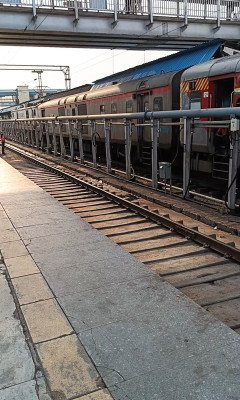
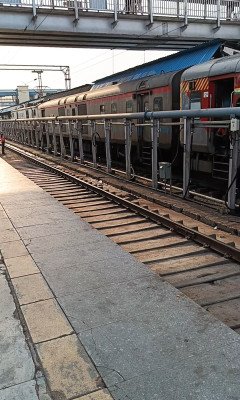
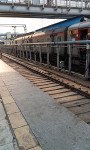
The Geetanjali Rail Museum is a tribute by the Eastern Railway to the life and legacy of Rabindranath Tagore. Inaugurated in 2012 to mark the 150th birth anniversary of the poet, the museum is named after his Nobel-winning collection, "Gitanjali." The two-storied building is designed to resemble "U dayan," one of the houses in Tagore’s Uttarayan complex. Its most significant exhibit is the original Railway Saloon Car (Coach No. 3551) in which an ailing Tagore made his final journey from Bolpur to Kolkata in July 1941. The ground floor houses this beautifully preserved coach, along with a replica of the railway station from that era. The first floor is a treasure trove of over 150 rare photographs, documents, and paintings that detail Tagore's many foreign travels via rail and ship. It showcases how the railway played a pivotal role in the poet's life and his efforts to connect with the world. The museum also displays vintage railway equipment, including old clocks, signal lamps, and uniforms. For railway enthusiasts, the collection of steam engine models and historical logs is fascinating. The museum serves as an educational bridge, explaining the evolution of the Indian Railways alongside the cultural history of Bengal. It provides a nostalgic atmosphere that transports visitors back to the early 20th century. The landscaping around the museum, with its manicured lawns and sculptures, makes it an attractive first stop for any tourist arriving in Bolpur by train. It is a humble yet profound dedication to the man who put Santiniketan on the global map.

Ans:- The Gitanjali Rail Museum was officially opened to the public in 2012, serving as a tribute to the renowned poet and philosopher Rabindranath Tagore, with its foundation stone having been laid in 2010 to commemorate his 150th birth anniversary.

Ans:- The museum serves as a tribute to Rabindranath Tagore, showcasing rare photographs of the poet and his companions, as well as documenting his various foreign trips, which provide historical insight into his life, work, and extensive travels across the globe.

Ans:- The museum is conveniently located in front of the Bolpur Railway Station in Bolpur, West Bengal, making it easily accessible for tourists arriving by train to visit the cultural heart of Santiniketan and explore the poet's legacy.

Ans:- The museum typically operates from Thursday to Tuesday, with daily opening hours from 9:00 AM to 5:00 PM, and it remains closed on Wednesdays to facilitate maintenance and administrative tasks required for the upkeep of the exhibits.

Ans:- The Gitanjali Rail Museum is managed by the Eastern Railway, which established the institution to preserve historical artifacts and promote the cultural connection between the Indian Railways and the life of the Nobel Laureate Rabindranath Tagore.

Ans:- Yes, the museum is suitable for visitors of all ages, offering a unique blend of learning, entertainment, and inspiration that caters to history enthusiasts, students, and casual tourists interested in the rich heritage and culture of Bolpur.

Ans:- Inside the museum, visitors can explore a treasure trove of knowledge including rare photographs of Tagore, historical documents related to his life and travels, and memorabilia that bridge the gap between different cultures and historical periods in India.

Ans:- Visitors should inquire at the entrance regarding current entry fees, as museum policies can sometimes change; however, it is generally considered an affordable destination for those looking to immerse themselves in the local history and culture.

Ans:- It is named after Tagore's famous collection of poems, "Gitanjali," which won him the Nobel Prize, reflecting the deep cultural significance of his work and his enduring association with the region and the spirit of Santiniketan.

Ans:- While official guided tours might not always be available, the exhibits are well-labeled, and the museum's layout is designed to be self-explanatory, allowing visitors to walk through at their own pace and appreciate the historical value of each display.

Ans:- Policies regarding photography can vary, but visitors are generally encouraged to capture memories respectfully; it is best to confirm with the museum staff or security personnel at the entrance whether photography is permitted in all areas.

Ans:- A visit to the Gitanjali Rail Museum typically takes about one to two hours, providing enough time to view the exhibits, read the historical context provided, and enjoy the educational atmosphere of this tribute to Rabindranath Tagore.

Ans:- As a modern facility located near the railway station, the museum generally attempts to maintain accessibility for all visitors, but it is recommended to contact the museum authorities directly if you require specific accessibility accommodations for your visit.

Ans:- Given its proximity to the busy Bolpur Railway Station area, there are numerous local shops and cafes nearby where visitors can find refreshments, snacks, and souvenirs to enjoy before or after their tour of the museum.

Ans:- The museum is unique because it combines railway heritage with the literary legacy of Rabindranath Tagore, offering a distinct cultural experience that captures the essence of Bolpur's identity as both a railway hub and an intellectual center.
Information about New and Updated Locations() of West Bengal Has Been Added :-
Card subtitle

Note:-

Information provided here in good Faith and for reference only.

All information and pictures will be updated soon, please keep visiting.

Near Places
...
Amar Kutir

Some quick example text to build on the card title and make up the bulk of the card's content.

Go somewhere
...
Amrakunja

Some quick example text to build on the card title and make up the bulk of the card's content.

Go somewhere
...
Ballavpur Deer Park

Some quick example text to build on the card title and make up the bulk of the card's content.

Go somewhere
...
Ballavpur Wildlife Sanctuary

Some quick example text to build on the card title and make up the bulk of the card's content.

Go somewhere
...
Bhubandanga Cultural Centre

Some quick example text to build on the card title and make up the bulk of the card's content.

Go somewhere
...
Bonerpukur Adivasi Village

Some quick example text to build on the card title and make up the bulk of the card's content.

Go somewhere
...
Cheena Bhavana

Some quick example text to build on the card title and make up the bulk of the card's content.

Go somewhere
...
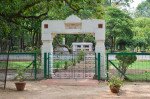
Chhatimtala

Some quick example text to build on the card title and make up the bulk of the card's content.

Go somewhere
...
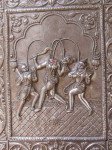
Chhinnamasta Temple

Some quick example text to build on the card title and make up the bulk of the card's content.

Go somewhere
...
Geetanjali Rail Museum

Some quick example text to build on the card title and make up the bulk of the card's content.

Go somewhere
in Other Cities