
...

FAQs On Giddapahar View Point and Temple

Kurseong, West Bengal, India
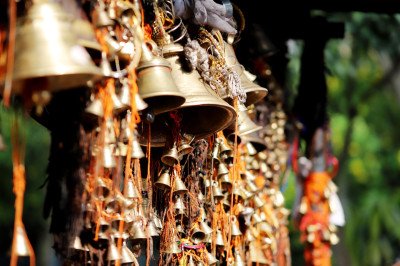
Giddapahar is a geographically and spiritually significant spot located a short distance outside Kurseong on the main road leading to Darjeeling. The name 'Giddapahar' translates roughly to 'Vulture Hill,' though the origin is subject to local myths. The location is two-fold: a popular natural viewp oint and the site of an ancient, revered Hindu shrine dedicated to Lord Shiva and Goddess Kali. The viewpoint is particularly famous among railway enthusiasts because it offers the perfect vantage point to observe and photograph the iconic Darjeeling Himalayan Railway (DHR) Toy Train as it slowly winds its way up or down the steep slopes, often circling closely below the viewing deck. The temple, built into the rock face of the hill, is a place of deep devotion, drawing pilgrims from nearby towns. It has a peaceful, mystical ambiance, often filled with the gentle ringing of bells and the aroma of incense. Unlike other viewpoints, which focus solely on mountains, Giddapahar combines natural beauty, human engineering marvel (the Toy Train), and spiritual heritage, making it a unique and well-rounded destination for all visitors. The surrounding small businesses, often selling local food and souvenirs, add a lively community feel to the sacred spot.

Ans:- Giddapahar is celebrated for its breathtaking panoramic views of the lush green valleys and the distant Himalayan peaks, combined with a peaceful spiritual atmosphere due to its prominent temple. The combination of nature and devotion creates a tranquil retreat for visitors. The view point offers a perfect vantage point to observe the play of clouds over the hills, while the temple provides a space for quiet reflection. Its location along the highway makes it a convenient and visually rewarding stop for anyone traveling through the scenic Kurseong region.

Ans:- The Giddapahar Temple is primarily dedicated to Lord Shiva, one of the most revered deities in Hinduism. The temple acts as a focal point for the local community, attracting many devotees who come to offer prayers, especially during auspicious days and religious festivals. The serene environment surrounding the temple, set against the dramatic backdrop of the mountains, adds to its spiritual appeal, making it a place where both religious pilgrims and curious tourists feel a sense of calm and spiritual connection while overlooking the vast, beautiful landscape below.

Ans:- The best time of day to visit Giddapahar is undoubtedly during the early morning or late afternoon. Early mornings often provide the clearest visibility of the surrounding snow-capped peaks and the lush valleys below before the clouds begin to roll in. Late afternoons are equally stunning, as the setting sun casts a golden glow over the landscape, creating spectacular lighting for photography. Visiting during these 'golden hours' ensures that you avoid the harshest midday sun and maximize the chance of witnessing the dramatic and ever-changing mountain weather.

Ans:- Yes, Giddapahar is located just a short distance from the main town of Kurseong, making it easily accessible. Many travelers choose to visit Giddapahar as part of a shared taxi or private vehicle hire when exploring the various sights around Kurseong. Because it is situated conveniently along the main road connecting Kurseong to other parts of the Darjeeling district, it is a very common stop for tourist vehicles. The journey is short and offers beautiful winding roads that are characteristic of the breathtaking mountain drives in the region.

Ans:- Around the Giddapahar area, there are small, local stalls that cater to tourists and travelers. You can typically find basic refreshments such as tea, coffee, and simple local snacks like momos or maggi. While these stalls are convenient for a quick break and to soak in the views, they are modest in size. Visitors looking for a full meal might prefer the dining options within the main Kurseong town. Carrying a bottle of water and some light snacks is always a good idea, especially if you plan on spending significant time there.

Ans:- Like many scenic spots in the Darjeeling Himalayan region, Giddapahar can become quite popular during the weekends and peak tourist seasons. If you prefer a quieter, more meditative experience, visiting on a weekday is highly recommended. Weekends often attract families from neighboring towns and tourists from across the region who come for a short outing. While the area can get busy, the spacious nature of the viewpoint ensures that you can still find a corner to enjoy the scenery and the serene atmosphere of the nearby temple without feeling overly crowded.

Ans:- On a clear, cloudless day, you can indeed get stunning glimpses of the Himalayan mountain ranges from the vantage point of Giddapahar. While the visibility of the mighty Mount Kanchenjunga depends heavily on the weather conditions, the panoramic vista of the surrounding hills, the deep valleys, and the tea estates is consistently breathtaking regardless of whether the peaks are fully visible. The viewpoint is highly prized by photographers and nature lovers specifically for the expansive perspective it offers, which perfectly captures the dramatic, layered beauty of the Eastern Himalayas.

Ans:- While there is no rigid or formal dress code strictly enforced at the Giddapahar Temple, it is always respectful to dress modestly when visiting any place of worship in India. Wearing clothing that covers the shoulders and knees is considered appropriate and shows respect for the local religious sentiments. As it is a hill station, the weather can turn cool quickly, so wearing layers is both practical and respectful. Maintaining a quiet and decorous demeanor while inside the temple complex is also expected of all visitors.

Ans:- Giddapahar is a dream location for photography enthusiasts. The viewpoint offers a dramatic interplay of light and shadow, particularly during the early morning hours or when the clouds pass through the valley. You can capture stunning shots of the winding mountain roads, the lush tea gardens nestled in the valleys, and the intricate architecture of the temple against the massive backdrop of the mountains. Whether you are using a professional camera or a smartphone, the landscape provides endless opportunities for capturing the serene, majestic beauty that defines the Kurseong region.

Ans:- While Giddapahar itself is more of a viewing and spiritual destination than a trekking base, there are various paths and trails nearby that wander through the tea gardens and forested hillsides of Kurseong. You can enjoy a moderate walk in the vicinity of the temple to explore the local environment further. However, please be mindful that some of these paths might be on private property, particularly within the tea estates, so it is always respectful to stay on established trails and be mindful of the local community and their daily routines.

Ans:- It is generally advised to visit Giddapahar during daylight hours. While the location is beautiful, the roads in the hill region can be narrow, winding, and poorly lit after dark. For the best safety and experience, plan your visit so you are traveling back to your hotel or the main town before nightfall. Additionally, the viewpoint and the temple grounds are much more enjoyable during the day when you can fully appreciate the panoramic scenery. Enjoying a sunset view and then heading back promptly is a sensible plan for most travelers.

Ans:- No, you do not need any special permit to visit the Giddapahar Temple or the viewpoint. These are public, open spaces intended for visitors and locals alike. You are free to explore the area and offer prayers at the temple as you wish. Just ensure that you behave respectfully, follow any local guidelines posted, and maintain the cleanliness of the site. It is a wonderful, accessible spot that welcomes tourists to share in the calm and the spectacular views that define this lovely section of Kurseong.

Ans:- Weather is the defining factor for the experience at Giddapahar. On sunny days, the views are expansive and crisp, allowing you to see deep into the valleys and often far into the distance. Conversely, during the monsoon or on cloudy days, the area is frequently enveloped in thick, mystical fog. While this might limit the long-distance visibility of the mountain ranges, it creates a unique, moody, and ethereal atmosphere that many visitors find deeply enchanting. Both types of weather offer a distinct, rewarding experience, provided you are dressed appropriately for the conditions.

Ans:- Many temples in the Himalayan region have local stories and legends associated with their establishment, and the Giddapahar Temple is no exception. Local folklore often attributes the sanctity of the place to the natural beauty and the elevated, peaceful setting that attracts spiritual seekers. Visitors are often encouraged to ask the local caretakers or residents about the history and any specific stories associated with the temple, as these oral traditions provide a deeper cultural context that turns a simple visit into a richer understanding of the local heritage and the community's deep-rooted faith.

Ans:- When visiting Giddapahar, it is recommended to carry a camera to capture the stunning views, comfortable walking shoes for moving around the area, and a light jacket, as the temperature can drop quickly even during the day in the hills. Additionally, carrying a bottle of water and some light snacks is advisable. If you plan to visit the temple, carrying a small offering or simply maintaining a respectful and quiet demeanor is sufficient. Finally, bring an appreciation for the serene, natural beauty, as that is the highlight of the trip.
Information about New and Updated Locations() of West Bengal Has Been Added :-
Card subtitle

Note:-

Information provided here in good Faith and for reference only.

Near Places
...
Ambootia Tea Estate

Some quick example text to build on the card title and make up the bulk of the card's content.

Go somewhere
...
Ambotia Shiva Temple & Orange Garden

Some quick example text to build on the card title and make up the bulk of the card's content.

Go somewhere
...
Bhangzang Salamander Lake

Some quick example text to build on the card title and make up the bulk of the card's content.

Go somewhere
...
Chimney Heritage Park

Some quick example text to build on the card title and make up the bulk of the card's content.

Go somewhere

...
Dow Hill Eco Park

Some quick example text to build on the card title and make up the bulk of the card's content.

Go somewhere
...
Eagle's Crag

Some quick example text to build on the card title and make up the bulk of the card's content.

Go somewhere
...
Forest Museum

Some quick example text to build on the card title and make up the bulk of the card's content.

Go somewhere

...
Giddapahar View Point and Temple

Some quick example text to build on the card title and make up the bulk of the card's content.

Go somewhere
...
Grotto View Point

Some quick example text to build on the card title and make up the bulk of the card's content.

Go somewhere
...
Hill Cart Road

Some quick example text to build on the card title and make up the bulk of the card's content.

Go somewhere
...
Kettle Valley Viewpoint

Some quick example text to build on the card title and make up the bulk of the card's content.

Go somewhere
...
Makaibari Tea Estate

Some quick example text to build on the card title and make up the bulk of the card's content.

Go somewhere

...
Netaji Subhas Chandra Bose Museum

Some quick example text to build on the card title and make up the bulk of the card's content.

Go somewhere
...
Sitong Village

Some quick example text to build on the card title and make up the bulk of the card's content.

Go somewhere
...
St. Andrew s Church, Kurseong

Some quick example text to build on the card title and make up the bulk of the card's content.

Go somewhere
...
St. Mary s Hill Church

Some quick example text to build on the card title and make up the bulk of the card's content.

Go somewhere
in Other Cities